Support

Pond Inlet

About

Often described as one of the most picturesque communities in the North, Pond Inlet offers a truly breathtaking introduction to the High Arctic. Known traditionally as Mittimatalik, this predominantly Inuit hamlet is located on the northern tip of Baffin Island in Nunavut, Canada. With a population of approximately 1,600 residents, it serves as a vital cultural hub and a welcoming gateway for adventurers seeking to experience the raw beauty of the polar landscape.

The geography of the area is defined by dramatic mountain ranges and vast icy waters. The village overlooks Eclipse Sound, offering spectacular views of the rugged peaks and glaciers of Bylot Island directly across the water. Due to its high latitude, visitors here experience the phenomenon of the Midnight Sun in summer, where daylight persists for months, and the dark, starry skies of the Polar Night in winter, often illuminated by the dancing Aurora Borealis.
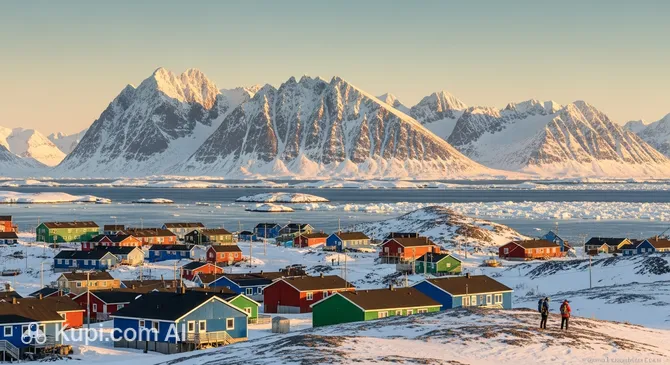
Pond Inlet. Source: Kupi.Binoculars

While the scenery is ancient, the community is vibrant and deeply rooted in tradition. Those wishing to learn more about the region's past and the resilience of its people can explore the history of Pond Inlet, which highlights the enduring lifestyle of the Inuit and their connection to the land and sea. The local culture is thriving, with many residents engaging in traditional arts, carving, and printmaking.

For nature enthusiasts, Pond Inlet is a premier destination for wildlife viewing. It is often referred to as the "Narwhal Capital of the World" because these unique tusker whales migrate through the nearby waters in large numbers. Additionally, the hamlet serves as the main entry point to Sirmilik National Park, a sanctuary of glaciers, valleys, and seabird colonies that attracts hikers and skiers from around the globe.

Whether you are watching icebergs drift slowly through the sound or meeting the friendly locals, a visit to Pond Inlet promises an unforgettable Arctic adventure. It is a place where the grandeur of nature meets the warmth of community, making it a must-visit destination for anyone traveling to the far north.

Weather Overview

Located in the High Arctic, the climate here is defined by long, frigid winters and brief, cool summers. The coldest period typically occurs in February, when average temperatures drop to approximately -31.7°C, requiring visitors to be well-prepared for extreme cold. Conversely, the warmest month is July, offering a milder average temperature of 6.3°C, which is ideal for outdoor activities and viewing wildlife.

Precipitation is generally very low, often recorded between 0mm and 2mm per month, though the frequency of wet days increases during the warmer season. October tends to be the dampest month in terms of frequency, with about 15 days seeing some form of moisture. To help plan your packing list and activities, it is recommended to review the detailed forecast for the weather in Pond Inlet before your trip.

Overall, you should expect cool summers with occasional light precipitation and extremely cold, dry winters that demand heavy thermal clothing.

Interesting Facts

Beyond its reputation as a wildlife haven and a gateway to the Arctic, Pond Inlet holds fascinating historical secrets and unique origins that often surprise visitors.

  • The Mystery of Mittima: While the hamlet is widely known by its traditional name, Mittimatalik, the meaning translates to "the place where Mittima is buried." However, the identity of Mittima remains a subject of local mystery, as oral history provides few clues about who this person was or why they were buried there.

  • Named After an Astronomer: The English name "Pond Inlet" was bestowed by the explorer Sir John Ross in 1818. He named it in honor of John Pond, who was the Astronomer Royal of Great Britain at the time, reflecting the importance of celestial navigation during that era of exploration.

  • A Celestial Discovery: The breathtaking body of water facing the community, Eclipse Sound, also owes its name to Sir John Ross. He named it to commemorate a solar eclipse he witnessed while sailing through these waters, forever linking the geography to that specific astronomical event.

  • Ancient Thule Roots: Just a short distance from the modern town lies the archaeological site of Qilalukan. Here, visitors can see the distinct remains of ancient Thule sod houses, offering physical proof that this specific location has been a favored habitation site for over a thousand years.

How to Get There

Reaching this remote Arctic community is an adventure in itself, as there are no roads or railway lines connecting Nunavut to the rest of Canada. Air travel is the primary and most practical method for visitors, though some travelers arrive by cruise ship during the summer months. For a comprehensive guide on logistics and routes, you can read more about how to get to Pond Inlet to help plan your journey.

The hamlet is served by its own local aviation hub, the Pond Inlet Airport (IATA: YIO). Located just 1.6 km from the center of the settlement, it is very convenient for arriving passengers. Since the airport is practically within the community, the transfer is quick, taking approximately 5 minutes by taxi or shuttle, allowing for loading and short transit. This facility handles a small volume of passengers annually, reflecting the exclusive and remote nature of the destination. Most flights connect through Iqaluit, the capital of Nunavut.

For clarity, here is a summary of the main airport:

Airport Name City Passenger Traffic Km from City
Pond Inlet Airport Pond Inlet Small 1.6

Regarding rail transport, it is important to note that the rigorous Arctic terrain and geographic isolation of Baffin Island mean there is no railway infrastructure in this region. Consequently, trains are not an option for reaching Pond Inlet. Visitors must rely on air connections or organized maritime expeditions to access this spectacular part of the High Arctic.

Main Attractions

Sirmilik National Park is undoubtedly the crown jewel of the region and a primary reason many travelers journey this far north. Spanning a vast area of glaciers, valleys, and red sandstone hoodoos, this park offers some of the most dramatic scenery in the Canadian Arctic. Accessible by boat or snowmobile from the hamlet, it is a haven for hikers and ski-touring enthusiasts who wish to explore the rugged beauty of Oliver Sound and the Borden Peninsula.

For a deep dive into local culture and history, the Nattinnak Visitor Centre is an essential stop located right in the heart of the community. This facility serves as a museum and cultural hub, housing fascinating exhibits on Inuit history, the Thule people, and the local environment. It is also a great place to view and purchase unique soapstone carvings and prints created by local artists, directly supporting the community's vibrant arts scene.

Nature lovers will find the Bylot Island Migratory Bird Sanctuary to be a spectacular sight, especially during the warmer months. Located just across Eclipse Sound, the island's steep cliffs become a nesting ground for hundreds of thousands of seabirds, including thick-billed murres and black-legged kittiwakes. The sheer volume of birdlife here creates a sensory experience of sound and motion that is truly unforgettable for wildlife photographers and ornithologists.

One of the most unique experiences in Pond Inlet is a trip to the Floe Edge (known locally as Sinaaq). In late spring, typically May and June, this dynamic line where the land-fast ice meets the open ocean becomes a bustling theater of wildlife. It is widely considered one of the best places on the planet to spot narwhals, often called the "unicorns of the sea," as well as beluga whales, polar bears, and seals congregating in the nutrient-rich waters.

For those looking for an accessible outdoor experience closer to town, Tamaarvik Territorial Park offers a perfect setting for camping and hiking. Located just a short walk from the settlement, it features tent platforms and windbreaks, making it a comfortable spot to enjoy the midnight sun. The park is also a popular area for berry picking in the late summer and provides a quiet space to reflect on the stunning Arctic landscape surrounding you.

Local Cuisine

The culinary landscape of Pond Inlet is deeply rooted in the traditions of the Inuit and the harsh realities of the High Arctic environment. Here, food is a direct connection to the land and sea, with a focus on "country food," or niqiniq. Visitors should not expect a wide array of international restaurants, but rather a unique opportunity to taste wild game and fish harvested sustainably from the surrounding waters and tundra.

One of the most celebrated staples is Arctic Char, a cold-water fish known for its rich flavor and vibrant pink flesh. It is prepared in various ways: smoked, baked, dried into jerky known as pipsi, or eaten raw and frozen, a style called quaq that is a local favorite. Another signature delicacy is Muktuk, consisting of whale skin and blubber, usually from the narwhal or beluga. Rich in vitamins and energy, it has a distinct nutty flavor and is often served diced. For a comforting accompaniment, you will almost always find Bannock, a dense and filling fried or baked bread that is a staple at nearly every meal.

When it comes to beverages, hot tea is the undisputed king of social drinks in the North, often served strong and sweet to warm up against the chill. As for alcohol, travelers should be aware that Pond Inlet is a restricted community. There are no bars, liquor stores, or nightclubs in the hamlet. The importation of alcohol is strictly controlled, so the social scene revolves around community gatherings, storytelling, and cultural events rather than pubs.

The dining scene for tourists is concentrated primarily within the local accommodations. Hotel dining rooms typically offer a mix of standard Canadian fare—such as burgers and steaks—alongside traditional local dishes when available. There are no street food stalls or bustling food markets in the conventional sense. Instead, visitors often pick up snacks and supplies at the local Northern Store or Co-op, which serve as the community's grocery hubs. For the most authentic culinary experience, attending a community feast or being invited to share a meal with locals offers the best insight into the region's food culture.

Travel Tips

Visiting Pond Inlet requires thoughtful preparation, as travelling to the High Arctic is unlike any standard vacation. To help you navigate the unique logistics and cultural nuances of this remote community, here is a set of practical guidelines to ensure your journey is safe and enjoyable.

  1. Prioritize High-Performance Gear. The weather here can be unforgiving, so function must trump fashion. Even in summer, bring a windproof and waterproof outer layer, thermal underwear, and sturdy, insulated hiking boots. If visiting in winter, a heavy-duty parka, insulated pants, and rated boots are mandatory. Don't forget sunglasses to protect against snow blindness and a standard Type A/B power adapter for your electronics.

  2. Getting Around the Hamlet. Public transportation like buses or metros does not exist here. The community is compact and walkable, so most visitors get around on foot. For longer distances or excursions, locals rely on ATVs in the summer and snowmobiles in the winter. Taxis are available but limited; you can arrange transfers through your hotel or local outfitters, as there are no car rental agencies.

  3. Managing Your Finances. The currency is the Canadian Dollar (CAD). While the local Northern Store and Co-op accept credit and debit cards, it is highly recommended to bring cash. Cash is essential for purchasing carvings or prints directly from local artists and for tipping guides. There is an ATM in the community, but it can be unreliable, so arriving with sufficient funds is a smart move.

  4. Wildlife and Health Safety. There is a local Health Centre for basic medical needs, but serious emergencies require a medical evacuation to the south. Be sure to bring all necessary personal medications. Regarding safety, the biggest risk is wildlife; never wander outside the town limits without a licensed guide, as polar bears are a real and present danger in the surrounding area.

  5. Communication and Connectivity. English is widely spoken, but the primary language is Inuktitut. Learning a simple greeting like "Ullaakkut" (Good morning) is deeply appreciated by locals. Cell service exists (primarily Bell network) but can be spotty, and data speeds are often slow (3G). Wi-Fi is available in hotels but is typically bandwidth-restricted, so plan for a digital detox.

  6. Respect Local Etiquette. The community is friendly but values respect and privacy. Always ask for permission before taking photographs of people, especially elders and children. It is customary to remove your boots or shoes immediately upon entering a home or certain public buildings, so wearing socks that are in good condition is a practical tip.

  7. Respect Alcohol Regulations. Pond Inlet is a restricted community regarding alcohol. You cannot buy alcohol in town, and there are strict limits on what you can bring in for personal consumption. Public intoxication is frowned upon and can cause offense; it is best to treat your visit as a "dry" trip to respect local norms.

  8. Understand Retail Logistics. Everything in the Arctic must be flown or shipped in, making groceries and supplies significantly more expensive than in southern Canada. Do not complain openly about prices to locals, as this is their daily reality. Also, check store hours, as shops may close early or close for lunch breaks.

By keeping these tips in mind, you will be well-equipped to embrace the rhythm of life in the North. A trip to Pond Inlet is a privilege, and arriving prepared allows you to focus entirely on the incredible landscapes and the warmth of the people who call this frozen paradise home.

Entertainment & Nightlife

Travelers arriving in Pond Inlet expecting a traditional urban nightlife scene filled with pulsing nightclubs, cocktail bars, or late-night discos will find a very different, yet equally captivating, reality. As a remote Inuit community, the concept of "nightlife" here is not defined by commercial entertainment venues but rather by community gatherings, cultural traditions, and the spectacular natural phenomena of the High Arctic sky. It is important to remember that Pond Inlet is a restricted community regarding alcohol, meaning there are no pubs, liquor stores, or bars. The atmosphere is peaceful, family-oriented, and deeply connected to the local lifestyle.

Instead of hopping between clubs, social life in the evenings often revolves around the Community Hall. This is the heartbeat of the hamlet's social scene, where visitors might be lucky enough to witness or participate in traditional square dances, throat singing performances, or community feasts. These events are inclusive and warm, offering a genuine glimpse into Inuit culture that no commercial ticket could buy. The "dress code" is strictly practical: heavy wool, fleece, and parkas are the standard, as fashion here is dictated by the need to stay warm rather than to impress.

For those looking to dine out in the evening, options are limited to the dining rooms of the local accommodations. The Sauniq Hotel provides a warm space where travelers and locals occasionally mix over a hearty meal. While it is not a "night spot" in the conventional sense, it serves as a central hub for exchanging stories after a long day of Arctic exploration. Dinner service typically ends relatively early, so it is advisable to check timings upon arrival. Prices are higher than in southern cities due to the cost of shipping ingredients, so budget accordingly.

The true star of the night entertainment in Pond Inlet, particularly from autumn through spring, is the Aurora Borealis. With little to no light pollution, the hamlet offers front-row seats to some of the most intense Northern Lights displays on the planet. Visitors often gather near the waterfront or simply step outside their hotels to watch the green and purple ribbons dance across the sky. Practical advice for this activity is simple: dress in your warmest layers, bring a tripod for your camera, and never walk far from the settlement alone due to the risk of polar bears.

Safety is paramount when exploring after dark. While the crime rate is generally low and the community is welcoming, the environment poses significant risks. During the dark winter months, visibility is poor, and extreme cold can set in within minutes. Furthermore, polar bears are a real presence in the region. It is strongly recommended to stay within the lighted areas of the town and to use a taxi service if you need to travel from the airport or between distant buildings, rather than walking alone at night.

During the daylight hours (which can last 24 hours in summer), entertainment shifts to cultural and outdoor education. The Nattinnak Visitor Centre is the primary attraction, functioning as a museum, art gallery, and information hub. Here, you can learn about the region's history, view Thule artifacts, and purchase soapstone carvings. For outdoor enthusiasts, the surrounding landscapes offer endless opportunities for photography and hiking, serving as a natural amusement park that far outshines any man-made facility.

Parks & Museums

While Pond Inlet is small in size, its surroundings serve as a vast, living museum of Inuit culture and a monumental natural playground. The community does not rely on manicured city gardens or sprawling art complexes; instead, its "parks" are millions of hectares of protected wilderness, and its "museums" are centres that preserve the living history of the High Arctic. For visitors to Canada's north, these spaces offer an intimate look at life at the top of the world.

Sirmilik National Park is the region's most significant natural area, encompassing a diverse landscape that ranges from the glaciers of Bylot Island to the red sandstone hoodoos of the Borden Peninsula. Unlike urban parks, Sirmilik is a true wilderness area divided into three distinct sectors, offering terrain for experienced hikers, skiers, and kayakers. Visitors here are treated to a raw display of Arctic geology and ecology, where polar bears roam the sea ice and ancient glaciers carve their way to the ocean.

Closer to the hamlet, Tamaarvik Territorial Park provides a more accessible outdoor experience. It serves as a designated camping area equipped with wooden tent platforms and windbreaks, designed to protect campers from the Arctic breeze. It is an excellent spot for a short hike to enjoy panoramic views of Eclipse Sound and the distant mountains. In late summer, the tundra here comes alive with low-bush berries, turning the park into a popular spot for locals gathering ingredients for the winter.

The cultural heart of the town is the Nattinnak Visitor Centre. Serving as the primary museum and interpretive facility, it houses a compelling collection of exhibits that explain the history of the area, from the pre-contact era to the modern day. Visitors can examine traditional tools, clothing, and taxidermy displays that illustrate the local wildlife. The centre also functions as a community hub, often hosting a library and selling art, making it the best place to gain context about the land and its people before heading out on an expedition.

Just a few kilometres west of the community lies Qilalukan, an archaeological site that functions effectively as an open-air museum. This area is home to the remains of ancient sod houses used by the Thule people, the ancestors of the modern Inuit. Walking among the distinct earthen mounds and whale bone frames offers a tangible connection to the past, allowing tourists to visualize how people thrived in this harsh environment over a thousand years ago.

For a truly local experience, take a walk to Salmon Creek (Iqaluit Kuunga), located a short distance from the town. It is a favourite spot for residents to fetch fresh glacial water and enjoy picnics during the warmer months. The walk offers a peaceful escape and a chance to see the community from a different perspective, often accompanied by the sounds of flowing water which is a rarity in the frozen months.

Getting Around

Travelers planning a trip to Pond Inlet should be aware that the concept of public transportation here differs significantly from large urban centers. There is no municipal transit system in the hamlet; this means you will not find buses, trams, metros, or trolleybuses operating on fixed routes or schedules. The community is small and compact, designed primarily for pedestrian traffic and off-road vehicles suited to the Arctic terrain.

The primary motorized alternative for getting around town is the local taxi service. Taxis here function somewhat differently than in major cities; they typically operate on a flat-rate system rather than using a meter. A single trip within the hamlet usually costs a fixed fee per person, often around $7 to $10 CAD. It is important to note that these taxis are standard passenger vehicles, usually pickup trucks or SUVs, capable of navigating the unpaved and often snowy roads.

Regarding payment, cash is the absolute standard for transport services. While credit card machines are becoming more common in the north, taxi drivers generally do not accept cards or digital app payments. Visitors are strongly advised to carry sufficient Canadian currency in small denominations ($5, $10, and $20 bills) to pay for rides. There are no travel passes, transit cards, or mobile ticketing apps available for use in the community.

For practical advice, always confirm the price with the driver before entering the vehicle. Taxis do not cruise the streets looking for fares; you must call the dispatch number to request a ride. Operating hours can vary, and service may be limited late at night or during severe weather conditions. Most visitors find that walking is the most reliable and enjoyable way to navigate the settlement, as the distance from one end of town to the other is manageable for anyone with a reasonable fitness level.

Alternatives such as car-sharing apps (like Uber or Lyft) or commercial bike rental stations do not exist in Pond Inlet. Traditional car rental agencies are also absent. If you require transport for excursions outside the hamlet—such as visiting the floe edge or Sirmilik National Park—this is typically arranged through local outfitters who provide snowmobiles and qamutiiks (traditional Inuit sleds) in the winter, or boats and ATVs in the summer. These are booked as part of guided tours rather than as point-to-point public transport.

A special feature of travel here is the airport transfer. Since the airport is located very close to the community (less than a 5-minute drive), many local hotels and lodges offer a shuttle service for their guests. It is highly recommended to arrange this pickup in advance when booking your accommodation, as it ensures a seamless arrival into the unique environment of the High Arctic.

Accommodation

Accommodation in Pond Inlet is limited, reflecting the remote nature of the community. Visitors should not expect the variety of options found in larger cities; there are no backpacker hostels, luxury spa resorts, or international hotel chains here. Instead, the available lodging consists primarily of functional, comfortable hotels and smaller lodges that cater to government workers, contractors, and adventurous tourists. The hospitality is warm and genuine, often providing a cozy refuge from the Arctic elements.

Most accommodation is located centrally within the hamlet, making it easy to walk to the Northern Store, the Co-op, or the Visitor Centre. Staying in the heart of the community allows for easier interaction with locals. However, some lodges are situated slightly closer to the shoreline, offering uninterrupted views of Eclipse Sound and the majestic peaks of Bylot Island directly from your window.

The most prominent place to stay is the Sauniq Hotel (often referred to as Sauniq Inns North Hotel). As a member of the Inns North network, it serves as the main hub for travelers, offering standard amenities like private bathrooms, cable TV, and Wi-Fi. It also houses a dining room that acts as a social gathering spot for guests. Another notable option is the Black Point Lodge, a smaller facility known for its spectacular location "on the rocks" facing the water, providing front-row seats to the scenery and potential wildlife sightings right outside.

Booking Tip: Because the number of rooms in town is very low and demand peaks during the summer tourist season (especially during the narwhal migration in May and June), it is crucial to book your accommodation months in advance. Arriving without a reservation is not an option, as there may be literally no beds available.

Travelers should be prepared for a high price range, often classified as "expensive" by southern standards. Due to the extreme logistical costs of operating in the High Arctic, nightly rates typically start around $300 to $450 CAD for a standard room. While some rooms can be booked via online travel platforms, it is often more reliable to contact the hotels directly by phone or email to confirm availability and discuss any specific dietary or logistical needs.

Nearby Cities

For those looking to explore the surroundings, Pond Inlet serves as an excellent base for day trips to several interesting nearby locations:

Igloolik is the closest major community and a fascinating destination for those interested in Inuit culture and history. Located on a small island in Foxe Basin, it is renowned as a cultural hub and was the setting for the award-winning film Atanarjuat: The Fast Runner. Visitors are drawn here by the rich archaeological sites and the community's strong dedication to preserving traditional arts, storytelling, and land skills.

Known as the "Switzerland of the Arctic," Pangnirtung offers some of the most dramatic scenery in Nunavut. Situated at the mouth of a fjord, it serves as the gateway to Auyuittuq National Park, famous for the towering peaks of Mount Thor and Mount Asgard. Beyond its landscapes, the hamlet is celebrated for the Uqqurmiut Centre for Arts & Crafts, where intricate tapestries and prints are created by local artists.

Iqaluit, the capital of Nunavut, provides a unique contrast to the smaller hamlets. Although further away, it is the central hub for the territory and offers a mix of modern amenities and traditional experiences. Travelers can visit the Unikkaarvik Visitor Centre to learn about the region's geography or explore the Nunatta Sunakkutaangit Museum to see an impressive collection of Inuit artifacts and contemporary art.

City Population Distance (km)
Iqaluit 7740 1069
Cambridge Bay 1766 1056
Igloolik 1700 396
Pangnirtung 1600 871
Kugaaruk 1450 638

These nearby destinations offer a glimpse into the diverse culture and landscapes of the region.

Shopping & Souvenirs

Shopping in Pond Inlet is a functional and culturally immersive experience rather than a leisure activity centered on fashion or luxury goods. As a remote Arctic community, the retail landscape is primarily designed to sustain the local population, offering everything from groceries and hardware to snowmobiles. However, for the visitor, the true value lies in the exceptional opportunity to purchase authentic Inuit art and traditional handicrafts directly from the source, often at better prices and with more variety than can be found in southern galleries.

There are no designated shopping districts, pedestrian boulevards, or high streets in the hamlet. The commercial activity is concentrated in the center of the community, which is small enough to be navigated entirely on foot. Visitors will find that the main retail establishments are located within a short walking distance of the shoreline and the major hotels, serving as the social and economic hubs of the village.

Travelers looking for shopping malls will not find them here. Instead, the community is served by two large general stores that function as all-in-one department stores: the Northern Store and the Tununiq Sauniq Co-op. These retailers sell a vast array of goods under one roof, including fresh and non-perishable food, outdoor clothing, hunting gear, electronics, and household supplies. They are the lifeline of the community and the go-to spots for visitors needing to replenish toiletries, buy snacks, or purchase warm layers for an excursion.

While there are no traditional flea markets or food markets, the Nattinnak Visitor Centre effectively serves as the premier marketplace for tourists. It hosts a dedicated retail space showcasing the work of local artists. Here, you can browse a curated selection of sculptures, jewelry, and prints in a comfortable environment. Occasionally, pop-up sales occur at the Community Hall, or artists may approach visitors respectfully to sell their work directly, which is a common and accepted practice in the North.

When it comes to souvenirs, Pond Inlet is world-renowned for its high-quality Inuit art. The most sought-after items are soapstone, bone, and antler carvings, often depicting Arctic wildlife like polar bears, narwhals, and seals. Other unique keepsakes include hand-sewn items such as seal skin mitts, kamiks (traditional boots), and intricate tapestries. If you purchase items made from whale bone or ivory, be sure to ask about export permits (CITES), as taking these natural materials across international borders requires specific documentation.

Store opening hours are generally consistent, typically running from 9:00 AM or 10:00 AM to 5:00 PM or 6:00 PM, Monday through Saturday. Some stores may have reduced hours or be closed on Sundays. Payment methods in the main stores (Northern and Co-op) are modern, accepting major credit and debit cards as well as cash. However, if you plan to buy art directly from local carvers or at smaller community events, carrying cash (CAD) is essential, as individual artists rarely have card terminals. ATMs are available in town but can be unreliable, so bringing sufficient cash is widely recommended.

regarding tax-free shopping, Canada does not have a VAT refund system for international tourists for goods bought and taken out of the country. However, shopping in Nunavut offers a slight tax advantage compared to other provinces; there is no Provincial Sales Tax (PST), so you will only be charged the 5% federal Goods and Services Tax (GST) on most purchases. This makes buying higher-value items, such as art, slightly more affordable than in other parts of the country.

Nearby cities

Reached the end of the page?

That means the route is fully explored