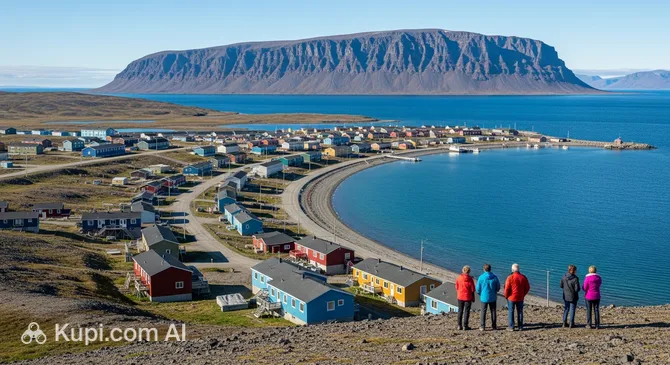
General Overview: Shopping in Arctic Bay is a unique, functional experience rather than a recreational pastime. As a remote hamlet in the High Arctic, the community does not have boutiques, department stores, or fashion outlets. Instead, the retail scene is focused on essential survival gear, groceries, and the incredible artistic output of the local Inuit population. Visitors will find that "shopping" here is less about browsing shelves and more about discovering authentic, handmade treasures that reflect the culture and the land.
Main Shopping Areas: There are no shopping districts or streets in the traditional sense. The commercial activity of the village is concentrated in two main general stores: the Taqqut Co-op and the Northern Store. These establishments are the lifelines of the community, selling absolutely everything a resident might need, from fresh produce and canned goods to snowmobiles, rifles, and heavy-duty winter parkas. For a tourist, a visit to these stores offers a fascinating glimpse into the logistics of life in the North, where avocados sit on shelves near ammunition and sewing supplies.
Shopping Malls: Travelers should be aware that there are no shopping malls in Arctic Bay. The small population size and the logistics of construction in the Arctic make large retail complexes unnecessary and impractical. The "one-stop-shop" nature of the Co-op and Northern Store effectively replaces the need for a mall, serving as the department store, grocery, and hardware supplier all in one.
Markets: The community does not have a permanent marketplace. However, the "market" here is often informal and personal. Local artisans may sell their work directly from their homes or at community gatherings in the community hall. Occasionally, pop-up sales occur where residents sell baked goods or traditional crafts, but these are irregular and best discovered by asking locals or checking notices at the post office or Hamlet Office.
Souvenirs: The true gems of Arctic Bay are its arts and crafts. The region is world-renowned for its Inuit carvings made from soapstone, serpentine, marble, and whale bone. These sculptures often depict Arctic wildlife like polar bears, narwhals, and seals, or scenes from Inuit mythology. Another prized souvenir is traditional clothing, such as handmade mitts (pualuuk) or seal skin slippers (kamiks), which are both beautiful and incredibly warm. When purchasing carvings, look for the "Igloo Tag," which certifies that the piece is an authentic Inuit creation.
Opening Hours and Payment: The main stores typically operate from Monday to Saturday, with reduced hours or closures on Sundays. They generally open around 10:00 AM and close by 6:00 PM or 7:00 PM. Credit and debit cards are widely accepted at the Co-op and Northern Store. However, if you plan to buy art directly from a local carver, cash is essential. There are few ATMs in town, and they can run out of cash, so it is highly advisable to bring sufficient Canadian currency with you.
Tax Information: One of the financial benefits of shopping in Nunavut is the tax structure. Unlike many other Canadian provinces that add a Provincial Sales Tax (PST) on top of the federal tax, Nunavut currently has no PST. You will only be charged the 5% federal Goods and Services Tax (GST) on most purchases. While there is no specific "tax refund" program for tourists at the airport, the lower upfront tax rate makes purchasing higher-value items like art slightly more affordable compared to southern Canada.