Support

Gods River

About

Deep in the heart of the northern wilderness lies Gods River, a destination that promises serenity and adventure for those willing to venture off the beaten path. This remote community, also known as Manto Sipi, is situated in the province of Manitoba, Canada. It is renowned for its pristine natural environment, offering a glimpse into the rugged and untouched beauty of the boreal forest.
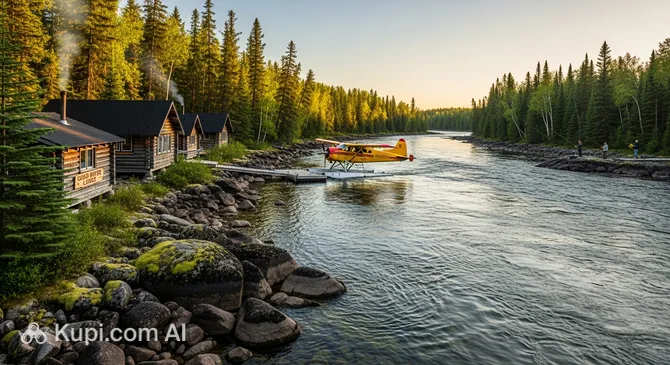
Gods River. Source: Kupi.Binoculars

Geographically, the settlement is located along the banks of the river that shares its name, which flows from the expansive Gods Lake. The climate here is characterized by the subarctic region, featuring crisp, snowy winters and mild, pleasant summers that are ideal for outdoor exploration. While the local population is small, the community is vibrant and deeply connected to the land. Visitors interested in the cultural roots of the area can explore the history of Gods River, which is intrinsically linked to the Manto Sipi Cree Nation and their enduring stewardship of these traditional territories.

For travelers, the primary allure of Gods River is undoubtedly its world-class fishing. Anglers from around the globe make the journey to challenge the legendary brook trout, northern pike, and walleye that thrive in the crystal-clear waters. Beyond the thrill of the catch, the area is a haven for wildlife viewing and witnessing the spectacular Northern Lights, which frequently dance across the dark skies on clear nights.

Whether you are an avid angler seeking a trophy catch or a nature lover looking for absolute solitude, Gods River offers an unforgettable experience. It is a unique place to disconnect from the hustle of modern life and immerse yourself in the tranquility of the true North.

Weather Overview

Understanding the local climate is essential for any trip to this northern destination. The area experiences distinct seasons, characterized by long, cold winters and short, mild summers. For a more detailed breakdown of what to expect during your visit, you can consult the guide to weather in Gods River.

Winter is the dominant season, with January and February seeing average temperatures plunge to around -20°C, and minimums dipping as low as -24.2°C. While these months are freezing, they see relatively low precipitation volume. Spring arrives slowly; March averages -10.8°C, and it isn't until May that the average temperature climbs above freezing to roughly 6°C.

Summer offers the most favorable conditions for fishing and outdoor exploration. July is the warmest month, boasting an average temperature of 18.6°C and highs reaching nearly 23°C. However, visitors should pack rain gear, as the summer months of June through August typically feature 12 to 14 wet days per month. Temperatures begin to cool rapidly in September, dropping to an average of 3.5°C in October. In general, expect mild summers with frequent light rain and cold, dry winters.

Interesting Facts

Beyond the main attractions, Gods River holds fascinating details rooted in its remote geography and deep cultural heritage. This secluded destination offers more than just scenic views; it is a place where nature and tradition intertwine in unexpected ways.

  • A Spiritual Name: The name "Gods River" is not merely a descriptive title but a direct translation of the local Cree name, Manto Sipi. In the Cree language, "Manitou" refers to the Great Spirit, reflecting the deep spiritual connection the Indigenous people have maintained with these waters for generations.

  • The Ice Road Lifeline: For most of the year, this community is accessible only by air, making it a true fly-in destination. However, during the coldest months, a temporary winter road is constructed over frozen lakes and muskeg, allowing vehicles to drive in with supplies—a feat of engineering that disappears with the spring thaw.

  • Legendary "Football" Trout: The brook trout found in these waters are famous in the angling world not just for their abundance, but for their unique shape. Often referred to by locals and guides as "footballs," these fish are renowned for their exceptional girth and heavy weight relative to their length.

  • Ancient Waterways: The river flows from Gods Lake and eventually connects to the Hayes River system. While the Hayes is famous as a historic fur trade route for the Hudson's Bay Company, Gods River remained a more isolated and pristine tributary, preserving its rugged, untouched character throughout history.

How to Get There

Reaching the remote community of Gods River is an adventure in itself, requiring a journey into the heart of Manitoba's pristine wilderness. Because of its isolated location, travel logistics require careful planning, as the settlement is primarily accessible by air. You can find more about how to get to Gods River and the specific transport options available for your trip on our detailed page.

There are no permanent all-weather roads connecting Gods River to the rest of the province, meaning a standard road trip is not possible. Visitors typically fly into regional hubs to begin their journey. Island Lake Airport (IATA: YIV) in the city of Island Lake is the closest listed facility, located approximately 116 km away. A larger regional hub is Thompson (IATA: YTH), situated about 264 km from the community. Travelers should note that arriving at these airports is just the first step; further travel, typically via a connecting charter or regional flight, is required to reach Gods River itself.

For clarity, here is a summary of the regional airports that serve as gateways to the area:

Airport Name City Passenger Traffic Km from Gods River
Thompson Thompson Medium 264.4
Island Lake Airport Island Lake Small 115.9
Sachigo Lake Airport Sachigo Lake Small 160.4

Regarding other forms of transport, the city of Gods River does not have a railway station, and the rail network does not extend into this northern part of Manitoba. While seasonal winter roads are constructed over frozen terrain during the coldest months for supplying the community, they are generally not suitable for casual tourism. Consequently, air travel remains the most reliable and common method for visitors to access this beautiful, secluded destination.

Main Attractions

Gods River

As the community's namesake, the river itself is the crown jewel of the region and the primary draw for visitors. It is celebrated globally among anglers for its legendary brook trout fishery, where the fish are known for their exceptional size and strength. The fast-flowing, crystal-clear waters offer not only thrilling sport fishing opportunities but also breathtaking scenery. Travelers can navigate the river’s rapids and pools, enjoying the profound solitude of the northern wilderness while surrounded by dense boreal forests.

Gods Lake

Located just upstream from the settlement, Gods Lake is a massive body of water renowned for its depth, clarity, and pristine condition. Serving as the source of the river, it offers a distinct experience with its vast, open waters dotted with numerous islands. The lake is a haven for trophy lake trout and northern pike, making it a perfect spot for boating adventures and exploring the untouched shorelines of Northern Manitoba.

Northern Lights Viewing

Thanks to its remote northern latitude and the complete absence of light pollution, this area is a prime destination for witnessing the Aurora Borealis. On clear nights, particularly during the colder months, the sky frequently transforms into a vibrant canvas of dancing green, violet, and pink lights. This spectacular natural phenomenon attracts photographers and nature enthusiasts eager to experience the magic of the polar skies in absolute silence.

The Boreal Wilderness

The surrounding landscape is an attraction in its own right, offering a rare chance to observe Canada's iconic wildlife in a completely undisturbed habitat. The region is home to majestic creatures such as black bears, moose, and wolves, as well as soaring bald eagles. For eco-tourists and photographers, the rugged terrain and endless forests provide a serene and awe-inspiring backdrop for exploration.

Local Cuisine

The culinary experience in Gods River is defined not by five-star restaurants or bustling food markets, but by the pristine wilderness that surrounds the community. Here, the concept of "local cuisine" is taken literally, with a heavy reliance on the bounty of the land and lakes. For visitors, particularly those staying at the fishing lodges, the food culture is centered around fresh, wild ingredients prepared simply and heartily to fuel days spent in the great outdoors.

The absolute highlight of dining in this region is the legendary shore lunch. This is a quintessential Northern Manitoba tradition where your morning catch—typically walleye (often locally called pickerel)—is filleted on the spot and cooked over an open fire on the riverbank. The fish is usually battered and fried until golden and crispy, served alongside potatoes, beans, and corn. The taste of fish caught just minutes before hitting the pan, eaten in the fresh air, is widely considered unrivaled by any fine dining establishment.

Beyond the fish, the local food culture is deeply influenced by the traditions of the Cree people. Bannock, a type of simple, flat quick bread, is a staple that accompanies many meals. It can be baked or fried and is often served with jams made from local wild berries. In the late summer, the surrounding forests are rich with blueberries, raspberries, and cloudberries, which often find their way into desserts or are eaten fresh as a sweet treat during hikes.

Regarding dining venues, you will not find conventional street food stalls or commercial restaurant chains here. Instead, dining is a communal affair, primarily taking place within the fishing lodges or at community gatherings. Meals are typically served family-style, fostering a sense of camaraderie among guests and locals. Breakfasts and dinners are hearty affairs featuring comfort foods like pancakes, bacon, roast meats, and stews, designed to provide warmth and energy against the northern chill.

As for beverages, the options are straightforward and comforting. There is nothing quite like a thermos of hot coffee or tea enjoyed on a boat while waiting for a bite in the crisp morning air. In the evenings, guests at the lodges often unwind with standard Canadian beers or spirits, sharing stories of the "one that got away." It is worth noting that in many remote northern communities, alcohol regulations can vary, so visitors should respect local customs and lodge rules regarding consumption.

Travel Tips

Visiting Gods River is a true adventure into the Canadian wilderness, far removed from the conveniences of urban travel. Because of its remote location and unique environment, a trip here requires careful preparation to ensure your experience is comfortable and safe.

  1. Clothing and Gear: The weather in Northern Manitoba can change rapidly, so the key is layering. Even in summer, bring warm fleece jackets and thermal underwear, as evenings on the water can be chilly. High-quality, waterproof rain gear is non-negotiable for fishing trips. Additionally, a heavy-duty insect repellent and a bug jacket or head net are essential during the summer months to protect against black flies and mosquitoes.

  2. Transportation: Once you arrive at the lodge or community, there is no public transport, metro, or taxi service. Movement within the area is primarily by foot, ATV, or boat, typically arranged by your lodge. Since there are no roads connecting to the outside world (except the winter ice road), car rentals are neither available nor necessary.

  3. Finances: The local currency is the Canadian Dollar (CAD). While your fishing lodge may accept credit cards for the main bill, it is crucial to bring enough cash for the duration of your stay. You will need cash for tipping guides and lodge staff, or for purchasing small items at the local community store. There are no banks or ATMs in the wilderness.

  4. Health and Safety: Medical facilities are limited to a local nursing station for basic care; serious emergencies require an air evacuation to a major city. Ensure you have comprehensive travel insurance that covers medical evacuation. Always carry a personal first-aid kit and a sufficient supply of any prescription medications, as there are no pharmacies to restock supplies.

  5. Communication: English is widely spoken and is the main language for communication with guides and lodge staff, though the local language is Cree. Be prepared for limited connectivity; cell phone reception is often spotty or non-existent. Most lodges offer Wi-Fi, but it may be slower than what you are used to, so plan to disconnect and enjoy the digital detox.

  6. Local Etiquette: Gods River is home to the Manto Sipi Cree Nation. Visitors should show respect for local traditions and the land. A friendly wave and a smile go a long way when meeting locals. Always ask for permission before taking photographs of community members or their property.

  7. What to Avoid: Never wander into the forest alone without notifying your guide or lodge staff. The surrounding wilderness is bear country, and getting lost or encountering wildlife without experience can be dangerous. Also, avoid leaving any trash behind; the community takes great pride in the pristine nature of the river and lake.

  8. Fishing Regulations: If you are here for the angling, familiarize yourself with Manitoba's fishing regulations before you cast a line. Most fishing in this region is "catch and release" to preserve the trophy stock, and the use of barbless hooks is often mandatory. Your guide will usually handle the specifics, but knowing the rules helps ensure a smooth trip.

By packing the right gear and respecting the remote nature of this beautiful destination, you will be perfectly equipped to enjoy everything Gods River has to offer. Embrace the silence, the fresh air, and the incredible fishing for a trip of a lifetime.

Entertainment & Nightlife

Travelers expecting the pulsing energy of nightclubs, neon-lit bars, or bustling entertainment districts will find a completely different experience in Gods River. As a remote community deeply immersed in the wilderness, the "nightlife" here is defined not by urban excitement but by the profound tranquility of the North. There are no commercial nightclubs, discos, or cocktail bars. Instead, evenings are centered around camaraderie, storytelling, and the awe-inspiring natural environment.

The primary social hub for visitors is invariably the Gods River Lodge. After a long day on the water, the lodge's main lounge and dining area become the center of activity. Here, the atmosphere is warm, rustic, and incredibly welcoming. Guests gather to share tales of the day's catch, play cards, or simply relax by a crackling fire. The dress code is strictly casual—flannel shirts and comfortable pants are the norm. It is a place where strangers quickly become friends, bonded by their shared adventure in the wild.

While you won't find a "night market," the evening sky often provides a spectacle that rivals any laser show. Gods River is a prime location for viewing the Northern Lights (Aurora Borealis). On clear nights, visitors often gather on the docks of Gods Lake or the riverbanks to watch the green and violet lights dance across the horizon. This natural theater is the region's most famous after-dark attraction, best enjoyed with a warm drink in hand and plenty of layers to ward off the chill.

For those interested in local culture, the Manto Sipi Community Centre occasionally hosts community gatherings, feasts, or bingo nights. While these are not tourist attractions in the traditional sense, respectful visitors invited to such events can gain a warm insight into the social life of the local Cree Nation. However, access to alcohol is generally restricted in the community itself, with consumption typically limited to the private premises of the fishing lodges.

Practical advice for evenings in Gods River is simple: maximize your time outdoors but prioritize safety. There are no taxis or public transport services at night; getting around is done on foot within the lodge grounds or by boat with a guide. The most important safety tip is to be "bear aware." The wilderness does not sleep, and wildlife, including black bears, can be active at dusk and dawn. Always carry a flashlight and avoid walking alone in unlit areas away from the main buildings.

During the daylight hours, entertainment remains focused on the great outdoors. Beyond fishing, visitors can explore the surrounding trails to see the boreal forest up close or take boat tours to spot eagles and moose. For a quieter afternoon, simply soaking in the silence of this untouched landscape offers a restorative experience that few other destinations can match.

Parks & Museums

Unlike urban centers defined by manicured gardens and formal exhibition halls, Gods River offers a different kind of cultural and natural experience. Here, the "parks" are vast, untamed wilderness areas that stretch for miles, and the "museums" are often the living history of the land and the stories shared by its people. Visitors come here to step directly into a natural gallery where the boreal forest and pristine waters take center stage.

Gods Lake and River System

The primary natural area in this region is the water system itself, which functions as a massive, aquatic national park. Gods Lake is dotted with countless islands and surrounded by rocky shorelines that are perfect for shore lunches and exploration. The area is untouched by industrial development, offering a pure environment where visitors can observe the ecosystem in its most natural state. It is a sanctuary for wildlife and a paradise for those who appreciate the raw beauty of the Canadian Shield.

The Boreal Forest Hinterland

Surrounding the community is the endless expanse of the boreal forest, a "green space" that dwarfs any city park. This dense woodland is dominated by black spruce, jack pine, and poplar trees, creating a habitat rich in biodiversity. While there are no paved walking paths, the trails used by locals and guides offer access to this lush environment. In the summer, the forest floor is carpeted with moss and wild berries, making it a delightful area for guided nature walks and photography.

Cultural Heritage at Gods River Lodge

While there are no traditional museums with ticket counters in Gods River, the Gods River Lodge serves as an informal custodian of the area's history. Established decades ago, the main lodge building often displays vintage photographs, historic fishing tackle, and taxidermy that tell the story of the region's rise as a world-class angling destination. It provides a glimpse into the past, showing how the community and the sport of fishing have evolved over the last century in this remote outpost.

Manto Sipi Cultural Connection

The true cultural heart of the area lies with the Manto Sipi Cree Nation. The history and culture of the region are preserved through oral traditions and the community's deep connection to the land rather than in glass cases. Visitors who engage respectfully with local guides can learn about the traditional ways of life, including trapping, hunting, and the spiritual significance of the river. The landscape itself is dotted with sites of historical importance to the Cree people, representing a living heritage that continues to thrive today.

Insider Tip: Ask your guide about the "Old Post" sites or traditional campsites along the river. While not marked with plaques, these spots often hold stories of the fur trade era and generations of Indigenous travelers. Sitting by a fire at one of these locations offers an atmospheric connection to history that no museum display can replicate.

Getting Around

Travelers accustomed to the extensive transit networks of major metropolitan areas will find the situation in Gods River to be vastly different. As a small, remote community located deep in the northern wilderness, the city does not possess a public transport system. There are no subways, trams, city buses, or trolleybuses operating here. The infrastructure is designed for a small population living in a rugged environment, meaning the standard urban commute options simply do not exist.

Because there is no formal public transportation network, there are no tickets, travel passes, or transport apps to worry about. You will not need to purchase a reloadable card or look for ticket validation machines. For visitors, particularly those staying at fishing lodges, transportation is almost exclusively arranged as part of your accommodation package. Transfers from the airstrip to your lodge are typically conducted via private shuttle vans, pickup trucks, or boats, with the cost included in your stay.

The primary modes of getting around the community and its surroundings are dictated by the terrain and the season. In the summer months, the river and lake serve as the main "highways," with motorboats being the essential vehicle for reaching fishing spots and exploring the area. On land, locals and lodge staff frequently use All-Terrain Vehicles (ATVs) and pickup trucks to navigate the unpaved roads and trails. Walking is also a common and practical way to move between buildings within the community or lodge grounds.

During the winter, the transportation landscape shifts dramatically. When the ground and waterways freeze, snowmobiles become the dominant form of transport, allowing residents and visitors to travel efficiently over the snow and ice. This is a quintessential part of the northern lifestyle, replacing the need for cars or buses. If you visit during this season, you may find that your "taxi" is a sled pulled behind a snowmobile.

For tourists, the best practical advice is to rely entirely on your hosts or guides for logistical support. Since there are no commercial taxi services or car rental agencies available, you cannot simply hail a ride. Ensure that all your movements, especially arrivals and departures, are coordinated in advance with your lodge. Additionally, bring durable footwear suitable for walking on gravel, dirt, or snow, as you will likely be spending a fair amount of time on your feet moving between facilities.

Accommodation

Finding a place to stay in Gods River is less about choosing between competing hotel brands and more about securing your spot at the community's primary wilderness retreat. Due to its remote location in Northern Manitoba, you will not find standard roadside motels, hostels, or international hotel chains here. Instead, accommodation is almost exclusively provided by specialized fishing lodges designed to host anglers and adventure seekers.

The most prominent facility is the historic Gods River Lodge. Situated directly on the water, this lodge offers a rustic yet comfortable experience that blends seamlessly with the surrounding boreal forest. Guests typically stay in private log cabins that are fully furnished and often equipped with wood-burning stoves or heaters to keep the northern chill at bay. While the setting is wild, these cabins usually provide essential modern amenities, including electricity and hot showers, ensuring a cozy refuge after a long day on the lake.

Stays in this region are generally structured as all-inclusive packages. Because there are no independent restaurants or grocery stores accessible to tourists, the lodges provide full meal plans as part of the accommodation rate. This typically includes hearty breakfasts, shore lunches prepared by guides, and communal dinners where guests can socialize. The focus is on hospitality and convenience, allowing visitors to concentrate entirely on fishing and exploration without worrying about logistics.

It is important to note that accommodation in Gods River operates on a seasonal basis, primarily catering to visitors during the fishing season from late spring to early autumn. Because capacity is limited and the destination is popular among global anglers, it is highly recommended to book your trip months in advance. Travelers should also coordinate their flights and transfers directly with the lodge, as the journey to the lodge is often part of the package deal.

Nearby Cities

For those looking to explore the surroundings, Gods River serves as an excellent base for day trips to several interesting nearby locations. While the vast distances of the Canadian Shield typically require air travel for such excursions, these regional hubs offer unique insights into life in the North:

Thompson

Known as the "Hub of the North," Thompson is the largest city in the region and serves as a vital service center. It is famous for the Spirit Way, a scenic walking and biking path that features the world's largest mural of a wolf, celebrating the city's identity as the "Wolf Capital of the World." Visitors can also explore the Heritage North Museum, which houses artifacts related to the fur trade, mining history, and Indigenous culture.

The Pas

Although located further afield, The Pas is a historic settlement often referred to as the "Gateway to the North." It is renowned for its proximity to Clearwater Lake Provincial Park, where the water is so clear you can see the bottom at substantial depths. The town itself is rich in history and hosts the annual Northern Manitoba Trappers' Festival, showcasing traditional northern skills and culture.

Red Lake

Situated across the provincial border in Ontario, Red Lake is a fascinating destination for aviation enthusiasts. Known as the "Norseman Capital of the World," it celebrates the iconic bush plane that opened up the Canadian North. The town offers a glimpse into the bustling life of a community driven by gold mining and floatplane aviation.

City Population Distance (km)
Thompson 13678 261
The Pas 5300 481
Red Lake 4107 426
Pikangikum 3800 338
Pukatawagan 1800 472

These nearby destinations offer a glimpse into the diverse culture and landscapes of the region.

Shopping & Souvenirs

Shopping in Gods River is a unique experience defined by the remote nature of the community. Unlike typical tourist destinations filled with boutiques and souvenir shops, the retail scene here is purely functional and centered on the necessities of life in the northern wilderness. Visitors should adjust their expectations accordingly; you will not find fashion outlets or electronics stores, but rather a system designed to supply the local population and visiting anglers with essential goods.

There are no designated shopping districts or commercial high streets in the settlement. The retail activity is concentrated entirely around the community general store, which serves as the lifeline for residents. This single location typically functions as a grocery store, hardware supplier, clothing outlet, and pharmacy all in one. For tourists, this is the place to pick up snacks, personal hygiene items, or extra batteries, but it is not a destination for leisure shopping.

Travelers looking for shopping malls will not find any in Gods River. The infrastructure simply does not support large commercial centers. The nearest shopping malls are hundreds of kilometers away in cities like Canada's southern urban centers or, to a lesser extent, in the regional hub of Thompson. If you require specialized gear or luxury items, it is imperative to purchase them before boarding your flight to the community.

While there are no formal markets, the community is rich in artistic talent. The local markets here are informal and often event-based. Occasionally, community gatherings or the cultural center may host sales where local artisans display their work. However, there is no permanent flea market or food bazaar for tourists to browse on a daily basis.

When it comes to souvenirs, the best items to look for are authentic Indigenous crafts. The residents of the Manto Sipi Cree Nation are known for their skill in creating beautiful beadwork, handmade moccasins, and mukluks. These items are not usually mass-produced or sold in a gift shop; instead, they are often purchased directly from the artisans. Additionally, the fishing lodges often sell branded apparel, such as hats and t-shirts, as well as locally successful fishing lures, which serve as excellent mementos of your trip.

Opening hours for the local general store are typically limited compared to urban standards. Expect business hours from around 9:00 AM to 5:00 or 6:00 PM on weekdays, with reduced hours or closures on weekends. Regarding payment, cash is the most reliable method of transaction in the community. While the main store and lodges may accept credit cards, systems can go down due to internet connectivity issues. It is highly recommended to carry sufficient Canadian currency for small purchases and tips.

Visitors should be aware that tax-free shopping is not available in Gods River. The standard Goods and Services Tax (GST) and Provincial Sales Tax (PST) apply to most purchases. There are no refund counters or duty-free shops in this remote location, so the price you see on the shelf is the final price you will pay at the register.

Reached the end of the page?

That means the route is fully explored