Support

Dutch Harbor

About

Dutch Harbor is a name that resonates with adventure, maritime grit, and the raw beauty of the far north. Located within the city of Unalaska on Amaknak Island, it is widely known as one of the busiest and most productive fishing ports in the United States. Far from being just an industrial hub, this destination offers travelers a unique glimpse into life on the remote Aleutian Islands, where emerald-green mountains rise dramatically from the sea.

The geography of the area is defined by its rugged terrain and deep-water harbor, which serves as a vital gateway between the Pacific Ocean and the Bering Sea. With a population of approximately 4,300 people, the community is tight-knit and resilient, adapted to a maritime climate that is often characterized by wind, rain, and rapidly changing weather. Despite the harsh elements, the landscape is breathtakingly beautiful, especially during the summer months when wildflowers bloom across the hillsides.
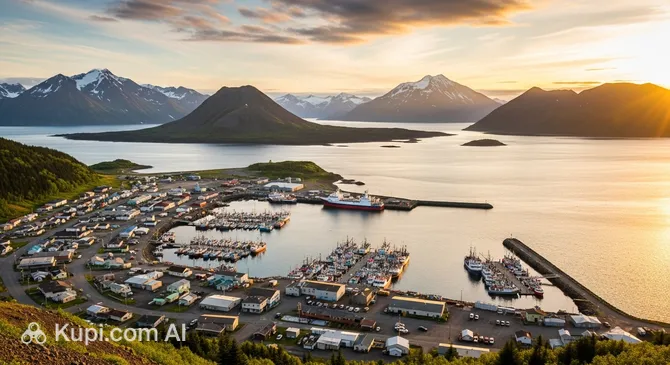
Dutch Harbor. Source: Kupi.Binoculars

Beyond its reputation for commercial fishing, the area possesses a rich and complex past. Visitors are encouraged to explore the history of Dutch Harbor, which ranges from the enduring legacy of the Unangan (Aleut) people to the strategic military role the islands played during World War II. Remnants of this era, including bunkers and historic sites, can still be found scattered across the landscape, offering a tangible connection to the events of the mid-20th century.

For those interested in culture and nature, Dutch Harbor has plenty to offer. The Museum of the Aleutians provides an excellent overview of the region's archaeology and heritage. Additionally, the Holy Ascension of Our Lord Cathedral stands as a stunning example of Russian Orthodox architecture and is a National Historic Landmark. Wildlife enthusiasts will also find themselves in paradise, with frequent sightings of bald eagles, whales, and sea lions right near the docks.

Whether you are drawn by the fame of the crab fishing industry or the allure of untouched wilderness, Dutch Harbor promises an unforgettable experience. It is a destination for the curious traveler looking to discover a distinct and captivating corner of the world.

Weather Overview

The climate in this region is heavily influenced by its location between the Bering Sea and the Pacific Ocean, resulting in a maritime weather pattern that is consistently cool and damp. Unlike the extreme fluctuations found in mainland Alaska, the temperatures here remain relatively moderate year-round. For a detailed forecast and historical data, you can check the weather in Dutch Harbor to help plan your packing list.

Winters are generally cold but rarely severe, with average temperatures in January hovering around -1.1°C. Summers are cool rather than hot, with August being the warmest month, reaching an average of 10.2°C. Precipitation is a constant companion throughout the year, with the number of wet days ranging from 14 in July to 24 in October and December. Expect cool summers with frequent overcast skies and cold, damp winters where rain and snow are common occurrences.

Interesting Facts

Beyond the main attractions, Dutch Harbor holds many fascinating secrets that reveal the unique character of this remote outpost. These lesser-known details offer a deeper appreciation for the resilience and history of the community.

  • The Treeless Forest: The Aleutian Islands are naturally devoid of timber, making the Sitka Spruce Plantation a true anomaly. Planted by Russian settlers in 1805, this small grove on Amaknak Island is a designated National Historic Landmark and serves as the area's only "forest," surviving for over two centuries in the harsh climate.

  • Eagles as Locals: While the Bald Eagle is a rare sight in most of the country, they are incredibly abundant here. The local population is so dense that these majestic birds are frequently seen perching on lampposts, dumpsters, and fishing trawlers, behaving much like pigeons or seagulls in other cities.

  • A Tale of Two Islands: Although the names are often used interchangeably, Dutch Harbor is technically the port facility located on Amaknak Island. It is connected by a bridge to the main city of Unalaska on the neighboring island, and the two areas function as one integrated community.

  • Battle on American Soil: This location holds the somber distinction of being one of the very few places in the United States to be bombed by enemy aircraft during World War II. The Japanese attack in June 1942, known as the Battle of Dutch Harbor, is a pivotal yet often overlooked chapter in North American history.

How to Get There

Reaching this remote outpost in the Aleutian Islands is an adventure in itself, with air travel being the most practical and common method for visitors. Due to its island location, there are no road connections to the mainland, making the journey dependent on flights or maritime transport. For a comprehensive guide on planning your trip, you can read more about how to get to Dutch Harbor.

The primary entry point for travelers is Unalaska Airport (IATA: DUT), which is conveniently located within the city limits of Dutch Harbor, just 3.1 km from the center. A taxi or hotel shuttle from the terminal typically takes only about 5 to 10 minutes. While the airport is relatively small, it handles a significant volume of passengers annually, serving as a vital lifeline for the community. Another regional aviation hub is Cold Bay Airport (IATA: CDB), located in the city of Cold Bay, approximately 288 km away. Travelers often connect through larger Alaskan cities like Anchorage before reaching these destinations.

For clarity, here is a summary of the main airports:

Airport Name City Passenger Traffic Km from City
Unalaska AirportDutch HarborMedium3.1
Cold Bay AirportCold BaySmall287.9

There are no railway services available on the Aleutian Islands or connecting to Dutch Harbor. The rugged island terrain and the vast distance from the North American mainland make train travel impossible. Aside from flying, the only other way to reach the city is by sea, typically via the Alaska Marine Highway System ferries, which operate seasonally and offer a scenic but longer journey.

Main Attractions

Dutch Harbor and the surrounding city of Unalaska offer a compelling mix of World War II history, indigenous culture, and rugged natural beauty. While the area is famous for its industrial fishing fleet, visitors will find that the local landmarks provide a deep dive into the unique heritage of the Aleutian Islands. Here are some of the most interesting places to explore during your stay.

Museum of the Aleutians
Widely considered one of the best museums in Alaska, this facility is the cultural heart of the community. It houses an impressive collection that spans thousands of years, documenting the history of the Unangan (Aleut) people, the Russian fur trade era, and the dramatic events of World War II. Tourists are drawn here for the professionally curated exhibits that include archaeological artifacts, rare photographs, and items from the fishing industry, offering a comprehensive context for the region's complex past.

Holy Ascension of Our Lord Cathedral
Built in 1896, this Russian Orthodox cathedral is a defining feature of the local skyline and a National Historic Landmark. Its distinct onion domes and cruciform shape reflect the strong Russian influence that shaped the early history of Alaska. Inside, the cathedral preserves a remarkable collection of religious icons, books, and artifacts. It is a serene and visually striking site that attracts history buffs and architecture enthusiasts alike.

World War II National Historic Area (Fort Schwatka)
Located on Mount Ballyhoo, this site offers some of the best-preserved military fortifications in the region. Visitors can hike up to explore the concrete bunkers, observation posts, and gun mounts that were constructed to defend the harbor during the war. Beyond the historical significance, the summit provides panoramic views of the entire bay, making it a favorite spot for photographers and hikers looking to see the sheer scale of the landscape.

Sitka Spruce Plantation
For a touch of botanical history, this small grove of trees is a fascinating stop. Designated a National Historic Landmark, it represents an early Russian attempt at afforestation in the treeless Aleutian environment. Planted in 1805, some of these Sitka spruces are still standing today. It is a unique picnic spot and a testament to the resilience of life in this harsh maritime climate.

Memorial Park
Given Dutch Harbor's status as a major fishing port, the sea plays a central role in local life. Memorial Park is a solemn and beautiful space dedicated to the fishermen and sailors who have been lost at sea. It serves as a quiet place for reflection and offers visitors a chance to pay respects to the individuals who helped build the community's maritime legacy.

Local Cuisine

To experience the local cuisine of Dutch Harbor is to dive straight into the heart of one of the world's most productive fishing grounds. The food scene here is defined by the ocean, offering seafood that is unrivaled in freshness. As the top fishing port in the United States by volume, the connection between the trawlers in the harbor and the plate in front of you is immediate and palpable.

The absolute star of the menu is the Alaskan King Crab. While it is a luxury item globally, enjoying it here—often served simply steamed with melted butter—is a quintessential Aleutian experience. Beyond crab, the local Pacific halibut is a favorite, typically prepared as hearty fish and chips with a crispy batter that comforts against the chill outside. You will also find fresh cod and sockeye salmon featuring prominently in chowders, burgers, and grilled dishes.

Dining in Dutch Harbor is a casual and communal affair, reflecting the hardworking nature of this maritime community. There are no pretenses or strict dress codes; instead, the atmosphere is warm and welcoming. Locals, seasonal fishermen, and tourists often mix in the restaurants located within the island's main hotels or in the spirited local pubs. These establishments serve as social hubs where stories of the sea are swapped over generous portions of comfort food.

When it comes to drinks, the preference leans towards hearty and warming options. Alaskan craft beers are extremely popular, with taps pouring ambers, IPAs, and stouts brewed in mainland Alaska. These rich beers pair perfectly with the savory seafood dishes. For non-alcoholic options, hot coffee is a staple of daily life to combat the damp and windy weather, and you will find that a steaming cup is never far away.

Travel Tips

Visiting Dutch Harbor is a bucket-list adventure for many, but traveling to this remote outpost in the Aleutian Islands requires a bit more logistical planning than your average destination. To help you navigate the unique challenges of the region and make the most of your stay, here are some essential practical tips.

  1. Clothing and Gear: The weather here is notoriously unpredictable and often wet. Your suitcase should be packed with waterproof layers rather than just water-resistant ones. A high-quality rain jacket, rain pants, and waterproof hiking boots are standard attire. Locals often wear rubber boots (known as "Xtratufs"), which are perfect for the muddy and wet terrain. Dress is strictly casual everywhere; comfort and warmth are the priorities.

  2. Transportation: There is no public mass transit system like a metro or bus network in Dutch Harbor. To get around, you will need to rely on local taxis or rent a vehicle. Rideshare apps like Uber and Lyft generally do not operate here. If you plan to rent a car, it is crucial to book well in advance, as the fleet size on the island is limited and demand can be high during the summer season.

  3. Finances: The currency is the US Dollar (USD). Credit and debit cards are widely accepted at hotels, restaurants, and larger stores. However, carrying some cash is advisable for smaller purchases or tips. Be prepared for "island pricing"—due to the high cost of shipping goods to this remote location, food and supplies are significantly more expensive than on the mainland.

  4. Health and Safety: Medical facilities are limited to a local clinic, the Iliuliuk Family and Health Services. There is no large hospital on the island, and serious emergencies may require a medical evacuation flight to Anchorage, so travel insurance that covers medevac is highly recommended. Regarding wildlife, be cautious around Bald Eagles; they are very common and can be territorial and aggressive, especially during nesting season.

  5. Communication: English is the primary language. Mobile coverage can be spotty depending on your carrier; GCI is the main provider in Alaska, and while AT&T often roams, other carriers may have no signal at all. Wi-Fi is available in most hotels and the public library, but speeds may be slower than what you are used to back home.

  6. Local Etiquette: The community is friendly but hardworking. It is polite to greet people you meet, but remember that this is a working industrial port. Respect the privacy of fishermen and processing plant workers; do not photograph people working without their permission. The dress code is functional everywhere, so don't worry about dressing up for dinner.

  7. What to Avoid: Do not hike on undeveloped land without checking ownership first. Much of the land surrounding Dutch Harbor and Unalaska belongs to the Ounalashka Corporation, and you are required to purchase a land use permit to hike or camp there. Hiking without a permit is considered trespassing.

  8. Additional Tip: Keep your plans flexible. Flights in and out of Unalaska Airport are frequently delayed or canceled due to fog and high winds. It is a good idea to leave a buffer day in your itinerary and bring a good book, just in case the famous Aleutian weather decides to extend your stay.

With these preparations in mind, you are ready to embrace the rugged charm of Dutch Harbor. The locals are known for their resilience and hospitality, and if you respect the land and the weather, you are sure to have an unforgettable experience at the edge of the world.

Entertainment & Nightlife

Entertainment in Dutch Harbor is defined by its character as a hardworking maritime community. You will not find neon-lit nightclubs, discos, or sprawling entertainment districts here. Instead, the nightlife revolves around authentic, spirited bars and hotel lounges where fishermen, processing plant workers, and locals gather to unwind after long shifts at sea. The atmosphere is incredibly casual, welcoming, and steeped in the camaraderie of life on the edge of the Bering Sea.

The social scene is concentrated within a few key establishments in the city of Unalaska and the port area of Amaknak Island. The most iconic venue is undoubtedly The Norwegian Rat Saloon. Known simply as "The Rat" to locals, this bar is legendary among the crab fleet and visitors alike. It offers a rustic, dive-bar vibe with walls adorned in maritime memorabilia, serving hearty food and cold beer. It is the perfect place to hear genuine stories from the Bering Sea while enjoying a burger in a lively, unpretentious setting.

For a slightly more relaxed and upscale environment, the Cape Cheerful Lounge located inside the Grand Aleutian Hotel is a popular choice. It features a large fireplace and comfortable seating, making it a cozy spot to enjoy a cocktail while looking out over the bay. On certain nights, you might find live music or karaoke, which draws a mix of hotel guests and residents. Another staple is the Harbor View Bar and Grill, often bustling with energy and offering a classic American pub experience.

Practicality dictates the nightlife culture here. The dress code is universally functional; jeans, flannel shirts, and the ubiquitous "Xtratuf" rubber boots are the standard attire, even in the evenings. Prices for food and alcohol can be higher than on the mainland due to shipping costs, so budget accordingly. The best time to go out is typically on Friday or Saturday nights, though the seasonal nature of the fishing industry means that any night can be busy if a fleet is in town.

Safety and transportation are important considerations. While the town is generally safe, the roads are dark, winding, and often lashed by rain or wind. Walking between venues is not recommended due to the weather and the lack of sidewalks in many industrial areas. Taxis are the primary and most reliable way to get around at night. It is advisable to keep the number of a local taxi service saved in your phone, as hailing a cab on the street is not common practice.

During the day, entertainment options shift towards community and culture. While there are no amusement parks or commercial theaters, the Department of Parks, Culture, and Recreation (PCR) is a hub of activity. This community center features a swimming pool, a library, and sports facilities, serving as a gathering place for families and fitness enthusiasts. Visitors looking for a quieter afternoon can explore the local museums mentioned earlier or enjoy the raw beauty of the island's hiking trails before the sun sets.

Parks & Museums

While Dutch Harbor is defined by its rugged coastline and industrial energy, the city and the surrounding island of Unalaska offer surprising pockets of greenery and carefully preserved cultural institutions. The landscape is a dramatic tapestry of emerald hills and wildflowers, while the local museums provide intimate spaces to understand the complex layers of Aleutian history.

Summer Bay
Located a short drive from the main town, Summer Bay is a favorite recreational escape for locals and visitors alike. This scenic area features a rare freshwater lake, a sandy beach, and rolling dunes that soften the typically jagged volcanic terrain. It is an excellent spot for hiking, beachcombing, and observing the famous wild horses that often graze in the tall grasses. In the summer, the hillsides here come alive with lupines and orchids, making it a prime location for photography and picnics.

Bunker Hill
For those seeking panoramic views and a bit of exercise, Bunker Hill offers one of the most rewarding hikes in the area. A gravel trail winds up to the summit, where visitors are greeted with a breathtaking 360-degree vista of the harbor, the city, and the surrounding sea. At the top, you will find concrete remnants of World War II fortifications. Unlike other military sites, Bunker Hill stands out for its accessibility and the sheer scale of the scenery it reveals, acting as a natural observation deck for the entire island.

Aleutian World War II Visitor Center
Distinct from the outdoor historic areas, this interpretative center is housed in the restored 1940s Aerology Building. It offers an immersive dive into the "Forgotten War" fought in the Aleutians. The interior has been meticulously recreated to reflect the era, complete with a flight operations room and period-correct artifacts. It serves as a compelling educational hub where visitors can listen to audio recordings, view historical photographs, and understand the strategic importance of this remote outpost during the global conflict.

Cultural Heritage at the Museum of the Aleutians
While often cited as the region's main attraction, this institution deserves specific recognition for its gallery dedicated to Unangan (Aleut) artistry. Beyond the general history, the museum showcases exquisite examples of traditional grass weaving—a craft for which the Aleutian people are world-renowned. The delicate baskets on display are woven with such precision that they are watertight, highlighting a deep connection between the culture and the natural resources of the island.

Insider Tip: If you are visiting in late summer, keep an eye on the ground as you explore the trails. The hills around Dutch Harbor are abundant with salmonberries and blueberries. Berry picking is a beloved local pastime, and finding a patch of ripe fruit is a delicious way to connect with the land just as the residents do.

Getting Around

Navigating Dutch Harbor requires a shift in expectations for travelers accustomed to the extensive transit networks of major metropolitan areas. This remote island community does not possess a public transport system in the traditional sense; there are no subways, trams, or scheduled city buses operating here. Instead, getting around relies almost entirely on private vehicles, commercial taxi services, and hotel shuttles.

The primary mode of transport for visitors who do not rent a car is the local taxi service. Taxis here are typically large vans capable of handling the rugged terrain and carrying multiple passengers or heavy gear. Unlike in big cities where you might hail a cab on the street, here it is standard practice to call the dispatcher to arrange a pickup. These taxis serve as the de facto public transit, shuttling residents and tourists between the airport, hotels, processing plants, and the harbor.

Regarding payment, since there is no municipal transit authority, there are no travel passes, smart cards, or validated tickets to purchase. Taxis operate on a metered system or flat rates depending on the destination. While major credit cards are increasingly accepted, it is highly advisable to carry cash, specifically in smaller denominations. This ensures you can easily pay for short trips or split fares if you are sharing a ride. Prices are generally higher than on the mainland, reflecting the higher cost of living and fuel in this isolated region.

For those who prefer independence, renting a car is the most popular alternative, though it comes with its own set of challenges. There are a few local rental agencies, but their fleets are small. During the busy summer season or when large fishing fleets are in port, vehicles can be sold out weeks in advance. If you manage to secure a rental, you will have the freedom to explore the island's scenic roads at your own pace. Ride-sharing apps and services generally do not operate in this area, so do not rely on them for your commute.

Walking is an option for short distances within the central areas of Unalaska and the Amaknak Island port district, but it is heavily weather-dependent. The frequent rain, high winds, and lack of sidewalks in industrial zones can make walking difficult. However, many hotels provide complimentary shuttle services to and from the airport, which can solve the most critical leg of your journey. Always check with your accommodation in advance to see if this service is available.

Practical Advice for Tourists: The most important tip for navigating the city is to save the phone numbers of local taxi companies immediately upon arrival. Since cell service can be spotty, having these numbers offline is crucial. Additionally, if you plan to rent a car, book it at the same time you book your flights. Finally, always allow extra time for travel, as road conditions can change rapidly with the maritime weather.

Accommodation

Accommodation options in Dutch Harbor are limited but functional, designed to cater primarily to the fishing industry and adventurous travelers rather than luxury tourism. Visitors will not find sprawling resort complexes or international hotel chains here. Instead, the range typically includes one full-service hotel, a few smaller inns, and a handful of bed-and-breakfasts or vacation rentals. The standard of comfort is generally high, with warm hospitality that reflects the tight-knit nature of the community.

Most travelers choose to stay on Amaknak Island, which is the commercial heart of the area and home to the airport, the main harbor, and the majority of services. Staying here places you within walking distance of the supermarkets, the post office, and several key historical sites. Alternatively, across the bridge in the Unalaska Valley, you can find quieter vacation rentals and lodges that offer a more residential feel, often with scenic views of the river or lake, though you will likely need a vehicle to access the main town facilities.

The most prominent lodging option in the city is the Grand Aleutian Hotel. Often referred to simply as "The Grand," it is the social and logistical hub for many visitors. It offers amenities comparable to a standard mainland hotel, including on-site dining, a comfortable lounge, and views of the bay. It is a common meeting point for everyone from seafood industry executives to birdwatchers. For those seeking more economical arrangements, the Harbor View Inn provides simpler, no-frills accommodation that is popular with seasonal workers and budget-conscious tourists.

Booking Tip: It is critical to book your room as soon as your travel dates are confirmed. During the peak summer season and active fishing periods (such as the crab seasons), hotels can be fully booked weeks or even months in advance by industry workers. Showing up without a reservation is risky, as alternative options are virtually non-existent.

Regarding costs, be prepared for "island pricing." Accommodation rates in Dutch Harbor are generally higher than for comparable lodging in the lower 48 states due to the remote location and high cost of operations. Most bookings can be made via phone or online, but for smaller B&Bs, a direct phone call is often the most reliable way to secure a spot.

Nearby Cities

For those looking to explore the surroundings, Dutch Harbor serves as an excellent base for day trips to several interesting nearby locations:

City Population Distance (km)
King Cove1000304
Togiak800691
Akutan71358
Kipnuk700692
Quinhagak700713

While the distances in the Aleutian Islands are vast and travel often requires a boat or a small bush plane, exploring the neighboring communities can be a rewarding adventure. Here are a couple of destinations that are accessible for a short visit or an extended excursion.

Akutan
Located approximately 58 km east of Dutch Harbor, Akutan is the closest neighboring community and offers a fascinating glimpse into life on a volcanic island. Accessible by ferry or amphibious aircraft, the village is home to a massive seafood processing plant and a traditional Unangan community. The island is dominated by the active Mount Akutan volcano and features geothermal hot springs, making it a ruggedly beautiful destination for those interested in geology and industrial maritime culture.

King Cove
Situated on the Alaska Peninsula, King Cove is a bit further afield but serves as a significant hub for the region. It is nestled between volcanic peaks and a deep-water bay, famous for its rich salmon and crab fisheries. Visitors here are often drawn by the proximity to the Izembek National Wildlife Refuge, a critical habitat for migratory waterfowl. It offers a quieter, nature-focused experience compared to the busy industrial energy of Dutch Harbor.

These nearby destinations offer a glimpse into the diverse culture and landscapes of the region.

Shopping & Souvenirs

Shopping in Dutch Harbor is a unique experience driven by necessity and the maritime lifestyle rather than luxury retail. As one of the busiest fishing ports in the United States, the local shops cater primarily to the hard-working fleet and the resilient community. Visitors should not expect sprawling shopping malls or high-end fashion boutiques; instead, the retail scene is practical, rugged, and full of character, offering a chance to find goods that are built to survive the harsh Aleutian climate.

The main commercial hub is located on Amaknak Island, near the harbor facilities. The most famous retail establishment in town is Alaska Ship Supply. Far more than just a ship chandlery, this large store functions as the island's unofficial department store. It sells an eclectic mix of items ranging from heavy-duty rain gear and commercial fishing equipment to groceries, electronics, and clothing. It is a fascinating place to browse, where tourists can shop alongside crab fishermen stocking up for their next voyage.

There are no traditional shopping malls in the city. The retail footprint is compact, with most needs met by large general stores. The local Safeway serves as a central gathering point and carries a surprising variety of goods beyond just food, including a small selection of books and magazines. For travelers staying in self-catering accommodations, this is the reliable spot to purchase fresh produce and daily supplies.

While the city lacks permanent open-air markets, the sense of community commerce is strong. Occasionally, local craft bazaars or fundraisers are held at community centers where residents sell handmade items, baked goods, and local art. However, these are event-based and not a daily occurrence, so visitors should rely on the established stores for their shopping needs.

When it comes to souvenirs, the most popular items reflect the town's identity as the "Crab Capital of the World." Apparel branded with "Dutch Harbor" or logos from the famous "Deadliest Catch" television series are top sellers. Many visitors also choose to purchase a pair of Xtratuf boots, known locally as "Alaska sneakers." These waterproof boots are a staple of local fashion and make for a practical, high-quality memento. For more cultural keepsakes, the gift shop at the Museum of the Aleutians offers authentic books on local history, prints by regional artists, and traditional crafts.

Stores in Dutch Harbor generally operate on standard business hours, typically opening around 8:00 or 9:00 AM and closing by 6:00 or 7:00 PM. However, major providers like Alaska Ship Supply and the supermarket often stay open later to accommodate the schedules of the fishing fleet. Credit and debit cards are widely accepted throughout the island, but carrying a small amount of cash is always advisable for smaller transactions or tips.

An added benefit for shoppers is the tax structure. While there is no statewide sales tax in Alaska, the City of Unalaska collects a modest local sales tax, currently set at 3%. This relatively low rate makes purchasing gear, clothing, and gifts slightly more affordable compared to many other destinations, providing a small incentive to pick up a few extra items before you leave.

Nearby cities

Reached the end of the page?

That means the route is fully explored