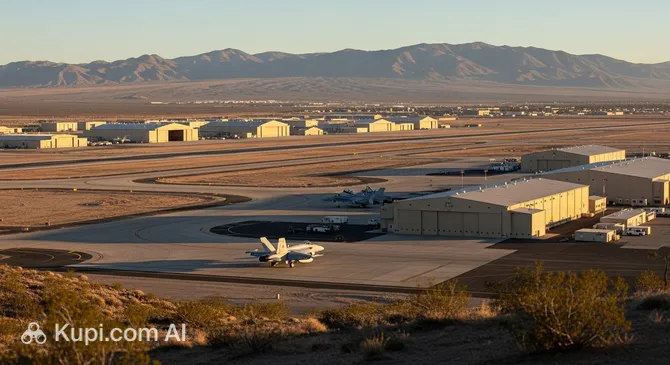
To make your journey through the airport of Fallon (NAS Van Voorhis Field) as comfortable as possible, it is important to understand its specifics. This airport primarily serves private and charter aviation, not scheduled commercial flights. This means that the standard procedures of large airports in the USA are replaced here by a more personalised and flexible approach.
Coordination and Arrival Time. Unlike commercial flights, there is no strict rule to arrive two hours early. Your arrival time, like all flight details, should be coordinated in advance with your charter company or ground handling operator (FBO). Usually, arriving 30-45 minutes before departure is sufficient to calmly pass all formalities without queues and fuss.
Check-in and Security Control. Forget about long queues. Registration and security checks take place in a special terminal for private aviation (FBO) in a quick and convenient manner. All procedures are coordinated by the staff who will meet you. Nevertheless, basic security rules regarding the carriage of liquids (in containers up to 100 ml) and prohibited items remain in force. Always verify details with your carrier.
Luggage and Seat Selection. Luggage allowance rules on private flights are much more flexible, but depend entirely on the size of the aircraft. Be sure to discuss the allowable weight and dimensions of suitcases with your charter operator when booking. The same applies to seat selection: on small aircraft, seating may be free, while on large business jets, your preferences can be discussed in advance.
International Flights and Customs. It is important to remember that Fallon Airport is not an international port of entry. If you are arriving in the USA from abroad, you will need to pass customs and passport control at the first airport of arrival that has the appropriate status (for example, in Reno or Las Vegas), and only then take a domestic flight to Fallon.
What to do in case of flight delay? One of the main advantages of private aviation is direct communication. In case of any changes in the schedule, whether due to weather conditions or technical reasons, a representative of the charter company or the pilot will contact you directly. You will not have to watch departure boards — all current information and alternative options will be provided to you personally.
Tips for Pilots. If you are flying your own or a rented aircraft, be sure to contact the local FBO in advance to clarify the availability of parking spaces, order fuel, and other necessary ground services. Check current NOTAMs (Notices to Airmen), as the airport shares the runway with the naval air station, which may impose certain restrictions.