Support

Great Smoky Mountains National Park

Nearby interesting places

About

Great Smoky Mountains National Park, located near Gatlinburg, is one of the greatest natural treasures of the USA. This vast sanctuary stretches across the heart of the Appalachian Mountains, on the border between Tennessee and North Carolina. Due to its exceptional value, the park is included on the UNESCO World Heritage list and holds the status of a Biosphere Reserve.

The park gets its name from a unique natural phenomenon—a bluish haze that often blankets the mountain peaks and valleys. This effect is created by the vapors from dense vegetation. The park's territory is famous for its incredible biodiversity: about 130 species of trees and more than 3,500 species of other plants grow here, which is comparable to the flora of all of Europe. The wildlife is also rich, including bears, deer, and many other species.
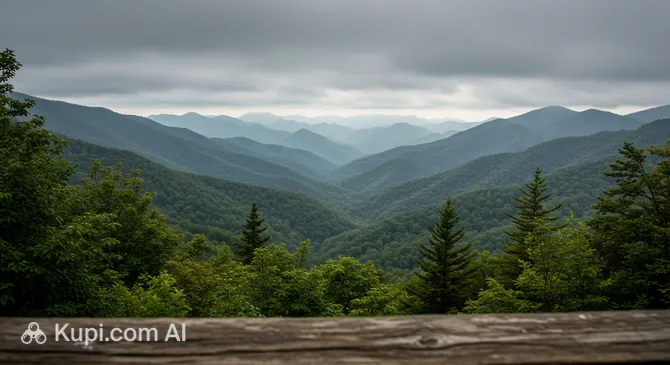
Great Smoky Mountains National Park. Illustration.
Source: Kupi.com AI

Traveler photos:

Great Smoky Mountains is officially the most visited national park in the country. Every year, its beauty attracts more than 11–12 million tourists, significantly exceeding the popularity of even such famous places as the Grand Canyon. Visitors are drawn by hundreds of miles of scenic hiking trails, including part of the famous Appalachian Trail, breathtaking views from overlooks, cascading waterfalls, and the chance to see nature in its pristine state.

Contacts

To plan your visit, check visitor center hours, or find out the current status of the trails, we recommend consulting official sources. The main contact details for the park administration are provided below.

How to contactContact
AddressUnited States
Phone number+1 865-436-1200
Websitewww.nps.gov

What to Do

Great Smoky Mountains National Park offers visitors numerous opportunities for outdoor activities. One of the park's main gems is the famous Appalachian Trail—the longest continuous hiking path in the world, part of which runs right through the reserve. In addition, there are many other trails of varying difficulty within the park, with routes leading to scenic rock formations like Alum Cave and Chimney Tops being particularly popular.

For those seeking panoramic views, a visit to the Kuwohi observation deck (formerly known as Clingmans Dome) is a must. This is the highest point in Tennessee, and its observation tower offers breathtaking views of endless mountain ridges shrouded in the characteristic bluish mist. The park's vast territory, spanning over 500,000 acres, provides endless opportunities to explore and enjoy untouched nature.

Beyond hiking and taking in the landscapes, the park is an ideal place for wildlife watching. Great Smoky Mountains is renowned for its rich biodiversity, including unique flora and fauna characteristic of this Appalachian region. Travelers can encounter deer, go birdwatching, or, with some luck, spot a black bear in its natural habitat—making a visit to the park a truly unforgettable adventure.

Getting There

There are several ways to reach Great Smoky Mountains National Park, but the most popular route for most travelers begins in the city of Gatlinburg, Tennessee. This resort town serves as the main gateway to the park and is a popular tourist hub, offering a variety of lodging and entertainment options before you dive into the wilderness of the USA.

For travelers arriving from further away, the nearest major airports are located in Knoxville (Tennessee) and Asheville (North Carolina). From there, the most convenient way to reach the park is by renting a car. The main artery leading into the Great Smoky Mountains is Highway US-441, also known as Newfound Gap Road. It crosses the park from north to south, connecting Gatlinburg with the town of Cherokee in North Carolina and providing access to the main attractions.

Inside the park itself, there is a well-developed road network that allows visitors to comfortably reach key overlooks and trailheads for many hiking routes. Additionally, for those who prefer not to use a personal car, public transportation is available. Special trolleys and shuttles connect nearby towns, including Gatlinburg, with park entrances and popular trails, making it accessible even for tourists without a car.

Nearest city: Gatlinburg

History & Facts

The history of Great Smoky Mountains National Park dates back long before it received its official status. These lands have a rich history of settlement. For example, in the area where the popular gateway town of Gatlinburg stands today, the first settlers—the Reagan and Ogle families—established themselves as early as 1806. At that time, the area was known as White Oak Flats, and the memory of those early communities is still preserved within the park.

The official birth date of the park is June 15, 1934. On this day, the states of North Carolina and Tennessee transferred approximately 300,000 acres of land purchased from private owners to the federal government of the USA. This was a unique case because, unlike many other national parks in the western part of the country created on government lands, Great Smoky Mountains was established on private territories bought through donations and state funds. The grand opening for visitors took place six years later, in 1940, when President Franklin Delano Roosevelt officially dedicated this natural treasure.

The park's history continues to be written today, reflecting respect for its layered heritage. For instance, in 2024, a significant decision was made to rename one of the park's major peaks, whose current name was given by geographer Arnold Guyot back in 1859. The mountain will soon receive a new name, which is part of a broader movement to restore historical and indigenous toponyms, adding another fascinating chapter to the chronicle of this amazing place.

Time Needed

When planning a visit to Great Smoky Mountains National Park, keep in mind that a brief introduction to the main sights will require at least one full day. During this time, you can drive one of the scenic motor routes, such as the 11-mile Cades Cove Loop, stop by a visitor center, and hike a couple of short popular trails. This is enough to get a first impression of the park's beauty and scale.

However, to truly immerse yourself in the atmosphere of this unique place, it is recommended to set aside significantly more time. Given the park's vast territory of over 500,000 acres and more than 1,300 kilometers of hiking trails, an ideal trip duration would be from 2–3 days to a week. This timeframe will allow you to explore different areas of the park without rushing, take longer hikes to secluded waterfalls or panoramic summits, and fully appreciate the incredible biodiversity of the Great Smoky Mountains.

Working Hours

Great Smoky Mountains National Park is open to visitors year-round, 24 hours a day, allowing you to enjoy its beauty at any convenient time. However, keep in mind that access to some facilities and roads may be restricted depending on weather conditions, especially in winter due to snowfall. Visitor information centers, such as Sugarlands, typically operate from 8:00 AM to 5:00 PM, but their schedules vary by season. It is highly recommended to check the official park website for the latest information on road and trail conditions before your trip.

Entry to the park itself is free, making it one of the most accessible national parks in the USA. However, since March 1, 2023, a valid parking tag is required for all vehicles parking within the park for more than 15 minutes. Tags are available as daily, weekly, or annual passes and can be purchased in advance online or on-site at visitor centers. Advance reservations for park entry are not required, but buying a parking tag ahead of time will help save time upon arrival.

Open 24 hours

Nearby

Visiting Great Smoky Mountains National Park is an unforgettable adventure in itself, but exploring its surroundings can make your trip even more fulfilling and diverse. Near the park, particularly in the Gatlinburg area, there are many other interesting sites, from natural wonders to entertainment complexes, that will perfectly complement your itinerary.

By taking the time to explore nearby attractions, you can dive deeper into the culture and nature of the Appalachian region. Whether it's a short drive to a scenic waterfall or a visit to a cozy resort, the park's surroundings offer options for every taste. Below is a list of several interesting places located nearby.

NameDistance
The Sinks11.7 km
Tree Tops Resort12.7 km
Great Smoky Mountains Heritage Center16.8 km
Swinging Bridge19.3 km
Little River Railroad and Lumber Museum19.4 km
Tuckaleechee Caverns20.5 km

Have you reached the end of the page?

So the route has been studied inside and out