Support

Biltmore Estate

About

The Biltmore Estate is more than just a landmark; it is a true architectural masterpiece located in the picturesque city of Asheville, USA. It is the largest privately-owned home in the United States, stunning in its scale and magnificence. Built in the French Renaissance style, it serves as a prominent example of the "Gilded Age" of American history.
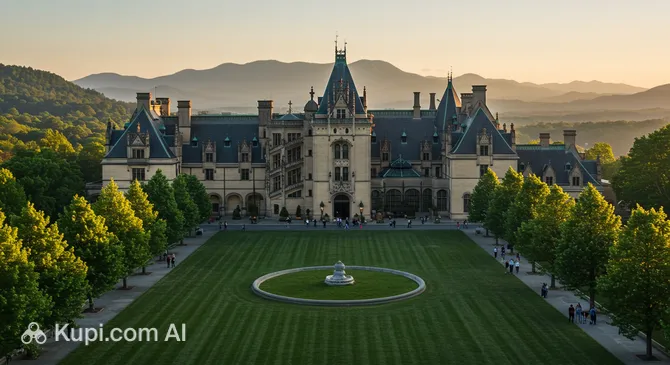
Biltmore Estate. Illustration.
Source: Kupi.com AI

Traveler photos:

The mansion, which boasts 250 rooms, was built for George Vanderbilt II and still belongs to his descendants today. Every room, from the opulent banquet halls to the cozy bedrooms, preserves the spirit of a bygone era, allowing visitors to immerse themselves in the atmosphere of luxury and elegance of the late 19th century.

Today, Biltmore is one of the most popular tourist attractions in the region, drawing approximately one million visitors annually. Despite remaining private property, its doors are open to everyone who wishes to touch history and enjoy the incredible beauty of the architecture and the surrounding landscapes.

Contacts

To plan your visit to Biltmore Estate, check opening hours, or purchase tickets, you can use the official contact details. All current information is available on the website and by phone.

How to contactContact
AddressAsheville, NC 28803, USA
Phone number+1 800-411-3812
Websitewww.biltmore.com

What to Do

A visit to the Biltmore Estate is an immersion into a world of luxury and history, offering a wealth of activities for every taste. The main focus, of course, is the self-guided tour of the mansion, which is the largest private home in the USA. During the tour, you can explore four floors of the building, admiring the original furniture, artworks, and artifacts collected by George Vanderbilt. Among the 250 rooms, the library with 10,000 books and the grand banquet hall with a ceiling over 70 feet (21 meters) high deserve special attention. For an additional fee, you can book guided tours that provide access to areas of the house closed to the main route.

Beyond the mansion, you'll find the vast 8,000-acre (over 3,200 hectares) estate grounds, designed by the famous landscape architect Frederick Law Olmsted. Be sure to walk through the magnificent gardens, including the Italian Garden with its pools and the Walled Garden featuring over 250 varieties of roses. Also on the property is a winery where you can enjoy complimentary tastings of local wines, and Antler Hill Village with its shops, restaurants, and farm. For those who enjoy active recreation, horseback riding, hiking trails, cycling, and even falconry are available.

In addition to permanent attractions, Biltmore regularly hosts seasonal and special events. The estate is particularly transformed in the spring during the Biltmore Blooms festival, when one of the country's largest azalea collections bursts into color, and during the Christmas season, when the house and gardens are adorned with thousands of lights and festive decorations. There are also several restaurants on-site, ranging from an ice cream parlor to fine dining establishments, allowing you to spend an entire day at the estate enjoying not only the views but also excellent food.

Getting There

Getting to the Biltmore Estate, located within the city of Asheville, is quite straightforward, though it is important to consider the vast size of the complex itself. The most convenient and highly recommended way to get around is by personal or rental car. Having a car not only makes it easier to reach the entrance but also allows you to move freely between the estate's main points of interest, such as the mansion itself, Antler Hill Village, the winery, and the gardens, which can be several kilometers apart. For your GPS, use the official entrance address: 1 Lodge St, Asheville, NC 28803.

For travelers without a car, there are alternative options. You can use taxi or rideshare services like Uber and Lyft, which operate throughout Asheville. The estate has a designated drop-off and pick-up zone for these services. Additionally, you can reach the vicinity of the estate via public transport—Asheville Transit System (ART) buses run throughout the city, and the trip from downtown to the nearest stop takes about 10–15 minutes. However, you will need to arrange additional transport from the bus stop to the house and other attractions.

It is important to understand that walking between the main locations on the Biltmore grounds is not recommended due to the long distances. For visitors arriving without a car, there is a paid internal shuttle service that runs between the main sites. Guests staying at the hotels on the estate grounds are provided with a complimentary shuttle. If you arrive by private car, you can leave it in one of the parking lots, from which free shuttles run to the main house.

Nearest city: Asheville

History & Facts

The history of the Biltmore Estate is the story of an ambitious dream by George Washington Vanderbilt II, who decided to create a grand estate in the North Carolina mountains near the city of Asheville. The construction of this majestic French Renaissance-style (Châteauesque) mansion took place from 1889 to 1895. To realize his project, Vanderbilt recruited the leading experts of the era: Richard Morris Hunt served as the architect for the main house, while the impressive landscapes were designed by the famous Frederick Law Olmsted, best known as the creator of New York City's Central Park. The name "Biltmore" was coined by Vanderbilt himself, combining "Bilt"—the name of the Dutch town where his ancestors originated—and the Old English word "more," meaning rolling upland or open land.

From the very beginning, Biltmore was conceived not just as a home, but as a true engineering marvel and a treasure trove of art. At a time when many lived without basic amenities, the mansion was equipped with the latest late-19th-century technology, including electricity (thanks to Vanderbilt's friendship with Thomas Edison), central heating, and even a bowling alley. Its halls were filled with priceless luxury items and artworks that George Vanderbilt collected during his travels. The estate's significance was officially recognized on May 23, 1963, when it was designated a National Historic Landmark, and in 2007, it ranked 8th on the American Institute of Architects' list of "America's Favorite Architecture."

What makes Biltmore's history particularly remarkable is its continuity. Unlike many other "Gilded Age" mansions, the estate remains in the ownership of the founder's family. Today, it is managed by The Biltmore Company, led by Bill Cecil—the grandson of George Vanderbilt II, who inherited the estate. Thanks to the family's efforts, Biltmore has not turned into a stagnant museum but remains a living, vibrant example of American history, continuing to attract tourists from all over the world who wish to experience the legacy of one of the most influential dynasties in the USA.

Time Needed

When planning a visit to the Biltmore Estate, be prepared for it to take up a significant portion of your day. Due to the vast size of the grounds and the many attractions, most visitors recommend allocating six to eight hours, or ideally, an entire day. This will allow you to enjoy all the main locations without rushing: the mansion itself, the gardens, the winery, and Antler Hill Village. For those who want to get the most out of their experience, the estate's official website even suggests planning a two-day visit.

The time needed for sightseeing can be roughly divided into several parts. A self-guided tour of the house with an audio guide typically takes 1.5 to 2 hours. After that, you should set aside at least an hour to stroll through the magnificent gardens and the conservatory located next to the mansion. A trip to Antler Hill Village and the winery, located several kilometers from the main house, will add at least another 2–3 hours to your visit, especially if you plan to enjoy a wine tasting and visit the local shops and exhibits.

Thus, if you are limited on time, a minimal visit including only a quick tour of the house and gardens may take about 3–4 hours. However, to truly soak in the atmosphere and grandeur of the Biltmore Estate, it is better to set aside a full day. This will give you the chance to not only see the main sights but also have lunch at one of the restaurants and move between locations at a relaxed pace, which also takes time.

Working Hours

The Biltmore Estate is open to visitors year-round, though operating hours can vary significantly depending on the season, day of the week, and special events such as Christmas celebrations. For instance, access times for the mansion itself, the gardens, the winery, and other facilities on the grounds may differ. The entrance gates usually open in the morning, but the final entry time for the house is set separately.

It is highly recommended to check the current schedule on the official estate website before planning your visit. Furthermore, entry to the Biltmore House requires a timed-entry reservation, which must be made in advance—especially during peak seasons and holidays—to guarantee your visit. This will help you avoid long waits and allow you to better plan your day at this massive complex.

9:00 – 17:00

Nearby

A visit to the majestic Biltmore Estate is undoubtedly a key highlight for any visitor to Asheville. However, to truly feel the spirit of this unique corner of the USA, it is worth stepping beyond its famous gates. Exploring the surrounding areas will enrich your experience and show just how multifaceted this city is, known for its creative atmosphere and the picturesque landscapes of the Blue Ridge Mountains.

A variety of attractions are located very close to the estate, from nature parks and art districts to cozy spots where you can relax after a long walk. Getting to know these places will provide a more complete picture of Asheville's culture and daily life, complementing the historical luxury of Biltmore with modern and equally vivid impressions.

NameDistance
French Broad River Park1.9 km
Carrier Park2.2 km
Hillman Beer2.8 km
River Arts District3.6 km
Sunny Point Cafe3.7 km
Asheville Retrocade4.1 km
Asheville Outlets4.4 km

Have you reached the end of the page?

So the route has been studied inside and out