Support

Hidden Falls

About

Hidden Falls is a true natural oasis tucked away among the picturesque hills of Northern California. This cozy spot is perfect for those seeking solitude and wanting to enjoy peace and quiet away from the hustle and bustle of major metropolitan areas. A relaxing atmosphere prevails here, filled with fresh air, birdsong, and the soothing sound of flowing water.
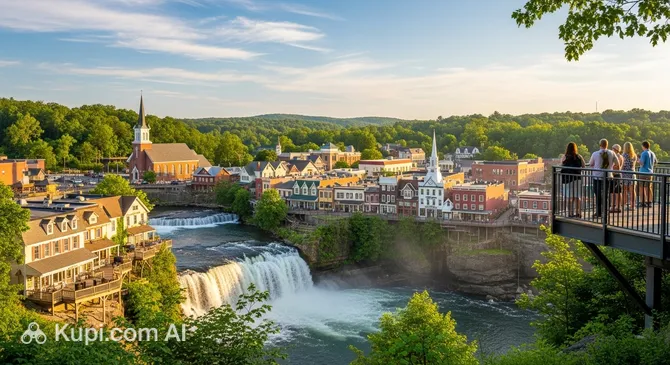
Hidden Falls. Illustration.
Source: Kupi.com AI

Geographically, the settlement is located in Placer County, just an hour's drive from Sacramento. When traveling through this part of the USA, tourists often choose Hidden Falls as a destination for day trips or a quiet weekend in nature. Although the town's permanent population is small and consists primarily of outdoor enthusiasts, the place is very popular due to its transport accessibility and natural beauty.

The main point of attraction is the famous Hidden Falls Regional Park, which gave the area its name. Its landscapes are captivating: green hills give way to shady oak groves, and crystal-clear streams lead to picturesque waterfalls. They look especially impressive in the spring when the water flows are at their fullest. While Hidden Falls' history is inextricably linked to the region's development as a recreational zone, it is the untouched nature that remains the main treasure of this land.

This town is an excellent choice for lovers of hiking, family picnics, and meditation in the heart of nature. If you want to reset and find peace of mind, be sure to include a visit to Hidden Falls in your itinerary.

Weather Overview

The climate in this corner of California features distinct seasonality, allowing for a variety of activities throughout the year. Summers here are truly hot and dry: in July and August, the average temperature is around 25-26°C, with daytime highs often exceeding 34°C. Precipitation is virtually absent during this period, which guarantees sunny days for long walks but requires tourists to have good sun protection.

Winter months bring coolness and increased humidity. In January and December, the average temperature stays around 8°C, sometimes dropping to 3°C at night. The peak of rainy days—up to 15 per month—falls in winter and early spring, though total precipitation remains moderate. To choose the best dates for your visit and pack your luggage correctly, we recommend checking the current weather in Hidden Falls before you leave.

Spring and autumn are considered the most comfortable times to visit. In May and October, the air warms up to a pleasant 18-24°C, creating ideal conditions for hiking. Expect a hot, dry summer and a fairly cool winter with occasional rain, which helps the local nature burst into vibrant colors in the spring.

Average monthly temperature

Average monthly precipitation

Interesting Facts

Beyond the main attractions, Hidden Falls holds many fascinating secrets that make a trip here a true adventure for explorers. Here are a few facts that will help you see this corner of California in a new light:

  • Extensive Trail Network. The town's gem, Hidden Falls Regional Park, boasts more than 48 kilometers of trails for hiking and cycling. Notably, the route to the main waterfall is designed with accessibility in mind: it is suitable for people with a wide range of physical fitness levels, allowing everyone to touch nature.

  • Legend of the "Singing Oaks." Ancient oak forests have been preserved in the area, where some trees are over 200 years old. Locals pass down a beautiful legend: it is believed that these ancient giants can grant wishes, but to do so, you must come to them at dawn and listen to their "singing."

  • Unique Fauna. Hidden Falls is a real magnet for ornithologists and nature lovers. Rare bird species can be found here, including the red-tailed hawk and the California quail. Don't be surprised if you encounter many enthusiasts armed with binoculars and cameras on your walk.

  • Festival and Hidden Streams. The family event Hidden Falls Nature Days takes place here annually. In addition to workshops, the festival offers a unique activity—searching for "lost waterfalls." These are small, hidden streams of water that appear in secluded corners of the park only after heavy rains.

How to Get There

When planning a trip to Northern California's picturesque waterfalls and trails, it is important to think through the logistics in advance. Since the park is located in a natural area away from busy highways, most tourists arrive via the airports of nearby major cities. You can study all the ways to reach the city in detail to choose the route that best fits your plans.

The optimal choice for most travelers is Sacramento International Airport (SMF). This is a major aviation hub that handles many flights and is located just 47 km from Hidden Falls. Thanks to its proximity to the destination, a taxi or rental car ride will take only about 45–50 minutes, making this the fastest and most convenient option.

If you plan to combine your trip with a visit to Lake Tahoe or are coming from Nevada, you might consider Reno-Tahoe International Airport (RNO). It is located in the city of Reno, about 135 km from the park. The drive from there will take approximately 1.5–2 hours, though the route passes through beautiful foothill areas. Oakland International Airport (OAK) in the San Francisco Bay Area is also accessible. The distance is about 165 km, and the drive will take roughly 2–2.5 hours depending on traffic.

Below is a summary of the airports that are most convenient for reaching the region:

AirportPassenger trafficDistance
Sacramento International Airport13.6 mln47 km
Stockton Airport127 000118 km
Reno-Tahoe International Airport4.8 mln135 km
Sonoma County Airport772 558152 km
Metropolitan Oakland International Airport10.8 mln165 km

Given the park's rural location, a car remains the primary means of transportation. The road network in California is of excellent quality, and driving will allow you to enjoy the views of the Sierra Nevada foothills at your own pace. We strongly recommend renting a car immediately upon arrival, as public transport directly to the park entrance is extremely rare.

Main Attractions

Hidden Falls is not your typical tourist hub with museums and architectural monuments, but a true kingdom of wilderness. The main attractions here were created by the elements themselves, and it is for them that travelers come to this corner of California. All activity is concentrated around the regional park's trails, where every turn of the path reveals new breathtaking views.

The crown jewel of the area is undoubtedly Hidden Falls itself. This picturesque cascade, about 10 meters high, is tucked deep inside a canyon, fully justifying its name. The water thunders down rocky ledges, creating a refreshing coolness even on hot days. There are two observation decks for tourists, allowing you to view the flow from different angles and take stunning photos against the backdrop of the rushing water.

Equally popular is the location known as Seven Pools. This unique natural formation on Deadman Creek is where, over millennia, the water has carved a cascade of several natural basins into the rock. Flowing from one "pool" to another, the creek creates a tranquil atmosphere. This spot is a favorite for tourists to take a break: here you can rest to the sound of water and watch the play of light on the surface of the clear ponds.

For those seeking the best panoramic views, the Canyon View Bridge is a must-see. This structure, spanning the gorge, serves as a magnificent vantage point. From the bridge, a vast panorama of forested hills and the creek bed far below opens up. A walk here allows you to fully feel the space and majesty of the California foothills, and in spring, the surrounding slopes are covered in a vibrant carpet of wildflowers.

Fans of flora and peaceful walks should check out the Poppy Trail. This route becomes particularly alluring during the blooming season when the surroundings ignite with the orange colors of California poppies. The trail passes through shady oak forests and open sunny patches, introducing guests to the region's rich plant life and providing excellent opportunities for birdwatching.

Local Cuisine

The gastronomic culture of Hidden Falls is inextricably linked to the local natural bounty and the "farm-to-table" philosophy. There is no pursuit of elaborate haute cuisine here, with a preference for honest and straightforward flavors. The basis of the diet is the freshest seasonal produce: crisp apples, sweet grapes, homemade cheeses, and aromatic honey, all of which can be purchased directly from producers at colorful farmers' markets.

The main culinary symbol conveying an atmosphere of home comfort is apple pie. Recipes for this dessert are carefully guarded in local families and passed down through generations. Traditionally, a warm slice of pie is served with a scoop of melting vanilla ice cream, creating a perfect balance of flavors and temperatures. The secret to this simple dish's success lies in the exceptional freshness of the fruit grown in nearby orchards.

For fans of brews, the region offers excellent craft beer and cider produced by small family-owned businesses. Many local cideries host tastings where you can sample experimental varieties with added wild berries or local honey. For those who prefer non-alcoholic drinks, natural fresh-squeezed lemonades are a real lifesaver on a hot day.

During the summer season, the food culture moves outdoors. Tourists and locals alike enjoy attending food festivals and organizing picnics against the backdrop of scenic landscapes. The menus at such events feature high-quality street food classics: juicy grass-fed beef burgers, homemade hot dogs, and sweet grilled corn. It's the perfect way to refuel and recharge after a long walk on the park's trails.

Travel Tips

A trip to Hidden Falls is primarily an immersion into the world of wilderness, so preparation plays a key role for a safe and comfortable holiday. To ensure your visit to the waterfalls goes smoothly and leaves only pleasant memories, we have compiled a list of important recommendations tailored to the specifics of this area.

  1. Clothing and Gear. Since hiking is the main activity here, the most important part of your wardrobe should be comfortable trekking shoes with non-slip soles. For protection against the sun and insects (especially ticks), we recommend wearing lightweight trousers and long-sleeved clothing, as well as a hat. Don't forget a backpack with a supply of drinking water—at least 1–2 liters per person—since there are no drinking fountains on the trails.
  2. Transport. Hidden Falls is a remote natural area with no public transport. The only reliable way to get here is by rental car. Using taxis or apps (Uber, Lyft) is extremely risky: a driver can bring you to the park, but calling a car back will be nearly impossible due to the lack of cell service in the canyon.
  3. Finances. The official currency is the US Dollar (USD). There are no shops or ATMs in the park itself, so take care of cash and food in advance by stocking up in the neighboring city of Auburn. Cards are accepted almost everywhere in the towns along the way. If you plan to have lunch at a cafe after your walk, remember the tipping culture: in the USA, it is customary to leave 18–20% of the bill.
  4. Health and Safety. During the summer, the main dangers are overheating and dehydration, as well as poison oak, which grows along the trails—avoid contact with any plants with triple leaves. Rattlesnakes also inhabit this area; watch your step and do not wander off the marked trails. The nearest pharmacies and hospitals are in the city of Auburn (about 15–20 minutes away).
  5. Communication. The primary language is English. Be prepared for mobile service and internet to be extremely unstable or completely absent within the park. We strongly recommend downloading offline maps in advance (e.g., Google Maps or AllTrails) to navigate the trails without network access.
  6. Local Etiquette. On narrow trails, the rule of courtesy applies: yield to those heading uphill. Hidden Falls is popular with equestrians, and by rule, hikers and cyclists must yield to horses. When meeting other tourists, it's customary to say hello or nod. And, of course, strictly follow the "Leave No Trace" principle—all trash must be carried out with you.
  7. What to Avoid. Categorically avoid parking along roads outside of designated areas—local authorities monitor this strictly, fines are very high, and your car may be towed. Also, do not feed wild animals, even if they seem harmless like squirrels or birds; this disrupts the ecosystem and can be dangerous.
  8. Important Hack: Parking Reservations. This is the most critical advice for Hidden Falls. On weekends and holidays (and sometimes on weekdays), parking access is only available by advance online reservation. Without a printed or saved pass, you will simply be turned away at the entrance by rangers. You need to book your spot several days before your trip on the official Placer County website.

Following these simple rules will save you from unnecessary trouble and allow you to fully focus on the beauty of California's nature. We wish you breathtaking views and an easy journey to the hidden falls!

Entertainment & Nightlife

It is important to understand that Hidden Falls is not a noisy metropolis, but a secluded natural area. In the park itself and the adjacent residential areas, nightlife is non-existent in the traditional sense: there are no nightclubs with neon signs or 24-hour discos. The park closes at sunset, and life in the settlement quiets down. However, this doesn't mean tourists will be bored in the evenings: the epicenter of entertainment is just a 15–20 minute drive away in the neighboring historic city of Auburn.

Travelers flock to Auburn after a day of hiking to relax and enjoy a delicious dinner. The center of attraction is the Old Town Auburn district. A unique Wild West atmosphere prevails here: wooden sidewalks, 19th-century brick buildings, and cozy saloons create a colorful backdrop. The crowd here is diverse but consistently friendly, ranging from local farmers and bikers to tourists in trekking boots. The dress code in most establishments is as casual as it gets—casual style or sportswear is perfectly appropriate here.

The region is famous for its craft brewing culture. Evening leisure often revolves around tasting local ales and stouts. Among the most popular spots is the Auburn Alehouse—an iconic establishment in the heart of Old Town, where you can try great beer and hearty burgers in a boisterous, fun atmosphere. Another point of interest is Moonraker Brewing Co., known for its bold experiments with hops and a spacious outdoor area where live music often plays in the evenings and large groups gather.

For those looking for something more refined, wine bars and restaurants in Downtown Auburn are a good fit. The atmosphere here is quieter and more romantic. Establishments generally operate until 10:00 PM–11:00 PM and may stay open until midnight on Fridays and Saturdays. There are few actual nightclubs with dance floors until morning; the emphasis is more on live performances by rock bands or country musicians in bars like The Club Car.

When planning your evening, keep a few practical points in mind:

  • Transport. It's best to return from Auburn to the Hidden Falls area at night in a rental car, but remember the strict US laws regarding driving under the influence. Calling a taxi (Uber/Lyft) from the city to your lodging is easy, but the wait might take some time.
  • Safety. The Auburn area and the surroundings of Hidden Falls are considered very safe. You can walk the well-lit streets of Old Town without worry. However, roads to residential areas are often unlit and winding—be extremely careful driving at night, as deer may step onto the road.
  • Prices. The average check for dinner with drinks is about $30–$50 per person, which is quite affordable by California standards.

Regarding daytime entertainment not related to nature, the region offers an immersion into Gold Rush history. In Auburn, it's worth visiting the Placer County Gold Rush Museum, where you can learn about the lives of prospectors. Trips along the Placer Wine Trail are also popular—during the day, many wineries are open for tastings, offering guests the chance to enjoy vineyard views with a glass of local wine.

Parks & Museums

Hidden Falls and its surroundings offer a unique combination of untouched wilderness and California's rich historical heritage. While the settlement itself is a quiet green zone focused on ecotourism, its proximity to Placer County's historic centers allows travelers to easily combine hiking with a cultural program.

The undeniable center of attraction is Hidden Falls Regional Park. This is an extensive territory of over 480 hectares, crisscrossed by a network of trails for hikers, cyclists, and equestrians. The park is primarily interesting for its water features: in addition to the famous 10-meter waterfall, the picturesque Deadman Creek flows through it. Tourists value this place for the chance to see California as it was before civilization arrived—with shady canyons and sunny oak groves perfect for birdwatching.

Right nearby is the massive Auburn State Recreation Area, which organically complements the region's natural riches. This is the place where the North and Middle forks of the American River converge in a deep canyon. The park attracts lovers of more active and even extreme recreation: rafting, kayaking, and challenging mountain bike trails are popular here. The canyon's geological features make it interesting not only for athletes but also for photographers hunting for striking shots of turbulent river rapids.

Since Hidden Falls is primarily a nature reserve, the main cultural institutions are located in the neighboring historic city of Auburn, just 15 minutes away. The primary guardian of the region's history is the Placer County Museum, located in the majestic old courthouse building. The collection spans a wide timeline: from the lives of the indigenous Nisenan people to the roaring days of the Gold Rush. Visitors can see authentic prospector artifacts and even peek into restored 19th-century sheriff's office interiors.

For full immersion into the era of the Wild West, a visit to the Gold Rush Museum is a must. This interactive space is especially popular with families: here you can not only learn dry facts but also try your hand as a gold seeker, mastering the technique of panning in an artificial stream. The museum clearly demonstrates how the extraction of precious metal changed California's landscape and destiny, turning quiet hills into the center of world attention.

Insider Tip: If you are interested in botany, look for a discreet trail along the northern slope in Hidden Falls Park in early spring. At this time, rare species of wild irises and lupines bloom there, creating incredible violet-blue carpets that disappear by the beginning of summer.

Getting Around

It is important to note the specifics of this location right away: since Hidden Falls is a natural regional park located in a rural area, the typical urban public transportation system is virtually non-existent here. You won't find subways, trams, or trolleybuses. Bus routes do not reach the park entrance directly, so tourists should plan their logistics in advance, focusing on automotive transport.

The nearest transportation hub is the city of Auburn, which can be reached via Amtrak trains (Capitol Corridor line) or the Placer County Transit (PCT) regional bus network. PCT buses connect major towns in the county, such as Roseville, Rocklin, and Auburn. These are modern and comfortable vehicles equipped with air conditioning and bike racks, which is convenient for those traveling with two-wheeled transport.

To pay for fares on regional buses operating in Placer County, cash is usually used (it's better to have small bills as drivers do not give change) or mobile passes through the Token Transit app. The fare is very affordable. If you are coming from the San Francisco Bay Area or Sacramento, you might find the Clipper Card useful—it's a universal transit card valid on many types of transport in Northern California, including trains headed toward Auburn.

A rental car remains the primary and most reliable means of transport for visiting Hidden Falls. It gives you freedom of movement and doesn't tie you to a schedule. In the USA, the rental process is very streamlined, and the roads in this region are of excellent quality. Remember that parking at the park itself requires a mandatory advance online reservation, without which vehicles are simply not allowed on the grounds.

Taxi and rideshare services like Uber and Lyft are available in neighboring Auburn and can take you to the start of the hiking trails. However, there is an important nuance: cellular service in the canyon and waterfall area is extremely unstable or non-existent. This creates a real risk that you might take a taxi to the park but be unable to call a car for the return trip. Therefore, you should rely on rideshare apps with great caution and only if you have a backup plan.

A bicycle in this context acts more as sports equipment than a full-fledged means of transfer. While cycling from Auburn to the park is theoretically possible, the route passes through hilly terrain and public roads without dedicated bike lanes, requiring good physical fitness and caution. Within the park itself, a bike is an excellent way to get around the numerous dirt trails.

Accommodation

Since Hidden Falls is a protected regional park intended primarily for day use, there are no lodging options directly on its territory. Tourists wishing to spend several days in this picturesque area should look toward nearby cities located 15–20 minutes away. The main accommodation hub for travelers is the neighboring city of Auburn, which offers an excellent balance between comfort and proximity to nature.

The range of available housing in the vicinity is quite broad, though you are unlikely to find massive five-star resorts here. The bulk of the room stock consists of:

  • Mid-range chain hotels. Located primarily along major highways. These are reliable options with a standard set of services: breakfast, parking, and Wi-Fi.
  • Historic hotels and B&Bs (Bed and Breakfasts). In the Old Town Auburn area, you can find atmospheric boutique hotels housed in Victorian-era buildings. This is the ideal choice for those wanting to immerse themselves in the romance of the Gold Rush era.
  • Motels. A budget-friendly and practical option for road trippers, allowing you to save money.
  • Private rentals. Booking services offer many options, from cozy rooms to secluded cottages and cabins in the woods, which are especially convenient for large groups or families.

When choosing an area to stay, most tourists prefer historic Old Town Auburn or the Downtown zone. Staying here gives you walking access to restaurants, breweries, and shops after a busy day on the trails. If quick access to nature and quiet are your priorities, consider renting a cabin in the rural areas of Placer County, closer to the park entrance.

The price range in the region can be described as moderate. The cost of living here is generally lower than in California's major tourist centers like San Francisco or the Lake Tahoe area. Budget options are available in the motel category, while historic boutique hotels and rental cottages fall into the medium and high price segments.

Booking Tip: Although the choice of accommodation is quite large, demand spikes during peak seasons—spring (during poppy bloom) and early autumn. We strongly recommend booking your room or apartment in advance, especially if your trip falls on a weekend. You can use popular international online platforms or the hotels' own websites for this.

Nearby Cities

For those looking to explore the surroundings, Hidden Falls serves as an excellent starting point for day trips to several interesting nearby locations:

Just a 20-minute drive away is Rocklin, the park's closest neighbor. This city is interesting for its unique public space, Quarry Park, created on the site of ancient granite quarries. Today, it hosts outdoor concerts, and an adventure rope park is open for outdoor enthusiasts, making it a great option for family leisure.

A little further away is Roseville, the largest city in the county and a major hub for shopping enthusiasts. Here you'll find the massive Westfield Galleria shopping complex and numerous restaurants for every taste. It is an ideal place to return to civilization after the seclusion of nature, visit museums, or spend time at a water park.

Special attention should be given to Folsom, which combines a rich historical heritage from the Gold Rush era with water recreation opportunities. The famous Folsom Lake attracts fans of kayaking and sailing, while the city's historic center, with its atmospheric buildings and museums, allows you to dive into California's past.

CityPopulationDistance
North Auburn14 3078 km
Rocklin70 31720 km
Granite Bay21 67322 km
Wheatland76823 km
Roseville145 68726 km

These nearby destinations provide insight into the diverse culture and landscapes of the region, harmoniously complementing the experience of visiting the natural beauty of Hidden Falls.

Shopping & Souvenirs

Since Hidden Falls is a protected natural area focused on ecotourism and wilderness preservation, there are no shops, souvenir stalls, or shopping centers directly within the park. Travelers come here for the peace and scenery, not for shopping. However, this doesn't mean you'll leave the region empty-handed: the surrounding towns and rich farmlands offer excellent opportunities for interesting and authentic shopping.

For colorful souvenirs, it's best to head to the historic center of the neighboring city of Auburn (Old Town Auburn), located just 15 minutes away. Strolling through its atmospheric streets, you'll find many antique shops, art galleries, and cozy boutiques. Here you can buy unique ceramics, handmade leather goods, jewelry from local craftsmen, and cowboy paraphernalia reminiscent of the Gold Rush era.

A special pride of this part of California is local farm produce. Placer County is famous for its fertile lands, so be sure to stop at roadside farm stands on your way to the park. The region is known as "mandarin country," and in the winter season, you must buy a bag of sweet Satsuma mandarins. Other great reminders of your trip include:

  • Local honey and bee products from the foothill apiaries.
  • Craft olive oil.
  • Wine from local wineries, many of which sell limited editions only on-site.
  • Homemade jams, sauces, and fresh pastries.

If you need more extensive shopping or forgot some of your hiking gear, we recommend visiting the city of Roseville, located half an hour away. There you'll find Westfield Galleria at Roseville—one of the largest shopping centers in the region. This is a huge modern mall featuring flagship stores of famous global brands for clothing, electronics, and outdoor goods.

When planning your purchases while traveling through the USA, keep in mind that small family farms and markets often prefer cash, while city shops accept cards everywhere.

Reached the end of the page?

That means the route is fully explored