Support

Houma

About

Houma is a picturesque city located in southern Louisiana, in the heart of mysterious swamps and winding canals. Just an hour's drive from bustling New Orleans, this corner of the USA offers travelers a completely different rhythm of life, filled with tranquility and authentic Southern charm. Here, the Bayou Terrebonne meets the Mississippi Delta, creating unique landscapes that attract eco-tourism enthusiasts and adventure seekers from all over the world.

As the administrative and cultural center of Terrebonne Parish with a population of about 146,000 people, Houma is nestled among numerous bridges, waterways, and green parks. Its geographical location in a humid subtropical climate zone ensures lush vegetation year-round. This is a place without the hustle and bustle of major metropolises, but with an abundance of the famous Southern hospitality and friendliness of the locals.
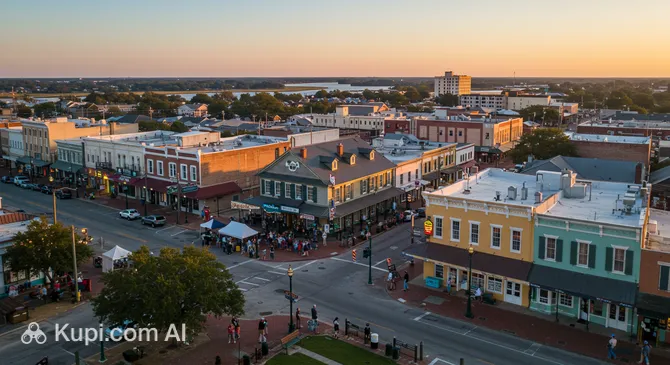
Houma. Illustration.
Source: Kupi.com AI

Strolling through the city streets, it is impossible not to feel the spirit of real Louisiana: historic mansions, centuries-old oaks draped in Spanish moss, and cozy cafes with live music create a unique atmosphere. Houma's rich history is closely intertwined with Creole and Cajun traditions, whose cultural heritage is clearly manifested in everything from architecture to unique gastronomy. It is an ideal destination for those who want to get acquainted with the American heartland and its original customs.

The city is often called the "gateway to the world of swamps." One of the main reasons to visit Houma is the exciting tours of the bayous, where you can watch alligators, herons, and other wildlife in their natural habitat from a boat. After adventures on the water, guests are welcomed by restaurants serving the freshest seafood. Houma is a city worth including in your itinerary for its unique experience, natural beauty, and warm welcome.

Weather Overview

When planning a trip, it is important to consider that the climate in this region is humid subtropical, which provides lush vegetation year-round. Summer in the city is usually hot and humid: in July and August, the average temperature is about 28°C, and the thermometer often rises above 31°C. This is also a season of frequent precipitation—the number of rainy days in mid-summer can reach 24-25 per month, so an umbrella or raincoat will be essential travel companions.

Winter here is mild and short; severe cold is a great rarity. In January, the coldest month, the average temperature stays around 13°C, and the night minimum rarely drops below 8°C. Expect a warm summer with occasional rain and cool, drier winters. Spring and autumn bring the most comfortable conditions: in April and October, the air warms up to a pleasant 21-23°C.

To choose the ideal dates for swamp tours and city walks, we recommend checking in advance what weather in Houma is expected during your trip. The shoulder seasons are often considered the best times to visit, offering a balance between warmth and a moderate amount of rainfall.

Average monthly temperature

Average monthly precipitation

Interesting Facts

In addition to picturesque landscapes and gastronomic delights, Houma holds many fascinating stories and cultural features. This city, steeped in southern mysticism, can surprise even experienced travelers with unexpected details of its life.
  • The Legend of the Rougarou. Local folklore is still alive today: one of the city's most famous legends is the story of the "Rougarou"—a mythical werewolf from French tales. This creature is believed to roam the surrounding marshes, and it is in its honor that the city hosts an annual colorful festival combining mysticism, music, and fun.

  • The Title of "Swamp Capital." Houma officially holds the title of Louisiana's "swamp capital" due to its unique location surrounded by a dense network of waterways. It's not just a nickname, but a lifestyle: for many locals, a boat is as common a means of transport as a car, and tours of the backwaters allow you to see alligators in their natural habitat.

  • Mastery from Centuries Past. The region is famous for unique craftsmen working with bald cypress. The wood of this tree, which has lain in the water for decades, becomes incredibly durable. Local artisans create everything from it: from delicate souvenirs to reliable pirogues, the secrets of which are passed down from generation to generation.

  • The Cradle of Zydeco Music. Houma and its surroundings played a key role in the popularization of Cajun and Zydeco musical genres. Outstanding musicians were born here whose work combined French folk motifs, blues, and Caribbean rhythms, creating a unique sound that is now the hallmark of the entire state.

How to Get There

When planning a trip to this colorful corner of Louisiana, it is important to think about logistics in advance. Since there is no commercial airport in the city itself, most tourists fly into nearby major cities and continue their journey by car. You can learn more about how to get to Houma on a dedicated page, and here we will look at the main flight options.

The most convenient and popular option is Louis Armstrong New Orleans International Airport (IATA: MSY). This is the largest air hub in the region, located just 62 km from Houma. Due to its proximity to the city and excellent highway connections, the drive from here by rental car or taxi will take only about 1 hour. Many flights arrive here from various parts of the USA and other countries.

A good alternative could be Baton Rouge Metropolitan Airport (IATA: BTR), located in the state capital. The distance to Houma is about 112 km. This airport is less crowded, which can mean faster processing upon arrival. The travel time by car from here will be approximately 1.5 hours.

You can also consider flying into Lafayette Regional Airport (IATA: LFT). It is located 140 km from the city. This is a regional airport often chosen for domestic flights. The journey to Houma will take from 1.5 to 2 hours depending on traffic.

Below is a comparative table of the nearest airports to help you choose the optimal route:

AirportPassenger trafficDistance
Louis Armstrong New Orleans International Airport11.9 mln62 km
Baton Rouge Metropolitan Airport844 025112 km
Lafayette Regional Airport457 054140 km
Gulfport-Biloxi International Airport847 877183 km
Hattiesburg-Laurel Regional Airport27 532246 km

Main Attractions

While Houma's parks and museums already provide an insight into the region's culture, the city's list of interesting places does not end there. The main attractions here are a combination of living history, unique folk art, and interactive communication with nature, allowing you to see Louisiana from a new perspective.

Ardoyne Plantation is an architectural gem located on the outskirts of the city. This majestic Victorian Gothic mansion is unique in that it still belongs to the descendants of the family who founded it in the late 19th century. Unlike museums with a dry academic atmosphere, tours here are often conducted by the owners themselves, sharing personal stories and showing authentic interior items preserved through generations. This is a rare chance to see the life of sugar barons from the "inside."

Chauvin Sculpture Garden is one of the most mysterious and impressive places in the vicinity of Houma. This open-air art site was created by hermit artist Kenny Hill. More than 100 concrete sculptures depicting angels, soldiers, and biblical scenes are located on the banks of the bayou. A walk among these figures leaves a strong impression due to the mixture of naive art and the deep spirituality of the author, whose personality is still shrouded in mystery.

Greenwood Gator Farm offers an alternative to classic boat tours. While an alligator might only be glimpsed in the wild, here tourists get the opportunity to see these reptiles up close. Guides talk about the alligator's life cycle, their habits, and their importance to the swamp ecosystem. This is an interactive and educational place that is especially popular with families and those who want a guaranteed look at the symbol of the state of Louisiana.

Local Cuisine

Houma's cuisine is a true gastronomic phenomenon, where French culinary traditions and bold notes of the American South are intertwined. Spicy Cajun and Creole dishes rule the day here, turning every meal into a vibrant event. Travelers should definitely try thick seafood gumbo, spicy jambalaya, and, of course, the famous po-boy sandwiches, which are prepared here with a generous portion of fried shrimp or oysters.

Proximity to the waters of the Gulf of Mexico and numerous bayous guarantees exceptional freshness of ingredients. Locals are rightfully proud of their oysters, blue crabs, and fish, which hit the table literally a few hours after being caught. For the bravest gourmets, Houma offers an exotic delicacy—smoked or fried alligator meat, which can be found both on restaurant menus and at farmers' markets, along with homemade sauces and wild berry jams.

Street food here is its own art form, available on every corner. It's impossible to resist the aroma of hot beignets—traditional French donuts generously dusted with powdered sugar, which pair perfectly with strong chicory coffee. Hearty meat pies and corn tortillas are also popular, making for great snacks during walks. Among drinks, in addition to coffee, locals prefer classic Southern sweet iced tea or local craft beer, which perfectly offsets the spiciness of the dishes.

The food culture in Houma goes far beyond a simple meal; it is a way of communicating and preserving traditions. Locals and tourists often gather not only in cozy family restaurants but also at numerous gastronomic festivals, such as the annual Rougarou Fest or the Southdown Marketplace Arts and Crafts Festival. There, to the sounds of live music, you can taste the best examples of home cooking and fully immerse yourself in the atmosphere of Louisiana hospitality.

Travel Tips

Preparing for a trip to the heart of the Louisiana swamps requires attention to detail to ensure your vacation is flawless and leaves only pleasant memories. We have compiled a list of proven recommendations to help you feel confident in Houma and enjoy the local flavor without extra hassle.

  1. Clothing and protection from nature. Given the humid subtropical climate, prefer clothing made of light, breathable fabrics (cotton, linen). Even if the forecast doesn't promise rain, always carry a light raincoat or umbrella—showers here are sudden and heavy. Critically important: be sure to have a high-quality insect repellent with you, as the proximity of swamps guarantees the presence of mosquitoes, especially in the evening.
  2. The transportation issue. Houma is a city made for motorists. Although there is a Good Earth Transit bus network, it has a limited schedule and does not operate on Sunday evenings. To fully see the sights and travel to plantations, it is strongly recommended to rent a car. Taxi apps (Uber, Lyft) work, but wait times can be long, especially in remote areas.
  3. Finances and tipping. The main currency is the US dollar. Bank cards are accepted almost everywhere, but it is recommended to have small bills ($1–$5) for paying at farmers' markets or tipping valets. Tipping culture here is strict: in restaurants, it is customary to leave 18–20% of the check amount, as this forms the basis of the staff's earnings.
  4. Health and safety. The city is generally safe, but the main threat can come from nature. Never swim in canals, bayous, or ponds unless it is a specially designated area—alligators live in local waters. Major pharmacy chains (CVS, Walgreens) are common, where you can buy basic over-the-counter medicines. Don't forget to drink plenty of water to avoid dehydration in the heat.
  5. Communication and electronics. The main language of communication is English. Although locals may use words from a French dialect, there will be no problems with understanding. Wi-Fi is available in most hotels and cafes. To charge gadgets, you will need a type A or B adapter (American plug with flat pins), as the mains voltage is 110 V.
  6. Southern etiquette. Residents of Houma are famous for their friendliness. Don't be surprised if strangers greet you on the street or strike up a conversation in line. In communication, it is customary to use polite addresses like "Sir" and "Ma'am" regardless of the age of the person you are speaking to—this is a sign of respect, not an indication of age.
  7. What to avoid. It is strictly forbidden to feed wild animals, especially alligators, during excursions or walks—this is dangerous and punishable by law. Also, you should not poke fun at the local accent or call all residents "Cajuns" unless you are sure of their heritage, although most take pride in this heritage.
  8. Gastronomic tip. Don't be afraid to buy food at gas stations or inconspicuous roadside stalls. In Louisiana, this is often where the most delicious and authentic food is prepared: from fried chicken to crawfish pies. This is not low-quality fast food, but part of the local culinary culture.

Following these simple rules will help you quickly adapt to the rhythm of life in Houma and focus on the main thing—exploring the unique nature and culture of this amazing region. Be open to communication, respect local traditions, and Louisiana will respond with sincere hospitality!

Entertainment & Nightlife

Entertainment:

The entertainment industry in Houma offers guests a chance to immerse themselves in the authentic atmosphere of the southern USA. You won't find the dazzling neon lights of huge metropolises here, but you can enjoy sincere fun, live music, and warm social interaction. Local leisure is closely linked to cultural traditions: from dance nights to the rhythms of Zydeco to family gatherings in cozy venues.

One of the favorite vacation spots for residents and tourists is the Creole Lanes bowling center. It is not just a place to play, but a real center of attraction where you can have fun with friends or family. The spirit of good old America reigns here, and the excitement of competition on the lanes perfectly complements the relaxed evening atmosphere.

Creole Lanes. Illustration.
Source: Kupi.com AI

Traveler photos:

Music is an integral part of city life. On weekends, many bars and restaurants turn into makeshift concert venues where local bands perform lively Cajun music and blues. This is a great chance not only to listen to unique melodies but also to see how the locals dance, staying true to the traditions of their ancestors.

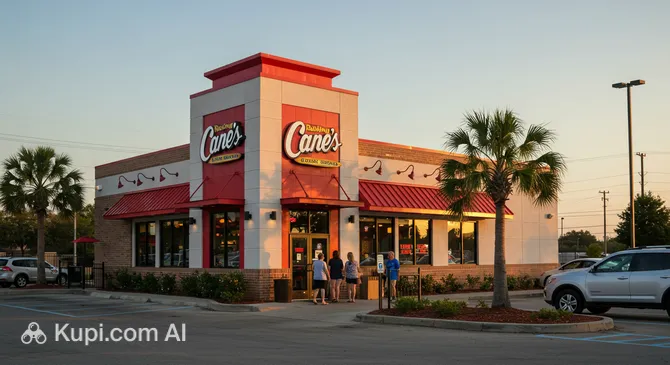
Gastronomy in Louisiana is also considered a form of entertainment. For a quick and tasty snack between activities, Raising Cane's is a perfect choice. This famous chain, which originated in Louisiana, has become iconic thanks to its signature chicken fingers. Visiting this place will make you feel like a real local who knows their way around simple but high-quality food.

Raising Cane's. Illustration.
Source: Kupi.com AI

Traveler photos:

Parks & Museums

Although this city is often associated with endless waterways, Houma's cultural landscape offers tourists equally fascinating discoveries on land. Green spaces here allow you to touch Louisiana's wilderness without leaving civilization, and museums carefully preserve the heritage that connects locals to the land and water. This is an ideal addition to a journey for those who want to better understand the soul of this corner of the USA.

For nature lovers, a real find will be the Mandalay National Wildlife Refuge. Located in close proximity to the city, it offers an excellent walking trail that goes deep into the wetlands. This is one of the best places to observe migratory birds and local fauna in their natural habitat. A walk here gives a sense of complete unity with nature, allowing you to see the famous bayou landscapes without having to rent a boat.

In the heart of the city, Courthouse Square is worth a visit. This is a picturesque space with centuries-old oaks that create a welcome shade on hot days. City events are often held here, and it is a great place for a quiet walk to feel the measured rhythm of life in a southern city.

Among the museums, Southdown Plantation & Museum holds a special place. Located in a 19th-century mansion with distinctive pink and green architecture, the museum tells the story of the sugar industry that shaped the region's economy. The exhibition includes household items of plantation owners, the history of workers, and unique artifacts of the region's indigenous peoples. Tourists will find this place interesting for both the opportunity to see Victorian-era interiors and the chance to learn about the complex history of the region.

Equally fascinating is the Bayou Terrebonne Waterlife Museum. It is dedicated to the inseparable connection of Houma's residents with the water. Interactive exhibits tell the traditions of shrimp, oyster, and crab fishing, as well as the geological features of the area. This is a key point for understanding how people adapted to life in the "swamp country" and why preserving this ecosystem is so important today.

History buffs should also pay attention to the Downtown Historic District, which is listed on the National Register of Historic Places. Here you can see beautifully preserved buildings from the early 20th century that serve as living monuments to the city's architectural development.

Insider tip: If you're interested in art, stop by the Folklife Culture Center. Works by local craftsmen are often exhibited here, including famous woodcarvers who create amazingly realistic figures of wild ducks and birds—a traditional art form that is highly valued in Louisiana.

Getting Around

The public transport system in Houma is not as extensively developed as in major metropolises and is focused mainly on bus service. The main operator is the municipal service Good Earth Transit. This is a reliable and budget-friendly way to get around, connecting the main residential areas, major shopping centers like Southland Mall, medical facilities, and even the neighboring city of Thibodaux. There are no subways, trams, or trolleybuses here, so buses remain the only form of mass municipal transport.

Paying for fares on Good Earth Transit buses is as simple as possible but has its nuances. The most common method is paying cash to the driver upon entry through a special farebox. It is important to remember that no change is given, so tourists need to prepare the exact amount in coins or $1 bills in advance. The cost of a single trip is very affordable. For those who plan to travel actively during the day, it is more profitable to purchase a Day Pass directly from the driver. Complex systems with transport cards or mobile payment apps are not yet used here.

When planning trips, tourists should carefully study the work schedule. Buses run on a schedule that can vary by route, but generally, service stops in the early evening (around 16:00–18:00). On weekends, the number of trips is significantly reduced, and on Sundays, public transport may not run at all. It is best to check current route maps and schedules in advance on the official Terrebonne Parish website.

Given the limited bus hours, many travelers choose alternative ways to get around. The most convenient option for exploring the city and its picturesque surroundings remains renting a car or using your own transport. Popular ride-hailing apps such as Uber and Lyft also operate steadily in Houma, which is especially relevant for evening trips to restaurants or bars. Bicycle infrastructure is poorly developed, so two-wheeled transport is more commonly used for rides in parks than as a full-fledged means of city transportation.

Accommodation

Where to stay:

Houma offers guests a variety of accommodation options that combine Southern hospitality with affordability. You won't find grandiose skyscrapers or ultra-luxury world-class resorts here. The bulk of the hotel stock consists of reliable mid-range chain hotels, cozy motels for budget travelers, and charming bed and breakfasts (B&Bs) where you can feel at home. In recent years, renting private apartments and houses has gained popularity, which is especially convenient for families and large groups who want to live like a local.

When choosing an area, you should focus on your plans. Most modern hotels are concentrated along Martin Luther King Boulevard. This is a strategically convenient location: shopping centers, many restaurants, and exits to major highways are nearby. If you prefer a historical atmosphere and walking, look for options in the Downtown area. Staying here will put you within walking distance of the waterfront, museums, and historic architecture.

While there are usually plenty of vacancies in the city, the situation changes during major events. Since Houma is near New Orleans, during the famous Mardi Gras carnival (February-March) or popular local festivals like the Rougarou Fest, demand for housing increases sharply. In such peak seasons, it is strongly recommended to book rooms in advance—weeks or even months ahead—to guarantee comfortable accommodation.

The pricing policy in Houma is quite affordable, especially compared to the state's major tourist centers. Travelers can expect a wide selection ranging from the budget to mid-range segment. You can book accommodation through popular international online platforms or directly on hotel websites. Many hotels offer free parking, which is a big plus for road travelers.

Nearby Cities

For those looking to explore the surrounding area, Houma serves as a great base for day trips to several interesting nearby locations. The city's location allows for easy access to Louisiana's cultural and historical centers, each offering its own unique experiences.

The absolute leader among destinations for a short trip is New Orleans. This world-famous city of jazz, voodoo magic, and endless celebration is just an hour's drive away. Tourists come here to wander through the colorful French Quarter, taste the legendary beignets, and enjoy live music on famous Bourbon Street.

Also worth noting is the city of Kenner, located on the shores of Lake Pontchartrain. It is home to the historic Rivertown district with museums, a science center, and a planetarium, making it a wonderful place for an educational family vacation. For food lovers, LaPlace, often called the "Andouille Sausage Capital of the World," will be of interest. A trip here is a great chance to try authentic meat delicacies that are essential to real Louisiana cuisine.

CityPopulationDistance
Bayou Cane21 6994 km
Bayou Blue11 2296 km
Raceland11 00219 km
Thibodaux15 24224 km
Morgan City11 52549 km

These nearby destinations provide a more complete picture of the region's diverse culture and landscapes, complementing a relaxing stay in Houma with vibrant urban experiences.

Shopping & Souvenirs

Shopping in Houma is a combination of modern comfort and unique Southern flair. The city does not claim to be a fashion capital, but you can find everything you need here: from large retail chains to cozy family shops. A feature of local shopping is the opportunity to purchase authentic goods related to Cajun culture, which will serve as an excellent reminder of your trip through Louisiana.

Martin Luther King Boulevard is the city's main shopping artery. Most major stores, supermarkets, and chain clothing boutiques are concentrated along this busy street. If you are looking for something more atmospheric, head to Downtown Houma. Here, among historic buildings, are hidden small shops with antiques, clothing from local designers, and original gifts, where owners often know every customer by sight.

The center of attraction for shopping enthusiasts is Southland Mall. It is the only large indoor shopping center within a radius of several dozen kilometers. Under its roof, popular American brands of clothing, shoes, and accessories are gathered, as well as department stores. This is a convenient place to update your wardrobe, hide from the summer heat, and grab a bite at the food court.

For those who want to plunge into the local culture, seasonal fairs such as the Southdown Marketplace are of interest. This craft market, held on the grounds of a historic plantation, attracts hundreds of artisans from across the region. Unique handmade items can be found here, from jewelry and ceramics to traditional wood carving. There are also farmers' markets in the city selling fresh produce and homemade preserves.

When choosing souvenirs, pay attention to gastronomic gifts. Louisiana is famous for its flavors, so a jar of Cajun spices, local hot sauce, or a jambalaya mix would be excellent choices. Mardi Gras carnival symbols (masks, beads) and cypress crafts are also popular. Exotic lovers can look at alligator leather goods, which are widely available in specialized stores in the state.

Most major stores and shopping centers are open from 10:00 to 21:00 Monday through Saturday, and close earlier on Sunday—around 18:00. Small private shops downtown may have individual schedules and close at 17:00–18:00. Cash dollars and bank cards of major international systems are accepted everywhere.

It is important to note that the USA is a country where sales tax is usually not included in the price tag. However, Louisiana is one of the few states that offers a Tax Free Shopping program for international tourists. When purchasing goods at participating stores, you can apply for a sales tax refund. Be sure to carry your passport with you and check with the sellers at the checkout for this option.

Reached the end of the page?

That means the route is fully explored