Support

Marana

About

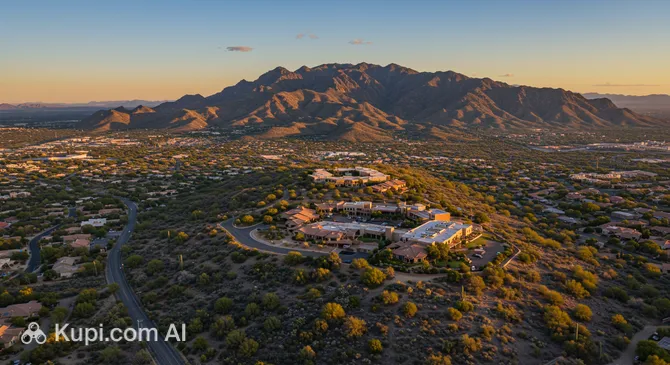
Marana is a sun-drenched gem in southwest Arizona, nestled in a picturesque valley between majestic mountains and the vast expanse of the Sonoran Desert. Located in close proximity to Tucson, this city is ideal for travelers who want to explore the USA from a new, authentic perspective without sacrificing the comforts of a modern resort. Thanks to its prime location, Marana has become a true "gateway" to the region's adventures and natural beauty.

Marana. Illustration.
Source: Kupi.com AI

With a population of approximately 50,834 people, the city harmoniously combines the coziness of a small settlement with the dynamics of a fast-growing center. Here, travelers will find well-maintained residential neighborhoods, modern shopping centers, and world-class luxury golf clubs. Administratively part of Pima County, Marana is famous for its friendly atmosphere, where locals are happy to share traditions and invite guests to seasonal festivals.

The rich history of Marana and its unique nature create excellent conditions for active leisure. From here, it’s easy to head out for trekking, cycling, or desert safaris to see the famous saguaro cacti. For those who prefer a more tranquil vacation, the doors of family farms and spa centers are open, offering complete relaxation.

Marana is a place where everyone will find something to their liking: from rare bird watching to culinary discoveries of local cuisine. The sun shines here almost year-round, and every desert sunset turns into an unforgettable spectacle. Come here to feel the true spirit of the American Southwest and recharge with the energy of nature.

Weather Overview

Marana's climate is characteristic of the Sonoran Desert: there is plenty of sun year-round, and temperature fluctuations are pronounced depending on the season. Summer in the region is truly scorching: in June and July, average maximums reach 38°C (100°F). Interestingly, the second half of summer (July and August) accounts for the peak humidity—up to 9 days with precipitation per month—which slightly softens the dry desert air.

In contrast, the winter months are mild and perfect for those who do not like the heat. In December and January, the average temperature stays around 12–13°C (54–55°F), although nights can be quite chilly, dropping to 5–6°C (41–43°F). Spring is one of the most pleasant times of year: as early as April, the air warms to an average of 21.7°C (71°F), and rain is practically non-existent. To choose the perfect time for your visit, we recommend finding out in advance what the weather in Marana is expected to be during your trip.

Overall, expect very hot summers with occasional rains in July-August and comfortable, dry winters with cool nights.

Average monthly temperature

Average monthly precipitation

Interesting Facts

In addition to its main attractions, Marana holds many fascinating secrets that reveal this corner of Arizona from an unexpected side.

  • Living Heritage of the Wild West. Marana doesn't just sit in the American West; it lives its history. Within the city and its surroundings, active ranches remain where cowboy traditions are carefully preserved, and some farms are open to tourists wanting to see the region's authentic way of life.

  • Unique "Ironwood Forest." The city neighbors the Ironwood Forest National Monument. This site is known for its high concentration of rare ironwood trees and unique fauna. Annual creative contests dedicated to wildlife and nature photography are held here.

  • Sky for the Brave. The city has become a point of attraction for adrenaline junkies thanks to Skydive Marana, one of the most famous skydiving schools in the state. It's the perfect place to test yourself and see the endless desert from a bird's-eye view.

  • Ecological Festivals. Marana's event calendar includes quite unusual events, such as the spectacular release of birds of prey (raptors) back into the wild. These events are often accompanied by open-air concerts and tastings of local wines.

How to Get There

When planning a trip to this sunny corner of Arizona, it’s worth thinking through your route in advance. You can find out more about how to get to Marana by studying all available options, but for most tourists, the primary method of arrival remains a flight followed by a car trip.

Since the city of Marana itself does not have its own commercial airport, travelers usually use the airports of neighboring large cities. The closest and most convenient option is Tucson International Airport (TUS). It is located in Tucson, approximately 44 km from the center of Marana. It is a comfortable regional hub that accepts many domestic flights. The journey from here by taxi or rental car takes about 40–50 minutes, making it an ideal choice for those who want to save time on ground transfers.

If you are flying from afar or looking for more direct flight options, consider Phoenix Sky Harbor International Airport (PHX). This is the state's largest air hub, located in Phoenix, about 132 km from Marana. Although the journey by car or shuttle takes about 1.5–2 hours, this airport offers a huge selection of international and domestic destinations.

As an alternative, especially for budget airlines, you can use Phoenix-Mesa Gateway Airport (AZA). It is also located in the Greater Phoenix area (officially assigned to Phoenix in the data, but actually in Mesa), about 105 km from Marana. The transfer from here takes a little over an hour and a half.

For convenience, here is a summary of the region's main airports:

AirportPassenger trafficDistance
Tucson International Airport3.8 mln44 km
Phoenix-Mesa Gateway Airport2 mln105 km
Phoenix Sky Harbor International Airport52.3 mln132 km
Show Low Airport8 500232 km
Prescott Airport48 116270 km

Main Attractions

Marana offers travelers an amazing blend of natural beauty and modern comfort. The main attractions of the city and its surroundings are linked to the unique landscape of the Sonoran Desert, which unfolds here in all its majesty.

An absolute magnet for tourists is Saguaro National Park (West), which borders the city. This place is a true symbol of Arizona, where you can see thousands of giant cacti reaching toward the sky. Visitors come here for the scenic hiking trails and incredible sunsets that paint the desert in crimson tones. A walk here allows you to feel the true spirit of the USA wilderness and take magazine-worthy photographs.

Outdoor enthusiasts should head to the Tortolita Mountains. This mountain range offers dozens of miles of hiking and mountain biking trails, including the popular Wild Burro Trail. Tourists are drawn by the opportunity to explore canyons, see ancient petroglyphs, and encounter desert inhabitants in their natural habitat. This is an excellent choice for those seeking solitude and panoramic views of the valley.

For connoisseurs of luxury leisure, the Golf Club at Dove Mountain has become the region's hallmark. The golf courses here were designed by the legendary Jack Nicklaus and are considered some of the best in the country. Even if you are not a fan of the sport, the site is worth visiting for its architecture and atmosphere of luxury, harmoniously integrated into the rugged desert landscape. Prestigious tournaments attracting guests from all over the world are frequently held here.

Those interested in local culture and history will find the Marana Heritage River Park fascinating. This landscaped space brings together recreation areas, farmers' markets, and event venues. The park is interesting because it tells the story of the city's agricultural past, offering tourists a cozy atmosphere for family picnics and walks along the Santa Cruz River.

Local Cuisine

Marana's culinary scene is a vibrant gastronomic journey where American Southwest traditions and rich Mexican motifs intertwine. The star of the show here is authentic Sonoran cuisine. Tourists should definitely order juicy burritos, crispy chimichangas, and aromatic tacos, traditionally served with a variety of fresh salsas. Local chefs focus on staying true to tradition, making the flavors here particularly bright and memorable.

Of particular note are the cozy family restaurants that preserve generational recipes. For example, at places like Nana’s Kitchen, you can enjoy authentic homemade enchiladas and famous Sonoran beef. The food culture in the city is largely built on using local ingredients, which guarantees freshness and high quality in any establishment, from roadside cafes to upscale restaurants.

As for drinks, Marana can pleasantly surprise craft enthusiasts. The local brewing culture is actively developing: it's worth trying unique varieties from local producers like Catalina Brewing Company. Those who prefer cocktails will enjoy refreshing mixes of fresh fruit and agave, which perfectly quench thirst in Arizona's hot climate.

The city's gastronomic life thrives not only in establishments but also at colorful farmers' markets where you can buy local honey, vegetables, or just grab a snack. Additionally, culinary festivals dedicated to both Mexican and American cuisine are held regularly throughout the year. This is a great opportunity to attend chef masterclasses and immerse yourself in the hospitality of this sunny corner.

Travel Tips

Preparing for a trip to Marana is the key to ensuring your introduction to desert landscapes goes perfectly and without unnecessary hassle. We have compiled a list of useful recommendations to help you feel confident in this sunny corner of the USA and avoid common beginner mistakes.

  1. Clothing and Equipment. In Arizona's desert climate, the principle of layering applies. Even if it is hot during the day, nights can be cool, so a light jacket or fleece is mandatory. During the day, prefer light-colored clothing made of natural breathable fabrics and always wear a wide-brimmed hat. For walking on rocky trails, comfortable closed shoes with thick soles are necessary to protect your feet from sharp stones and cactus spines.
  2. Transport. Marana is a city with large distances and low-density development, so renting a car is almost inevitable for comfortable movement. Public transport is poorly developed and rarely runs to remote natural attractions. Ride-sharing apps like Uber and Lyft work reliably, but it is better to have your own car for trips outside the city.
  3. Finances. US Dollars are accepted everywhere, and you can pay by credit card at almost any point (from large malls to small cafes). Cash is mainly useful for small expenses or tipping. Tipping culture is very important here: in restaurants, it is customary to leave 15–20% of the check amount; it is also customary to give 1-2 dollars to porters or valets.
  4. Health and Safety. The top tip for desert tourists is hydration. Always carry a supply of water and drink before you feel thirsty. Sunscreen with a high SPF factor is mandatory even in cloudy weather. Be careful in nature: watch your step to avoid treading on a snake, and do not stick your hands into rock crevices or under stones where scorpions might hide.
  5. Communication. The primary language is English, but due to the proximity to the border, many locals speak Spanish fluently. For mobile connection and internet, it's best to buy a local SIM card (AT&T, T-Mobile, or Verizon) at any large supermarket or mobile store, as roaming can be expensive. Free Wi-Fi is available in most hotels and cafes.
  6. Local Etiquette. Marana residents are known for their friendliness and openness. It is customary to greet staff in shops, bus drivers, and even people you pass on hiking trails. The style of communication and dress is casual and relaxed; formal suits are appropriate only for official receptions.
  7. What to Avoid. Never, under any circumstances, leave children or pets in a closed car, even for a "couple of minutes"—the interior heats up to lethal temperatures instantly in the sun. Also, it is strictly forbidden to damage or dig up wild plants, especially saguaro cacti—they are state-protected, and vandalism carries a serious fine.
  8. Daily Schedule. To get the most enjoyment from hiking or golf, plan activities for the early morning (immediately after sunrise). This will allow you to enjoy the cool and see the desert in its most beautiful light before the midday heat forces all living things into the shade.

By following these simple tips, you can focus on the main thing—enjoying the unique nature and hospitality of Marana. May your journey be safe, comfortable, and full of bright impressions!

Entertainment & Nightlife

Entertainment and nightlife in Marana differ drastically from the hustle and bustle of major metropolises. Here, you won't find noisy discos or neon signs operating until dawn. Instead, the city offers an atmosphere of "resort relaxation": evenings here are made for craft beverage tastings, leisurely dinners on terraces, and contemplating the Arizona starry sky. It is an ideal place for those who want to discover a different, calmer side of vacationing in the USA.

The heart of evening leisure is the local breweries and gastropubs, which are popular with both tourists and locals. Be sure to stop by Catalina Brewing Company. This colorful venue features a "cycling" theme and brews unique beer using local desert ingredients, such as mesquite pods and agave. Another great option is Dove Mountain Brewing Company, a cozy pub with a wide selection of drinks and hearty cuisine, perfect for spending time with friends.

If you are looking for a more refined and romantic setting, head to the Ignite bar, located at the Ritz-Carlton, Dove Mountain. This establishment is famous for its whiskey collection and signature cocktails. Guests can sit by the fire on the outdoor terrace, enjoying the silence and views of the canyon. The dress code here, as in most places in the city, is casual, but smart casual is most appropriate.

For shopping enthusiasts and daytime entertainment, the Tucson Premium Outlets is a major draw. This is a large-scale open-air shopping complex featuring dozens of brand-name stores. Here you can not only update your wardrobe but also enjoy a pleasant stroll between purchases. Families with children should also keep an eye out for local community events, which frequently take place in parks and include live music and farmers' markets.

Practical Information: When planning your evening, consider local logistics. Due to low-density development, walking between venues is practically impossible. Taxi services like Uber and Lyft operate reliably, but it's best to order a car through the app—you won't be able to "catch" one on the street. Also, remember that nightlife here ends early: many bars and restaurants close by 11:00 PM or midnight, so it's better to start your evening right after sunset.

Parks & Museums

Marana's green spaces and cultural venues are, above all, a hymn to the beauty of the Sonoran Desert. You will rarely find classic dusty museum halls here; instead, history and art are organically integrated into the surrounding landscape, offering tourists the chance to study the region's nature and heritage right under the open sky.

The El Rio Preserve is a true gem for nature lovers, located on the banks of the Santa Cruz River. Once a quarry, today it is a wetland that has become home to many species of migratory birds. Tourists come here with binoculars and cameras to observe birdlife in its natural habitat. The park is connected to the popular "The Loop" bicycle path system, making it an excellent stop during an active outing. This place is perfect for those seeking peace and the cool of the water in the middle of arid Arizona.

The Tortolita Preserve offers a completely different experience—an immersion into the wild, untouched desert. This nearly 1,000-hectare area is known for its dense thickets of ironwood trees and majestic saguaro cacti. Miles of trails are laid out here, suitable for both hiking and mountain biking. Travelers are drawn by the opportunity to see the desert as it was centuries ago, without traces of modern civilization, and to enjoy panoramic views of the Marana valley.

While there are no large classical museums in the city itself, Marana serves as the main gateway to the famous Arizona-Sonora Desert Museum. This unique site, located very close by, combines a zoo, botanical garden, art gallery, and natural history museum. 85% of its exhibits are outdoors. It is a must-visit for every tourist in the USA who wants to understand the region's ecosystem: here you can see coyotes, mountain lions, and hummingbirds, as well as learn about the geological history of these lands.

To get to know local history, pay attention to the historical routes passing through the city, specifically the Juan Bautista de Anza National Historic Trail. Along the Santa Cruz River, there are information boards and markers telling the stories of early settlers, indigenous peoples, and the region's agricultural traditions. This is a kind of "museum without walls" that allows you to combine a walk with an immersion into the past of the American West.

Insider Tip: If you find yourself at the El Rio Preserve at sunset, take note of the water level in the lake. During the rainy season, many herons and ducks gather here, and the soft evening light creates perfect conditions for landscape photography, turning the desert pond into a mirror reflecting Arizona's fiery sky.

Getting Around

The transport system in Marana is typical for the suburbs of the American Southwest: it is primarily oriented toward private car owners. There are no subways, trams, or trolleys in the city. Public transport is represented by a bus network integrated into the overall Tucson regional transport system, although the routes here are not as frequent or extensive as in a major metropolis.

The primary, and essentially only, form of public transportation is the Sun Tran regional bus network and local Sun Shuttle vans. For traveling within Marana and connecting to Tucson, special shuttle routes (such as routes 412 or 413) are used, which run along major streets and deliver passengers to large shopping centers or transit hubs. It is important for tourists to remember that intervals can be long (from 30 to 60 minutes or more), and the number of trips is reduced on weekends.

The fare payment system is unified with Tucson and based on the use of the SunGO card or mobile app. You can purchase a plastic card at vending machines or use the SunGO Mobile app on your smartphone for contactless payment. Buses also accept cash, but drivers do not provide change, so you must have the exact amount. It is worth noting that a Zero Fare program has been in place in the region in recent years; however, it is highly recommended to check current information on the official Sun Tran website before your trip, as rules may change.

Given the long distances and scattered attractions, the most popular alternative to buses is renting a car. This is the most practical way to get around, providing the freedom to visit Saguaro National Park or remote golf clubs where public transport does not reach. Taxi and ride-sharing services like Uber and Lyft also work excellently in the city. You can call a car through the app to almost any point in the city, although wait times in remote areas may be slightly longer than usual.

For fans of an active lifestyle, the bicycle is an interesting transportation option. Part of the famous The Loop (Chuck Huckelberry Loop) bicycle path system passes through Marana. This is over 200 kilometers of dedicated car-free lanes encircling the region. While this option is more often viewed as leisure, "The Loop" is quite suitable for getting from one part of the city to another or reaching neighboring Tucson while enjoying desert views.

Accommodation

Marana offers travelers a wide range of accommodation options, satisfying both those who love uncompromising luxury and those looking for practical lodging during an Arizona road trip. The city's hotel map is clearly divided into two categories: elite resorts hidden in the picturesque foothills and modern mid-range chain hotels located along the main transport artery.

When choosing a place to stay, you should focus on the goals of your trip. If you have come for relaxation, golf, and spa treatments, the Dove Mountain area is the ideal choice. This is a prestigious and secluded part of the city at the foot of the Tortolita Mountains, home to world-class resorts. Here, you can book a room with panoramic desert views or rent a villa. This is a great option for a romantic weekend or a peaceful family vacation away from the noise.

For more active tourists and those using Marana as a base for trips to Tucson or Phoenix, hotels along Interstate 10 (I-10) are best. The Continental Ranch area and the vicinity of the Tucson Premium Outlets feature many high-quality hotels from well-known American chains. Staying here is convenient logistically: shops, restaurants, and highway exits are nearby, allowing you to quickly reach any point in the region.

In addition to classic hotels, vacation rentals are popular in Marana and its surroundings. Travelers often rent private homes or apartments, which is especially cost-effective for large groups or long-term stays. Also, given the popularity of car tourism in Arizona, there are several well-equipped RV parks with all the amenities in the region.

Booking Tip: The tourist season in Southern Arizona has a pronounced peak from January to April. During this time, the weather is perfect, and the region draws "winter visitors" from colder states, as well as golf enthusiasts. If your trip is planned for these months, it is highly recommended to book accommodation 2–3 months in advance, as the best options fill up quickly and prices rise.

The price range in Marana varies from mid-range to high. Budget motels are rare; the main segment consists of comfortable 3-star hotels (starting from $100–$150 per night in season) and luxury resorts (starting from $300–$400 and up). Booking is most convenient through major online platforms, but for luxury resorts, it's worth checking their official websites, where package deals including spa or golf are often available.

Nearby Cities

For those looking to explore the surrounding area, Marana serves as an excellent starting point for day trips. Its convenient location near major highways allows for quick access to the cultural and natural attractions of neighboring cities, each with its own unique character.

Just a few dozen kilometers to the south lies Tucson, Arizona's second-largest city. It is the region's true cultural heart, known for its university, historical districts, and its status as a "UNESCO City of Gastronomy." You can spend the entire day here visiting museums, botanical gardens, or simply strolling through the lively downtown.

History buffs will enjoy a visit to Casa Grande, located north of Marana. The main attraction here is the Casa Grande Ruins National Monument—a unique archaeological park preserving ancient structures of indigenous peoples. This journey into the past reveals how people lived in the desert hundreds of years ago.

If you are looking for a blend of shopping, art, and scenic views, consider Catalina Foothills. This prestigious area in the foothills of the Santa Catalina Mountains is famous for its upscale open-air shopping centers, art galleries, and fine dining restaurants, offering an atmosphere of sophisticated relaxation.

CityPopulationDistance
Picture Rocks9 08410 km
Tucson Mountains11 45122 km
Oro Valley46 51525 km
Flowing Wells16 96525 km
Casas Adobes70 22425 km

These nearby destinations provide a complete picture of the region's diverse culture and landscapes, making your stay in Marana even more enriching and interesting.

Shopping & Souvenirs

Shopping in Marana is a pleasant addition to your vacation, characterized by a calm atmosphere and the absence of the hustle and bustle typical of large metropolises. The city does not claim to be a high-fashion capital, but it offers excellent conditions for those who value good deals and comfort. The main focus is on large brand-name outlets and open-air shopping areas where you can find everything you need: from clothing and electronics to unique local products.

The city's main shopping arteries are concentrated along Interstate 10. This makes shopping convenient for road-trippers: most stores have spacious parking lots and are easily accessible. The areas around the Twin Peaks Road and Cortaro Road interchanges are centers of commercial activity, housing both major chain retailers and small boutiques.

The absolute center of attraction for all shopping enthusiasts is the Tucson Premium Outlets. Despite the name, this massive complex is actually located within Marana. It is a classic open-air American outlet featuring over 60 stores of famous global brands (sportswear, footwear, accessories, home goods). Tourists come here for the significant discounts available year-round. The complex is beautifully designed, with seating areas and fountains, turning a shopping trip into a pleasant stroll.

Another important shopping spot is Arizona Pavilions. This is a large retail park where you can find major department stores, electronics shops, and hobby stores. This place is more focused on practical shopping, but it also houses a cinema and many restaurants, allowing you to combine shopping with entertainment.

Given the region's agricultural past and present, markets occupy a special place in the city's life. While there are no huge permanent bazaars, seasonal farmers' markets are very popular. Local farmers sell fresh vegetables, citrus fruits, homemade bread, and craft products at these markets. Often held in parks or near major community centers, these fairs offer tourists a taste of real Arizona.

If you are looking for what to bring back from Marana as a souvenir, consider items reflecting the spirit of the Sonoran Desert and the USA Southwest:

  • Cactus products: Jams, jellies, candies, and syrups made from prickly pear fruit are the region's most popular sweet souvenirs.
  • Turquoise jewelry: Arizona is famous for mining this stone, and you can find everything from affordable crafts to exquisite Indian-style jewelry.
  • Hot sauces and spices: Thanks to Mexican culinary influence, there is a huge selection of salsas and chili-based seasonings.
  • Cowboy gear: Hats, belts, and boots can be found in specialized Western-themed stores.

Shops in Marana generally operate from 10:00 AM to 9:00 PM Monday through Saturday, closing earlier on Sunday—around 6:00 PM or 7:00 PM. Large supermarkets may operate 24 hours or until midnight. The most common payment method is credit cards (Visa, MasterCard, American Express), which are accepted even in small kiosks. Contactless payment via smartphones is also widely available.

It is important to remember that in the USA, Sales Tax is not included in the price shown on the tag. In Arizona and Marana, the final cost at the register will increase by approximately 8-9% (state rate plus local taxes). The Tax-Free system (VAT refund for tourists) common in Europe does not exist here, so you should not expect a tax refund when leaving the country.
Reached the end of the page?

That means the route is fully explored