Support

Salt Lake City

About

Salt Lake City is a captivating destination known for its stunning mountain backdrop and unique cultural heritage. As the vibrant capital of Utah, it serves as a major gateway to the American West, offering a perfect blend of urban amenities and outdoor adventure. Located in the United States, this city sits at a high elevation, providing visitors with breathtaking views and a distinct atmosphere that sets it apart from other metropolitan hubs.

Geographically, the city is nestled in a large valley bordered by the majestic Wasatch Range to the east and the Oquirrh Mountains to the west. It is famous for its proximity to the Great Salt Lake, the largest saltwater lake in the Western Hemisphere. The climate features four distinct seasons, with hot, dry summers and snowy winters that turn the region into a wonderland for winter sports enthusiasts. With a metropolitan population of over 1.1 million, it is a bustling center of commerce and culture.
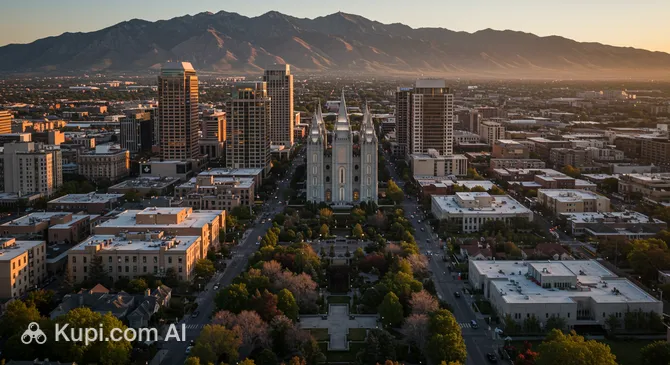
Salt Lake City. Source: Kupi.Binoculars

The area has a fascinating past, deeply rooted in the arrival of Mormon pioneers in the mid-19th century. Visitors can delve deeper into the founding events and the rich history of Salt Lake City by exploring its numerous heritage sites and museums. This historical depth adds a unique layer to the modern city experience, visible in its well-preserved architecture and wide, grid-planned streets.

Travelers are often drawn to Temple Square, the spiritual and tourism heart of the city, which features impressive architecture and beautiful gardens. The region is also renowned for having "The Greatest Snow on Earth," making it a premier destination for skiing and snowboarding at nearby world-class resorts. For nature lovers, the vast expanse of the Great Salt Lake offers surreal landscapes and unique wildlife viewing opportunities just a short drive from downtown.

Whether you are seeking spiritual history, outdoor thrills, or a vibrant city atmosphere, Salt Lake City welcomes you with open arms. It is a destination that promises memorable experiences for every type of traveler, making it a must-visit stop on any itinerary.
Weather Overview

The climate in this region is characterized by four distinct seasons, offering a variety of atmospheric conditions for travelers. To help you pack appropriately for your trip, it is helpful to review the current weather in Salt Lake City before your departure.

Summers are typically hot and dry, creating excellent conditions for exploring the city's outdoor attractions. July is the warmest month, with average temperatures around 25.0°C and highs often reaching 32.1°C. Rainfall is very rare during this period, with July seeing almost zero precipitation and only about two wet days, ensuring plenty of sunshine for visitors.

In contrast, the winter months are cold and see a significant increase in moisture. January and December are the chilliest times, with average temperatures dropping to approximately -2.2°C. Expect hot, arid summers and freezing winters with frequent precipitation, as the colder months average between 11 and 12 wet days.

Interesting Facts

Beyond the main attractions and mountain vistas, Salt Lake City holds many fascinating secrets and quirks that often surprise visitors. Delving into local lore reveals a city defined by unique urban planning, unexpected culinary history, and distinctive monuments.
  • The city's downtown streets are exceptionally wide, a design choice dating back to the arrival of the pioneers. Brigham Young directed that the streets be 132 feet wide—spacious enough for a team of oxen and a covered wagon to make a U-turn without having to back up.

  • You might be surprised to learn that the world's first Kentucky Fried Chicken franchise was established here, not in the Southern United States. Colonel Sanders franchised his famous recipe for the first time at a café in South Salt Lake in 1952, making the city the birthplace of the global brand.

  • Inside Temple Square stands the Seagull Monument, believed to be the only monument in the United States dedicated to a bird. It commemorates the "Miracle of the Gulls" in 1848, when flocks of seagulls saved the pioneers' crops by devouring a devastating swarm of crickets.

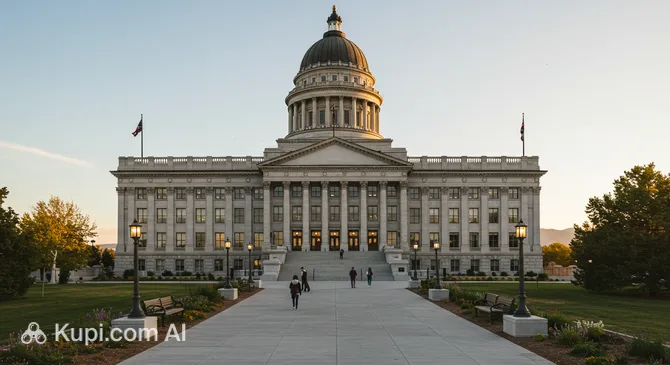
  • The Utah State Capitol is adorned with beehive symbols throughout its architecture. The beehive is the state symbol of Utah, representing the values of industry, perseverance, and teamwork that were central to the community's founding era.

Utah State Capitol. Source: Kupi.Binoculars

How to Get There

Reaching the capital of Utah is convenient thanks to its status as a major transportation hub in the American West. Whether you are flying in from international destinations or driving through the scenic landscapes of the Rockies, the city is well-connected. For a detailed breakdown of all travel options and routes, you can read more about how to get to Salt Lake City.

The primary gateway for most travelers is Salt Lake City International Airport (SLC), located just 8.4 km from the city center. As a major hub, it handles a large volume of passengers annually, ensuring frequent connections to cities across the globe. The airport is very close to downtown; a taxi or car drive typically takes about 10 to 15 minutes depending on traffic.

Another option for travelers is Provo Airport (PVU), although it is located in the neighboring city of Provo, approximately 62.2 km away. This airport serves as a regional alternative, often used by budget carriers. Since it is further out, you should plan for a longer transfer time; a drive to Salt Lake City from here usually takes between 45 and 60 minutes.

For clarity, here is a summary of the main airports serving the region:

Airport Name City Passenger Traffic Km from City
Salt Lake City International Airport Salt Lake City High 8.4
Provo Airport Provo Medium 62.2
Pocatello Regional Airport Pocatello Small 246.2
Rock Springs-Sweetwater County Airport Rock Springs Small 254.3
Canyonlands Field Moab Small 288.2

Main Attractions

Salt Lake City offers a diverse array of sights, ranging from historic religious sites to stunning natural landscapes. The city's layout and history provide a unique backdrop for exploration, with many top destinations located conveniently close to the downtown area.

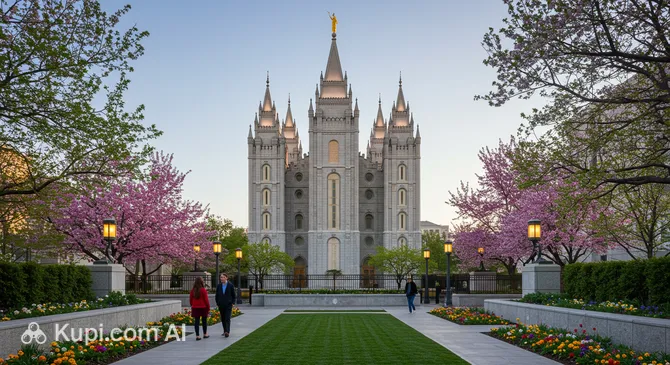
At the heart of the city lies Temple Square, a sprawling 10-acre complex that serves as the headquarters of the Church of Jesus Christ of Latter-day Saints. Visitors are captivated by the stunning architecture, meticulously manicured gardens, and the peaceful atmosphere that pervades the grounds. It is the most visited attraction in Utah and offers free tours that provide insight into the local history and faith.

Temple Square. Source: Kupi.Binoculars

For those interested in the region's geological and cultural past, the Natural History Museum of Utah is an absolute must-see. Located in the foothills of the Wasatch Mountains, this architectural gem houses fascinating exhibits on dinosaur fossils found in the state, native peoples, and the unique ecology of the Great Basin. The building itself is designed to blend seamlessly with the surrounding landscape, offering panoramic views of the valley.

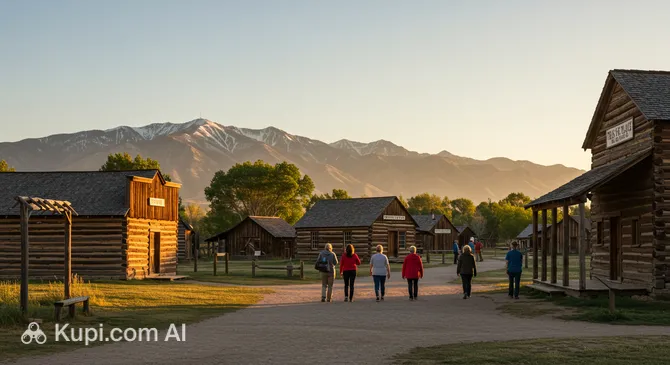
History comes alive at This Is The Place Heritage Park, located at the spot where Brigham Young first viewed the Salt Lake Valley. This living history park allows tourists to step back in time to the mid-19th century, featuring restored historic structures, train rides, and demonstrations of pioneer life. It is a fantastic destination for families looking to combine education with entertainment.

This Is The Place Heritage Park. Source: Kupi.Binoculars

Nature lovers will find solace at the Red Butte Garden and Arboretum, a botanical garden that showcases the diverse flora of the Intermountain West. With miles of hiking trails and themed gardens, it is a perfect spot for a relaxing stroll or a vigorous hike. Throughout the year, the garden hosts outdoor concerts and seasonal events, making it a vibrant community hub.

Within the Temple Square complex, the historic Salt Lake Tabernacle stands as a marvel of acoustic engineering. Completed in 1867, this domed building is home to the world-famous Tabernacle Choir. Visitors can often attend rehearsals or simply admire the massive pipe organ, which is one of the largest in the world.

Local Cuisine

The culinary landscape of Salt Lake City is a surprising and delightful mix of pioneer tradition, modern American comfort food, and a rapidly expanding international scene. While the city was once quiet on the gastronomic front, it has evolved into a vibrant destination for foodies, offering everything from upscale dining to unique local fast-food staples that you won't find anywhere else.

One cannot discuss the local food culture without mentioning the city's most famous condiment: fry sauce. A simple yet beloved mixture of ketchup, mayonnaise, and a blend of spices, this pink sauce is served with french fries and burgers at nearly every local establishment. Another signature dish to try is the pastrami burger, a mouthwatering creation where a classic cheeseburger is topped with a generous portion of hot, savory pastrami. For a sweet treat, look for "Utah scones," which are actually pieces of deep-fried dough served with honey butter, similar to Native American fry bread.

The beverage scene in Salt Lake City is equally unique. The region is famous for its "dirty soda" culture—specialty soda shops that mix carbonated drinks with flavored syrups, creams, and fruit purees. Despite complex local liquor laws, the city also boasts a thriving craft beer community, with numerous local microbreweries winning national awards for their brews. Whether you prefer a sugar-packed soda or a locally brewed IPA, there is a drink here to suit every taste.

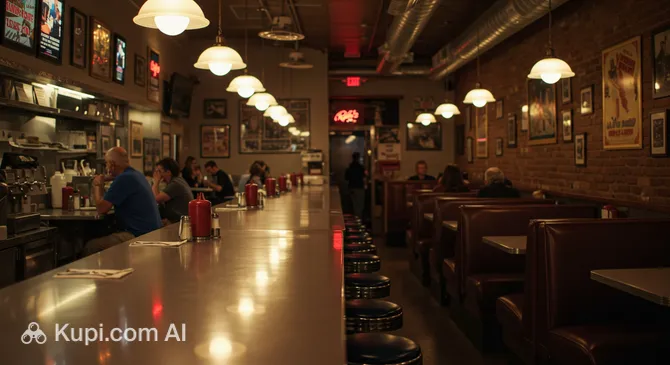
For a dining experience steeped in history, visitors often head to Ruth's Diner. Located in historic Emigration Canyon, this establishment is situated in an old trolley car and has been serving locals since 1930. It is the second-oldest restaurant in Utah and is famous for its scenic patio views and massive "Mile High" biscuits.

Ruth's Diner. Source: Kupi.Binoculars

Those seeking international flavors will find plenty of options as well. The Salt Lake Chinatown complex offers a vast array of Asian cuisine, markets, and bakeries, reflecting the city's growing diversity. For meat lovers, Rodizio Grill provides a Brazilian steakhouse experience that has become a popular fixture in the downtown dining scene. Meanwhile, those looking for luxury can enjoy the renowned Sunday brunch or afternoon tea at The Grand America Hotel, known for its opulent atmosphere and exquisite pastries.

From the bustling farmers markets in the summer to the cozy cafes perfect for a winter warm-up, the food culture here is centered on community and comfort. Whether you are grabbing a quick bite at a roadside stand or sitting down for a multi-course meal, the hospitality of Salt Lake City is always on the menu.

Travel Tips

Welcome to Salt Lake City! Visiting this high-altitude capital offers a unique blend of urban exploration and outdoor adventure, but a little preparation goes a long way in ensuring a smooth trip. To help you navigate the local customs, climate, and city layout, here are some practical tips to keep in mind before you pack your bags.

  1. Clothing and Gear: The weather here varies greatly by season, so packing layers is essential. Summers are hot and dry, requiring lightweight fabrics and plenty of sunscreen due to the high elevation UV rays. Winters are snowy and cold, so a heavy coat, gloves, and waterproof boots are must-haves. If you plan to visit religious sites like Temple Square, dress modestly out of respect; while there is no strict dress code for walking the grounds, avoiding overly revealing clothing is appreciated. Comfortable walking shoes are also vital, as the city blocks are unusually long.

  2. Transportation: Getting around downtown is a breeze thanks to the UTA TRAX light rail system. There is a designated "Free Fare Zone" in the city center where you can ride buses and trains for free, which is perfect for hopping between attractions. To reach the mountains or nearby ski resorts, renting a car is recommended, though ride-sharing apps like Uber and Lyft are also widely available. The Green Line TRAX provides a convenient and affordable link directly from the airport to downtown.

  3. Finances: The local currency is the US Dollar (USD). Credit and debit cards are accepted almost everywhere, from museums to food trucks. ATMs are easy to find throughout the city. Tipping is standard practice in the United States; expect to leave 18-20% of the bill at restaurants and bars, and a few dollars for hotel staff or taxi drivers.

  4. Health and Safety: Salt Lake City sits at an elevation of about 1,300 meters (4,265 feet), so altitude sickness can affect some visitors. Drink significantly more water than usual to stay hydrated and use lip balm to combat the dry air. The city is generally very safe, but standard precautions apply: keep an eye on your belongings and stay aware of your surroundings, especially in less busy areas at night. Pharmacies like CVS and Walgreens are common, with several 24-hour locations available.

  5. Communication: English is the primary language spoken. Free Wi-Fi is widely available in hotels, coffee shops, and public spaces like the City Library. If you need a SIM card, you can purchase one at the airport or at mobile provider stores (T-Mobile, AT&T, Verizon) in the city. Useful apps to download include the Transit app for public transport schedules and AllTrails if you plan on hiking.

  6. Local Etiquette: The locals are known for being incredibly friendly and helpful. It is polite to return greetings and engage in small talk. While the city has a vibrant counter-culture, it is also the headquarters of the LDS Church; always be respectful when discussing religion or visiting sacred sites. Public intoxication and rowdy behavior are generally frowned upon.

  7. What to Avoid: Do not expect to buy wine or hard liquor at a regular grocery store. In Utah, these can only be purchased at state-run Liquor Stores, which have limited hours and are closed on Sundays and holidays. Also, avoid "jaywalking" (crossing the street outside of crosswalks); the streets are very wide and traffic moves fast, making it dangerous and illegal.

  8. Sunday Closures: Be aware that Sunday is a quiet day in Salt Lake City. Many local businesses, shops, and some restaurants close early or do not open at all to observe the Sabbath. It is a good idea to check opening hours in advance if you plan to dine out or shop on a Sunday.

By keeping these tips in mind, you will be well-equipped to enjoy everything Salt Lake City has to offer, from its historic streets to its majestic mountain trails. Embrace the local pace, stay hydrated, and get ready for an unforgettable experience in the heart of the American West!

Entertainment & Nightlife

While Salt Lake City is world-renowned for its outdoor recreation and family-friendly atmosphere, its nightlife scene has evolved significantly in recent years. As the sun sets over the Wasatch Mountains, the city transforms, offering a variety of entertainment options ranging from laid-back brewpubs and sophisticated cocktail lounges to energetic concert venues. The perception of a quiet town is quickly dispelled by the buzzing energy found in the heart of the city after dark.

The epicenter of nightlife is undoubtedly Downtown, particularly along Main Street and the surrounding blocks. Here, you can easily hop from one venue to another on foot. For a more bohemian vibe, the Sugar House district is another popular area, filled with trendy bars, breweries, and late-night eateries that attract a younger, hipster crowd. The atmosphere across the city is generally relaxed and welcoming, with a dress code that leans towards smart-casual; jeans and a nice shirt are acceptable almost anywhere.

For those looking for live entertainment and laughter, Wiseguys Comedy Club is a staple of the local scene. It regularly hosts nationally touring comedians and offers a great setting for a fun evening out. If you prefer a unique ambiance with your drinks, Sapa is a must-visit. This venue combines a sushi bar and grill with a stunning outdoor courtyard featuring tea houses imported from Vietnam, making it a perfect spot for evening cocktails and socializing.

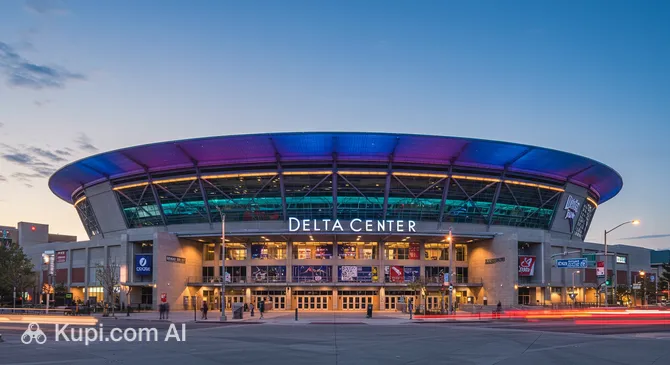
Delta Center. Source: Kupi.Binoculars

Major events and blockbuster concerts typically take place at the Delta Center. As the home of the Utah Jazz NBA team, this arena anchors the downtown entertainment district and draws huge crowds for sports and music alike. For thrill-seekers visiting during the Halloween season or special events, the Fear Factory offers a terrifyingly fun experience in a massive, historic industrial setting.

When planning your night out, keep a few practical tips in mind. Utah has unique liquor laws, though they have relaxed over time. Bars generally close at 1:00 AM, which is earlier than in some other major US cities. It is crucial to carry a valid ID, such as a passport, as venues are very strict about scanning identification for entry, regardless of your age. Prices are generally reasonable compared to coastal metropolises, with craft beers and cocktails being affordable.

Safety is a strong point for Salt Lake City. The downtown area is well-lit and generally safe for walking at night, especially on main thoroughfares. However, standard urban precautions apply. For getting around, ride-sharing services like Uber and Lyft are plentiful and reliable. Public transport, specifically the TRAX light rail, runs until around midnight, providing a safe and cheap way to return to your hotel if you are staying near a station.

During the daylight hours, the entertainment options are equally diverse. Culture enthusiasts can explore The Leonardo, a museum that fuses science, technology, and art in creative ways. Families might enjoy a trip to Hogle Zoo or the immersive exhibits at the Discovery Gateway Children's Museum. Whether you are catching a matinee at a local theater or exploring a museum, the city offers plenty to do before the nightlife kicks in.

Parks & Museums

Beyond its reputation for snow-capped peaks and pioneer history, Salt Lake City boasts an impressive array of green spaces and cultural institutions. The city's layout incorporates wide, tree-lined avenues that lead to expansive parks, while its museums offer deep dives into everything from Olympic glory to agricultural heritage. Exploring these venues provides a well-rounded perspective on the local lifestyle and the community's connection to both the land and the arts.

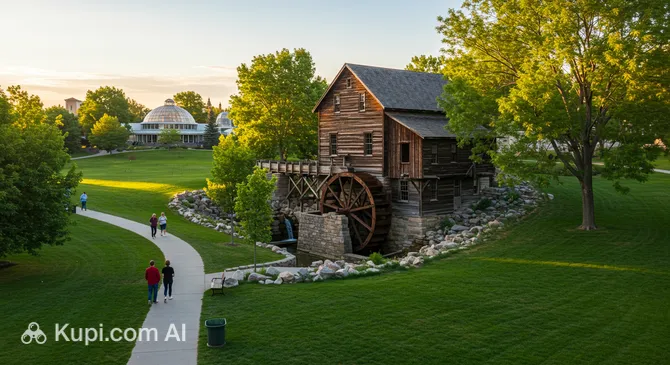
One of the city's most beloved green spaces is Liberty Park, located just southeast of the downtown area. As the city's second-largest public park, it serves as a central gathering place featuring jogging paths, tennis courts, and a tranquil pond. Inside the park, visitors can find the Tracy Aviary, the oldest and largest freestanding bird park in the United States. This sanctuary is home to hundreds of birds from around the world and offers educational exhibits that are perfect for nature lovers of all ages.

Liberty Park. Source: Kupi.Binoculars

For those seeking sweeping views of the Wasatch Mountains while enjoying a picnic, Sugar House Park is a favorite local destination. Its rolling hills make it a hotspot for sledding in the winter and kite flying in the summer. The park's large pond and ample open space offer a peaceful escape from the urban environment, making it an ideal spot for a relaxing afternoon stroll.

To understand the sporting spirit of the region, a visit to the Utah Sports Hall of Fame Museum is highly recommended. This facility celebrates the state's rich athletic history, with a special focus on the legacy of the 2002 Winter Olympics. Exhibits showcase the achievements of local athletes and the lasting impact the Games had on the city's infrastructure and culture.

For a glimpse into the agricultural past of the Salt Lake Valley, Wheeler Historic Farm offers a charming living-history experience. This restored turn-of-the-century dairy farm allows visitors to tour historic Victorian homes, see farm animals up close, and learn about the daily lives of settlers in the late 1800s. It provides a tangible connection to the era when the valley was primarily farmland.

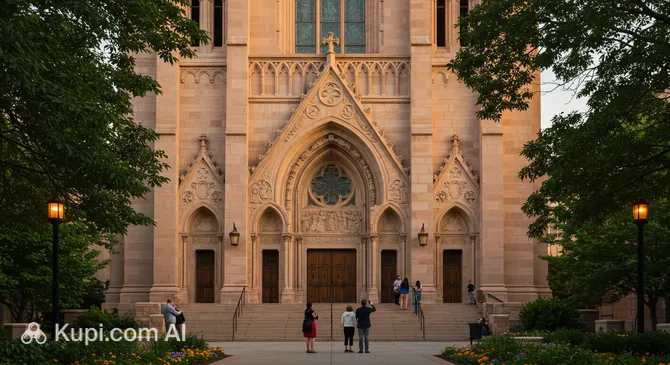
Architectural enthusiasts should not miss the Cathedral of the Madeleine. While the LDS Temple is the most famous religious structure in the city, this Roman Catholic cathedral is a masterpiece of Romanesque and Gothic Revival styles. Its interior is adorned with colorful murals and intricate stained glass, offering a stunning visual contrast to the other historic buildings in the area.

Cathedral of the Madeleine. Source: Kupi.Binoculars

For a rewarding short hike that offers a historical perspective, head to the Ensign Peak Trailhead. This trail leads to the summit where pioneer leaders first surveyed the valley in 1847 to plan the city. The hike is relatively short but steep, rewarding climbers with a magnificent panoramic view of the grid-patterned streets and the Great Salt Lake shimmering in the distance.

Getting Around

Navigating Salt Lake City is remarkably easy and efficient, thanks to the comprehensive public transportation network managed by the Utah Transit Authority (UTA). The backbone of the city's transit system is TRAX, a light rail service that connects the downtown area with the airport, the university, and residential suburbs. The TRAX system consists of three color-coded lines: the Green Line, which runs directly to the airport; the Blue Line; and the Red Line. For those looking to travel further afield to neighboring cities like Ogden or Provo, the FrontRunner commuter rail offers a comfortable and scenic high-speed connection.

Complementing the rail network is an extensive bus system that covers areas not reached by trains. In the winter months, the city operates a dedicated ski bus service, which is a favorite among tourists. These buses are specifically designed to transport skiers and snowboarders from downtown and park-and-ride lots directly to the world-class resorts in the Cottonwood Canyons. Additionally, the S-Line streetcar provides a slower, more scenic route through the Sugar House neighborhood, connecting with the TRAX system and offering a charming way to explore local shops and restaurants.

One of the most tourist-friendly features of the local transport system is the Free Fare Zone. If you are traveling within the designated downtown boundaries, you can ride buses and TRAX trains completely free of charge. This zone encompasses many of the city's major attractions, including Temple Square, the City Library, and the Delta Center. When entering a bus or train within this zone, you do not need to present a ticket, provided you also exit within the zone limits. This makes exploring the city center incredibly convenient and budget-friendly.

For travel outside the free zone, the payment system is modern and user-friendly. You can purchase tickets at vending machines located on train platforms using cash or credit cards. For a more seamless experience, visitors are encouraged to download the Transit app or the UTA GoRide app, which allows you to buy fares directly on your smartphone. Recently, the system has also enabled contactless payment; you can simply tap your contactless credit card or mobile wallet on the card readers when boarding and exiting. Fares are reasonable, with a standard one-way ticket costing a few dollars and day passes available for those planning multiple trips.

When using the electronic fare system or a reloadable FAREPAY card, it is crucial to remember to "tap on" when you board and "tap off" when you exit to ensure you are charged the correct amount. Regarding operating hours, TRAX and buses generally run from early morning until around midnight. However, tourists should be aware that the FrontRunner commuter rail does not operate on Sundays. If you are planning a day trip out of the city on a Sunday, you will need to rely on alternative transport methods.

If you prefer more flexibility, ride-sharing services like Uber and Lyft are widely available and reasonably priced throughout the valley. For shorter distances, the GREENbike program offers a bike-sharing network with stations scattered across the downtown area. You can rent a bike for a small fee, making it a healthy and eco-friendly way to get between sights. Electric scooters are also popular and can be found on many street corners, accessible via their respective mobile apps.

Accommodation

Finding the perfect place to stay in Salt Lake City is easy, as the city offers a wide spectrum of accommodation options to suit every preference and budget. Visitors can choose from opulent luxury hotels in the heart of downtown, reliable mid-range chains, charming bed and breakfasts, and budget-friendly hostels. For those planning a longer stay or seeking a more home-like atmosphere, vacation rentals and modern apartments are also widely available throughout the valley.

The most convenient area for first-time visitors is undoubtedly Downtown. Staying here places you within walking distance of major attractions like Temple Square, the Delta Center, and the City Creek Center shopping mall. It is also the hub of the public transport network, making it easy to explore without a car. For a quieter, more local vibe, the Sugar House district offers a trendy selection of bungalows and boutique stays surrounded by parks and cafes. Travelers focused on winter sports might prefer lodging near the mouths of Big and Little Cottonwood Canyons to minimize travel time to the ski resorts.

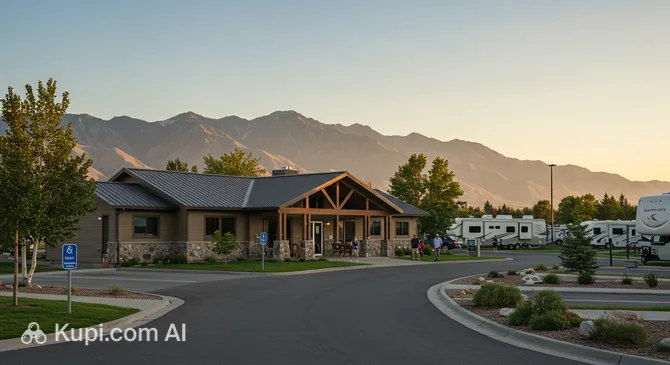
For those exploring the American West by road or seeking a unique outdoor experience within the city limits, the Salt Lake City RV Resort is an excellent option. This facility provides a comfortable base for travelers with recreational vehicles, offering full amenities and easy access to both the urban center and the surrounding natural wonders. It is a great alternative for families or groups who want to combine the freedom of a road trip with the conveniences of city living.

Salt Lake City RV Resort. Source: Kupi.Binoculars

When planning your trip, it is important to consider the season. Salt Lake City is a dual-season destination, meaning accommodation can fill up quickly during both the summer peak and the winter ski season. To secure the best rates and availability, it is highly recommended to book your accommodation well in advance, especially if you plan to visit during major holidays or festivals like the Sundance Film Festival.

Prices generally range from affordable for basic motels and hostels to premium rates for high-end properties, particularly those with mountain views or luxury amenities. Booking is most commonly done through major online travel platforms, though booking directly with hotels can sometimes yield special offers or flexible cancellation policies.

Nearby Cities

For those looking to explore the surroundings, Salt Lake City serves as an excellent base for day trips to several interesting nearby locations. Just a short drive into the mountains lies Park City, a world-class destination famous for its premier ski resorts and the annual Sundance Film Festival. Visitors can stroll along the historic Main Street, which is packed with art galleries, boutiques, and diverse dining options, offering a perfect blend of alpine charm and luxury.

Another fascinating stop is Ogden, located to the north of the capital. Known for its rich railway history, the city features the iconic Union Station and the vibrant Historic 25th Street, where speakeasies once thrived and modern cafes now welcome guests. Nature lovers might also enjoy a trip to Antelope Island State Park, situated within the Great Salt Lake, where free-ranging bison and stunning sunsets provide unforgettable photo opportunities.

City Population Distance (km)
West Valley City 139,361 12
West Jordan 116,045 17
Sandy 96,272 22
Layton 80,858 34
South Jordan 75,617 22

These nearby destinations offer a glimpse into the diverse culture and landscapes of the region, providing travelers with plenty of options for memorable excursions just outside the city limits.

Shopping & Souvenirs

Shopping:

Shopping in Salt Lake City offers a delightful mix of modern luxury, outdoor adventure gear, and charming local boutiques. The city’s retail scene reflects its active lifestyle and cultural heritage, making it easy to find everything from high-end fashion to unique handcrafted goods. Because of the surrounding mountains, the city is an excellent place to purchase high-quality winter sports equipment and hiking gear from top brands.

For a more local shopping experience, visitors should head to the 9th and 9th neighborhood. This trendy district is lined with independent boutiques, bookstores, and gift shops that offer items you won't find anywhere else. Another vibrant area is the Sugar House district, which combines walkable streets with a variety of vintage stores, art galleries, and popular national retailers, all set within a historic neighborhood atmosphere.

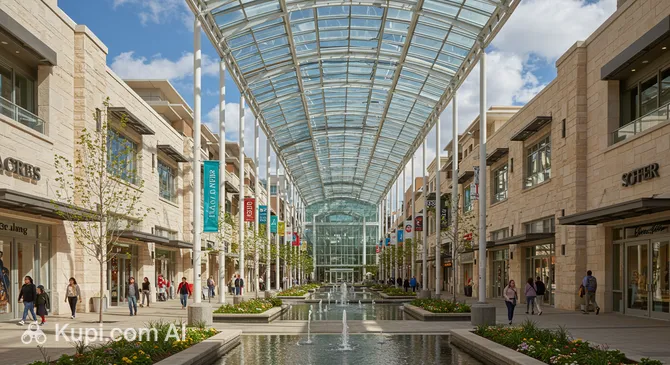
The crown jewel of the city's retail landscape is the City Creek Center. Located in the heart of downtown across from Temple Square, this stunning open-air shopping center features a fully retractable glass roof and a creek winding through the walkways. It houses over 100 stores and restaurants, ranging from luxury brands to everyday favorites. For a different flavor, Salt Lake Chinatown provides a vast selection of Asian products, gifts, and specialty groceries in a sprawling complex.

City Creek Center. Source: Kupi.Binoculars

If you enjoy browsing through stalls of fresh produce and artisan crafts, the Downtown Farmers Market at Pioneer Park is a must-visit during the summer and autumn months. Running on Saturday mornings, it is one of the largest and most popular markets in the region, featuring local farmers, bakers, and artists selling handmade jewelry and art. It is a perfect spot to soak up the local community vibe and find one-of-a-kind treasures.

When looking for souvenirs, consider bringing back something that represents the "Beehive State," such as locally produced honey or beeswax products. Items made from salt harvested from the Great Salt Lake, like bath salts or cooking seasonings, are also popular and unique gifts. Additionally, copper art pieces are a common find, nodding to the nearby Kennecott Copper Mine, one of the largest open-pit mines in the world.

Most major shopping centers and department stores are open from 10:00 AM to 9:00 PM on weekdays and Saturdays. However, Sunday hours are typically shorter, often from 12:00 PM to 6:00 PM, and some smaller, locally-owned businesses may be closed entirely on Sundays. Credit and debit cards are universally accepted, and contactless payment methods are becoming the standard in most establishments.

Tourists should be aware that the United States does not have a Value Added Tax (VAT) refund system for international visitors like many European countries do. In Salt Lake City, the sales tax is added to the price tag at the register, so the final amount you pay will be slightly higher than the listed price. Expect a combined sales tax rate of approximately 7.75% on your purchases.

Reached the end of the page?

That means the route is fully explored