Support

Dugway

About

Welcome to Dugway, a unique and remote community located in the vast high desert of Utah. Situated in Tooele County, this settlement offers a glimpse into life amidst the stark and dramatic beauty of the American West. It is a quiet place with a small population of approximately 786 residents, known for its isolation and its close-knit atmosphere surrounded by rugged landscapes.

Geographically, Dugway is positioned on the southern edge of the Great Salt Lake Desert. The climate here is typical of the high desert, characterized by hot summers, cold winters, and sweeping views of the horizon. As you explore this fascinating part of the United States, you will discover a region defined by its geology and open spaces, offering a distinct contrast to the bustling metropolitan areas of the country.
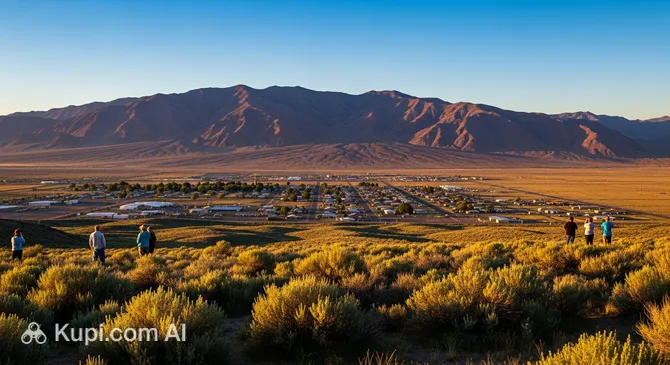
Dugway. Source: Kupi.Binoculars

The area surrounding the town is rich in stories from the Old West. Exploring the history of Dugway reveals connections to early pioneer trails and the famous Pony Express. The name itself is believed to refer to a trench or "dugway" constructed to help wagons navigate steep hills, highlighting the determination of early travelers who crossed this challenging terrain.

For visitors, the primary allure lies in the natural wonders nearby. The Dugway Geode Beds are a major attraction for rockhounds and geology enthusiasts, offering the chance to hunt for beautiful geodes filled with crystals. Additionally, the nearby Simpson Springs served as a vital station on the Pony Express and provides a tangible link to the 19th-century frontier, making it an excellent spot for history buffs and campers.

If you are looking for an off-the-beaten-path adventure that combines unique geological treasures with a sense of historical discovery, Dugway is an intriguing destination. Whether you are searching for the perfect geode or simply soaking in the silence of the desert, this corner of Utah invites you to experience its rugged charm.

Weather Overview

Dugway experiences a distinct high desert climate, defined by significant temperature variations between seasons and generally arid conditions. Summers are typically hot and dry, with July being the warmest month, featuring average temperatures of 27.8°C and daily highs often reaching 34.4°C. In contrast, winters can be quite cold, with January seeing average temperatures drop to around -0.7°C and lows dipping to -4.5°C.

Precipitation is sparse throughout the year, keeping the region mostly dry. The "wettest" period usually occurs in March, which has about 11 days with some moisture, though total rainfall remains low. Travelers planning a trip should pack layers to accommodate the shifting conditions. For a more detailed breakdown of what to expect during your visit, you can view the current weather in Dugway.

Interesting Facts

Beyond the main attractions, Dugway holds many fascinating secrets and curiosities that add to its mystique. From local legends to ancient geological formations, this remote community offers more than meets the eye.

  • The "Area 52" Nickname: Due to its remote location and high-security surroundings, the area is frequently the subject of urban legends and UFO folklore. It is often playfully referred to as "Area 52" by pop-culture enthusiasts who speculate about the mysterious lights sometimes seen in the desert night sky, drawing comparisons to the famous facility in Nevada.

  • Wild Mustang Herds: The vast open spaces surrounding the town, particularly near the Cedar Mountain Wilderness, are home to herds of wild horses. These mustangs are descendants of horses brought to the region generations ago and can often be spotted grazing against the backdrop of the rugged mountains, offering a perfect photo opportunity for wildlife lovers.

  • Ancient Volcanic Bubbles: While the geode beds are a known attraction, few visitors realize the sheer age of these treasures. The geodes found here were formed in rhyolite lava flows approximately 6 to 8 million years ago during the Miocene epoch, essentially starting as gas bubbles trapped in cooling volcanic rock.

  • World-Class Stargazing: Because Dugway is isolated from major cities and surrounded by restricted lands, it possesses some of the darkest skies in the country. With almost zero light pollution, the area offers astronomers and casual stargazers unparalleled views of the Milky Way and celestial events that are invisible in more populated regions.

How to Get There

Reaching this remote community requires some planning, as it is located in a secluded area of the Utah desert. Most visitors arrive by car, driving through the scenic and open landscapes of Tooele County. For a complete overview of travel options, including driving directions and tips, you can read more about how to get to Dugway.

The city of Dugway does not have its own airport, but you can fly into Salt Lake City International Airport (SLC) in the city of Salt Lake City, which is about 90 km from Dugway. This is a large international hub offering numerous connections. The journey from the airport by taxi or rental car typically takes approximately 1.5 to 2 hours, depending on the route and road conditions. Alternatively, travelers can use Provo Airport (PVU) in Provo, located roughly 87 km away. It is a smaller regional facility, and the drive to Dugway generally takes a similar amount of time.

For clarity, here is a summary of the main airports:

Airport Name City Passenger Traffic Km from City
Salt Lake City International Airport Salt Lake City Large 90.1
Provo Airport Provo Medium 87.1
Pocatello Regional Airport Pocatello Small 299.2
Elko Airport Elko Small 266.8

There are no direct railway stations in Dugway. The region is primarily served by road networks, so renting a car at one of the nearby airports is often the most practical solution for the final leg of your journey. Be sure to check road conditions and fuel up before heading into the more isolated stretches of the desert.

Main Attractions

While Dugway is a remote community, the surrounding desert landscape offers incredible opportunities for outdoor enthusiasts and history buffs. The area is defined by its rugged geology and connection to the American frontier, making it a hidden gem for those willing to venture off the main highways. Here are some of the top attractions to explore near Dugway.

Dugway Geode Beds are undoubtedly the most famous draw for visitors to this region. Located roughly an hour's drive from the town, this area is a paradise for rockhounds and families alike. Visitors can spend hours scouring the ground and digging for geodes—unassuming round rocks that, when cracked open, reveal stunning crystal cavities lined with quartz or amethyst. It is an interactive adventure where you can hunt for your own geological treasures to take home.

For a deep dive into the history of the Old West, Simpson Springs Station is a must-visit destination. This site marks a significant stop on the legendary Pony Express route and the Overland Stage. Today, you can view a reconstructed stone station building that offers a glimpse into the harsh life of 19th-century riders. The area also features a campground and serves as a trailhead for hikers looking to explore the Simpson Mountains, combining history with scenic high-desert views.

Nature lovers should make the journey to the Fish Springs National Wildlife Refuge. Situated at the southern end of the Great Salt Lake Desert, this lush oasis stands in stark contrast to the surrounding arid terrain. Fed by natural springs, the wetlands attract thousands of migrating birds, including ibises, egrets, and swans. It is a premier spot for birdwatching and photography, offering a serene environment where wildlife thrives in the middle of the desert.

Another geological wonder in the vicinity is Wonderstone Mountain, located in the Vernon Hills. This site is renowned for its "wonderstone," a type of rhyolite characterized by beautiful, intricate bands of cream, maroon, and orange colors. Like the geode beds, this area allows for rock collecting, attracting artists and collectors who prize the stone for tumbling and sculpting. It is a fantastic stop for those who appreciate the unique artistry of nature.

Local Cuisine

Due to Dugway's nature as a remote and restricted community, the local dining scene for tourists is essentially non-existent within the town itself. There are no public restaurants, street food stalls, or cafes accessible to the general traveler. Instead, the "cuisine" of a trip to Dugway is defined by self-reliance and the classic American road trip experience. Visitors are strongly advised to bring their own food and drinks, transforming their visit into a culinary adventure of picnics and tailgate lunches amidst the dramatic desert scenery.

For those camping at nearby Simpson Springs or spending the day at the geode beds, the most popular meals are those cooked over a camp stove or fire. Campfire grilled burgers and hot dogs are a staple, often followed by s'mores under the stars. Since you will likely pass through the city of Tooele on your way, you can pick up regional Utah favorites to bring along. A top recommendation is to try a Pastrami Burger at a diner in Tooele before you head into the desert—a hearty beef burger topped with savory pastrami that is a signature of the state's fast-food culture.

Another regional treat worth seeking out in the surrounding area is the Utah Scone. Distinct from the English baked variety, this is a fluffy, deep-fried piece of dough, similar to frybread, traditionally served hot with honey butter. It makes for a comforting and high-energy snack that fits perfectly with the rugged, outdoor spirit of a high-desert excursion.

Regarding beverages, the most critical drink for any visitor is water. The arid climate requires constant hydration, so packing gallons of water is essential. For enjoyment, travelers often bring local craft beers brewed in nearby Tooele or Salt Lake City to enjoy responsibly at their campsite. The food culture here is simple and practical: pack a cooler, find a scenic spot overlooking the Great Salt Lake Desert, and enjoy a meal with one of the most secluded views in the United States.

Travel Tips

Visiting Dugway and its surrounding wilderness requires a bit more preparation than the average tourist destination due to its remote high-desert location. To ensure your adventure is safe and enjoyable, here are some practical tips to help you navigate this unique corner of Utah.

  1. Clothing and Gear: The desert climate is extreme, so pack accordingly. In summer, lightweight, breathable clothing, a wide-brimmed hat, and high-SPF sunscreen are essential to protect against the intense sun. In winter, temperatures drop significantly, so thermal layers and a heavy jacket are necessary. Regardless of the season, bring sturdy hiking boots if you plan to visit the geode beds or hike, as the terrain is rocky and uneven.

  2. Transportation: There is no public transport, metro, or ride-hailing service (like Uber) in this isolated region. A private rental car is mandatory. Since many local attractions, such as the geode beds and Simpson Springs, are located on dirt or gravel roads, renting a vehicle with high clearance or 4-wheel drive is strongly recommended to handle sandy or muddy conditions.

  3. Finances: The local currency is the US Dollar (USD). While credit cards are universally accepted in nearby cities like Tooele or Salt Lake City, the Dugway area itself has virtually no commercial infrastructure for tourists. There are no ATMs or banks in the wilderness, so carry sufficient cash for emergencies or small purchases before leaving the main highway.

  4. Health and Safety: This is a remote desert environment, so self-reliance is key. The nearest full-service pharmacies and hospitals are about an hour away in Tooele. Always carry a basic first-aid kit and stay hydrated; the dry air dehydrates you quickly, even when it isn't hot. Be mindful of local wildlife, including rattlesnakes, and watch where you step.

  5. Communication: The primary language is English. However, be aware that cellular service is extremely spotty or non-existent once you venture away from the main community and into the desert. It is crucial to download offline maps and GPS data to your phone before your trip, as you cannot rely on mobile data for navigation.

  6. Local Etiquette: The standard greeting is a friendly wave or nod, especially when passing other vehicles on dusty backroads. The most important rule here is "Leave No Trace." Locals and visitors alike value the pristine nature of the desert, so please pack out all your trash and respect geological sites by not damaging the landscape.

  7. What to Avoid: Strictly avoid ignoring signage or crossing fences. Dugway is adjacent to a restricted military testing facility (Dugway Proving Ground). Crossing into marked government property is illegal and dangerous. Stick to designated public roads and Bureau of Land Management (BLM) lands.

  8. Additional Tip: If you are heading to the geode beds, come prepared with your own tools. A shovel, hammer, and bucket are essential for a successful hunt. Also, remember the "half-tank rule": never let your gas gauge drop below half when driving in these remote areas, and fill up completely in Tooele or Vernon before driving out.

By keeping these practicalities in mind, you will be well-equipped to handle the rugged beauty of the Utah desert. A little extra planning allows you to focus entirely on the stunning scenery and the thrill of discovery that makes a trip to Dugway so memorable.

Entertainment & Nightlife

Entertainment and nightlife in Dugway are defined not by bustling streets or neon lights, but by the profound silence and immense beauty of the high desert. Due to its status as a remote community adjacent to a secure military facility, there are no public nightclubs, bars, or concert venues within the town itself. The "nightlife district" here is the vast, open sky, which offers some of the best stargazing opportunities in North America.

The atmosphere after dark is serene and solitary. Instead of crowds and dress codes, the evening is characterized by the sounds of the desert wind and the company of fellow campers. The primary activity for visitors is setting up a chair at a campsite, such as the one at Simpson Springs, and observing the Milky Way. This experience appeals to nature lovers, photographers, and those seeking a digital detox. The "opening hours" are dictated by the sunset, and the only dress code is warm, layered clothing to handle the rapidly dropping desert temperatures.

For those craving a traditional night out with music, dancing, or fine dining, a trip to the nearby cities is necessary. Salt Lake City, located about 90 minutes away, serves as the entertainment hub for the region. There, visitors can find vibrant districts like Main Street or the Sugar House neighborhood, which are packed with pubs, breweries, and theaters. Travelers willing to make the drive can enjoy venues such as The Depot for live music or catch a performance at the Eccles Theater, offering a sharp contrast to the quiet isolation of Dugway.

Practical advice for enjoying the evening in the Dugway area revolves around preparation and safety. Since there are no taxis, rideshares, or public transport, you must rely entirely on your own vehicle. Driving at night requires extra caution due to the presence of wildlife, particularly wild horses and deer that frequently cross the unlit roads. It is best to arrive at your evening destination before complete darkness falls to set up camp safely. Always keep a flashlight and emergency supplies handy.

During the day, entertainment remains focused on the outdoors rather than commercial amusement parks or museums. The surrounding landscape acts as an open-air museum of geology and history. Exploring the Dugway Geode Beds offers a hands-on treasure hunt that rivals any organized attraction. For those interested in history, the markers and ruins along the Pony Express National Historic Trail provide an immersive look into the past, serving as the area's main cultural "theaters."

Parks & Museums

Because Dugway is a remote community centered around a secure military installation, it does not possess the manicured city parks or traditional art galleries found in typical tourist destinations. Instead, the "parks" here are vast, federally managed wilderness areas, and the "museums" are often open-air historical sites that preserve the rugged legacy of the American West. Visitors come here to immerse themselves in raw nature rather than to stroll through curated gardens.

Fish Springs National Wildlife Refuge serves as the region's premier sanctuary for nature lovers. Located at the southern end of the Great Salt Lake Desert, this unexpected oasis covers nearly 18,000 acres of lush wetlands fed by natural warm springs. It stands in stunning contrast to the surrounding arid landscape and functions as a critical stopover for migrating birds. Visitors can drive the auto-tour route or walk along the dikes to observe snowy egrets, ibises, and swans, making it a peaceful retreat for birdwatching and photography.

For those seeking a more rugged outdoor experience, the Simpson Springs Recreation Area acts as the primary "park" for campers and hikers. Situated on the edge of the desert, this Bureau of Land Management (BLM) site offers designated camping spots and serves as a trailhead for exploring the Simpson Mountains. The area is characterized by sagebrush, juniper trees, and sweeping views of the valley floor, providing a perfect setting for picnicking and solitude away from civilization.

In terms of culture and history, the Simpson Springs Pony Express Station is the closest equivalent to a local museum. This reconstructed rock building stands on the original site of a station used during the famous Pony Express mail service of 1860–1861. Interpretive plaques and the structure itself offer a tangible connection to the past, allowing visitors to step inside and imagine the life of a rider crossing the desolate frontier. It is an immersive historical experience that requires no admission fee.

While there are no art galleries in the wild, the Pony Express National Historic Trail itself functions as a linear monument to human endurance. Driving along this dusty route, you will encounter various markers and monuments that tell the story of the West. The landscape is dotted with ruins and foundations of other stagecoach stops, effectively turning the drive into a self-guided tour through 19th-century history.

For a traditional museum experience, travelers usually head to the nearby city of Tooele (about an hour away), home to the Tooele Valley Museum of Railroads & Mining. However, within the immediate vicinity of Dugway, the focus remains on the "museum" of geology. The desert floor is scattered with rocks and minerals, offering a hands-on educational experience that appeals to amateur geologists and curious families alike.

An authentic insider tip for exploring this area is to visit the Devil's Horsehead rock formation near the Simpson Springs area. It is a lesser-known natural landmark that requires a bit of hiking to appreciate fully. Additionally, keep an eye out for the wild horses that frequently graze near the designated campgrounds; observing these majestic animals in their natural habitat is often cited by visitors as more memorable than any exhibit.

Getting Around

Travelers visiting Dugway should be aware that there is no public transport system within the town or the surrounding area. Due to its remote location and small population, you will not find a metro, trams, public buses, or trolleybuses here. The infrastructure is designed primarily for residents with private vehicles and government personnel, meaning tourists cannot rely on municipal transit to get around.

Consequently, there are no travel passes, transport cards, or ticket validation systems to worry about. The concepts of zones, schedules, and fares do not apply to a visit here. This lack of complexity simplifies planning in one sense, but it makes self-reliance the only viable option for mobility.

For visitors, the only practical alternative is driving a private vehicle. Renting a car is not just a recommendation but a necessity. It is best to arrange your vehicle rental at the airport or in a major city like Salt Lake City before heading out to the desert. Given the rugged terrain of nearby attractions like the geode beds, a vehicle with high clearance or four-wheel drive is often advised.

Taxis and ride-sharing apps such as Uber or Lyft do not operate in this isolated region. You cannot hail a cab on the street, and booking a ride via a smartphone app will likely result in no available drivers. Therefore, tourists must plan their logistics carefully, ensuring they have a reliable vehicle and sufficient fuel for the duration of their stay.

Accommodation

Finding a place to stay in Dugway requires understanding the unique nature of the community. As it is primarily a residential area for personnel at the Dugway Proving Ground, there are no commercial hotels, hostels, or vacation rentals available for general tourists within the town itself. Visitors must plan to stay in nearby cities or embrace the outdoors by camping in the surrounding wilderness.

For those seeking modern amenities, the city of Tooele serves as the most practical base. Located approximately an hour's drive away, Tooele offers a variety of accommodation options ranging from budget motels to familiar mid-range hotel chains. Staying here allows you to enjoy the comforts of a hot shower, Wi-Fi, and dining options while being close enough to make day trips out to the geode beds or the historic trails.

If you prefer an immersive experience in the high desert, camping is the best alternative. The Simpson Springs Campground, managed by the Bureau of Land Management (BLM), is a popular choice located right on the edge of the desert. It offers basic facilities and places you directly amidst the rugged beauty of the landscape. This option is strictly for those prepared for self-sufficiency, as amenities are minimal.

Regarding costs, prices for hotels in Tooele generally fall into the budget to mid-range categories. It is advisable to book these rooms in advance, especially during summer weekends or holidays. For campers, fees at sites like Simpson Springs are nominal and typically collected on-site. However, spots are often available on a first-come, first-served basis, so arriving early in the day is recommended to secure a location.

Nearby Cities

For those looking to explore the surroundings, Dugway serves as an excellent base for day trips to several interesting nearby locations:

Located approximately 78 km to the east, Lehi is a vibrant city known for its family-friendly attractions. Visitors can spend a full day exploring Thanksgiving Point, a massive complex that features stunning gardens, museums, and a working farm. It is also a hub for technology and innovation, offering a modern contrast to the rural charm of the desert.

For those interested in outdoor recreation near the mountains, Sandy is an ideal choice situated about 86 km away. This city sits at the base of the Wasatch Range and serves as a gateway to Little Cottonwood Canyon, providing easy access to world-class hiking trails and ski resorts. It also offers a variety of dining and shopping options for a relaxing evening after a day in nature.

Just over 80 km from Dugway, West Jordan combines suburban convenience with historical interest. A highlight here is Gardner Village, a scenic collection of shops and restaurants housed in restored historic buildings around an old flour mill. It is a perfect spot for travelers looking to enjoy a leisurely stroll and a good meal in a picturesque setting.

City Population Distance (km)
West Valley City 139361 82
West Jordan 116045 81
Sandy 96272 86
South Jordan 75617 79
Lehi 73911 78

These nearby destinations offer a glimpse into the diverse culture and landscapes of the region.

Shopping & Souvenirs

Shopping in Dugway is a unique proposition because, for the typical tourist, it is virtually non-existent. As a remote community primarily serving a secure government facility, the town does not have a commercial district, pedestrian shopping streets, or boutiques catering to visitors. Travelers coming to this part of Utah should view it not as a place to browse for goods, but as a destination where self-sufficiency is key. You must arrive with all necessary supplies, including food, water, and camping gear.

There are no shopping malls, department stores, or fashion outlets in Dugway. The nearest commercial hub is the city of Tooele, located approximately an hour's drive away. Visitors are strongly advised to stop in Tooele or the larger metropolitan area of Salt Lake City before heading into the desert. In these neighboring cities, you can find large supermarkets, outdoor outfitters, and pharmacies to stock up on essentials for your high-desert adventure.

Similarly, you will not find traditional markets, flea markets, or souvenir stands within the community. The concept of "shopping" here is replaced by the experience of exploration. However, the region offers a distinct alternative to buying trinkets: rockhounding. The most prized "purchase" in Dugway is one you find yourself at the nearby geode beds. Instead of buying a keychain, visitors spend their time digging for geodes—spherical rocks lined with crystals—which serve as the ultimate authentic memento of the trip.

Regarding souvenirs, aside from the geodes you collect personally, there are no local gift shops selling postcards or branded merchandise. If you wish to bring back gifts, your best bet is to look for Western-themed items, local honey, or salt products in the gift shops of Salt Lake City or the Salt Lake City International Airport on your way out of the state.

Since there are no commercial stores for tourists in Dugway, typical opening hours and payment methods do not apply. In the surrounding cities where you will do your actual shopping, stores generally operate from 9:00 AM to 9:00 PM, with Sunday hours often being shorter. Credit and debit cards are universally accepted in these urban areas. However, once you leave the main cities for the Dugway area, carrying cash is advisable for any unforeseen small expenses, though you will likely find few places to spend it.

The United States does not typically offer a VAT refund or tax-free shopping system for international tourists in the same way many European countries do. Sales tax is added at the register in shops in Tooele and Salt Lake City, and this is generally non-refundable. Travelers should budget accordingly for the price on the tag plus the local state sales tax.

Reached the end of the page?

That means the route is fully explored