Support

Talladega

About

Talladega is a cozy and atmospheric city located in northeast Alabama. Surrounded by the picturesque hills and lush greenery of the national forest, it seems tailor-made for travelers who appreciate natural beauty and outdoor activities. Located in the USA, this corner of the country embodies true Southern hospitality, offering guests a warm welcome and a relaxed pace of life.

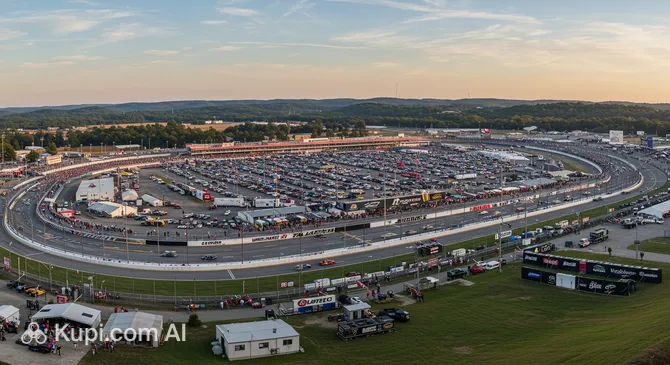
Talladega. Illustration.
Source: Kupi.com AI

Despite its relatively small population of about 15,782 people, the city plays an important role as the county seat. The rich history of Talladega is reflected in its preserved historic streets and unique local traditions. Its proximity to the foothills of the Appalachian Mountains gives the area a special charm, making the climate pleasant and the landscapes inspiring.

However, Talladega is known far beyond the state borders not only for its nature but also as the world capital of speed. It is home to the legendary Talladega Superspeedway—the largest and fastest NASCAR track in the world, attracting thousands of motorsports fans. For those who prefer the quiet over engines, Mount Cheaha rises nearby—the highest point in Alabama, perfect for hiking and panoramic photography.

A trip to Talladega will give you a unique contrast of emotions: from the drive of racing competitions to the tranquility in the secluded corners of national parks. This place is definitely worth including in your itinerary to experience the true culture of the American South.

Weather Overview

The climate in Talladega can be described as humid subtropical, providing mild winters and hot, moisture-rich summers. Thanks to its location in the Southern United States, extreme cold is rare, making the city accessible for visits almost year-round. Expect warm summers with occasional rain and cool but not freezing winters.

The summer months are the hottest time of the year. In July and August, average temperatures stay around 26–27°C, with daily highs often exceeding 31°C. Travelers should be prepared for precipitation: July is one of the rainiest months, with the number of rainy days reaching up to 18. However, summer rains are often brief and refreshing.

Winter in the region is quite mild. In January, the coldest month, the average temperature is about 8°C, and nighttime lows rarely drop below +3°C. This time of year is suitable for those who prefer to avoid the heat and enjoy peaceful outdoor strolls.

The most comfortable times for tourism are considered to be spring and fall. In May and September, the air warms up to a pleasant 22–25°C. October is particularly attractive: it is not only warm but also the driest month of the year, when rain is very rare. To choose the perfect dates for your trip and prepare a suitable wardrobe, we recommend checking what the weather in Talladega will be like during your visit in advance.

Average monthly temperature

Average monthly precipitation

Interesting Facts

Beyond the world-famous track and beautiful nature, Talladega hides amazing stories rooted in the deep past and unique places worth visiting.

  • Meaning of the Name: The city's name has deep historical roots and comes from the Creek Indian language. The word "Talladega" translates to "border town" or "boundary place." This name recalls the times when the settlement was indeed at the intersection of various tribal territories, playing an important role in the region.

  • Underground Secrets: Just a few minutes' drive from the city are the famous DeSoto Caverns. This place is shrouded in many legends and mysteries, and cave tours allow you to see majestic underground halls that for centuries served as shelter and a sacred place for indigenous peoples.

  • Memorial to a Legend: The city center is home to a unique attraction for motorsports fans—the Talladega Walk of Fame. Located in a park dedicated to the memory of famous driver Davey Allison, it is a place of pilgrimage for those who want to pay tribute to the heroes of the track and take atmospheric photos.

  • Treasury of Speed: The city literally lives for racing, which is confirmed by the presence of the International Motorsports Hall of Fame. Unlike typical exhibitions, it houses a collection of legendary racing cars and rare trophies, allowing you to trace the evolution of engineering and the history of world speed records set on the local track.

How to Get There

When planning your trip, it's worth thinking through the logistics in advance, as the city is located off the main transport arteries. You can find out more about how to get to Talladega to choose the optimal route. Since the city itself does not have its own passenger air hub, travelers usually fly into the airports of neighboring large cities and then continue their journey by land.

The most convenient option for arrival is Birmingham-Shuttlesworth International Airport (IATA: BHM). It is located in the city of Birmingham, approximately 62 km from Talladega. This is a modern regional hub that accepts many domestic flights. The journey by taxi or rental car from here will take about 1 hour and 10 minutes, making it the fastest way to get to your destination.

If you are flying from another country or haven't found a convenient flight to Birmingham, you should consider Hartsfield-Jackson Atlanta International Airport (IATA: ATL). It is one of the busiest airports in the world, located in Atlanta, Georgia, about 158 km from Talladega. The drive from there will take approximately 2.5–3 hours, but the huge selection of flights compensates for the travel time.

For clarity, here is a summary of the main airports:

AirportPassenger trafficDistance
Birmingham-Shuttlesworth International Airport3.2 mln62 km
Montgomery Regional Airport389 254129 km
Huntsville International Airport1.6 mln148 km
Columbus Airport168 774149 km
Hartsfield-Jackson Atlanta International Airport108.1 mln158 km

Regarding rail connections, there is no station in Talladega itself that serves long-distance passenger trains. The nearest Amtrak station is in the neighboring city of Anniston, located about 30 km to the north. Many tourists prefer to rent a car immediately upon arrival at the airport, as this gives them freedom of movement and allows them to enjoy the scenic roads of Alabama.

Main Attractions

Talladega is a city that knows how to surprise. Here, the roar of powerful engines coexists with the silence of majestic forests, and modern entertainment intertwines with a rich historical heritage. Travelers finding themselves in this corner of Alabama should pay attention to several iconic sites that reveal the region's character from different sides.

Talladega Superspeedway

Undoubtedly, this is the city's main landmark and a place of pilgrimage for motorsports fans from all over the world. Even if your visit doesn't coincide with race days, the track remains open for tours. Tourists can take a behind-the-scenes look at the "World Capital of Speed" by visiting the famous Talladega Garage Experience. It's a unique opportunity to walk through the pit lane, see the team garages, and feel the scale of the longest and steepest oval track on the NASCAR calendar. The atmosphere here is saturated with adrenaline, and the scale of the facility impresses even those who are not racing enthusiasts.

International Motorsports Hall of Fame

Located adjacent to the racetrack, this museum is a true treasure trove for fans of machinery. The complex consists of several buildings housing not only legendary NASCAR stock cars but also historic motorcycles, dragsters, and even aviation equipment. The exhibition is interesting because it tells the stories of the people behind the speed records. Visitors note that it is not just a car show, but a deep dive into the history of engineering and the human desire to be the fastest.

Talladega National Forest

For those seeking solitude and natural beauty, this forest area is an ideal getaway. The forest stretches across a vast territory at the foot of the Appalachians and offers many routes for hiking, camping, and picnics. The Talladega Scenic Drive is particularly popular, offering breathtaking views of the surrounding hills and valleys, especially in the fall when the foliage turns vibrant colors. It's a great opportunity to trade the sound of engines for birdsong and the wind in the treetops.

Jemison-Carnegie Heritage Hall

Architecture and art lovers should visit this elegant white marble building, constructed in the early 20th century. Originally serving as a library, today it is the city's cultural center. It regularly hosts art exhibitions, workshops, and cultural events. The building itself is a beautiful example of neoclassical style and holds a piece of "Old South" history, offering guests a calm and inspiring atmosphere.

Local Cuisine

Talladega's culinary map is a true journey into the heart of Southern American traditions. Here, food is not just a way to satisfy hunger, but an important part of the culture, a reason for socializing, and a source of pride for locals. The menu is based on hearty, flavor-packed dishes prepared with soul and often following family recipes passed down through generations.

The king of local cuisine is undoubtedly barbecue. In Talladega, meat preparation is treated with special reverence: it is slow-cooked over a low fire for hours to achieve perfect tenderness and a smoky aroma. Tourists should definitely check out popular local spots like The Shack BBQ or Campbells BBQ to appreciate the signature sauces that give the dishes a unique touch. Additionally, the region is famous for perfectly prepared catfish—fish that is usually served here in a golden cornmeal breading. Lovers of meat classics will enjoy the steaks at Stampede Steakhouse & Catfish Corral, where portions feature true American generosity.

As for drinks, no meal in Alabama is complete without the legendary sweet iced tea. It is the region's main non-alcoholic beverage, perfectly refreshing on a hot day. Popular alcoholic options include craft beer from state breweries as well as classic bourbon, which often accompanies hearty meat dinners.

The city's dining culture is characterized by its casual and relaxed nature. Locals prefer cozy family restaurants and diners where all guests are greeted like old friends. A special liveliness occurs in the gastronomic scene during major race days. At this time, the city fills with the aromas of street food: stalls with sandwiches, chicken wings, and homemade pastries open everywhere. It's also worth visiting local farmer's markets, where you can buy fresh vegetables, fruits, and honey—the perfect set for a picnic against the backdrop of Alabama's picturesque nature.

Travel Tips

Welcome to Talladega! To ensure your trip to this colorful corner of Alabama is as comfortable and hassle-free as possible, we have prepared a list of important recommendations that will help you feel confident in any situation.

  1. Clothing and Gear. The climate here is humid and warm, so in summer, opt for light items made of natural fabrics (cotton, linen). Be sure to bring a hat and sunglasses—the sun can be unforgiving on the open grandstands of the speedway. If you plan to hike in the National Forest, you will need comfortable trekking shoes and insect repellent. In winter, layered clothing and a light jacket will suffice.

  2. Transport. Public transport in the city is poorly developed and does not cover all the interesting locations. The most reliable way to get around is renting a car. This will give you freedom of movement between the racetrack, city center, and nature parks. Taxi apps (Uber, Lyft) work, but wait times can be long, especially on days without major events.

  3. Finances. The official currency is the USA dollar. Bank cards are accepted almost everywhere: in hotels, restaurants, and shops. However, it is recommended to carry some cash (small bills of 1–5 dollars) for tips, purchases at farmer's markets, or paying for parking in some areas. The standard tip in restaurants is 15–20% of the bill.

  4. Health and Safety. Talladega is a quiet and safe city, but you should not leave valuables in your car in plain sight. In summer, the main threat can be heat stroke, so always carry water with you. Pharmacies (for example, CVS or Walgreens chains) are easy to find within city limits, where you can buy basic over-the-counter medications. The universal emergency number is 911.

  5. Communication. The primary language is English. Locals speak with a characteristic Southern accent, which might seem fast and hard to understand at first—don't hesitate to ask them to repeat. Wi-Fi is available in most cafes and hotels, but for reliable connection while traveling in the surrounding areas, it's better to purchase a local SIM card (AT&T or Verizon have good coverage in the region).

  6. Local Etiquette. Southern hospitality is a way of life here. It is customary to greet clerks, drivers, and even passersby, making eye contact. Using polite forms of address like "sir" and "ma'am" with strangers is considered a sign of good manners and is highly valued by locals.

  7. Things to Avoid. Refrain from criticizing motorsports and NASCAR races in conversations with locals. For Talladega residents, it's not just a sport, but an important part of their cultural identity and city history. Dismissive comments may be taken as a personal insult.

  8. Race Day Tip. If your visit coincides with a race weekend, be prepared for massive traffic jams and noise. Be sure to bring earplugs or noise-canceling headphones—the roar of engines at the stadium is truly deafening. Also keep in mind that many shops and restaurants may change their hours during these days to adjust to the influx of fans.

By following these simple tips, you can avoid everyday hassles and fully immerse yourself in the unique atmosphere of Talladega. May your journey be filled with speed, bright impressions, and the warmth of the Southern sun!

Entertainment & Nightlife

Nightlife in Talladega differs significantly from bustling metropolises. You won't find neon signs of massive nightclubs or 24-hour discos here. Evening leisure in this city is steeped in the atmosphere of Southern comfort, where the main focus is on heartfelt conversation, live music, and delicious food. Entertainment here is divided into two types: quiet evenings in local establishments and wild fun during race weekends.

If your visit coincides with NASCAR events, the epicenter of nightlife becomes the Talladega Superspeedway itself. During these days, the area around the track turns into one huge open-air festival known as "The Big One on the Blvd." Thousands of fans gather on the famous boulevard in the infield (the inner part of the track) for parades, contests, and concerts. This is a unique experience where an atmosphere of brotherhood and drive reigns, but remember that access is only available with race and camping tickets.

On regular days, head to the city center for a relaxed time. One of the most popular spots is Ray's Lounge, located on West Battle Street. This establishment successfully combines the features of a classic bar and a cozy restaurant. People come here to listen to local musicians, enjoy signature cocktails, and chat with friends. The interior is conducive to a quiet evening, and the crowd is always friendly to tourists.

Culture seekers should definitely check the schedule at the Historic Ritz Theatre. This restored Art Deco theater, built in 1936, is the heart of the city's cultural life. In the evenings, it hosts jazz and blues concerts, theatrical performances, and classic film screenings. Visiting the theater is a great way to spend an evening in an elegant setting, immersing yourself in the history of the "Old South."

A few practical tips for nighttime outings:

  • Transport: Rideshare services like Uber or Lyft operate in Talladega, but wait times late in the evening can be long. It is highly recommended to plan your return route to the hotel in advance or designate a "sober driver" if you are traveling by rental car.
  • Dress code: Most establishments in the city accept a casual style. Jeans and a t-shirt will be appropriate almost everywhere, except perhaps for formal theater premieres.
  • Safety: Central areas of the city are quite safe for walking, but streets can be poorly lit. Try to stay in well-populated areas and avoid remote alleys after dark.

The daytime entertainment program in Talladega is no less packed. Besides the racetrack, tourists often visit local museums or head out into nature. For example, just an hour's drive away are majestic caves or picturesque national forest trails, which make a great addition to your evening rest.

Parks & Museums

While Talladega is strongly associated with the roar of engines and high speeds, the city and its surroundings possess a surprisingly rich natural and cultural heritage. For travelers wishing to slow down and enjoy the beauty of Alabama, the region offers picturesque green zones and museums that preserve the memory of important historical events and artistic achievements.

Cheaha State Park

Located in the heart of the Talladega National Forest, this park is perhaps the most impressive natural attraction in the region. It is home to Mount Cheaha, the highest point in Alabama. Tourists come here for the breathtaking panoramic views from the observation decks and the historic stone tower. The park is ideal for hiking, picnics by the mountain lake, and watching sunsets that paint the valley in incredible colors.

Talladega National Forest

The vast forest area surrounding the city is a true paradise for wildlife lovers. It's not just a park, but a large ecosystem with waterfalls, streams, and dense woods. Of particular interest to active travelers is the famous Pinhoti Trail, which passes through the forest. Here, you can spend a whole day enjoying the silence and fresh air, far from the city bustle.

The Amistad Murals at Talladega College

For art and history enthusiasts, a visit to the Talladega College campus will be a real discovery. Inside the Savery Library building are the famous murals by artist Hale Woodruff. These monumental works depict the uprising on the ship "Amistad" and other important moments in African American history. The murals are recognized as a national treasure and attract art historians from across the country for their expression and historical significance.

Jemison-Carnegie Heritage Hall

This cultural center and museum is housed in an elegant former library building constructed with funds from Andrew Carnegie. Today, it is the city's main exhibition space, hosting rotating displays by local artists, historical exhibitions, and educational programs. A visit here allows for a better understanding of the city's cultural code and a look at what modern Alabama creators are working on.

Silk Stocking District

While not a museum in the classic sense, this historic district serves as a true open-air gallery of architecture. A stroll along these streets will transport you back to the 19th century: many magnificent mansions in Victorian, Colonial, and Neoclassical styles have been preserved here. Every house has its own story, and it is a great place for a peaceful photo walk.

Insider Tip: If you're interested in unusual natural phenomena, be sure to visit DeSoto Caverns, located nearby. It's not just a geological site, but also a historic place with a laser light show inside the cave—a unique experience rarely found elsewhere.

Getting Around

The public transport system in Talladega has its own characteristics, dictated by the city's size and the way of life in the American heartland. It's important to note right away that you won't find a metro, trams, or classic trolleys here. The urban infrastructure is primarily oriented toward personal vehicles, so the network of route buses familiar to European tourists is practically non-existent here.

The only type of public transport you might see on the streets are small social service buses or regional shuttles operating on a "demand-response" system. They are intended mainly for local residents and seniors, run irregularly, and do not have fixed tourist routes. Therefore, you shouldn't rely on buses when planning your sightseeing—it could take up too much time and effort.

The most optimal and reliable way to get around for travelers is renting a car. This will give you the necessary freedom, considering that the main points of interest—the racetrack, national forest, and historic center—are located quite far from each other. Car rental agencies can be found both in the city itself and, more conveniently, at the arrival airports (Birmingham or Atlanta). Parking in the city usually isn't an issue: downtown and near stores, it is generally free and spacious.

Alternatively, you can use taxi services or popular apps like Uber and Lyft. The apps work, but you need to consider the specifics of a small town: the wait time for a car can be 15 to 30 minutes, and it can be difficult to find a free driver at night. Payment in these services is made automatically via a linked bank card, eliminating the need to search for cash.

For getting around the historic city center (Downtown), walking is quite suitable. The area is compact, sidewalks are convenient, and you can easily visit the main architectural monuments and cafes on foot. Cycling infrastructure is poorly developed, with few dedicated lanes, so bike rental is not a popular means of transport for daily travel, but rather for recreation in park zones.

A special transport mode goes into effect during NASCAR race days at the Talladega Superspeedway. During this time, traffic in the city becomes much heavier. On the speedway grounds itself, free tram shuttles are often organized for spectators, running between parking lots, campgrounds, and grandstands. This is the only instance where "public transport" becomes the primary way to move around a specific location.

Accommodation

Choosing accommodation in Talladega has its unique characteristics, dictated by the city's status as the "capital of speed." You won't find luxury five-star resorts or glamorous boutique hotels here. The hotel infrastructure is focused on functionality and accessibility: the majority of offerings consist of classic American motels, mid-range chain hotels, and budget inns.

From a geographical standpoint, most accommodation options are concentrated along major transport routes, such as Highway 77, and at city exits. This is strategically convenient for tourists: from here, you can quickly reach the racetrack while avoiding some city traffic, yet still easily drive to the historic center or the national forest. If you are looking for more comfortable conditions or a wider choice of hotel brands, experienced travelers often recommend considering neighboring cities—Oxford or Anniston, located just 15–20 minutes away.

A special mention goes to the camping culture. For Talladega, this isn't just a way to save money, but a true lifestyle. During race days, the vast areas around the speedway turn into one of the largest campgrounds in the world. Thousands of people arrive in RVs or with tents. Staying in such a camp allows you to fully immerse yourself in the atmosphere of the festival and fan brotherhood, although it lacks standard hotel comforts.

Price Range and Booking

During normal times of the year, Talladega offers democratic prices. The cost of living varies from budget to mid-range. You can book a room without problems through standard online platforms or even on the same day. However, there is one critically important exception.

Booking Tip: If your trip coincides with NASCAR race dates (usually in spring and fall), the "early booking" rule becomes law. During these days, the region's population increases many times over, accommodation prices skyrocket, and available rooms run out months, or even a year, before the event. If you plan to visit specifically for the races, take care of your lodging as far in advance as possible; otherwise, you'll have to look for options in Birmingham or Atlanta.

Nearby Cities

For those who want to explore the surroundings, Talladega serves as an excellent starting point for day trips. The city's location allows you to reach major cultural centers or picturesque natural parks in neighboring counties in just an hour or two.

Birmingham is the state's largest city, located about an hour's drive away. It is an ideal destination for those who want to dive into the urban bustle and visit first-class restaurants and museums. Here, it's worth seeing the famous Vulcan Park with its majestic statue towering over the city, as well as visiting the Civil Rights Institute and the Museum of Art. The city offers excellent shopping and a rich cultural program.

Anniston is located very close by and is often called the "Model City." It attracts tourists with its Anniston Museum of Natural History, considered one of the best in the region. You can also visit the Berman Museum of World History, which houses a unique collection of weapons and historical artifacts. This is a great option for an educational trip with the family.

Gadsden is worth visiting for the famous Noccalula Falls Park. The main attraction is the impressive 27-meter waterfall, surrounded by scenic trails. The park features a petting zoo, an old pioneer village, and a sightseeing train, making it a wonderful place for outdoor relaxation.

CityPopulationDistance
Pell City12 92324 km
Sylacauga12 51232 km
Anniston77 69036 km
Saks10 50438 km
Moody13 10040 km

These nearby destinations provide a more complete picture of Central Alabama's diverse culture and landscapes, harmoniously complementing the impressions from a visit to Talladega.

Shopping & Souvenirs

Shopping in Talladega is not about chasing high fashion or luxury brands, but rather a slow immersion into the atmosphere of the American South. The city may not boast massive shopping galleries, but it compensates with colorful local shops, antique stores, and, of course, unique souvenir products for motorsports fans. Here, shopping often becomes part of the cultural experience, allowing you to find rare vintage items or handcrafted pieces.

The heart of the city's commercial life is Historic Downtown, centered around the courthouse and Court Square. A walk down East Street and the adjacent alleys will take you back in time: here, in old brick buildings, you'll find cozy boutiques, gift shops, and family-owned stores. It's the best place for a leisurely promenade where you can peek into windows decorated with Southern warmth and find something truly unique.

As for larger shopping centers, the selection within the city itself is limited to small strip malls with chain supermarkets and essential goods stores. If your goal is large-scale shopping at brand-name clothing and electronics stores, locals recommend heading to the neighboring city of Oxford, just a 20-minute drive away. There you'll find Quintard Mall and the large The Exchange shopping complex, offering a wide range of familiar brands.

An important part of the local trade culture is markets and antique shops. The Southern US is famous for its love of history, and Talladega is no exception. In and around the city, you can find several excellent antique stores selling everything from old furniture and dishware to collectible coins and vinyl. It's also worth looking out for seasonal farmer's markets, where local farmers offer fresh vegetables, fruits, homemade jams, and honey.

The choice of souvenirs in Talladega is largely dictated by the city's status as a racing capital. Tourists typically bring home:

  • NASCAR Merchandise: T-shirts, hats, model cars, and collectibles from the gift shops at the speedway and the Hall of Fame are the most popular gifts.
  • Antiques: Unique interior items "with a history" found in local shops.
  • Local Delicacies: Alabama is famous for its pecans, so a bag of pecan sweets or a jar of local barbecue sauce makes for a great gastronomic souvenir.

Store hours in Talladega are fairly standard for small American towns. Large chain supermarkets may operate from early morning until late at night (sometimes 24 hours). Small private shops and boutiques downtown are usually open from 09:00–10:00 to 17:00–18:00 and may be closed on Sundays. During race days, many outlets extend their hours to accommodate the influx of tourists.

The payment system is convenient for travelers: credit and debit cards (Visa, MasterCard) are accepted almost everywhere, even in small kiosks. Cash USA dollars might only be needed at flea markets or when buying small souvenirs from street vendors.

Regarding Tax Free, tourists should remember that there is no federal value-added tax (VAT) refund system for international guests in the United States, unlike in Europe. The price listed on the tag is not final: at the checkout, sales tax will be added, which in Alabama and Talladega County can be around 9–10%. It is not possible to get this money back upon leaving the country.
Reached the end of the page?

That means the route is fully explored