Support

West Point (West Point Village SPB)

About the Airport

West Point Village Seaplane Base
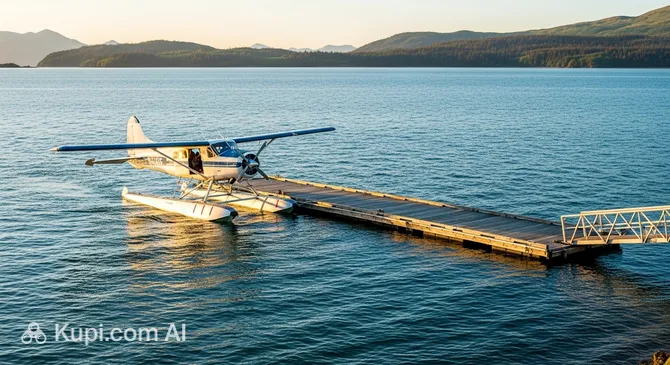
West Point Village Seaplane Base. Source: Kupi.com AI

West Point Village Seaplane Base is not merely a point on a map, but a true gateway to the wild and untouched nature of Alaska. Here, you will not find the usual concrete runways or noisy terminals: aircraft gracefully take off and land directly on the water's surface, offering travellers breathtaking views of the rugged landscapes of Kodiak Island. This unique transport hub serves as a vital artery for the local community and a starting point for those seeking solitude far from civilisation.

IATA Code KWP
ICAO Code None
City West Point (Alaska)
Distance to Centre 0 km (located within the settlement)
Status Domestic (Seaplane Base)
Annual Passengers No official data (general aviation)
Schedule Online board

Airport Features and Highlights:

The main feature of West Point Village lies in its format — it is a classic seaplane base, where the water surface serves as the runway. This gives passengers a unique experience of flying on light aircraft, which is an adventure in itself. The airport is situated in a picturesque location in the west of Kodiak Island, known for its dense forests and opportunities for observing wildlife.

For tourists and local residents, this facility is of critical importance, as it ensures connection with the "mainland" and the delivery of cargo to this difficult-to-access region. It is convenient to start expeditions around the island or set off on fishing trips from here. Thanks to the absence of complex security procedures and queues typical of large hubs, the journey through West Point is quick and stress-free.

Contact Information

  • Official Website: The seaplane base does not have its own website. Current information on flights and services can be found on the website of the main carrier — Island Air Service.
  • Help Desk Phone: +1 907-487-4596 (Island Air Service contact centre serving this destination).
  • Airport Address: West Point, Kodiak Island Borough, AK, USA. (Coordinates: 57.7701° N, 153.5489° W).
  • Email: info@flyadq.com (for enquiries through the airline).
  • Social Media: News and updates are published on the Island Air Service Facebook and Instagram pages.
  • Lost Luggage Information: Contact the airline office at +1 907-487-4596. Since the airport has no permanent staff, all luggage issues are resolved by the crew or ground service in Kodiak.
  • Passenger Support Contacts: For bookings and consultations, use the unified Island Air Service line: +1 907-487-4596.

How to Get to the Airport

When planning a route to West Point Village Seaplane Base, it is important to understand the specific nature of this location. Since West Point is a remote settlement on Kodiak Island, there are no standard highways connecting it to the mainland or major cities. The journey here is the beginning of a true Alaskan adventure.

The main transit hub for travellers is Kodiak Benny Benson State Airport. Regular flights arrive there from Anchorage and other major cities. The onward journey to West Point Village is usually undertaken on small seaplanes operated by local airlines, such as Island Air Service, or by water.

Public Transport

There is no public transport (buses, trains, or metro) in West Point in the conventional sense. The isolation of the region and the lack of a road network make ground transport impossible. The role of "shuttle taxis" here is performed by light aircraft flying between the island's settlements according to schedule or charter order.

Taxi, Transfers, and Car Rental

Taxi services such as Uber or classic city services do not operate in the village. Car rental is also not relevant here, as there are no roads leading outside the settlement. Movement within West Point itself is usually done on foot, on quad bikes (ATVs), or private boats of local residents. If you are staying at a lodge, the transfer from the seaplane landing site to your accommodation is typically organised by the hosts on all-terrain vehicles.

Parking at the Airport

Since the "airport" consists of a section of water surface and a pier, there are no paid car parks or multi-level garages. Locals may leave their vehicles (quad bikes or pickup trucks) near the docking area, but this issue usually does not arise for tourists.

Travel Time and Cost

The flight from the city of Kodiak to West Point Village takes approximately 30–45 minutes, depending on weather conditions and the type of aircraft. The cost of the flight varies: a one-way ticket on a scheduled flight may cost between 150 and 250 USD (it is recommended to check current rates with the carrier). A charter flight will cost significantly more.

Recommendations for Travellers

The weather in Alaska is unpredictable, so flights are often delayed or rescheduled due to fog and wind. Allow extra time when planning connections in Kodiak. If your flight is cancelled, a water taxi may be an alternative, although such a journey will take longer and depends heavily on sea conditions.

Terminals and Map

Structure and Terminals

West Point Village Seaplane Base (KWP) differs radically from familiar international hubs. Here you will not see multi-storey buildings, jet bridges, or confusing gate maps. The entire airport complex represents a minimalist infrastructure, harmoniously blended into the natural landscape of Alaska. In essence, it is a single service zone under the open sky, where the boundary between the "terminal" and wild nature is practically absent.

Officially, one nominal terminal functions here, which in practice is a reinforced pier or floating dock where seaplanes moor. There is no terminal building as such; waiting for a flight takes place directly on the shore or on the pier. This eliminates the need for complex transfers — the entire path from the ground transport arrival point to the aircraft takes less than a minute.

Arrival and Departure Zones

Zoning at West Point Village is intuitive and maximally simple:

  • Departure Zone: This is the area at the pier where passengers gather before boarding. There is no separation into domestic and international flights, as all flights are carried out within the state.
  • Arrival Zone: Passenger disembarkation takes place at the same pier. After the propeller stops, the pilot helps passengers step onto the dock. Luggage is unloaded manually directly onto the deck, from where travellers collect it themselves.

Check-in and Screening Features

Procedures at KWP take place in a relaxed atmosphere typical of "bush flying". There are no metal detector frames, luggage scanners, or strict liquid controls familiar at large airports. The main priority is flight safety in terms of the weight and balance of the aircraft.

The time for completing formalities is minimal:

  • Check-in: Usually takes place at the aircraft side. The pilot checks the passenger list against documents.
  • Weighing: This is a mandatory procedure. Since the planes are small (often 4–9 seats), it is critically important for the pilot to know the exact weight of passengers and luggage. Be prepared to step on the scales together with your backpack.
  • Arrival Time: It is recommended to arrive at the boarding point 15–20 minutes before the scheduled departure time. This is quite sufficient to hand over luggage and take your seat.

Navigation Recommendations

It is impossible to get lost in West Point Village, as all navigation leads to the water. However, there are several nuances worth considering for a comfortable journey. Since the "waiting area" is under the open sky, dress according to the weather: it is often windy and damp on the pier. The dock surface can be slippery due to spray or rain, so comfortable non-slip footwear is your best helper during boarding and disembarking.

Airport History

The history of West Point Village Seaplane Base (KWP) differs from the chronicles of major international hubs. There are no records of laying the first stone or a ceremonial ribbon-cutting by the city mayor. The history of this place is inextricably linked with the development of small aviation in Alaska and the exploration of remote corners of Kodiak Island. It is a story of survival, logistics, and the skill of pilots who have connected this isolated settlement with the outside world for decades.

Foundation and Establishment

It is difficult to name the exact date of the "opening" of the seaplane base, as aviation came to these parts naturally as the region was settled. Active use of the bay's water area for seaplane landings began in the mid-20th century, during the boom of "bush flying" in Alaska. Official recognition as a registered Seaplane Base and the assignment of an FAA code occurred much later, when the need arose to systematise air traffic and ensure regular supplies for the local community.

Development Stages and Modernisation

The evolution of the airport proceeded without large-scale construction. In the early years, pilots dropped off passengers and cargo directly onto the shore or used temporary wooden walkways. The main stage of development was the installation of a stationary floating dock. This significantly increased passenger safety and comfort, allowing flights to be serviced even during strong waves or changes in water levels. Unlike concrete airports, "reconstruction" here means regular repair of the pier decking and strengthening of mooring structures that suffer from harsh sea storms.

Historical Role and Events

The life of the airport is closely intertwined with the history of the West Point settlement itself. The airport has always been the only reliable "thread" connecting residents with civilisation. During harsh winters or storms, when sea communication became impossible, emergency medical evacuation and the delivery of vital medicines were carried out through this aquatic "runway". For local residents, every plane arrival is a small historical event, marking the receipt of mail, fresh produce, or news.

Interesting Facts and Features

There are several unique moments in the history and operation of West Point Village:

  • Dependence on Tides: In the history of the airport's operation, there have been cases where flight schedules had to be completely redrawn not due to aircraft breakdown, but due to extremely low tides making access to the dock difficult.
  • Absence of Dispatchers: Historically, there has never been a control tower here. Pilots rely on visual landmarks and radio communication between aircraft, following flight rules that have not changed for decades.
  • Invisible Records: Although world speed records are not recorded here, the airport's main achievement is considered to be uninterrupted operation in some of the most difficult meteorological conditions on the planet. Local pilots demonstrate virtuoso skill, landing planes in narrow bays with strong crosswinds.

Services and Amenities

The infrastructure and service at West Point Village Seaplane Base (KWP) fully correspond to its location in the Alaskan wilderness. Here, travellers encounter ascetic conditions where familiar urban comfort gives way to authenticity and proximity to nature. It is important to understand that this is not a commercial airport in the traditional sense, but a technical site for landing and disembarking, so the range of services here is minimal or non-existent.

Dining and Shopping

There are no restaurants, cafes, coffee shops, or vending machines on the pier territory. There are also no Duty Free shops, souvenir stalls, or pharmacy kiosks. If you have to wait for a flight, it is strongly recommended to stock up in advance (while still in Kodiak city) with drinking water, a thermos of hot tea, and snacks. In the West Point settlement itself, shopping opportunities are extremely limited and depend on the opening hours of small local shops, if any are open during the season.

Communication and Finances

At West Point Village, passengers should be prepared for a "digital detox":

  • Wi-Fi and Device Charging: There is no public Wi-Fi network or charging stations for phones on the pier. Mobile coverage may work intermittently depending on your operator and weather conditions. It is recommended to fully charge all devices before departure and carry a portable battery (Power Bank).
  • Banking Services: ATMs, currency exchange points, and bank branches are absent. In remote Alaskan settlements, cards are not accepted everywhere, so it is extremely important to carry a sufficient supply of cash (US Dollars) in small denominations to pay for services on the spot.

Waiting Areas and Business Services

Concepts such as a VIP lounge or business lounge are not applicable here. The waiting room is the open air with a view of the bay and mountains. There are no specialised rooms for conferences or working with a laptop. If you need to urgently resolve work issues, do so before flying out from the main airport in Kodiak.

Medical Assistance

There is no medical post or duty doctor at the airport. Small aviation pilots are trained in first aid and carry emergency kits on board, but receiving qualified medical assistance requires evacuation to the city of Kodiak. Travellers with chronic conditions must carry all necessary medicines in their hand luggage.

Services for Passengers with Children

Special mother and child rooms or play areas are not provided on the pier. Due to the proximity of open water and the lack of fencing, parents need to watch their children carefully while waiting for boarding. It is recommended to dress children in warm, windproof clothing and, if possible, use life jackets if the wait is prolonged.

Conditions for Passengers with Reduced Mobility

The infrastructure of the seaplane base presents difficulties for citizens with limited mobility. Boarding a seaplane often requires climbing unstable steps or crossing from a floating pier. There are no special lifts or ramps. However, pilots in Alaska are famous for their helpfulness and are always ready to personally assist passengers during boarding and disembarking. If you require assistance, be sure to notify the airline when booking your ticket so that the crew is ready to provide support.

Accommodation

There are no hotels directly in the "airport" zone. West Point is, as a rule, the end point of the route for those heading to specific fishing lodges or private guest houses. Transfer to the accommodation is usually organised by the property owners themselves, meeting guests directly at the plane on quad bikes or boats.
Where to Eat

If you are accustomed to waiting for a flight being brightened up by a cup of cappuccino or a hot lunch in the terminal, then West Point Village Seaplane Base (KWP) will be a complete change of pace for you. It is important to understand that in this remote corner of Alaska, the concept of "airport dining" is completely absent. There are no restaurants, cafes, dining establishments, or even chocolate bar vending machines here.

Restaurants and Cafes

The KWP infrastructure is limited to the seaplane pier, so there are no catering outlets in either the departure or arrival zones. You will not find chain fast food or cosy coffee shops here. The entire "service" comes down to the surrounding wild nature, so hungry travellers will have to rely exclusively on their own supplies.

Dining Recommendations for Passengers

Given the complete autonomy of the location, planning meals is the tourist's own responsibility. Here are the main tips to help avoid discomfort:

  • Buy in Advance: Your last chance to eat a full meal or buy food for the journey will be in the city of Kodiak before departure. It is strongly recommended to have a hearty lunch there or take sandwiches, nuts, and fruit with you.
  • Water is Most Important: There are no drinking fountains in West Point Village. Be sure to carry a bottle of water, especially if travelling with children, as the flight and waiting in the wind can cause thirst.
  • Thermos with a Hot Drink: Since waiting takes place outdoors, and the weather in Alaska is often cool, a personal thermos with hot tea or coffee will be a real lifesaver and make waiting for the flight much more comfortable.

Local Cuisine and Dining in Lodges

Although there is nowhere to eat at the "airport" itself, gastronomic discoveries await you at your accommodation. Tourists arriving in West Point usually head to fishing lodges or private guest houses.

  • What to Try: Local cuisine is based on the gifts of the sea and forest. In lodges, guests are often treated to freshly caught Pacific halibut, salmon (sockeye, coho), game meat, and dishes with the addition of local berries (blueberries, cloudberries).
  • Special Menus: If you require Halal options, are vegetarian, vegan, or follow a gluten-free diet, it is critically important to inform the host party (accommodation owners) in advance, at the booking stage. There are no supermarkets in the wilderness, and food is often brought in for specific guests. It will be impossible to find alternative food on site. Seafood and vegetarian dishes are excellent available alternatives.

Price Range

Since there are no commercial establishments at the airport, the concept of an "average bill" is not applicable here. Food expenses are usually included in the cost of staying at lodges ("all-inclusive" format) or depend on prices in supermarkets in the city of Kodiak, where you will purchase provisions before departure.

Travel Tips

Travelling through West Point Village Seaplane Base is a unique experience that differs greatly from flying on regular airlines. To ensure your trip to Kodiak Island goes smoothly and safely, we have prepared a number of practical tips considering the specifics of small aviation in Alaska.

Arrival and Check-in

Unlike large airports, you do not need to arrive two hours early here. The optimal arrival time at the pier is 20–30 minutes before departure. This is enough for the pilot to mark you on the list and prepare luggage for loading. Check-in procedures are extremely simple: instead of scanning a passport and printing a boarding pass, personal communication with the pilot awaits you. The main stage of "security control" is weighing. Be prepared to stand on the scales together with your hand luggage, as accurate weight calculation is critically important for the safety of the seaplane flight.

Luggage and Hand Luggage

In aircraft such as the de Havilland Beaver or Cessna, space is limited. Here are the main packing rules:

  • Soft Bags: Avoid rigid plastic suitcases. Sports bags, backpacks, or duffel bags are much easier to place in a small cargo compartment.
  • Weight Limits: Strictly observe the luggage allowance established by the carrier (usually around 18–23 kg). Every extra kilogram may be a reason for refusal of carriage or require an additional payment.
  • Dangerous Items: Despite the absence of metal detector frames, FAA safety rules apply here too. In hand luggage (which you hold on your lap), it is forbidden to carry flammable substances, fuel for burners, and weapons (which must be handed to the pilot unloaded). Bear sprays (pepper sprays) are categorically forbidden in the cabin and must be handed to the pilot for placement in the floats or an external compartment.

Seat Selection on the Plane

There are no pre-assigned seats in seaplanes. Seating is directed by the pilot based on the aircraft's centre of gravity. However, if the weight allows, you can ask for a window seat for a better view. The most coveted seat is the co-pilot seat, offering a 180-degree panoramic view. Politely ask the pilot if it is free, but be ready to move to the back without objection if necessary for balance.

Connections and Transfers

If West Point is only part of your route, and you are flying further from the city of Kodiak to Anchorage or Seattle, allow a maximum buffer of time. The weather in Alaska is changeable, and a delay of a seaplane flight by 2–3 hours due to fog is a common occurrence. The recommended interval between arrival from West Point and the departure of a large airliner is at least 3–4 hours. The ideal option is to plan an overnight stay in the city of Kodiak to eliminate the risk of missing the main flight.

Customs and Documents

Flights to West Point are exclusively domestic, so customs and passport control are absent here. However, always carry a photo ID (passport), as the carrier is obliged to verify the passenger's identity before boarding.

Tips for Economy and Comfort

  • Clothing: Dress in layers. It can be piercingly windy on the pier, and stuffy in the aircraft cabin. A waterproof jacket and comfortable flat-soled shoes are mandatory attributes.
  • Saving on Luggage: If you are travelling as a group, try to distribute the weight of things among yourselves. Also, check with the carrier about the possibility of sending heavy equipment by cargo flight in advance — this may be cheaper.
  • Noise Isolation: Small aviation is loud. You will be given headphones in the plane, but having your own earplugs can add comfort, especially for children.

What to Do in Case of Flight Delay

Delays due to weather conditions are part of life in Alaska. There is no terminal building at West Point Village where you can wait out bad weather. If the flight is delayed, check the forecast with the pilot or a lodge representative. If the wait drags on, it is better to return to your accommodation than to freeze on the pier. Always carry a charged phone, a power bank, and a small supply of food and water in case of unforeseen waiting.

Reached the end of the page?

That means the route is fully explored