Support

Mata Utu

About

Welcome to Mata Utu, the vibrant capital and largest settlement of the French overseas territory of Wallis and Futuna. Located on the eastern coast of Uvéa Island, this charming town serves as the administrative and commercial heart of the archipelago while retaining a relaxed, village-like atmosphere that captivates visitors immediately upon arrival.

With a population of approximately 1,000 residents, Mata Utu offers a unique blend of French colonial influence and traditional Polynesian culture. The town enjoys a warm tropical climate and is surrounded by lush vegetation and the sparkling blue waters of the Pacific Ocean, making it a picturesque destination for travelers seeking tranquility.

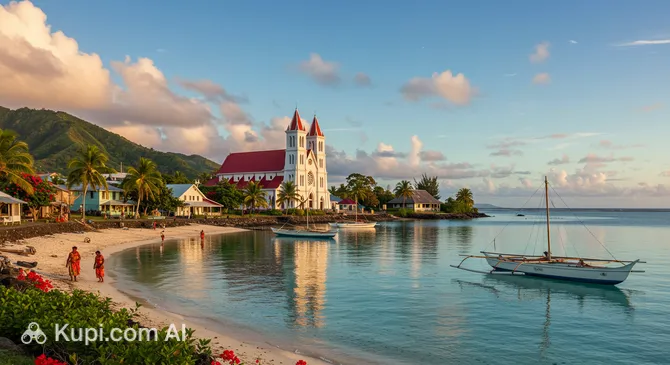
Mata Utu. Source: Kupi.Binoculars

The town center is dominated by the magnificent Cathedral of Our Lady of the Assumption (Cathédrale Notre-Dame-de-l'Assomption), a striking national monument built with cut volcanic stone and featuring imposing towers. Adjacent to this architectural gem stands the Palace of the King of Uvéa, a symbol of the enduring local monarchy. For those keen to delve deeper into the past, exploring the history of Mata Utu reveals fascinating stories of early Polynesian settlers and European missionaries.

Whether you are strolling along the waterfront to watch the sunset, visiting the local market to taste fresh produce, or using the town as a base to discover the nearby crater lakes, Mata Utu promises a warm and authentic experience. It is the perfect starting point for an unforgettable journey into the heart of the South Pacific.

Weather Overview

Mata Utu enjoys a stable tropical climate with temperatures that remain remarkably consistent throughout the year. Visitors can expect average temperatures to hover around 27°C, with daily highs peaking near 28.5°C and nighttime lows rarely dipping below 26°C. This creates a warm and humid environment perfect for enjoying the island's natural beauty at any time.

Rainfall is a frequent companion in this region, with a high number of wet days recorded each month, keeping the landscape lush and green. Showers are a regular occurrence typical of the tropics, so it is wise to be prepared for rain at any time of the year. August generally sees slightly fewer wet days compared to other months, but the difference is often minimal. To get the most accurate forecast for your specific travel dates, be sure to consult the weather in Mata Utu. In general, expect warm days with a significant chance of showers, regardless of when you visit.

Interesting Facts

Beyond its scenic waterfront and administrative role, Mata Utu holds several cultural treasures and quirks that surprise many visitors. This small capital is a place where ancient Polynesian traditions live on comfortably alongside colonial history, offering a glimpse into a unique way of life.

  • Hand-Cut Volcanic Stone: The imposing Cathedral of Our Lady of the Assumption is not just remarkable for its size but for its construction. It was built using blue volcanic stones that were quarried and cut by hand by the local population, a massive communal effort that defines the town's architectural identity.

  • The Royal Neighbor: Mata Utu is one of the few capitals in the world where a reigning monarch lives right in the center of town. The Palace of the King of Uvéa (the Lavelua) stands directly adjacent to the cathedral, symbolizing the powerful historical bond between the traditional chiefdom and the church.

  • The Fale Fono: Near the wharf, you will find a large, open-sided structure known as the Fale Fono. This serves as the traditional meeting house where the King and customary chiefs gather to discuss local matters, maintaining a system of governance that has existed for centuries.

  • A Unique Emblem: If you look closely at the cathedral's façade, you will spot a Maltese cross between the towers. This specific symbol honors the Marist missionaries who arrived in the 19th century to evangelize the islands, distinguishing it from other French colonial churches.

How to Get There

Reaching the capital of Wallis and Futuna is an adventure that typically begins with a flight to the main island of Uvéa. Due to its remote location in the South Pacific, air travel is the primary means of access for international visitors. For a detailed overview of routes and transportation options, you can read more about how to get to Mata Utu.

The principal gateway for travelers is Wallis Island Airport (IATA: WLS), also known as Hihifo Airport. Located approximately 5.5 km from the center of Mata Utu, this facility connects the territory to neighbors like New Caledonia and Fiji. It is a small regional hub with an annual passenger volume of around 35,000, ensuring a calm and straightforward arrival process. Once you land, a taxi or shuttle transfer to the city center generally takes about 30 minutes.

For clarity, here is a summary of the main airport:

Airport Name City Passenger Traffic Km from City
Wallis Island Airport Mata Utu Small 5.5

Main Attractions

Mata Utu may be a small capital, but it serves as the cultural and historical heart of Wallis and Futuna. The town offers a unique glimpse into the intersection of French colonial heritage and traditional Polynesian chieftainship. While the city center is compact, it is home to the island's most significant landmarks and serves as the perfect gateway to the surrounding natural and archaeological wonders.

The most prominent landmark in the city is the Cathedral of Our Lady of the Assumption (Cathédrale Notre-Dame-de-l'Assomption). Standing proudly near the waterfront, this imposing structure is a National Monument of France and the seat of the local diocese. It is renowned for its distinctive construction using blue volcanic stones, which were cut by hand by the local community. The cathedral's massive twin towers and the Maltese cross adorning the façade make it a striking subject for photography, while the interior reflects the deep spiritual devotion of the islanders.

Directly adjacent to the cathedral lies the Palace of the King of Uvéa (Palais Royal). This beautiful building serves as the official residence of the Lavelua, the customary King of Wallis. The architecture is a fascinating blend of colonial style, characterized by wide verandas, and traditional Polynesian design. While the interior is generally reserved for official ceremonies and the royal family, the exterior and the surrounding grounds are a testament to the enduring power of the local monarchy. It is a vital stop for anyone interested in understanding the living traditions of the territory.

Just a short drive from the capital, you will find the spectacular Lake Lalolalo. Although located outside the city limits, it is the most famous attraction on the island and a must-visit for every traveler staying in Mata Utu. This almost perfectly circular volcanic crater lake is surrounded by sheer vertical cliffs that drop 30 meters down to the water. The deep, inky blue waters are shrouded in mystery and legends, creating an atmosphere of ancient tranquility that contrasts with the bustling life of the nearby town.

For history enthusiasts, the Talietumu Archaeological Site offers a fascinating journey into the past. Located a few kilometers south of Mata Utu, this site preserves the ruins of a fortified Tongan settlement dating back to the 15th century. Visitors can walk among the restored basalt walls and platforms, known as Kolo Nui, which provide tangible evidence of the Tongan maritime empire's influence in the region. The lush green surroundings and the well-preserved stone structures make it an evocative place to explore the island's pre-colonial history.

Local Cuisine

The culinary landscape of Mata Utu offers a delightful blend of traditional Polynesian flavors and French gastronomy. While the town does not have a vast array of dining establishments, the quality of the food relies heavily on fresh, locally sourced ingredients. Visitors can expect a diet rich in root vegetables, tropical fruits, and an abundance of seafood caught daily from the surrounding lagoon.

One of the must-try experiences is tasting dishes cooked in a traditional earth oven, known locally as an umu. This method is often used for feasts and Sunday meals, where pork, chicken, and fish are slow-cooked to perfection alongside taro, yams, and breadfruit. For a lighter option, raw fish marinated in lime juice and coconut milk is a refreshing staple that highlights the island's access to pristine ocean waters. You will also find French influences everywhere, from fresh baguettes and pastries to rich sauces accompanying local meats.

When it comes to beverages, Kava holds a special place in the local culture. Made from the root of the pepper plant, this non-alcoholic drink has a mild sedative effect and is traditionally consumed during ceremonies and social gatherings. For a refreshing daytime drink, nothing beats fresh coconut water straight from the nut. Due to the territory's status, you can also easily find excellent French wines and beers in local shops and restaurants, pairing perfectly with the evening breeze.

The food culture in Mata Utu is relaxed and informal. There are only a handful of restaurants and "snacks" (casual eateries) in the town, mostly located near the center or within hotels. These spots are where both locals and tourists gather to enjoy hearty meals in an unhurried atmosphere. A visit to the local market near the wharf is also highly recommended; while it is not a place for sit-down meals, it offers a colorful display of the island's produce, allowing you to see exactly what goes into the delicious local cuisine.

Travel Tips

Visiting Mata Utu is a journey into a serene and traditional world, so a little preparation goes a long way to ensure a smooth experience. Here are some practical tips to help you navigate the local customs and logistics, ensuring you make the most of your time in this unique Pacific capital.

  1. Clothing and Gear: The climate is warm and humid year-round, so pack lightweight, breathable fabrics like cotton or linen. Since rain showers are frequent, a waterproof jacket or poncho is essential. Remember that Wallis is deeply religious and conservative; always dress modestly when visiting the Cathedral of Our Lady of the Assumption or walking through the town center. Swimwear should be reserved strictly for the beach or lagoon.
  2. Transportation: There is no public transport system like buses or trains in Mata Utu. The best way to get around is to rent a car, which gives you the freedom to explore the island at your own pace. Hitchhiking is also very common and considered safe, often serving as an informal way for locals to travel. Taxis are available but can be limited, so arranging a rental upon arrival is usually the most reliable option.
  3. Finances: The local currency is the CFP Franc (XPF). While some hotels and larger businesses in Mata Utu accept credit cards, cash is king for smaller shops, markets, and snacks. There are ATMs in the town center (usually associated with BNP Paribas), but it is wise to carry enough cash for your daily needs, as the machines can occasionally be out of service. Tipping is not customary and is not expected.
  4. Health and Safety: Mata Utu is a very safe destination with low crime rates, but general common sense regarding valuables applies. The main health concern for tourists is mosquito-borne illnesses like dengue fever, so bring plenty of high-quality insect repellent. There is a hospital in Mata Utu (Hôpital de Sia) that provides standard medical care, and pharmacies are available during regular business hours.
  5. Communication: The official language is French, and it is widely used in administration and commerce. The local language is Wallisian (Uvean). English is not widely spoken, so having a translation app or learning a few basic French phrases is highly recommended for daily interactions. You can purchase a local SIM card at the post office or telecom agency in town to stay connected, though internet speeds may be slower than what you are used to.
  6. Local Etiquette: Politeness is paramount here. Always greet people with a smile and a "Bonjour" or the local "Malo le ma'uli" (Hello). When entering a home or a customary building like a fale, you must remove your shoes. It is also important to show respect towards elders and traditional chiefs; if you are lucky enough to witness a customary ceremony, follow the lead of your host or guide quietly.
  7. What to Avoid: Do not walk around the village or town shirtless or in bikinis; this is considered disrespectful to the local community. Avoid making loud noises or disrupting the peace on Sundays, as this is a day strictly dedicated to church, family, and rest.
  8. Sunday Planning: Be aware that on Sundays, Mata Utu virtually shuts down. Most shops, businesses, and services are closed as locals attend mass and gather for large family meals. Plan your activities and ensure you have any necessary supplies or food arranged beforehand, or simply join in the slow pace and enjoy a quiet day of relaxation.

By keeping these tips in mind, you will find it easy to slip into the relaxed rhythm of island life. The people of Mata Utu are known for their hospitality, and a respectful, open approach will be met with warm smiles and a genuine welcome to their home.

Entertainment & Nightlife

Entertainment in Mata Utu reflects the town's peaceful and traditional character. You will not find bustling nightclub districts, neon-lit strips, or large concert venues here. Instead, the nightlife is intimate, relaxed, and centered around social connection, good food, and enjoying the tropical evening breeze. The "nightlife scene" is essentially concentrated within a few key establishments, mostly located near the waterfront or within the main hotels, where locals and expatriates gather to unwind after sunset.

The atmosphere is incredibly laid-back. There is no strict dress code; casual island attire is the norm, though modesty is always appreciated. Evenings usually start with a sunset drink and transition into a leisurely dinner. Most venues are quiet during the week but can become livelier on Friday and Saturday nights, sometimes featuring local bands playing Polynesian music. However, do not expect parties to last until dawn; most places close around 10:00 PM or 11:00 PM, with only occasional special events running later.

For a drink with a view, the bar and terrace at Hôtel Lomipeau is often considered the social hub of the town. Located slightly north of the center, it offers a commanding view of the lagoon and is the go-to spot for both visitors and residents to enjoy a cold beer or a glass of wine while watching the sun dip below the horizon. Another popular venue is Le Moana Hou, a restaurant and bar that offers a friendly ambiance and a chance to mingle with the local community over French and local dishes.

Practical planning is essential for a night out in Mata Utu. Prices for alcohol and imported foods can be comparable to or higher than in metropolitan France due to shipping costs. Transportation at night is the biggest challenge; there are no night buses and taxis are virtually non-existent after dark. It is highly recommended to have a rental car or arrange a designated driver if you plan to stay out. Walking is an option if your accommodation is central, but be aware that street lighting can be sparse.

In terms of safety, Mata Utu is very secure, and violent crime is extremely rare. You can feel comfortable walking in the main areas, but it is wise to carry a flashlight to navigate uneven paths and to spot stray dogs, which are common on the island. As the town sleeps early, noise levels should be kept down when walking back to your accommodation to respect the local residents.

Regarding daytime entertainment, the options are equally low-key and culturally focused. There are no movie theaters, amusement parks, or shopping malls in the city. Daytime leisure revolves around the natural environment and cultural heritage. Visitors spend their time exploring the Uvéa Museum (if open) to learn about World War II history, visiting the artisan stalls at the market, or simply relaxing by the waterfront. The true "entertainment" here is the slow pace of life and the beauty of the surroundings.

Parks & Museums

While Mata Utu does not feature large, manicured urban parks in the traditional sense, the entire town is immersed in a lush tropical landscape that serves as a natural playground for visitors. The cultural heritage of the city is best experienced not just through formal institutions, but by exploring the living history embedded in its architecture and the surrounding natural sites that define the island's character.

One of the most accessible natural escapes is Mount Lulu Fakahega, located just a short distance inland from the town center. Although it requires a brief hike or drive up a red dirt road, the summit offers a small, serene chapel and one of the best panoramic views on the island. From here, you can gaze out over the lush canopy of Mata Utu, the sparkling lagoon, and the distant islets. It is a peaceful spot where the green of the land meets the blue of the ocean, perfect for a quiet afternoon picnic or simply admiring the scenery.

For a more relaxed experience closer to the heart of town, the Mata Utu Waterfront acts as the community's main open space. This grassy promenade along the sea wall is where locals gather to catch the cooling trade winds and watch the sunset. While not a botanical garden, the area is lined with coconut palms and offers a direct connection to the lagoon. It is an ideal place for a leisurely stroll, allowing visitors to observe the traditional outrigger canoes and the slow pace of maritime life that is central to the local culture.

In terms of museums, the options are limited but significant. The primary repository of recent history is the Uvéa Museum (often referred to as the Museum of the American Occupation). This small collection focuses on a pivotal era in the island's history: the presence of U.S. troops during World War II. Visitors can see photographs, equipment, and artifacts that tell the story of how the sudden arrival of thousands of soldiers transformed the local infrastructure and society. Note that opening hours can be irregular, so it is often best to inquire locally or arrange a visit in advance.

Beyond formal museums, the town center itself serves as an open-air gallery of Polynesian governance and tradition. The Fale Fono, the traditional meeting house located near the wharf, is a cultural masterpiece. While it is a functioning administrative building rather than a museum, its open structure allows visitors to admire the intricate craftsmanship of the timber and weaving from the outside. It stands as a testament to the enduring authority of the customary chiefs and offers a tangible link to the pre-colonial heritage of Uvéa.

For a truly authentic experience, take the time to wander the small backstreets behind the cathedral. Here, you will find well-tended family gardens bursting with taro, breadfruit trees, and vibrant tropical flowers. These private "gardens" are the heart of daily life and offer a genuine glimpse into the subsistence culture of the island that no botanical park could replicate.

Getting Around

Travelers planning to navigate Mata Utu should be aware that the city does not possess a formal public transport network. There are no buses, trams, metros, or scheduled shuttle services operating within the town or connecting it to other parts of the island. Consequently, visitors cannot rely on travel passes, transport apps, or ticket validation machines commonly found in larger tourist destinations.

The most practical and popular solution for getting around is renting a vehicle. Several rental agencies operate locally, typically arranging pick-ups at the airport or delivering vehicles directly to accommodations. Having a car provides the freedom to explore the surrounding areas at your own pace, which is particularly useful given the tropical climate and the scattered nature of attractions outside the town center.

Taxis are available but operate quite differently from those in major metropolitan areas. There are no taxi stands, and flagging one down on the street is rarely successful. Instead, rides must be booked in advance by telephone or arranged through your hotel. Vehicles are generally unmetered, so it is essential to agree on the fare with the driver before starting your journey. Payment is almost exclusively accepted in cash.

For short distances within Mata Utu itself, walking is a feasible and pleasant option. The town is compact, allowing you to reach the main administrative buildings, the cathedral, and the waterfront on foot. However, the heat and humidity can be intense, so carrying water is advisable. For those venturing further without a rental car, hitchhiking is a widely accepted and safe local custom, often serving as an informal substitute for a bus system.

Since there is no ticketing system, tourists do not need to worry about operating hours or zones. The primary logistical consideration is simply ensuring you have enough local currency for car rental deposits or taxi fares. Ride-sharing apps and digital transport platforms are not available here, so planning your movements ahead of time, especially for airport transfers or evening outings, is highly recommended.

Accommodation

Accommodation in Mata Utu is limited and reflects the town's unhurried, non-commercialized character. Travelers should not expect sprawling luxury resorts, international hotel chains, or high-rise complexes. Instead, the options are primarily small, locally owned hotels and family-run guesthouses that offer a warm welcome and a genuine connection to island life. The standard of comfort is generally good, often equivalent to mid-range European lodgings, focusing on cleanliness and basic amenities rather than opulence.

Most accommodation options are conveniently located within or very close to the town center, often along the main road that parallels the waterfront. Staying in this area places you within walking distance of the Cathedral of Our Lady of the Assumption, the administrative offices, and the few shops and restaurants available. This central location makes it easy to explore the capital on foot, though a car is still recommended for visiting the rest of the island.

The most well-known establishment in the area is Hôtel Lomipeau. Situated slightly north of the town center on a hill, it is widely considered the premier hotel on the island. It offers comfortable rooms, a swimming pool, and a restaurant with a terrace that boasts commanding views over the lagoon, making it a favorite spot for both staying and socializing. Another notable option is Moana Hou, which combines accommodation with a popular restaurant, offering a more intimate atmosphere close to the sea.

Booking Tips: Due to the scarcity of rooms on the island, it is highly recommended to book your accommodation well in advance, especially if you plan to visit during school holidays or local festivals. Unlike many other destinations, properties in Mata Utu may not be listed on major global booking platforms. You will often need to contact the hotel directly via email or telephone to secure a reservation. Be patient, as response times can sometimes reflect the relaxed "island time."

In terms of pricing, accommodation typically falls into the mid-range category. While not excessively expensive, prices can be higher than expected for the level of luxury provided, due to the high cost of operating in such a remote location. Payment is usually made in CFP Francs (XPF). While the larger hotels generally accept credit cards, it is always a wise precaution to confirm payment methods in advance and carry sufficient cash for incidental expenses.

Nearby Cities

For those looking to explore the surroundings, Mata Utu serves as an excellent base for day trips to several interesting nearby locations:

While Mata Utu is the administrative hub, the southern village of Halalo offers a journey into the island's deep history. Located just a short drive away, it is the gateway to the impressive Talietumu archaeological site and the famous crater lakes, making it an essential stop for culture enthusiasts. On the northern tip of the island, Vailala provides a completely different vibe; this quiet fishing village is renowned for its proximity to some of the territory's most pristine beaches, offering a perfect setting for a relaxing day by the ocean.

For travelers willing to venture further, Futuna Island presents a dramatic contrast to the landscape of Wallis. Although it requires a short flight to cross the 240 km distance, Futuna is known for its rugged mountains, rushing rivers, and lack of a lagoon, offering a raw and authentic Polynesian experience that differs significantly from the capital.

City Population Distance (km)
Futuna Island 3225 240

These nearby destinations offer a glimpse into the diverse culture and landscapes of the region.

Shopping & Souvenirs

Shopping in Mata Utu is a modest and authentic experience, reflecting the relaxed pace of life in this small Pacific capital. Unlike major tourist hubs filled with luxury boutiques and sprawling complexes, the retail scene here is focused primarily on daily necessities and local craftsmanship. Visitors will find that shopping is less about browsing international brands and more about discovering the unique culture of Wallis and Futuna through its markets and small independent stores.

The town center serves as the main commercial hub for the entire island. Most shops are concentrated along the main road that runs parallel to the waterfront, particularly in the vicinity of the Cathedral of Our Lady of the Assumption and the administrative buildings. Here, you can find a variety of general stores, often referred to locally as "magasins," which stock everything from groceries and imported French wines to clothing and household goods. These stores are the lifeline of the island, offering a mix of European products and Pacific staples.

Travelers should be aware that there are no large shopping malls or department stores in Mata Utu. The closest equivalent to a modern shopping center is the Fenuarama commercial complex. While small by international standards, it is one of the few places where you can find a supermarket atmosphere with a wider selection of imported foods, toiletries, and sometimes electronics. It serves as a convenient one-stop shop for travelers needing to restock on supplies during their stay.

For a more colorful and culturally immersive experience, the Mata Utu Market is the place to be. Located near the wharf, this open-air market is busiest in the mornings, especially on Tuesdays and Fridays when fresh produce arrives. It is the best spot to mingle with locals and see the abundance of the island, from fresh tarot and breadfruit to the catch of the day. While primarily a food market, it is also a great place to soak up the local atmosphere and perhaps find small handmade items sold by local vendors.

When it comes to souvenirs, Mata Utu offers high-quality traditional handicrafts that make for meaningful keepsakes. The territory is particularly renowned for its Tapa cloth (bark cloth), which is often painted with intricate geometric designs and is considered some of the finest in the Pacific. Other popular items include hand-woven mats, wood carvings, and beautiful shell necklaces. These items are typically found in small artisan shops or directly from local cooperatives, as mass-produced tourist trinkets are virtually non-existent here.

Opening hours in Mata Utu generally follow a traditional split schedule. Shops typically open early, around 7:30 AM or 8:00 AM, and close for a long lunch break (siesta) from approximately 12:00 PM to 2:00 PM. They reopen in the afternoon until 5:00 PM or 6:00 PM. It is important to note that most businesses close on Saturday afternoons and remain closed all day Sunday. Payment is predominantly in cash (CFP Franc). While the main supermarket and some larger stores may accept credit cards, smaller shops and market stalls deal exclusively in cash, so it is essential to visit an ATM beforehand.

Regarding tax-free shopping, tourists should not expect a formal VAT refund system like those found in Europe or major Asian cities. The prices you see are generally what you pay. Given the remote location, imported goods can be quite expensive due to shipping costs, so many visitors focus their spending on unique local crafts rather than imported luxury items.
Reached the end of the page?

That means the route is fully explored