Acclimatization: Symptoms and Prevention
Nothing spoils a long-awaited vacation like spending half your party time sick in bed. And the reason for all this is acclimatization. Therefore, in this article, we will tell you how to deal with it both in a hot resort and in cold mountains.
What is acclimatization?
This is a natural process in the body—how it adapts to a new climate. Adults feel unwell after 2–4 days, and children after about a week.
That is why it is not recommended to take children to a different climate for less than 3 weeks. Otherwise, the child will just get used to the environment, and then it will be time to go back. As a result, the body readjusts again (back) and the trip turns into stress.
It is also not recommended for adults to make short trips to places with a very large climate difference.

Acclimatization in hot countries
Many people tolerate heat poorly as such, so the first days at the resort are painful. Most likely you will experience:
- insomnia
- constant thirst
- headaches
- lethargy, fatigue
- blood pressure fluctuations
- exacerbation of chronic and cardiovascular diseases (if any)
With such a set of symptoms, your vacation won’t be enjoyable. But the symptoms can be minimized or even eliminated if you follow some rules:
- ventilate your accommodation as often as possible, especially before bed (it is advisable not to close the window at night);
- eat in the morning and evening, and have a light snack in the middle of the day;
- drink plenty, but not two liters of water right before an excursion; consume water in small portions throughout the day;
- a refreshing shower at a comfortable temperature won’t hurt.
In general, if you’re flying to Thailand (or another hot country), don’t go just for the New Year holidays, but add at least a couple more weeks to avoid going crazy and to manage everything you planned.
Acclimatization in the mountains
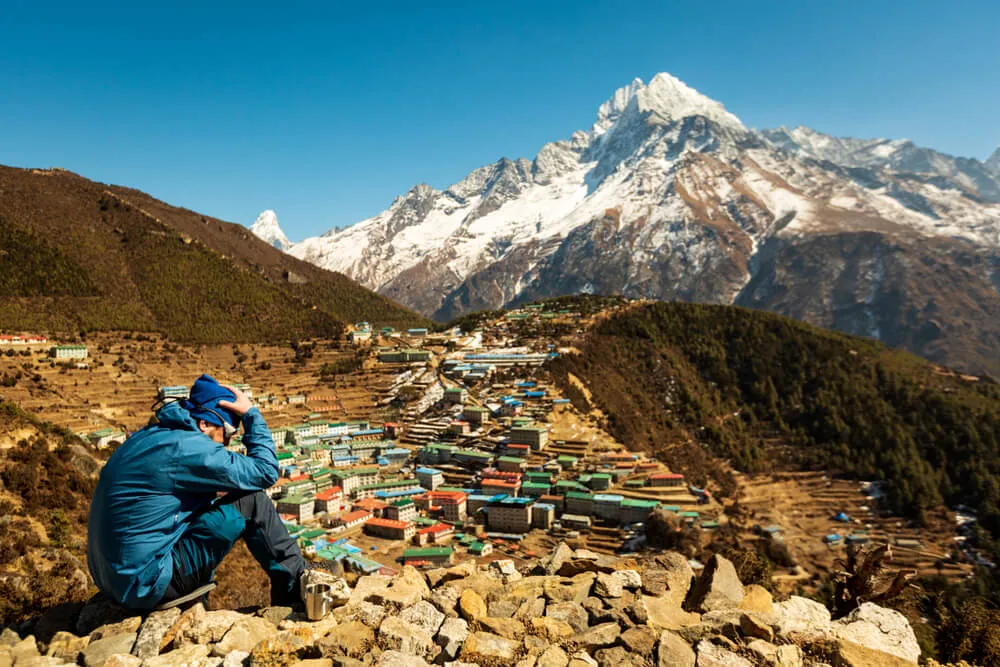
Many dream of spending their vacation in the mountains: waking up every morning to look at the peaks, walking along forest paths and mountain lakes. All this is beautiful and cool, but insidious acclimatization awaits you here too. And the symptoms are:
- dizziness
- headache
- nausea
- weakness
- ringing in the ears
Of course! There’s a change in pressure and a completely different altitude. Even if you’re not climbing Everest, a mountain vacation, even at an altitude of about 2,000 meters above sea level, will affect your general well-being.
But even here you can cope if you:
- gain altitude gradually. If you are doing independent trekking, set aside a rest day after every thousand meters to get used to the altitude.
- do not eat fatty and fried foods and do not stuff yourself; eat in small portions.
- drink water throughout the day, preferably increasing the amount to 3–4 liters per day.
The same applies to the return journey (if it’s trekking): descend gradually, don’t forget to eat and drink. And if you’ve simply arrived at a mountain hotel, get plenty of sleep, walk more, stick to a diet, and don’t forget to drink water. Soda doesn’t count, but strong tea certainly does.
Acclimatization in the North
It’s not all about traveling to warm, comfortable countries; sometimes you want to test yourself in harsh conditions, right? If you’re heading north, prepare for:
- loss of appetite
- weakness
- muscle fatigue
- insomnia

To avoid suffering from this and not wasting vacation days, follow just two simple rules:
- dress warmly and according to the weather; ideally, your outerwear should be windproof.
- eat more fatty foods: meat, milk, cheese. Vitamins and ascorbic acid will also contribute to your well-being.
By the way, upon returning home from a different climate zone, you will also face acclimatization. A reverse one, so to speak. Therefore, allow a few days after arrival for rest and adaptation to the environment. Otherwise, rushing to work the next morning will be quite difficult.