Currency Exchange Abroad
Before a trip, many questions arise regarding currency exchange. Should you exchange money in your home country or not? In what currency should you carry money? Where to exchange money abroad? Today we will try to answer them.
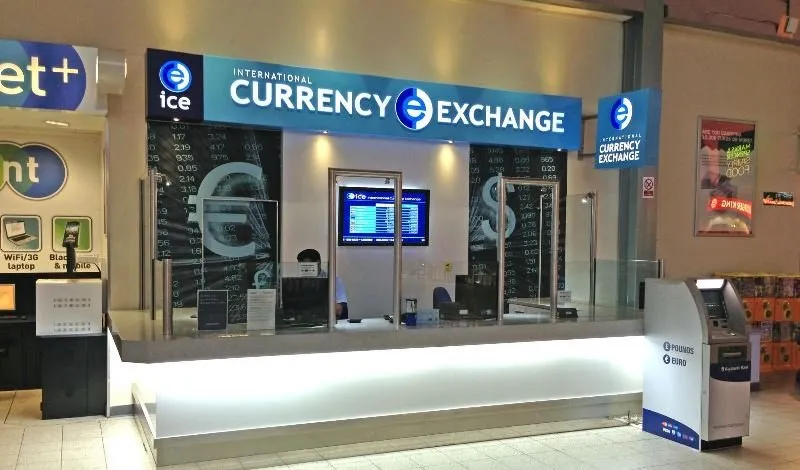
It’s best, if possible, to exchange some money for local currency in your home country, but not too much. The main thing is to have enough for the journey from the airport to the hotel and a little extra until you find an exchange office with a favorable rate. In most cases, exchanging money at the airport is not profitable! Although exceptions do occur. The same applies to exchanging money in the city center and near popular attractions. Another tip: try not to take large denominations, for example, 200 euros; there can be problems with them, and there are cases when banknotes of this denomination are refused.
Where to exchange money abroad?
Exchange offices abroad can be of two types:
- Bank exchange point
- Private exchange point
The first option is, of course, the most reliable, but the rate there is not always favorable. The second is usually more profitable, but may have hidden pitfalls. So…
What pitfalls might you encounter when exchanging money abroad?
1. Currency exchange commission. It can be fixed, for example, $3, or it can be a percentage of the amount. Most often, it’s 1–1.5%. Carefully read the fine print under the exchange rate board; typically, that’s where information about the commission is hidden. If there’s no mention of a commission anywhere, it doesn’t mean it doesn’t exist. In this case, before exchanging money, clarify with the operator. In some exchange offices, you might see the sign “No commission” (variants: "No commission", "0% Commission", "Commission-free"). Keep in mind that in this case, the rate will not be as favorable, or you might encounter point #2. 2. The board shows a rate, but it only applies to large amounts. This trick is very common. The information board displays an attractive rate, but slightly below, in fine print, there’s a note stating that this rate is valid only for exchanges of $1000 or more, and for smaller amounts, the rate is completely different.
How to properly exchange money abroad?
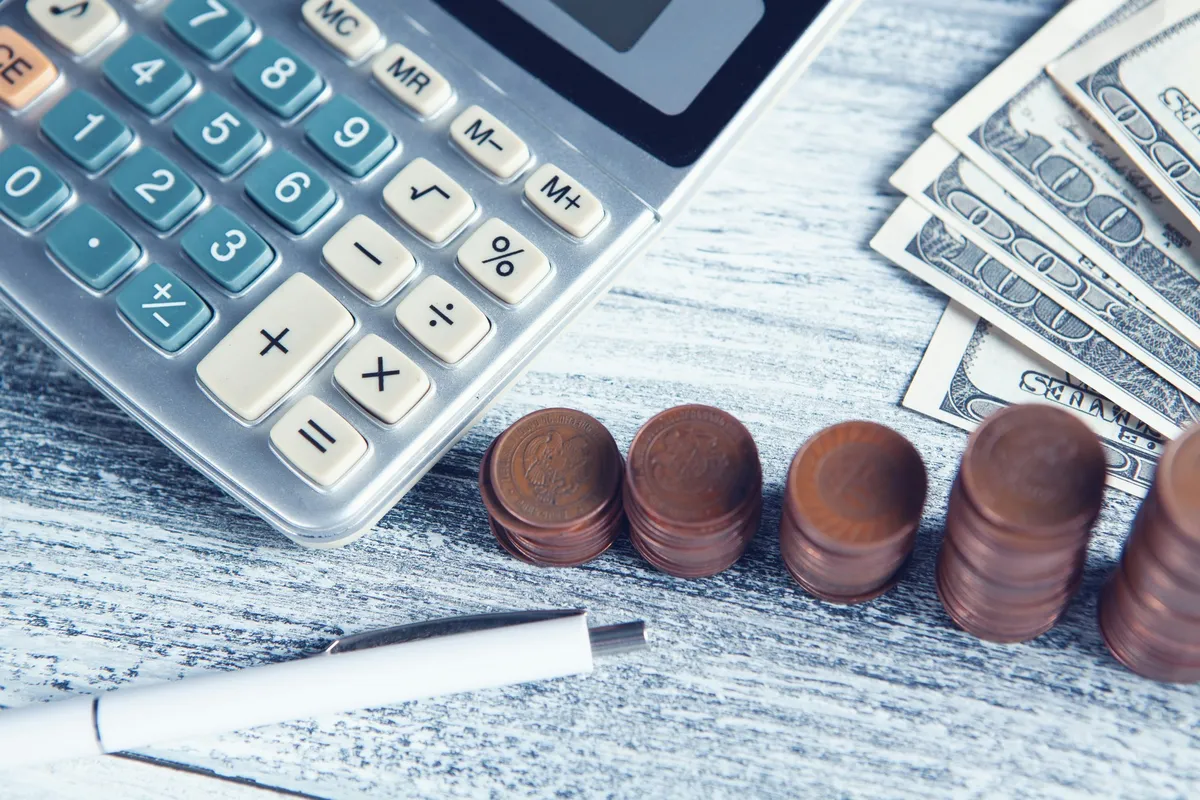
If you want to exchange money, take a piece of paper, something to write with (a pen or pencil), and a calculator. When you approach the window, say or write how much you want to exchange, and let the operator write down the amount you will receive on a piece of paper. Before that, calculate everything yourself using your own calculator. Do not blindly trust the calculations shown to you by the cashier on their device. Now you know how much you will receive, and if the amount suits you, exchange the money. The cashier will count the money in front of you, and now, without leaving the window, count it again. If the amount matches, everything is fine, you can go. And the most important advice — never exchange money with strangers!