Holidays in the Tula Region
An idea for a small, cozy weekend not far : just you, Tula gingerbread, and a complete immersion in Russian culture and history. We tell you everything about holidays in the Tula region: what to see besides samovars, where to go to enjoy nature, and where to stay overnight.
Sights of the Tula Region
Monument to the Tula Gingerbread
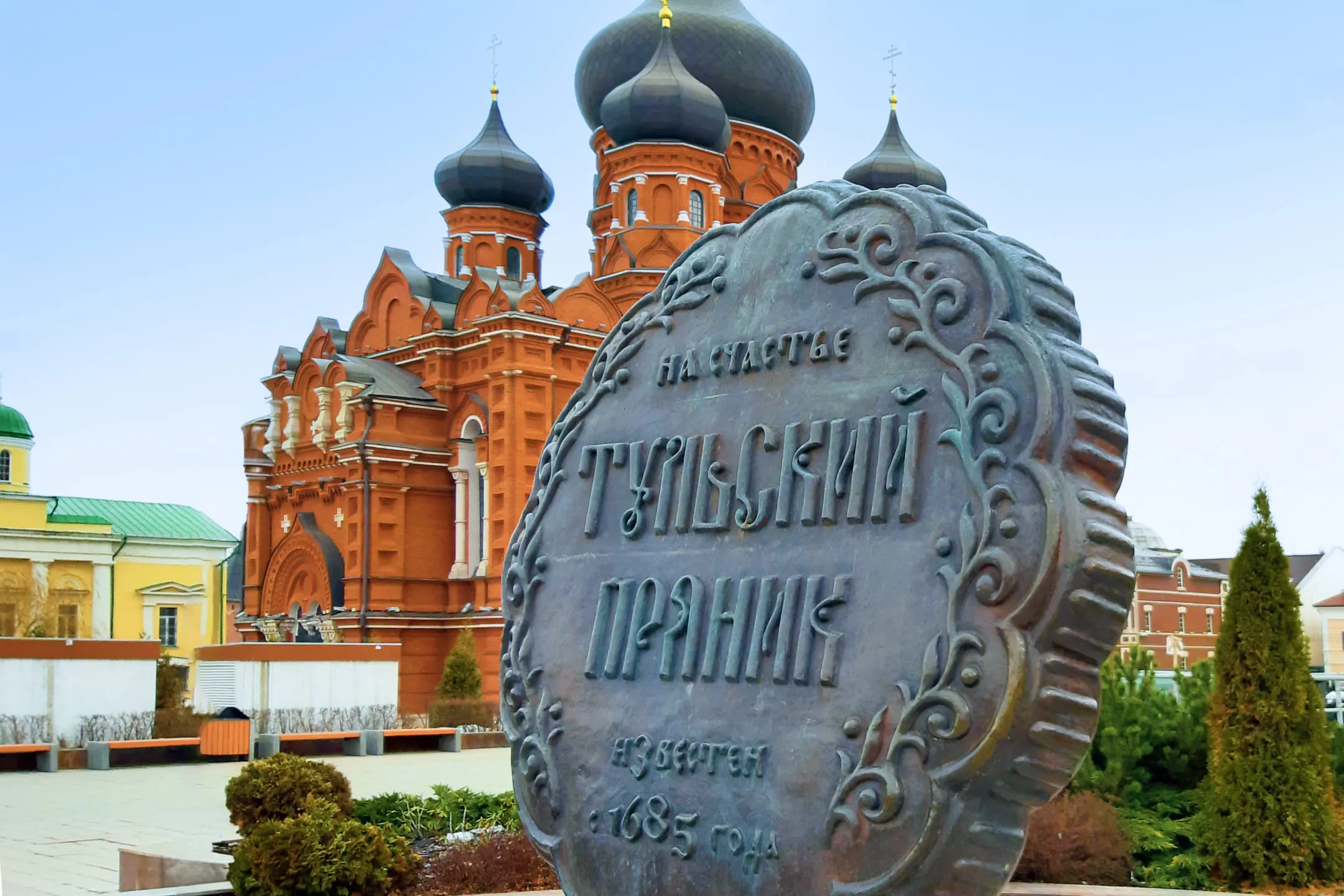
Among the options for what to visit in Tula, there are many places related to Tula gingerbread. For example, in the very center of the city, a monument to the main symbol of the city was installed for original photos: the gingerbread is 2.7 meters in diameter and weighs 1.3 tons. A square is laid out around the bronze monument – in warm weather, you can sit on a bench and eat a treat right there.
Tula Kremlin
You won't find an older structure in the city: the local Kremlin was founded back in 1507. All the main institutions of Tula at that time were located on its territory – from the police and prison to churches. Inside, for example, the Church of Archangel Gabriel and the Assumption Cathedral were built. The courtyards of boyars, nobles, and their children were also located within the Kremlin.
The Tula Kremlin also houses another artifact from the past – 19th-century stone trading stalls where meat and fish were sold. They were built according to the design of provincial architect A. Dubrovsky under the guidance of first-guild merchant I. Vinnikov. Originally there were 48 of them, now only a part remains, and some were demolished back in the 19th century.
Tula Museum of Weapons
And a little more about the Kremlin: while you're there, visit the Museum of Weapons. The exhibits were placed in the Epiphany Cathedral building after reconstruction, and the collection has been gathered since the time of Peter the Great.
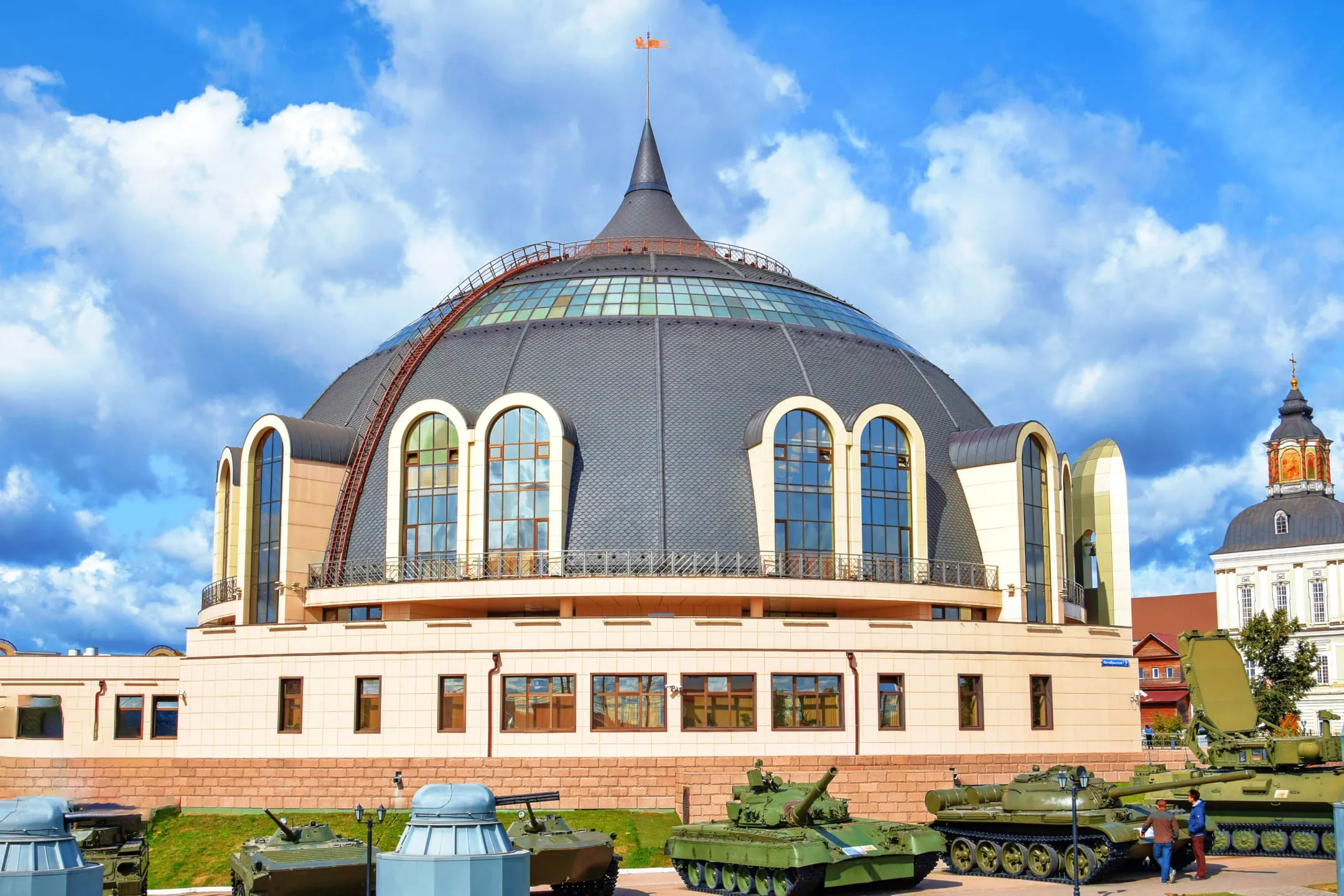
In 2012, a new building of the Museum of Weapons in the shape of a helmet was opened. In addition to samples of medieval weapons and modern technology, there are interactive exhibits, educational events in conference halls, a library, and a cafe.
Pastila Museum in Belyov
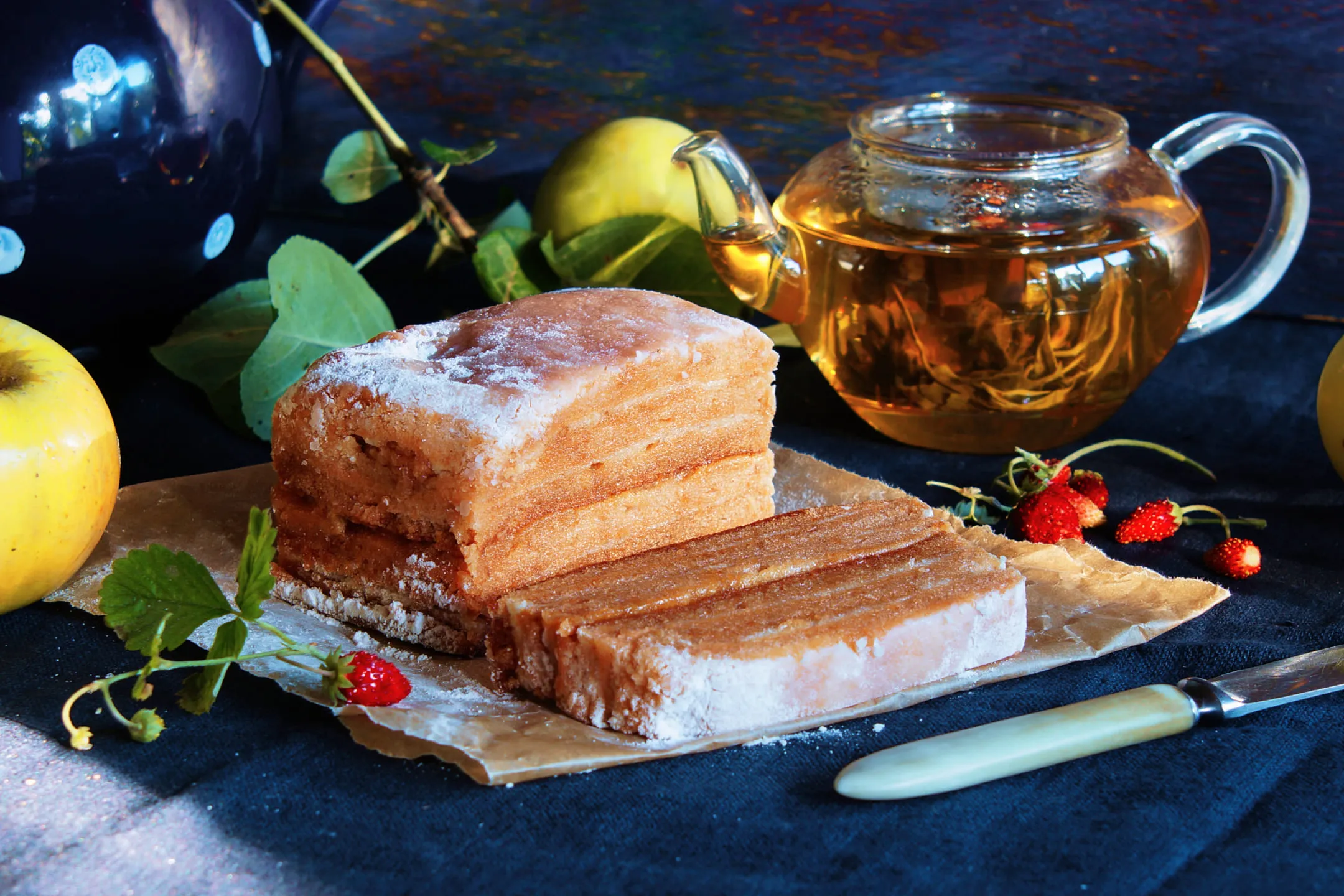
That very pastila is here. The town of Belyov would have remained unknown if not for the merchant Ambrosiy Prokhorov: he came up with the idea of growing apple trees here. Belyov gained fame thanks to the production of pastila from Antonovka apples – so much so that it became known even outside of Russia. At the "Old Traditions" museum, you will be told how pastila is made according to Prokhorov's recipe, treated to local sweets, and invited to participate in master classes on urban crafts.
After the museum in Belyov, you can walk along Karl Marx Street, see the complex of churches on the Oka riverbank, a train-museum, and the Zhabynsky Monastery with a holy spring and a 600-year-old oak tree.
Museum 'Tula Samovars'
You don't go to Tula with your own samovar. And that's because an entire museum with a two-story exhibition is dedicated to this household item here. At 'Tula Samovars,' you will be told and shown how production developed in Tula from the late 18th century to the present day. Memorial complexes of samovar dynasties – Batashevs, Shemarins, and Fomins – are also presented here.
Samovars in the collection come in various sizes and shapes – from huge buffet samovars to small children's ones. There are also unique specimens: the 'Italian Vase,' awarded at an exhibition in St. Petersburg in 1870, and 'Terem' – the only example of this shape. In 2018, the museum opened a new exhibition, divided into halls by themes: the history of samovars in Russia and Tula, their design, outstanding Tula masters, and much more.
Aleksin
Aleksin is a town 60 km northwest of Tula, divided into two parts by the Oka River. Its history began in the 14th century when the town's inhabitants fought against the Golden Horde army on its way to Moscow. Here, it's worth visiting the Local Lore Museum in the Maslov merchants' house – they will tell you more about these and other historical events. Other attractions in the city include the ancient St. Nicholas Church, the Kolosovo-Chertkov estate, and Aleksin Bor by the riverbank.
Bogoroditsk
Another spot near Tula, where to go for a weekend will not be difficult. Bogoroditsk is located 70 km from the regional center and was once also a fortress of the Tula defensive line. In the 18th century, the city's importance sharply increased – a palace was built there for the illegitimate son of Empress Catherine II. Today, this palace has become a museum; the city has a park, a church, and a bell tower. And from Bogoroditsk's renovated embankment, by the way, there's a superb view of the palace.
Venyov
The atmosphere in Venyov is provincial, but that's part of its charm. In its historical center, you'll find the tallest bell tower in the region at St. Nicholas Church, the ruins of the Intercession Church, and restored 18th-century churches.
The city is known for its museums: you can visit the Local Lore Museum or the Museum of Photographic Equipment. In the vicinity of Venyov, a must-visit is the von Meck estate and the holy spring 'Twelve Keys' in the village of Sviridovo.
Efremov
To reach Efremov from Tula, you'll have to drive 146 km south. This city originated as a fortress and later became a center of agriculture and trade.
In the city's architectural heritage, Sverdlov and Karl Marx streets particularly stand out. There are merchant mansions converted into museums: the city's Local Lore Museum is located in the house of merchant Nechaev, and the I. A. Bunin House-Museum is in the house of the writer's brother.
Another feature of the town is an observation deck with a rotunda, offering a breathtaking view of the river.
Beautiful Places
Suvorov Quarries
A location near the town of Suvorov in the Tula region. In the 1930s, refractory clay began to be extracted here, and after the 1980s, when production ceased, the quarries filled with water and turned into small lakes surrounded by forests.
Here is also one of the well-known bodies of water – Lake Shtany (Pants), resembling this item of clothing in shape. In summer, the shore is full of people – if you want to hide away, it's better to do so at the less popular, but no less picturesque, Lake Bam.
Konduki
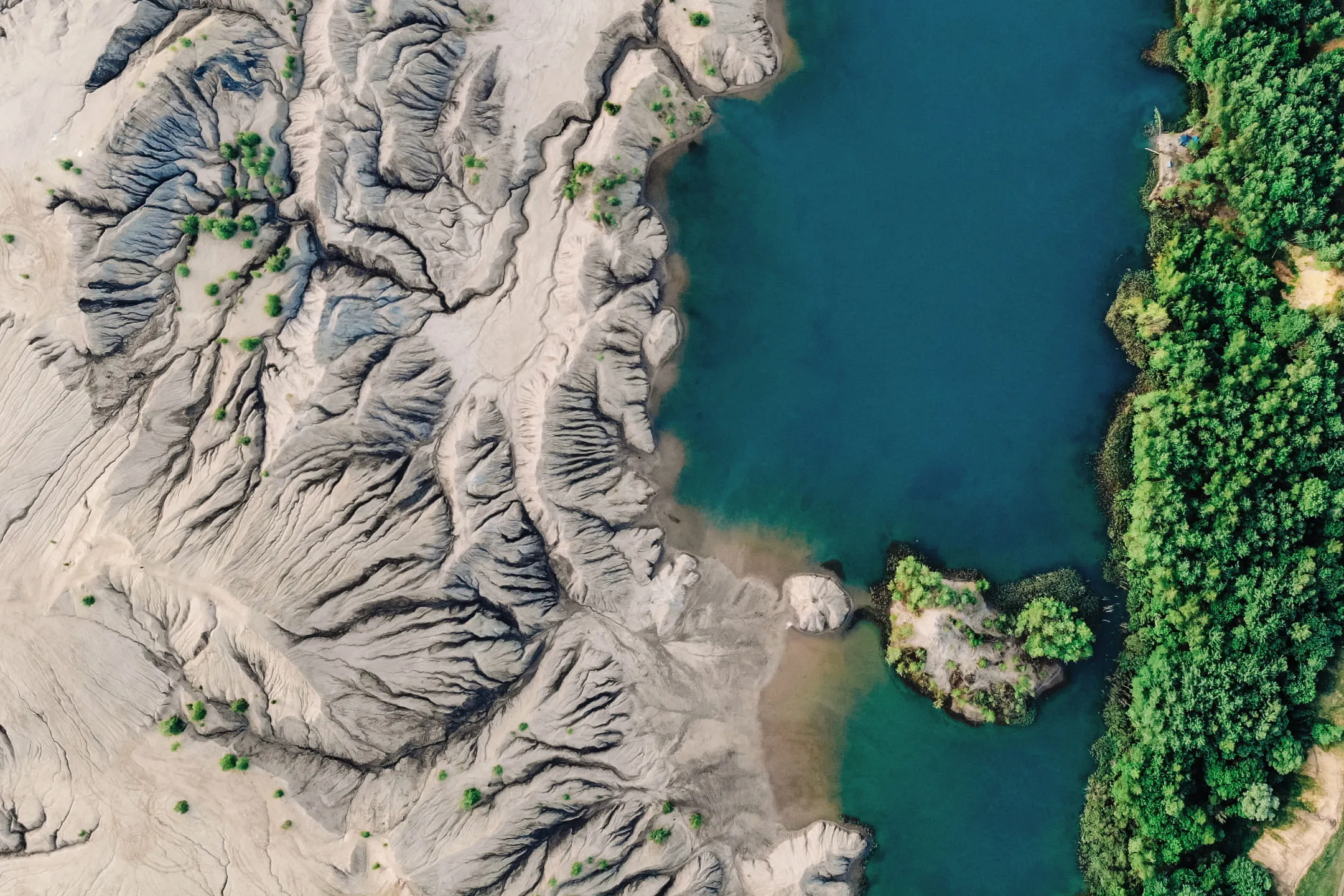
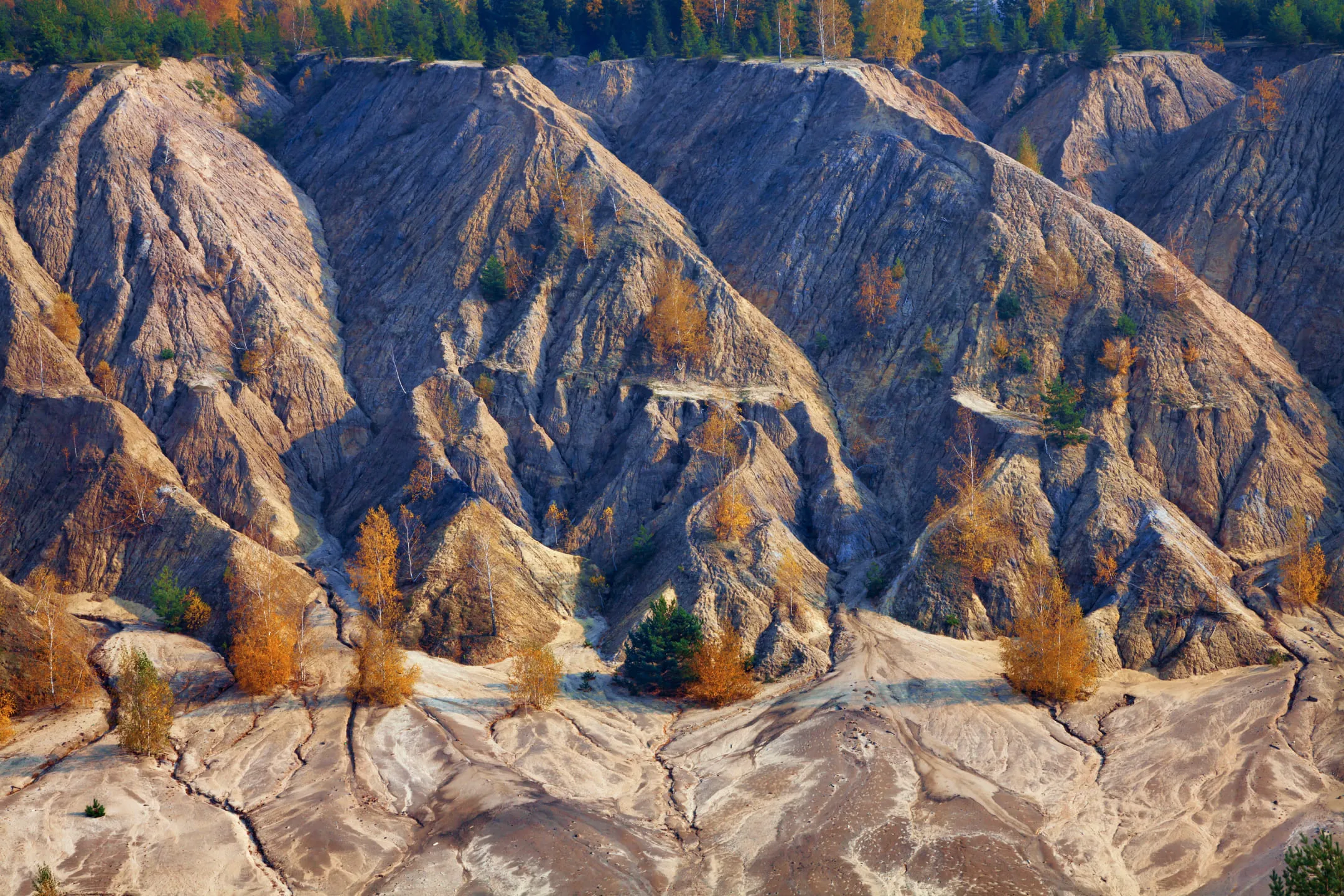
This place also has other names: Romantsevskie Mountains or Ushakovskie Quarries. Brown coal used to be mined here, and now it's just 82 km from Tula – and you're on Mars: head here to admire the forest, clay hills, emerald and turquoise lakes.
The journey to the quarries will be on a dirt road, so it's best to plan your trip for dry weather, and also bring a tent, a fishing rod, and swimming gear.
Tatinki Tract
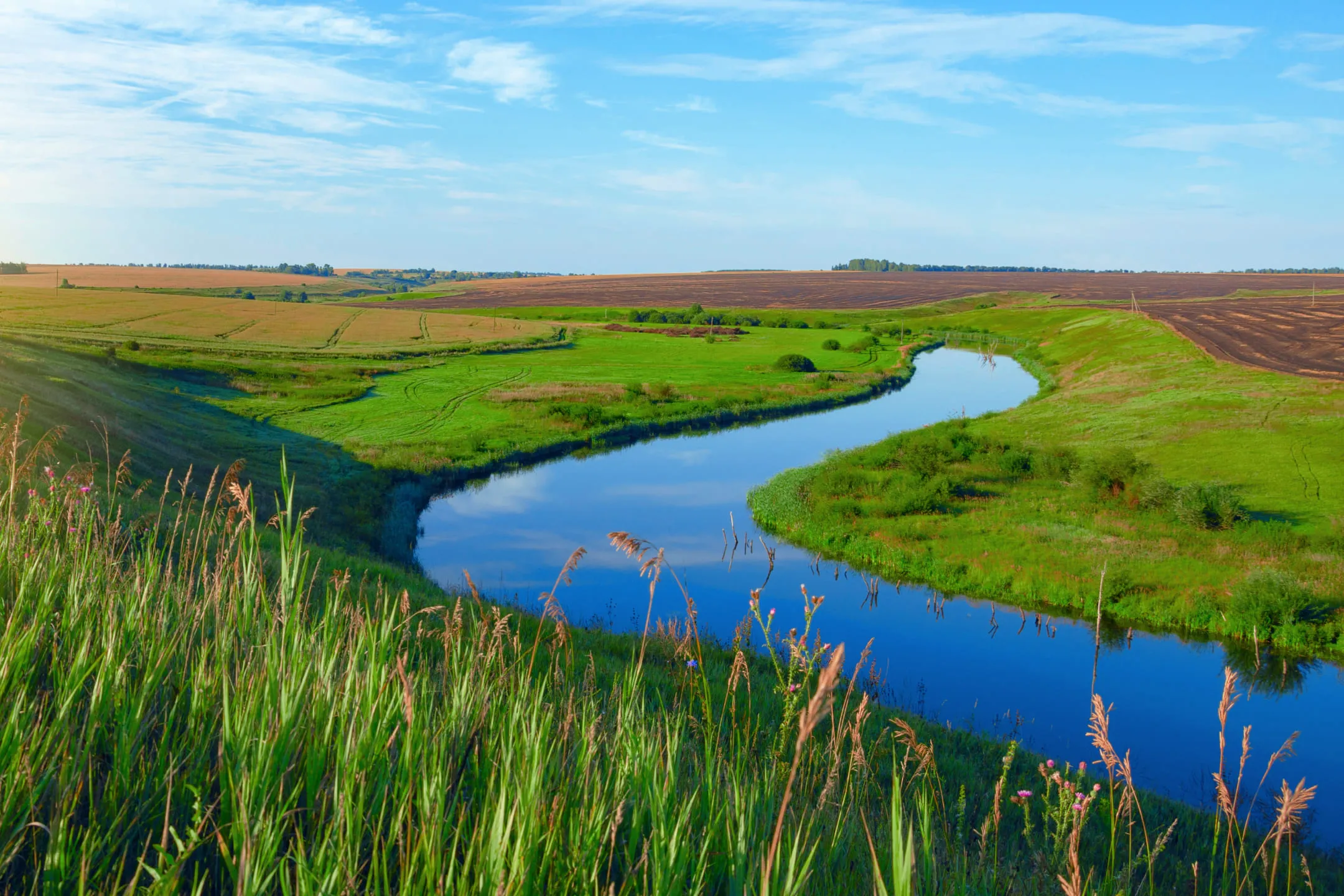
You'll find this protected area, where 27 rare plant species grow, near the village of the same name. Bring your camera! Here, the river murmurs, and ancient oaks are ready to shelter travelers from the sun – the local landscapes look like something from a postcard.
Museums and Estates
Museum-Estate 'Yasnaya Polyana'
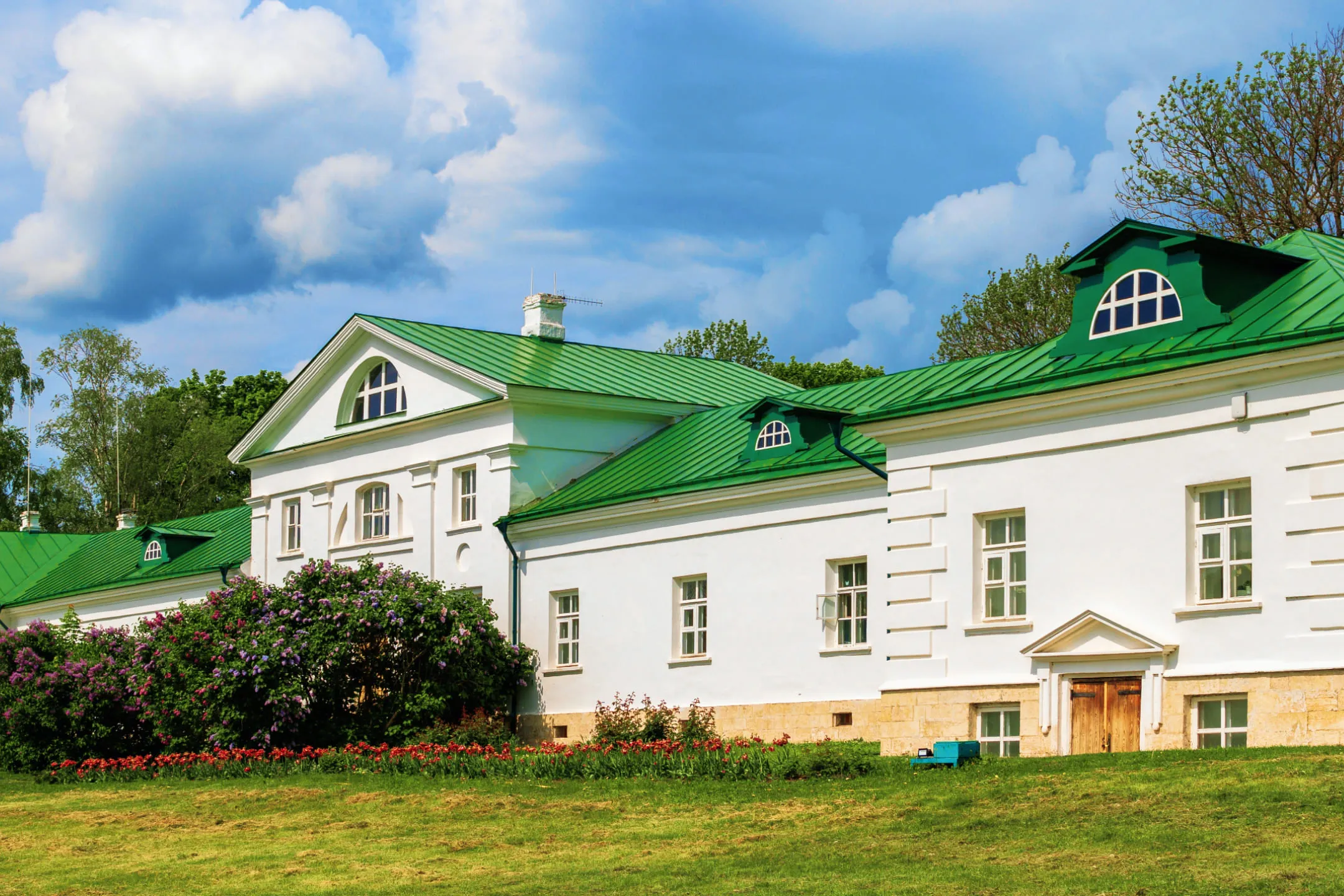
A top idea for where to go in the Tula region for lovers of Russian classics. Just a short drive from Tula, you'll come across the famous Yasnaya Polyana – it was in this estate that L. N. Tolstoy was born and lived, and now for a hundred years, a museum has been welcoming guests on its territory.
Everything here is as it was in those days: the writer's belongings and furnishings have been preserved, gardens bloom and parks are green all around, you can even see a stable with 30 thoroughbred horses. During excursions, you will be told about the history of the estate, its owners, traditions, daily life, and, of course, literature.
Museum-Reserve 'Bezhin Meadow'
The estate of another Russian writer – I. S. Turgenev. Here is a small but cozy museum with exhibitions dedicated to his life, family, work, and hobbies. In the park, you can walk along linden and pine alleys, see an old carriage shed and a paper mill, and in the center of the complex – a stone church from the early 19th century.
Museum-Reserve 'Kulikovo Field'
One of the significant places in Russian history – it was here that Russian princes once defeated Mamai's Tatar-Mongol army.
This is a case where, for the sake of museums, it's worth moving to Moscow, and not the other way around. The complex includes five museums: four of them are at the Field itself, one in Tula. The main exhibition tells the history of the battle according to chronicles, and archaeological finds and armor reconstructions are also presented here. The central exhibit vividly conveys the events – a huge model of the battlefield (be sure to stop and observe the course of the battles).
V. D. Polenov Museum-Estate
Once, Russian artist V. D. Polenov, best known for his 'Moscow Courtyard,' lived here, and now it is another famous museum-reserve in the Tula region near the village of Bekhovo in the Zaoksky district.
The artist bought the estate in 1890 and designed all the buildings himself, inspired by his foreign travels: the Church of the Holy Trinity, for example, perfectly combines Romanesque and Old Russian styles. Exhibitions in the park with the manor house will tell about the life of V. D. Polenov and his family – his descendants, by the way, still help maintain the original appearance of the buildings.
Recreation Centers
Recreation Center 'Okatour'
A super location for family outings with children and a break from the city bustle in the forest on the Vashana River bank. Here you'll find a bath complex, a summer cafe, children's playgrounds, and three meals a day like in a sanatorium. Boats and catamarans are available for rent, you can play volleyball or even go diving.
Park Hotel 'Premiere'
'Premiere' is a place to slow down and remember that little is needed for happiness. This hotel is hidden in a pine forest, so peace and solitude are guaranteed. The complex features a Finnish sauna and a Russian banya, gazebos, and a swimming pool. And if you want sports activities, rent skis or a bicycle.
'Imperia Kochaki'
A private country club in the village of Kochaki, suitable for both active and leisurely recreation. Here you can rent fishing gear, rent a banquet area, relax in the sauna, or just chill in a cabin.
There are only four houses, by the way, so the base is uncrowded and cozy. A great idea for where to relax in the Tula region if you need solitude.
Complex 'Captain Club'
Suitable for those who appreciate resorts with amenities and high-level service. Here you can choose between apartments and luxurious cottages, and there's plenty to do: a swimming pool, gym, sauna, fishing, sports grounds. For children, the resort has a separate pool, a mini-zoo, and master classes, and for older guests, the Polenov and Bolotov museums are very close by, where you can go for an excursion.
Estate 'Alexandrovo'
A place where traditional Russian style has befriended modern amenities. On the territory, there's even a well, a mill, and a hut on chicken legs, while each of the 16 cottages has its own barbecue area. Besides the fairy-tale atmosphere, there are also various entertainments: horseback riding, a gym, a sports ground, and just an hour and a half drive away are the 'Kulikovo Field' reserve and the Blue Lakes.
Where else to stay
There are many cool places in the Tula region, and trying to fit them all into one day is not a great idea. Therefore, if possible, it's better to stay overnight and explore the sights carefully and leisurely. You can stay in hotels, sanatoriums, campsites, or rent an apartment in Tula and drive everywhere from there if you have a car.
The best choice of accommodation, of course, is in the regional center. Countryside options are also available nearby: for example, the 'Velesov Les' base with a pond or the forest-surrounded park-hotel 'Citadel'. If you're going to Kulikovo Field or Konduki, it's appropriate to stay in a guesthouse in the former estate of the Sobolevs' burghers. Another option is to have a pleasant time on the coast at 'Priokskie Zori' or 'Zastava u Oki'.
Now you have a whole list of places where you can relax in the Tula region. All that's left is to choose a weekend, get tickets on Kupi.com – and go!