Macau – the Eastern Las Vegas: how to get there and why visit
Macau is not just an Eastern clone of Nevada. It’s a unique place where Portuguese azulejo tiles meet Chinese red lanterns, and Michelin-starred restaurants coexist with tiny shops that have been serving the same dish for decades. If you’re looking for a destination that will change your perception of Asia, Macau is the perfect candidate.
To ensure a smooth journey, it’s worth buying tickets to Macau in advance, with a layover in one of China’s major aviation hubs, or considering tickets to Macau, choosing a flight via Beijing or Guangzhou.
How to get to Macau
The transportation logistics to Macau are meticulously organized. You have three main scenarios:
-
Via Mainland China (Transit).The most comfortable way. You fly to Beijing, Shanghai, Guangzhou, or Chengdu, and then transfer to a domestic flight to Macau Airport (MFM). In this case, you cross the border once and immediately find yourself in the thick of things.
-
Via Hong Kong (Ferry or Bridge). A huge number of flights arrive in neighboring Hong Kong. From Chek Lap Kok Airport, you don’t even need to go through Hong Kong immigration control: you simply transfer to a high-speed ferry TurboJet or Cotai Water Jet, which will take you to Macau port in an hour. The second option is a bus across the Hong Kong — Zhuhai — Macau Bridge. This 55 km engineering marvel is a sight in itself.
-
On foot from Zhuhai. If you are already traveling in China, you can take a high-speed train to Zhuhai city and simply cross the border via the Gongbei border crossing. You literally enter a building in one country and exit in another.
Why you should fly to Macau
Historic Centre under UNESCO Protection
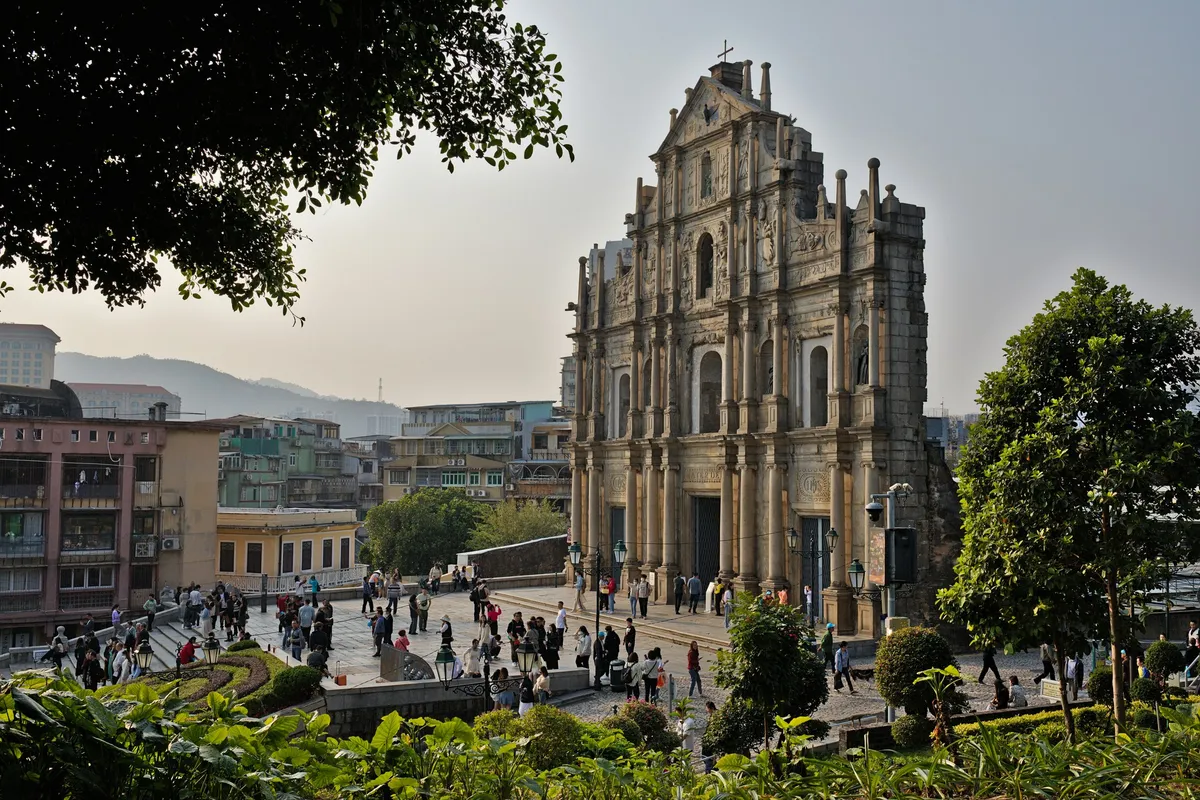
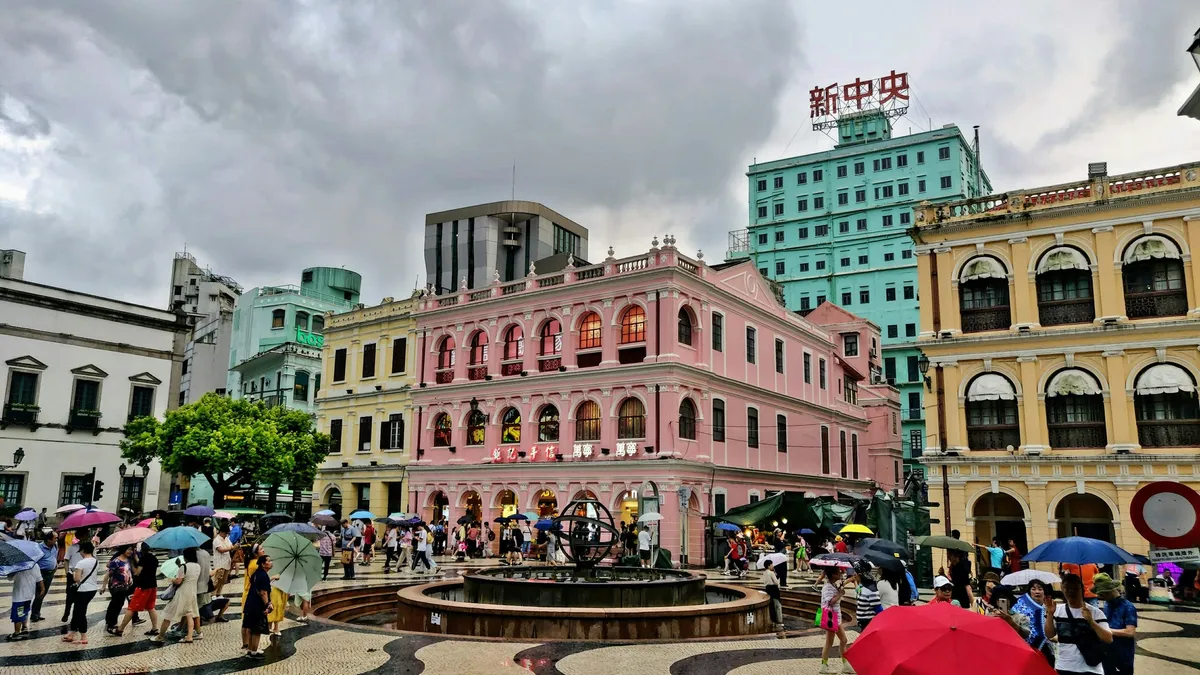
Macau’s Old Town is a living museum. The walk begins at Senado Square, paved with wavy mosaic. Here, it’s easy to forget you’re in Asia: neoclassical pastel-colored buildings stand all around. The main symbol is the Ruins of St. Paul’s. Only the carved facade remains of the magnificent 17th-century temple, resembling a theatrical set. Climb up to Monte Fort to see the city from above and examine the old cannons that once defended the colony from Dutch pirates.
Cotai District: City of the Future
If the old center is the soul of Macau, then Cotai is its untamed energy. This is reclaimed land between Taipa and Coloane islands, home to some of the world’s most incredible hotels.
-
At The Venetian, you can ride a gondola under an artificial sky that always remains blue.
-
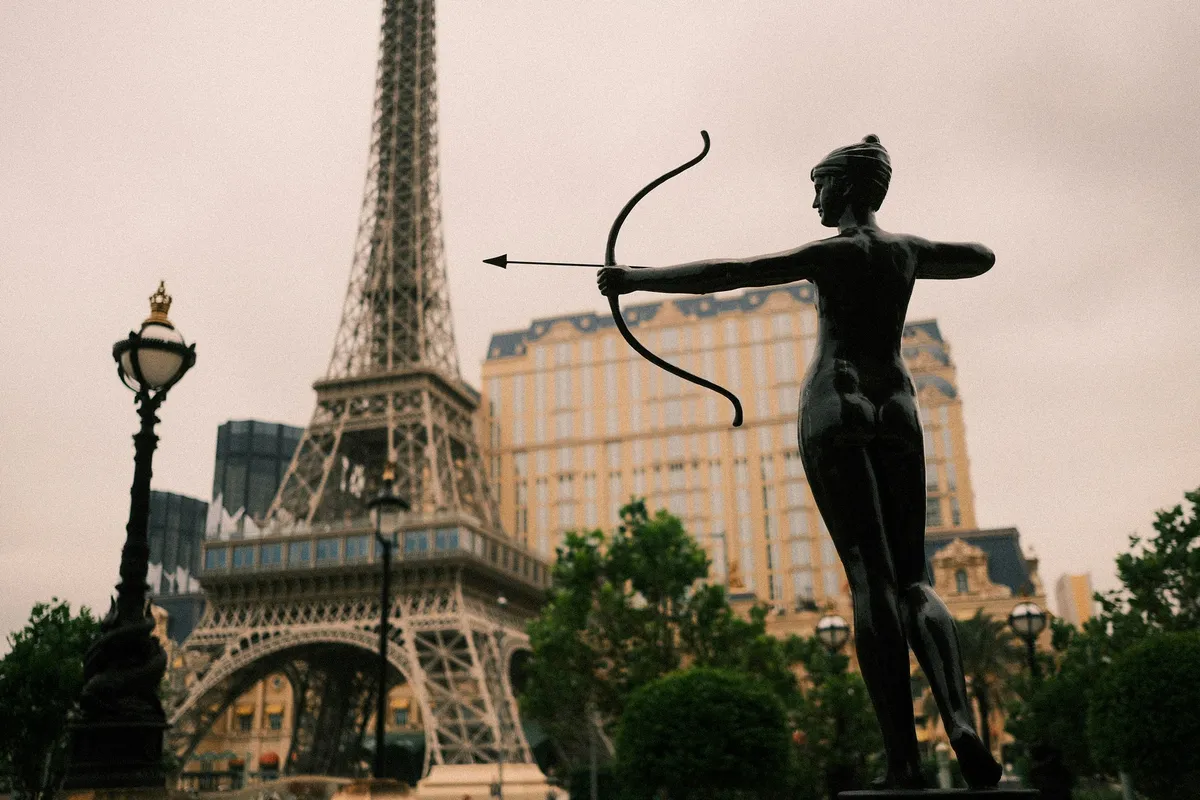
At The Parisian, there’s a replica of the Eiffel Tower (half the original size), with an observation deck at its summit.
-
The Morpheus hotel, designed by Zaha Hadid, impresses with its futuristic architecture, devoid of a single straight line.
Gastronomy: From Street Food to Michelin
Macau is the first city in Asia to be designated a UNESCO Creative City of Gastronomy. Here, you absolutely must try Macanese cuisine. It’s a blend of Portuguese traditions and Chinese ingredients. Order “Portuguese chicken” (baked in a coconut curry sauce) or African chicken with spicy piri-piri sauce. For dessert — the legendary egg tarts at Lord Stow’s Bakery on Coloane Island. Warm custard and crispy pastry — a flavor that keeps many coming back again and again.
Spectacles and Adrenaline
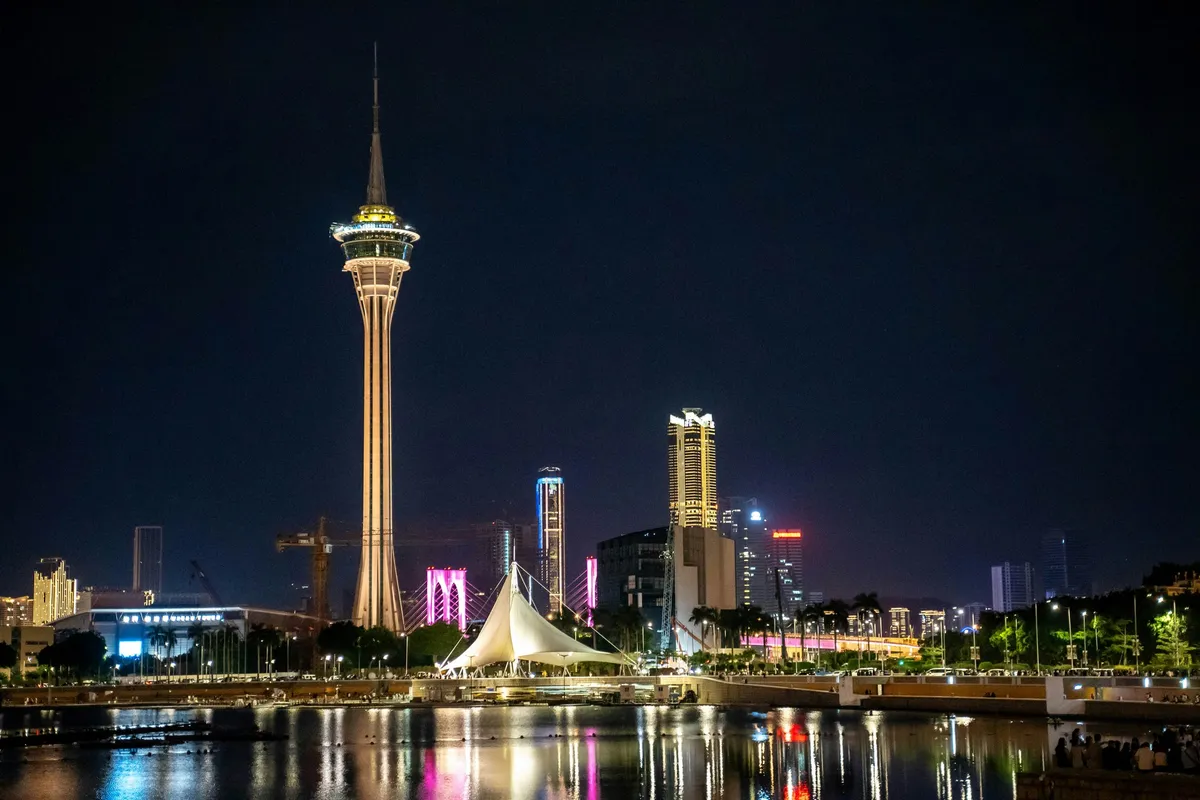
Macau offers entertainment for every taste. Thrill-seekers should head to Macau Tower. The bungee jump from a height of 233 meters is listed in the Guinness Book of Records as the highest commercial jump in the world. If you prefer a more relaxed vacation, head to the Giant Panda Pavilion on Coloane Island, where these charming bamboo bears live in spacious enclosures. And in the evening, be sure to watch the fountain show at the Wynn Palace hotel — it’s best done from the cabin of the free cable car that circles above the lake.
Coloane Island: The Macau That Froze in Time
If you get tired of the noise of the casinos and the glitter of the skyscrapers, head to the far south — to Coloane Island. It’s the antithesis of the city center. Here you’ll find pastel-pink and yellow houses, cobbled promenades, and a complete absence of fuss.
Coloane Village: This is home to that very Lord Stow’s bakery where the famous Macanese tarts were born. Be sure to buy some hot tarts and eat them right on a bench by the Chapel of St. Francis Xavier.
Beaches: Macau has real beaches, for example, Hac Sa with its unusual black sand. It’s a great place for an evening stroll to the sound of the surf.
Temple Architecture and Legends
Macau was named after the goddess A-Ma (patroness of sailors). The A-Ma Temple, built back in 1488, is a whole complex of pavilions carved right into the rock. There’s always thick smoke here from the huge spiral incense coils that can burn for weeks. It’s a place of power where you can feel the true spirit of ancient China without traveling far from the modern hotels.
Grand Prix Museum: A Paradise for Car Enthusiasts
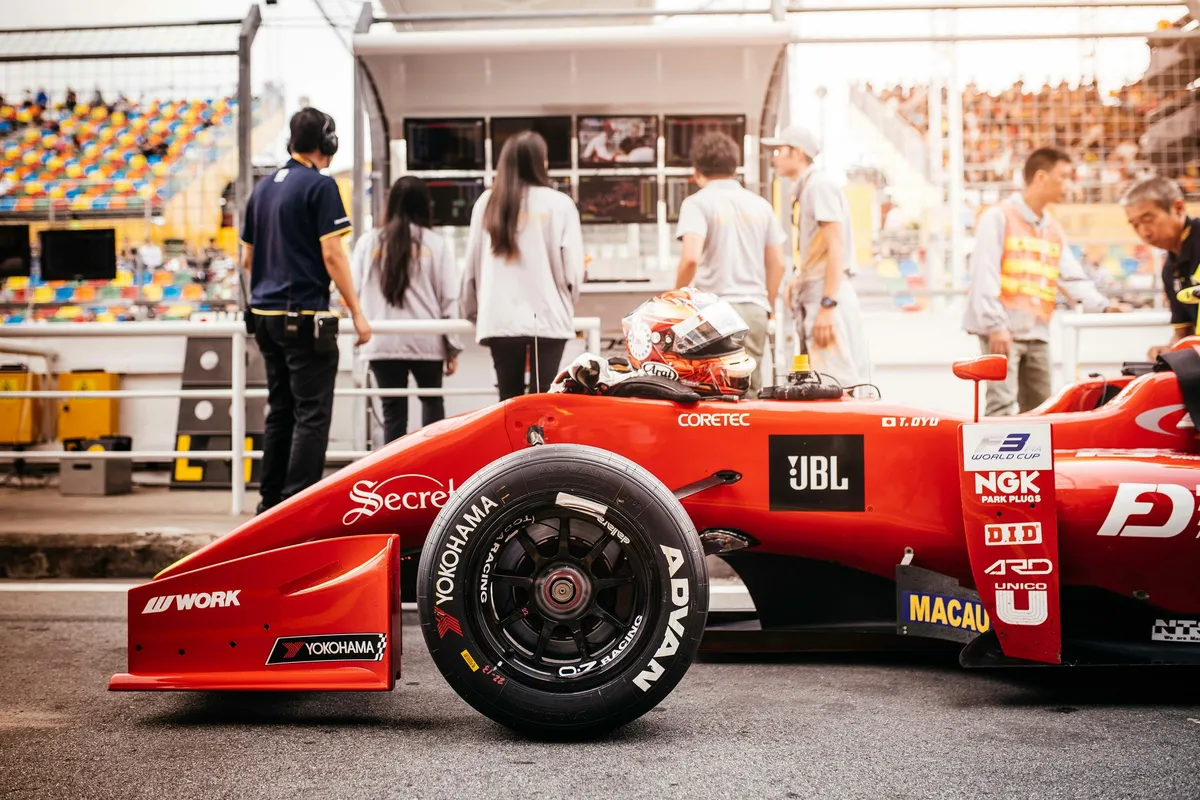
Macau is one of the few places in the world where Formula 3 races take place right on the city streets (the legendary Guia Circuit). If you don’t make it to the races themselves in November, be sure to visit the Grand Prix Museum. After a recent renovation, it has become interactive: there you can not only see the cars of Ayrton Senna and Michael Schumacher but also try yourself as a driver on professional simulators.
Evening Shows and Free Attractions
Macau is a city that works for visual effect. Many of the attractions here are absolutely free and designed to lure you into the resort hotels:
The “Tree of Prosperity” show at Wynn Macau: A golden tree rises from the floor, and the ceiling turns into a screen of constellations.
The cable car at Wynn Palace: Cabins shaped like golden dragons fly over the "Performance Lake" with its dancing fountains. It’s free for hotel guests, but it’s also an affordable pleasure for ordinary tourists.
The Diamond Show at Galaxy Macau: In the huge lobby, to music and laser lights, a giant crystal weighing several tons “grows” out of a fountain.
Tax-Free Shopping
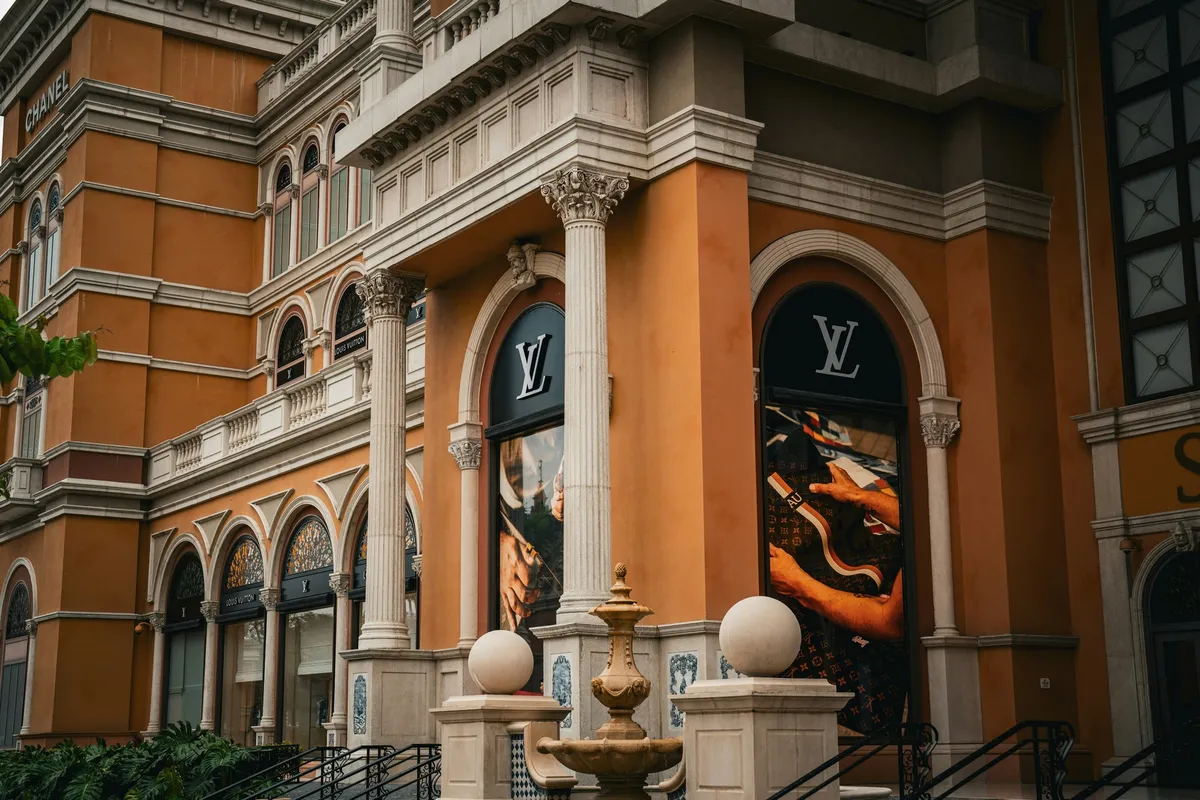
Macau is a free trade zone, so shopping here is often more profitable than in neighboring Hong Kong or mainland China. All the world’s brands are represented here: from the mass market around Senado Square to heavy luxury in the galleries of The Shoppes at Four Seasons. The selection of electronics and cosmetics is huge, and the absence of VAT makes purchases especially pleasant.
How to Build the Perfect Itinerary?
To really feel Macau, you need at least three days:
Day one: dedicate it to history. The Ruins of St. Paul’s, Monte Fort, lunch at a Portuguese restaurant, and an evening at Macau Tower.
Day two: cut loose on the Cotai Strip. Ride a gondola at The Venetian, look at the Eiffel Tower, and drop by the futuristic Morpheus.
Day three: recharge on Coloane. Feed the pandas, buy souvenirs in the old village, and try the best street food on Rua do Cunha in Taipa.
Macau is a place where East doesn’t just meet West but has lived with it in a happy marriage for several centuries.