Not an interview, but solid advice for beginner travelers…
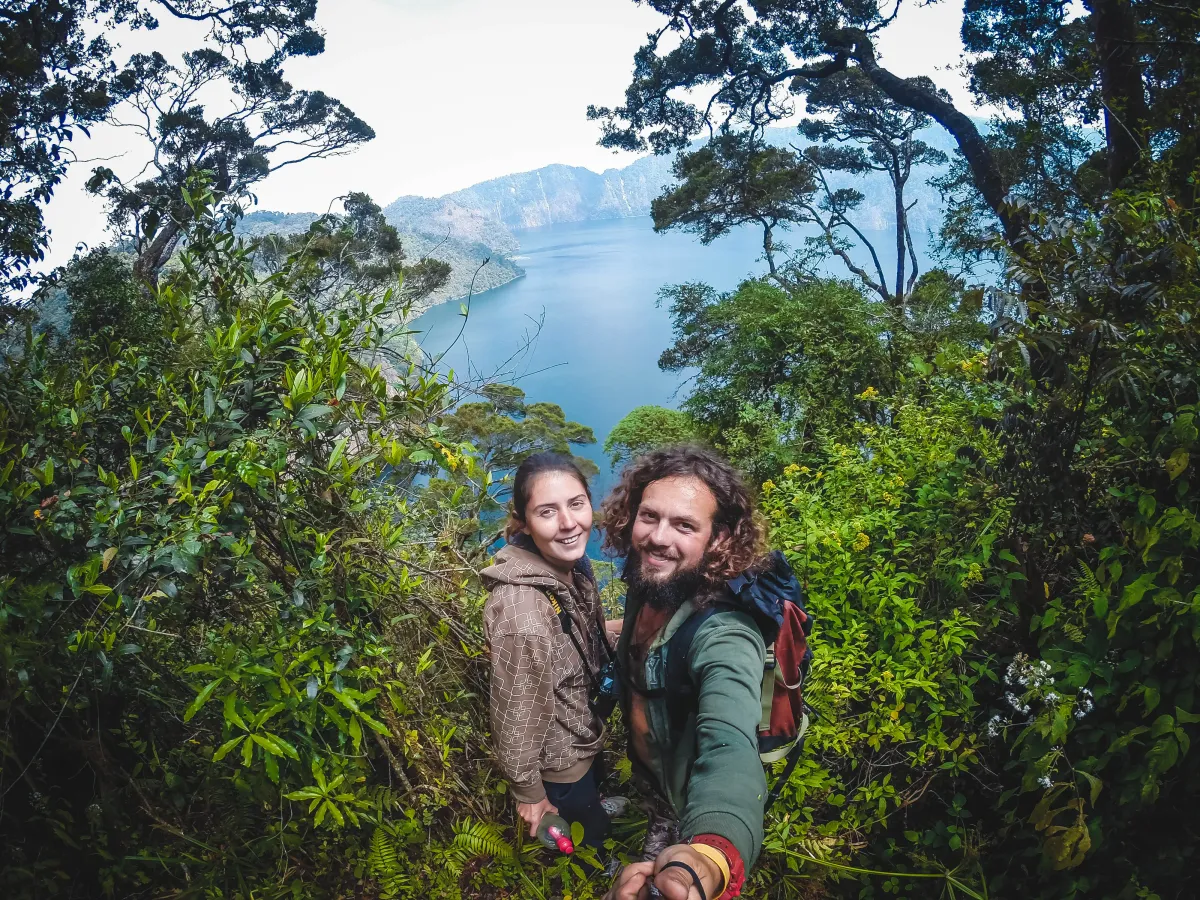
Actually, the conversation with the authors of the #hellofriend blog was conceived this way: less lyricism, more practice. The guys have been on a round-the-world trip for a year, have traveled Africa far and wide, and intend to conquer America, which we will definitely tell you about next time. In the meantime, we suggest you read a travel guide from Olesya and Vitaly. #hellofriend on Instagram #hellofriend channel on YouTube #hellofriend on Facebook
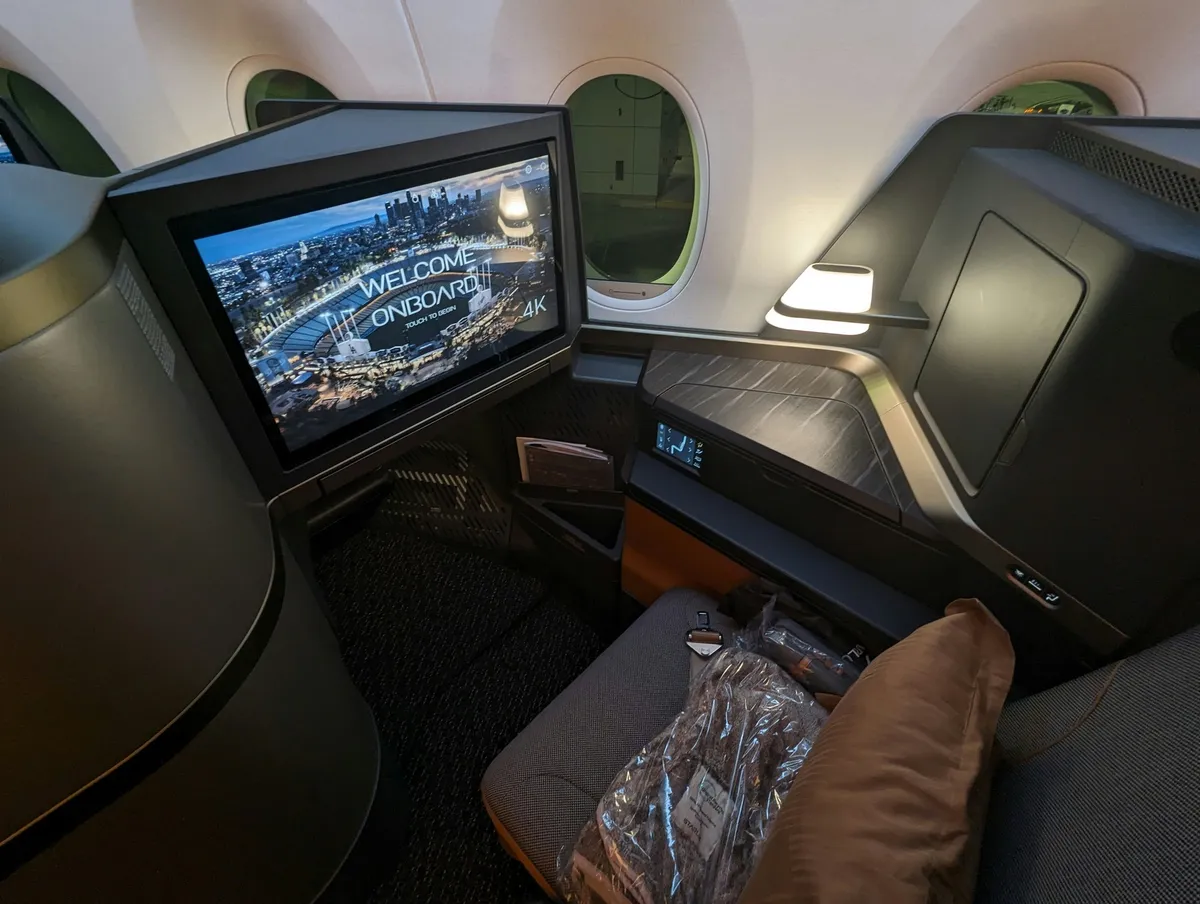
How to save on flights? We’ve discovered a few nuances regarding flights:
Firstly, low-cost airlines, with which you can fly cheaper than having lunch in a restaurant. The main thing here is to book in advance and not take a lot of luggage.
Secondly, major hubs. When choosing a ticket, pay attention to the layover location. It often happens that if you buy a ticket on Kupi.com directly from there, it’s cheaper. And you can even hitchhike to the hub (if possible), for example.
Thirdly, don’t be lazy to combine flights. Sometimes we found that two different flights were cheaper than a connecting one. This option is especially good if you have time or the layover location is rich in attractions.
Fourthly, don’t forget about sales, seasonality, and simply early booking. In Europe, we were personally convinced that people usually plan their vacations in advance there, and therefore fly very cheaply.
Fifthly, this point is quite risky and we haven’t tested it ourselves, but our friends have repeatedly scored extremely cheap tickets for charters to Sharm El Sheikh immediately after check-in closed.
How to pack a backpack so that there’s nothing superfluous, but everything essential fits? We believe that packing a backpack can be approached in any way — name at least three uses for each item, pack in advance and walk a few blocks around the house with it on your shoulders, etc. But the reality is that the true value of all things can only be learned during the trip itself. And here it’s better not to regret and get rid of the unnecessary, because you won’t get far. Most importantly, remember: no matter how true it seems to you, on a trip you are unlikely to use your numerous outfits, cosmetics, books, hobbies like knitting or drawing, ten pairs of shoes, etc. In our backpacks are: sleeping bags, a tent, a burner, a gas cylinder, a small pot, mugs and spoons, two T-shirts each, warm sweaters-pants, underwear, waterproof boots, windbreakers and open sandals, a small first-aid kit, a small cosmetic bag, a small pouch with chargers, a camera, a laptop, a video camera, a repair kit. And this is a set for a round-the-world trip through countries with different climates! For a short trip, it’s not at all necessary to take a first-aid kit — you can buy any medicine everywhere. Bottles of shampoo and cream can be poured into small containers, a book can be downloaded electronically, and only one gadget can be chosen.
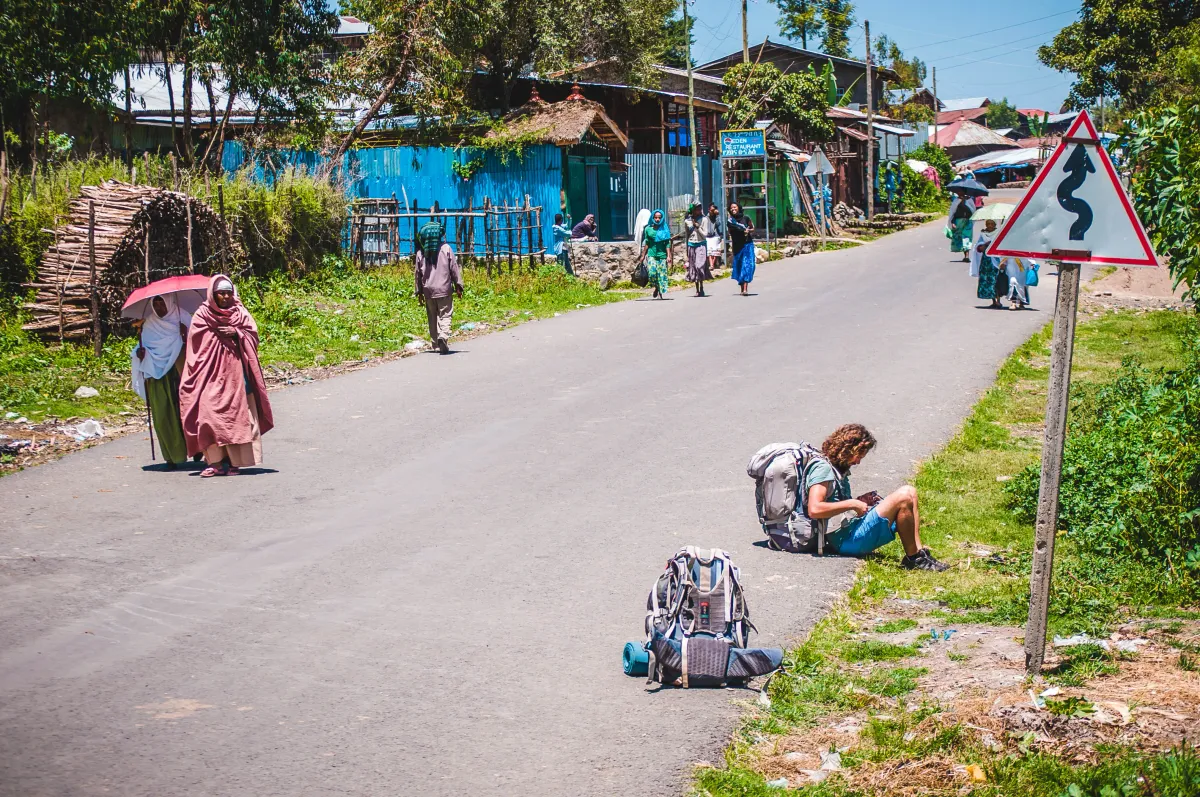
How to plan a route? You can plan a route in advance in only one way — through the internet, by asking questions to those who have already been to the planned places, checking information on various forums and travel websites. It is important to pay attention to the visa regimes of the planned countries, the presence of border crossing points, permitted methods of crossing them, their operating hours, the popularity of roads, and in case of sea crossing — the availability of a regular ferry. Don’t hope that someone will kindly pick you up at the port. The route within the country is built based on the places you want to visit, the distances between them, the amount of traffic on the roads, the time you have available, and the opinions of locals. The latter can only be found out upon arrival, but we advise listening to them more than to maps and guidebooks; they usually know better. We always try to build a route so as not to travel the same road twice — it’s more interesting that way.
How to plan a budget and not end up with an empty wallet halfway through the journey? There are two ways to approach budget planning. Calculate. Simply calculate how much your trip will cost by adding up the price of accommodation, transport, dinners and lunches, tips, souvenirs, and excursions, after finding out approximate prices online — fortunately, there are many reviews in various travel blogs now. Calculate and take 15–20% more. Stay within limits. We use this rule in any country, be it in Europe, Africa, or the CIS—it doesn’t matter. We know that we can afford to spend no more than $5 per day for two. You cannot exceed these limits. If you spent less today, the difference goes into an emergency fund; if more, then tomorrow you’ll have to cut back. This is how, even with a ridiculously minimal budget, we manage to save money and afford interesting excursions and places, even though it seems impossible.
How not to miss your flight? We have extensive experience with being late and arriving at the airport just in time. One time it happened because we somehow got confused about the time zones. Another time, it was because we underestimated traffic and the distance to the airport. Another memorable case was during a flight to Malta with a layover in Vienna — our friends managed to get exit stamps from the airport while remaining in the transit zone. Naturally, they were not allowed to board, and the plane almost left, but then they were pitied and let through. One of our friends was late, confusing airports, another — by not removing an aerosol from his luggage. Since he arrived just in time, by the time he argued with customs, the plane had already departed. Perhaps, it’s simply worth using your head and always leaving time for unforeseen situations — fate loves to play with those who are late for the airport;)

What to do at the airport during a layover? We are lucky during layovers to stumble upon various presentations at Duty Free, and we usually manage to try elite cheese or alcohol, absolutely not regretting the time spent;) A laptop with many e-books, a pre-downloaded guidebook for the destination country, or a language self-study guide for that country helps us pass the waiting time. We also have a guitar, and it brightens our wait in all cases; the main thing is not to disturb others, but so far, it seems, there have been no problems. Airport buildings often also have entertainment spots with movies or books, but these usually cost money.
How to earn money while traveling? There are many ways to earn money while traveling, but it all depends on what you want from the trip itself. We know many people who earn money through online freelancing — copywriting, website administration, etc. But for this, they need constant stable internet and preferably a long stay in the same place. We have friends who lived in Thailand for six months, but they worked so much that they saw almost nothing. And when they traveled non-stop in the last month, they saw more than in six months. Here, you choose. Besides the internet, there are many other job options, from a waiter at McDonald’s to a photographer. In China, for example, you can also work as a model, and in Egypt, as a tour guide.
Which country to start with? Of course, reasonable people would advise starting your travels with countries that have a similar mentality, language, and climate. If it’s a long journey, it’s better to start with countries where visas are required and need to be obtained in advance. We, however, will tell you — start with the country of your dreams. Nothing is as exhausting as waiting — that’s how the human brain is wired; it’s hard for us to be in the present moment. If you’ve dreamed of visiting Argentina your whole life, but went to Armenia first as a warm-up — you’ll like Armenia, but the thought of Argentina will be an invisible beacon distracting you, and there’s a risk of missing something very important. And there’s nothing wrong with going to a completely unfamiliar country — good people are everywhere, and your experience will not affect the mentality or climate of an exotic country. No matter how experienced we are, for us, every new country is like the first time.
How not to harm yourself while traveling? When traveling, it’s worth remembering that medical assistance (even with insurance) will differ significantly. A language barrier or low qualifications of specialists can play a cruel trick on you, and transportation home in case of serious injuries can cost astronomical money. This doesn’t mean you should be afraid of any entertainment while traveling, but you should be careful. For example, if you decide to go diving, we would not advise you to agree to the services of the first Arab who approaches you on the street in Egypt; it’s better to contact an agency that has a real office and can provide a contract. The same applies to renting a car or a motorbike — check the contract — we know one very cheerful person who rented a car, and it was stolen. Of course, no insurance was included there, so he had to pay the full amount for the car himself. And it’s better not to experiment with motorbikes if you haven’t ridden them before. There are plenty of colorful photos of scraped knees in India and Thailand, and it hasn’t benefited anyone yet.
How not to become a victim of a scammer while traveling? Our rules are — stick closer to locals, never hand over your passport to anyone, clarify the visa price in advance (if issued on arrival), never pay before receiving services, and check the quality of purchased goods on the spot. This is, of course, “thanks, Captain Obvious!”, but it works;)
How to blend in as a local? In Africa, blending in as a local can be challenging, but at least it helps to:
put your camera and video camera in a small backpack
don’t hang newly bought souvenir hats, trinkets, scarves, etc., on yourself
learn basic phrases in the local language, including numbers
try to find cafes, supermarkets, etc., in non-touristy neighborhoods
don’t blindly agree to the offered price for a product or service; it’s advisable to observe if locals bargain, how much they pay on the bus or at the market
How to save money while traveling? Our recipe for saving is very simple — we hitchhike, which means we don’t spend money on transport. In our opinion, hitchhiking is a pleasant and useful activity: you save money, learn more about the country’s daily life and culture, and get reliable information about interesting places, prices, and features. The second point of our saving recipe has the same property — couchsurfing.org. By saving money on accommodation, you can meet very interesting people who might also have interesting friends. For example, in Namibia, we managed to get to a farm for free and see lions because the farm owner turned out to be an acquaintance of our host. The third component of our recipe is that we cook for ourselves. We have a small burner, a gas cylinder, and small pots. We usually buy groceries at the supermarket for the next three to four days and cook. For the price of one dinner at a tourist cafe, we get three days of full meals. If you arrive in a country by plane, early booking of a taxi or bus tickets to the city also helps save money. For example, in London, if you book a bus seat a month or two in advance, the ticket will cost £2, whereas buying it on the spot will be 12–14.