Moldova

Cities in the country

About

Moldova is a small but incredibly hospitable country in Southeast Europe, nestled between Romania and Ukraine. It attracts travelers with its picturesque hilly landscapes, rich history, and, of course, centuries-old winemaking traditions. Moldova offers a unique combination of a calm, relaxed vacation and the opportunity to experience a distinctive culture where ancient customs harmonize with modernity.

The heart of the country is its capital, Chișinău, a green and lively city with wide boulevards, numerous parks, and interesting architecture. Here you can stroll through the historical center, visit museums, and enjoy the atmosphere of hospitality. Moldova is famous for its cultural heritage, reflected in monasteries carved into rocks, ancient fortresses, and folk traditions passed down through generations.
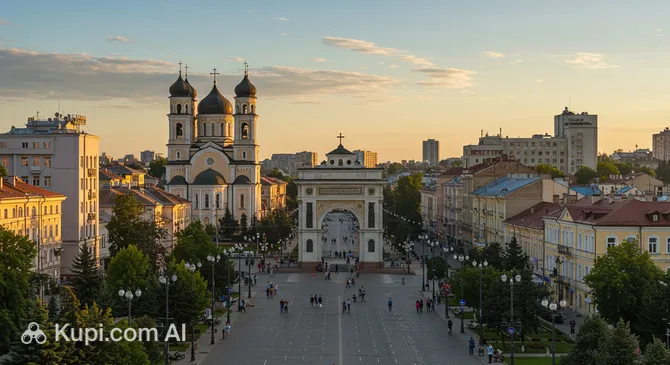
Illustration.
Source: Kupi.com AI

Beyond the capital, Moldova is proud of its wine regions. A trip here would be incomplete without visiting the famous wine cellars, such as Cricova, which houses unique wine collections. History and nature lovers will appreciate Orhei, home to the renowned historical and archaeological complex of Old Orhei with its ancient monasteries and breathtaking views. The mild climate and fertile lands make Moldova an excellent destination for agrotourism and exploring local cuisine, known for its simplicity and rich flavors.

Currency

The national currency of Moldova is the Moldovan leu (international code: MDL). Banknotes are decorated with images of prominent historical figures; for example, a portrait of Prince Stephen the Great (Ștefan cel Mare) can be seen on bills of various denominations. Coins are also in circulation. You can exchange currency at banks or official exchange offices (marked as "Casa de Schimb" or "Birou de Schimb Valutar"), which are easy to find in cities. It is recommended to avoid exchanging money with private individuals on the street to avoid fraud.

Credit and debit cards (mainly Visa and Mastercard) are quite widely accepted for payment in Chișinău and other large cities, especially in hotels, restaurants, supermarkets, and shopping centers. However, in smaller settlements, at markets, or in small shops, it is preferable to have cash with you. ATMs are also common in cities, allowing you to withdraw the necessary amount of lei.

Visa Requirements

Planning a trip to Moldova? For citizens of many countries, including the European Union, the USA, Canada, and the CIS, entry to Moldova for up to 90 days is visa-free. The main document for crossing the border is a valid foreign passport, which must generally be valid for at least 3 months after your intended date of departure from Moldova.

If a visa is still required for citizens of your country, it is usually a tourist visa that must be obtained in advance at the embassy or consulate of Moldova in your country of residence; in some cases, an e-visa option may be available. In addition to a passport, the standard set of documents that may be needed includes return tickets, hotel booking confirmation, and a medical insurance policy. We strongly recommend checking the most up-to-date visa information on the official websites of Moldova's diplomatic missions before your trip, as rules can change.

We'll let you know if you need a visa

Enter your destination or
Your nationality
Destination

Timezones

When planning a trip to Moldova, you don't have to worry about changing time zones within the country. The entire territory of Moldova is in one time zone – Eastern European Time (EET), which corresponds to UTC+2.

The country also observes daylight saving time, when the clocks are moved forward by one hour, and the time corresponds to UTC+3 (Eastern European Summer Time, EEST). This means that the time difference with other countries may change depending on the season, so it is worth checking the current information before your trip.

Getting There

There are several ways to get to Moldova, with air travel being the most common option for most international travelers. The country's main aviation hub is Chișinău International Airport, located near the capital, Chișinău. Regular flights are operated from here to many European cities, and there are convenient connections for travelers from other regions of the world. Airlines offer both direct flights and routes with transfers, allowing you to choose the best option.

For those who prefer land travel, Moldova is accessible via international bus and train routes. There are regular bus services to neighboring countries such as Romania and Ukraine, as well as to other European states. Rail links also connect Moldova with some countries in the region, offering an alternative way to enter. Since Moldova is landlocked, sea transport is not used for arriving in the country. Regardless of the chosen method of travel, it is recommended to book tickets in advance, especially during the peak tourist season or during holidays, to ensure the best prices and availability.

AirportCityIATA
Chișinău International AirportChisinauRMO

Moldova, a country with a rich history and a distinctive culture, offers tourists a variety of destinations for an exciting journey. From bustling city centers to quiet corners with unique traditions – everyone will find something to their liking here. The heart of the country is undoubtedly its capital, Chișinău, a green and welcoming city that combines Soviet monumentality with a modern European look. Here you can walk through shady parks, visit numerous museums and theaters, and enjoy national cuisine in cozy restaurants.

Illustration.
Source: Kupi.com AI

Beyond the capital, Moldova is famous for its winemaking traditions. One of the most famous places for wine lovers is Cricova, home to the famous wine cellars listed in the Guinness World Records. It is a real underground city with streets named after wine varieties. For those interested in history and culture, it is worth visiting Soroca, where an impressive medieval fortress stands. Also attractive is Orhei, known for its historical and archaeological complex of Old Orhei, where you can see traces of ancient civilizations.

Each of these cities and regions of Moldova has its own unique charm and is ready to offer travelers a unique experience. Discover the hospitality and beauty of this amazing country by exploring its most popular corners.

Top Attractions

Moldova, a country with a rich history and picturesque nature, offers tourists many interesting places to visit. Here, everyone will find something for themselves, from quiet parks to significant historical monuments.

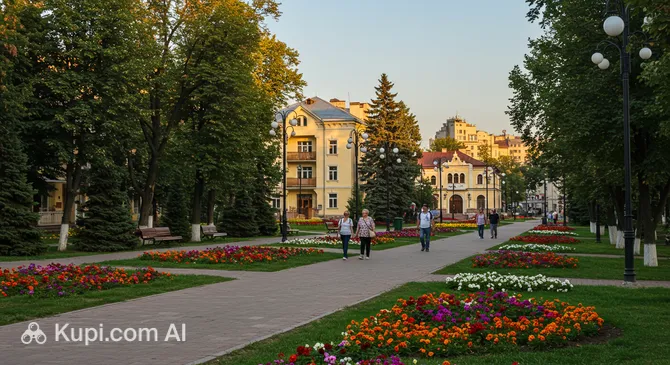
One of the beautiful places for relaxation in the capital is Rose Valley Park. This park is famous for its cascading lakes and, of course, magnificent rose gardens, which are especially charming during the blooming period. It is an ideal place for leisurely walks and enjoying nature within the city limits.

Illustration.
Source: Kupi.com AI

Traveller photos:

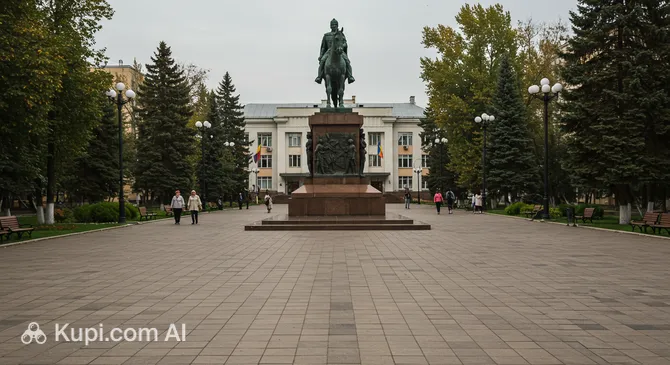
In the city of Bălți, there is the majestic Monument to Stephen the Great. This monumental sculpture is dedicated to the outstanding prince of the Moldavian Principality, Stephen III the Great, and is an important symbol of national history and culture, attracting both locals and tourists.

Illustration.
Source: Kupi.com AI

Traveller photos:

For lovers of nature and tranquility, the Dendrarium in Chișinău is a must-visit. Its vast territory houses an impressive collection of trees, shrubs, and flowers from different parts of the world. It is a real open-air green museum where you can walk for hours, studying the diversity of flora.

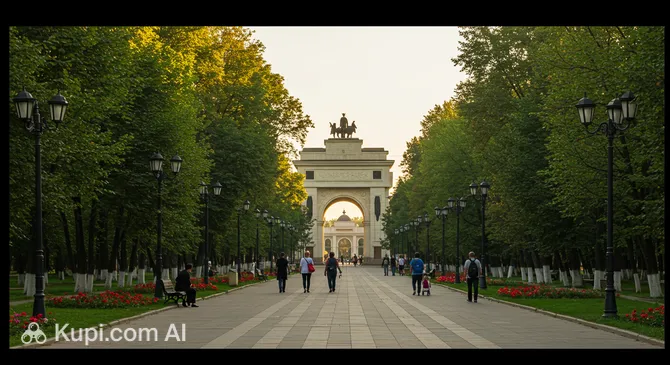
Another green pearl of the capital is the Stephen the Great Central Park. This is the oldest park in Chișinău, a favorite vacation spot for citizens and guests of the city. Here you can walk along shady alleys, admire fountains and monuments, including the bust of Alexander Pushkin, who spent part of his exile here.

Illustration.
Source: Kupi.com AI

Traveller photos:

Best Time to Visit

The best time to visit Moldova is from late spring to early autumn, approximately from May to September. During this time, the weather is most favorable for travel: warm and sunny, which is ideal for walking through cities like Chișinău, visiting famous wine cellars, and enjoying the picturesque nature. This is the high season, when all tourist sites are fully operational and the country is full of life. However, it is worth considering that summer months can be quite hot, and the number of tourists and accommodation prices may be higher.

The shoulder season, covering April and October, is also a wonderful time for a trip. In spring, nature blooms, and in autumn, it delights with golden colors and a rich harvest. It is in early October that Moldova hosts the famous National Wine Day (Ziua Vinului) – a vibrant festival attracting wine connoisseurs from all over the world. During these periods, there are usually fewer tourists and prices are more affordable, although the weather can be changeable. The low season falls in winter (from November to March). It is cold during this time, and snow is possible. The advantages can be very low prices and the absence of tourist crowds, which is conducive to calm visits to museums and cozy tastings in wine cellars. However, some attractions, especially in rural areas, may have reduced hours or be closed.

Traditions

Residents of Moldova are famous for their warmth and hospitality. If you are invited to visit, consider it a sign of special respect. It is customary to bring a small gift for the hosts – for example, flowers, a bottle of good Moldovan wine, or sweets. You should not refuse treats, as the hosts try to show the best they have in the house. The standard form of greeting is a handshake, especially between men. When communicating with strangers or older people, it is customary to use formal address. Moldovans value sincerity, so direct eye contact during a conversation is considered the norm and a sign of attention.

In everyday life, there are no strict dress codes; however, when visiting active churches and monasteries, it is worth showing respect for local traditions: women are recommended to cover their heads and shoulders, and to wear a skirt or dress that covers the knees; men should avoid shorts and tank tops. At the table, the main rules are moderation and respect for the hosts; be prepared for the fact that you will be persistently offered a variety of dishes. Avoid loud talking in public places and try to be punctual – this is appreciated. An important part of the culture are holidays. For example, Mărțișor, celebrated on March 1, symbolizes the arrival of spring, when people give each other small red and white boutonnieres. Independence Day is also widely celebrated on August 27.

Entertainment

Moldova offers a variety of entertainment for its guests, from a relaxing holiday in nature to a rich cultural program. Fans of active leisure can enjoy picturesque routes for hiking and cycling through the country's hilly terrain or explore the famous wine routes. Cultural life is concentrated in the cities, where travelers will find theaters, concert halls, museums with interesting exhibitions, and art galleries that showcase the country's rich heritage and contemporary art.

As evening falls, numerous bars, restaurants, and clubs come to life, especially in the capital, Chișinău, where you can immerse yourself in an atmosphere of hospitality and fun. Shopping in Moldova is an opportunity to bring home not only famous Moldovan wines and divins (brandies), but also unique handmade items such as ceramics, embroidery, and traditional carpets. Large cities also have modern shopping centers with a wide selection of goods.

For family vacations, Moldova also has suitable options. Numerous city parks offer excellent conditions for walking and relaxing with children. In some cities, you can also find more active entertainment, such as water parks, which will bring joy to young travelers and their parents. The calm atmosphere and hospitality make the country attractive for trips with the whole family.

Currency rates

Planning a trip? Wonderful! To make sure the financial side of your journey holds no surprises, it's worth remembering that exchange rates are constantly changing. That's why we strongly recommend keeping an eye on current rates both before departure and throughout your trip. To help with that, you can use the data provided below — we monitor exchange rates 24/7 and strive to provide the most up-to-date information.

Reached the bottom of the page?

Looks like you know this route inside out

We use cookies and services to collect user information. This is essential for the functioning of the site and for marketing purposes. You can find out more in .