Santa Maria is a dynamically developing city in the Bulacan province, located in the Philippines. The city combines the atmosphere of a bustling commercial center with the charm of traditional Philippine settlements. Thanks to its proximity to the capital region, it serves as an important transport and economic hub while maintaining its deep historical roots.
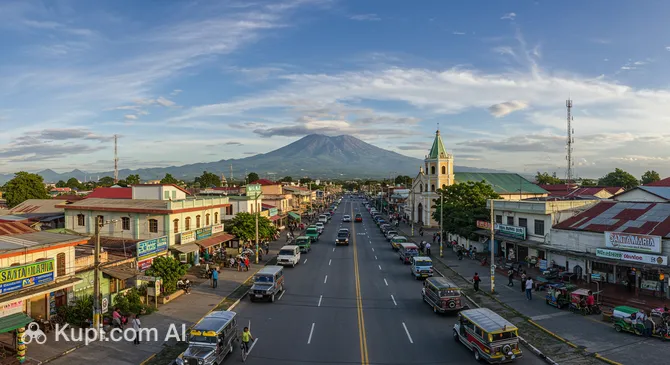
Santa Maria. Illustration.
Source: Kupi.com AI
The city's rich historical heritage is evident in its architecture and local traditions. With a population of over 280,000 people, Santa Maria is considered one of the most populous and prosperous municipalities in the region. The city is known as a major agricultural producer, particularly in poultry farming, which has earned it the reputation as the country's "egg basket."
Tourists are drawn to Santa Maria by its ancient churches, lively markets, and the hospitality of the locals. It is an excellent destination for those wanting to experience authentic life in Bulacan province without traveling far from Manila. A visit to this city will provide a unique experience of Philippine culture and daily life.
Weather Overview
A tropical climate prevails in Santa Maria with clearly defined wet and dry seasons. The most comfortable time to visit the city is from January to April, when the weather is dry and sunny. During this time, average maximum temperatures range between 28-33°C, which is ideal for walks and excursions.
Typical weather in Santa Maria is characterized by high humidity, especially during the monsoon period from June to October. The wettest month is usually July, which sees significant rainfall. Despite the rain, air temperatures remain high, rarely dropping below 23°C at night, so light clothing and an umbrella will be your reliable companions.
Average monthly temperature
Average monthly precipitation
Interesting Facts
Santa Maria holds the unofficial title of the "egg basket of the Philippines" due to the vast number of poultry farms that supply products to the capital region.
The city is home to one of the most beautiful churches in the region—the Immaculate Conception Parish, which serves as an important spiritual center for locals.
The annual "Halang-Halang" festival attracts thousands of guests, showcasing the culinary talents of the townspeople and their love for spicy chicken dishes.
The city is the birthplace of many famous Philippine figures in culture and art, highlighting its status as an intellectual hub of Bulacan.
How to Get There
Santa Maria boasts excellent transport accessibility due to its strategic position in Bulacan province. The city is located just a few dozen kilometers from Manila, making it easy to reach by both public transport and car. You can check all ways to get to Santa Maria in advance to plan a route via the country's main transport arteries.
Although the city does not have its own airport, travelers usually arrive via Ninoy Aquino International Airport in Manila or through Clark Airport. From there, the city can be reached by northbound buses or by vans (UV Express). Major highways, such as the North Luzon Expressway (NLEX), significantly reduce travel time.
For those who prefer rail travel, the nearest access point is the Balagtas station, located about 11 kilometers from the city center. This station connects the region with other important points in the province. After arriving at the station, you can use local jeepneys or tricycles to complete your journey to your destination.
Station
Passenger traffic
Distance
Balagtas station
4
11 km
Balintawak station
7
21 km
Monumento station
7
21 km
Fernando Poe Jr. station
7
21 km
North Avenue Grand Central Station
5
22 km
North Avenue station
7
22 km
Main Attractions
One of the city's most revered attractions is the Pulong Buhangin district. This place is known for its majestic church and tranquil atmosphere, attracting both pilgrims and regular tourists looking to escape the city bustle. The architecture of the local temples reflects the influence of the Spanish colonial period and modern Philippine traditions.
Pulong Buhangin. Illustration.
Source: Kupi.com AI
Traveller photos:
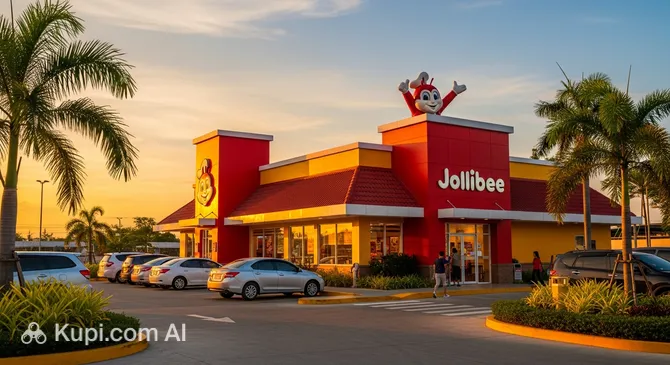
For those who want to experience modern Philippine pop culture through a gastronomic lens, a visit to Jollibee is a must. This is not just a fast-food restaurant but a true symbol of the country, where you can try unique dishes adapted to local tastes, such as sweet spaghetti or the famous Chickenjoy fried chicken.
Jollibee. Illustration.
Source: Kupi.com AI
Traveller photos:
Strolling through the central streets of Santa Maria, be sure to notice the municipal building and the adjacent plaza. This is the heart of the city where major celebrations and festivals take place. Here, you can feel the true rhythm of life in Bulacan province, observing the daily activities of the townspeople and trying street food at local markets.
Local Cuisine
The gastronomic scene in Santa Maria is inextricably linked to the culinary traditions of Bulacan province, which is famous for its sweets and meat delicacies. Be sure to try local "pastillas" (milk candies) and "ensaymada"—fluffy cheese buns prepared here according to old recipes. The city is also known for its high-quality meat, so pork and chicken dishes are always fresh and incredibly tasty.
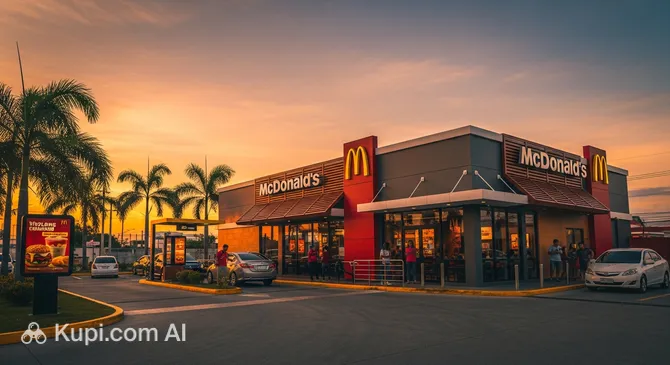
Among the popular places loved by both locals and visitors, the Jollibee restaurant stands out, offering classic Philippine fast food. If you are looking for something more familiar in an international format, head to Pulong Buhangin, where popular chain establishments are located, providing a consistently high level of service and familiar flavors.
Jollibee. Illustration.
Source: Kupi.com AI
Traveller photos:
For a deeper dive into local cuisine, it is worth visiting the street markets in the evening. They serve the famous "balut," fried fish balls, and "isaw" (grilled chicken intestines). Don't forget to try the refreshing "buko pandan" drink or fresh calamansi juice, which are perfect for quenching thirst on a hot Philippine day.
Travel Tips
Welcome to Santa Maria! These practical tips will help make your trip as comfortable and safe as possible.
Clothing and Items: Choose light cotton clothing, as the climate here is hot and humid. Be sure to bring comfortable walking shoes and an umbrella in case of a sudden downpour. When visiting churches, it is recommended to cover your shoulders and knees.
Transport: The main means of transportation around the city are tricycles and jeepneys. For trips to Manila, it is better to use buses or UV Express. Car rental is not necessary, as public transport is well-developed.
Finances: The official currency is the Philippine Peso (PHP). Large retail outlets accept cards, but always keep small-denomination cash for tricycles and markets. ATMs are located in the city center.
Health and Safety: The city is generally safe, but always watch your belongings in crowded places. Pharmacies can be found on the main streets. Drink only bottled water.
Communication: Locals speak Tagalog, but English is widely spoken, especially among young people and in the service sector. A few phrases like "Salamat" (Thank you) will help you win people over.
Local Etiquette: Filipinos are very polite. Use the particles "po" and "opo" when communicating with elders to show respect. Always smile—it's the best way to start a conversation here.
What to Avoid: Avoid criticizing local religion or traditions in conversations. Also, try not to show impatience in queues or traffic jams—tranquility is valued in the Philippines.
Connectivity: Buy a local SIM card (Globe or Smart) immediately upon arrival—this will provide you with affordable mobile internet, as Wi-Fi in public places can be unstable.
We wish you a pleasant stay in this wonderful corner of Bulacan!
Entertainment & Nightlife
Nightlife in Santa Maria is more relaxed and family-oriented compared to Manila, but there are still interesting places for evening leisure. The centers of attraction after dark are well-lit areas such as Pulong Buhangin, where restaurants and cafes operate. Here, you can enjoy an outdoor dinner to the sounds of local music.
For those who love late-night snacks, Jollibee is always open and often serves as a meeting place for young people. Main bars and karaoke clubs (a favorite Filipino pastime) are concentrated along the main roads. The atmosphere in such venues is casual, the dress code is usually free, and prices are very democratic.
Safety in the city is maintained at a good level, and the central illuminated streets are quite suitable for evening walks. If you plan to return to your hotel late at night, it is best to call a taxi via an app or use the services of trusted tricycle drivers who wait near shopping centers.
Parks & Museums
Although Santa Maria is primarily a commercial and residential hub, there are places for outdoor relaxation and cultural immersion. Special attention should be paid to historical temples, such as the church in the Pulong Buhangin area. These architectural structures serve as open-air museums, preserving the history of faith and the resilience of the local people over the centuries.
For outdoor walks, residents often choose the surroundings of water bodies or small green zones within the municipal boundaries. The city is also in close proximity to ecological parks in neighboring towns of Bulacan province, which can be easily reached for a day picnic. Local festivals held in the main squares are also a great way to get acquainted with the living history and art of the region.
Getting Around
Public transport in Santa Maria is represented by classic Philippine means of travel. The most popular and accessible way to move around the city is by tricycle—motorcycles with sidecars that can take you to almost any point in the city. The fare is usually fixed for certain routes, but it is better to confirm it with the driver in advance.
Jeepneys—brightly decorated minibuses that have become a symbol of Philippine roads—run between districts and neighboring towns. Payment is made in cash to the driver or conductor. For longer trips, such as to Manila, modern air-conditioned buses and vans (UV Express) are used, departing from specialized terminals.
Ride-hailing services via mobile apps also operate in the city, which is convenient for long-distance trips or going to the airport. Bicycles are becoming increasingly popular among locals, though specialized infrastructure for them is still under development. When planning trips, keep in mind that congestion is possible on main roads during peak hours.
Accommodation
Santa Maria offers a wide range of accommodation options, primarily oriented towards business travelers and those visiting relatives. You can find cozy guest houses and budget motels as well as more modern mid-range hotels. Housing prices here are significantly lower than in the capital, making the city attractive for budget-conscious tourists.
The most convenient lodging options are located along main transport highways and near large commercial zones, such as Pulong Buhangin. Proximity to chain restaurants, including Jollibee, ensures easy access to food and services. For longer stays, you can consider renting apartments via popular online services.
If you plan to visit the city during major local festivals or religious holidays, it is recommended to book accommodation in advance, as the best options fill up quickly. Overall, the level of service in the city's hotels meets international hospitality standards, and the staff is always ready to help guests with local navigation.
Nearby Cities
Santa Maria is an ideal starting point for exploring Bulacan province, offering easy access to neighboring interesting locations. Very close by is the town of Pandi, known for its historical sites related to the Philippine Revolution. This direction is perfect for those interested in the country's history who want to see authentic provincial architecture.
Just a few kilometers away is Bocaue, famous for its firework production and unique river festivals. It is also worth visiting Balagtas, the birthplace of the great Filipino poet Francisco Balagtas, where you can dive deeper into the region's literary heritage. For shopping and entertainment lovers, a trip to Marilao or Meycauayan, home to large shopping malls and jewelry workshops, is an excellent choice.
Exploring the surroundings of Santa Maria allows you to see the multi-faceted nature of the Philippines: from quiet agricultural lands to bustling industrial centers. Each of these destinations is accessible via a short jeepney or bus ride, making your vacation rich and varied.
Shopping & Souvenirs
Shopping in Santa Maria is a combination of visiting modern shopping complexes and traditional Philippine markets. The city is an important trade hub, so you can find everything you need here: from well-known brand clothing to products by local craftsmen. Main shopping zones are concentrated along the primary roads connecting different parts of the municipality.
For those who prefer comfortable air-conditioned shopping, large chain supermarkets and shopping centers operate in the city and its immediate surroundings. In the Pulong Buhangin area and the central plaza, there are always many shops selling electronics and home goods. And if you get hungry while shopping, a quick snack at Jollibee is always close at hand.
Special attention should be paid to local markets (palengke), where the freshest produce and famous Bulacan sweets are sold. As souvenirs from Santa Maria, visitors take home woven items, jewelry, and, of course, local delicacies. Shops usually open from morning until late evening, and it is customary to pay in cash at the markets, which should be considered when planning your budget.
We use cookies and services to collect user information. This is essential for the functioning of the site and for marketing purposes. You can find out more in .