Why you really should go to Israel?
Writer Vera Soroka told Kupi.com how to avoid a trip in a local ambulance, gave advice on how to formulate a request to the Almighty, explained what to do when encountering wild boars, and shared the addresses of cool bars (and even one BDSM club!).
18+
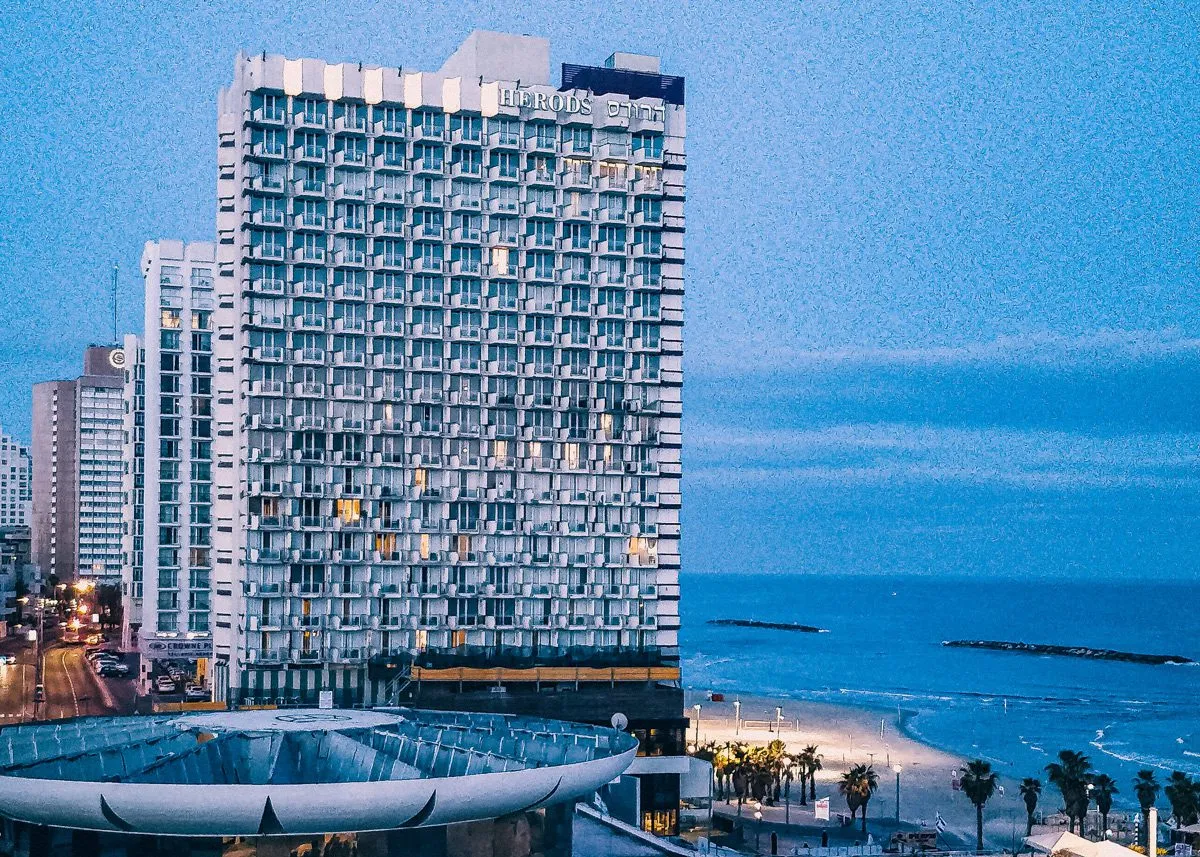
Hi, I'm Vera Soroka. Ten years ago, I had a moment and moved to Israel alone. Since then, this country and I have had something like a codependent relationship. We're like spouses after many years of marriage – we know each other's flaws, but there's an illogical, inexplicable love that keeps us from divorcing (and I tried to leave, to move away, in short, to return to my prehistoric homeland, twice).
I think the secret is that Israel never stops surprising. Never.
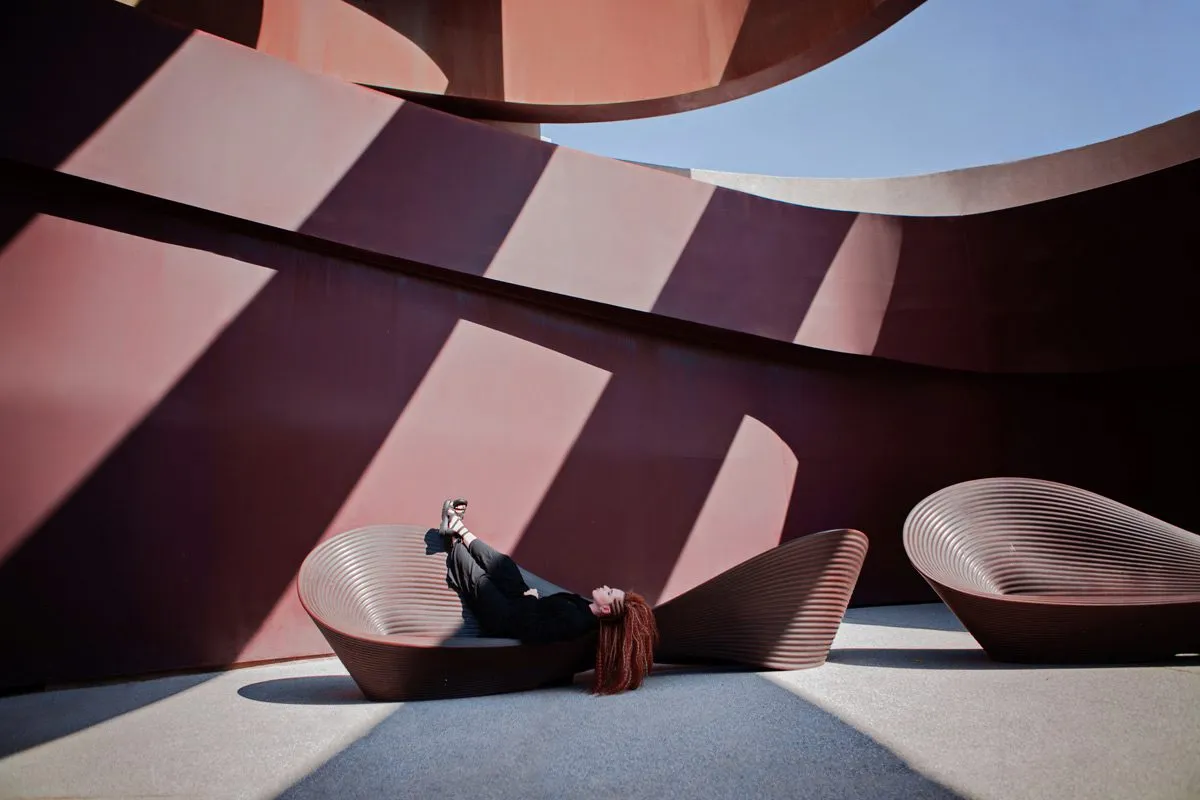
What upon arrival?
Many think that Shabbat is Saturday. Yes, but not quite. Shabbat begins on Friday evening, but trains stop running on Thursday evening. Therefore, arriving on these days is a maximally bad idea. Taxi drivers will earn well and be happy. You – probably not. Here, by the way, there is a taxi monopoly – there is practically no choice. I use Yango (it's a local Yandex.Taxi), because only they have the option to know the trip price in advance.
And also, be sure to check the dates of religious holidays. They are quite chaotic and change from year to year – you can get seriously stuck with public transport and travel from the airport at the price of an airplane ticket.
It's easiest to get to major cities by train. In general, for getting around, I recommend downloading the HopOn Rav-Pass app (in AppStore and GooglePlay). It works like this: you use all types of public transport by scanning QR codes inside, and in the evening, the optimal fare is automatically calculated and money is debited. It's in English and generally intuitive, but it asks for a bank card number (there might be questions regarding Russian banks here, it's better to check in advance).
Another option is Rav-Kav – a travel card that can be topped up via machines or an app. You can buy it at the airport. It's worth getting one, because you can still travel by train with a paper ticket from a ticket agent, but not by bus anymore.
One last thing about transport. Even if you're traveling in the most hellish summer heat, bring a light cardigan (or a sweater, for the non-hipsters), because the air conditioners work so strongly that every bus/train can be converted into an ice cream truck in about five minutes. Air conditioner in Hebrew is 'mazgan', and 'mazgan disease' has taken down an incredible number of tourists. Don't join their sniffling ranks, take care of yourself.
And a bit more of grandma's nagging. Act like a vampire with a hangover – drink lots of water and avoid the sun. Or at least use sunscreen. Without water in the summer, you can really kick the bucket here. Even children understand this, but tourists ignore it every time and end up riding in expensive ambulances.
What about the timing of your visit? If you are a direct relative of Satan, went to hell for a vacation and enjoyed it, then feel free to choose the period from June to September. The rest of the time is livable.
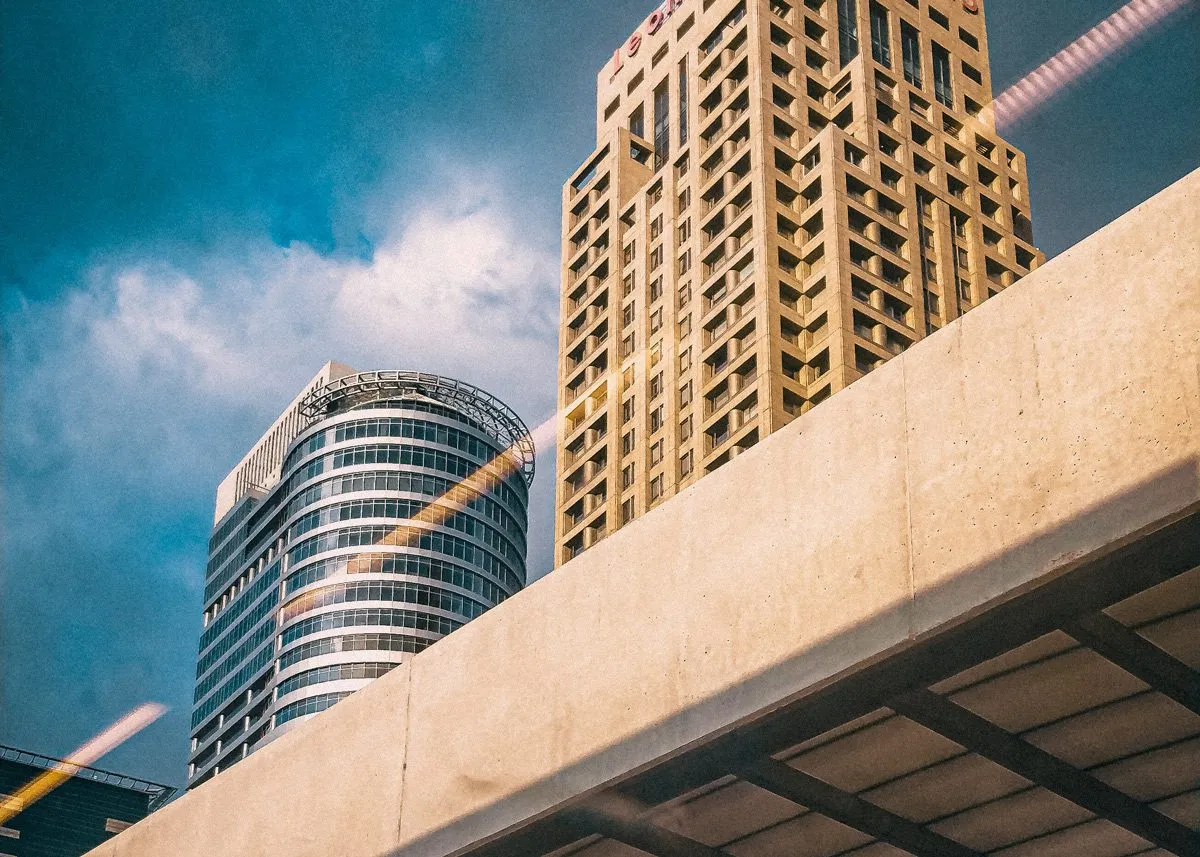
Haifa
I live in Haifa. It is one of the most Russian-speaking cities in Israel. In general, the Haifa Russian-speaking internet diaspora is quite aggressive and toxic, but on the street, you will always find people who will help.
Important: I do not recommend discussing/offending Israelis in Russian. Firstly, everyone understands Russian profanity, and secondly, there is a concept called Sabra – a first-generation descendant of immigrants. These people look and speak like Israelis, but their grandmother also taught them Russian. Be vigilant.
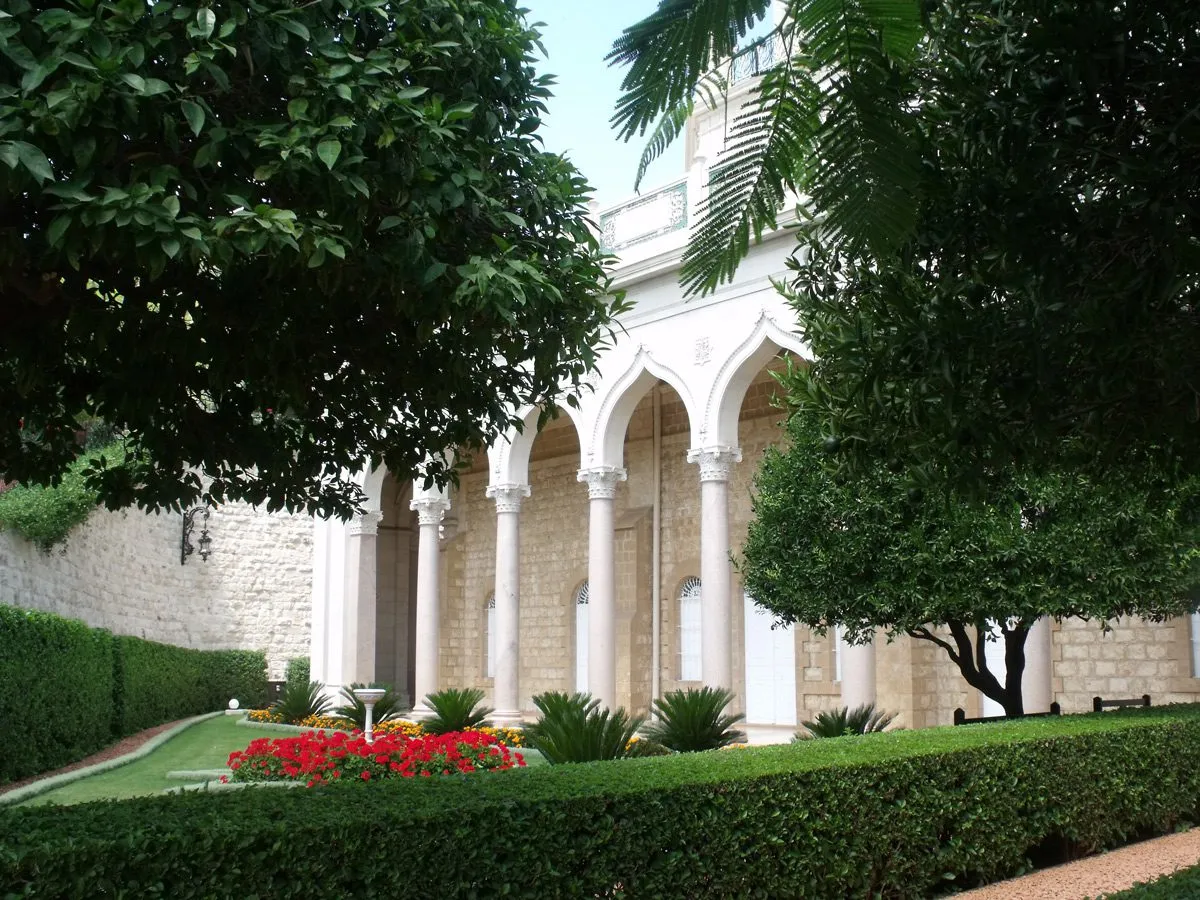
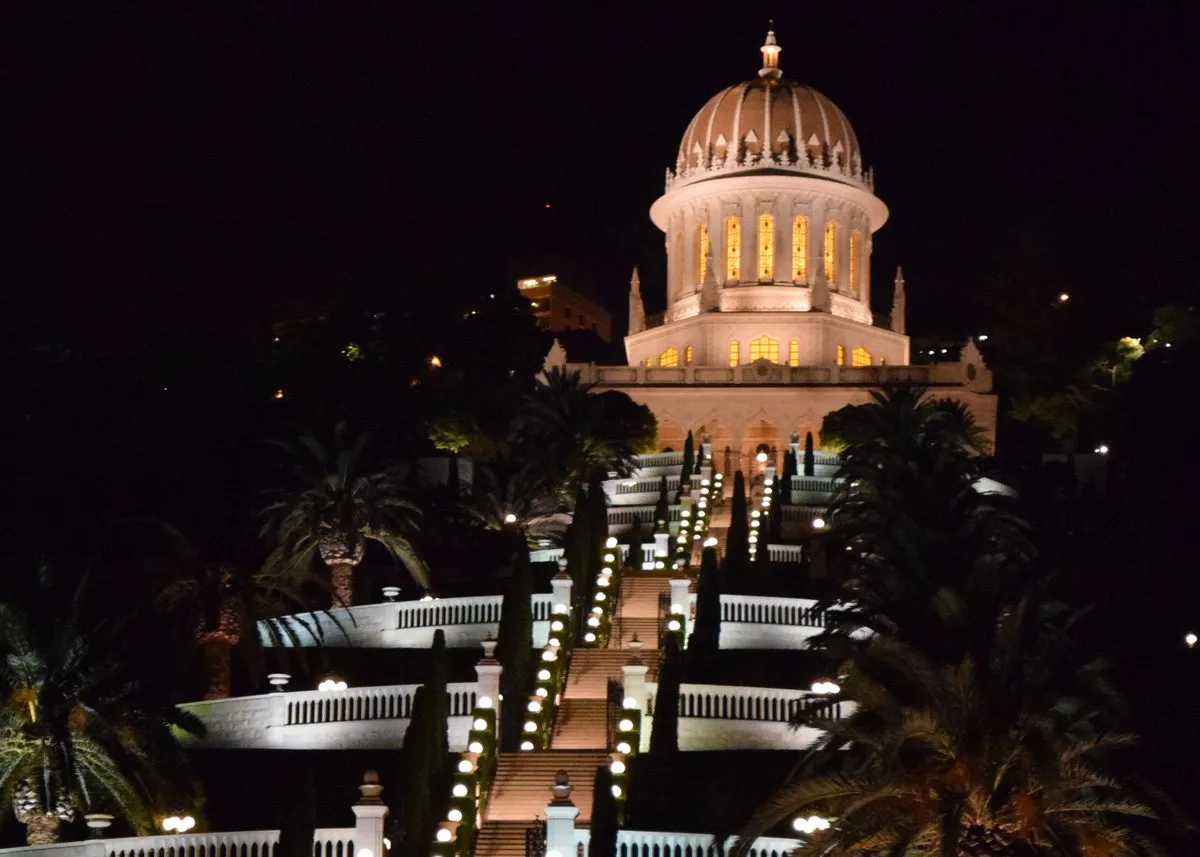
A Haifa must-have is the Baha'i Gardens. It's an incredibly beautiful thing – three levels of gardens with fountains, sculptures, and other wet fantasies of any landscape designer. It looks really cool, and entry is free.
There are Russian-speaking tours. Here's the address and schedule. The tour starts from the very top tier. It's best to arrive early to walk along the promenade and visit the Japanese Museum. You might catch a good temporary exhibition there. I often have lunch nearby – I have a favorite bench in the bushes.
Also important.
The Baha'is and the Baha'i religion are quite liberal and cool people, but essentially, the temple on the second tier is a mausoleum, so you won't be allowed on the tour in revealing clothing – shoulders and knees should preferably be covered. And don't go in the hottest weather – the gardens are beautiful, but there's nowhere to hide from the sun. Water is a must!
After the tour, I recommend going down to the German Colony – it's a cozy quarter of bars and restaurants with a view of the Baha'i Gardens. The evening lighting is just like on a souvenir magnet.
At the beginning of the street, closer to the port, there's a small outlet – City Center. You can buy everyday stuff from standard brands for what it's actually worth.
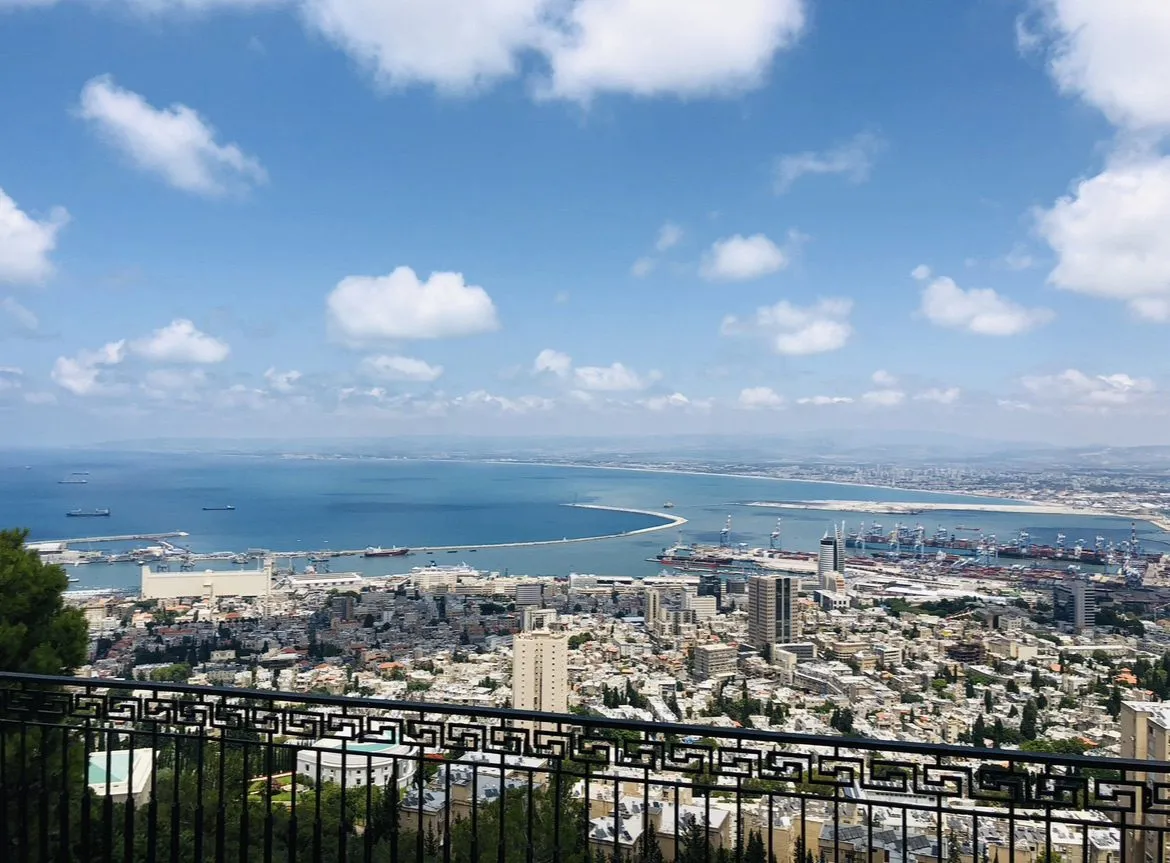
This summer, a cable car opened in Haifa: the ascent is from the central bus station to the university, creatively named University. By the way, it's worth taking a walk there and climbing to the highest Haifa observation deck in the Eshkol Tower building. It's free. And the cable car costs the same as a bus – 5.50₪ (approximately 1.6$ + free transfer within 90 minutes).
It's best to ride in the morning or closer to evening, because there are no air conditioners in the cabins, and the sun is almost always out.
What about bars?*
Guys, this isn't St. Petersburg with all its splendor and diversity. Here, they just pour drinks.
In general, the service sector in Israel is not known for its progressiveness. Yes, newcomers arrive and try to provide service, make things beautiful, make things VIP. But the thing is, locals value simplicity. For them, coffee in a paper cup tastes just as good as in branded glassware. They like showing off, but only on big holidays. Everything here is geared towards not overthinking things. This is both good and bad at the same time.
If you want bars, it's best to go down to the lower city – to the port area. It used to be a den for drug addicts and prostitutes (this isn't according to my grandmother, but police reports). Now the prostitutes and drug addicts have been dispersed, and various nice pubs have opened.
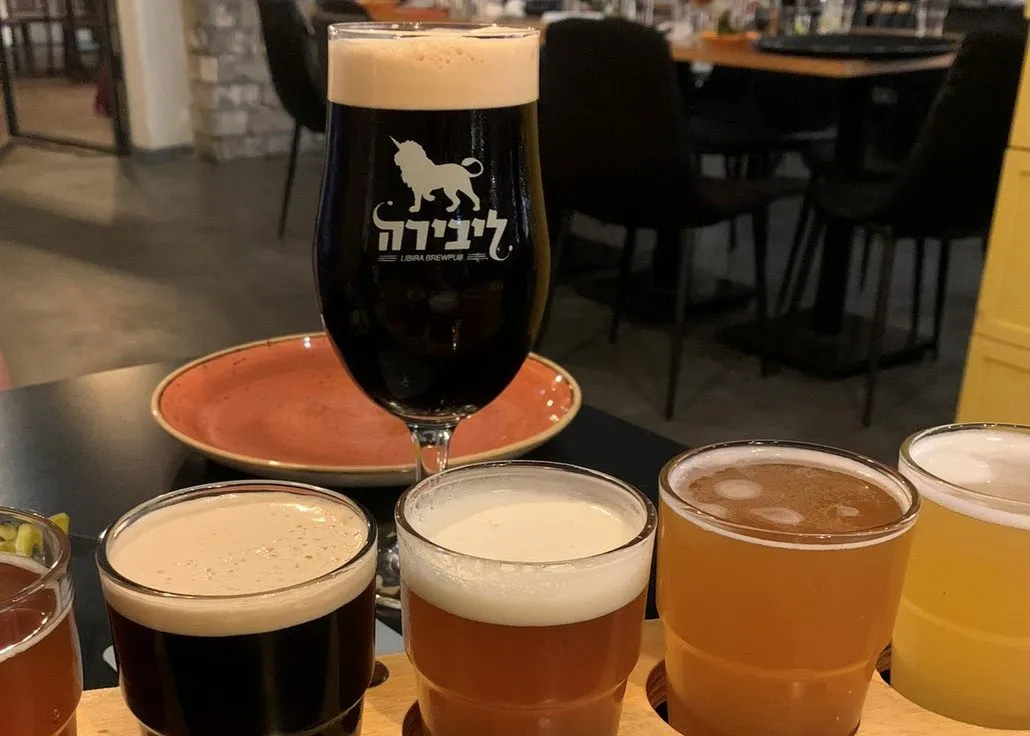
Don't expect any incredible craft here, but there will be plenty, it will be tasty and good. I can recommend the restaurant-brewery «Libira» and their tasting sets. The wine is also decent.
For two, the average bill with wine and tips (12 – 15%) is about 100$.
Another pleasant party street is located in Upper Hadar (Haifa's first Jewish quarter) and is called Masada. Like a fortress, but a street. The vibe is a mini Tel Aviv with cute cafes, art galleries, bookstores, flea markets, and a total lack of parking. Approximately in the middle of the street, there's a sushi bar-lottery – «Inside out». That is, sometimes it's divinely delicious, and sometimes you have to complain. Over the years, I still haven't figured out which lunar phases affect the quality, but it's worth trying your luck. On average, a set for two will cost about 35-40$.
Just be prepared that Israeli sushi is very different from Russian sushi. Standard Philadelphia rolls can only be found in Russian establishments (for example, in «Nemo»). Here, they wrap finely chopped cucumber, carrots, or pickled pumpkin inside. Some cultural shock is guaranteed. But as an experience, it's quite interesting. By my second year of local life, I finally got used to it.
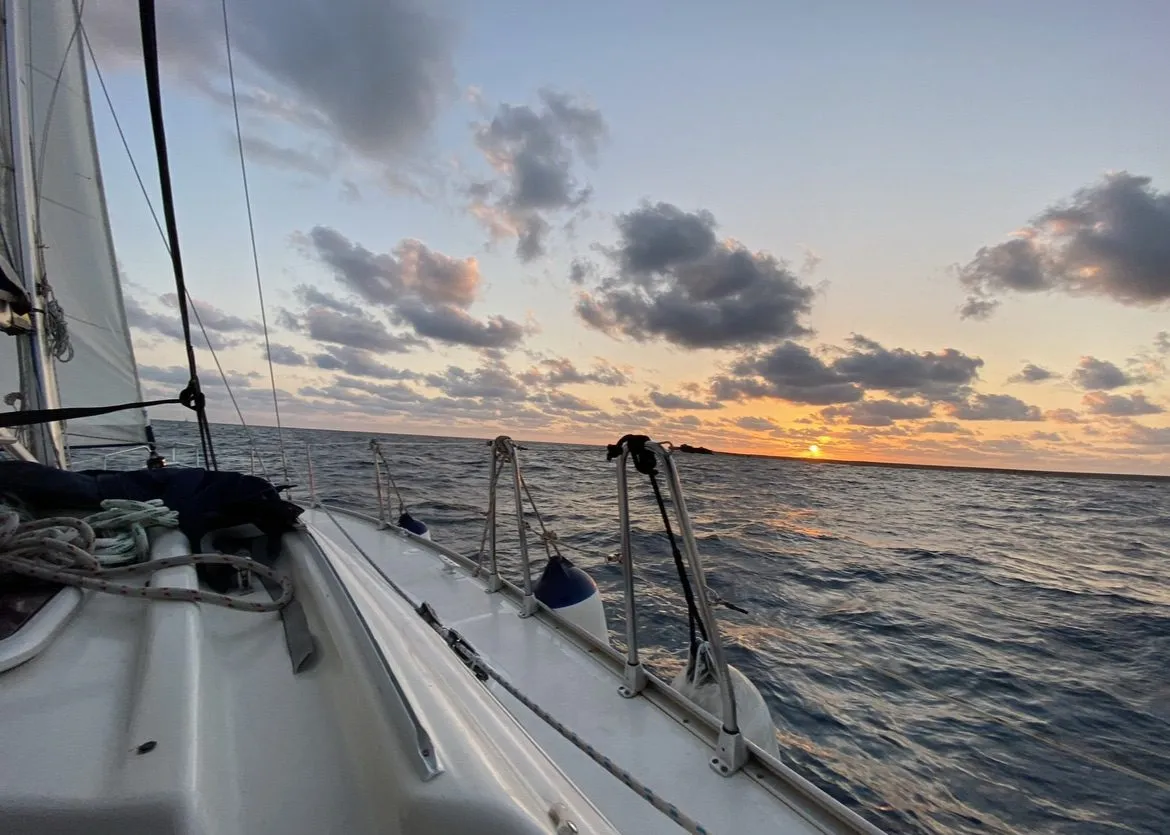
And of course, in Haifa, it's worth taking a yacht ride. You can rent one for your company of up to ten people (approximately 250-300$ for 3 hours + the attraction of raising sails and steering in the open sea) or join a group. I highly recommend Dani**. He's cool, he's , and you can always arrange with him to go to Cyprus, for example.
One more important thing about Haifa.
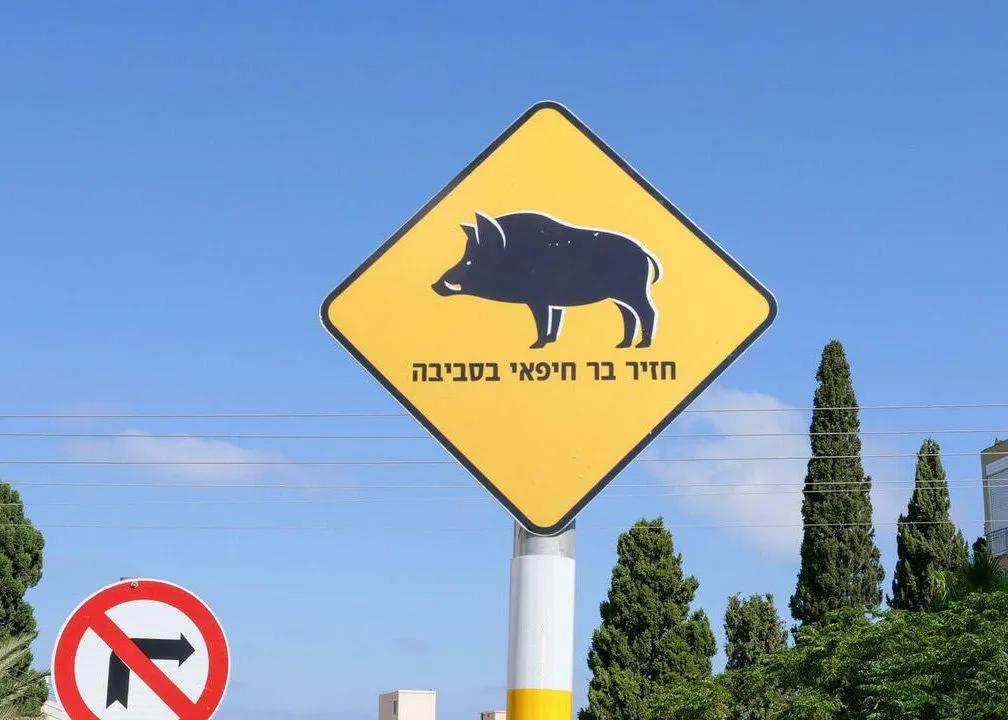
A few years ago, wild boars took over the city. There are now as many of them as there are stray cats. Signs were even put up – 'wild boar – Haifa resident'. You will most likely encounter these Haifa residents. Don't panic and don't harm them; let everyone go their own way.
Tel Aviv
This city is my love. It has a completely different vibe than Haifa or Jerusalem.
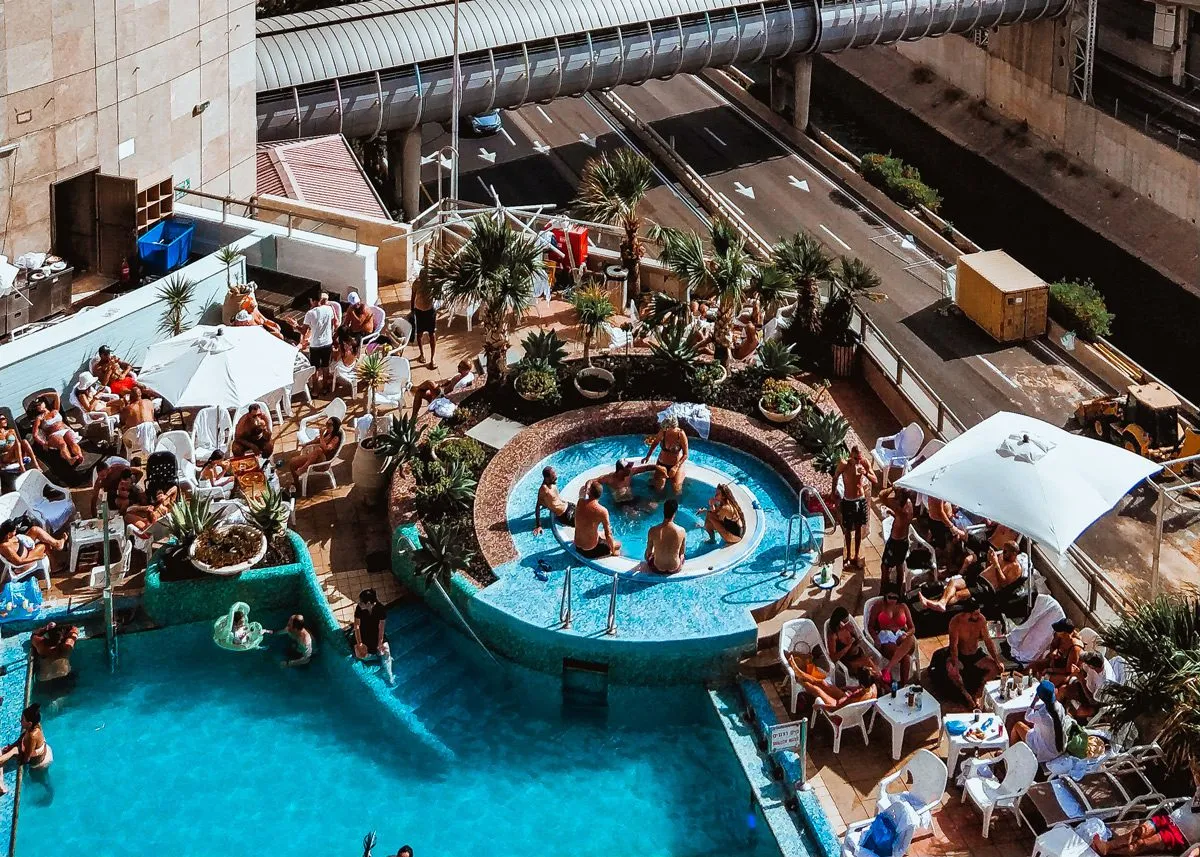
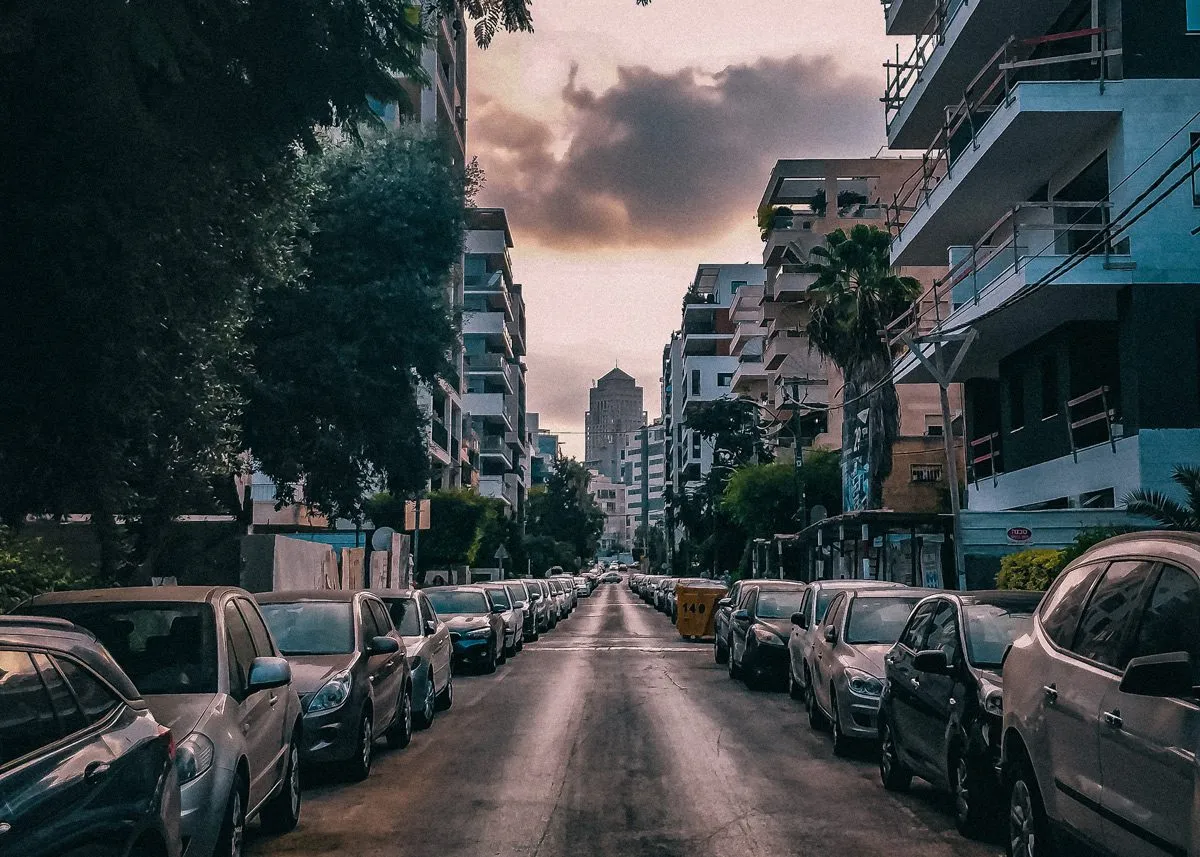
Here, people rush, but with a kind of chic unhurriedness; there's never any parking; on the bus, representatives of various minorities, soldiers, and ultra-Orthodox ride side by side; cafes occupy most of the sidewalk. And in these cafes sit happy people with happy children and happy dogs. Children scatter food (they're allowed everything), adults and waiters pretend not to notice. Only the dogs notice. Complete nonchalant freedom reigns here.
If I take friends around Tel Aviv, the route is roughly like this.
The day should start by the sea. In general, Israeli breakfast by the sea and flight aggregators are two of humanity's most brilliant inventions. Israeli breakfast is a dish with eggs of your choice, a vegetable salad, juice, coffee, bread, olives, and a dozen spreads. On average, it's equally large and delicious everywhere. For two, it will cost about 35$.
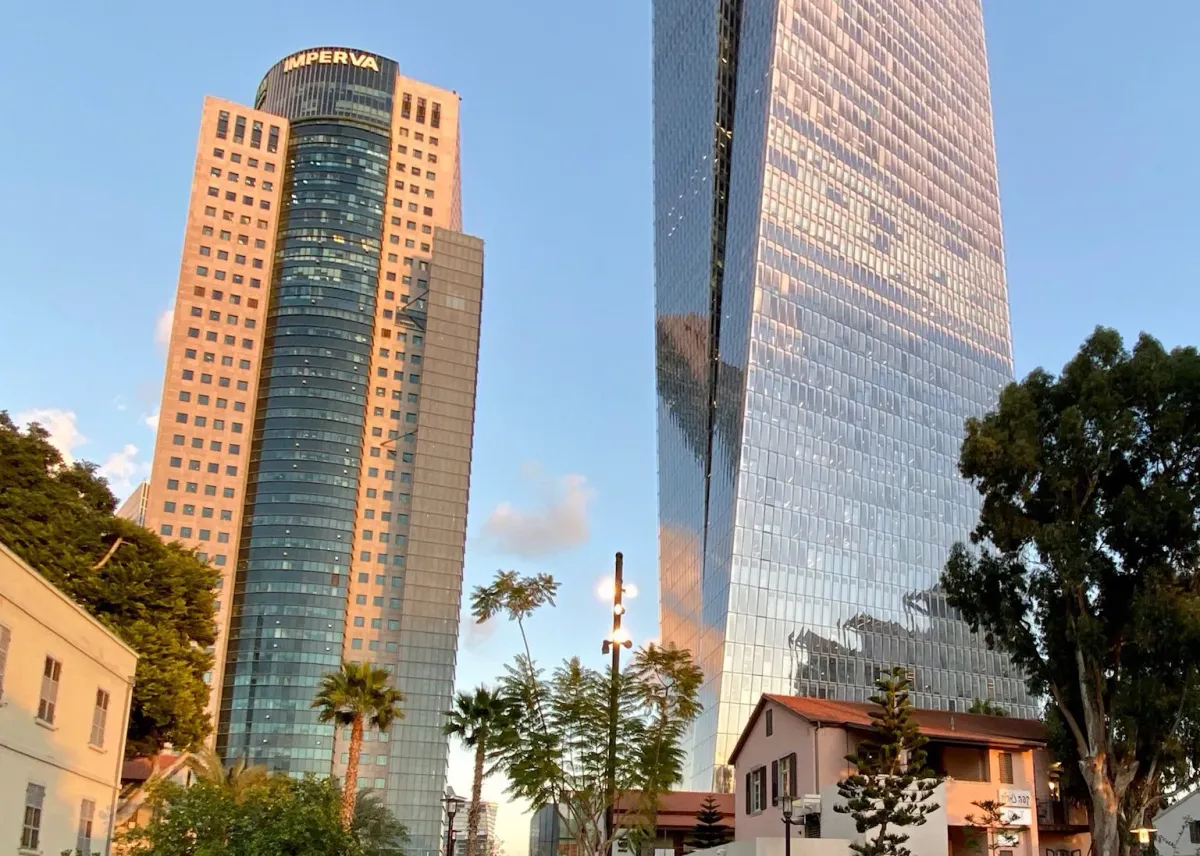
In the very center, right next to the «haShalom» train station, there's a trendy neighborhood – Sarona. This is a former German Templer settlement – a close relative of Haifa's German Colony, with two-story houses that now host shops and restaurants.
Nearby, on the ground floor of a skyscraper, is Sarona Market. It's a food court and shops selling a variety of food, alcohol, spices, and cosmetics. You can often find famous chefs here.
In about ten minutes from Sarona, you can walk to a secret bar – «Bellboy». In pre-corona times, the bar was truly secret, but now entry is free, although it's worth booking at least a few days in advance – it's a popular spot.
What's there? A cool atmosphere and original cocktails. Even if you don't get to try everything – you'll enjoy watching your neighbors. Delicious burgers and snacks. A cocktail costs an average of 16-20$.
Next, I suggest going to a club. But Tel Aviv won't be surprised by just any club, so I recommend going to a BDSM club. Dungeon is very good. Entry is 20$. For men, only with a female partner.
Inside, there's a bar and a BDSM show. At 00:00, the club itself opens, and after 2:00 – the basement with private rooms. You can occupy one of them, you can go in and join, or just observe through a peephole.
The atmosphere is relaxed and, if I may say so, intimately friendly. The club has a lot of security that ensures everything is safe and by mutual consent.
If you haven't had enough thrills, it's worth taking a walk to Tel Aviv's central bus station. But that's for the next day, because it's really dangerous there in the evening and at night. I think this bus station is straight out of a post-apocalyptic movie – 230,000 m² of empty spaces, seven dilapidated floors of graffiti, strange corners, and staircases that lead to dead ends. Yet the station is operational. On the lower levels, there are people (survivors) who sell food, cheap clothes, lottery tickets, and second-hand books in Russian. It's both post-apocalypse and a regular Tuesday in Tel Aviv. The architecture on each floor is different, so it's really hard to find your way out.
Of course, there are many museums and theaters in the center, but I want to tell you about the one that made the biggest impression on me ten years ago. This is the Nalaga'at Center theater with the play «Not by Bread Alone». I have never seen anything more powerful and touching in the theater. No dirt or violence – just blind actors will bake bread for you and each tell their own story.
Jerusalem
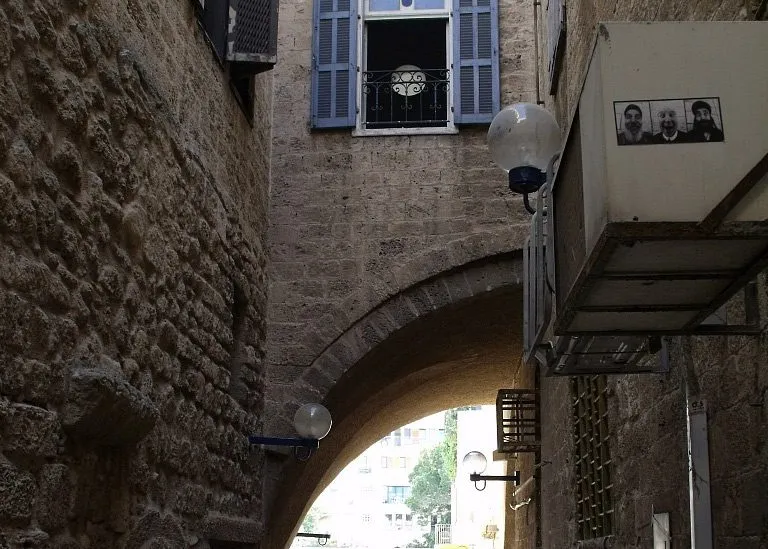
Jerusalem, by the way, is the official capital of Israel. And its vibe is a journey through time. It feels like Abraham, the Crusaders, Solomon, and Pontius Pilate are waiting for a tram next to you. Everyone will find something most important to them in Jerusalem – for some, it's the Western Wall, for others, the Church of the Holy Sepulchre or Al-Aqsa Mosque, for some, a modern art museum, for others, a market. As they say, to each their own belief.
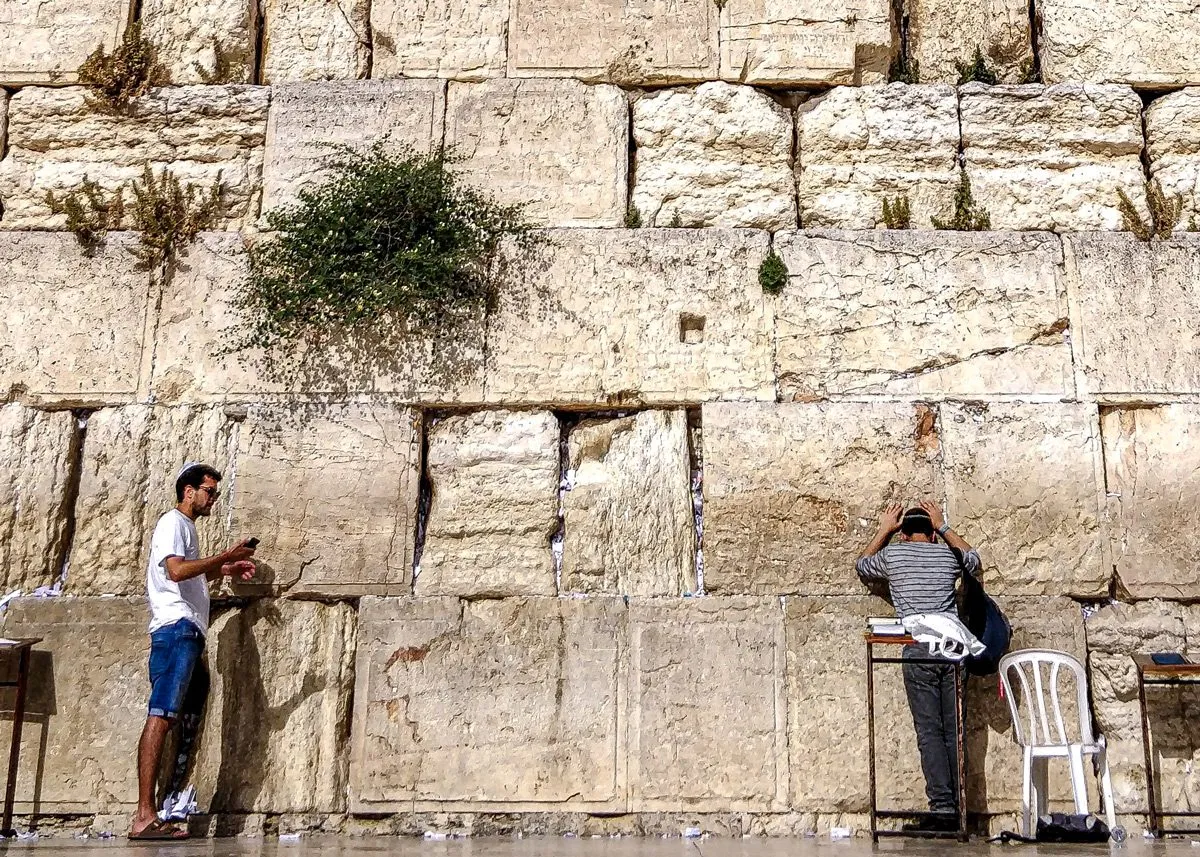
Personally, I believe in art, but I always visit the Western Wall too. It is divided into two parts – male and female. Men with uncovered heads will be given a kippah. For women, as usual, it's more complicated: it's worth worrying in advance about covering shoulders, elbows, and knees. In general, in Jerusalem, it's better to dress more modestly by default to avoid comments and spitting.
So, about the Western Wall. Take some thin paper and a pen with you to write a wish list for the Almighty for your upcoming life. Fold it and slip it between the stones. Pray as you know how or as you don't know how, and then walk away. It's important not to turn your back while doing so.
I'm being a bit ironic, but all my wishes placed in the wall have come true so far.
Of course, each city has its own market-attraction, but Jerusalem's Mahane Yehuda market is the quintessence of market culture. During the day, it's worth walking around, bargaining, buying red threads as gifts for friends, and definitely eating local food – hummus, shawarma, falafel, Druze pita, sabich, shakshuka – all of this can and should be eaten at the market. In any eatery, it will be truly authentic and delicious.
And after the stalls close, the market becomes a space for music and bars. For example, «Casino de Paris». Once, the building actually housed a casino, then a British Officers' Club with a brothel on the second floor. Now it's a very nice place with good cocktails and music.
A cool idea would be a photoshoot in the old city. Getting lost there is very pleasant, but it's better with someone experienced. I can recommend photographer Olga Savina**. She works in cities, forests, fields, and even underwater.
By the way, about underwater. For thrill-seekers, there's a route through the underground City of David. There's a dry route, but the flooded caves are much more interesting. It's best to go in the summer, because the water is really cold and sometimes it will be waist-deep. People with claustrophobia shouldn't even think about this activity. I highly recommend it to everyone else – it's a truly cool tour that won't make you sleepy.
In the evening, I recommend going to the light show at the «Tower of David» museum. A whole spectacle about the life of the great king is projected onto the walls of the old city. A modern take on a biblical story. It's not just a scrolling text above a kiosk – the spectacle is truly cool.
Adult ticket 17.5$.
Where else to go?
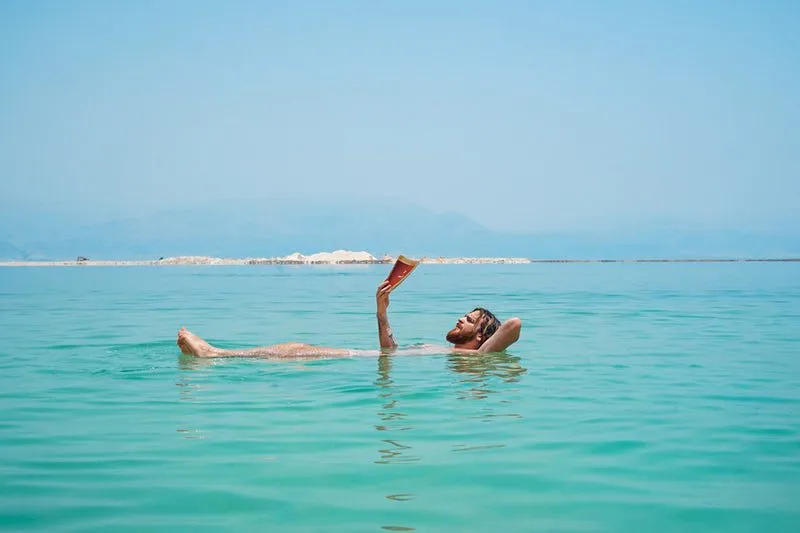
If you find yourself in Israel, it's worth visiting the Dead Sea for at least one night. Yes, it's a retirement resort, yes, there's one street like in a Western, and everything closes at 22:00, but the water and mud are truly medicinal. If there's nothing to treat, then treat this place as a curious attraction.
The sea, by the way, is drying up, which is another reason I advise not to postpone your visit.
And of course, Eilat with the Red Sea and diving. Just again, check holiday dates so you don't run into half of Israel who went there as if to a dacha.
I've shown my beloved and contradictory Israel, but for everyone, it's different, because this country is a mirror. So be kind and a little lenient towards it.
In Israel, there are no boundaries – they are easily broken down by inappropriate questions.
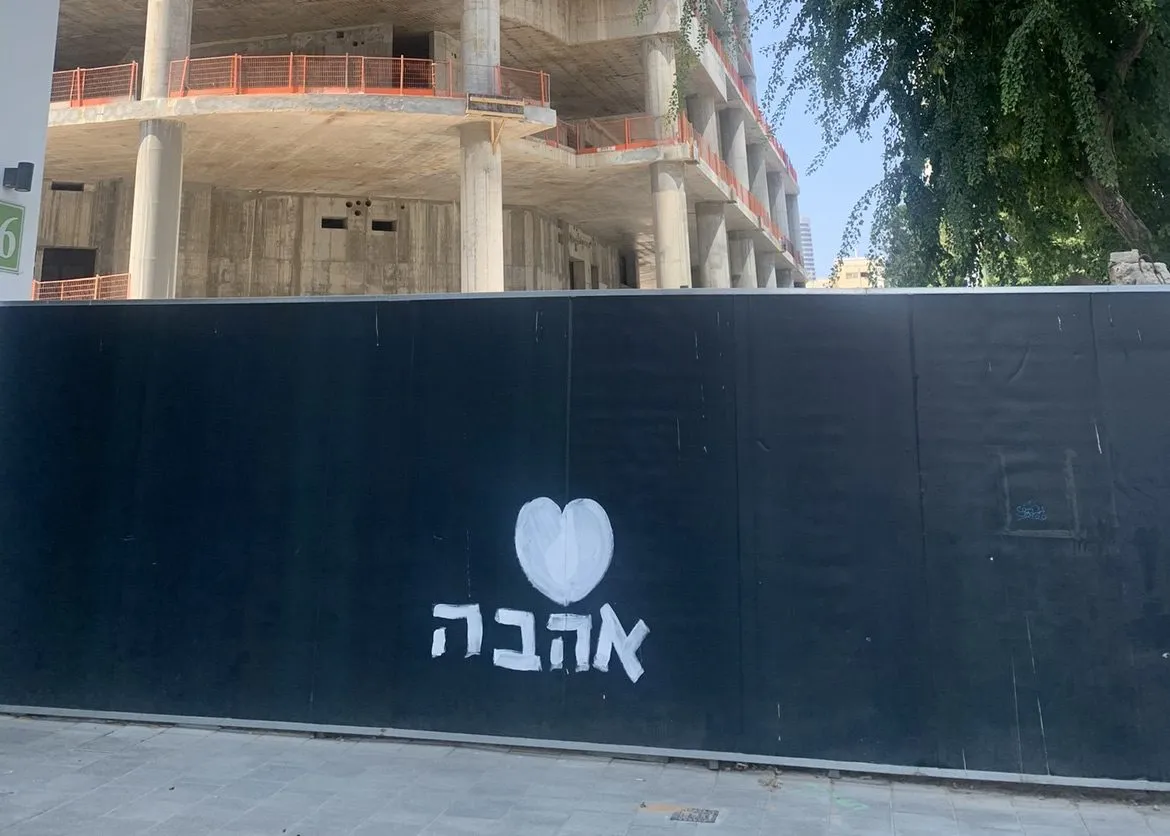
Here, strangers are called 'sweetie' or 'dear'; here, people shout and then immediately make up; here, bus drivers ask for directions; here, there are about two and a half types of coffee – black and with milk; here, fences are defaced with the word 'love'; here, many people don't wear closed-toe shoes at all; here, it's customary to adore children, and here, almost anything can be negotiated.
In Israel, there are no boundaries – there is boundless hospitality.
And boundless sad humor.
Well, I'm on a bench by the Baha'i Gardens. See you!
*excessive alcohol consumption is harmful to your health!
**the activities of Meta Platforms Inc (Instagram) are prohibited in the Russian Federation.
And don't forget to subscribe to our Telegram channel! There you'll find: selections of cheap tickets, private sales for subscribers, the most up-to-date news on entry rules to countries worldwide, and simply interesting travel content – travel hacks, guides, and expert advice.


