Support

Caviahue

About

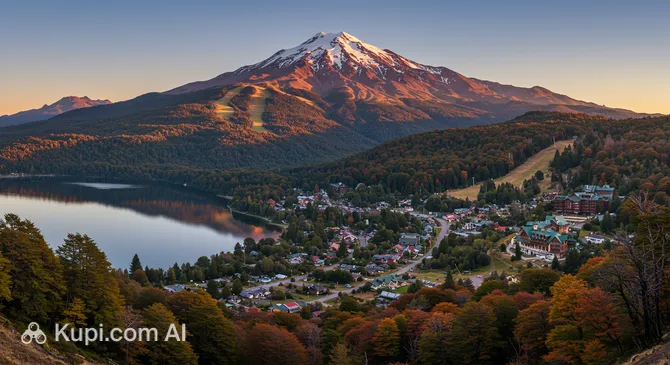
Caviahue is a charming mountain village that looks as if it stepped out of a fairy tale, located on the shores of the lake of the same name at the very foot of the active Copahue Volcano. This resort attracts travelers with its pristine beauty, peaceful atmosphere, and a unique microclimate that makes a vacation here comfortable in any season.

Located in Neuquén Province, this picturesque corner, of which Argentina is rightfully proud, offers an amazing combination of volcanic landscapes and dense forests of ancient Araucaria trees. Despite a small population of just over 700 people, the village has a well-developed tourist infrastructure while maintaining a cozy atmosphere of seclusion amidst the grandeur of the Andes.

Caviahue. Illustration.
Source: Kupi.com AI

One of the main natural attractions is Lake Caviahue itself, which is horseshoe-shaped and distinguished by its turquoise water due to a high concentration of minerals. In winter, the village transforms into a popular ski center where the slopes run right through thousand-year-old trees, while in summer, tourists come here for trekking to the Agrio River waterfalls and healing thermal springs. Although the resort began to develop actively only recently, the history of Caviahue and the surrounding areas is rich in legends of indigenous peoples who revered these lands as sacred.

Visiting Caviahue is an opportunity to experience the wild nature of Patagonia without sacrificing comfort. If you are looking for a place to restore your strength, find inspiration, and enjoy active recreation against a backdrop of fantastic scenery, this town should definitely be on your travel itinerary.

Weather Overview

The climate of this mountain resort is characterized by pronounced seasonality, which makes it attractive to tourists all year round. Summers are typically mild and dry: in January and February, daytime temperatures can reach a comfortable 21°C, although nights remain cool. This is an ideal time for long walks, as rain during this period is very rare, with only 1-2 mm of precipitation per month.

With the arrival of winter, the picture changes dramatically, turning the village into a snowy fairy tale. From June to August, the thermometer often drops below zero, and the average temperature stays around 0°C. It is during these months that the greatest amount of precipitation falls (peaking in June), ensuring excellent snow cover. If you are interested in detailed weather in Caviahue for planning activities, take into account the high probability of precipitation in the winter season — up to 18 rainy or snowy days per month.

Overall, expect a pleasant, not-too-hot summer with plenty of sunny days and cold, wet winters with frequent snowfall. Spring and autumn serve as transitional periods, when temperatures gradually shift between 2°C and 12°C, offering travelers the chance to observe the picturesque change of nature's colors.

Average monthly temperature

Average monthly precipitation

Interesting Facts

In addition to popular ski runs and picturesque views, Caviahue hides many amazing features related to its unique location at the foot of a volcano. Here are a few facts that will allow you to look at this town in a new way:

  • A lake without inhabitants. Picturesque Lake Caviahue has a rare feature: due to volcanic gases and minerals coming from the Agrio River, the water in it has high acidity. This makes it impossible for fish to live in its waters, but it is this chemical composition that gives the lake its famous, deep turquoise color, which does not change even in cloudy weather.

  • Living fossils. The forests surrounding the town consist of Araucarias (Araucaria araucana) — trees that grew on the planet as far back as the era of the dinosaurs. These giants, sacred to the Mapuche people, grow extremely slowly, and the age of many trees you will see on a walk exceeds 1,000 years.

  • "Place of Celebration." The name of the town has deep roots in indigenous culture. Translated from the Mapuche language, "Caviahue" means "Place of Celebration" or "Meeting Place." Historically, tribes gathered in this valley for rituals and to harvest pine nuts, considering this land a zone of peace.

  • Contrast with its neighbor. Surprisingly, the famous thermal resort of Copahue, located just a few kilometers away, becomes completely empty in winter and is often covered in snow up to the roofs, making it inaccessible to ordinary vehicles. Caviahue, thanks to its location, remains the only inhabited outpost of civilization in this area, welcoming travelers all year round.

How to Get There

You can reach this picturesque corner of the Andes in various ways, but most tourists prefer a combined route that includes a flight to one of the nearest major cities followed by a road transfer. To plan your trip in detail, we recommend studying all the ways to get to the city, which describe the nuances of each route.

There is no airport in the town of Caviahue itself, so the main hub for travelers is Presidente Perón International Airport (IATA: NQN) in the city of Neuquén, located about 280 km from Caviahue. It is a major regional hub with high passenger traffic, receiving regular flights from Buenos Aires and other cities. The journey from the airport to the resort by rental car or scheduled bus takes about 4–5 hours, passing through picturesque steppe landscapes.

Another convenient option is to fly to Chapelco Airport (IATA: CPC), located in the town of San Martín de los Andes. it is 245 km from Caviahue. Although this airport is smaller, it is very popular among tourists visiting the Lake District. The driving time is approximately 3.5–4 hours.

It is also worth noting that geographically, Carriel Sur Airport (IATA: CCP) in the city of Concepción is the closest to the resort — only 216 km away. However, as this airport is located in another city (on Chilean territory), when choosing this route, it is necessary to account for the time needed to cross the state border in the Andes.

For clarity, here is a summary of the main airports:

AirportPassenger trafficDistance
Temuco Airport504 147183 km
Carriel Sur Airport2.3 mln216 km
Chapelco Airport318 166245 km
Pichoy Airport418 000266 km
Presidente Peron International Airport1.2 mln280 km

Main Attractions

The main magnet for travelers in this region is its unique nature, where volcanic power coexists with the serenity of ancient forests. The surroundings of Caviahue offer routes that will surprise even experienced tourists with their colors and scale.

Salto del Agrio Waterfall is perhaps the most impressive natural attraction in the area. A massive stream of water plunges from a height of about 60 meters into a deep basalt canyon. But the main draw here is the color: thanks to the high concentration of minerals in the water, the rocks around the waterfall are painted in bright shades of ochre, yellow, and red, creating an incredible contrast with the turquoise water and green Araucarias. This spot is located about 18 km from the town and is a must-visit for taking fantastic photographs.

For those seeking adventure, Copahue Volcano (Volcán Copahue) will be a challenge. It is an active stratovolcano that shapes the landscape and climate of the entire region. In the summer (from December to April), hiking and horseback climbing expeditions to the crater are organized. Upon reaching the summit, you will see a smoking acidic lake inside the crater and a breathtaking panorama of the Andes mountain range separating Argentina and Chile. The route requires moderate physical fitness, but the views from the top are worth every effort.

A more accessible and relaxing walking option is the "Seven Waterfalls" (Siete Cascadas del Agrio) route. This is a series of picturesque cascades on the Agrio River, located just a kilometer from the village. The trail meanders among centuries-old Araucarias, leading travelers to waterfalls with poetic names such as "Basaltic," "Virgin's Braid," and "The Snake." It is an ideal place for a family walk or a picnic, where you can fully feel the magic of the Patagonian forest to the sound of a mountain river.

Local Cuisine

Caviahue's gastronomy is an authentic "highland cuisine," where the harsh climate of the Andes dictates its own rules, and indigenous traditions intertwine with European heritage. Local dishes are hearty and rich in flavor, perfectly suited for restoring energy after a day spent on the ski slopes or mountain trails.

The main culinary "signature" of the region is piñones — the seeds of the sacred Araucaria tree. This ingredient, used for centuries by the Mapuche people, can be found today in the most unexpected variations. Be sure to try dishes where piñones are used as a side dish, added to meat sauces, or even ground into flour for baking bread and desserts (alfajores). The second gastronomic symbol of northern Neuquén is considered to be chivito (young goat). The meat here is prepared simply but masterfully: most often whole "on the cross" (al asador) or in a clay oven, which gives it a unique smoky aroma and a very tender texture.

For fish and game lovers, Argentina offers magnificent rainbow trout in this region, caught in local lakes, as well as smoked venison and wild boar. These delicacies are often served as a platter (picada) before the main course, accompanied by homemade bread and pickled mushrooms gathered in the surrounding forests.

As for drinks, Caviahue is famous for its craft beer (cerveza artesanal). The secret of its excellent quality lies in the purest glacial water used by local brewers. In bars, you can find varieties with the addition of the same piñones or local berries. Wines from neighboring Patagonian valleys are also popular and, of course, hot chocolate, which is prepared thick and aromatic here — the perfect end to a winter evening.

The dining culture in the town is very cozy and informal. There are no pretentious restaurants with strict dress codes; instead, tourists can expect warm family establishments (bodegones) with wooden furniture and fireplaces. "Tea Houses" (Casas de Té) are particularly popular, where it is customary to gather in the afternoon for a cup of tea with a piece of homemade berry cake or dulce de leche.

Travel Tips

Caviahue is a place where nature dictates its own rules, so proper preparation will make your vacation much more comfortable and safe. To help you enjoy the beauty of volcanoes and ancient forests without unnecessary worries, we have compiled a list of useful recommendations for planning your trip.

  1. Clothing and Gear. Weather in the Andes changes rapidly, so use the "layering" principle. Even in summer, a windbreaker and a fleece jacket are mandatory, as the winds here can be very strong. Footwear should be comfortable, with a non-slip sole (trekking boots are ideal). Don't forget sunglasses and high SPF sunscreen — the mountain sun is very strong.

  2. Transport. The town itself is very compact and pleasant to explore on foot. However, there is no public transport within the village. To see the main sights (Salto del Agrio waterfall or the foot of the volcano), you will need a car. If you don't have your own vehicle, we highly recommend renting a car (preferably a crossover or SUV) in advance in the city of Neuquén, as the local selection is limited.

  3. Finances. In remote areas of Patagonia, for which Argentina is famous, cash (pesos) remains "king." Although some hotels and restaurants accept cards, terminals often don't work due to communication outages. The only ATM in town may be empty or not service international cards, so bring enough cash for your entire stay.

  4. Health and Safety. Caviahue is a very safe place with a low crime rate. Pay primary attention to your health: the air may contain a slight smell of sulfur from the volcano, which is usually harmless, but allergy sufferers should carry antihistamines. There is a pharmacy in the town, but the range of products is basic, so bring specific medications with you.

  5. Communication. The primary language is Spanish. English is not understood everywhere, so download an offline translator and learn a couple of phrases. Mobile service and 4G work in the village center but disappear once you drive a couple of kilometers away. Be sure to download offline maps of the region (e.g., Maps.me or Google Maps) before heading out on routes.

  6. Local Etiquette. In small Patagonian villages, it is customary to say hello when entering a shop or restaurant (a simple "Hola" or "Buenos días"). Life flows at a peaceful pace here, so don't rush waiters or staff — relaxation is part of the local culture.

  7. What to Avoid. It is strictly forbidden to break branches or damage the bark of Araucaria trees — these trees are sacred and under strict protection. Also, avoid swimming in "wild" water bodies without checking information: some springs may be too hot or have an aggressive chemical composition.

  8. Tip for Thermal Spring Lovers. If you plan to visit the thermal springs at the Copahue complex (nearby) or natural baths, bring an old swimsuit that you don't mind throwing away. The high concentration of sulfur and minerals can permanently change the color of the fabric and leave a specific smell that is hard to wash out.

By following these simple tips, you can avoid minor troubles and fully immerse yourself in the atmosphere of this amazing region. Caviahue is waiting to give you unforgettable impressions of meeting the rugged but beautiful nature of the Andes!

Entertainment & Nightlife

The entertainment program in Caviahue perfectly matches the spirit of this secluded mountain resort: you won't find noisy nightclubs or massive shopping malls here. Leisure in the village is focused on cozy evenings in the company of friends, gastronomic discoveries, and learning about local traditions after a busy day in nature.

The center of evening life is the "après-ski" culture. As the sun sets, tourists fill local bars and breweries to discuss the conquered slopes over a glass of the craft beer for which Argentina is famous. The atmosphere in these establishments is very casual and warm, often with live music, and the interiors with fireplaces are perfect for long conversations. This is an ideal time to try local snacks and relax in an informal setting.

If your trip falls during the winter season, you can witness vibrant events. The main celebration is the Provincial Snow Festival (Fiesta Provincial de la Nieve). The program usually includes:

  • Torchlight processions. A spectacular sight where ski instructors and experienced athletes descend the mountain with lit torches, creating a river of fire against the night snow.

  • Snow Carnival. Ice sculpture competitions, performances by local artists, and tastings of traditional dishes in the fresh air.

  • Ecological marathons. Snowshoeing competitions that attract both professionals and amateurs.

For shopping enthusiasts, the artisan fair (Paseo de Artesanos) is of great interest. Here you can buy unique souvenirs reflecting the culture of the region and the heritage of the Mapuche people. Look for woodwork, hand-woven wool ponchos, and rugs with traditional patterns. Gastronomic souvenirs are also popular: handmade chocolate, liqueurs made from local herbs, and jams made from Patagonian berries.

Those seeking complete relaxation should check out the hotel spas. Many of them offer treatments using volcanic mud and thermal water, allowing you to combine pleasure and wellness without leaving the village.

Parks & Museums

Caviahue is a unique place where the boundaries between the urban environment and wild nature are practically blurred. The town is located directly within a protected reserve, so there is no need to look for special green zones — you are already in the center of a huge natural park. Nevertheless, there are several designated locations in the surrounding area that deserve special attention from nature and history lovers.

The main natural treasure of the region is Copahue Provincial Park (Parque Provincial Copahue). This is a vast protected area of more than 28,000 hectares, created to protect the unique Araucaria forests and volcanic landscapes. For tourists, it is a real open-air museum: here you can see geological formations, solidified lava flows, and endemic plant species. The park is ideal for trekking, bird watching, and photo hunting, offering routes of varying difficulty starting right from the town limits.

For quiet walks within the village, the Caviahue Lake Waterfront (Costanera) is perfect. This is a well-maintained coastal area surrounding the mirror-like surface of the lake. It is equipped with rest areas and viewpoints that offer a mesmerizing view of the mountains' reflection in the turquoise water. This is a favorite spot for both tourists and locals for evening promenades and watching sunsets, when the sky over the Andes is painted in incredible colors.

As for cultural institutions, there are no large classical museums in Caviahue itself, which is compensated for by the richness of its geological history. The role of the main educational center is often performed by the Volcano Interpretation Center (Centro de Interpretación) or thematic exhibitions at the tourist office. Here, visitors can learn about the volcanic activity of the region, the origin of the thermal springs, and the healing muds for which Argentina is famous in this part of Patagonia. The exhibits are generally interactive and clearly explain the powerful natural processes that shape this land.

Nearby, in the seasonal village of Copahue, is the Museum of Thermalism (Museo del Termalismo). It operates mainly during the summer season and tells the story of the resort's development: from the first baths carved into the rocks by indigenous peoples to the construction of the modern balneological complex. This small but atmospheric place allows you to dive into the past and understand how people have learned for centuries to use the volcano's energy for health.

As a "living museum," the Araucaria forests should definitely be considered. Local guides often call walks through them excursions into the Jurassic period. These majestic trees, some of which are hundreds of years old, are living fossils. Walking among their giant trunks, covered with thick bark resembling armor, provides a unique experience of touching a prehistoric era that cannot be found in any gallery in the world.

Getting Around

The public transport system in Caviahue has its own unique features, dictated by the modest size of this mountain settlement. Since the town is very compact, there is no metro, tram, or extensive network of scheduled city buses typical of megacities. All infrastructure is concentrated in a small area, so most distances within the residential zone are easily covered on foot, allowing you to enjoy the purest mountain air and views of the lake.

The main means of transport for those who do not want to walk are local taxis and private transport services, known here as "remis." An important feature: unlike standard taxis, these cars rarely have "Taxi" identification marks on the roof and it is not customary to hail them on the street. You must order a car in advance by phone or ask your hotel receptionist to call a driver. This is a reliable way to get to remote guest houses or the start of hiking trails.

As for the payment system, a traditional approach prevails here. While in the large cities for which Argentina is known, the SUBE unified transport card is used everywhere, it will not be useful for local trips in Caviahue. Payment in taxis and for transfers is made exclusively in cash pesos. It is highly recommended to carry small bills, as drivers often do not have change for large banknotes. The cost of a trip is fixed or negotiable, so it's better to clarify the price before getting in.

During the high winter season, the transport situation becomes more active. For the convenience of tourists, special shuttles and minibuses are launched, running between major hotels and the base of the ski center (Centro de Esquí). They operate on a schedule tied to the lift operating hours. Tickets for such transfers are usually purchased on-site or included in the price of ski passes and accommodation in some hotels.

Given the limited public transport, the best alternative for travelers remains renting a car. This gives complete freedom of movement to natural attractions, such as the Agrio River waterfalls or the thermal baths, where public transport does not go at all. Also, in the summer period, bicycle rental is popular — an eco-friendly and pleasant way to explore the lake and village surroundings at your own pace.

Accommodation

The choice of accommodation in Caviahue, despite the village's modest size, is quite diverse and capable of meeting various traveler needs. You won't find huge hotel chains or skyscrapers here; instead, Argentina offers tourists comfort and authenticity. The housing stock primarily consists of charming alpine-style houses built of wood and stone, which blend harmoniously into the surrounding mountain landscape.

Accommodation types and price ranges vary from budget options to comfortable spa hotels. The most popular format of accommodation here are "cabañas" — independent cottages or bungalows with their own kitchen, living room, and often a fireplace. This is an ideal choice for families and groups of friends who value independence. Classic mid-range inns (hosterías) and apart-hotels are also available. For budget travelers and young people, there are several hostels with a warm, friendly atmosphere.

Regarding neighborhoods to stay in, due to the compactness of Caviahue (the entire village can be walked in half an hour), there is no such thing as a "bad neighborhood" here. However, two conventional zones can be distinguished:

  • Waterfront (Costanera): Accommodation here is located along Lake Caviahue. This is the most scenic option, offering stunning views of the water and mountain reflections. It is convenient for evening walks.
  • Upper Part of the Village: Located slightly closer to the road leading to the ski center. This can be convenient in winter for those who want to minimize travel time to the lifts, although distances here are measured in hundreds of meters.

Booking tips: Caviahue is a resort with strong seasonality. During peak periods — July-August (ski season) and January-February (summer holidays) — demand for housing many times exceeds supply. It is highly recommended to book your stay at least 2–3 months in advance. If you are planning a visit for the winter holidays, it is better to start looking for accommodation as early as autumn.

For booking, you can use major international online platforms; however, many small cabaña complexes and private guesthouses prefer direct booking. Contacting owners via messaging apps or email can often be more cost-effective and reliable. Keep in mind that some properties may require a deposit via bank transfer and prefer cash payment on-site.

Nearby Cities

For those who want to explore the surrounding area, Caviahue serves as an excellent starting point for trips to several interesting nearby locations. Although distances in Patagonia can seem significant, a trip to these cities will allow you to change the scenery and see another side of Argentina.

Neuquén is the provincial capital and the largest city in the region, located at the confluence of the Limay and Neuquén rivers. It is a true paradise for paleontology enthusiasts: here you will find museums with impressive dinosaur skeletons found in this area. The city also offers excellent shopping, restaurants, and walks along the picturesque Paseo de la Costa promenade.

Another attractive destination, although requiring a longer drive, is the famous Bariloche (San Carlos de Bariloche). This city is famous for its Swiss-style architecture, legendary chocolate, and stunning views of Lake Nahuel Huapi. It is an ideal place to experience the atmosphere of the European Alps in the heart of South America.

Agritourism lovers might be interested in the region around the cities of Cipolletti and General Roca. This area is known as the "Upper Valley" (Alto Valle), famous for its fruit orchards, especially apples and pears, as well as wineries where you can taste local wines.

CityPopulationDistance
Loncopue2 30045 km
Lonquimay10 25171 km
Chos Malal13 09287 km
Santa Barbara13 40589 km
Las Lajas4 07895 km

These nearby destinations provide insight into the diverse culture and landscapes of the region, from fertile valleys to vibrant urban centers.

Shopping & Souvenirs

General Overview

Shopping in Caviahue is not a hunt for global brands or massive sales, but rather a cozy extension of your introduction to Patagonian culture. In this small mountain village, the shopping process turns into a leisurely stroll where every little shop offers something unique and made with soul. The assortment of local shops is aimed at tourists who value authenticity: here you will find quality equipment for active recreation, gastronomic delicacies, and handmade products reflecting the traditions of indigenous peoples.

Main Shopping Areas and Streets

Due to the town's compactness, there are no long shopping miles. All commercial life is concentrated in the village center (Centro), around the main street and the lake waterfront (Costanera). Shops, souvenir stalls, and equipment rental points are located within walking distance of each other, often on the ground floors of wooden alpine-style houses. A walk through this area provides aesthetic pleasure: shop windows are often decorated in a rustic style, with the majestic Andes serving as a backdrop.

Shopping Centers

Travelers should know that there are no large shopping centers or malls in Caviahue. This is a quiet village with a population of less than a thousand people, where there is no place for retail giants. If your goal is large-scale shopping for clothing or electronics, it's better to plan a stop in the provincial capital — the city of Neuquén — on your way to or from the resort.

Markets

The main point of attraction for lovers of unique items is the Artisan Fair (Paseo de Artesanos). This is where local craftsmen display their work. Here you can buy not just a souvenir, but an item with a story, chatting directly with its creator. The fair often sells products created in the traditions of the Mapuche people, as well as homemade pastries and preserves.

Souvenirs: What to Bring Back

From a trip to Caviahue, it is worth bringing back gifts that convey the spirit of this harsh but beautiful land. Here is a list of the most popular purchases:

  • Mapuche Textiles: Ponchos, scarves, and rugs hand-woven from natural sheep's wool and colored with natural dyes.
  • Wood Products: Tableware and decorative figurines carved by local craftsmen.
  • Gastronomy: Handmade chocolate (especially with berries or nuts), smoked venison or wild boar, and products made from piñones (Araucaria seeds) — such as flour or liqueurs.
  • Natural Cosmetics: Creams, soaps, and masks based on volcanic mud and thermal water from the Copahue region, which Argentina is so proud of.

Operating Hours and Payment

Shops in Caviahue usually operate with a siesta break. A typical schedule: from 9:00–10:00 AM to 1:00 PM and then from 5:00 PM to 9:00 PM. In the high tourist season (winter and summer), some souvenir shops may operate without a break. As for payment, cash pesos are the most reliable way to pay here. Although some shops have card terminals, communication in the mountains is often unstable, so always carry a supply of cash with you.

Tax Free

Although Argentina has a tax refund system (Global Blue) for foreign tourists on purchases of national goods, it is extremely difficult to find shops connected to this system in a small village like Caviahue. Most retail outlets here are small businesses operating under simplified schemes, so you should not count on Tax Free forms.
Reached the end of the page?

That means the route is fully explored