Support

General Roca

About

General Roca is a true oasis of life located in the heart of Argentine Patagonia. This picturesque city, situated in the province of Río Negro, harmoniously combines the coziness of a small community with the energy of a modern center. For travelers attracted to Argentina by its diverse landscapes, this destination serves as an excellent base for exploring the region. With a population of about 160,000, the city plays a key role as an economic and cultural hub while remaining comfortable for leisurely strolls.
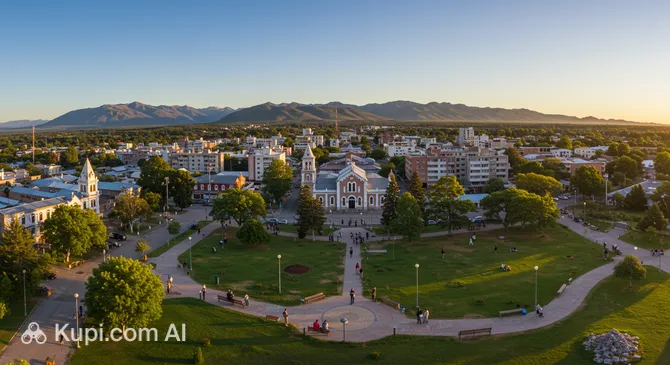
General Roca. Illustration.
Source: Kupi.com AI

The surrounding landscapes are literally made for enjoying nature: fertile valleys and famous vineyards sit alongside views of the Andean foothills. The unique history of General Roca is closely intertwined with the development of agriculture in the region, which is reflected today in rich gastronomic traditions and an abundance of fresh local produce at the markets. Here, you can feel authentic Patagonian charm—with friendly locals and a sense of freedom.

The city offers tourists many leisure opportunities. Outdoor enthusiasts will appreciate the well-equipped areas for cycling, fishing, and horseback riding, while those who prefer relaxation can head to river beaches or walk through the green alleys of the city parks. The local wineries, where you can taste excellent wines, deserve special attention.

Visiting General Roca is an ideal choice for those seeking authentic experiences away from the tourist crowds. Come here to breathe the crisp Patagonian air, immerse yourself in the local culture, and see how harmoniously nature can coexist with urban life.

Weather Overview

The climate in this region is characterized by distinct seasonality and aridity, typical for northern Patagonia. Summers here are hot and sunny: in January, the average temperature is about 25.2°C, and during the daytime, the air often warms up above 32°C. There is virtually no precipitation in the summer, providing excellent conditions for walking and outdoor excursions.

Winter brings a noticeable cooling, although severe frosts are rare. The coldest month is July, when the average temperature drops to 7.1°C, and can fall to 2°C at night. If you are interested in the current weather in General Roca for wardrobe planning, keep in mind that even in winter, rains are infrequent, and the number of wet days in a month rarely exceeds five.

Expect a hot summer with clear days and a cool, dry winter with brisk temperatures. Thanks to low rainfall throughout the year, a trip to the city will be comfortable in almost any season, provided you choose the right clothing.

Average monthly temperature

Average monthly precipitation

Interesting Facts

In addition to its main attractions, General Roca holds many fascinating secrets and stories that make it a truly special place in Patagonia. Here are a few facts to help you better understand the character of this city:

  • Born from a Fort: The city was founded at the end of the 19th century not as a typical settlement, but literally grew on the site of a military fort. This fortification guarded the borders during the active exploration of Patagonian lands, and the city received its name in honor of the famous statesman Julio Argentino Roca.

  • European Flair: In the early 20th century, General Roca became a magnet for immigrants from Europe. Families from Italy, Spain, and Germany moved here en masse, forever changing the cultural face of the city. Today, this heritage is easily recognizable in the features of local architecture and traditions.

  • Apple Capital: Local orchards are considered among the best in the country, and the city itself is famous for its agricultural achievements. The main event of the year is the colorful Apple Festival (Fiesta Nacional de la Manzana), which attracts guests not only from neighboring regions but also from abroad.

  • Secrets of the First Settlers: Local folklore preserves many legends from the times of the wild Patagonia frontier. Old-timers still tell exciting stories of heroic deeds by pioneers and even about treasures hidden in the surroundings that have never been found.

How to Get There

When planning a trip to this corner of Patagonia, it is worth thinking about logistics in advance, as there is no direct air service to the city itself. However, thanks to the region's developed transport network, getting here is not difficult. You can find out more details about how to get to General Roca to choose the most suitable option for you, whether by plane or land transport.

The main air gateway for tourists is Presidente Perón International Airport (NQN). It is important to note that it is located not in General Roca itself, but in the neighboring city of Neuquén, which is about 51 km away. This is a large and modern aviation hub with high passenger traffic, receiving regular flights from the capital and other regions. The journey from the airport to the center of General Roca by taxi or rental car takes about an hour, while the travel time by bus is slightly longer.

For clarity, here is a summary of the main airport:

AirportPassenger trafficDistance
Presidente Peron International Airport1.2 mln51 km

As for other methods of travel, rail transport in this region is rarely used for tourist purposes. The main alternative to flying is comfortable intercity buses that connect General Roca with Buenos Aires and other major Argentine cities. The bus station is located within the city limits, making this a very convenient way to arrive. Car rentals are also popular, allowing you to enjoy the scenic landscapes of the Río Negro province on the way to your destination.

Main Attractions

General Roca offers travelers an interesting blend of Northern Patagonia's natural beauty and cultural heritage. Although the city is primarily known as an agricultural center, there are several iconic spots that allow for a deeper understanding of the region's history and its unique landscapes. Here is a list of the main attractions to include in your itinerary.

Paso Córdoba Nature Reserve
This is perhaps the most impressive natural attraction in the city's surroundings, located just a few kilometers to the south on the banks of the Río Negro. The area is famous for its unique geological formations that resemble lunar landscapes. Tourists are drawn here by the famous "Red Valley" (Valle de la Luna Rojo) with its brightly colored sedimentary rocks, where fossils are often found. It is an ideal spot for trekking, mountain biking, bird watching, and simply having a picnic with a river view.

Humberto Canale Winery (Bodega Humberto Canale)
A visit to General Roca would be incomplete without discovering its winemaking traditions. Founded in 1909, this historic winery is one of the oldest in Patagonia. It played a key role in the development of viticulture in the region. Tourists are offered tours of the old cellars, walks through picturesque vineyards, and, of course, tastings of exquisite wines, among which the Pinot Noir and Merlot born in the cool climate of Río Negro particularly stand out.

Paseo del Canal Grande
This green zone, stretching along the main irrigation canal, is considered the "lungs" of the city and the center of its social life. The canal, built to irrigate fruit orchards, has been transformed into a cozy linear park. It is a great place for leisurely evening walks, morning jogs, or relaxing in the shade of trees with traditional Argentine mate. Here, you can feel the real rhythm of local life and take a break from the city bustle.

Lorenzo Vintter Historical Museum
For those interested in the region's past, this museum is a true find. The exhibition tells the story of the city's development through various stages: from indigenous peoples and early military campaigns to the arrival of European immigrants who turned the desert into a blooming garden. The collection features antique household items, agricultural tools, photographs, and documents that help visitors understand how the unique identity of the Río Negro valley was formed.

Local Cuisine

The cuisine of General Roca is a gastronomic reflection of Patagonia's generous nature. The cornerstone of the local menu is undoubtedly meat. Travelers should definitely order asado—various cuts of meat masterfully prepared over an open fire or grill. This dish is served in large portions here and is considered not just food, but an important part of social culture. For an excellent snack, try empanadas—traditional Argentine pastries, which in this region are made with juicy fillings of minced beef, chicken, vegetables, or melted cheese.

Since the city is located in a fertile valley, local fruits, primarily apples and pears, play a special role in cooking. They are used everywhere: from fresh slices to fillings for homemade pastries. In cozy confectioneries and cafes, you can try sweet pasteles and cakes prepared according to old family recipes. Street food lovers should look for kiosks selling hot churros, which are traditionally dipped in thick chocolate or dulce de leche.

The region's beverage list is equally diverse. Thanks to developed fruit growing, excellent cider is produced here—refreshing and aromatic, it has become one of the symbols of the city. For connoisseurs of fine drinks, it is worth tasting local wine varieties born in the vineyards of Río Negro. Among non-alcoholic options, the king remains the traditional herbal tea mate, which locals drink at any time of day, often in the company of friends in parks or on the embankment.

To fully immerse yourself in the gastronomic atmosphere of General Roca, it is recommended to visit the farmers' markets. This is a true paradise for gourmets, where you can find craft cheeses, homemade sausages, and the freshest vegetables straight from the garden. Furthermore, the city regularly hosts gastronomic festivals where the region's top chefs demonstrate their skills, turning food into a true celebration of taste.

Travel Tips

Welcome to General Roca! To ensure your introduction to the "City of Arts" and the agricultural heart of the Río Negro province is as comfortable as possible, we have prepared a list of useful recommendations. These simple tips will help you adapt faster to the local pace of life and avoid typical tourist inconveniences.

  1. Clothing and Seasonality. The climate here is arid and windy, with large temperature fluctuations. Even if you are traveling in the hot summer, be sure to bring a windbreaker or a fleece jacket for the evenings—the air cools down quickly after sunset. For excursions to the Paso Córdoba reserve, you will need comfortable, closed-toe shoes with non-slip soles, as the terrain is rocky.

  2. Transport Logistics. The city center is compact and walkable, but for trips to wineries or the river, it is better to use a taxi or a "remis" (private car service with fixed rates). Taxi apps do not work as stably here as in the capital, so it is more reliable to order a car by phone or through the hotel reception. Renting a car is the ideal option for freedom of movement throughout the valley.

  3. Finances and Cash. The official currency is the peso. Although cashless payment is widely developed in Argentina, in smaller cities like General Roca, cash ("efectivo") is still king. In many small shops and kiosks, cards may not be accepted, or the connection to the terminal may be down. Always try to have a supply of small bills with you.

  4. Siesta is Important. Take the local daily schedule into account. In General Roca, the siesta is strictly observed: most shops, banks, and offices close from approximately 1:00 PM to 4:30 PM or 5:00 PM. Plan your shopping and important tasks for the morning or evening, and dedicate the hot midday hours to lunch or rest, just as the locals do.

  5. Communication and Language. The main language is Spanish. English is not understood everywhere, so download an offline translator or learn basic polite phrases. SIM cards from local operators (Claro, Movistar, Personal) can be bought at kiosks, but a passport is often required for activation. Wi-Fi is available in almost all cafes and restaurants; the password is usually found on the menu or the receipt.

  6. Local Etiquette. Argentines are very open and tactile people. When meeting and saying goodbye, it is customary to kiss the person on the cheek (once), even if you are meeting for the first time. Don't be surprised by late dinners: restaurants only start filling up with people after 9:00–10:00 PM. Arriving for dinner at 7:00 PM likely means finding closed doors or an empty room.

  7. What to Avoid. You should not openly display expensive gadgets or large amounts of money on the street, especially in the evening. Also, avoid rushing or being impatient when interacting with staff: the pace of life in Patagonia is more relaxed ("tranquilo"), and attempts to speed up service may be perceived as rudeness.

  8. Extra Tip: Water and Sun. The sun at these latitudes is very active, even if the temperature feels comfortable due to the wind. Be sure to use sunscreen with a high SPF and wear a hat. It is also recommended to drink only bottled water to avoid acclimatization issues.

We hope these tips make your stay in General Roca easy and pleasant. This city knows how to charm with its hospitality and tranquility, so relax and enjoy every moment of your Patagonian adventure!

Entertainment & Nightlife

The nightlife in General Roca can be a pleasant surprise for travelers. Thanks to its status as a university center and its unofficial title as the "City of Arts," evenings here are lively and inclusive. The atmosphere in venues is relaxed, without excessive pretension, making it easy to blend into the local scene and feel at home.

The epicenter of evening activity is the Paseo del Canal Grande zone. During the warm months, the canal embankment turns into one large meeting ground: food trucks operate here, street musicians play, and young people gather in large groups. Another important artery of nightlife is the central street Avenida Roca and its surrounding blocks, where most restaurants and bars are concentrated.

Craft breweries (cervecerías) hold a special place in the leisure culture. Patagonia is famous for its beer, and General Roca is no exception. Local bars offer a wide selection of varieties brewed in the region. The crowd here is diverse, ranging from students to families, and the dress code is casual almost everywhere. It is best to arrive at bars after 11:00 PM, as the scene starts late here.

Among the specific places worth visiting to explore the entertainment side of the city are:

  • Casino del Río — This is not just a gambling establishment, but a large entertainment complex. It frequently hosts live concerts, shows, and features an excellent restaurant. It is a popular spot for those who want to spend an evening in a more elegant setting.

  • Central Bar Districts — Take a stroll along Tucumán Street or Avenida Roca, where you will find many cozy pubs. It is customary to order a pint of local IPA or stout accompanied by pizza or burgers.

Regarding safety, the city center and the canal area are considered calm and well-lit zones for walking. However, when returning to your hotel late at night, it is recommended to use a taxi or order a "remis" (private car service) by phone or through an app to avoid long waits on the street.

As for daytime and cultural entertainment, General Roca is rightfully proud of its Casa de la Cultura (House of Culture). This is one of the province's most important cultural venues, regularly hosting theatrical performances, exhibitions, and music festivals. During the day, it is also pleasant to walk through the city's green squares or visit small art galleries that support the city's status as the region's cultural capital.

Parks & Museums

General Roca is a city where care for cultural heritage goes hand in hand with a love for nature. While traveling through Argentina, it is worth making a stop here to visit unique local museums and relax in picturesque green zones that allow you to temporarily forget the city bustle.

The city's main green artery is rightfully considered the Paseo del Canal Grande. This long linear park, running along the historic irrigation canal, serves as a favorite spot for relaxation. Here, you can find shelter in the shade of ancient eucalyptus and willow trees, enjoying the coolness from the water that once turned the arid steppe into a blooming garden. The park is ideal for morning jogs, cycling, or quietly reading a book on a bench.

Another important natural area is Isla 32 (Island 32), located on the banks of the Río Negro. This space attracts lovers of outdoor activities and nature: it is equipped with sports grounds, camping zones, and spots for beach relaxation by the water. The dense coastal vegetation creates a special microclimate here, providing escape from the summer Patagonian heat, while the river views offer a sense of complete harmony with nature.

The city's cultural program would be incomplete without a visit to the Patagonian Museum of Natural Sciences (Museo Patagónico de Ciencias Naturales). This institution is a true pride of a region known for its paleontological riches. The exhibition takes visitors on a journey into prehistoric times, displaying impressive fossils of dinosaurs and other ancient inhabitants of Patagonia found in the vicinity. This place will be especially interesting for families with children and anyone fascinated by Earth's history.

Art lovers should stop by the Juan Sánchez Municipal Museum of Fine Arts (Museo Municipal de Bellas Artes Juan Sánchez). The gallery is the center of visual arts in the city and presents an extensive collection of works by both recognized Argentine masters and talented contemporary artists from the province. Exhibitions here change frequently, offering a fresh perspective on the region's cultural identity.

For those seeking unique experiences outside the center, we recommend visiting the Bubalcó biopark, located in the outskirts. This is not just a zoo, but a true biodiversity sanctuary where exotic and local animals are kept in spacious enclosures among the natural vegetation of the river valley. It is a great opportunity to see fauna in conditions as close to the wild as possible.

Getting Around

The public transport system in General Roca is arranged quite simply and functionally, allowing tourists to move around the city with ease. There are no metro or tram lines; the main means of transport for locals and guests are the city buses (colectivos). The route network covers the center, residential areas, and extends to key tourist zones such as the canal embankment or university campuses.

The key point to know in advance is the payment system. Public transport does not accept cash paid to the driver. To ride, you will need a unified transport card called SUBE. This card can be purchased and topped up at numerous kiosks (kioscos), lottery shops, or pharmacies marked with a special blue logo. The fare is fixed and very affordable, and one card can often be used to pay for several people simply by tapping it against the validator the required number of times.

Buses usually run at intervals of 15 to 30 minutes depending on the route and time of day. It is important to remember that during the night, the frequency of trips decreases, and after midnight, public transport may stop altogether. To stop a bus on the street, it is customary to raise your hand to signal the driver, otherwise they may drive past. Exit is through the rear door, after pressing the bell button.

A popular and convenient alternative to buses are taxis and remises. Remises are a type of private car service that differs from a regular taxi in that they do not have meters; the price of the trip is fixed and depends on the distance (tariff zones). You can order a car by phone or through a hotel reception; it is not customary to "hail" them on the street. This is the safest and most comfortable way to reach remote wineries or return to your hotel after a late dinner.

For those who prefer independence, renting a car is an excellent option. This is especially relevant if you plan to travel outside the city to natural attractions like Paso Córdoba. Cycling is also gaining popularity in the city: convenient paths are laid out along the main canal (Paseo del Canal Grande), and although there is no centralized bike-sharing system, some hotels and private rental points offer bicycles for hire.

Accommodation

The choice of accommodation in General Roca is quite diverse and reflects the city's status as an important commercial and agro-industrial center of Northern Patagonia. There aren't a vast number of five-star resorts; however, travelers will easily find comfortable options to suit various budgets. The hotel stock primarily consists of mid-range city hotels (3–4 stars), cozy boutique hotels, as well as numerous apart-hotels and short-term rental apartments, which are especially popular among families and those who prefer a home-like environment.

When choosing an area to stay, most tourists prefer the city center (Microcentro). Staying in the block between Avenida Roca and the canal puts you within walking distance of the main restaurants, banks, shops, and cultural institutions. This is a strategically convenient location for those traveling without a car. For transit travelers heading south through Argentina, motels and hotels located along National Route 22 are convenient, saving time when entering and leaving the city.

A special charm is added to the region by accommodation options in the so-called "chacras"—farm estates in the outskirts. Some local farmsteads and wineries offer guests agritourism-style lodging. This is a unique opportunity to live among fruit orchards and vineyards, enjoying the silence and fresh air while being only a 10–15 minute drive from the main square.

The price range in General Roca can be described as moderate. The cost of living here is generally lower than in popular tourist centers like Bariloche. You can book accommodation through popular international online platforms, although many small apartments and guesthouses prefer direct communication via messaging apps (WhatsApp), which is typical for Argentina.

Booking Tip: While it is usually easy to find a free room, the situation changes dramatically in February when the famous National Apple Festival (Fiesta Nacional de la Manzana) takes place. During this period, the city is overflowing with guests, and it is necessary to book accommodation several months in advance. You should also take care of lodging early if your trip falls on long public holidays.

Nearby Cities

For those looking to explore the surroundings, General Roca serves as an excellent starting point for day trips to several interesting nearby locations. Its position in the fertile Río Negro valley allows travelers to easily reach neighboring cities, each possessing its own unique character and history.

The most popular destination for a short visit is Neuquén—the capital of the neighboring province and the largest city in Patagonia. People go there for excellent shopping, diverse gastronomy, and to visit museums famous for their paleontological discoveries. It is also worth noting Cipolletti, which is located very close by. Historically linked to the development of the fruit industry, this city offers cozy parks and an interesting cultural life, being an important part of the metropolitan area.

CityPopulationDistance
Cipolletti87 49238 km
Neuquén231 19843 km
Villa Regina30 02843 km
Cinco Saltos22 79048 km
Centenario34 42154 km

These nearby destinations provide an insight into the region's diverse culture and landscapes, perfectly complementing the experience of visiting General Roca.

Shopping & Souvenirs

Shopping in General Roca is a calm and pleasant activity that allows you to dive into the atmosphere of provincial life. The city does not claim to be a fashion capital, and there are no giant shopping malls typical of Argentina's major metropolises. Nevertheless, travelers will find an excellent selection of shops with high-quality clothing, shoes, and, most importantly, superb regional products from Northern Patagonia.

The magnet for shopping enthusiasts is Tucumán Street (Calle Tucumán). This lively artery passes through the city center and gathers most of the boutiques, sporting goods stores, and perfumeries. Strolling down Tucumán while window shopping is a popular pastime for locals. It is also worth visiting the intersecting Avenida Roca, home to pharmacies, banks, and various retail stalls.

The city itself lacks giant malls of the usual format. Trade is concentrated in small galleries, passages, and supermarkets. If you are interested in large-scale shopping with global brands and entertainment areas, locals recommend heading to the neighboring city of Neuquén, which hosts the region's large complexes, such as Portal Patagonia or Alto Comahue.

For authentic souvenirs, it is best to go to the markets. Given the region's agricultural fame, be sure to visit the farmers' fairs with fresh fruit straight from the orchards. On weekends, artisan fairs (Feria de Artesanos) often set up in the Paseo del Canal Grande area or in central squares, where craftsmen sell unique items made of leather, silver, ceramics, and handmade textiles.

As gifts from General Roca, it is worth bringing back gastronomic delights. Since the city is called the "capital of apples and pears," high-quality natural cider or a jar of homemade jam would be an excellent choice. Don't forget a bottle of Patagonian wine (Pinot Noir and Malbec are particularly good) from local wineries, such as Humberto Canale. Sweets are also popular: chocolate, fruit alfajores, and smoked delicacies like venison or wild boar.

When planning your route, it is important to remember the siesta tradition. Most private shops are open in the morning until 12:30–1:00 PM, then close for a break and resume work only after 4:30 or 5:00 PM, staying open until late evening (8:30–9:00 PM). Large supermarket chains usually operate without a break. For payment in small shops, kiosks, and markets, it is always better to have cash pesos on hand, although cards are accepted almost everywhere in the center.

Regarding the Tax Free system for foreign tourists, it is not very widespread in smaller cities. There are few shops connected to the Global Blue system here. If you plan on serious purchases, look for special stickers on shop doors, but be prepared for the fact that processing a tax refund here is more difficult than in the capital. The refund procedure is traditionally completed at the airport or border point when leaving the country.

Reached the end of the page?

That means the route is fully explored