Support

San Antonio Oeste

About

San Antonio Oeste is a cozy and distinctive town located on the very edge of picturesque Patagonia. Stretched along the shores of San Antonio Bay, part of the San Matías Gulf, it serves as an important gateway to this amazing region. For travelers arriving in Argentina in search of untouched nature and an authentic atmosphere, this town is a true discovery, offering a rare combination of seascapes and provincial tranquility.

Geographically, the town holds a strategic position in the province of Río Negro. Despite its modest population of about 16,000 people, San Antonio Oeste plays a key role in the life of the region. The uniqueness of the local agglomeration lies in its division into three distinct zones: the town itself with its residential quarters, the deep-water port of San Antonio Este, specializing in fruit exports, and the famous beach resort of Las Grutas, located just 10 kilometers to the southwest.
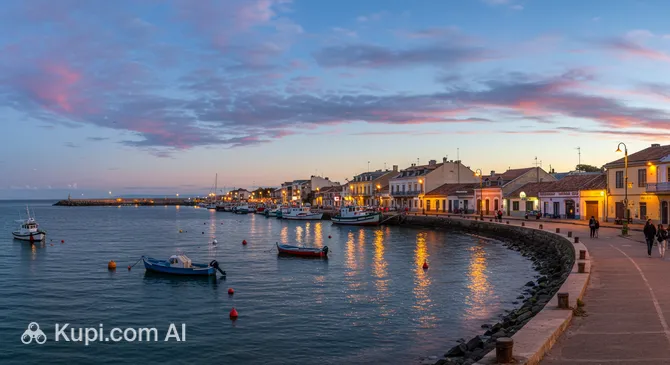
San Antonio Oeste. Illustration.
Source: Kupi.com AI

The atmosphere here is steeped in the spirit of the sea and fishing. As the main fishing port of northern Patagonia, the maritime trade has left an indelible mark on the lifestyle of the locals. To better understand how the character of this place was formed, it is worth exploring the history of San Antonio Oeste: from the first settlers to its development as an important transport hub. Outside the peak tourist season, peace reigns here, and time seems to flow a little slower, allowing you to enjoy the fresh sea air and long walks along the embankment.

San Antonio Oeste attracts tourists not only as a transit point on the way to the beaches of Las Grutas but also as a destination in its own right for ecotourism. Its proximity to the San Matías Gulf opens up opportunities for observing rich marine fauna. This town is worth a visit for those who want to see the real, non-touristy Patagonia, meet friendly locals, and feel the harmony of life on the shores of the Atlantic Ocean.
Weather Overview

The climate in San Antonio Oeste is characterized as arid and temperate, with clearly defined seasons, typical of northern Patagonia. Summer here is hot and sunny: in January, the warmest month, daytime temperatures often reach 31.2°C, creating ideal conditions for a beach holiday on the Atlantic coast. During this period, rain is extremely rare, and precipitation is minimal.

The winter months, from June to August, bring a noticeable cooling. The average temperature in July drops to 7.8°C, and nightly lows can reach 3.0°C, so warm clothing will be needed for a trip at this time of year. The transitional seasons, especially March and November, please with comfortable warmth, with maximums around 26.5°C, which is excellent for walks and exploring the town without exhausting heat.

A characteristic feature of the local climate is the extremely low humidity level. Expect a hot summer with almost no precipitation and cool, dry winters. On average, only about 1 mm of precipitation falls per month, so overcast days are a rarity. To plan your wardrobe as accurately as possible, we recommend checking the current weather in San Antonio Oeste for your travel dates in advance.

Average monthly temperature

Average monthly precipitation

Interesting Facts

Beyond the main attractions, San Antonio Oeste holds many fascinating secrets revealed only to the most curious travelers. This town is not just a point on the map, but a place with a unique ecosystem and a history of overcoming challenges.

  • The Patagonian "Caribbean." Despite being located in the harsh climate of Patagonia, the waters in the local San Matías Gulf are considered the warmest on the entire Argentine coast. Thanks to unique currents and shallow waters, the water temperature here warms up faster in summer than anywhere else, creating an amazing climatic phenomenon.

  • The Majesty of the Tides. One of the most impressive features of the coast is the giant tidal range. In areas like La Mar Grande Beach, the ocean can recede hundreds of meters, exposing an endless sandy floor and completely changing the landscape twice a day.

  • The Train that Gave Life. For a long time, the town existed without its own source of fresh water. For many decades, until the 1970s, the settlement's life depended on the famous "Water Train," which brought tankers of drinking water for residents daily, forging the resilient character of the local population.

  • International Airport for Birds. The town's coastline serves as a critical stopover for migratory birds, specifically the Red Knot. These feathered travelers take a break here during their grand flight from the Canadian Arctic to Tierra del Fuego, turning the bay into a sanctuary of global importance.

La Mar Grande Beach. Illustration.
Source: Kupi.com AI

Traveler photos:

How to Get There

When planning a trip to San Antonio Oeste, it is worth considering that this town is an important transport hub on the Atlantic coast of Patagonia. It is located at the intersection of key routes connecting the north and south of Argentina, making it accessible for tourists choosing various modes of travel.

By Plane. The town has its own small airport, Antoine de Saint-Exupéry, but regular air service here may be seasonal or limited. Travelers often choose to fly to larger regional hubs and cover the rest of the way by ground transport. Among the nearest airports receiving regular flights are:

  • El Tehuelche (PMY) in the city of Puerto Madryn, located about 225 km to the south. This is a convenient option for those who want to combine their trip with a visit to the Valdés Peninsula.

  • Trelew Airport (REL), located about 276 km away. Many flights from Buenos Aires and other major cities arrive here.

Upon arrival at any of these airports, you will need to rent a car or take an intercity bus to reach San Antonio Oeste. The journey will take several hours but offers a chance to enjoy the rugged landscapes of the Patagonian steppe.

By Train. One of the most colorful features of the town's accessibility is its rail connection. The route of the legendary Patagonian Train (Tren Patagónico) passes through San Antonio Oeste, connecting the city of Viedma on the Atlantic coast with the resort of Bariloche in the Andes. Traveling on this train is an adventure in itself, allowing you to see the changing landscapes from the ocean to the mountains. It is recommended to purchase tickets in advance, especially during the high season.

By Bus or Car. Bus travel in Argentina is excellently developed. Comfortable buses (micros) connect San Antonio Oeste with Buenos Aires (travel time about 12–14 hours), as well as with Córdoba, Mendoza, and other regional centers. If you are traveling by car, the main road to the city is National Route 3 (Ruta Nacional 3), which runs along the coast and is in good condition.

Main Attractions

Although San Antonio Oeste is often perceived as a gateway to popular resorts, the town itself possesses a unique charm and a collection of interesting spots that allow for a deep immersion into the atmosphere of the Patagonian coast. Here, natural beauty coexists with historical heritage, and maritime traditions permeate every corner.

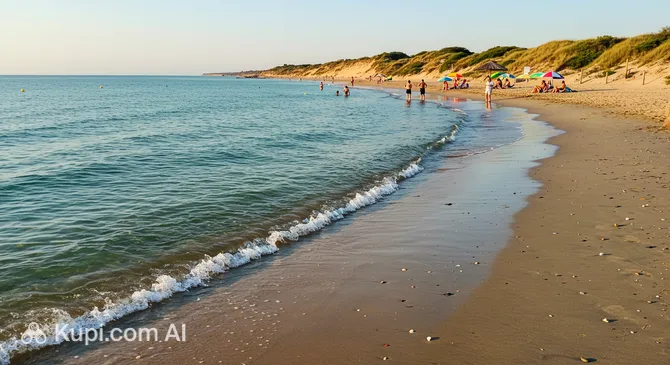
The absolute crown jewel for nature lovers is La Mar Grande Beach. This place is striking in its scale: an endless sandy strip stretching to the horizon creates a sense of complete unity with the ocean. Tourists come here not only for sunbathing but also to witness the amazing natural spectacle of the tides, when the water recedes for hundreds of meters. The beach is also famous for its picturesque sunsets, painting the sky in incredible colors, and the opportunity to observe migratory birds in their natural habitat.

La Mar Grande Beach. Illustration.
Source: Kupi.com AI

Traveler photos:

Another important location for understanding the town's spirit is the Punta Verde area. Located at the mouth of the San Antonio Bay, it is popular among locals for its calm waters and authentic atmosphere. Here, you can see traditional fishing boats returning with their catch and enjoy the silence away from the noisy tourist crowds. It is an ideal spot for a picnic and a glimpse into the everyday life of a port town.

History buffs should visit the Municipal Historical Museum. The exhibition is housed in a typical early 20th-century home and tells the story of the town's founding, the development of the railway, and the harsh life of the first settlers. It stores unique photographs and household items that help imagine what this region looked like a century ago.

Gastronomic tourism is also an integral part of getting to know San Antonio Oeste. A prominent representative of the local culinary scene is the Alpataco Restaurant and Brewery. This establishment attracts guests with the chance to try not only the freshest seafood for which the region is famous but also locally produced craft beer. Visiting such places allows you to understand the culture and hospitality of Patagonians through taste.

Alpataco Restaurant & Brewery. Illustration.
Source: Kupi.com AI

Traveler photos:

Local Cuisine

The gastronomy of San Antonio Oeste is a true hymn to the gifts of the sea. Thanks to its status as an important fishing port, the journey of ingredients from the ocean to the plate is minimal, guaranteeing exceptional freshness. The foundation of the local menu consists of dishes made from hake, succulent shrimp, squid, and mussels. In the town's restaurants, they are prepared according to recipes often passed down through generations, preserving the authentic taste of Patagonia.

Of particular note is the unique local variation of an Argentine classic—seafood asado. This is a barbecue where, instead of the usual meat, an assortment of fresh fish and shellfish is grilled. This dish allows you to appreciate the entire wealth of Atlantic flavors in one meal. For a quick snack at street markets or small cafes, look for fried fish empanadas and fresh buns with sea salt, often served with homemade fish pâtés.

The dining culture here is democratic: delicious food can be found at gastronomic festivals as well as in cozy local spots. A shining example of the blend of tradition and modern trends is the Alpataco Restaurant and Brewery. Here, travelers can not only enjoy signature fish dishes but also try local craft beer, which perfectly complements the flavor of seafood.

A traditional accompaniment to lunch or dinner is the famous Argentine wines, especially white varieties that pair perfectly with fish. Locals prefer to finish their meals with desserts using regional fruits grown in the fertile zones of the province and exported through the local port.

Travel Tips

Welcome to San Antonio Oeste! To ensure your trip to this authentic port town is as comfortable as possible and free of organizational surprises, we have prepared a list of important practical recommendations to help you feel confident.

  1. Clothing and Essentials: Weather in Patagonia is famous for its variability and strong winds. Even if you are visiting in summer, be sure to bring a windproof jacket and a fleece sweater for cool evenings. For walks along the coast during low tide, comfortable closed shoes with non-slip soles are necessary, as you will be walking on wet sand and rocks. Don't forget sunglasses and a high SPF sunscreen—the sun here is very active.

  2. Transport: The town is small, and its center is easy to explore on foot. There are no subways or trams here. Local buses run for trips to the beaches or neighboring Las Grutas, but schedules can change. The most reliable way to get around is "remises" (private taxis with fixed rates). It's best to order them by phone or take them from special stands, as popular ride-hailing apps may not work here.

  3. Finances: The national currency is the peso. While supermarkets accept cards, cash is preferred in small shops, kiosks, and some cafes. There are ATMs in town, but they may run out of bills during high season, so it's better to have a cash reserve. It is customary to leave a tip of about 10% in restaurants if you enjoyed the service.

  4. Health and Safety: San Antonio Oeste is a safe town, but standard precautions should be followed, such as not leaving valuables unattended on the beach. Pharmacies operate on a normal schedule, but there is always one on-duty pharmacy (de turno) open 24/7—information about it can be found on the door of any closed pharmacy.

  5. Communication: The main language of communication is Spanish. Not all locals know English, so we recommend installing an offline translator on your phone and learning a few basic phrases. For a stable connection, it's better to buy a local SIM card (such as Claro or Movistar) at one of the town's kiosks. Wi-Fi is available in most hotels and cafes, but the speed may be low.

  6. Local Etiquette: Residents of the town are very friendly. When meeting, even with acquaintances, it is customary to greet with a kiss on the cheek (once). A vital part of local culture is the siesta. From 1:00 PM to 5:00 PM, most shops and institutions close, and the town goes quiet. It is not appropriate to make noise or call about business matters during this time.

  7. What to Avoid: A major mistake for tourists is underestimating the tides. Never park your car on the sand near the water, even if the sea seems far away. In San Matías Gulf, the water rises very quickly, and a car can become trapped in minutes. Also, don't try to have dinner at 6:00 PM—restaurants in Argentina only open for dinner after 8:30 PM or 9:00 PM.

  8. Additional Tip: Buy seafood where the locals do. In the port area and at small fish markets, you can find the freshest mussels, octopus, and fish at prices significantly lower than in restaurants. If your apartment has a kitchen, preparing dinner from the morning's catch yourself will be a true gastronomic adventure.

By following these simple tips, you can easily blend into the relaxed rhythm of life in San Antonio Oeste, avoid typical tourist mistakes, and get the most out of discovering the real coastal Patagonia.

Entertainment & Nightlife

Nightlife in San Antonio Oeste is characterized by a calm and measured rhythm, making it the complete opposite of the noisy neighboring resort of Las Grutas. Here, you won't find huge nightclubs with loud music until morning; instead, you can immerse yourself in the authentic atmosphere of a port town. Evening entertainment revolves around gastronomy, socializing, and games of chance, with the main crowd being locals and tourists who prefer comfort and the absence of hustle and bustle.

The center of gravity in the evening is the waterfront area and the zone around Casino del Río. This casino is one of the town's main entertainment venues, where you can not only try your luck but also visit a bar with live music or show programs, which are often held on weekends. The dress code in most establishments is relaxed: casual style is appropriate everywhere, from restaurants to gaming halls.

For connoisseurs of craft drinks and an informal setting, Alpataco Restaurant and Brewery is a must-visit. This place is popular thanks to its excellent selection of house-brewed beers and hearty snacks. A friendly atmosphere reigns here, perfect for discussing the day's impressions with friends.

Alpataco Restaurant & Brewery. Illustration.
Source: Kupi.com AI

Traveler photos:

If your heart craves dancing until dawn, the best solution is to head to neighboring Las Grutas, located just 10–15 minutes away. That is where you'll find large discos and bars where the fun doesn't stop until morning. Taxis and "remises" (private car services) run between the towns, making such a trip easy and safe. You can call a car by phone or find one at stands in the center; night walks in San Antonio Oeste itself are considered safe, though it is recommended to stick to well-lit central streets.

It’s best to start your evening program with the sunset. The picturesque La Mar Grande Beach is the perfect location to see the sun off, enjoying the incredible colors of the sky over the bay before heading to dinner. As for daytime entertainment, the town offers local museums or sea excursions, but it is the evening breeze and a delicious dinner that reveal the true charm of this Patagonian corner.

Practical Tips: Life in Argentina starts late. Restaurants and bars only begin to fill up after 9:30 PM or 10:00 PM. Prices in San Antonio Oeste are generally slightly lower than in touristy Las Grutas, making dinner here a cost-effective option for travelers.

Parks & Museums

San Antonio Oeste offers travelers a unique blend of natural beauty and historical heritage, where green zones are inextricably linked to the sea coast, and museums preserve the memory of the region's railway past. The town does not abound in classic manicured parks with flower beds, as its main asset is the rugged yet alluring nature of Patagonia and protected sanctuary areas.

The main natural gem of the area is La Mar Grande Beach. It is not just a place for swimming, but an extensive ecological zone that attracts nature lovers with its endless sand dunes and unique landscape. During low tide, the sea recedes significantly, revealing the seabed and creating ideal conditions for long walks and marine fauna observation. This spot is particularly interesting for birdwatchers, as flocks of flamingos and other migratory birds can often be seen here.

La Mar Grande Beach. Illustration.
Source: Kupi.com AI

Traveler photos:

Another important natural area is the San Antonio Bay Protected Natural Area (Área Natural Protegida Bahía de San Antonio). This international sanctuary serves as a resting place for migratory shorebirds and other feathered travelers flying from the Arctic to Tierra del Fuego. A walk along the bay coast allows you to enjoy the silence, fresh sea air, and see the untouched ecosystem of marshes and wetlands surrounding the town.

The cultural heart of the town beats in the Municipal Historical Museum. The exhibition is housed in a restored early 20th-century building and is dedicated to the history of San Antonio Oeste's founding. Visitors can learn about the construction of the railway that gave life to this settlement and the heroic efforts of the first residents, who for a long time depended on imported water. The museum features old photographs, household items of railway workers, and artifacts found in the vicinity.

Architecture and history enthusiasts should stroll through the Railway Quarter (Barrio Ferroviario). While not a museum in the classic sense, the district is a veritable open-air museum. Homes of English engineers and old buildings that convey the atmosphere of a bygone era and the industrial spirit of the town have been preserved here. It’s an excellent spot for a quiet walk and photos against the backdrop of historical architecture.

Insider Tip: For the most vivid impressions, head to the embankment near the fishing pier during high tide. At this time, sea lions (lobos marinos) often swim up to the shore, waiting for the catch from returning fishermen—a sight you won't see in a typical zoo.

Getting Around

The transport system in San Antonio Oeste reflects the measured pace of life in a small Patagonian town. Here you won't find a metro, trams, or trolleybuses. The town is compact, and many distances in the central part are easily covered on foot. However, for connections to the port, outlying districts, and most importantly, the popular resort of Las Grutas, there is a well-established network of bus routes and taxis.

The main form of public transport is buses (colectivos). The primary operator is the company Transporte Las Grutas. The most sought-after route for tourists is the regular service between San Antonio Oeste and the beach village of Las Grutas. Buses run quite frequently, especially in the summer season (December to February), when the interval can be as short as 30 minutes. In winter and the off-season, the frequency of trips decreases, so it is recommended to check the schedule at the bus station or stops in advance.

Regarding payment, the situation can change. While the unified SUBE transport card is used in many major cities across the country, in San Antonio Oeste and on intercity routes to Las Grutas, payment is often made in cash to the driver or by purchasing a ticket at the terminal office before boarding. Fares are affordable, but tourists are strongly advised to always carry small cash (pesos), as card terminals may not work or may be absent.

A popular and convenient alternative to buses is remises. This is a local equivalent of a taxi or car service with a driver. Unlike a regular taxi that you can hail on the street, a remis must be ordered by phone or found at special agencies (agencias). Fares are usually fixed or calculated by zones, which eliminates unpleasant surprises with the price. This is the safest and most comfortable way to get to a restaurant in the evening or reach the beach with luggage.

For those who want complete freedom of movement, the best option is renting a car. This is especially relevant for Patagonia, where distances between attractions can be significant. Several rental agencies operate in town. Bicycle rentals are less common and more often available in neighboring Las Grutas, but a bike can be a great way to ride along the bay in good weather.

A unique transport feature of the town is the presence of a railway station through which the legendary Patagonian Train (Tren Patagónico) passes. Although not urban transport in the traditional sense, the train connects the town with the coast and the Andes, serving as an important part of logistics for travelers. The station is located within the town, and the train's arrival is always an event for the locals.

Accommodation

Accommodation in San Antonio Oeste differs significantly from the neighboring resort center of Las Grutas. While the nearby resort is geared toward mass tourism with a large number of hotels, San Antonio offers a calmer, "homey" atmosphere and budget-friendly lodging options. You won't find luxury five-star chain hotels or massive all-inclusive resort complexes here. The accommodation base consists mainly of small family-run hotels, hostels, and most popularly in the region—apartments and guest houses (cabañas).

When choosing an area to stay, consider the purpose of your visit. Most tourists prefer to stay in the central part of town (Zona Centro), where shops, restaurants, and the bus terminal are concentrated. This is convenient for logistics if you plan to travel around the area. Another attractive area is the bay waterfront (La Costanera), which offers picturesque views of the "ria" (estuary) and fishing boats. Staying here allows you to enjoy sea sunsets directly from your window or terrace.

Since the town is a working port rather than a classic resort, many accommodation options are private rentals. These can be fully equipped apartments or parts of houses rented out by the day (alquiler temporario). This option is ideal for families or groups of friends, as it allows for self-catering using fresh seafood from the local market. The level of comfort in such places ranges from basic to quite modern middle-class standards.

Booking Tips:

  • Seasonality: Peak demand occurs during the summer months (January and February) and Easter week. During this time, many tourists who cannot find space in crowded Las Grutas choose San Antonio Oeste. Therefore, it is recommended to book accommodation for this period at least 1–2 months in advance.

  • Booking Methods: Larger hotels are listed on international booking platforms. However, to find apartments or small guest houses, it is often more effective to use local Argentine websites or contact owners directly via messaging apps (WhatsApp), as many do not list their properties on global aggregators.

The price range in San Antonio Oeste can be described as budget and mid-range. The cost of living here is usually 20–30% lower than in Las Grutas, making the town attractive for budget travelers. Keep in mind that many private apartments and small hotels prefer payment in cash pesos, and card terminals may be unavailable.

Nearby Cities

For those looking to explore the surrounding area, San Antonio Oeste serves as an excellent starting point for day trips to several interesting nearby locations. Given Patagonian scales, a trip to the neighbors may take some time, but the experiences are well worth it.

One of the most attractive destinations is Viedma, located about 165 km away. It is the historical capital of the province, situated on the picturesque Río Negro, where you can stroll along a beautiful embankment and visit the oldest buildings in the region. Nature and marine fauna enthusiasts should consider a trip to Puerto Madryn. Although the distance of over 200 km requires an early start, this city is world-famous as the best gateway for whale and penguin watching. Also interesting is Trelew, the center of Welsh culture in Argentina, which houses one of the most important paleontological museums in South America.

CityPopulationDistance
General Conesa5 48482 km
Valcheta8 000102 km
Sierra Grande8 300103 km
Viedma80 632165 km
Carmen de Patagones20 533167 km

These nearby destinations provide insight into the diverse culture and landscapes of the region.

Shopping & Souvenirs

Shopping Guide

General Overview: Shopping in San Antonio Oeste is more utilitarian and authentic than recreational. You won't find the glitz of fashion boutiques or the massive malls common in megacities. This is a working port town, so trade here is primarily focused on the needs of local residents. However, for tourists, it is an excellent opportunity to purchase high-quality regional products and goods at prices lower than in the neighboring popular resort of Las Grutas. Special attention should be paid to the gastronomic souvenirs for which this region is famous.

Main Shopping Areas and Streets: The town's commercial life is concentrated in its central part. The main artery for shopping walks is Calle San Martín and its surrounding blocks, as well as Avenida Belgrano. Here you will find small clothing stores, pharmacies, home goods shops, and so-called "polirrubros"—stores that sell everything from stationery to souvenirs. A stroll along these streets will allow you to immerse yourself in the slow rhythm of provincial life in Argentina.

Shopping Centers: There are no large shopping centers or malls in the traditional sense in San Antonio Oeste. Trade is mainly conducted in a street-retail format. If you need a wider selection of resort goods or souvenir galleries, it makes sense to drive 15 minutes to neighboring Las Grutas, where the tourist infrastructure is more extensively developed.

Markets: Since the town is an important fishing port, the main "attraction" for a shopper here is fresh seafood. While there is no single large centralized tourist market, many specialized fish shops (pescaderías) operate in town, where you can buy the freshest fish and seafood caught just a few hours ago. Also, on weekends, artisan fairs (ferias de artesanos) are sometimes organized in the central square, where local craftsmen sell handmade goods.

Souvenirs: The best souvenir from San Antonio Oeste is gastronomy. Be sure to buy jars of local delicacies: seafood escabeche—marinated mussels, octopus, or shrimp. This is the region's calling card. Also valued are items made from local wool, ceramics with maritime motifs, and olive oil produced in the province of Río Negro. Such gifts convey the true taste and spirit of Patagonia.

Opening Hours and Payment: It is important to remember the tradition sacred to the Argentine provinces—the siesta. Most shops open around 9:00 AM, work until 1:00 PM, then close for a break and reopen only after 5:00 PM, staying open until 9:00 PM or 10:00 PM. Large supermarkets may work through the break. As for payment, cash pesos are preferred in small shops and at fairs. Cards are accepted in supermarkets and large stores, but terminals can be unreliable, so always carry a reserve of cash with you.

Tax Free: The tax refund system (Tax Free) is practically non-existent in San Antonio Oeste. Stores participating in the international Global Blue system are usually located in large tourist centers or the capital. Therefore, when shopping here, you should not count on issuing receipts for a VAT refund.

Have you reached the end of the page?

So the route has been studied inside and out