Support

Carmen de Patagones

About

Carmen de Patagones is a city with a unique soul, where every stone of its ancient pavement holds legends of the past. As the southernmost settlement in the province of Buenos Aires, it serves as the symbolic gateway to the vast expanse of Patagonia. Unlike many modern cities, it is characterized by an atmosphere of tranquility and a deep respect for tradition, making it an ideal destination for travelers seeking authentic experiences away from the hustle and bustle of major metropolises.

Geographically, the city is picturesquely perched on the north bank of the Río Negro, directly opposite the capital of the neighboring province, the city of Viedma. Together they form a single metropolitan area, yet Carmen de Patagones retains its distinct colonial charm. The climate here is temperate and fairly dry, making it favorable for walking tours at almost any time of year. With a population of just over 20,000, this cozy corner, which Argentina is rightfully proud of, allows guests to feel not just like tourists, but like long-awaited friends.
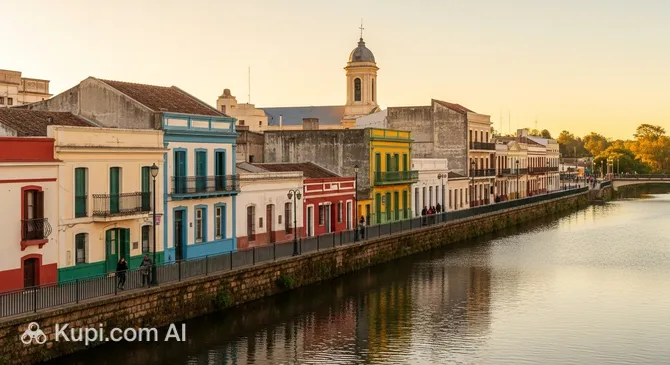
Carmen de Patagones. Illustration.
Source: Kupi.com AI

The local pride is rooted in the region's rich heritage. Founded in 1779 as a military fort, the city is still imbued with the spirit of pioneers and brave colonists. The fascinating history of Carmen de Patagones is clearly visible in the architecture of its historical center ("Casco Histórico"), which has been declared a national historical monument. The winding streets leading down to the river and the old houses create a unique architectural ensemble rarely found in this region.

Among the main points of interest are the famous "Cuevas Maragatas"—caves dug into the sandstone cliffs that served as the first dwellings for settlers in the 18th century. Equally impressive is the panoramic view from the waterfront, as well as the majestic temple in the city center. A visit to Carmen de Patagones is a true journey back in time, an essential experience for those wishing to touch the origins and understand the true, rugged, yet hospitable character of the continent's south.
Weather Overview

The climate in Carmen de Patagones is temperate and quite comfortable for travel, which is typical for the northern border of Patagonia. The seasons are well-defined, but extreme weather conditions are rare. To plan your wardrobe and choose the ideal time for a visit, we recommend checking the current weather in Carmen de Patagones for your travel dates.

The summer months (December to February) are the warmest time of year. In January, the average temperature is about 22.9°C, with daytime temperatures often reaching 28.8°C, creating excellent conditions for walks along the waterfront. Winter, which begins in June, brings a noticeable chill: in July, average figures drop to 8.1°C, and nighttime temperatures can reach 4.0°C, so a warm jacket is a travel essential.

Precipitation in the region falls fairly evenly but in small amounts—humidity levels remain low throughout the year. Expect a warm summer with occasional light rain and cool, dry winters. Spring and autumn here are mild, with comfortable temperatures ranging from 12°C to 20°C, making the shoulder seasons a wonderful time for sightseeing tourism.

Average monthly temperature

Average monthly precipitation

Interesting Facts

Beyond its main attractions, Carmen de Patagones holds many fascinating secrets and unique traditions that reveal themselves only to inquisitive travelers. This city is not just a point on the map, but living history full of heroic events and cultural nuances.

  • Residents of the city are not called "Patagonians," but "maragatos". This unusual nickname for Argentina has survived since the 18th century and points to the origin of the first colonists: most of them arrived from the Maragatería region in the Spanish province of León, bringing their customs and culture with them.

  • The city is the site of the grand Patagonian Sovereignty Festival. This festival is celebrated annually in early March to commemorate the heroic victory of 1827, when local militias defended the city against an invasion by the Brazilian fleet. The historic battle took place on the hill reached by the picturesque Cerro de la Caballada Street.

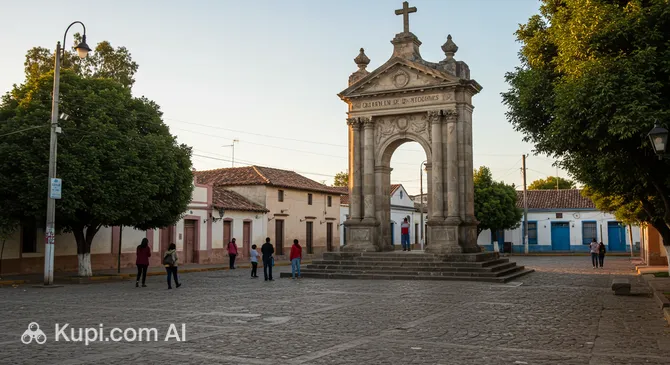
  • Carmen de Patagones is officially considered the oldest settlement in Patagonia. It was founded by Francisco de Viedma in 1779 as a fort to protect the southern frontiers. In honor of the founder, the Monument to San Francisco de Viedma was erected in the city, reminding residents and guests of the challenging era of colonization in these rugged lands.

  • There is a popular urban legend about a network of underground tunnels that supposedly connected the fort, the church, and key city buildings during the colonial era for safe movement during a siege. Although many passages have been filled in or lost, stories about them still spark the imagination of local treasure hunters.

Monument to San Francisco de Viedma. Illustration.
Source: Kupi.com AI

Traveler photos:

How to Get There

Traveling to this atmospheric historical city on the edge of Patagonia requires some planning, as there are no direct flights from the capital. Nevertheless, the region's well-developed transport network allows you to reach your destination comfortably. You can find out more about how to get to Carmen de Patagones by studying all available routes and choosing the one that best fits your budget and schedule.

There is no civil airport in Carmen de Patagones itself. Travelers usually use aviation hubs in neighboring larger cities and complete the rest of the journey by land. One of the key options is arriving at Comandante Espora Airport (IATA: BHI), located in the city of Bahía Blanca. It is approximately 240 km from Carmen de Patagones. The journey from there by rental car or long-distance bus will take about 3-4 hours. This is a major regional hub that receives regular flights from Buenos Aires.

Another possible entry point, especially if you are planning an extensive journey through Patagonia, is El Tehuelche Airport (IATA: PMY) in the city of Puerto Madryn. It is located much further south, at a distance of about 280 km. This option is less popular for direct trips to Carmen de Patagones but is convenient when planning complex tourist routes along the coast.

For clarity, here is a summary of the main airports in the region:

AirportPassenger trafficDistance
Comandante Airport355 000241 km
El Tehuelche53 150280 km

Since rail service in this region has its own peculiarities and is not always the primary way for tourists to get around, many prefer road transport. Carmen de Patagones is located directly on National Route 3 (Ruta Nacional 3), which is the main transport artery of Argentina's Atlantic coast. Regular, comfortable buses (coche cama) connect the city with Buenos Aires and other major centers in the country.

Main Attractions

Carmen de Patagones is more than just a city; it is a true box of historical treasures, where every street and building holds memories of the past. A stroll through its iconic sites will allow you to fully experience the unique atmosphere of Patagonia's oldest settlement.

The heart of the historical quarter and its main spiritual landmark is the Our Lady of Mercy Cathedral. It is not only an active church but also a witness to key events in the city's history. Behind its modest facade, unique relics are kept—two flags captured from the Brazilian fleet during the heroic battle of March 7, 1827. Visiting the cathedral is an opportunity to touch a piece of Argentina's national pride.

Cerro de la Caballada Street. Illustration.
Source: Kupi.com AI

Traveler photos:

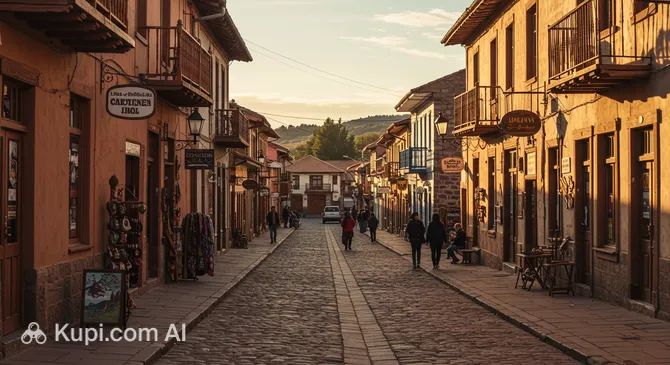
To feel the authentic spirit of the colonial era, be sure to walk along Cerro de la Caballada Street. This steep, cobbled street descending to the river is lined with old houses and is considered one of the most picturesque in the city. It was here that the main events of the famous battle unfolded, and today it seems to transport travelers two centuries back in time.

The center of social life, as in many Latin American cities, is the cozy San Martín Square. This is a wonderful place to rest in the shade of the trees and observe the city's slow pace. For panoramic views and relaxing walks, the Viedma Waterfront is ideal. From here, you can enjoy a magnificent view of the Río Negro and the neighboring city of Viedma, located on the opposite bank.

Local Cuisine

The culinary scene in Carmen de Patagones is a fascinating blend of classic Argentine traditions and unique southern flavors. As the city stands on the border between the Pampas and Patagonia, the best culinary features of both regions meet here. The main delicacy that every guest must try is undoubtedly Patagonian lamb (cordero patagónico). The meat is cooked over an open fire "al asador" (on a cross), giving it a crispy crust and incredible juiciness. This dish is a true symbol of local hospitality.

The proximity of the Río Negro brings its own touches to the menu. Fish lovers should look out for pejerrey dishes—a freshwater fish that is caught and prepared here with great skill, often served fried with lemon or under creamy sauces. Naturally, no lunch is complete without a traditional Argentine steak. Local "parrillas" (steakhouses) offer high-quality beef, for which the entire country is famous.

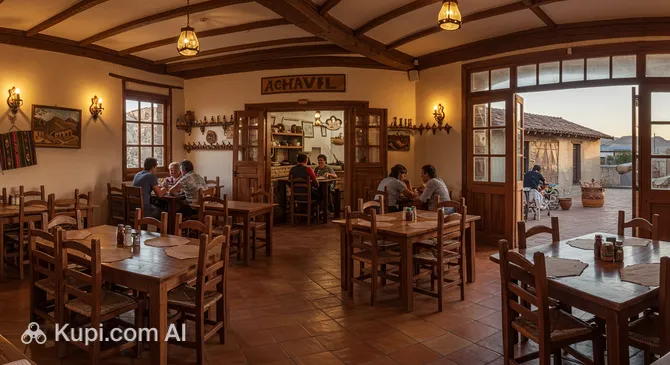
Achavil. Illustration.
Source: Kupi.com AI

Traveler photos:

The food culture in the city is characterized by a relaxed and family-oriented atmosphere. Locals love to gather in large groups for long dinners. For an introduction to authentic cuisine, the Achaville restaurant is perfect, where meat preparation traditions are honored, and a cozy environment is created for guests. Another worthy spot for gastronomic discoveries is Joaquín Restaurant, which offers a diverse menu capable of satisfying both meat lovers and vegetarians.

As for drinks, there is a cult of mate—a stimulating herbal tea drunk everywhere in parks and on the waterfront. Among alcoholic beverages, the wines of the Río Negro region stand out. This valley is known for its cool climate conditions, ideal for Pinot Noir and Merlot varieties, which turn out particularly elegant here. Craft brewing is also gaining popularity: you can try local brews at Berlin Beer Bar, where excellent snacks are served alongside the drinks.

Travel Tips

Welcome to Carmen de Patagones! To ensure your journey to this historical city on the southern frontier is as comfortable and carefree as possible, we have prepared a list of important practical recommendations. These tips will help you avoid common mistakes and feel like a local in the oldest settlement in Patagonia.

  1. Clothing and gear: The weather here is changeable, and the famous Patagonian winds are not a myth but a reality. The best strategy is to dress in layers. Even in summer, be sure to bring a windbreaker or a fleece jacket for evening walks by the river. Given the steep slopes and cobblestones in the historical center, we strongly recommend comfortable flat-soled shoes (sneakers or boots); heels here will not only be uncomfortable but also hazardous.

  2. Transport: The historical center is compact and best explored on foot. For longer distances or trips to neighboring Viedma, you'll need buses, where payment is only by SUBE card (which must be bought and topped up at a kiosk in advance). Taxi apps are unreliable here, so it's better to use "remis" services—private taxis ordered by phone or through a hotel administrator.

  3. Finances: While cards are accepted in hotels and major restaurants, cash pesos rule in souvenir shops, kiosks, and at the ferry crossing. ATMs exist in the city, but they may run out of bills on weekends or holidays. Plan your budget with plenty of cash. Tipping in restaurants is appreciated (about 10% of the bill) but often remains at the guest's discretion.

  4. Health and safety: Carmen de Patagones is a peaceful city where you can feel safe; however, basic precautions (not leaving things unattended) are always relevant. Pharmacies follow standard hours, but there is always an on-call one ("de turno") open 24 hours—a list of on-call pharmacies is usually posted on the doors of any pharmacy.

  5. Communication and language: The main language is Spanish. Not all locals speak English, so download an offline translator and learn a few basic polite phrases. Wi-Fi is available in most cafes and hotels. For mobile communication, it's better to buy a local SIM card (Personal, Movistar, or Claro), as roaming can be expensive and coverage outside the city can be unstable.

  6. Local etiquette: Argentines are very friendly and tactile. A greeting with a kiss on the cheek (one) is common even between people who barely know each other. If you are invited for mate (traditional tea), remember not to touch the straw (bombilla) with your hands or stir the leaves—this is considered a serious breach of ritual.

  7. What to avoid: A major tourist mistake is ignoring the siesta. Do not plan shopping or bank visits between 1:00 PM and 4:30 PM or 5:00 PM. During this time, the city stops, and attempts to find an open shop may only lead to disappointment. Respect this rhythm of life and use the time for rest or walks along the deserted waterfront.

  8. Local bonus: Don't miss the chance to cross the river by boat (lancha), even if you don't have business in Viedma. This is the cheapest and most authentic way to see the panorama of both cities from the water. The best time for such a mini-excursion is sunset, when the old buildings of Carmen de Patagones are bathed in golden tones.

We hope these tips help you easily blend into the leisurely rhythm of life in this amazing corner that Argentina offers travelers. May your visit to Carmen de Patagones be filled with pleasant discoveries, warm encounters, and delicious local chocolate!

Entertainment & Nightlife

Nightlife in Carmen de Patagones, as in most small Argentine cities, is characterized by its relaxed and soulful nature. You won't find noisy metropolitan clubs with long queues here; instead, you can immerse yourself in the authentic atmosphere of friendly gatherings and long dinners. Most evening activity is concentrated in the historical center ("Casco Histórico") and along the river, where locals love to spend time after sunset, enjoying the cool breeze and conversation.

The evening should begin with a leisurely walk. The Viedma Waterfront is the perfect place to watch the sun go down and see the lights flicker on along both banks of the Río Negro. After sunset, the waterfront remains lively, with families, groups of friends, and couples taking a stroll. This is a safe and well-lit area that sets the tone for the entire evening.

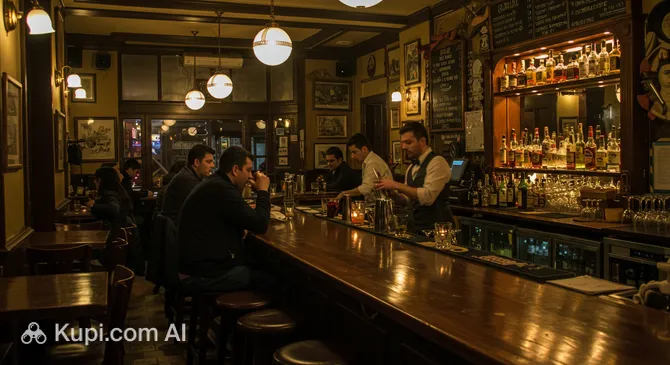
Berlin Beer Bar. Illustration.
Source: Kupi.com AI

Traveler photos:

Argentina's gastronomic culture involves late dinners, so restaurants only start filling up after 9:00 PM. For a hearty dinner in a pleasant setting, the Achaville restaurant is an excellent choice. Here you can try traditional dishes and enjoy local wine. If you're looking for a more relaxed atmosphere to have a craft beer and chat, stop by Berlin Beer Bar. This spot is popular among young people and tourists thanks to its coziness and good selection of drinks.

Practical tips for evening leisure:

  • Opening hours: Bars usually stay open until 2:00–3:00 AM, especially on Fridays and Saturdays. Restaurant kitchens may close around midnight.
  • Dress code: The style in local establishments is democratic and casual. You'll feel comfortable in jeans and a shirt.
  • Safety and transport: The historical center is safe for night walks; however, to return to your hotel, especially if it's on the outskirts, it's better to call a taxi or a remis. Public transport runs infrequently at night.

While Carmen de Patagones is not famous for a booming club scene, its cultural life during the day and early evening is quite rich. The city theater and small cultural centers periodically host plays and concerts, which are a great addition to visiting museums and historical tours. But it is in the evening that the city reveals a new, more intimate and hospitable side.

Parks & Museums

Carmen de Patagones is a city where history is closely intertwined with natural beauty. Its cultural landscape is shaped not only by ancient buildings but also by picturesque green areas that allow for a break from the hustle and bustle, while the city's museums carefully preserve the memory of colonization and the heroic defense of the south.

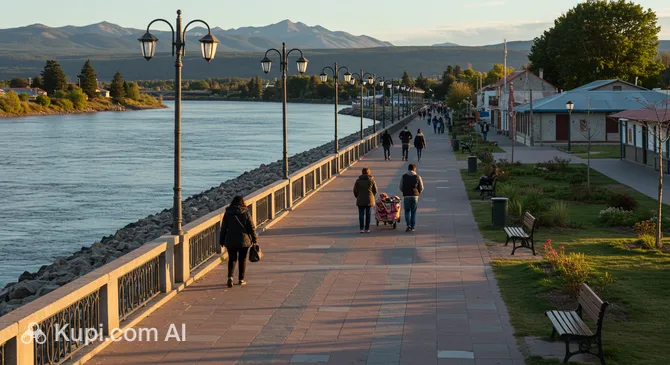
The main natural artery and a favorite place for walks for both locals and tourists is the Viedma Waterfront. Stretching along the Río Negro, this well-maintained area offers magnificent panoramic views of the calm waters and the opposite bank. There is plenty of greenery, benches for resting, and paths for a leisurely promenade. During the warm season, the waterfront becomes a center of attraction where you can have a picnic or simply enjoy the fresh river air.

Viedma Riverside Promenade. Illustration.
Source: Kupi.com AI

Traveler photos:

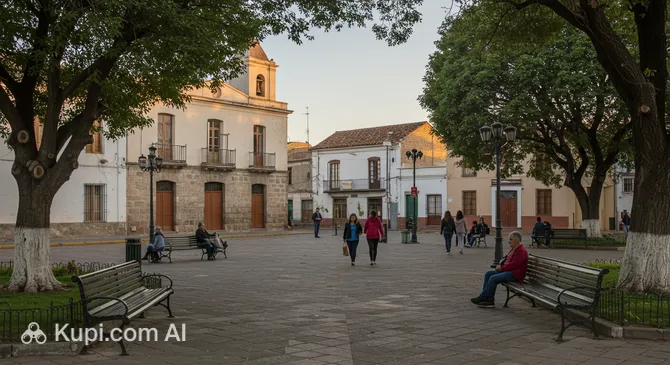
In the very heart of the historical center lies San Martín Square. This is a classic Argentine green square surrounded by important administrative and religious buildings. Tall trees provide pleasant shade from the midday heat, and well-kept alleys invite quiet relaxation. Within the square or in its immediate vicinity, you can find interesting small architectural forms, such as the Pucará Fountain, which adds a special charm to the place.

For those who want to dive deeper into the region's past, a visit to the Emma Nozzi Regional Historical Museum (Museo Histórico Regional Emma Nozzi) is a must. It is housed in a complex of historical buildings, including the old Bank of the Province house. The museum's collection is rich with artifacts telling the stories of the first settlers' daily lives, indigenous cultures, and the famous battle of 1827. It is one of the best places in Patagonia to learn about the history of the development of these lands.

Walking through the city, it's impossible not to notice the numerous monuments that serve as a kind of open-air museum. A special place among them is the Monument to San Francisco de Viedma, erected in honor of the city's founder. It serves as a reminder of the efforts made to create an outpost of civilization at the end of the world. It is also worth noting the historical area around Cerro de la Caballada Street, where the spirit of the colonial era has been preserved.

Insider tip: Don't limit yourself to just the center. Try to find the so-called "Rancho Rial"—one of the oldest surviving mud-brick houses, which provides a clear idea of how the first "maragatos" lived in the harsh conditions of Patagonia.

Getting Around

Given the compact size of Carmen de Patagones, the public transport system here is simple and intuitive. There are no subways, trams, or trolleybuses in the city, which is quite natural for a small historical settlement. Buses carry the main load of passenger transport, and most attractions in the center are best explored on foot.

The main form of public transport is buses (colectivos). The route network is closely integrated with the neighboring city of Viedma, located on the opposite bank of the river. Buses regularly run between the two cities across the bridges, connecting residential neighborhoods with the center and important institutions. Intervals range from 20 to 40 minutes depending on the time of day and the day of the week. Frequency decreases significantly at night.

A unified contactless SUBE card is used for bus fares. This is a universal system operating in many cities across the region. Travelers should know that it is not possible to pay the fare in cash to the driver. The card must be purchased and topped up in advance at special sales points, usually found in kiosks (kioscos) or lottery agencies. Fares are affordable, and the card is validated upon entry through the front door of the bus.

A real highlight of the transport system is the river connection. Small passenger boats—lanchas—run between the piers of Carmen de Patagones and Viedma. This is the fastest and most scenic way to get to the other side of the Río Negro: the crossing takes only a few minutes. Boats depart every 15–30 minutes during daylight hours. Tickets for water transport are purchased with cash directly at the ticket office on the pier before boarding.

As a comfortable alternative to public transport, taxis and "remises" (remises) are widely used. A remis is a popular type of private hire that differs from a taxi in that the car must be ordered by phone or through a dispatcher, and the fare is often fixed. This is the safest option for moving around late at night. Taxi apps do not always work reliably here, so it's safer to have a local dispatch service number handy or ask the hotel reception to call a car.

Car rental will be useful if you plan to travel outside the city to explore the surroundings, but within Carmen de Patagones itself, a car is not a necessity. Bicycle rentals are not common, but some hotels may provide bikes to their guests for rides along the picturesque waterfront.

Accommodation

Accommodation options in Carmen de Patagones perfectly match the spirit of this ancient settlement: you won't find huge hotel chains or noisy resort complexes here. Guests are offered comfort and a homey atmosphere typical of the Argentine provinces. The housing stock primarily consists of small mid-range hotels, apart-hotels, and guesthouses ("hospedajes"), often located in renovated historical buildings. "Cabañas"—detached houses or bungalows—are also popular among travelers, as they are great for family holidays and provide more privacy.

The most attractive area to stay is the historical center ("Casco Histórico"). Staying here puts you within walking distance of the main architectural monuments and allows you to enjoy evening walks through the atmospheric colonial streets. This is an ideal choice for those who want to be at the heart of cultural life, close to iconic spots like San Martín Square. Another popular option is staying near the river. Hotels and apartments overlooking the Viedma Waterfront offer guests magnificent views of the Río Negro and the opportunity to watch picturesque sunsets right from their balcony.

The price range in the city can be described as moderate and affordable, especially compared to the popular tourist hubs of southern Patagonia. Budget offers and mid-range options predominate here. Luxury service seekers should keep in mind that the choice of premium accommodation is limited. If you are looking for high-end hotels (4–5 stars), it sometimes makes sense to consider options in the neighboring city of Viedma, located on the other side of the river, from where the historical sights of Carmen de Patagones are easily accessible.

When planning a trip, it's important to keep seasonality in mind. Under normal circumstances, finding a vacant room is easy; however, during the summer holidays (January-February) and especially during the Patagonian Sovereignty Festival in early March, demand surges. For these dates, booking accommodation in advance is strongly recommended. This can be done through popular international online platforms, but many small hotels and apartment owners also accept direct bookings by phone or via messengers, which can sometimes result in a better price.

Nearby Cities

For those looking to explore the surroundings, Carmen de Patagones serves as an excellent starting point for day trips to several interesting nearby locations. Given the vastness of Patagonia, the concept of "near" can be relative here, but neighboring cities offer a wonderful contrast of history, nature, and modern life.

The most accessible and obvious destination is Viedma, located literally on the opposite bank of the Río Negro. Simply cross the bridge or take a boat to find yourself in the capital of the neighboring province. Unlike colonial Carmen de Patagones, Viedma is a modern administrative center with wide boulevards and developed infrastructure. From here, it's easy to reach the El Cóndor resort on the Atlantic coast, where you can see famous cliffs and parrot colonies.

If you are up for a longer journey on Argentine roads, it is worth visiting the city of Bahía Blanca. This is a major port and cultural center of the region, often called the "Gateway to Patagonia." Here, travelers can expect majestic neoclassical architecture, numerous museums, theaters, and excellent shopping opportunities, making it a great place for a change of scenery.

CityPopulationDistance
Viedma80 6322 km
Villalonga2 838103 km
Pedro Luro9 494146 km
General Conesa5 484147 km
San Antonio Oeste16 265167 km

These nearby destinations provide an insight into the diverse culture and landscapes of the region, from river vistas to the ocean coast and major urban centers.

Shopping & Souvenirs

Shopping specifics: Shopping in Carmen de Patagones is an opportunity to touch the local way of life, away from globalization and standard shopping centers. You won't find international brand boutiques here, but you will discover many family shops and workshops where traditions are honored. The main focus is on regional products and handmade items, making shopping here a truly authentic experience for the traveler.

Where to shop: Commercial activity is concentrated in the historical part of the city. The main commercial artery is Calle Comodoro Rivadavia, where you can find clothing stores, pharmacies, and useful essentials. The blocks around iconic spots like San Martín Square deserve special attention. In this area, amidst colonial architecture, cozy shops with souvenirs, books, and art pieces are hidden.

San Martin Square. Illustration.
Source: Kupi.com AI

Traveler photos:

Markets and fairs: The best place to find unique items is at the craft fairs (Feria de Artesanos). These are usually held on weekends and holidays. The picturesque Viedma Waterfront often becomes the location for these open-air markets. Here, local artisans offer ceramics, jewelry, knitwear, and wooden products. It's a great chance not only to buy a souvenir but also to chat with its creator.

What to bring back: The region's hallmark items are those related to gaucho culture. Look for quality leather goods (belts, wallets, bags) and woolen textiles, such as traditional ponchos. A popular gift is a mate set (calabash and bombilla). Among edible souvenirs, tourists often choose homemade jam from Patagonian berries, honey, handmade chocolate, and, of course, Argentine wine.

Shopping centers: If your goal is large-scale shopping, visiting a cinema, or buying electronics, there will be few options in Carmen de Patagones. The city maintains its historical intimacy. For standard mall entertainment and chain stores, it's better to head to the other side of the river to the neighboring city of Viedma, where the infrastructure is more modern.

Useful information: It is important to consider the local daily schedule. The siesta is strictly observed here: most shops close around 1:00 PM and resume work only after 4:30 PM or 5:00 PM, staying open until late evening (8:30 PM–9:00 PM). On Sundays, many spots are closed. For payments in small shops and at markets, it's best to have cash pesos on hand, as card terminals are not available everywhere.

Tax Free: A tax refund system for foreign tourists exists in Argentina, but in small cities like Carmen de Patagones, finding Global Blue partner shops is extremely difficult. VAT (IVA) refund forms are primarily available in large shopping centers in big cities. Therefore, do not count on this option when shopping here.

Reached the end of the page?

That means the route is fully explored