Support

Boulia

About

Welcome to Boulia, a captivating outback town located in the vast Channel Country of western Queensland, Australia. Known as the "Land of the Min Min Light," this remote community offers a truly unique atmosphere characterized by its rugged desert landscapes, wide-open skies, and a deep sense of tranquility that can only be found in the Australian interior.

Geographically, Boulia sits on the banks of the Burke River and serves as a vital hub for the surrounding cattle stations. With a modest population of around 300 residents, it provides an intimate and authentic glimpse into life in the outback. The climate here is typically arid, with hot summers and mild, clear winters, making it a distinct destination for those looking to escape the coastal crowds.
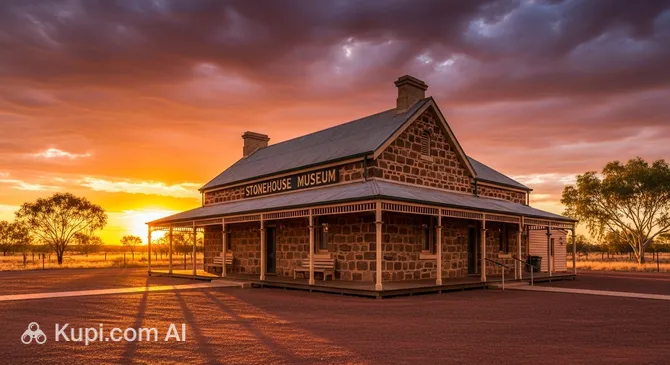
Boulia. Source: Kupi.Binoculars

Despite its isolation, the town is rich in heritage. Visitors can explore the history of Boulia at the Stone House Museum, which is situated in one of the first homes built in the settlement. This museum not only showcases pioneer artifacts but also features a remarkable display of marine fossils, including ichthyosaurs and plesiosaurs, remnants from a time when this arid land was covered by an ancient inland sea.

The town's most famous claim to fame is undoubtedly the mysterious Min Min Light, an unexplained phenomenon of glowing orbs reported by travelers for over a century. Tourists flock to the Min Min Encounter, a theatrical experience that recounts stories of these strange lights through animatronics and audio-visual displays. Whether you are chasing local legends or simply enjoying the stark beauty of the desert, Boulia is a fascinating stop for any adventurer.

Weather Overview

Boulia experiences a classic outback climate defined by extreme heat in the summer and mild, pleasant conditions during the winter months. Visitors should generally expect clear, sunny skies and dry air, as rainfall is exceptionally scarce throughout the year, creating a true desert atmosphere.

The summer season, particularly December and January, brings intense heat with average temperatures hovering around 33°C and daily highs frequently climbing to nearly 39°C. In contrast, the winter period from June to August offers significant relief with cooler days averaging around 16°C and crisp nights where temperatures can drop to 9.5°C. For a more detailed breakdown of seasonal conditions to help plan your visit, you can view the current weather in Boulia.

Precipitation is minimal across the board, with months like April through October often seeing 0mm of recorded rainfall. Even during the slightly more humid start of the year, rain is fleeting, ensuring that the landscape remains characteristically arid and suitable for outdoor exploration during the cooler months.

Interesting Facts

Beyond the mysterious lights and ancient fossils, Boulia holds several fascinating distinctions that define its unique character in the Queensland outback. Here are a few surprising facts about this remote community:

  • The Melbourne Cup of Camel Racing: Every July, the town transforms into a bustling hub for the Boulia Camel Races. This prestigious event features the longest camel race in Australia, a grueling 1500-meter final that draws thousands of spectators to witness these "ships of the desert" compete for glory.

  • Home of the Rare Waddi Tree: The region is one of the few places on Earth where you can find stands of the Waddi Tree (Acacia peuce). These remarkable trees are known for their incredibly hard wood, which is so dense that it can damage axes and was historically used by Indigenous people to craft durable tools and weapons.

  • A Vast but Sparsely Populated Shire: The Shire of Boulia covers an immense area of approximately 61,000 square kilometers, making it roughly the size of the island of Tasmania or the state of West Virginia. Despite this massive footprint, the entire shire is home to only a few hundred people, highlighting the extreme isolation of this frontier territory.

How to Get There

Reaching the remote town of Boulia requires some planning due to its location in the heart of the Queensland outback. While the journey involves traveling through vast and scenic landscapes, it is straightforward if you prepare in advance. For detailed routes and transportation options, you can read more about how to get to Boulia.

The city of Boulia does not have its own airport suitable for regular commercial flights, but you can fly into Mount Isa Airport (IATA: ISA) in the city of Mount Isa, which is about 253 km from Boulia. This is a significant regional hub that connects the outback with major Australian cities. From Mount Isa, the journey by rental car or hire car takes approximately 3.5 to 4 hours, offering a true taste of the Australian interior along the way.

Another option for air travel is Cloncurry Airport (IATA: CNJ), located in the city of Cloncurry. It is situated approximately 256 km from Boulia. While this airport handles less traffic than Mount Isa, it serves as a convenient alternative gateway to the region. The drive from Cloncurry to Boulia typically takes between 3.5 to 4 hours by rental car, depending on road conditions and your pace.

For clarity, here is a summary of the main airports:

Airport Name City Passenger Traffic Km from City
Mount Isa Airport Mount Isa Medium 252.6
Cloncurry Airport Cloncurry Small 255.7

Main Attractions

While Boulia is a remote outpost, it boasts a surprising array of attractions that draw travelers deep into the Channel Country. The town is best known for its blend of unexplained phenomena and ancient paleontological history, offering visitors a chance to explore both local legends and the prehistoric past of Australia.

The Min Min Encounter is undoubtedly the town's premier tourist facility. This unique theatrical experience is dedicated to the Min Min Light, a mysterious glowing orb that has been reported by travelers in the region for over a century. Visitors are treated to a 45-minute show featuring animatronics, fiber optics, and audio-visual presentations that share the spookiest stories and eyewitness accounts of these unexplained lights. It provides a fun and eerie introduction to the local folklore that defines the region.

For those interested in natural history, the Stone House Museum is an essential stop. Situated within the Boulia Heritage Complex, this building is one of the first permanent structures in Western Queensland, designed to keep the interior cool during blistering summers. Inside, it houses a world-class Marine Reptile Display, showcasing fossils of ichthyosaurs and plesiosaurs. These impressive remains serve as a reminder that this arid desert landscape was once part of a vast inland sea 100 million years ago.

Within the same grounds, you can explore the Boulia Heritage Complex itself. Beyond the Stone House, the site features restored historical buildings, including the original Police Barracks and a vintage machinery shed. It offers a comprehensive look at the life of early pioneers in the outback, displaying authentic tools, wagons, and artifacts that demonstrate the resilience required to settle in such a harsh environment.

Just a short drive from the town center, the Lloyd Jones Weir offers a refreshing change of pace. Located on the Burke River, this spot is perfect for a relaxing afternoon of fishing or birdwatching. It serves as a green oasis in the dusty landscape, where visitors can catch Yellowbelly or simply enjoy a picnic by the water under the shade of coolibah trees.

Local Cuisine

Dining in Boulia is a quintessential Australian outback experience, where the focus is on hearty, filling meals designed to satisfy travelers and locals after a long day in the desert heat. You won't find fine dining or extensive international menus here; instead, the town offers authentic country hospitality with generous portions of comfort food. The culinary scene revolves around the local pub and roadhouse stops, serving as social hubs for the community.

The cornerstone of the local diet is traditional pub grub. Visitors should definitely try a classic Chicken Parmigiana (affectionately known as a "Parmi") or a locally sourced beef steak. Given that Boulia is situated in the heart of cattle country, the beef is often excellent—fresh, tender, and cooked simply on the grill. These meals are typically accompanied by chips and fresh salad or vegetables, providing a substantial dinner that fits the rugged setting.

For a quick lunch or a snack on the road, the humble meat pie remains a staple. Often found at the local service station or cafe, a hot pie with tomato sauce is a ritual for anyone driving through the Channel Country. Due to the town's fame as the host of the "Melbourne Cup of Camel Racing," adventurous eaters might occasionally find camel burgers or sausages on offer, particularly during the festival season in July. It is a unique gastronomic nod to the region's most famous sporting event.

When it comes to drinks, the climate dictates the preference. An ice-cold beer is the standard beverage of choice to combat the soaring temperatures. In Queensland, XXXX Gold is the most popular lager, and enjoying a "stubby" or a "schooner" at the bar is a great way to strike up a conversation with locals. For non-alcoholic options, plenty of cold soft drinks and water are essential, while a strong coffee helps kickstart the mornings for those continuing their journey further west.

The atmosphere in Boulia's eating establishments is casual and welcoming. The Australian Hotel is the town's iconic watering hole and main dining venue, standing as a classic historic outback pub. It is more than just a place to eat; it is the living room of the town where news is swapped and stories are told. Whether you are grabbing a counter meal at the pub or a toasted sandwich at the cafe near the Min Min Encounter, the food culture here is defined by friendliness and a relaxed, unhurried pace.

Travel Tips

Planning a trip to Boulia means preparing for the rugged beauty and isolation of the Australian outback. To help you navigate this remote destination safely and comfortably, here is a set of practical tips designed for the independent traveler.

  1. Clothing and Gear: In the scorching summer months, lightweight and breathable cotton clothing is essential, while winter nights can drop to near freezing, so packing a warm jacket and layers is crucial. Regardless of the season, a wide-brimmed hat, sunglasses, and high-SPF sunscreen are mandatory; it is also highly recommended to bring a fly net for your face, as outback flies can be relentless.

  2. Transportation: There is no local public transport system like buses or taxis in Boulia. The only practical way to get around is by private vehicle, and a reliable car—preferably a 4WD if you plan to explore unsealed roads—is necessary. Always check your spare tire and vehicle fluids before setting off, as mechanical assistance can be hours away.

  3. Finances: The local currency is the Australian Dollar (AUD). While the main businesses like the Australian Hotel and the roadhouse generally accept credit cards, system outages due to poor connectivity can occur. It is wise to carry sufficient cash for fuel, food, and supplies, as ATM access is very limited within the town.

  4. Health and Safety: Medical facilities are limited to a primary health care clinic, so bring a well-stocked personal first-aid kit and any prescription medications you need. Dehydration is a serious risk in this arid climate; always carry significantly more water than you think you need—at least 5 to 10 liters per person—when driving between towns.

  5. Communication: English is the spoken language. Be aware that mobile phone coverage is largely restricted to the Telstra network; travelers with other providers will likely have no signal in Boulia. It is best to download offline maps and entertainment before arrival, as public Wi-Fi is scarce and often slow.

  6. Local Etiquette: The community is small and friendly, so a casual "G'day" or a smile goes a long way. When driving on the highway, it is customary to perform the "outback wave"—lifting a hand or finger from the steering wheel to acknowledge passing drivers—which serves as both a greeting and a check-in on safety.

  7. What to Avoid: Avoid driving at dawn, dusk, or night. Native wildlife, particularly kangaroos and emus, are extremely active during these times and can cause severe accidents on the unlit country roads. If you must drive at night, reduce your speed significantly.

  8. Additional Tip: Keep a close eye on road reports, especially if visiting during the wetter months (November to March). The Channel Country is named for its network of river channels, and roads can close quickly due to flooding even if it hasn't rained where you are standing.

By following these simple guidelines, you can fully immerse yourself in the unique charm of Boulia without worry. A well-prepared journey ensures that your memories of the Min Min Light and the vast desert horizons remain nothing but positive.

Entertainment & Nightlife

Nightlife in Boulia is the definition of a true outback experience: laid-back, unpretentious, and centered around good conversation rather than loud music or neon lights. Visitors should not expect nightclubs, cocktail lounges, or late-night dance floors. Instead, the evening entertainment here revolves around the local pub, hearty meals, and the spectacular show provided by the pristine desert sky. The atmosphere is incredibly welcoming, offering a rare chance to rub shoulders with cattle station workers, truck drivers, and fellow travelers in an authentic setting.

The undisputed hub of social life after dark is the Australian Hotel, located on the main thoroughfare, Herbert Street. As the town's historic watering hole, this is where the community gathers to unwind. The vibe is quintessentially Australian; you can expect a cold beer, a classic counter meal, and plenty of local character. The dress code is strictly casual—jeans and boots fit right in—and the "night" tends to wrap up relatively early compared to city standards, often winding down by 10:00 PM or 11:00 PM.

For a slightly different evening atmosphere, the Boulia Desert Sands Motel offers a licensed restaurant that serves dinner. It provides a quieter setting for those looking to enjoy a meal and a drink away from the livelier front bar of the pub. While it isn't a "nightclub," it is one of the few places in town where you can enjoy a glass of wine and a sit-down meal in the evening comfort of air-conditioning.

Beyond the venues, the night itself is a major attraction. Boulia is renowned for its incredible stargazing opportunities. With minimal light pollution, the Milky Way appears bright enough to touch. Many visitors spend their evenings simply sitting outside their accommodation or camping spots, watching for shooting stars or scanning the horizon for the legendary Min Min Light. It is a peaceful, meditative form of nightlife that defines the charm of the Channel Country.

When venturing out at night, safety is less about crime and more about the environment. The streets are generally very safe for walking, but lighting can be sparse away from the town center. It is advisable to carry a torch (flashlight) to avoid tripping on uneven ground and to spot any local wildlife, such as snakes, that might be active after dark. Since there are no taxis or ride-share services, you will likely walk to your accommodation, which is usually just a short stroll away in this compact town.

Before the sun goes down, Boulia offers engaging daytime entertainment to fill your schedule. The Min Min Encounter is a must-see theatrical attraction that sets the mood for the evening's sky-watching, while the Stone House Museum provides a fascinating look into the region's pioneer history and prehistoric marine fossils. These venues typically close in the late afternoon, so plan your visits early before settling in for a relaxed outback evening.

Parks & Museums

Despite its remote location in the heart of the Channel Country, Boulia offers a surprising variety of cultural and natural attractions. The town presents a unique blend of prehistoric discovery, local folklore, and outback tranquility, with well-maintained spaces that allow visitors to explore the region's diverse heritage and landscape.

For those seeking a connection with nature, the Lloyd Jones Weir is the premier outdoor destination in the area. Located approximately 15 kilometers from the town center on the Burke River, this serene spot serves as a lush oasis in the arid surroundings. It is a haven for birdwatchers, attracting a variety of waterbirds, including pelicans and brolgas, to its banks. The area is equipped with amenities for picnicking and offers a peaceful setting for travelers to rest under the shade of ancient coolibah trees while watching the water for native fish.

Within the town itself, Robinson Park provides a convenient and pleasant green space for a break during a long journey. Situated centrally, it features well-kept lawns, playground equipment for children, and barbecue facilities, making it a popular stop for families. The park is an excellent place to enjoy a casual lunch and soak in the laid-back atmosphere of the community before continuing your outback adventure.

Boulia's cultural landscape is anchored by the Stone House Museum, a facility that is as interesting for its architecture as it is for its exhibits. Housed in one of the first permanent buildings in Western Queensland, constructed in 1888, the museum was designed to combat the intense desert heat. Today, it is famous for its world-class Marine Reptile Display, which contains some of the finest examples of vertebrate fossils in Australia. Visitors can view the fossilized remains of ichthyosaurs and plesiosaurs, offering a compelling look at the prehistoric inland sea that once covered this land.

Another key cultural venue is the Min Min Encounter, which serves as both a museum and a theatrical experience. While it is widely known for its show, the facility also preserves the oral history and folklore of the region. Through a series of animatronic presentations and audio-visual storytelling, it documents the numerous sightings of the mysterious Min Min Light. It provides a fascinating cultural insight into how this unexplained phenomenon has shaped the identity and stories of the local people for over a century.

The Boulia Heritage Complex extends the museum experience beyond the Stone House. The grounds include several restored historic structures, such as the original Police Barracks and a vintage machinery shed. These exhibits offer a tangible connection to the pioneer era, displaying authentic wagons, saddlery, and early farming equipment that demonstrate the ingenuity required to survive in the remote outback during the late 19th and early 20th centuries.

For a truly authentic experience, look for the Corroboree Tree, a rare Waddi tree located near the Heritage Complex. This ancient tree holds significant historical value to the local Indigenous people and stands as a living monument to the area's deep cultural roots. Visiting this site offers a quiet moment of reflection on the long history of human habitation in the Channel Country.

Getting Around

Due to its remote location and small population, Boulia does not have a public transport system. There are no local buses, trains, trams, or metros operating within the town. Travelers arriving here should not expect the connectivity found in larger cities; the infrastructure is designed primarily for private vehicle use and freight transport.

For moving around the town center, walking is the most practical and common option. Boulia is compact, and most key facilities—including accommodation, the general store, the Australian Hotel, and the Stone House Museum—are located within a short distance of each other along or near Herbert Street. The flat terrain makes walking easy, though visitors should be mindful of the intense heat during the middle of the day in summer.

Since there are no taxi services, ride-sharing apps, or car rental agencies based directly in the town itself, relying on a private vehicle is essential for exploring the wider region. If you wish to visit attractions located outside the immediate settlement, such as the Lloyd Jones Weir or the racecourse, you will need your own car or a hire vehicle arranged prior to your arrival in the region.

There is no ticketing system, travel card, or transport pass to worry about. The lack of public transit means you have complete schedule flexibility, but it also requires self-sufficiency. Ensure your vehicle is in good working order and fueled up at the local service station before making any short trips out of town, as assistance is not readily available on the open road.

Accommodation

Accommodation in Boulia is characteristic of the Australian outback: unpretentious, comfortable, and centered around genuine country hospitality. Visitors will not find high-rise luxury hotels or sprawling resorts here. Instead, the town offers a small selection of practical options ranging from classic motel rooms and historic pub stays to spacious caravan parks, catering primarily to road trippers and adventurers exploring the Channel Country.

Most accommodation is conveniently located within the compact town center, particularly along or near the main thoroughfare, Herbert Street. Staying in this area places you within easy walking distance of key attractions like the Stone House Museum and the Min Min Encounter, as well as the local general store. For those traveling with caravans or tents, sites located near the Burke River provide a scenic and tranquil backdrop, allowing you to sleep under the spectacular desert stars while remaining close to town amenities.

For a traditional stay, travelers often choose between the local motel or the historic hotel. The Australian Hotel offers a classic outback pub experience, often with rooms located near the main building, providing a lively atmosphere right in the heart of the community. Alternatively, the Boulia Desert Sands Motel typically provides modern, self-contained units that are well-suited for families or those seeking a quieter retreat with essential comforts like air-conditioning and off-street parking.

When planning your stay, it is important to consider the timing of your visit. While accommodation is generally available throughout the year, it is absolutely essential to book months in advance if your trip coincides with the famous Boulia Camel Races in July. During this event, the town's population swells significantly, and every available room and campsite is usually taken by spectators and participants.

In terms of cost, accommodation in Boulia generally falls into the budget to mid-range category. Rates are reasonable and reflect the remote location and the standard of facilities provided. While some establishments may be listed on major online booking platforms, it is often more reliable to contact them directly by phone or email to confirm availability and secure the best current rates. This direct approach is particularly helpful in the outback, where internet connectivity can sometimes be intermittent.

Nearby Cities

For those looking to explore the surroundings, Boulia serves as an excellent base for day trips to several interesting nearby locations:

To the north lies the major regional hub of Mount Isa. Known as the "Oasis of the Outback," it offers a stark contrast to the small-town feel of Boulia. Visitors can explore the fascinating mining history at the Outback at Isa complex, take a tour of the Hard Times Mine, or relax by the man-made Lake Moondarra. It provides a mix of industrial heritage and natural beauty, along with the convenience of larger city amenities for travelers needing to restock supplies.

Another historically significant destination is Cloncurry, often referred to as "The Curry." This town played a pivotal role in Australian aviation and medical history. It is the birthplace of the Royal Flying Doctor Service and the destination of the first Qantas passenger flight. Tourists can visit John Flynn Place to learn about the origins of the flying doctors or explore the Qantas Hangar to see where the national airline began its journey.

For those willing to travel a bit further for a short visit, Longreach stands as an iconic outback town. Although it is a longer drive, it is home to premier attractions like the Australian Stockman’s Hall of Fame and the Qantas Founders Museum. It captures the spirit of the pioneering era and offers a deep dive into the culture of the Australian bush.

City Population Distance (km)
Mount Isa 21000 246
Longreach 2970 448
Cloncurry 2800 252
Utopia 2000 555
Barcaldine 1422 555

These nearby destinations offer a glimpse into the diverse culture and landscapes of the region.

Shopping & Souvenirs

Shopping in Boulia reflects the town's remote outback character and small population. You will not find sprawling shopping malls, luxury boutiques, or international chain stores here. Instead, the retail experience is focused on essential supplies for travelers, unique local souvenirs, and practical goods needed for life in the Channel Country. It is a place where shopping is done with a friendly chat, often directly with the business owners who are happy to share a story about the region.

The primary commercial activity is concentrated along Herbert Street, which serves as the main thoroughfare through the town. This is where you will find the few key establishments that keep the community running, including the local post office, the fuel station, and the main tourist center. A stroll down this street allows you to visit almost every retail outlet in town within a matter of minutes, offering a convenient and relaxed pace that is typical of the Queensland outback.

Given the town's size, there are no shopping malls or department stores in Boulia. For major retail therapy, residents typically travel to the larger regional center of Mount Isa. In Boulia, the "shopping center" is effectively the general store and the roadhouse, which stock groceries, camping gear, and automotive supplies to keep you going on your journey.

While regular weekly markets are not a feature of this small community, the town comes alive with market stalls during special events. The most notable time for this is during the annual Boulia Camel Races in July. During this festival, itinerant traders and local community groups set up stalls selling everything from handmade crafts and bush clothing to novelty items and homemade treats, creating a bustling bazaar atmosphere in the desert.

For tourists, the best shopping opportunities lie in hunting for souvenirs. The Min Min Encounter complex houses a visitor information center with a well-stocked gift shop. Here, you can purchase memorabilia related to the famous Min Min Light, including books, magnets, and glowing toys. It is also a great place to find locally made arts and crafts, branded clothing like caps and stubby coolers (essential for keeping your drink cold in the heat), and postcards to send home from the edge of the desert.

Opening hours in Boulia are generally traditional and limited compared to big cities. Most businesses operate from approximately 9:00 AM to 5:00 PM on weekdays. On Saturdays, shops may close by 12:00 PM, and it is common for almost everything, except perhaps the roadhouse or pub, to be closed on Sundays. Payment methods include cash and major credit cards (Visa and Mastercard). However, carrying some cash is highly recommended, as EFTPOS systems can occasionally go offline due to the remote location's connectivity issues.

Regarding tax-free shopping, the Tourist Refund Scheme (TRS) allows international travelers to claim a refund of the Goods and Services Tax (GST) for purchases over $300 made at a single business. While it is unlikely you will reach this threshold in a single transaction in Boulia, if you do purchase significant local art or goods, you can retain the tax invoice to present at the TRS facility at your international departure airport in Australia.

Nearby cities

Reached the end of the page?

That means the route is fully explored