Support

Carnarvon

About

Carnarvon is a vibrant coastal town located in the Gascoyne region of Western Australia. Situated approximately 900 kilometers north of Perth, this inviting destination serves as a lush oasis where the desert landscape meets the Indian Ocean. Known for its warm, semi-arid climate and fertile soil, Carnarvon is often referred to as the "food bowl" of Western Australia, famous for its thriving banana plantations and abundance of tropical fruits.

The town sits at the mouth of the Gascoyne River and offers a unique blend of agricultural richness and coastal beauty. Visitors are often drawn to the "Fruit Loop," a scenic drive that weaves past working plantations where fresh local produce can be purchased directly from the growers. The mild winters and sunny days make it an ideal retreat for travelers seeking to escape the cooler weather of the south.

Beyond its agricultural fame, the history of Carnarvon is surprisingly significant on a global scale. The town played a pivotal role in the space race, hosting a NASA tracking station that supported the Gemini and Apollo missions. Today, this legacy is celebrated at the Carnarvon Space and Technology Museum, where visitors can learn about the town's contribution to space exploration and even simulate a capsule launch.
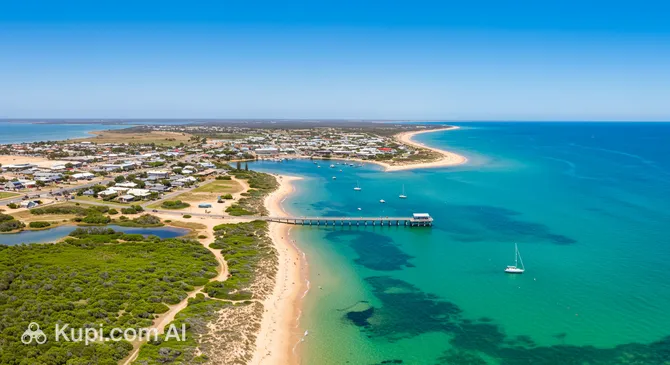
Carnarvon. Source: Kupi.Binoculars

Nature lovers will find plenty to admire in the surrounding areas. A short drive north leads to the spectacular Quobba Blowholes, where powerful ocean swells force water through sea caves, creating impressive jets that shoot high into the air. The coastline here is also the southern gateway to the magnificent Ningaloo Reef, offering opportunities for snorkeling and witnessing diverse marine life in pristine waters.

Whether you are interested in space history, eager to taste the freshest mangoes and bananas, or simply looking for a relaxing stop along the Coral Coast, Carnarvon offers a warm welcome and a diverse range of experiences. It is a perfect destination to recharge and explore the unique charm of the Gascoyne region.
Weather Overview

Carnarvon benefits from a semi-arid climate that brings sunshine and warmth for the majority of the year. The weather in Carnarvon makes it an attractive destination for those looking to escape the cold, as the region experiences very little rainfall and consistent temperatures.

Summers are generally hot, with average temperatures in January and February hovering around 27°C to 28°C and maximums frequently reaching nearly 31°C. The winter months of June through August offer a milder climate, where average temperatures stay between 17°C and 19°C, and daily highs remain a comfortable 22°C. Precipitation is exceptionally low year-round, with even the coolest month of June seeing only trace amounts of rain, ensuring that visitors can expect dry and sunny days regardless of the season.

Interesting Facts

Beyond its agricultural reputation, Carnarvon holds fascinating secrets that highlight its importance in history and nature. From geological oddities to pivotal roles in space exploration, this coastal town offers surprises that go far beyond its famous fruit plantations.

  • The Gascoyne River is famously known as an "upside-down river." For most of the year, the water flows beneath the dry riverbed sands, creating a massive subterranean reservoir that sustains the region's lush banana and mango plantations even during the hottest months.

  • Carnarvon was a key player in the space race, specifically during the Apollo 11 mission. The local tracking station was responsible for verifying the spacecraft's trajectory towards the Moon, sending the vital confirmation for the Trans-Lunar Injection. Additionally, the town's satellite station relayed the live television signal to Perth, enabling Western Australia to watch the historic moon landing in real-time.

  • Before he became a legendary aviator, Sir Charles Kingsford Smith had a grounded connection to this town. He started the Gascoyne Transport Company in Carnarvon, driving trucks to deliver mail and supplies across the rugged landscape long before he set his sights on record-breaking flights.

  • The historic One Mile Jetty, built in 1897, was designed with a unique railway system. A train line ran the entire length of the jetty, allowing wool and livestock to be transported directly from the shore to ships waiting in deeper waters, streamlining trade in this remote part of Australia.

How to Get There

Reaching this part of the Gascoyne region is an adventure in itself, with air travel being the most time-efficient method for most visitors. For a comprehensive overview of all travel options, including road routes and bus schedules, you can read more about how to get to Carnarvon to plan your journey effectively.

The most convenient gateway is Carnarvon Airport (CVQ), which is situated directly in the town, just 1.6 km from the center. As a regional facility, it provides essential connections for locals and tourists. Given its proximity, a taxi or shuttle ride from the terminal to the heart of the city is a very short drive, taking just a few minutes.

Alternatively, travelers can fly into Shark Bay airport (MJK). However, it is important to note that this airport is located in Monkey Mia, approximately 111.7 km away from Carnarvon in a straight line, and the actual road journey requires a significant transfer. Another option is Learmonth Airport (LEA), located in Learmonth. This is a larger hub situated 296.8 km from Carnarvon. Visitors choosing this arrival point should be prepared for a drive of approximately 3 to 4 hours to reach their destination.

For clarity, here is a summary of the main airports:

Airport Name City Passenger Traffic Km from City
Learmonth AirportLearmonthMedium296.8
Carnarvon AirportCarnarvonSmall1.6
Shark BayMonkey MiaSmall111.7

Carnarvon does not have a passenger railway station, and there are no direct train services to the town. Visitors wishing to travel by ground typically rely on the extensive road network. Long-distance coaches and buses frequently service the coastal route, connecting Perth and other major hubs to Carnarvon via the North West Coastal Highway.

Main Attractions

Carnarvon offers a delightful mix of space history, agricultural abundance, and coastal heritage. While the town is famous for its plantations, its attractions provide a deep dive into the region's fascinating past and vibrant local culture. Visitors can explore everything from world-class museums to historic watering holes.

One of the town's most celebrated highlights is the Carnarvon Space and Technology Museum. Located at the site of the former OTC Satellite Earth Station, this museum commemorates the critical role Carnarvon played in the Gemini and Apollo space missions. The site is instantly recognizable by the massive 29-meter Casshorn antenna, which dominates the landscape. Inside, interactive displays and simulators allow guests to experience the excitement of space travel, making it a must-visit for families and history buffs alike.

For a taste of local history and hospitality, travelers often stop by The Carnarvon Hotel. As one of the oldest establishments in the area, it has served as a social hub for generations of locals and travelers. Situated near the fascine, it offers a relaxed atmosphere where visitors can enjoy a meal or a cold drink while soaking in the character of the Gascoyne region. It is an excellent spot to unwind after a day of sightseeing.

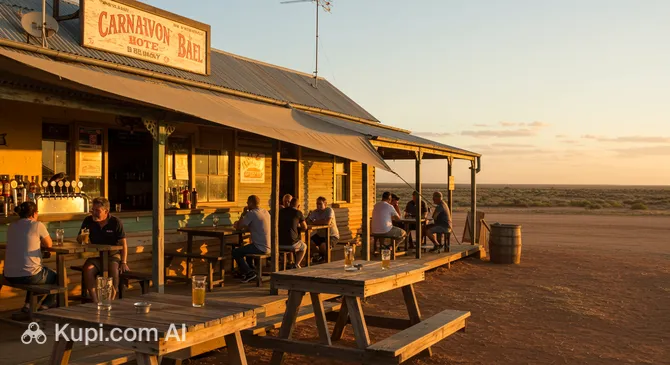
The Carnarvon Hotel. Source: Kupi.Binoculars

Another significant site is the One Mile Jetty Heritage Precinct. Although access to the historic jetty itself may be restricted due to preservation efforts, the surrounding precinct remains a treasure trove of history. The precinct houses the Railway Station Museum, which details the unique transport history of the town, including the train that once traveled the length of the jetty. Visitors can also explore the Shearing Hall of Fame, which pays tribute to the pastoral industry that helped shape the region's economy.

To experience the agricultural heart of the town, a drive along the Fruit Loop is essential. This scenic route takes you past thriving plantations along the banks of the Gascoyne River. Many farms operate roadside stalls where you can purchase fresh seasonal produce, including the region's famous bananas, mangoes, and tomatoes, directly from the growers. It is a delicious way to connect with the local land and its bounty.

Local Cuisine

The culinary landscape of Carnarvon is a direct reflection of its dual identity as a coastal fishing hub and an agricultural oasis. Known as the "food bowl" of Western Australia, the town offers a gastronomic experience heavily centered on incredibly fresh produce. Visitors can expect a menu dominated by the bounty of the Gascoyne region, where seafood caught just offshore sits alongside tropical fruits harvested only minutes from the table.

Seafood is undoubtedly the star of the local diet. The waters off the coast are teeming with high-quality marine life, making fresh catches a daily staple. Carnarvon is particularly famous for its prawns, including King and Tiger varieties, as well as succulent scallops and Blue Manna crabs. A simple yet perfect meal here often consists of locally caught snapper or mullet, grilled or battered, served with chips and enjoyed by the water.

For those with a sweet tooth, the region's fruit plantations offer iconic treats. A must-try local specialty is the chocolate-coated frozen banana, a refreshing snack that perfectly utilizes the town's most famous crop, the "Carnarvon Sweet" banana. During harvest season, mangoes are also abundant, finding their way into everything from fresh salads and salsas to rich desserts and ice creams.

The dining culture in Carnarvon is relaxed and unpretentious, ranging from roadside stalls to classic Australian pubs. A unique feature of the area is the prevalence of "honesty stalls" along the plantation drive, where tourists can pick up bags of fresh produce and leave cash in a box. For a sit-down meal, locals often gather at historic venues like The Carnarvon Hotel. Here, the atmosphere is typically laid-back, offering hearty "counter meals" such as steaks and seafood baskets that pair perfectly with the warm climate.

When it comes to drinks, the choices are just as refreshing. Given the abundance of tropical fruit, freshly blended mango and banana smoothies are widely available and popular throughout the day. In the evenings, the local drinking culture revolves around cold Australian lagers and white wines, which provide a crisp accompaniment to the fresh seafood platters that define dining in this sun-drenched region.

Travel Tips

Welcome to Carnarvon, where the desert meets the sea! To ensure your visit to this sunny Gascoyne gem is as relaxing and enjoyable as possible, here are some practical tips to help you navigate the local lifestyle and environment.

  1. Clothing and Gear: Given the semi-arid climate, lightweight and breathable clothing is essential, especially during the hot summer months. A wide-brimmed hat, high-quality sunglasses, and strong sunscreen are non-negotiable protections against the intense sun. If you plan to explore the outdoors or the blowholes, comfortable walking shoes are a must. Pro tip: In the warmer months, a fly net for your face can be a lifesaver when venturing inland or near the plantations.
  2. Transportation: There is no public transport system like buses or trains within the town itself. While there are local taxi services, the best way to explore Carnarvon and its surrounding attractions—such as the Fruit Loop or the Quobba Blowholes—is by renting a car. Having your own vehicle gives you the freedom to explore the region's vast landscapes at your own pace.
  3. Finances: The local currency is the Australian Dollar (AUD). Credit and debit cards are widely accepted in supermarkets, hotels, and restaurants. However, it is highly recommended to carry cash, particularly small notes and coins. Many of the local plantations operate "honesty stalls" where you can pick up fresh produce and leave money in a box, and these rarely accept cards.
  4. Health and Safety: Carnarvon has a hospital and pharmacies located in the town center for medical needs. The sun is very strong here, so staying hydrated is crucial; always carry extra water, especially if driving out of town. Be mindful of marine hazards; when swimming or snorkeling, it is safer to stick to known spots like the Fascine or designated beach areas, as ocean currents further out can be strong.
  5. Communication: English is the spoken language, and locals are generally very friendly and helpful. Mobile coverage is good within the town, but can be patchy or non-existent once you drive a few kilometers out. The Telstra network typically offers the best coverage in regional Western Australia. Free Wi-Fi is often available in cafes, the library, and the visitor center.
  6. Local Etiquette: The vibe in Carnarvon is laid-back and casual. A friendly "G'day" or a wave to passing drivers on country roads is common and polite. When visiting the Fruit Loop, remember that the plantations are private property and working farms; please respect boundaries and do not enter fields unless there is clear signage inviting you to do so.
  7. What to Avoid: Avoid driving on highways outside the town limits at dawn, dusk, or night. The Gascoyne region is teeming with wildlife, including kangaroos, emus, and wandering livestock, which are most active during these times and pose a significant hazard to motorists.
  8. Fresh Produce Hack: Don't buy all your fruit at the supermarket! Take a drive along the North and South River Roads (the Fruit Loop) to buy seasonal mangoes, bananas, and vegetables directly from the growers. The produce is cheaper, fresher, and often tastes significantly better than what you find in stores.

By keeping these tips in mind, you are all set for a safe and memorable adventure. Enjoy the fresh flavors, the warm sun, and the unique hospitality that make Carnarvon such a special destination on the Coral Coast!

Entertainment & Nightlife

Nightlife in Carnarvon is defined by its relaxed, outback coastal charm rather than high-energy nightclubs or neon-lit strips. The evening entertainment scene revolves almost entirely around traditional Australian pubs and hotel bars, where locals and travelers gather to share stories, enjoy hearty meals, and cool off with a drink after a hot day. The atmosphere is welcoming and unpretentious, reflecting the town's friendly country spirit.

The main hub for evening activity is located along Olivia Terrace, overlooking the picturesque Fascine waterway. This area is home to the town's most popular watering holes. The Carnarvon Hotel is a standout venue in this district. Known for its historic character and waterfront views, it is the perfect spot to watch the sunset while enjoying a cold beer or a glass of Western Australian wine. It often hosts live music or local events, making it a focal point for social life in the town.

Another key venue to visit is the Gascoyne Hotel, which offers a classic pub experience complete with pool tables, sports screens, and a spacious beer garden. It draws a mix of plantation workers, fishermen, and tourists, creating a lively buzz, especially on weekends. For those looking for a slightly different vibe, the Port Hotel is another local favorite that provides a comfortable setting for an evening meal and drinks, often filled with the chatter of friendly locals.

Practical advice for a night out in Carnarvon differs from big city norms. The dress code is almost universally casual; shorts and t-shirts are acceptable in most places, though "smart casual" is appreciated for dinner service. Venues tend to close earlier than in metropolitan areas, with kitchen service often finishing by 8:30 PM or 9:00 PM, and bars winding down around midnight. Prices are standard for regional Australia, with a pint of beer or a glass of wine being reasonably priced.

Regarding safety and transport, Carnarvon is generally a safe town for evening walks, particularly along the well-lit Fascine embankment. However, as with any travel destination, it is wise to stay in populated areas. Public transport is non-existent at night, so if your accommodation is not within walking distance of Olivia Terrace, you will need to rely on local taxis. It is highly recommended to have the number of a local taxi service saved in your phone, as hailing a cab on the street is rarely an option.

While the nights are quiet, the daytime entertainment offers plenty of excitement to fill your schedule before the sun goes down. Visitors can explore the Carnarvon Space and Technology Museum for an interactive look at history, or visit the fascinating One Mile Jetty Heritage Precinct. For nature enthusiasts, a day spent fishing or swimming at the local beaches is a popular precursor to a relaxing evening at the pub.

Parks & Museums

Carnarvon is a destination where the red earth of the outback meets the turquoise waters of the Indian Ocean, offering a unique selection of cultural and natural attractions. While the town is famous for its plantations, its green spaces and heritage centers provide a deeper look into the region's fascinating history and diverse ecology, ranging from space exploration to Indigenous culture.

For those seeking relaxation by the water, The Fascine is the town’s premier waterfront promenade and a central gathering spot. Lined with swaying palm trees and lush grass, this curved bay offers calm waters perfect for a sunset walk or a family picnic. It serves as the town's scenic heart, where visitors can watch boats bobbing in the harbor and enjoy the cooling coastal breeze. Just a short distance away lies Chinaman's Pool, a Class A Nature Reserve located on the Gascoyne River. This area is rich in birdlife and natural beauty, offering a tranquil setting for walking and photography. It holds historical significance as well, named after the early Chinese market gardeners who cultivated the fertile land along the riverbanks.

The cultural landscape of the city is anchored by the world-renowned Carnarvon Space and Technology Museum. This facility celebrates the town's critical role in the Gemini and Apollo space missions. Visitors can explore interactive displays, view a full-scale Apollo capsule replica, and even try their hand at space launch simulations. It is a place where history comes alive, honoring the tracking station staff who helped put humans on the Moon.

To understand the deep roots of the region, the Gascoyne Aboriginal Heritage and Cultural Centre is an essential stop. This museum and gallery space showcases the history, art, and stories of the local Indigenous people. Through engaging exhibits and cultural artifacts, it provides a meaningful insight into the traditions and enduring connection to the land held by the Gascoyne's traditional owners. Additionally, the Railway Station Museum, located within the Heritage Precinct, offers a glimpse into the town's transport history, featuring the last steam train to operate in the North West and displays on the shearing industry.

Among the architectural highlights is the Lighthouse Keeper’s Cottage Museum. Built around 1897, this restored cottage gives visitors a peek into the solitary lives of the early lighthouse keepers and their families. Standing as a testament to the town's maritime past, it is often visited in conjunction with the historic One Mile Jetty. In the town center, other historic buildings add to the character of the streets, such as The Carnarvon Hotel, which has stood as a local landmark for over a century, reflecting the enduring social heritage of the community.

For a unique "insider" experience, seek out the impressive Cactus Garden located along the South River Road. This private garden, often visible from the roadside, features towering cactus plants that have become a favorite subject for photographers looking to capture the quirky, desert-like charm of the Gascoyne region.

Getting Around

Travelers visiting Carnarvon should be aware that the city does not possess a comprehensive public transport system found in larger metropolitan areas. There are no local bus networks, trams, trains, or metro lines operating within the town itself. The transport infrastructure is designed primarily for private vehicles, reflecting the regional and spacious nature of the destination.

Because there is no scheduled public transit, there are no travel passes, transport cards, or ticketing apps to worry about. The primary method of getting around for those without a private vehicle is utilizing the local taxi service. Fares are metered, and while cash is always accepted, most drivers also accept major credit and debit cards. It is advisable to ask about payment methods before starting your journey to ensure a smooth transaction.

For tourists, the most practical advice is to rent a car. This is by far the most convenient way to explore the area, as many key attractions, such as the Space and Technology Museum and the Fruit Loop plantations, are spread out and difficult to reach on foot. Several car rental agencies operate in the town and at the airport. If you do not drive, it is highly recommended to book taxis in advance, especially for evening dining or trips to the airport, as hailing a cab on the street can be challenging.

Regarding alternatives, ride-sharing apps like Uber are generally not available or reliable in this remote region, so relying on local taxi companies is the standard. Cycling is a viable option for exploring the immediate town center and the scenic Fascine foreshore, as the terrain is flat and conducive to biking. However, due to the warm climate, walking is best reserved for short distances within the central business district or along the waterfront during the cooler parts of the day.

While there is no active rail transport, the town does have a unique historical connection to transport. Visitors can see the "Coffee Pot" steam train at the local museum, a relic from the days when a tramway system transported goods from the town to the jetty. Although this is now a static attraction rather than a mode of travel, it serves as a fascinating reminder of how logistics were managed in the past.

Accommodation

Where to Stay:

Accommodation in Carnarvon is designed primarily to cater to road trippers, families, and travelers exploring the Coral Coast. The town offers a practical range of options rather than high-end luxury resorts. Visitors will find a good selection of comfortable motels, self-contained holiday apartments, and chalet-style lodgings. Given the region's popularity with campers and caravan owners, there are also several high-quality holiday parks that offer cabins and powered sites, often providing a community atmosphere for travelers.

When choosing an area to stay, the most scenic and convenient location is near The Fascine. Accommodation along the waterfront places you within walking distance of the town center, cafes, and the picturesque promenade, offering lovely views of the water, especially at sunset. Alternatively, for those on a quick stopover or looking for budget-friendly options, there are several motels and caravan parks located along the main approach roads and the North West Coastal Highway, providing easy access for vehicles and towing setups.

Booking Tip: Carnarvon is a winter sun destination, meaning the peak tourist season occurs during the cooler months from May to August. During this time, accommodation—especially caravan parks and popular motels—can fill up quickly with visitors escaping the cold from the south. It is highly recommended to book your stay several weeks or even months in advance if you plan to visit during this period.

In terms of pricing, the town is generally affordable compared to major cities or exclusive resort islands. Most options fall into the budget to mid-range categories. While you can book most motels and holiday parks through major online travel platforms, calling the establishments directly is also a common and effective way to secure a room, sometimes offering better flexibility with dates.

Nearby Cities

For those looking to explore the surroundings, Carnarvon serves as an excellent base for day trips to several interesting nearby locations:
City Population Distance (km)
Geraldton 37648 442
Karratha 17013 564
Tom Price 3005 486
Exmouth 2998 330
Paraburdoo 1700 449

Given the vast nature of the Western Australian landscape, some of these destinations are best enjoyed as extended day trips or short overnight visits. Exmouth, located north of Carnarvon, is a premier attraction for nature lovers. It serves as the northern gateway to the world-heritage listed Ningaloo Reef, offering opportunities to swim with whale sharks and explore the stunning Cape Range National Park with its rugged canyons and pristine beaches.

To the south lies Geraldton, a vibrant regional city that combines coastal beauty with rich history. It is famous for its windsurfing conditions and the poignant HMAS Sydney II Memorial. The city also acts as a launching point for trips to the Abrolhos Islands, making it a worthwhile stop for those interested in maritime heritage and coral reefs.

For those willing to venture inland, Tom Price offers a completely different experience. Known as the highest town in Western Australia, it is the main access point for the spectacular Karijini National Park. Here, visitors can discover ancient gorges, crystal-clear rock pools, and dramatic waterfalls, showcasing the raw beauty of the Pilbara region.

These nearby destinations offer a glimpse into the diverse culture and landscapes of the region.

Shopping & Souvenirs

Shopping in Carnarvon offers a unique blend of practical regional convenience and delightful local discovery. As the commercial hub of the Gascoyne region, the town provides all the essentials travelers might need, from camping gear to groceries. However, the true highlight of the shopping experience here is the abundance of fresh, locally grown produce. Known as the "Food Bowl" of Western Australia, the town is famous for its tropical fruits, vegetables, and seafood, making it a paradise for foodies looking to stock up on high-quality ingredients directly from the source.

The primary commercial activity is concentrated along Robinson Street, which serves as the town's main thoroughfare. This wide street is lined with a variety of specialty stores, pharmacies, banks, and cafes. It is the best place to find surf wear, fishing tackle, and camping supplies, which are essential for those planning to explore the rugged coast north of the town. A stroll down Robinson Street allows visitors to handle their practical needs while soaking in the laid-back atmosphere of this country town.

For a more concentrated retail experience, Carnarvon Central is the town's main shopping centre. Located in the heart of the town, it houses a large supermarket alongside a selection of smaller specialty shops. This is the go-to destination for groceries, beverages, and general household items. While it does not rival the massive complexes found in capital cities, it provides a modern and air-conditioned environment where tourists can comfortably resupply before continuing their journey along the Coral Coast.

The most authentic shopping experience in Carnarvon is undoubtedly found at its markets and farm gates. During the peak season (typically May to October), the Gascoyne Growers Markets are held on Saturday mornings outside the Visitor Centre. These markets are a vibrant community hub where locals sell everything from freshly picked herbs and vegetables to homemade cakes and crafts. Additionally, the famous "Fruit Loop" drive allows visitors to stop at roadside stalls and plantation shops to buy seasonal mangoes, bananas, and other produce directly from the farmers, often using an "honesty box" system.

When looking for souvenirs, the best items to bring back are edible treats that capture the flavor of the region. Jars of homemade mango chutney, banana jam, and spicy tomato relishes are popular choices that travel well. Dried fruits, particularly the sun-dried bananas and mango cheeks, are a local specialty and make for excellent gifts. For non-edible keepsakes, look for local Indigenous art or handcrafted jewelry often sold at the Visitor Centre or local craft shops, reflecting the rich cultural heritage of the Gascoyne.

Store opening hours in Carnarvon generally follow standard regional Australian schedules. Most shops on Robinson Street and in the shopping centre are open from 9:00 AM to 5:00 PM on weekdays and from 9:00 AM to 12:00 PM or 1:00 PM on Saturdays. Most specialty stores are closed on Sundays, although the major supermarket typically remains open. Credit and debit cards are widely accepted in town, but it is essential to carry cash if you plan to visit the farm gates or markets, as many smaller vendors and honesty stalls do not have electronic payment facilities.

For international visitors, the Tourist Refund Scheme (TRS) allows you to claim a refund on the Goods and Services Tax (GST) for goods over AUD 300 purchased from a single retailer. While most fresh produce is GST-free or consumed locally, this may apply to purchases of jewelry, art, or high-value camping gear. Be sure to ask for a valid tax invoice and present your goods at the customs office when departing Australia from an international airport like Perth.

Nearby cities

Reached the end of the page?

That means the route is fully explored