Support

Monkey Mia

About

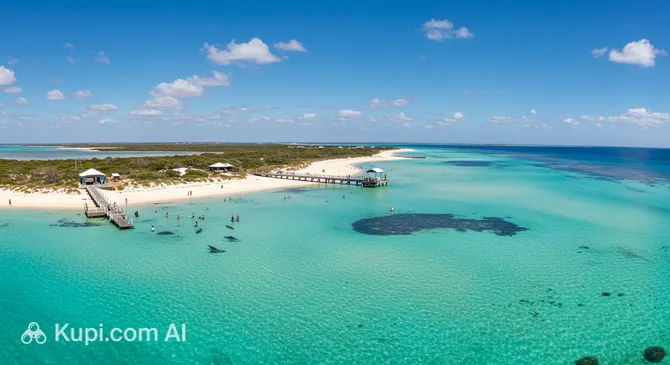
Monkey Mia is one of the most iconic destinations in Western Australia, renowned globally for its friendly resident dolphins. Located within the Shark Bay World Heritage Area, this reserve offers a unique opportunity for visitors to connect with nature in a pristine coastal setting. The atmosphere here is relaxed and centered around the stunning turquoise waters and rich red sand dunes that define the landscape.

Geographically, it is situated on the eastern side of the Peron Peninsula, approximately 900 kilometers north of Perth. The climate is generally sunny and warm, making it a pleasant destination year-round, although the winter months offer milder temperatures perfect for outdoor exploration. While the permanent population is quite small, consisting mainly of park rangers and resort staff, the area is vibrant with travelers eager to witness the local marine life.

The main attraction is undoubtedly the pod of wild bottlenose dolphins that visit the shore almost daily. This unique bond between humans and dolphins is a significant chapter in the history of Monkey Mia, which has evolved from casual interactions in the 1960s into a carefully managed conservation experience. Beyond the dolphin encounters, visitors can enjoy sailing cruises to spot dugongs and turtles, or explore the striking contrast of the desert meeting the ocean.

Whether you are an avid wildlife enthusiast or simply seeking a serene escape, Monkey Mia promises an unforgettable adventure. It is a magical place where the wonders of the natural world are just a few steps from the beach, inviting everyone to relax and appreciate the beauty of the coast.

Weather Overview

Monkey Mia enjoys a semi-arid climate characterized by abundant sunshine and generally warm temperatures, making it an inviting destination throughout the year. The region typically experiences hot summers and mild, pleasant winters, perfect for spending days by the pristine waters of Shark Bay.

During the warmest months from December to March, average daytime temperatures hover between 25°C and 30°C, creating ideal conditions for swimming and dolphin interactions. The winter season, spanning June to August, is cooler but remains comfortable, with daily highs around 18°C to 20°C and overnight lows rarely dropping below 15°C.

Rainfall is exceptionally scarce in this part of Western Australia, ensuring dry skies for the majority of the year. Even during June, which sees the highest frequency of wet days, precipitation volume is minimal. For a more detailed forecast to help plan your trip, you can consult the guide to the weather in Monkey Mia.

Interesting Facts

Beyond the main attractions, Monkey Mia holds many fascinating secrets and rich history that extend well past the shoreline. Here are some intriguing details that make this destination truly unique:
  • The origin of the name "Monkey Mia" remains a subject of local debate and mystery. While "Mia" is the local Aboriginal term for "home" or "shelter," the "Monkey" part is believed to come from a pearling schooner that anchored here in the late 19th century, though some claim it refers to a colloquial term for sheep used by early pastoralists.

  • The world-famous dolphin interaction began quite humbly in 1964 with a single bottlenose dolphin named Charlie. He started following fishing boats and accepting fish from locals, sparking a tradition that has evolved into the carefully regulated experience managed today near the Monkey Mia Visitor Centre.

  • Conservation is taken so seriously that the dolphins are fed only a fraction of their daily dietary requirement during interactions. This strict policy ensures that the marine mammals remain wild and continue to hunt for themselves, rather than becoming dependent on humans for survival.

  • Located within the Shark Bay World Heritage Area, these waters support approximately 10% of the world's dugong population. These gentle "sea cows" graze on the vast seagrass meadows found here, which are among the largest and most diverse seagrass beds on the planet.

Monkey Mia Visitor Centre. Source: Kupi.Binoculars

How to Get There

Reaching this remote coastal paradise is part of the adventure, with air travel being the most time-efficient method for most visitors. To plan your journey in detail, you can read more about how to get to Monkey Mia, including various transport options and routes.

The primary gateway for travelers is Shark Bay (MJK), located directly in the Monkey Mia area. It is a regional airport handling approximately 24,000 passengers annually. Situated just 17.6 km from the main resort area, the transfer is quick and convenient; a taxi or shuttle ride generally takes approximately 15 to 20 minutes.

Another option is to fly into Carnarvon Airport (CVQ), located in the neighboring city of Carnarvon. Although the airport is geographically close—only about 100 km across the bay—the road transfer requires driving all the way around the inlet. This route covers approximately 350 km and typically takes 3 to 4 hours by car, so travelers should plan accordingly.

For clarity, here is a summary of the main airports:

Airport Name City Passenger Traffic Km from City
Carnarvon Airport Carnarvon Small 101.4
Shark Bay Monkey Mia Small 17.6

Main Attractions

While the famous bottlenose dolphins are the primary drawcard, the region offers several other captivating experiences that highlight the unique beauty of the Shark Bay World Heritage Area. From educational hubs to rugged natural landscapes, here are the top places to visit during your stay.

The Monkey Mia Visitor Centre is the essential starting point for understanding the local ecosystem. Located just steps from the beach where the daily dolphin interactions take place, this facility provides fascinating interpretive displays about the marine life and history of the area. It is an excellent place to learn about the behavior of the dolphins, the biology of dugongs, and the conservation efforts that protect this fragile environment.

Monkey Mia Visitor Centre. Source: Kupi.Binoculars

For those looking to stay right in the heart of the action, the Monkey Mia Dolphin Resort serves as the main accommodation and activity hub. Situated directly on the pristine shores of Dolphin Beach, it offers more than just a place to sleep; it provides immediate access to the calm, turquoise waters perfect for swimming and snorkeling. The resort area is also a great spot to relax with a drink while watching the sunset over the bay, often with pelicans and emus wandering nearby.

Monkey Mia Dolphin Resort. Source: Kupi.Binoculars

Just a short drive north lies the spectacular Francois Peron National Park. This area is a visual feast where striking red desert sand dunes meet the brilliant blue ocean. It is a haven for four-wheel-drive enthusiasts, offering rugged tracks that lead to secluded spots like Big Lagoon and Cape Peron. Visitors can explore the historic homestead near the entrance, which features a hot tub fed by artesian waters, offering a unique way to unwind after a day of exploration.

To see the marine park from a different perspective, consider taking a wildlife sailing cruise. Departing regularly from the Monkey Mia jetty, these catamaran tours offer the best chance to spot the elusive dugongs (sea cows) that graze on the vast seagrass meadows. In addition to dugongs, these cruises frequently encounter loggerhead turtles, sharks, and rays, providing a comprehensive wildlife experience that complements the beachside dolphin encounters.

Local Cuisine

The culinary experience in Monkey Mia is deeply rooted in the bounty of the surrounding ocean, making it a paradise for seafood lovers. Located within the Shark Bay region, the area is famous for its exceptional shellfish. Visitors should definitely try the renowned Shark Bay prawns, particularly the King and Tiger varieties, which are celebrated for their size and sweet flavor. Another must-try delicacy is the Shark Bay scallop, often harvested locally and served fresh, either seared to perfection or grilled in the half-shell.

The food culture here is relaxed and unpretentious, perfectly matching the laid-back coastal atmosphere. Fresh fish is a staple, with local species such as Pink Snapper, whiting, and mullet frequently featuring on menus. A classic meal often consists of battered or grilled fish accompanied by hot chips, best enjoyed outdoors where you can take in the ocean views. For those who prefer a hands-on approach, the Australian tradition of a beachside barbecue is popular, with travelers cooking their own fresh catch or local meats on available facilities.

As the primary accommodation and activity hub, the Monkey Mia Dolphin Resort is central to the local dining scene. It offers venues where you can enjoy everything from casual bistro meals to à la carte dining with a view of the bay. To complement the food, the drink selection typically highlights wines from Western Australia’s famous regions, such as Margaret River, as well as cold Australian craft beers that offer a refreshing break from the warm desert sun.

Travel Tips

To help you make the most of your visit to this pristine coastal sanctuary, we have compiled a list of essential practical advice. Being prepared for the remote nature of the Shark Bay region will ensure your encounter with the wild dolphins and the surrounding wilderness is as smooth and enjoyable as possible.

  1. Clothing and Gear: Since the sun can be intense, high-SPF sunscreen, a wide-brimmed hat, and protective clothing are non-negotiable. Polarized sunglasses are highly recommended; they significantly reduce glare, allowing you to spot dolphins, rays, and turtles in the clear water much easier. Bring casual, comfortable beachwear, but also pack a windproof jacket or warm layer, as the coastal breeze can feel cool in the evenings.

  2. Transportation: Within the resort area, everything is accessible on foot. However, to explore the wider region, including Denham or the Francois Peron National Park, a rental car is essential. There is no public transport system like buses or trains connecting the sights. If you are not driving, you will be limited to the resort and organized tours.

  3. Finances: The local currency is the Australian Dollar (AUD). Credit and debit cards are widely accepted at the resort, visitor center, and tour desks. However, ATMs are scarce in this remote area (the nearest reliable banking facilities are in the town of Denham, about 25 km away), so it is wise to carry some cash for small purchases or tips. Daily costs can be higher than in cities due to the remote location.

  4. Health and Safety: The nearest pharmacy and medical center are located in Denham, a 20-minute drive away, so bring a basic first-aid kit and any personal prescription medications with you. The sun is the biggest safety concern; stay hydrated and seek shade during midday. Also, be aware that the ocean here is home to various marine life; shuffle your feet when wading to avoid stepping on stingrays hiding in the sand.

  5. Communication: English is the primary language. Mobile coverage can be patchy in remote Western Australia; the Telstra network generally offers the best reception in regional areas, while other providers may have no signal at all. Wi-Fi is available at the resort, though connection speeds can sometimes be slower than what you are used to in major cities.

  6. Local Etiquette: The dolphin interactions are strictly regulated by park rangers to protect the animals. It is crucial to listen to their instructions carefully. Do not approach or touch the dolphins unless explicitly invited to do so by a ranger during the feeding sessions. This respect ensures the dolphins remain wild and safe.

  7. What to Avoid: Avoid driving on regional highways at dawn, dusk, or night. Wildlife, particularly kangaroos and emus, are very active during these times and often wander onto the roads, posing a significant risk for collisions.

  8. Wildlife Awareness: You will likely encounter wild emus walking freely around the resort grounds. While they look charming, do not feed them or leave food unattended on outdoor tables. They can be bold and will snatch lunch right off your plate if you aren't paying attention!

By keeping these tips in mind, you can relax and fully immerse yourself in the natural wonder of Monkey Mia. A little preparation goes a long way in this remote paradise, leaving you free to focus on the turquoise waters and unforgettable wildlife encounters.

Entertainment & Nightlife

Entertainment and Nightlife:

Monkey Mia is a destination defined by its tranquility and natural beauty, so do not expect a bustling metropolis with high-energy nightclubs or neon-lit districts. Instead, the nightlife here is relaxed, social, and centered around the appreciation of the stunning coastal environment. The evening entertainment typically begins with watching a spectacular sunset over Shark Bay, often followed by casual drinks and dining under a canopy of brilliant stars that you can only see in such remote locations.

The primary hub for all evening activity is the Monkey Mia Dolphin Resort. As the only major facility in the immediate area, it serves as the gathering point for guests, rangers, and backpackers alike. Within the resort complex, the Monkey Bar is the closest thing to a nightlife venue you will find. It features an open-air beer garden, pool tables, and a jovial atmosphere where travelers swap stories about their Australian road trips. It is the perfect spot to enjoy a cold beer or a casual meal without the need to dress up.

For a slightly more refined evening, the resort is also home to The Boughshed. While primarily a restaurant, it offers a wonderful setting for a relaxed evening glass of wine with views looking out towards the jetty. The atmosphere here is laid-back and family-friendly. The dress code throughout Monkey Mia is extremely casual; shorts, t-shirts, and sandals are the standard attire, even in the evening. Most venues close relatively early compared to city standards, usually winding down by late evening to allow for an early start with the dolphins the next morning.

If you are looking for a change of scenery, you can take a 25-kilometer drive into the nearby town of Denham to visit the Shark Bay Hotel. Known locally as the "Old Pub," it sits right on the foreshore and offers a classic Australian outback pub experience with hearty meals and ocean views. However, you must plan your transport carefully. There are no public buses or Uber services operating at night. If you plan to drink, you must arrange a designated driver, as the road between Denham and Monkey Mia is unlit and teeming with wildlife.

Safety at night is generally not an issue regarding crime, but environmental awareness is crucial. The resort area is well-lit and safe for walking, but you should avoid wandering into the unlit scrubland where the ground can be uneven. The biggest hazard after dark is wildlife on the roads; kangaroos and emus are very active at night, so driving requires extreme caution. Taxis are virtually non-existent, so your own vehicle or a pre-booked transfer is the only way to get around.

During the day, the entertainment shifts entirely to nature and discovery. The Monkey Mia Visitor Centre is the cultural and educational heart of the reserve, offering theaters and displays that explain the region's ecological significance. Beyond the center, daytime hours are best spent on wildlife cruises, snorkeling in the clear shallows, or exploring the red sand tracks of the national park.

Parks & Museums

Monkey Mia is not defined by manicured city gardens or traditional art galleries, but rather by the raw, breathtaking wilderness of the Shark Bay World Heritage Area that surrounds it. The region’s "green spaces" are vast expanses of red earth and acacia shrubland, while its cultural institutions focus deeply on the unique marine environment and the area's rich indigenous and maritime history.

The most significant natural area nearby is the spectacular Francois Peron National Park. Located just adjacent to the resort area, this park is a stunning visual contrast of rust-red desert sand dunes, white beaches, and turquoise waters. It is a wild, protected environment where visitors can explore the Peron Homestead Precinct to see how life was on an early sheep station. The park is also home to a diverse array of Australian wildlife, including thorny devils, echidnas, and mallee fowl, making it an essential visit for nature enthusiasts.

While not a park in the traditional sense, the Shark Bay Marine Park serves as the aquatic backyard of Monkey Mia. This protected zone is world-famous for its seagrass meadows, which are the largest in the world and support a massive population of dugongs. The calm, shallow waters right off the beach offer a natural playground where visitors can wade and observe the marine ecosystem up close, effectively serving as a living, breathing aquarium without glass walls.

For those seeking to understand the science and history behind the region, the Monkey Mia Visitor Centre is the primary cultural hub within the reserve. Far more than just a ticket office, this facility functions as an educational museum featuring interpretive displays about the bottlenose dolphins and the local marine environment. Visitors can examine dolphin skeletons, learn about their complex social structures, and understand the conservation efforts that keep the population healthy.

A short drive away in the town of Denham, the Shark Bay World Heritage Discovery Centre offers a more comprehensive look at the region's human and natural history. This award-winning museum utilizes modern technology to tell the stories of the Malgana people, the traditional owners of the land, as well as the dramatic tales of early Dutch explorers and the tragic history of the HMAS Sydney II. It is widely regarded as one of the best regional museums in Western Australia and provides essential context for the landscapes you see at Monkey Mia.

For a truly authentic experience, take the time to visit the Peron Homestead within the national park to soak in the artesian hot tub. Originally a bore used for watering stock, it is now a popular spot for tourists to relax in warm, mineral-rich water while surrounded by the sounds of the bush—a perfect blend of history and natural relaxation.

Getting Around

Monkey Mia is a dedicated conservation reserve and resort complex rather than a conventional city. As a result, there is no public transport network such as a metro, tram system, or municipal bus fleet. Visitors will not find scheduled bus stops, train stations, or trolleybuses here. Instead, the transport infrastructure is entirely localized, relying primarily on walking for short distances and private vehicles for moving between the resort, the airport, and the nearby town of Denham.

Due to the absence of a public transit system, there are no complex payment methods, travel zones, or smart cards to navigate. You will not need to purchase a daily pass, download a transport app, or validate tickets at machines. For the limited shuttle services that exist—primarily for airport transfers—payment is typically handled directly with the operator or included in a pre-booked accommodation package. Credit cards are widely accepted for these services, though carrying a small amount of cash is always recommended for local transactions.

For tourists, the most practical advice for navigating the immediate area is simply to walk. The resort layout is designed to be pedestrian-friendly, with accommodation units, restaurants, the visitor center, and the dolphin interaction beach all located within a comfortable strolling distance of one another. If you need to travel to the Shark Bay Airport or the town of Denham, which is approximately 25 kilometers away, you must plan ahead. These routes are not served by a regular timetable; reliable transport requires booking a shuttle or private transfers well in advance, as "hailing a ride" is not possible in this remote location.

Alternatives to public transport are the standard mode of travel in this region. Renting a rental car is by far the most popular and recommended option, as it provides the freedom to explore the surrounding national parks and coastal lookouts that are otherwise inaccessible. Travelers should be aware that major ride-sharing apps and taxi-hailing services do not operate in this area. Consequently, if you do not have a rental vehicle, you will be largely confined to the resort grounds unless you join organized tour groups.

While there are no historic trams or cable cars, the movement around Monkey Mia offers its own unique charm. The "commute" often involves walking along red sand tracks or taking a boat from the jetty to explore the marine park. For many visitors, the lack of a bustling transport system is part of the appeal, encouraging a slower pace of life where the main schedule to follow is the arrival of the dolphins rather than a bus timetable.

Accommodation

Accommodation in Monkey Mia is unique compared to typical holiday destinations because the "city" is essentially a single, self-contained resort complex located within a conservation reserve. Despite being a singular destination, the range of lodging options is surprisingly diverse, designed to cater to every type of traveler. Visitors can find everything from budget-friendly backpacker dormitories and caravan sites to comfortable family units and premium beachfront villas, all situated within walking distance of the shoreline.

The most convenient area to stay is undoubtedly within the reserve itself, right on the edge of Shark Bay. Staying here grants you the luxury of being just steps away from the morning dolphin interactions and the departure point for wildlife cruises. For those who prefer a more traditional town environment with a wider selection of shops and independent motels, the town of Denham offers alternative accommodation approximately a 20-minute drive (25 km) away. However, staying in Denham requires a vehicle to commute to Monkey Mia for the attractions.

The centerpiece of the local hospitality scene is the Monkey Mia Dolphin Resort. As the only accommodation provider located directly on the beach at Monkey Mia, it serves as the base for almost all visitors. The property is expansive and offers a variety of room styles to suit different needs, from basic motel-style rooms for those on a road trip to upscale villas that offer uninterrupted views of the turquoise water. Its location ensures that you are never far from the restaurants, the visitor center, or the famous dolphins.

When it comes to pricing, the cost can vary significantly depending on the level of comfort you choose. Unpowered camp sites and hostel beds are very affordable, making the area accessible for budget travelers, while the modern villas command a higher, mid-to-luxury price point. Reservations can be made easily through major online booking platforms or directly with the resort.

Booking Tip: Since accommodation on-site is limited to a single provider, rooms fill up extremely fast. It is highly recommended to book your stay at least a few months in advance, especially if you plan to visit during Western Australian school holidays (typically April, July, and September) or the peak winter season when the weather is mildest.

Nearby Cities

For those looking to explore the surroundings, Monkey Mia serves as an excellent base for day trips to several interesting nearby locations. While the distances in Western Australia are vast, the following destinations are the closest major hubs and offer unique experiences for those willing to embark on a short visit or an extended road trip. One of the most prominent destinations in the wider region is **Exmouth**. Located to the north, it is world-famous as the gateway to the Ningaloo Reef. Unlike the Great Barrier Reef, Ningaloo is accessible directly from the beach, allowing visitors to snorkel over vibrant coral gardens just steps from the sand. It is also one of the few places on Earth where you can swim with whale sharks, making it a bucket-list location for marine life enthusiasts. To the south lies **Geraldton**, a bustling regional city that perfectly blends coastal relaxation with rich maritime history. It is renowned for its consistent winds, making it a global hotspot for windsurfing and kitesurfing. Visitors can also pay their respects at the moving HMAS Sydney II Memorial or use the city as a launching point to fly over the spectacular Pink Lake (Hutt Lagoon) and the Abrolhos Islands.
City Population Distance (km)
Geraldton 37648 342
Karratha 17013 645
Tom Price 3005 538
Exmouth 2998 430
Paraburdoo 1700 493
These nearby destinations offer a glimpse into the diverse culture and landscapes of the region, ranging from mining heritage in the Pilbara to world-class marine reserves.

Shopping & Souvenirs

General Overview

Shopping in Monkey Mia is a modest and relaxed affair, reflecting the destination's status as a remote nature reserve rather than a commercial hub. Visitors will not find sprawling retail districts or high-end fashion boulevards here. Instead, the shopping experience is focused entirely on holiday essentials, beachwear, and unique souvenirs that celebrate the region's incredible marine life. For most travelers, the available stores provide everything needed for a comfortable stay, from sunscreen and hats to postcards and gifts.

Main Shopping Areas

Since the area is essentially a singular resort complex within a national park, there are no traditional shopping streets. The primary retail outlet is located within the Monkey Mia Dolphin Resort. This general store and gift shop serves as the village center, stocking a range of groceries, camping supplies, casual clothing, and swimwear. It is the go-to spot for grabbing a cold drink, a newspaper, or replacing a forgotten toothbrush.

Another key location is the gift shop situated inside the Monkey Mia Visitor Centre. This store focuses more on educational and conservation-themed products. Here, you can find beautifully illustrated books about the local ecosystem, high-quality apparel, and locally made handicrafts. For more substantial shopping needs, such as a full supermarket or pharmacy, visitors must drive approximately 25 kilometers to the nearby town of Denham, which acts as the commercial service center for the Shark Bay region.

Shopping Malls

There are no shopping malls or department stores in Monkey Mia or the immediate Shark Bay area. The retail landscape is defined by small, independent businesses and resort facilities. The nearest major shopping centers with chain stores and large-scale retail options are located in the city of Geraldton, which is over 400 kilometers away to the south. Travelers are advised to bring any specific specialty items or large quantities of supplies with them before arriving.

Markets

Monkey Mia itself does not host regular street markets. The atmosphere is tranquil and centered on nature. However, the nearby town of Denham occasionally hosts community markets, typically on weekend mornings during the peak tourist season (April to October). These small local gatherings are a great place to find homemade jams, baked goods, and second-hand treasures, offering a glimpse into the lifestyle of the local community.

Souvenirs

When looking for keepsakes, the most popular items are naturally centered around the famous bottlenose dolphins. Plush toys, t-shirts, and photography books featuring the resident dolphins are classic choices. For something more unique, look for authentic Indigenous art produced by the local Malgana people, which often depicts the spiritual connection to the land and sea. Additionally, the Shark Bay region is famous for its pearling history; you may find exquisite jewelry featuring locally cultured pearls in the boutique sections of the resort or in specialized shops in Denham.

Opening Hours and Payment

Stores in Monkey Mia generally operate with tourists in mind. The resort shop is typically open daily from around 7:30 AM to 6:00 PM, ensuring guests have access to supplies throughout the day. The Visitor Centre shop usually opens in time for the first dolphin feeding and closes in the late afternoon. Major credit and debit cards (Visa, Mastercard) are widely accepted, but it is always useful to carry some Australian cash for small purchases or in case of electronic system outages, which can happen in remote areas.

Tax-Free

International tourists in Australia may be eligible for the Tourist Refund Scheme (TRS), which allows you to claim a refund of the Goods and Services Tax (GST) paid on goods. To qualify, you must spend at least AUD 300 (including GST) in a single business and present your tax invoice upon departure from Australia. While it might be difficult to reach this threshold with small souvenirs in Monkey Mia, it is worth keeping in mind if you purchase significant items like high-end pearl jewelry or artwork.
Nearby cities

Reached the end of the page?

That means the route is fully explored