Support

Ceduna

About

Ceduna is a captivating coastal town located on the far west coast of the Eyre Peninsula in South Australia. Known as the gateway to the vast Nullarbor Plain, this town offers a unique blend of rugged outback beauty and pristine coastal scenery. It serves as a vital hub for travelers crossing the continent and provides a warm welcome to those exploring the remote western reaches of Australia.
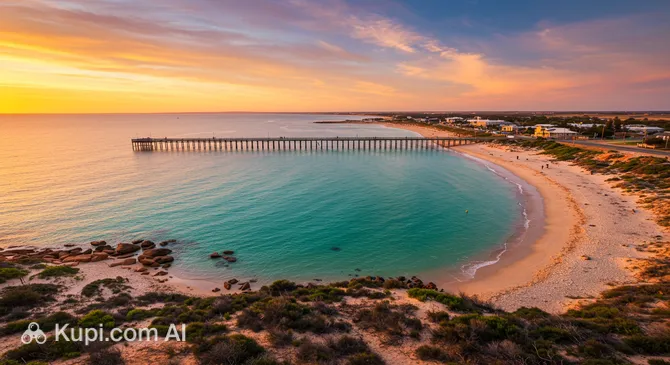
Ceduna. Source: Kupi.Binoculars

With a population of approximately 3,500 people, Ceduna maintains a friendly, small-town atmosphere while offering essential services and amenities. Geographically, it sits on the shores of Murat Bay, enjoying a semi-arid climate that brings warm, dry summers and mild winters. The town's location makes it a premier destination for fishing enthusiasts and seafood lovers, earning it the reputation as the "Oyster Capital" of the country due to the high-quality produce harvested from the pristine waters of nearby Denial Bay.

Visitors are often drawn to the area's stunning natural attractions and wildlife. Between June and October, the region becomes a key base for whale watching, as Southern Right Whales migrate to the nearby Head of Bight to calve. The town also boasts a rich cultural heritage, with the local Aboriginal Arts and Culture Centre showcasing the deep connection the local Indigenous people have to the land. For those interested in the past, exploring the history of Ceduna reveals fascinating stories of early European settlement and the development of the Overland Telegraph Line.

Whether you are stopping by for the famous annual Oysterfest, planning a fishing trip, or preparing for the journey across the Nullarbor, Ceduna offers an authentic slice of Australian life. Its stunning sunsets over the ocean and relaxed pace make it a truly memorable stop on any itinerary.

Weather Overview

Travelers to this coastal town can generally expect a semi-arid climate characterized by warm, dry summers and mild winters. To help plan your activities, from whale watching to beach days, it is useful to check the current weather in Ceduna before your trip.

The summer months, particularly January and February, offer the warmest conditions with average temperatures hovering around 22.6°C to 22.8°C. January sees the highest peaks, with maximum temperatures reaching up to 27.3°C, while rainfall is minimal, making it an excellent time for outdoor exploration.

Winters are significantly cooler, with average temperatures between June and August dropping to approximately 13°C. July is typically the chilliest month, with nightly lows falling to 8.9°C. While heavy rainfall is rare, the frequency of showers increases slightly during this season, with August experiencing about 7 wet days on average.

Interesting Facts

Beyond its famous seafood and coastal vistas, Ceduna holds intriguing secrets that highlight its importance on the map. From record-breaking sports venues to space-age history, there is more to this outback hub than meets the eye.

  • The World's Longest Golf Course: Ceduna serves as the eastern terminal for the Nullarbor Links, a unique 18-hole golf course that spans a staggering 1,365 kilometers. Players tee off in various towns across the Nullarbor Plain, playing a hole at each stop before finishing the course right here in town.

  • A Telecommunications Landmark: Just north of the town lies the Ceduna Satellite Earth Station, a major facility that played a critical role in connecting Australia to the rest of the world. Established in 1969, it was the first earth station in the country designed to handle commercial satellite traffic to Europe and Asia.

  • An Ancient Name: The town's name is derived from the local Aboriginal word "Chedoona," which translates to "a place to sit down and rest." This meaning is historically significant, as the area has long been a vital resting point for travelers crossing the arid stretches of the west.

How to Get There

Reaching this remote yet welcoming destination on the Eyre Peninsula is part of the adventure. Visitors planning their journey can explore the various ways to get to Ceduna, whether arriving by air for a quick connection or taking the scenic route overland. The town serves as a vital hub for travelers heading west across the Nullarbor or exploring the pristine coast of South Australia.

For those prioritizing speed and convenience, flying is the most direct option. The town is served by Ceduna Airport (CED), which is located just 2.4 km from the town center. Due to this close proximity, the transfer is very quick; a taxi ride typically takes approximately 5 minutes, ensuring a smooth transition from the tarmac to your accommodation. This regional airport handles a modest volume of passengers annually, offering a relaxed arrival experience compared to major city hubs.

For clarity, here is a summary of the main airport serving the area:

Airport Name City Passenger Traffic Km from City
Ceduna Airport Ceduna Small 2.4

While there is no passenger train station directly in Ceduna offering regular scheduled services for tourists, the town is a major landmark on the road network. It sits on the Eyre Highway, making it an essential stop for self-drive travelers and bus passengers crossing between South Australia and Western Australia. Long-distance coaches frequently stop here, providing a reliable alternative for those who prefer ground transport.

Main Attractions

For those eager to immerse themselves in local culture, the Ceduna Aboriginal Arts & Culture Centre is an essential stop. This vibrant facility serves as a creative hub for over 130 Indigenous artists from the Far West coast of South Australia. Visitors can admire and purchase authentic paintings, didgeridoos, and artifacts that reflect the deep spiritual connection to the land. The centre also houses a language facility dedicated to preserving the Wirangu, Kokatha, and Mirning languages, offering a profound insight into the region's living heritage.

A stroll along the Ceduna Jetty offers a quintessential seaside experience. Extending into the calm waters of Murat Bay, this timber structure is a favorite spot for both locals and tourists to cast a line for King George Whiting or Blue Swimmer Crabs. It features a swimming enclosure for a safe dip on warm days and provides a perfect vantage point for watching the sun dip below the horizon, painting the sky in spectacular shades of orange and pink.

History enthusiasts will find plenty to explore at the Ceduna School House Museum. Housed in the town's original school building from 1912, this National Trust site preserves a diverse collection of memorabilia. Exhibits range from pioneer farming machinery and medical equipment to significant items related to the British nuclear tests at Maralinga. It provides a fascinating, and sometimes sobering, glimpse into the events that have shaped the community over the last century.

For a truly unique sporting challenge, golfers can tee off at the Nullarbor Links, known as the "World's Longest Golf Course." Ceduna serves as the eastern terminal for this extraordinary 18-hole par 72 course, which spans 1,365 kilometers across the Nullarbor Plain to Kalgoorlie in Western Australia. Playing a hole here marks the beginning or end of an epic journey across the outback, making it a memorable experience even for casual players.

Just a short drive west lies the historic settlement of Denial Bay, famous for its world-class oysters. The area offers more than just fresh seafood; it is home to another picturesque jetty and the McKenzie Ruins, which tell the story of early European settlement. It is an excellent spot for a relaxing afternoon picnic while enjoying the coastal breeze and the view of the oyster leases in the bay.

Local Cuisine

As the self-proclaimed "Oyster Capital of Australia," Ceduna offers a gastronomic experience deeply rooted in the ocean. The absolute highlight of the local cuisine is the Pacific Oyster, grown in the pristine, nutrient-rich waters of nearby Denial Bay and Murat Bay. Visitors can enjoy them in countless ways—freshly shucked with a squeeze of lemon, topped with bacon and Worcestershire sauce as Oysters Kilpatrick, or fried in a light batter. The annual Oysterfest held in October is a testament to the town's obsession with this delicacy, drawing crowds from all over the country.

Beyond shellfish, the region is famous for its high-quality King George Whiting. Regarded by many as the finest eating fish in the country, it is a staple on local menus, typically served grilled or battered with a side of chips and salad. For a more casual treat, Blue Swimmer Crabs are another local favorite, often caught by recreational fishermen off the jetty but also available seasonally in local eateries. The freshness of the seafood here is unrivaled, with the catch often travelling only a few kilometers from the boat to the plate.

The dining scene in Ceduna is relaxed and unpretentious, perfectly matching its outback-coastal vibe. You won't find high-end fine dining; instead, the town relies on welcoming hotel pubs, bistros, and casual takeaways. The local hotel overlooking the foreshore is a popular gathering spot where tourists and locals mingle, enjoying hearty meals with spectacular views of the sunset. For those preparing to cross the Nullarbor Plain, the local bakery is an essential stop, famous for its traditional meat pies and pasties, which serve as comforting fuel for the long journey ahead.

To complement the fresh seafood, the drink of choice is often a cold Australian beer, which offers a refreshing respite from the semi-arid heat. However, given the location in South Australia, wine lists are also well-stocked. Diners can expect excellent crisp white wines, such as Riesling or Sauvignon Blanc from the state's renowned wine regions, which pair exceptionally well with the local whiting and oysters.

Travel Tips

To ensure your visit to this gateway of the Nullarbor is as smooth and enjoyable as possible, we have compiled a set of essential travel tips. Being prepared for the remote nature of the region will help you focus on the stunning coastal scenery and warm local hospitality.

  1. Clothing and Gear: The climate is semi-arid, so packing layers is essential. In summer, lightweight, breathable clothing, a broad-brimmed hat, and high-SPF sunscreen are mandatory to protect against the intense sun. Winters can be cool, especially in the evenings, so bring a warm jacket and windbreaker. Comfortable, closed-toe shoes are recommended for exploring the rugged coastline and jetties.

  2. Transportation: There is no local public transport system like metro or buses within the town. While the main street is walkable, having a rental car is practically a necessity to explore nearby attractions like Denial Bay or the various beach spots. Taxis are available but can be limited, so booking in advance is wise if you don't have a vehicle.

  3. Finances: The local currency is the Australian Dollar (AUD). Major credit and debit cards are widely accepted at hotels, supermarkets, and service stations. However, it is highly recommended to carry some cash for smaller purchases or if you plan to stop at remote roadhouses further along the highway. ATMs are available in the town center.

  4. Health and Safety: The town has a hospital and pharmacies, but keep in mind that pharmacies typically operate during standard business hours and are not open 24/7. The area is generally very safe for tourists. The biggest safety risk is wildlife on the roads; avoid driving at dawn, dusk, or night when kangaroos and emus are most active.

  5. Communication: English is the primary language spoken. Mobile coverage is good within the town, but Telstra is the most reliable provider for this remote part of Australia. If you are with other carriers, be prepared for signal dropouts once you leave the immediate township. Free Wi-Fi is often available at the local library and visitor centre.

  6. Local Etiquette: The atmosphere is laid-back and friendly. It is customary to greet people with a smile or a "G'day." Ceduna has a strong Indigenous heritage; always show respect for local culture and ask for permission before taking photographs of individuals. Water is a precious resource in this dry region, so be mindful of your usage.

  7. What to Avoid: Do not ignore quarantine regulations. Ceduna is home to a strict fruit fly checkpoint located just west of the town. This station primarily checks travelers entering the town from the Nullarbor Plain and Western Australia. You must not carry fresh fruit or vegetables across this checkpoint. Dispose of restricted items in the provided bins to avoid significant fines.

  8. Preparation Tip: If you are heading west towards the Nullarbor Plain, treat Ceduna as your final supply base. This is the last place with major supermarkets and full services for over 1,000 kilometers. Stock up on extra water, snacks, and fuel before you depart.

By keeping these practical tips in mind, you will be well-equipped to experience the best of the Far West Coast. Whether you are here for the famous oysters or just passing through, a little preparation ensures your adventure is memorable for all the right reasons.

Entertainment & Nightlife

Ceduna is not a city of neon lights and thumping nightclubs; instead, its evening entertainment revolves around warm hospitality, cold drinks, and socializing in traditional Australian hotel pubs. The nightlife here is relaxed and community-focused, offering a chance to mingle with locals and fellow travelers after a long day of exploring the Eyre Peninsula. The atmosphere is distinctively casual, where flip-flops and t-shirts are as common as button-up shirts, and the "dress code" is simply to be neat and tidy.

The heart of the town's social scene is undoubtedly along O'Loughlin Terrace, overlooking the bay. Here you will find the Ceduna Foreshore Hotel Motel, which serves as the premier entertainment venue in the area. It is the perfect spot to start your evening with a meal while watching the sunset over the water. As the night progresses, the front bar becomes a lively hub where stories are swapped over beers and local wines. It often hosts live music or local events, making it the go-to destination for a night out in town.

For a slightly different vibe, visitors can head a few kilometers south to the suburb of Thevenard. The Thevenard Hotel is a historic establishment that offers a truly authentic outback pub experience. It attracts a mix of local fishermen, port workers, and tourists, providing a genuine slice of life on the Far West Coast. The atmosphere is unpretentious and friendly, making it a great place to enjoy a quiet drink and a game of pool away from the main tourist strip.

Practicality is key when planning a night out in a remote town like this. Dining venues typically stop serving food relatively early, often around 8:00 PM or 8:30 PM, so it is wise to arrive early for dinner. While the bars may stay open later, this is not a late-night party destination, and most venues wind down well before midnight during the week. Getting around is best done by car or taxi, as public transport is non-existent at night. If you plan to drink, be sure to book a taxi in advance, as services can be limited, especially on weekends.

Safety in Ceduna is generally not a major concern for tourists, but standard precautions apply. The main foreshore area is well-lit and safe for evening strolls, particularly around the hotel and jetty. However, it is advisable to avoid walking alone in unlit areas on the outskirts of town late at night. The local community is tight-knit and helpful, so if you are unsure about where to go, asking hotel staff for recommendations is always a good idea.

While the nights are quiet, the days offer their own form of entertainment suitable for all ages. Cultural exploration is a highlight, with the Ceduna Aboriginal Arts & Culture Centre providing a deep dive into local Indigenous art and storytelling. For history buffs, the Ceduna School House Museum offers an engaging look at the region's pioneer past. Unlike big cities with amusement parks and large theaters, entertainment here is grounded in nature and heritage, making the transition from an active day to a relaxed evening at the pub a perfect rhythm for your stay.

Parks & Museums

While Ceduna is often celebrated for its coastal location and seafood, the town also offers inviting green spaces and significant cultural institutions that tell the story of the region's diverse history. From manicured foreshore lawns to galleries showcasing Indigenous heritage, visitors can easily find places to relax or immerse themselves in the local narrative.

Ceduna Foreshore Park is the green heart of the town, stretching along the edge of Murat Bay. lined with Norfolk Island Pines, this area is perfect for a leisurely stroll or a family picnic on the grass. It features a walking trail that offers uninterrupted views of the water, making it a popular spot for watching the sunrise or sunset. The park is well-equipped with BBQ facilities and playgrounds, providing a comfortable outdoor living room for both locals and travelers taking a break from the highway.

For those willing to venture a short distance out of town, Wittelbee Conservation Park offers a more rugged natural experience. Located approximately 10 kilometers southeast of Ceduna, this park protects a stretch of pristine coastline characterized by rocky headlands and sandy beaches. It is an excellent location for birdwatching, exploring the intertidal zones, or simply enjoying the solitude of the scrubland vegetation that typifies this part of the Eyre Peninsula.

The cultural landscape of the city is anchored by the Ceduna Aboriginal Arts & Culture Centre. This facility is much more than just a gallery; it is a working hub where visitors can often see artists creating new pieces. The gallery displays a vibrant collection of acrylic paintings, ceramics, and wood carvings that represent the stories and traditions of the Wirangu, Kokatha, and Mirning peoples. It provides a meaningful opportunity to purchase authentic ethical art directly from the source.

Another custodian of local history is the Ceduna School House Museum. Managed by the National Trust, this museum is a treasure trove of artifacts housed within the town's first school building. The collection is surprisingly eclectic, featuring everything from vintage agricultural machinery to a dedicated room detailing the British nuclear tests at Maralinga. It offers a comprehensive look at the challenges and triumphs of pioneer life on the Far West Coast.

In terms of historical landmarks, the McKenzie Ruins at nearby Denial Bay are worth a visit. These remnants of the late 19th-century settlement mark the spot where William McKenzie established a landing to ship goods. The site offers a tangible connection to the early European maritime history of the area and provides a picturesque setting overlooking the bay.

For an authentic local experience, head to Pinky Point Lookout in the Thevenard area. While not a park in the traditional sense, this vantage point offers a fascinating view of the deep-sea port operations. Watching the massive ships being loaded with grain or gypsum against the backdrop of the ocean is a unique sight that highlights the industrial importance of this remote coastal town.

Getting Around

Navigating Ceduna is significantly different from getting around a major metropolis. Due to its status as a small regional town with a compact population, there is no municipal public transport system. Visitors will not find subways, trams, or a scheduled city bus network operating within the town limits. Instead, getting around relies primarily on private vehicles, taxi services, and walking.

For travelers without their own vehicle, the local taxi service is the primary mode of motorized transport. Taxis are available for trips within the town, transfers to the airport, and journeys to nearby suburbs like Thevenard. Unlike in large cities where you might hail a cab on the street, it is standard practice here to book your ride in advance by phone. This is particularly important if you need transport early in the morning or late at night, as the fleet size is limited to match the town's demand.

Regarding payment, there are no travel cards or transit passes to worry about. Taxis generally accept both cash and major credit cards, though carrying some cash is always a good backup in regional areas. Fares are metered, and while prices are reasonable for short hops across town, costs can add up if you plan to visit attractions further afield, such as Denial Bay.

The most practical advice for tourists wishing to explore the region thoroughly is to rent a car. Several rental agencies operate in the area, with desks conveniently located at the airport and in the town center. Having your own vehicle provides the freedom to visit the various beaches, lookouts, and historical sites at your own pace, which is essential given the spread-out nature of the attractions on the Eyre Peninsula.

For those staying centrally, the town is quite pedestrian-friendly. The main commercial area along Poynton Street and the foreshore precinct are easily navigable on foot. Walking allows visitors to appreciate the coastal views and access local shops, cafes, and the hotel without the need for transport. Cycling is also a viable option given the flat terrain, offering a relaxed way to travel between the jetty and the town center.

Accommodation

Accommodation in Ceduna is designed to cater to the practical needs of road trippers crossing the Nullarbor Plain and holidaymakers enjoying the coast. The town offers a solid selection of motels, classic hotel-motels, and well-equipped caravan parks. While you will not find high-rise luxury resorts, the available lodging is comfortable, clean, and renowned for its country hospitality, providing a welcome rest for those on long journeys.

The most desirable location for tourists is undoubtedly the Foreshore area along O'Loughlin Terrace. Staying here places you within walking distance of the jetty, the main swimming enclosure, and the town center's dining options, all while offering beautiful views of Murat Bay. For those prioritizing convenience and a quick departure the next morning, there are several motels situated along the Eyre Highway. These establishments are perfectly positioned for travelers seeking a hassle-free stopover with ample parking for vehicles and trailers.

Caravan parks are a staple of the local accommodation scene, reflecting the popularity of the region with self-drive tourists and "grey nomads." These parks are generally spacious and feature a range of options from powered sites to fully self-contained cabins and villas. They are particularly well-suited for anglers, often providing dedicated facilities such as fish cleaning bays and boat wash-down areas.

Booking Tip: While it is usually easy to find a room, the town reaches capacity during the annual Oysterfest in October and during school holiday periods. If you plan to visit during these peak times, it is essential to book your accommodation well in advance.

The cost of staying in Ceduna is generally affordable to mid-range, making it accessible for most budgets. Travelers can easily secure bookings through major online platforms, though calling the motels or parks directly is often a good way to confirm specific needs, such as late check-in arrangements or room for larger vehicles.

Nearby Cities

For those looking to explore the surroundings, Ceduna serves as an excellent base for day trips to several interesting nearby locations. While the vast distances of the Australian outback mean that major city hubs are a significant drive away, the region offers a unique selection of coastal towns and natural wonders within easier reach.

City Population Distance (km)
Whyalla 21501 380
Port Lincoln 14120 352
Port Augusta 6562 388
Minlaton 4600 468
Roxby Downs 3700 352

While the destinations listed above represent the larger regional centers suitable for extended visits, there are closer gems that are perfect for a relaxed day trip:

Smoky Bay is a tranquil seaside village located just a 40-minute drive south. Like its neighbor, it is famous for producing high-quality oysters. Visitors can relax on the sandy beach, fish from the jetty, or enjoy fresh seafood right at the source. The calm waters and laid-back atmosphere make it an ideal spot for a family picnic or a lazy afternoon by the ocean.

Heading west, the small township of Penong offers a quirky and memorable experience. Known as the "Town of 100 Windmills," it features a unique outdoor museum displaying various restored windmills that pump water from the Anjutabie Basin. Just south of the town lies the world-renowned Cactus Beach, a surfing mecca that attracts wave riders from across the globe, as well as the stunning pink waters of Lake MacDonnell.

Streaky Bay, located a bit further southeast, is a picturesque town that rewards the longer drive with spectacular coastal scenery. The area is home to the Murphy’s Haystacks, a striking formation of ancient wind-worn pink granite pillars. With its scenic loop drives and opportunities to spot sea lions at nearby colonies, it provides a full day of exploration for nature lovers.

These nearby destinations offer a glimpse into the diverse culture and landscapes of the region, ranging from pristine beaches to fascinating outback heritage.

Shopping & Souvenirs

Shopping in Ceduna is primarily focused on practical necessities and provisioning, serving as a vital supply base for travelers heading west across the Nullarbor Plain or exploring the Eyre Peninsula. While it is not a destination for high-end fashion or luxury retail, the town offers a good selection of essential services. Visitors can find well-stocked supermarkets, camping and fishing gear, automotive supplies, and pharmacies, ensuring they are fully equipped for their onward journey.

The main commercial activity is concentrated along Poynton Street, which serves as the town's high street running down towards the foreshore. This wide, palm-lined avenue hosts a variety of local businesses, including banks, a post office, a newsagency, and several specialty boutiques. It is a convenient strip where you can handle most of your errands on foot, from banking to picking up reading material for the road.

Given the town's small population, there are no large-scale shopping malls comparable to those in major cities. The retail scene is anchored by the Ceduna Shopping Centre complex, which houses a large supermarket and a few adjacent variety stores. This is the go-to location for groceries, fresh produce, and general household items, functioning as the central hub for locals and tourists alike to restock their pantries.

While traditional weekly flea markets are not a permanent fixture of the local shopping scene, the town offers unique opportunities to buy direct from producers. The most significant "market" for cultural goods is the local arts centre, where visitors can purchase authentic works directly from Indigenous artists. Additionally, seafood lovers can often buy fresh oysters and fish directly from processors in the industrial areas or specialized seafood outlets, offering a "farm-gate" style shopping experience that highlights the region's aquaculture.

For souvenirs, the best items to bring back are those that reflect the region's rich heritage and natural bounty. Authentic Aboriginal art, including paintings and carved artifacts, is a meaningful keepsake that supports the local community. Other popular items include locally produced olive oil, dried seafood products, and branded merchandise commemorating the crossing of the Nullarbor, which can be found at the visitor information centre.

Store opening hours generally follow a traditional country schedule. Most specialty shops and the post office operate from 9:00 AM to 5:00 PM, Monday through Friday, and may open for a half-day on Saturdays, typically until 12:00 PM. On Sundays and public holidays, many smaller businesses are closed, although the major supermarket and some service stations usually remain open to cater to travelers. Major credit and debit cards are widely accepted throughout the town, but carrying some cash is advisable for smaller purchases.

Tourists visiting Australia may be eligible for the Tourist Refund Scheme (TRS), which allows for a refund of the Goods and Services Tax (GST) on goods purchased within 60 days of departure. To qualify, you must spend at least AUD 300 (including GST) in a single business. While this might be difficult to achieve in smaller convenience stores, it is worth keeping in mind if you purchase significant pieces of local art or high-value camping equipment.

Reached the end of the page?

That means the route is fully explored