Support

Whyalla

About

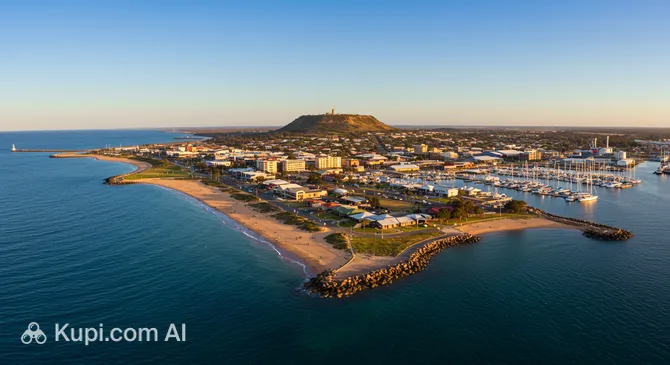
Whyalla is a fascinating destination where industrial might meets the serene beauty of the coast. Known as the "Steel City," it serves as a major gateway to the Eyre Peninsula in Australia. This vibrant regional center offers a unique atmosphere where the red earth of the outback touches the vivid blue waters of the Spencer Gulf, creating a striking landscape that captivates visitors upon arrival.

With a population of approximately 21,500 residents, the city enjoys a warm, semi-arid climate with plenty of sunshine throughout the year, making it an accessible destination in any season. While it remains an important industrial hub, the history of Whyalla reveals a rich maritime legacy that has evolved into a modern eco-tourism hotspot. It is a place where visitors can discover a surprising depth of culture and heritage alongside its working port.

Whyalla. Source: Kupi.Binoculars

Nature lovers are often drawn here for a truly spectacular natural phenomenon: the annual migration of the Australian Giant Cuttlefish. Each winter, thousands of these colorful creatures gather near the coast at Point Lowly, offering a world-class snorkeling and diving experience. For those interested in local landmarks, the unique circular Whyalla Jetty provides stunning panoramic views, while the majestic HMAS Whyalla, a landlocked warship, stands as a proud testament to the city's shipbuilding past.

Whether you are looking to witness rare marine life or explore the rugged beauty of the South Australian coastline, Whyalla promises an unforgettable adventure. It is a perfect stop for travelers seeking to experience the authentic spirit and diverse attractions of the region.

Weather Overview

Visitors to this region can generally expect a dry and temperate climate, characterized by hot summers and mild, cool winters. During the peak of summer in January, average maximum temperatures climb to approximately 31.1°C, offering plenty of sunshine for outdoor adventures. Conversely, the winter months bring cooler air, with July typically seeing daily highs around 16.8°C and nighttime lows dipping to about 7.1°C.

Precipitation is minimal year-round, often averaging just 0mm to 1mm per month, although you might encounter a few wet days particularly in late spring. If you are planning your itinerary and need specific forecasts, you can view the detailed weather in Whyalla page. Overall, the conditions are favorable for travel in almost any season, whether you prefer the heat of summer or the crisp freshness of winter.

Interesting Facts

Beyond the main attractions, Whyalla holds many fascinating secrets and unique distinctions that surprise many travelers. From its humble beginnings to its quirky local landmarks, the city offers a deeper story for those willing to look closer.
  • Before it was known as Whyalla, the settlement was originally established as Hummock Hill in 1901. It wasn't until 1914 that the town was officially proclaimed with its current name, which is believed to be derived from an Aboriginal word meaning "place with deep water."

  • The city plays a critical role in the nation's infrastructure as the only manufacturer of rail in Australia. The local steelworks produces the steel tracks used for railways across the entire continent, cementing its reputation as a true industrial powerhouse.

  • While wild dolphins are common in coastal areas, Whyalla has a unique resident pod of friendly bottlenose dolphins that frequent the city marina. These intelligent creatures are known to follow boats into the harbor and often swim right up to the pontoons to interact with surprised visitors.

  • Literature lovers might be amused to find a statue of the "Loaded Dog" outside a local veterinary clinic. This striking steel sculpture by Andy Scott commemorates the famous Australian bush ballad by Henry Lawson, depicting the mischievous retriever from the classic story.

How to Get There

Planning a trip to the "Steel City" offers several convenient travel options, whether you prefer the speed of air travel or a scenic drive along the coast. Before finalizing your itinerary, it is helpful to explore all ways to reach the city to choose the route that best suits your schedule and budget.

The most direct way to arrive is via Whyalla Airport (IATA: WYA), which is conveniently located just 6.4 km from the city center. As a key regional hub, it welcomes travelers directly into the heart of the region. A transfer by taxi or bus from the airport to downtown is quick and easy, generally taking about 10 to 15 minutes. For those arriving from international destinations or other parts of the country, the city of Whyalla does not have its own international airport, but you can fly into Adelaide Airport (IATA: ADL) in the city of Adelaide, which is about 229.5 km from Whyalla. This major airport handles a large volume of passengers and serves as the primary gateway to South Australia. From Adelaide, visitors can rent a car for a scenic drive or catch a connecting regional flight to Whyalla.

For clarity, here is a summary of the main airports:
Airport Name City Passenger Traffic Km from City
Adelaide Airport Adelaide Large 229.5
Port Lincoln Airport Port Lincoln Medium 234.5
Olympic Dam Airport Roxby Downs Medium 290.3
Kingscote Airport Kingscote Small 297.4
Whyalla Airport Whyalla Small 6.4

For those considering rail travel, it is important to note that the city of Whyalla does not have a railway station for regular passenger services. The closest major rail hub is the Adelaide Parklands Terminal (IATA: XHX) in the city of Adelaide, which is approximately 230.6 km from Whyalla. Travelers can arrive at this station via long-distance trains and then proceed to Whyalla by coach or rental car. The onward journey by road allows you to experience the changing landscapes of South Australia.

Below is the information regarding the nearest railway station:
Station City Passenger Traffic Km to Center
Adelaide Parklands Terminal Adelaide 230.6

Main Attractions

HMAS Whyalla is undoubtedly the city's most iconic landmark and a testament to its shipbuilding heritage. This Corvette was the first ship built in the Whyalla shipyards in 1941 and now sits proudly high and dry, two kilometers inland at the Whyalla Maritime Museum. Visitors can join a guided tour to explore the decks and internal compartments of this landlocked warship, gaining a fascinating insight into life at sea during World War II. The adjacent museum also features diverse exhibits, including a model railway and galleries dedicated to the local natural history.

For a modern twist on the traditional seaside stroll, the Whyalla Jetty offers a truly unique experience. Unlike standard straight piers, this innovative structure features a distinctive circular loop design that stretches out into the Spencer Gulf. It is a favorite spot for both locals and tourists to enjoy fishing, take a leisurely walk, or watch the sunset over the water. The jetty is also fully accessible, making it easy for everyone to enjoy the panoramic views and perhaps spot one of the friendly local dolphins swimming below.

Located just a short drive from the city center, the Point Lowly Lighthouse is a historic beacon that dates back to 1883. Standing tall on a rugged peninsula, the lighthouse provides spectacular views of the coastline and the Southern Flinders Ranges across the gulf. The area is also the gateway to the famous cuttlefish aggregation zones, but even outside of the diving season, the dramatic scenery and the sense of isolation make it a perfect spot for photography and coastal exploration.

To understand the social history of the region, a visit to the Mount Laura Homestead Museum is highly recommended. This extensive complex is centered around a historic cottage and features a collection of heritage buildings, including a police lock-up and a blacksmith shop. It offers a glimpse into the early life of the district, displaying everything from stationary engines to a telecommunications museum, effectively preserving the stories of the people who built this industrial city.

Local Cuisine

The culinary scene in Whyalla is heavily influenced by its prime location on the Spencer Gulf, making it a fantastic destination for seafood lovers. The pristine waters provide an abundance of fresh catch, with the Blue Swimmer Crab being a local favorite. Many visitors and locals alike enjoy the tradition of "crabbing" off the foreshore or the jetty, but you can easily find this sweet, delicate meat served in local eateries. Another "must-try" is the King George Whiting, widely considered one of Australia's finest table fish, typically served lightly battered or grilled with a side of chips and fresh salad.

Beyond seafood, the city embraces the classic South Australian pub culture. A staple on almost every menu is the Chicken or Beef Schnitzel, often generous in size and topped with various sauces—from the traditional gravy to the popular "Parmigiana" style. For a quick and hearty lunch, local bakeries offer iconic Australian meat pies and pasties, perfect for fueling up before a day of sightseeing. These savory pastries are a comforting tradition and are best enjoyed hot from the oven.

When it comes to drinks, Whyalla benefits from being part of South Australia, the country's premier wine state. While the city itself is industrial, local venues proudly pour world-class Shiraz and Riesling from renowned nearby regions like the Barossa and Clare Valleys. For a more casual refreshment, nothing beats a cold Australian lager or a craft beer enjoyed at one of the historic hotels. Non-alcoholic options include excellent coffee culture which has been growing in the city, with several cafes serving high-quality brews.

The dining atmosphere in Whyalla is characteristically relaxed and unpretentious. The Whyalla Foreshore is the heart of the community's food life, where families and tourists gather to eat takeaway fish and chips on the grass while watching the sunset over the gulf. For a sit-down meal, the city's hotels and clubs offer "counter meals"—substantial, high-quality pub food served in a friendly, communal setting. Whether you are peeling fresh prawns at a picnic table or enjoying a steak in a bistro, the focus is always on fresh ingredients and hearty hospitality.

Travel Tips

Welcome to Whyalla, a unique destination where the red outback earth meets the turquoise waters of the Spencer Gulf. To help you make the most of your visit to this industrial and natural hub, here are some practical tips to ensure a smooth and enjoyable journey.

  1. Clothing and Gear: Since the weather can vary significantly, packing layers is essential. In summer (December to February), lightweight clothing, a wide-brimmed hat, and high-SPF sunscreen are mandatory due to the intense sun. If you visit in winter for the cuttlefish migration, bring warm clothes and a windproof jacket, as the coastal breeze can be crisp. Comfortable walking shoes are a must for exploring the Whyalla Jetty and walking trails.

  2. Transportation: While there is a local bus service, it is primarily designed for residents and may not fit a tourist's schedule. The best way to explore the region, especially outlying attractions like Point Lowly, is by renting a car. This gives you the freedom to travel at your own pace. Taxis and some ride-share options are available within the city limits but can be less reliable for longer distances.

  3. Finances: The local currency is the Australian Dollar (AUD). Credit and debit cards (Visa and Mastercard) are widely accepted at hotels, restaurants, and supermarkets. However, it is wise to carry a small amount of cash for small purchases at local markets or food vans. ATMs are readily available in the city center and shopping precincts.

  4. Health and Safety: Whyalla is generally a very safe city, but the natural environment requires respect. Always carry plenty of water to stay hydrated, even in cooler months. Pharmacies are available in the main shopping areas, though they may not be open 24/7. The local hospital provides medical assistance if needed. Be mindful of the sun; the UV index can be extreme, so seek shade during the middle of the day.

  5. Communication: English is the primary language spoken, often with a friendly local accent. Mobile coverage is generally good within the city, but if you plan to venture into more remote areas of Australia, the Telstra network typically offers the best reception. Free Wi-Fi is often available in cafes, the library, and some public spaces.

  6. Local Etiquette: The vibe here is relaxed and unpretentious. A friendly "G'day" or a smile goes a long way when entering a shop or passing locals on the foreshore. It is polite to queue (stand in line) at bus stops and counters. Tipping is not mandatory but is appreciated for exceptional service in restaurants, usually around 10%.

  7. What to Avoid: Avoid driving on country roads at dawn and dusk. This is when local wildlife, particularly kangaroos and emus, are most active and likely to cross roads, posing a significant safety risk. If you must drive during these times, reduce your speed significantly and stay alert.

  8. Seasonal Tip: If you are here for the famous Giant Cuttlefish migration in winter, be prepared for cold water temperatures. A 5mm to 7mm wetsuit with a hood, gloves, and boots is highly recommended to stay warm while snorkeling. If you don't have your own gear, local dive shops offer rentals.

By keeping these practical tips in mind, you will be well-prepared to experience everything from the historic shipyards to the stunning marine life. Enjoy the warm hospitality and the distinctive charm that makes Whyalla such a memorable part of the Eyre Peninsula.

Entertainment & Nightlife

Nightlife in Whyalla differs significantly from the high-energy club scenes of major capitals. Instead of sprawling nightclub districts, the city offers a warm and welcoming "pub culture" where entertainment revolves around historic hotels, social clubs, and lively taverns. The atmosphere is characteristically Australian: relaxed, unpretentious, and focused on good conversation, live music, and hearty meals. Visitors will find that the evening scene is a great way to mingle with friendly locals and experience the authentic regional lifestyle.

The city center and its surrounding streets serve as the primary hub for evening activities. Here, you can find a variety of venues within a short distance of each other. The nightlife typically kicks off with a "counter meal"—a traditional pub dinner—before transitioning into drinks and entertainment. Dress codes are almost exclusively casual; jeans and a neat shirt are perfectly acceptable in practically every venue, reflecting the town's down-to-earth industrial roots.

For those seeking a lively atmosphere, the Hotel Spencer on Forsyth Street is a standout destination. As one of the city's oldest operational pubs, it combines history with modern entertainment. It is a go-to spot for live bands and often hosts "Disco Fridays," drawing a younger crowd looking to dance. The venue also features a bistro and a beer garden, making it a versatile choice for both dining and partying.

Another excellent option is the Eyre Hotel, located on Playford Avenue. Known for its award-winning beer garden, this venue offers a slightly more laid-back vibe, perfect for enjoying a cold drink on a warm evening. It is a favorite among families and groups of friends who appreciate its spacious outdoor area and consistent quality of service. Meanwhile, the Hotel Bayview offers a modern tavern experience with a stylish lounge bar, providing a comfortable setting for a quiet drink or a night out with friends.

If you prefer cultural entertainment over pubs, the Middleback Arts Centre is the city's premier venue for the performing arts. This modern facility functions as both a cinema and a theater, screening the latest blockbuster movies and hosting touring stage shows, concerts, and comedy acts. It is the heartbeat of Whyalla's creative scene and offers a sophisticated alternative for an evening out.

When planning your night, keep in mind that venues in regional areas may close earlier than in big cities, often winding down around midnight or 1:00 AM on weekends. It is advisable to check specific opening hours in advance. For transportation, local taxi services are reliable and the safest way to get back to your accommodation, as public buses do not run late into the night. While Whyalla is generally a safe city, it is always wise to stick to well-lit main streets and avoid walking alone in secluded areas after dark.

During the day, entertainment options are equally diverse. Besides the beaches and museums, visitors can enjoy the city's parks or catch a matinee movie. The foreshore area remains a highlight from day to night; after a day of sightseeing, a simple evening walk along the illuminated Whyalla Jetty offers a peaceful and scenic end to the day, often accompanied by a stunning sunset over the Spencer Gulf.

Parks & Museums

Beyond its industrial skyline, Whyalla surprises visitors with a variety of well-maintained green spaces and a deep dedication to preserving its cultural heritage. The city offers a refreshing mix of lush gardens, wetlands, and historical complexes that tell the story of the region's transformation from a small settlement to a steel powerhouse.

Ada Ryan Gardens is the city's most beloved park, serving as a lush oasis connecting the town center to the foreshore. Established in 1919, this extensive recreational area features manicured lawns, shaded picnic spots, and free barbecue facilities, making it a favorite gathering place for families. Visitors can stroll through the pathways, admire the diverse collection of native and exotic flora, or visit the onsite aviaries which house a variety of birds.

Another excellent spot for outdoor relaxation is Civic Park, situated conveniently near the city center. This modern recreational space is a hit with families, offering a well-equipped playground, a skate park, and ample open lawns perfect for ball games or picnics. The park also features a sound shell that serves as a focal point for local festivals and community gatherings, adding a vibrant energy to the area close to the main shopping precinct.

For those interested in eco-tourism and birdwatching, the Whyalla Wetlands offers a fantastic example of environmental regeneration. Once a series of clay pans, this area has been transformed into a thriving ecosystem with artificial lakes and islands. It is equipped with walking trails, interpretive signage, and viewing gazebos, providing a peaceful setting to observe local birdlife and learn about water conservation efforts in an arid climate. The site also includes a visitor center and a cafe, allowing guests to enjoy a coffee while taking in the serene views.

The cultural heart of the city is undoubtedly the Whyalla Maritime Museum. While famous for the dry-docked HMAS Whyalla, the museum complex itself is surrounded by maritime-themed gardens and houses extensive galleries. Inside, visitors can explore the Singing to the Sharks exhibition, which details the life of shark expert Rodney Fox, as well as displays focusing on the unique natural history of the upper Spencer Gulf.

A significant historical landmark that dominates the skyline is Hummock Hill. Originally the site of the first settlement, it served as a strategic observation post during World War II. Today, visitors can see the restored gun emplacements and enjoy 360-degree views of the steelworks, the city, and the ocean, offering a powerful perspective on the area's strategic and industrial importance.

For a truly local cultural experience, stop by the Tanderra Craft Village. Housed in the heritage-listed Single Men’s Quarters built for BHP employees in the 1940s, this community hub is now home to various art and craft groups. It is an excellent place to find unique handmade souvenirs, visit the steel cap gallery, or simply chat with local artisans about their work.

Getting Around

Navigating Whyalla is relatively straightforward, though the public transport options are more limited compared to major capital cities. The primary form of public transportation is the local bus network, which provides a reliable service connecting residential areas with key destinations such as the city center, the Westland Shopping Centre, the hospital, and the university campus. There are no metro trains, trams, or trolleybuses in the city, so the bus remains the main choice for those without a private vehicle.

The bus service is operated by a local transport company and typically runs on a scheduled timetable that covers the most populated routes. For tourists, the system is easy to use, but it is important to note that frequencies can vary. Services are generally more frequent during weekdays and business hours, with reduced schedules on weekends and public holidays. It is always a good idea to check the latest timetable at the local Visitor Information Centre or online before planning your day.

Regarding payment, the system in this regional city is quite traditional. Unlike the complex smart card systems found in larger metropolises, buses here typically accept cash for single-trip tickets, which can be purchased directly from the driver upon boarding. It is highly recommended to carry small notes and coins, as drivers may not always have change for large denominations. There are also options for multi-trip or daily tickets for those planning to use the service frequently during their stay.

Given the spread-out nature of the city and its attractions—such as the Point Lowly Lighthouse which is located quite a distance from the center—many visitors find that renting a car is the most practical solution. Having your own vehicle offers the freedom to explore the coastline and outlying industrial landmarks at your own pace without being tied to bus schedules. several car rental agencies operate within the city and at the airport.

For shorter trips or evening travel when bus services may have finished, taxis are a convenient alternative. They can be hailed, found at designated ranks near major shopping areas, or booked via telephone. While ride-sharing apps have a presence in many parts of the world, their availability can be sporadic in regional towns, so relying on established taxi services is often the safer bet for time-sensitive journeys.

For those staying near the foreshore or the city center, walking is a pleasant option, especially along the developed waterfront areas near the jetty. The terrain is generally flat, making it accessible for pedestrians. Additionally, cycling is a popular way to see the sights, with paths available along the coast that offer scenic views of the Spencer Gulf while you travel between local landmarks.

Accommodation

Finding a place to stay in Whyalla is generally straightforward, with options designed to suit practical travelers, families, and nature enthusiasts. The accommodation landscape is dominated by comfortable motels, motor inns, and serviced apartments, reflecting the city's status as a regional business hub and tourist stopover. While you won't find ultra-luxury 5-star resorts here, the available lodgings are typically clean, modern, and well-equipped, offering genuine country hospitality.

When choosing where to base yourself, there are two main areas to consider. The Foreshore precinct is highly recommended for tourists; staying here puts you within walking distance of the beach, the Whyalla Jetty, and the marina, offering lovely sea views and a relaxed atmosphere. Alternatively, the area surrounding the Westland Shopping Centre and the main highway entrance is more bustling and convenient for those who want easy access to supermarkets, shops, and fast-food outlets, or for travelers just passing through on a road trip.

Popular establishments in the city often include the Westland Hotel Motel, which is a well-known complex offering a range of rooms and an on-site bistro near the main shopping district. For those preferring a view of the water, the Whyalla Foreshore Motor Inn is a common choice, allowing guests to wake up to the sights of the Spencer Gulf. Travelers looking for self-contained options often look towards providers like Quest Whyalla, which offers apartment-style living suitable for longer stays.

Booking Tip: It is crucial to book well in advance if you are traveling during the winter months (June to August). This is the season for the Australian Giant Cuttlefish migration, a major event that draws divers and scientists from around the world. During this period, accommodation can reach 100% capacity very quickly.

In terms of cost, Whyalla is generally affordable compared to major capital cities. Most options fall into the budget to mid-range price bracket. Booking can be easily done through major online travel platforms, though contacting the motels directly can sometimes secure a better rate or specific room requests. For those traveling with caravans or tents, the local holiday parks offer excellent facilities, often located right on the coast for a scenic camping experience.

Nearby Cities

While Whyalla serves as a fantastic base for exploring the Upper Spencer Gulf, the surrounding region of South Australia offers several other destinations worth visiting. Whether you are planning a road trip across the Eyre Peninsula or heading towards the state capital, you will find a mix of coastal towns and major urban centers within a few hours' drive.

The closest major town is Port Augusta, located just 63 km away. Known as the "Crossroads of Australia," it sits at the head of the Spencer Gulf and serves as a gateway to the Outback and the Flinders Ranges. For those heading further south along the peninsula, Port Lincoln is a popular destination famous for its massive seafood industry and shark cage diving experiences. Of course, the state capital, Adelaide, is also accessible, offering big-city amenities, cultural festivals, and international flight connections.

Below is a list of nearby cities that might be of interest for your itinerary:

City Population Distance (km)
Port Augusta 6,562 63
Minlaton 4,600 193
Adelaide 1,295,714 230
Port Lincoln 14,120 245
Murray Bridge 15,043 279

Shopping & Souvenirs

Shopping in Whyalla offers a relaxed and convenient experience, catering primarily to the practical needs of locals and travelers exploring the Eyre Peninsula. While it may not boast the high-end luxury boutiques of a capital city, it serves as a vital regional hub where you can find everything from camping gear and fashion to groceries and local curiosities. The retail scene here is a mix of modern convenience and traditional country charm, ensuring that visitors can easily restock supplies or find a unique memento of their trip.

The city's premier retail destination is the Westland Shopping Centre, located on Nicolson Avenue. As the largest shopping complex in the region, it acts as the primary commercial heartbeat of the city. Here, tourists will find major Australian supermarkets, department stores, and a variety of specialty shops selling clothing, electronics, and homewares. It is the perfect place to enjoy the air-conditioning on a hot day, grab a coffee, and pick up any travel essentials you might have forgotten.

For a more traditional "main street" atmosphere, a visit to City Plaza on Essington Lewis Avenue is recommended. This precinct represents the historic town center and features a range of smaller, independent businesses. Strolling through this area allows you to discover local florists, gift shops, and cafes with a distinct community vibe. Additionally, Playford Avenue serves as another key commercial strip, lined with various service providers, fast food outlets, and specialty stores that cater to both residents and passing travelers.

If you are looking for something truly unique, the markets at Tanderra Craft Village are a must-visit. Housed in historic buildings, this community hub frequently hosts market days where local artisans sell their handmade creations. It is a fantastic spot to browse for homemade jams, knitted goods, pottery, and jewelry. The atmosphere is always welcoming, offering a chance to chat with the creators and learn more about the local culture.

When it comes to souvenirs, Whyalla offers items that reflect its unique identity. Look for goods featuring the Australian Giant Cuttlefish, the city's most famous marine resident; you can often find plush toys, artwork, or clothing celebrating this natural wonder. Alternatively, locally made arts and crafts from Tanderra or maritime-themed gifts from the museum make for meaningful keepsakes that capture the spirit of the "Steel City."

Store opening hours in Whyalla generally follow standard regional Australian patterns. Most shops are open from 9:00 AM to 5:00 PM on weekdays and from 9:00 AM to 12:00 PM or 5:00 PM on Saturdays. Sunday trading can be more limited, with major supermarkets and the Westland Shopping Centre usually open, but smaller boutiques often closed. Thursday nights often feature "late night shopping" with some stores staying open until 9:00 PM.

Payment methods are modern and convenient, with credit and debit cards (Visa and Mastercard) widely accepted even for small purchases. Contactless payment is the norm. However, it is always useful to carry a small amount of cash if you plan to visit community markets or smaller stalls where electronic facilities might be limited.

International tourists visiting Australia may be eligible for the Tourist Refund Scheme (TRS). This allows you to claim a refund of the Goods and Services Tax (GST) paid on goods purchased in a single store totaling $300 AUD or more. While you cannot claim this refund instantly in Whyalla shops, you can process it at the international airport when you depart the country, provided you have the original tax invoices and the goods with you in your carry-on luggage.
Reached the end of the page?

That means the route is fully explored