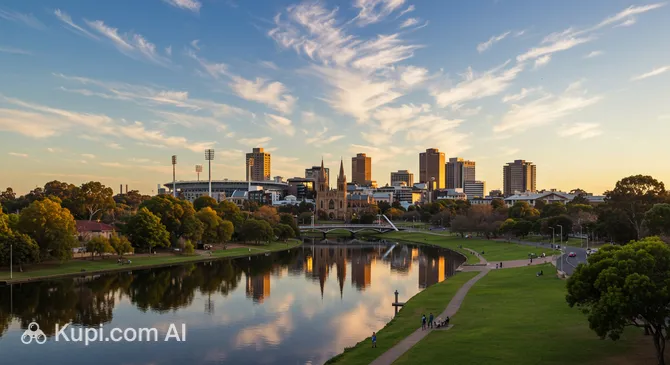
Adelaide is a sophisticated yet laid-back coastal city that perfectly captures the charm of southern Australia. As the capital of South Australia, it is renowned for its vibrant arts scene, world-class festivals, and exceptional food and wine culture. Often referred to as the "City of Churches," it offers a blend of historical elegance and modern vitality.
Nestled between the rolling Mount Lofty Ranges and the waters of Gulf St Vincent, the city is home to approximately 1.3 million people. Its Mediterranean climate makes it a pleasant destination year-round, characterized by warm, dry summers and mild winters. The city center is famous for its thoughtful grid layout, surrounded by a ring of lush parklands that separate the central business district from the suburbs.
Adelaide. Illustration.
Source: Kupi.com AI
Unlike other major Australian cities, the history of Adelaide is unique because it was established as a planned colony for free settlers rather than a convict settlement. This heritage is reflected in its wide boulevards, colonial stone architecture, and preserved heritage buildings. Today, it stands as a gateway to some of the country's best wine regions, including the famous Barossa Valley.
Visitors can explore the bustling Adelaide Central Market, one of the largest fresh produce markets in the Southern Hemisphere, or take a relaxing stroll through the beautiful Adelaide Botanic Garden. Whether you are looking to relax on the sandy shores of Glenelg Beach or immerse yourself in the city's celebrated festival season, Adelaide offers a welcoming and enriching experience for every traveler.
Weather Overview
Adelaide enjoys a pleasant climate characterized by distinct seasonal changes, making it a comfortable destination for most of the year. The summer months, from December to February, are typically warm and dry. January is the hottest month, with average temperatures around 22.1°C and daily highs reaching up to 26.9°C. Rainfall is scarce during this period, particularly in February, which sees almost zero precipitation and only about 3 wet days.
In contrast, the winter season from June to August brings cooler conditions and more frequent cloud cover. During July, the average temperature drops to 10.8°C, with lows dipping to around 8.1°C. While the total precipitation volume remains relatively low, this time of year is characterized by a higher frequency of damp weather, with up to 12 wet days recorded in July. For a detailed breakdown of what to pack, you can check the current weather in Adelaide before your trip.
Overall, travelers can expect warm summers with clear skies and cool winters with more frequent wet days. The shoulder seasons of spring and autumn offer moderate temperatures, ranging from roughly 13°C to 20°C, providing ideal conditions for exploring the city's outdoor attractions.
Average monthly temperature
Average monthly precipitation
Interesting Facts
Beyond the main attractions, Adelaide holds many fascinating secrets and quirks that surprise even seasoned travelers. From unique culinary inventions to world-first accolades, here are some intriguing details about the South Australian capital.
Adelaide is often described as a "city in a park" because it is the only major city in the world completely surrounded by parklands. The layout, designed by Colonel William Light, features a figure-eight loop of greenery known as the Adelaide Park Lands, ensuring that nature is never more than a short walk from the city center.
While walking through Rundle Mall, keep an eye out for four life-sized bronze pigs rooting around a trash can. This quirky art installation, officially titled "A Day Out," features pigs named Oliver, Augusta, Horatio, and Truffle, which have become beloved local icons.
The city was designated as Australia's first UNESCO City of Music. Its vibrant culture is fueled by a remarkably high concentration of live music venues and world-renowned festivals, cementing its reputation as a global creative hub.
Adelaide is the birthplace of the "Pie Floater," a culinary curiosity consisting of a meat pie submerged in a bowl of thick green pea soup, typically topped with tomato sauce. This unusual dish was even recognized as a South Australian Heritage Icon in 2003.
The Bicentennial Conservatory, located within the Adelaide Botanic Garden, is the largest single-span conservatory in the Southern Hemisphere. This curvilinear glass structure creates a tropical rainforest environment right in the heart of the city.
Rundle Mall. Illustration.
Source: Kupi.com AI
Traveler photos:
How to Get There
Reaching the capital of South Australia is straightforward, with excellent connections by air and rail. Whether you are arriving from overseas or another part of the country, you can find convenient options to suit your itinerary. For a comprehensive guide on all transport modes, you can read more about how to get to Adelaide and plan your journey accordingly.
The primary gateway for most travelers is Adelaide Airport (IATA: ADL), located just 6.7 km from the city center. It is a major international and domestic hub, handling millions of passengers annually. Due to its close proximity to the CBD, the commute is quick and convenient. A taxi or rideshare to the city center typically takes around 30 minutes, depending on traffic. Shuttle buses and public transport options are also readily available for visitors.
For those exploring the wider region, there are other airports nearby, though they are situated in different cities and are further away. Kingscote Airport (IATA: KGC) is located in Kingscote on Kangaroo Island, approximately 131 km from Adelaide. Another option is Port Lincoln Airport (IATA: PLO) in Port Lincoln, which is about 251 km away. These airports primarily serve regional routes and are significant for travelers planning to visit the surrounding peninsulas or islands before heading to the capital.
For clarity, here is a summary of the main airports:
Travelers who prefer a scenic journey by train can arrive at the Adelaide Parklands Terminal (IATA: XHX). This station is the hub for Australia's legendary rail journeys, including The Ghan and The Indian Pacific. It is conveniently located within Adelaide, just 0.2 km from the city center. The transfer to your hotel is very short, taking approximately 20 minutes by taxi, accounting for loading and short traffic delays.
Below is the information regarding the railway station:
Adelaide is a city that effortlessly blends culture, nature, and gastronomy, offering a wealth of experiences within its compact city center. From bustling marketplaces to serene green spaces and world-class museums, the main sights are easily accessible and provide a deep insight into the local lifestyle.
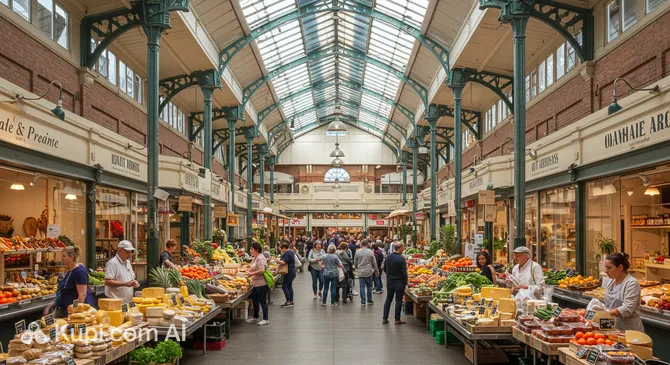
For food lovers, the Adelaide Central Market is an absolute must-visit destination. Established in 1869, this vibrant marketplace is the beating heart of the city's culinary scene. Visitors can wander through over 70 stalls offering fresh local produce, artisan cheeses, gourmet meats, and multicultural delicacies. It is the perfect spot to grab breakfast, enjoy a coffee, or simply soak up the lively atmosphere that has defined local life for generations.
Adelaide Central Market. Illustration.
Source: Kupi.com AI
Traveler photos:
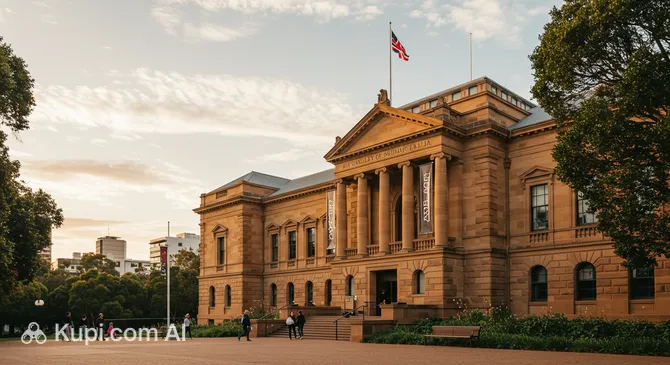
Located along the cultural boulevard of North Terrace, the Art Gallery of South Australia houses one of the country's finest art collections. The gallery features an impressive array of over 45,000 works, ranging from Australian and Aboriginal art to European and Asian masterpieces. The elegant historic building itself is a sight to behold, and the gallery regularly hosts dynamic exhibitions and events that appeal to art enthusiasts of all tastes.
Art Gallery of South Australia. Illustration.
Source: Kupi.com AI
Traveler photos:
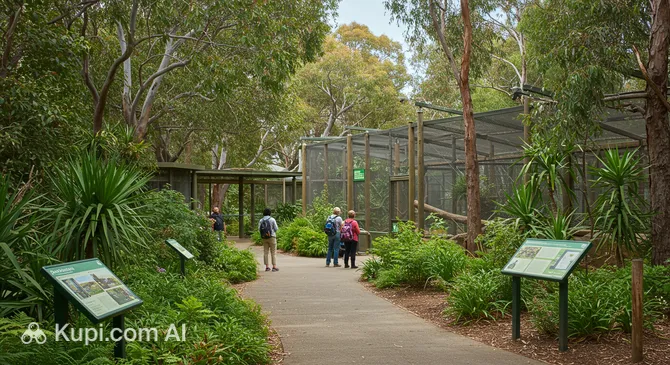
Just a short walk from the city center lies the Adelaide Zoo, a lush green oasis that is home to more than 2,500 animals. As the second oldest zoo in the nation, it combines Victorian-era charm with modern conservation efforts. It is particularly famous for its extensive collection of native Australian wildlife and exotic species, offering an educational and fun day out for families and nature lovers alike.
Adelaide Zoo. Illustration.
Source: Kupi.com AI
Traveler photos:
Right next door to the art gallery, the South Australian Museum offers a deep dive into natural history and cultural heritage. It is renowned for having the largest collection of Australian Aboriginal cultural artifacts in the world. Visitors can explore galleries dedicated to fossils, Pacific cultures, and local biodiversity, making it a fascinating stop for anyone interested in understanding the region's past and present.
Local Cuisine
Adelaide is widely celebrated as one of Australia's food and wine capitals, offering a gastronomic landscape that is both sophisticated and accessible. The city's proximity to fertile farming regions and the ocean ensures a constant supply of premium fresh produce, from succulent seafood to artisan cheeses. Dining here is a cultural pastime, with a strong focus on "paddock-to-plate" experiences that highlight high-quality local ingredients.
One cannot talk about the local cuisine without mentioning the region's exceptional seafood. King George Whiting is a prized local catch, often served simply grilled or battered to let its delicate flavor shine. For a taste of history, the iconic "Pie Floater"—a meat pie submerged in thick green pea soup—is a must-try late-night snack. A popular spot to sample this unique South Australian heritage dish is the Bakery on O'Connell, an institution famous for its wide range of pastries and 24-hour service.
National Wine Centre of Australia. Illustration.
Source: Kupi.com AI
Traveler photos:
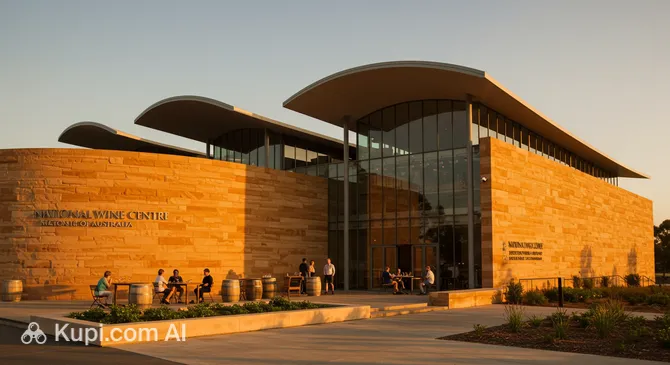
When it comes to beverages, Adelaide is the gateway to some of the world's most famous wine regions, such as the Barossa Valley and McLaren Vale. However, you do not need to leave the city to taste the best vintages. The National Wine Centre of Australia offers visitors the chance to sample roughly 120 different wines and learn about the winemaking process in a stunning architectural setting. Beyond wine, the city has a booming craft beer and spirits scene, with numerous microbreweries and distilleries popping up in the CBD and suburbs.
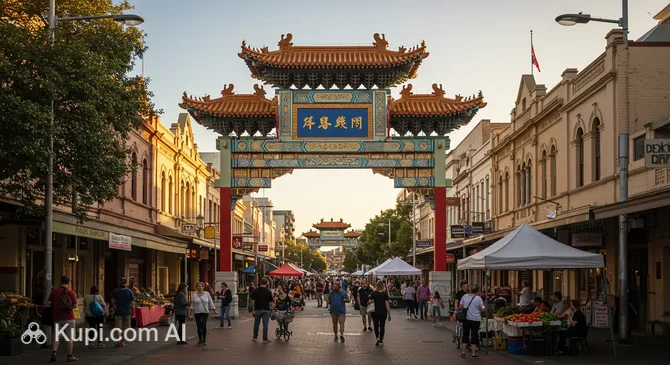
The city's dining precincts are vibrant and diverse. Gouger Street is a bustling hub for international flavors, particularly known for its Asian cuisine. Here, you will find Chinatown Adelaide, a lively district filled with food courts, restaurants, and grocery stores offering everything from dumplings to bubble tea. It is a fantastic place to explore affordable and authentic dishes in a high-energy atmosphere.
Chinatown Adelaide. Illustration.
Source: Kupi.com AI
Traveler photos:
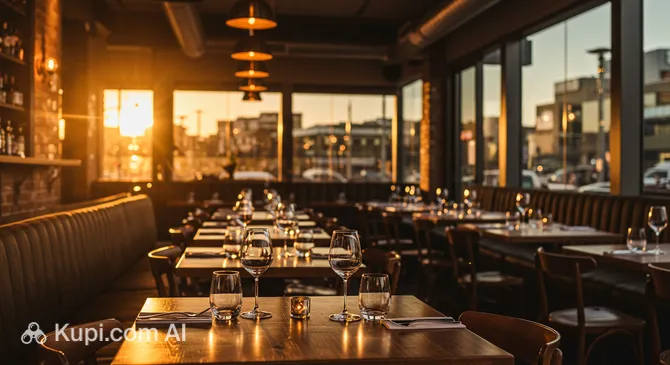
For a more modern and trendy vibe, locals flock to converted industrial spaces and laneways. Plant 4 Bowden is a perfect example, serving as a community hub with regular markets, eateries, and events located in a repurposed warehouse. Those seeking a stylish sit-down meal might visit Fugazzi Bar & Dining Room, an Italo-New York inspired bistro that exemplifies the city's contemporary culinary evolution.
Travel Tips
Welcome to Adelaide, a city known for its thoughtful design and relaxed atmosphere, making it a joy to explore for newcomers. To help you navigate the "City of Churches" with ease and confidence, here are some practical tips to ensure your visit is as smooth as it is memorable.
Clothing and Gear: Since you are visiting a city with a Mediterranean climate, packing depends heavily on the season. For the hot, dry summers (December to February), bring lightweight fabrics, a wide-brimmed hat, and high-SPF sunscreen, as the Australian sun is exceptionally strong. In winter (June to August), the weather can be brisk and rainy, so a warm coat and an umbrella are essential. Regardless of when you arrive, comfortable walking shoes are a must for exploring the city's grid layout and parklands.
Transportation: Getting around the city center is incredibly convenient thanks to the Free City Connector bus service and the free tram zone that operates between the South Terrace, the Entertainment Centre, and the Botanic Gardens. For travel to the suburbs or beaches like Glenelg, use the Adelaide Metro network of trains, trams, and buses. You can pay using a MetroCard or, on trams and buses, simply tap your credit card or smartphone. Rideshare apps and taxis are also widely available.
Finances: The local currency is the Australian Dollar (AUD). While cash is accepted, Adelaide is very card-friendly, and contactless payments are the norm in cafes, shops, and transport. ATMs are easy to find throughout the city. Tipping is not mandatory in Australia, but leaving a 10% tip for exceptional service in restaurants is appreciated. A daily budget can vary, but expect to pay around $20-$25 AUD for a casual meal.
Health and Safety: Adelaide is generally a very safe city for tourists. Tap water is high quality and safe to drink, so carry a reusable bottle to stay hydrated. Pharmacies, often called "chemists," are widespread, with some in the city center open late or 24/7. In any emergency requiring police, ambulance, or fire services, dial 000. Always swim between the red and yellow flags at the beach, as these areas are patrolled by lifeguards.
Communication: English is the primary language, often spoken with a friendly "G'day" or "No worries." Free Wi-Fi is available in the CBD and North Terrace areas via the "AdelaideFree" network. If you need constant connectivity, you can purchase a prepaid SIM card from major providers like Telstra, Optus, or Vodafone at Adelaide Airport or convenience stores upon arrival.
Local Etiquette: South Australians are known for being polite and laid-back. It is customary to greet shop assistants and bus drivers. When using escalators or walking on paths, always keep to the left to allow others to pass. If you are invited to a social gathering or a barbecue ("barbie"), the dress code is usually casual, and it is polite to ask if you should bring anything.
What to Avoid: Be extremely careful about biosecurity rules. South Australia has strict quarantine laws to protect its agriculture, particularly against fruit flies. Never bring fresh fruit or vegetables into the state or the Riverland region; dispose of them in the designated bins at the airport or state borders to avoid heavy fines.
Shopping Hours: Unlike some other major cities, shops in the suburbs may close earlier in the evening. However, the city center and Rundle Mall stay open late on Fridays (usually until 9:00 PM). Plan your shopping trips accordingly, especially if you need essentials or souvenirs on weekends.
By keeping these practicalities in mind, you can focus on enjoying Adelaide's world-class food, wine, and culture without any hassles. Whether you are hopping on a tram to the beach or wandering through the central markets, you are sure to find the locals welcoming and the lifestyle refreshingly easygoing.
Entertainment & Nightlife
Adelaide has shed its reputation as a quiet city to become one of Australia’s most exciting nightlife destinations. The transformation is largely due to a booming "small bar" scene that has activated laneways and hidden corners across the CBD. The atmosphere is generally sophisticated yet welcoming, favoring craft cocktails, local wines, and conversation over aggressive clubbing, although there are still plenty of places to dance until dawn.
The epicenter of this nightlife revolution is the West End, specifically Peel Street and Leigh Street. These pedestrian-friendly laneways are packed with intimate venues, tapas bars, and speakeasies. The crowd here is mixed, ranging from young professionals to creative types, and the dress code is typically smart casual. Just a short walk away is Hindley Street, the city’s traditional nightlife strip. It offers a grittier, higher-energy vibe with larger nightclubs, pubs, and late-night food joints, attracting a younger crowd looking to party late into the night.
For those seeking a stylish spot tucked away from the main drag, Part Time Lover is a hidden gem located behind the Adelaide Town Hall. With its striking modern design and relaxed ambiance, it is perfect for evening drinks that turn into dinner. If you prefer an activity-based night out, Holey Moley Golf Club offers a fun combination of mini-golf and cocktails, making it a popular choice for groups of friends starting their evening.
Part Time Lover. Illustration.
Source: Kupi.com AI
Traveler photos:
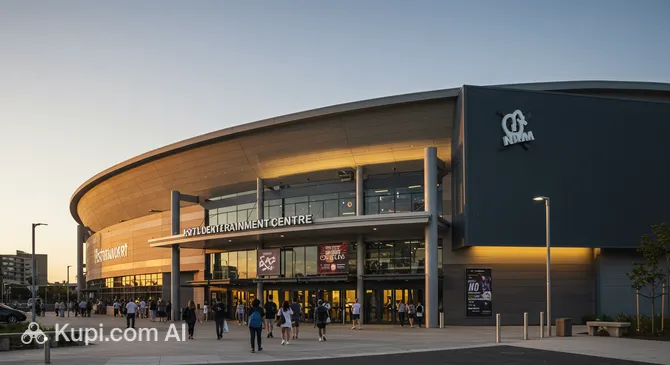
Live music is a staple of the city's culture. While many pubs host local bands, major international acts and large-scale productions are typically held at the Adelaide Entertainment Centre. Located just outside the city center, it is easily accessible by the free tram service. For a more historic cinematic experience, the Capri Theatre in Goodwood features an old-world Wurlitzer organ and screens both classic and contemporary films in a beautiful art deco setting.
Adelaide Entertainment Centre. Illustration.
Source: Kupi.com AI
Traveler photos:
Practicalities for a night out are straightforward. Most bars are busiest from Thursday to Saturday, with peak hours between 9:00 PM and midnight. Entry fees (cover charges) are rare for small bars but common for nightclubs on Hindley Street after 10:00 PM. Getting home is safe and easy; rideshare services and taxis are plentiful, and there are designated taxi ranks on major streets. While the city is generally very safe, it is advisable to stick to well-lit areas and be aware of your surroundings, especially on Hindley Street late on weekends.
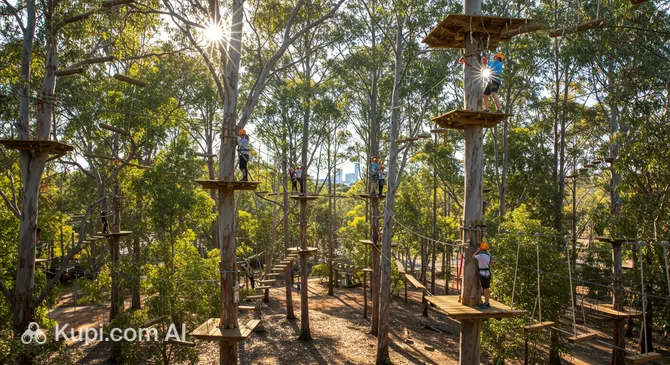
During the day, entertainment options shift towards the outdoors and cultural pursuits. Active travelers might enjoy TreeClimb Adelaide, an aerial adventure park located within the city parklands offering courses for various skill levels. Meanwhile, the city's numerous theaters and galleries provide a rich schedule of matinee performances and exhibitions for those seeking a more relaxed pace.
TreeClimb Adelaide. Illustration.
Source: Kupi.com AI
Traveler photos:
Parks & Museums
Adelaide is celebrated for its harmonious blend of urban sophistication and natural beauty, offering visitors a rich tapestry of lush green spaces and thought-provoking cultural institutions. The city's unique design, encircled by parklands, ensures that nature and history are always within easy reach.
One of the most serene escapes in the city is the Adelaide Botanic Garden. This historic garden is a sanctuary for plant lovers, featuring diverse collections ranging from native Australian species to exotic blooms. Visitors can wander through the fragrant Rose Garden, admire the architecture of the Palm House, or simply relax on the manicured lawns. It serves as a peaceful retreat right on the edge of the bustling city center.
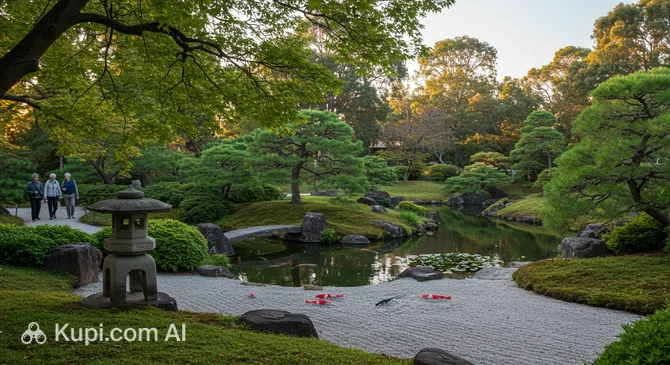
For a moment of Zen, the Adelaide Himeji Garden is a hidden gem located in the southern parklands. Designed to celebrate the sister-city relationship between Adelaide and Himeji, Japan, this traditionally styled garden features a "sea of sand," a lake, and beautifully trimmed pines. It is an ideal spot for quiet contemplation and offers a distinct aesthetic contrast to the surrounding Australian landscape.
Adelaide Himeji Garden. Illustration.
Source: Kupi.com AI
Traveler photos:
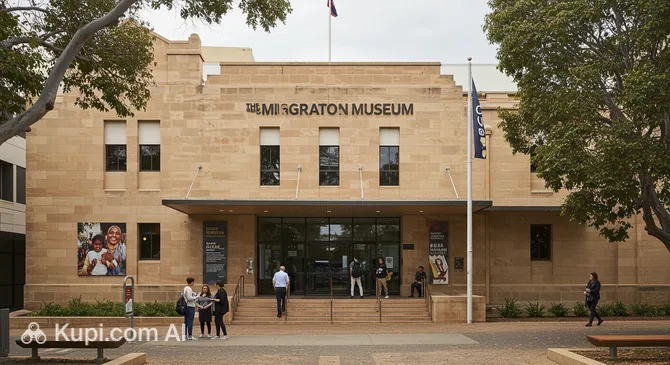
Delving into the cultural fabric of the state, the Migration Museum provides a moving and insightful look at the diverse peoples who have shaped South Australia. Located in a restored 19th-century complex, the museum tells the personal stories of immigrants through interactive displays and touching artifacts. It is a must-visit for those interested in social history and the multicultural identity of the region.
Migration Museum. Illustration.
Source: Kupi.com AI
Traveler photos:
On the cutting edge of culture is MOD., a futuristic museum of discovery located at the University of South Australia. Unlike traditional museums, this venue explores the intersection of science, art, and innovation with dynamic, changing exhibitions. It is particularly engaging for younger travelers and anyone curious about how technology and creativity will shape the future.
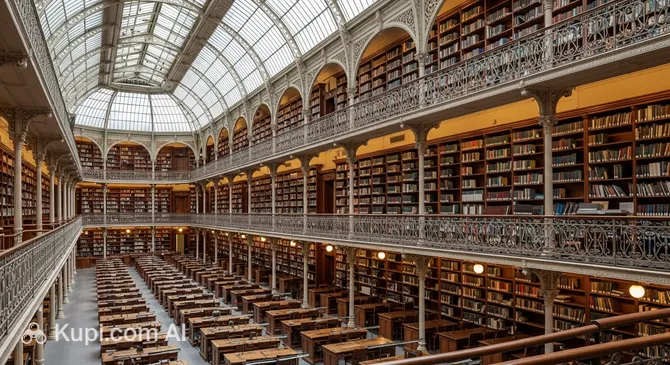
Adelaide's architectural heritage is best appreciated at the State Library of South Australia. While the modern wing offers contemporary resources, the historic Mortlock Wing is a breathtaking example of Victorian architecture, often compared to a scene from a fantasy novel. Visitors are welcome to walk through and admire the towering bookshelves and glass roof.
State Library of South Australia. Illustration.
Source: Kupi.com AI
Traveler photos:
Another landmark defining the city skyline is St Peter's Cathedral. Situated near the Adelaide Oval, this imposing Gothic Revival structure features beautiful stained glass windows and intricate stone work. It stands as a significant spiritual and historical site, offering a glimpse into the city's colonial past.
For an authentic local experience, venture slightly out of the city center to Carrick Hill. This historic period home and garden offers panoramic views over the city and coast, providing a perfect setting for a picnic or a leisurely walk through its storybook-themed gardens.
Getting Around
Navigating Adelaide is remarkably easy and efficient thanks to the Adelaide Metro network, which seamlessly integrates buses, trains, and trams. The most popular route for visitors is the tram line that runs from the Adelaide Entertainment Centre through the heart of the city down to the seaside suburb of Glenelg. A major perk for tourists is the designated "Free Tram Zone" within the city center, allowing you to travel between South Terrace and the Entertainment Centre without purchasing a ticket.
The city also features a unique engineering marvel known as the O-Bahn Busway. This guided bus system allows specially adapted buses to travel at high speeds on dedicated tracks, bypassing traffic before exiting onto suburban roads. It provides a fast and scenic connection to the northeastern suburbs and is a fascinating experience for transport enthusiasts. For exploring the Central Business District (CBD) and North Adelaide, look for the Free City Connector buses, which operate in loops connecting major attractions, hotels, and shopping precincts at no cost.
Paying for your journey is straightforward. The most common method is the MetroCard, a rechargeable smart card that offers significantly lower fares compared to single-trip paper tickets. You can purchase and top up these cards at the Adelaide Metro Info Centre, newsagencies, and convenience stores throughout the city. For added convenience, contactless payment is available on all trams and buses; you can simply tap your credit card, debit card, or smartphone on the validator when boarding. Paper tickets are still available from vending machines on trains and trams or from bus drivers, though carrying small change is recommended.
Public transport generally operates from early morning until around midnight, with frequencies reducing on weekends and public holidays. On Saturday nights, "After Midnight" bus services ensure safe travel for those enjoying the city's nightlife. It is essential to validate your MetroCard or ticket immediately upon boarding to avoid fines. To plan your trip, reliable tools like Google Maps or the official Adelaide Metro website provide real-time schedules and route options.
If you prefer private transport, taxis and rideshare services are plentiful and easy to book via apps or find at designated ranks. The city's flat terrain and wide, grid-patterned streets also make it exceptionally bike-friendly. Renting a bicycle is a popular alternative, allowing you to leisurely explore the linear parks and dedicated cycle paths that weave through the parklands and along the riverbank.
Accommodation
Finding the perfect place to stay in Adelaide is a straightforward experience, thanks to a diverse range of accommodation options that cater to every budget and travel style. The city offers everything from five-star luxury chains and boutique heritage hotels to serviced apartments and budget-friendly hostels. Whether you prefer the convenience of the city center or the relaxed atmosphere of the coast, there is a suitable base for your South Australian adventure.
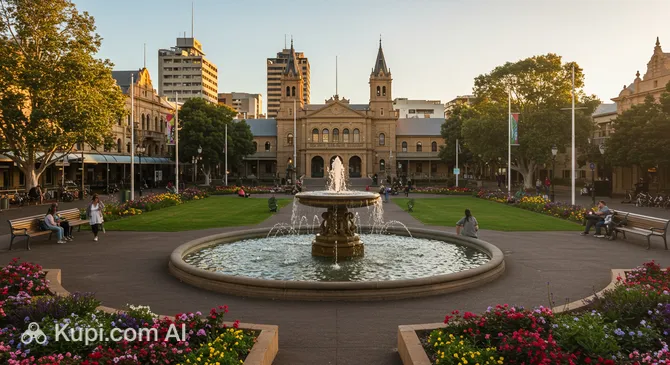
For most travelers, the Central Business District (CBD) is the most practical location. Staying here places you within walking distance of major cultural attractions, shopping precincts, and the dining hubs of Gouger and Rundle Streets. The area around Victoria Square is particularly popular, serving as a central point with easy access to the tram network and numerous high-end hotels. This district is ideal for those who want to be in the heart of the action, with the Central Market and Chinatown just a short stroll away.
If you prefer a greener, more historic setting, North Adelaide is an excellent alternative. Separated from the CBD by the River Torrens and parklands, this affluent neighborhood is known for its heritage cottages, grand mansions, and lively dining strip along O'Connell Street. It offers a quieter, village-like vibe while still being just minutes from the city center. Conversely, for those who want to wake up to ocean views, the seaside suburb of Glenelg is the top choice. Accessible by a 20-minute tram ride from the city, it features resort-style hotels and apartments right on the beach.
Victoria Square. Illustration.
Source: Kupi.com AI
Traveler photos:
Prices in Adelaide are generally competitive compared to other major Australian capitals. Budget travelers can find hostel beds or basic rooms starting from around $40-$80 AUD per night, while mid-range hotels typically range from $130 to $220 AUD. Luxury accommodation and spacious serviced apartments can cost upwards of $250 AUD per night. Booking is easily done through major online platforms or directly with properties.
Booking Tip: Adelaide comes alive during "Mad March," when the city hosts the Adelaide Festival, Fringe Festival, and WOMADelaide simultaneously. During this period (February and March), accommodation is in extremely high demand and prices can surge. If you plan to visit during festival season, it is essential to book your room several months in advance to secure a spot.
Nearby Cities
For those looking to explore the surroundings, Adelaide serves as an excellent base for day trips to several interesting nearby locations. The region offers a diverse mix of coastal beauty, river landscapes, and charming country towns, all within a comfortable driving distance.
One of the most popular destinations for a day out is Victor Harbor, located on the stunning Fleurieu Peninsula. A favorite among families and nature lovers, this coastal town is famous for its horse-drawn tram that travels across the causeway to Granite Island. Here, visitors can spot Little Penguins and, during the winter months, watch for Southern Right Whales frolicking in the bay. The town also serves as a station for the historic Cockle Train, offering scenic coastal railway journeys.
Heading east, travelers will find Murray Bridge, a vibrant town situated on the banks of the mighty Murray River. It is an ideal spot for water enthusiasts, offering opportunities for houseboating, fishing, and waterskiing. The area is rich in history, featuring the iconic railway bridge that spans the river and the historic Round House. It serves as a gateway to the broader Murraylands region, providing a relaxing contrast to the city life of the capital.
Further afield lies Renmark, located in the heart of the Riverland district. While it is a longer drive, it rewards visitors with lush orchards, beautiful rose gardens, and a laid-back river lifestyle. Known for its houseboat culture and stunning red cliffs along the river bends, it offers a picturesque escape into the Australian interior.
City
Population
Distance
Highbury
—
13 km
Osborne
—
17 km
Gawler
650
39 km
Murray Bridge
15 043
65 km
Victor Harbor
4 233
69 km
These nearby destinations offer a glimpse into the diverse culture and landscapes of the region, from the rolling waves of the Southern Ocean to the calm waters of the Murray River.
Shopping & Souvenirs
Shopping in Adelaide is a delightful experience that combines the convenience of a compact city center with a diverse range of retail options. From high-end fashion boutiques and historic arcades to bustling open-air markets, the city offers something for every taste and budget. Visitors will find that the main shopping precincts are easily walkable, allowing for a relaxed day of browsing through local Australian brands, unique vintage finds, and luxury international labels.
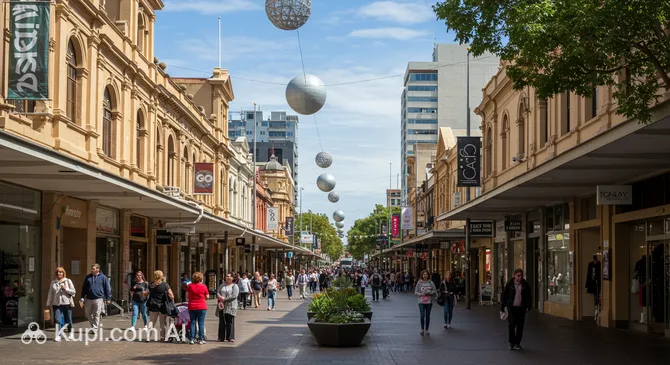
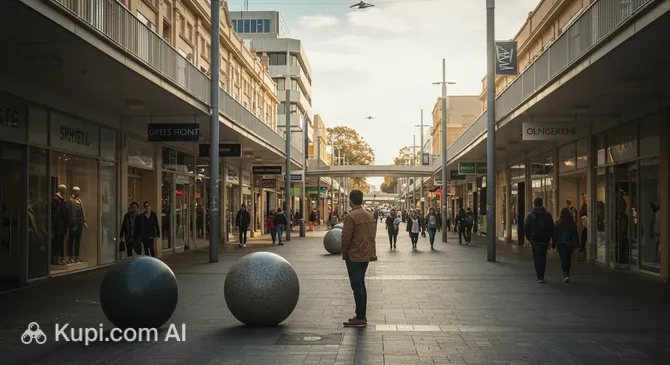
The undisputed heart of the city's retail scene is Rundle Mall. As Australia's first pedestrian street mall, it spans a bustling strip closed to traffic and is home to over 700 retail stores. Here, you can find major department stores, flagship fashion outlets, and historic arcades all in one place. It is a vibrant hub of activity, often filled with buskers and events, making it more than just a place to buy clothes.
Within this precinct, you will find modern centers like Rundle Mall Plaza, which offers a curated selection of fashion, lifestyle, and dining options. For those seeking luxury brands and quirky local boutiques, a short walk to the adjacent Rundle Street in the East End is highly recommended. This area provides a more village-like atmosphere with heritage buildings housing high-quality Australian designers and specialty shops.
Rundle Mall Plaza. Illustration.
Source: Kupi.com AI
Traveler photos:
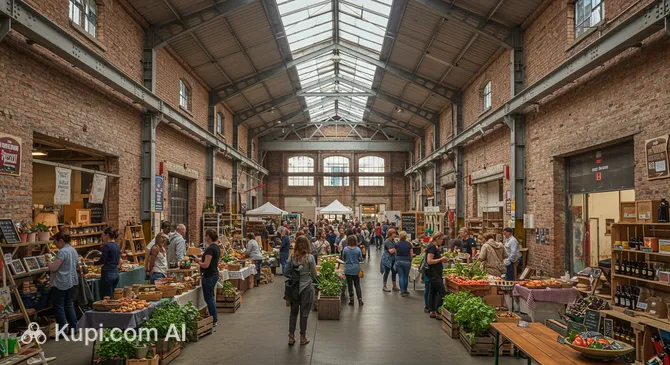
Markets are an integral part of the local lifestyle. While the Adelaide Central Market is famous for its food, it is also a fantastic spot to pick up non-perishable gifts, such as local honey, artisan soaps, and gourmet condiments. For a more trendy and community-focused experience, head to Plant 4 Bowden. Located in a repurposed industrial warehouse, this venue hosts regular maker markets featuring handmade jewelry, ceramics, and art from local creatives.
Plant 4 Bowden. Illustration.
Source: Kupi.com AI
Traveler photos:
When it comes to souvenirs, South Australia has several specialties worth bringing home. The state is home to Haigh's Chocolates, the oldest family-owned chocolate maker in Australia; picking up a box of their famous chocolate frogs is a must. Since South Australia produces most of the world's opals, you will also find reputable jewelers selling these stunning gemstones. Additionally, bottles of premium wine from the nearby Barossa Valley or Aboriginal art pieces make for meaningful and authentic keepsakes.
Standard trading hours in the city are generally from 9:00 AM to 5:00 PM Monday through Thursday and Saturday. On Fridays, shops stay open late, usually until 9:00 PM, allowing for evening browsing. Sunday trading is typically from 11:00 AM to 5:00 PM. Cashless payments are the norm, with credit and debit cards (Visa, Mastercard, and often Amex) accepted almost everywhere, even in smaller market stalls.
International travelers may be eligible for the Tourist Refund Scheme (TRS), which allows you to claim a refund on the Goods and Services Tax (GST) for purchases totaling $300 AUD or more from a single business. To claim this, you must present your tax invoice and the goods at the TRS facility at Adelaide Airport upon your departure.