Support

Kingscote

About

Welcome to Kingscote, the largest town on Kangaroo Island and a charming coastal destination that serves as the island's commercial and administrative hub. As the oldest European settlement in South Australia, this town holds a significant place in the heritage of Australia. With its relaxed atmosphere, scenic views over Nepean Bay, and friendly community, Kingscote offers a perfect blend of history, nature, and modern convenience for travelers.

Despite its importance to the island, the town maintains a cozy village feel with a population of approximately 2,000 residents. The climate here is generally mild and maritime, making it a pleasant destination year-round. Visitors interested in the past can delve into the fascinating history of Kingscote, discovering stories of the early settlers who established their lives here in 1836 before Adelaide was founded.

Kingscote. Source: Kupi.Binoculars

One of the most popular experiences in Kingscote is the daily pelican feeding at the wharf, where visitors can get up close to these magnificent birds. The town is also home to the Reeves Point Historic Site, which features the first mulberry tree planted in the state and the Hope Cottage Museum. Additionally, the town center boasts delightful cafes and galleries showcasing local art and the island's famous produce, including fresh seafood and pure Ligurian honey.

Whether you are looking for a comfortable base to explore the rugged beauty of Kangaroo Island or simply want to unwind by the sea, Kingscote is an ideal starting point. We invite you to stroll along the foreshore, breathe in the fresh ocean air, and enjoy the warm hospitality of this unique Australian town.

Weather Overview

Kingscote experiences a mild, temperate climate that makes it a welcoming destination throughout most of the year. The summer months are the warmest, particularly in January, where the average temperature sits at 19.7°C and daily highs can reach 22.1°C. This season is generally dry and pleasant, with February seeing as few as 2 wet days, providing ideal conditions for exploring the coastline.

For those planning a trip later in the year, it is helpful to check the detailed weather in Kingscote to pack accordingly. During the winter period from June to August, the town becomes cooler, with average temperatures dropping to between 12.5°C and 13.1°C. While the precipitation volume remains relatively low, the frequency of rain increases, with August experiencing up to 11 wet days.

Overall, the climate is characterized by its maritime influence, preventing extreme heat or cold. Expect pleasant, warm summers with minimal rainfall and cooler winters with more frequent showers and fresh sea breezes.

Interesting Facts

Beyond the main attractions, Kingscote holds many fascinating secrets that reveal its unique place in Australian history and ecology. From insect sanctuaries to shifting capitals, the town has stories that often surprise visitors.
  • Kingscote plays a vital role in global apiary conservation as the home of the purest strain of Ligurian bees found anywhere on Earth. Because Kangaroo Island was declared a bee sanctuary in 1885 to prevent cross-breeding and disease, visitors to the Island Beehive can witness a lineage of bees that no longer exists in its pure form even in its native Italy.

  • Although it is a quiet coastal town today, Kingscote was originally established as the first capital of the colony of South Australia in 1836. However, the prestigious title was short-lived and transferred to Adelaide just a few months later because the area lacked a reliable supply of fresh water and suitable timber for construction.

  • The coastline near the town is a known habitat for the Little Penguin, which is the smallest penguin species in existence. These pint-sized seabirds, standing only about 33 centimeters tall, have historically nested around the foreshore and wharf areas, making them a cherished, though vulnerable, part of the local marine ecosystem.

Island Beehive. Source: Kupi.Binoculars

How to Get There

Reaching this island destination is part of the adventure, offering travelers a transition from the mainland bustle to a more relaxed pace of life. For a detailed overview of travel options, you can read more about how to get to Kingscote to plan your journey effectively.

The most direct way to arrive is via Kingscote Airport (KGC), which is conveniently located within the town's vicinity. This regional hub welcomes regular flights and is situated just 12.3 km from the town center. A trip from the airport to the heart of the town typically takes approximately 15 to 20 minutes by taxi or shuttle bus. For international travelers or those coming from further afield, Adelaide Airport (ADL) in Adelaide serves as the primary gateway. Although it is located about 113 km away on the mainland, it offers frequent connections to Kingscote via short flights or serves as the starting point for a scenic drive to the ferry terminal at Cape Jervis.

For clarity, here is a summary of the main airports:

Airport Name City Passenger Traffic Km from City
Adelaide Airport Adelaide Large 113.0
Port Lincoln Airport Port Lincoln Medium 198.0
Kingscote Airport Kingscote Small 12.3
Whyalla Airport Whyalla Small 288.0

Regarding rail travel, the city of Kingscote does not have a railway station, as it is located on Kangaroo Island. However, you can arrive at the Adelaide Parklands Terminal (XHX) in the city of Adelaide, which is approximately 118.7 km from Kingscote. From Adelaide, visitors must continue their journey by coach to the ferry terminal and then cross to the island by sea, or transfer to the airport for a connecting flight.

Here is the information regarding the nearest railway station:

Station City Passenger Traffic Km to Center
Adelaide Parklands Terminal Adelaide 118.7

Main Attractions

Kingscote offers a delightful mix of historical sites, culinary experiences, and natural wonders that reflect the unique character of Kangaroo Island. From tasting the world's purest honey to exploring the early days of South Australian settlement, there is plenty to keep visitors engaged within the town and its immediate surroundings.

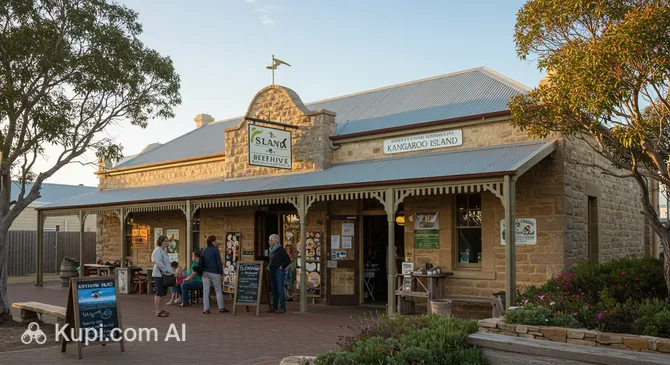
One of the town's premier draws is the Island Beehive. This facility is dedicated to the famous Ligurian bees, which are unique to the island due to its sanctuary status. Visitors can take guided tours to learn about the hive's inner workings, sample a variety of organic honeys, and browse a shop filled with beeswax products and local souvenirs. It is a sweet stop that highlights the island's biosecurity and agricultural heritage.

Cactus Kangaroo Island. Source: Kupi.Binoculars

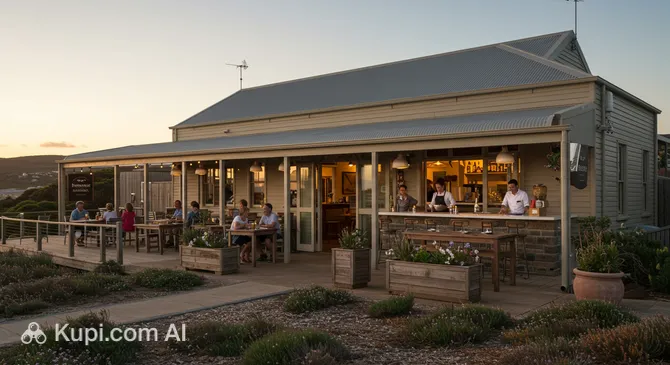
For those looking to savor the local flavors in a relaxed setting, Cactus Kangaroo Island is a favorite among locals and tourists alike. This vibrant venue serves as a cafe, restaurant, and bar, offering a menu driven by fresh, seasonal produce. With its quirky decor and welcoming atmosphere, it is the perfect place to enjoy a morning coffee or a casual lunch featuring ingredients sourced directly from the region's growers.

History enthusiasts should not miss the Hope Cottage Museum. Managed by the National Trust, this complex includes restored cottages dating back to the 1850s. Inside, you can explore a vast collection of artifacts, photographs, and tools that paint a vivid picture of the hardships and triumphs of the early European settlers. The museum is situated near Reeves Point, adding valuable context to the island's colonial past.

For a refreshing dip, the Kingscote Tidal Pool offers a safe and scenic swimming experience. Located along the foreshore, this saltwater sea bath allows swimmers to enjoy the ocean water while being protected from the open currents. It is a fantastic spot for families or anyone wanting to cool off while admiring the sweeping views across Nepean Bay.

Just a short drive north of the town center lies Bay of Shoals Wines. Perched on a hill overlooking the water, this winery produces cool-climate varietals that are heavily influenced by the maritime environment. Guests can enjoy tastings at the cellar door, often accompanied by local cheese platters, while taking in the picturesque rows of vines stretching down to the sea.

Local Cuisine

The culinary scene in Kingscote is a direct reflection of Kangaroo Island’s reputation as a producer of pristine, high-quality food. As the island's main hub, the town offers a "paddock to plate" experience where the distance between the source and the table is incredibly short. The local gastronomy is defined by fresh seafood caught in the surrounding waters and artisanal produce grown in the island’s fertile soil.

For seafood lovers, the undisputed star of the menu is the King George Whiting. Regarded as one of Australia's finest table fish, it is typically served simply grilled or lightly battered to highlight its delicate, sweet flavor. Another local delicacy worth seeking out is the freshwater marron (crayfish), which is farmed on the island and prized for its firm, white flesh. Visitors should also look for opportunities to taste the island's famous sheep's milk cheeses and yogurts, often featured on platters in local eateries.

No culinary journey here is complete without sampling the unique Ligurian honey. Produced by the purest strain of Ligurian bees in the world, this honey has a distinct flavor profile and is a staple in local kitchens. You will find it drizzled over breakfast dishes, baked into cakes, or churned into rich, golden honey ice cream—a favorite treat on warm summer days.

When it comes to drinks, Kingscote and its surroundings have gained international acclaim. The region is home to a booming beverage industry, featuring cool-climate wines that benefit from the maritime breeze. Spirit enthusiasts should try the locally distilled gin, often infused with native botanicals like coastal daisy bush. Non-alcoholic options are equally enticing, with many cafes serving coffee roasted on the island and juices made from locally grown fruit.

The food culture in Kingscote is relaxed and unpretentious, ranging from historic pubs serving hearty counter meals to modern venues focusing on seasonal trends. A prime example of this fresh, vibrant approach is Cactus Kangaroo Island, a popular spot where locals and tourists gather for meals crafted from regional ingredients. Whether you are browsing the farmers' market for picnic supplies or enjoying a sunset dinner by the ocean, the focus remains firmly on the exceptional quality of the local produce.

Travel Tips

To ensure your visit to Kingscote is as smooth and enjoyable as possible, we have compiled a list of essential travel advice. Being the main hub of Kangaroo Island, this town requires a bit of specific planning, particularly regarding transport and local regulations.

  1. Clothing and Gear: The weather on the island can be changeable, so the best strategy is to dress in layers. Even in summer, the coastal breeze can be cool, so bring a windbreaker or light jacket. Comfortable walking shoes are essential for exploring the foreshore and nearby nature trails. Don't forget high-SPF sunscreen and a wide-brimmed hat, as the Australian sun is very strong.
  2. Transportation: Public transport is virtually non-existent for tourists in Kingscote and the wider island. The most practical way to get around is by renting a car. While there are taxi services and airport shuttles, having your own vehicle gives you the freedom to explore. Be very careful when driving at dawn, dusk, and night, as local wildlife (kangaroos and wallabies) is active and often wanders onto the roads.
  3. Finances: The local currency is the Australian Dollar (AUD). Kingscote is the commercial center of the island, so you will find major bank branches and ATMs here. Credit and debit cards are widely accepted in shops and restaurants, but it is wise to carry some cash for small purchases at local markets or pop-up stalls. Tipping is not mandatory but is appreciated for good service.
  4. Health and Safety: Kingscote is home to the island's main hospital and medical service, ensuring you have access to healthcare if needed. Pharmacies are available in the town center but check their opening hours, as they may not be open late or on Sundays. The town is very safe, but always swim in designated areas like the tidal pool or patrolled beaches.
  5. Communication: English is the sole language spoken. Mobile coverage is generally good in Kingscote, but it can be spotty in remote parts of the island; the Telstra network typically offers the widest coverage. Free Wi-Fi is often available in cafes and accommodation, but downloading offline maps before you leave the town center is a smart move.
  6. Local Etiquette: The atmosphere is incredibly laid-back and friendly. It is customary to greet shopkeepers and locals with a "G'day" or a smile. Australians value egalitarianism, so treating everyone with equal respect is the norm. When visiting natural sites, strictly adhere to "leave no trace" principles to protect the pristine environment.
  7. What to Avoid: Strictly avoid bringing any honey, beeswax, or pollen products onto Kangaroo Island. The island is a sanctuary for the purebred Ligurian bee, and there are severe biosecurity restrictions to prevent disease. You should also avoid speeding on country roads; the gravel surfaces can be slippery, and wildlife hazards are real.
  8. Stocking Up: As the largest town on the island, Kingscote is the best place to buy groceries, fuel, and camping supplies. If you are planning to head to more remote western parts of the island, make sure you stock up here, as facilities elsewhere are limited and often close earlier.

By keeping these practical tips in mind, you will be well-prepared to experience the best of Kingscote and its beautiful surroundings. We hope you have a safe journey and make wonderful memories in this unique corner of South Australia.

Entertainment & Nightlife

Nightlife in Kingscote reflects the town's laid-back, island character. You will not find thumping nightclubs or neon-lit strips here; instead, the evening entertainment revolves around convivial historic pubs, relaxed dining, and enjoying the company of locals and fellow travelers. The atmosphere is casual and welcoming, with most activity concentrated along Dauncey Street and the scenic Esplanade, where the sound of the ocean provides a soothing backdrop to your night out.

The social hubs of the town are undoubtedly its local hotels, which serve as the primary gathering spots for drinks and entertainment. The Aurora Ozone Hotel, located right on the foreshore, is a local institution where visitors can enjoy a cold beer or a glass of Kangaroo Island wine while watching the sunset over Nepean Bay. Similarly, the Queenscliffe Family Hotel offers a traditional Australian pub experience, often featuring hearty meals and a friendly front bar that buzzes with conversation. These venues typically close around midnight, though hours can vary depending on the season and the day of the week.

For a venue that blends a modern vibe with rustic island charm, Cactus Kangaroo Island is a popular choice. While it is famous for its breakfast and lunch, it often transforms into a lively spot for evening drinks and casual dining, particularly during the warmer months. The dress code across the town is almost exclusively smart-casual; comfortable attire is perfectly acceptable everywhere, making for a stress-free evening.

If you are looking for entertainment while the sun is still up, Kingscote offers several low-key cultural experiences. You can explore local art galleries showcasing island-inspired works or visit the small museums scattered around the town center. However, as evening approaches, the focus shifts to gastronomy and relaxation. Occasional live music performances can be found at the pubs on weekends, featuring local talent playing acoustic sets.

Practicality is key when planning a night out in a small regional town. Most kitchens close relatively early, often by 8:30 PM or 9:00 PM, so it is wise to arrive for dinner in good time. In terms of safety, Kingscote is incredibly secure, and walking between venues in the town center is common. However, street lighting can be minimal on the outskirts, so carry a torch if you are walking back to accommodation further afield. Taxi services are available but limited; it is highly recommended to book your ride in advance if you plan to stay out late, as hailing a cab on the street is rarely an option.

Parks & Museums

Kingscote serves as the cultural heart of Kangaroo Island, offering visitors a delightful array of green spaces and heritage institutions that narrate the story of South Australia's first European settlement. From manicured memorial gardens to galleries celebrating local creativity, the town provides ample opportunities to connect with both nature and history.

For those seeking fresh air and scenic views, the Reeves Point Historic Site is a standout location that functions as both a park and an open-air museum. This sprawling area offers panoramic vistas over Nepean Bay and is dotted with significant monuments, including the Old Mulberry Tree, planted in 1836. It is an excellent spot for a leisurely walk or a picnic, allowing visitors to tread the same ground as the island's early pioneers while enjoying the tranquility of the coast.

Another central green space is Soldiers Memorial Park, located conveniently near the town center and the jetty. Framed by majestic Norfolk Island Pines, this park is a hub of community life and a perfect place for families to relax. With its lush lawns, playground facilities, and proximity to the tidal pool, it offers a peaceful retreat where you can watch the ocean or enjoy a takeaway lunch from a nearby bakery.

When it comes to museums, the Hope Cottage Museum is the town's premier historical custodian. Housed in one of the three restored Faith, Hope, and Charity cottages built in 1856, this museum offers an intimate look into the domestic lives of the 19th century. The complex also includes the 19th-century lighthouse keeper's cottage, displaying a vast collection of maritime artifacts, communication equipment, and period clothing that brings the region's rugged history to life.

For a unique cultural experience that highlights the island's agricultural heritage, a visit to the Island Beehive is essential. Functioning as a living museum, this facility educates visitors about the Ligurian bee, a species unique to the island due to its genetic purity. Guests can view the bees at work through glass panels and learn about the intricate process of honey production, making it a fascinating stop for nature lovers and curious minds alike.

Art enthusiasts will appreciate Fine Art Kangaroo Island, a gallery that showcases the diverse talents of the island's artistic community. The exhibits here range from intricate jewelry and ceramics to breathtaking paintings inspired by the local landscape. It serves as a cultural window into the soul of the island, reflecting the colors, textures, and moods of the surrounding environment.

For a truly authentic experience, take a quiet stroll through the Kingscote Cemetery. While it may seem like an unconventional tourist stop, the historic section of the cemetery offers a poignant glimpse into the hardships of early settlement, with headstones that tell the stories of the families who built the foundations of this resilient community.

Getting Around

Travelers visiting Kingscote should be aware that the town does not utilize a standard public transport network. There are no metros, trams, trains, or scheduled municipal bus routes circulating within the town. Instead, the transport system is tailored to the needs of a small regional community, relying heavily on private vehicles, walking, and specific point-to-point transfer services.

The primary form of "public" transit available consists of shuttle buses and coaches that connect the town with key entry points, such as the ferry terminal in Penneshaw and the local airport. These services are generally operated by transfer companies or ferry operators like SeaLink. They are strictly for arrival and departure logistics rather than for sightseeing or local commuting. Seats on these buses typically need to be reserved in advance to ensure availability.

Since there is no integrated transit network, there are no travel cards or complex fare zones. Payment for transport is simple and direct. For shuttle buses, tickets are usually booked and paid for online or over the phone prior to travel. For the limited local taxi services, fares are paid directly to the driver using cash or credit card. While card terminals are common, carrying a small amount of cash is always a prudent backup plan in regional areas.

For moving around the town center, walking is the most effective and scenic option. Kingscote is compact, with most hotels, restaurants, and the waterfront located within a comfortable walking distance of one another. For destinations just outside the town, taxis are available, but they do not patrol the streets looking for fares. You must telephone a local operator to book a ride, and it is strongly advised to do this well ahead of time, especially for evening dining or early morning departures.

The most widely used alternative to public transport is car rental. Hiring a vehicle provides the freedom to explore the town's outskirts and the rest of the island at your own pace. Additionally, some visitors opt for bicycle rentals, often available from accommodation providers, which offer a leisurely way to travel along the picturesque coastal esplanade.

Practical Tips for Tourists:
Pre-book everything: Due to limited fleet sizes, taxis and rental cars can be fully booked during peak seasons. Arrange your transport weeks in advance.
Don't expect late-night services: The town is quiet at night, and transport options diminish rapidly after sunset. Ensure you have a plan for getting back to your accommodation if you are dining out.
Walk safely: The town is very pedestrian-friendly, but if you are walking at dawn or dusk, stay alert for local wildlife that may wander near the roads.

Accommodation

Accommodation in Kingscote is diverse and designed to suit the relaxed pace of island life. While you will not find high-rise luxury hotel chains here, the town offers a charming selection of motels, historic pubs, and seaside hotels that provide comfortable and authentic experiences. For those seeking more independence, there is a wide array of self-contained apartments and holiday homes, which are particularly popular with families and groups. Budget-conscious travelers and outdoor enthusiasts are also well catered for, with well-equipped caravan parks and camping grounds located close to nature.

The most convenient area to stay is undoubtedly along the Esplanade and the streets immediately surrounding the town center. Choosing accommodation in this precinct places you within easy walking distance of the main shops, the supermarket, and local dining spots. Furthermore, many properties in this area offer stunning views across Nepean Bay, allowing guests to watch the sunrise over the water or spot dolphins from their balconies. Staying central also means you are close to key landmarks like the tidal pool and the jetty, making it easy to explore on foot.

Booking Tip: Kangaroo Island is a highly sought-after destination, and as its main hub, Kingscote can reach capacity quickly. During peak travel periods, such as the Australian summer school holidays (December and January) and the Easter break, accommodation is often booked out months ahead. It is highly recommended to secure your reservation well in advance to avoid disappointment.

In terms of pricing, Kingscote is generally accessible, with the majority of options falling into the mid-range category. You can expect reasonable rates for motels and cabins, while prices for premium waterfront apartments will be higher. Booking is straightforward, with most properties listed on major online travel platforms. However, for smaller bed and breakfasts or holiday rentals, booking directly through local real estate agents or the property's own website can sometimes offer better availability.

Nearby Cities

While Kingscote offers a secluded island retreat, it sits in proximity to several key South Australian regional hubs on the mainland. Due to the water separation of the Backstairs Passage and the Gulf St Vincent, these cities are not typical day-trip destinations but rather excellent "next stops" to include in a broader itinerary. Reaching them involves a ferry ride or a short flight, marking a distinct transition from the island's tranquility to the diverse experiences of the mainland.

The most prominent connection is Adelaide, the cosmopolitan capital of South Australia. Serving as the primary gateway for travelers heading to or from Kingscote, it offers a vibrant contrast to island life. With its bustling Central Market, North Terrace cultural precinct, and expansive parklands, the capital is the perfect urban anchor for your trip, best enjoyed as a dedicated stay before or after your island adventure.

For those continuing their journey westward, Port Lincoln on the Eyre Peninsula is a compelling choice. Known as the "Seafood Capital of Australia," it shares a maritime heritage with Kingscote but offers its own unique adventures, such as shark cage diving and rugged coastal drives. Although geographically close across the water, it requires a separate leg of travel, making it an ideal subsequent destination for nature lovers.

City Population Distance (km)
Adelaide 1,295,714 119
Whyalla 21,501 291
Murray Bridge 15,043 160
Port Lincoln 14,120 192
Minlaton 4,600 98

These nearby destinations highlight the variety within the region, from the agricultural heartlands to major coastal ports, each offering a unique perspective on South Australia.

Shopping & Souvenirs

Shopping in Kingscote offers a relaxed and authentic experience that mirrors the island's laid-back lifestyle. Rather than large commercial centers or high-end fashion chains, the town specializes in boutique stores, galleries, and outlets showcasing the region's exceptional produce. Visitors will find that the shopping scene here is intimate and personal, with a strong focus on locally made arts, crafts, and the world-renowned food and beverage products for which Kangaroo Island is famous.

The heart of the town's retail activity is concentrated along Dauncey Street. This charming main street is lined with a variety of independent shops where you can browse for casual clothing, homewares, and unique gifts. It is a pleasant place for a stroll, with wide footpaths and a friendly atmosphere. Nearby, the commercial precinct extends slightly into the surrounding streets, offering essential services and a few specialty stores that cater to both locals and tourists.

Given the town's small population, there are no sprawling shopping malls or department stores in Kingscote. The closest equivalent to a shopping complex is the area around the local supermarket, which serves as the primary spot for groceries and daily necessities. For travelers, this means the focus should be on discovering hidden gems in standalone boutiques rather than expecting a conventional mall experience.

For those seeking fresh local produce, the Kangaroo Island Farmers Market is a highlight when it is held. often taking place on the second Sunday of the month at the Lloyd Collins Reserve near the wharf. Here, you can buy directly from the growers and producers, finding everything from artisan bread and homemade jams to fresh vegetables and olive oil. It is a vibrant community event that offers a true taste of the island's agricultural bounty.

When it comes to souvenirs, Kingscote is the perfect place to pick up items that are unique to the region. The most iconic purchase is undoubtedly Ligurian honey, produced by the island's purebred bees. You can find a wide range of honey products, from raw honey to beeswax candles, at the Island Beehive and other local outlets. Other popular keepsakes include eucalyptus oil products, locally distilled spirits, and artworks crafted by island residents, which are widely available in the town's galleries and gift shops.

Store opening hours in Kingscote typically follow a standard regional Australian schedule. Most shops are open from 9:00 AM to 5:00 PM on weekdays. On Saturdays, trading hours are often reduced, with many businesses closing by 12:00 PM or 1:00 PM. Sunday trading is limited, although supermarkets and some tourist-oriented shops may remain open. Payment is convenient, with credit and debit cards (Visa and Mastercard) widely accepted, though carrying some cash is recommended for markets or smaller purchases.

International visitors to Australia may be eligible for the Tourist Refund Scheme (TRS), which allows you to claim a refund of the Goods and Services Tax (GST) on goods purchased for over AUD 300 from a single retailer. While you can make these purchases in Kingscote, the refund claim is processed at the international airport of your departure from Australia (usually Adelaide, Melbourne, or Sydney) rather than on the island itself. Be sure to ask retailers for a valid tax invoice if you plan to claim this refund.

Reached the end of the page?

That means the route is fully explored