Support

Charleville

About

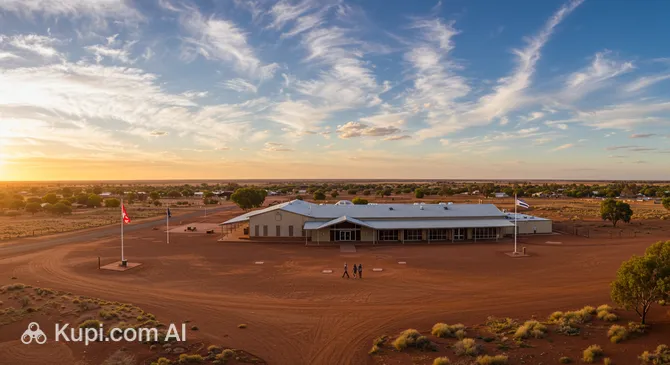
Welcome to Charleville, a quintessential town located in the heart of the "Mulga Country" in South West Queensland. Known for its warm hospitality and wide-open spaces, this destination offers travelers a genuine taste of the outback in Australia. Situated on the banks of the Warrego River, Charleville serves as a vital service center for the surrounding pastoral districts and is home to a close-knit community of approximately 3,300 residents who are eager to share their unique lifestyle with visitors.

Charleville. Source: Kupi.Binoculars

The town is not only a hub for agriculture but also a place with deep roots. Exploring the history of Charleville reveals a fascinating past, from its days as a stop on the legendary Cobb & Co coach network to its strategic importance during World War II as a top-secret base. Today, the town seamlessly blends this rich heritage with modern attractions, offering an educational and immersive experience for history buffs and nature lovers alike.

One of the city's most famous draws is the Cosmos Centre & Observatory, where the lack of light pollution allows for spectacular stargazing experiences in the vast outback sky. Visitors can also get up close with one of the country's most endangered marsupials at the Charleville Bilby Experience, a dedicated facility working tirelessly to save the bilby from extinction. Whether you are looking to gaze at the stars or connect with native wildlife, Charleville promises an unforgettable journey into the Australian interior.

Weather Overview

Travelers visiting this outback destination should be prepared for a climate defined by distinct seasonal contrasts. The summer months, particularly January, are typically hot, with an average temperature of 30.1°C and daily maximums frequently reaching 35.7°C. This season also brings a slight increase in moisture, with January and February averaging about 6 wet days each, although overall precipitation volume remains low.

In contrast, the winter months offer much cooler and drier conditions, making them popular for outdoor activities. By July, the average temperature drops to 13.5°C, and nights can be brisk with minimums falling to around 7.0°C. Rainfall is scarce during this time, with months like June and July often recording negligible precipitation and very few wet days. For more detailed information to help you pack, you can check the current weather in Charleville. Overall, expect hot summers with occasional rain and cool, dry winters that provide clear skies for the region's famous stargazing.

Interesting Facts

Beyond its reputation for bilbies and stargazing, Charleville holds a treasure trove of quirky history and surprising secrets. From failed science experiments to top-secret military operations, the town's past is far more colorful than many visitors realize.

  • The Failed Rainmakers: In 1902, during a severe drought, government meteorologist Clement Wragge attempted a radical experiment using "Stiger Vortex Guns." These giant cannons were designed to blast gas into the atmosphere to artificially induce rain. The experiment was a spectacular failure; no rain fell, and several of the guns actually exploded. You can still see two of these unique contraptions on display in the Graham Andrews Parklands.

  • A Top-Secret Vault: During World War II, Charleville Airfield was a classified base for approximately 3,500 United States Army Air Force personnel. The site was used to store the highly sensitive Norden Bombsight, a device so secret that crew members had to swear an oath to protect it with their lives. The small concrete vault where these devices were kept under 24-hour armed guard still stands at the airport today.

  • The "Ritz" of the Outback: The historic Hotel Corones was built in the 1920s by Greek immigrant Harry "Poppa" Corones. It was considered the most luxurious hotel in western Queensland, famously featuring a private bathroom for every room—a rarity at the time. The hotel was so grand that it hosted royalty, including the Duke and Duchess of Gloucester, and remains a landmark of outback hospitality.

  • Aviation Pioneers: Charleville played a critical role in the early days of Qantas. In 1922, the town served as a key terminal for the airline's first regular airmail and passenger service, which ran between Charleville and Cloncurry. The airport is still home to historic hangars that date back to this golden age of Australian aviation.

How to Get There

Reaching Charleville offers a true taste of the Australian outback, with options ranging from scenic flights to rail journeys and road trips. Whether you are traveling from Brisbane or exploring the wider Queensland region, planning your arrival is part of the adventure. You can find detailed information on all transport methods, including driving routes and schedules, by visiting our page more about how to get to Charleville.

For the most direct route, Charleville Airport (CTL) is conveniently located near the town center. QantasLink operates regular services from Brisbane, allowing visitors to fly straight into the heart of the region. This is often the preferred option for those looking to maximize their time exploring the local attractions without a long drive upon arrival.

For travelers exploring the region via major transport hubs, Roma Airport (RMA) serves as a significant alternative entry point. Located in the city of Roma, this airport is approximately 253 km from Charleville. While it is a key regional facility, visitors should be aware that the transfer to Charleville involves a drive of about 3 hours along the Warrego Highway. Renting a car at the airport is often the most practical solution for this leg of the journey, allowing you to enjoy the changing landscapes of the Mulga lands at your own pace.

For clarity, here is a summary of the main airports in the vicinity:

Airport Name City Passenger Traffic Km from City
Roma Airport Roma Medium 253.3

In addition to air travel, Charleville is a popular destination for rail enthusiasts. The town is the terminus for the Westlander, a passenger train service operated by Queensland Rail. Departing from Brisbane, this scenic overnight journey crosses the Great Dividing Range and the Darling Downs, delivering passengers directly into the heart of Charleville. It provides a relaxing and comfortable alternative to driving, allowing tourists to immerse themselves in the vastness of the Queensland countryside.

Main Attractions

Charleville offers a fascinating mix of natural wonders, deep-rooted history, and unique outback experiences. While the town is small, its attractions are world-class, ranging from top-secret military sites to astronomical observatories that take advantage of the pristine inland skies. Visitors can easily spend several days exploring these diverse highlights, each providing a different perspective on life in this remote part of Queensland.

One of the premier draws is the Charleville Cosmos Centre, a facility that capitalizes on the region's lack of light pollution to offer unrivaled views of the southern sky. By day, visitors can view the sun through a specialized Hydrogen Alpha Telescope, revealing solar flares and sunspots in incredible detail. By night, the observatory roof rolls back, allowing powerful Meade telescopes to capture the beauty of distant nebulae, star clusters, and planets. The centre also features a planetarium, making it an all-weather destination for astronomy enthusiasts.

For wildlife lovers, the Charleville Bilby Experience is an absolute must-do. This dedicated facility offers a rare opportunity to see the Greater Bilby, one of Australia’s most endangered marsupials. Because bilbies are nocturnal, the centre features a special "nocturnal house" where the day-night cycle is reversed, allowing you to watch these charming creatures dig and forage during your daytime visit. The experience also includes keeper talks that shed light on the critical conservation work being done to save the species from extinction.

History buffs will be captivated by the WWII Secret Base, an interactive exhibition that reveals the town's classified past. During the Second World War, Charleville was home to over 3,500 United States Army Air Force personnel and a top-secret device known as the Norden Bombsight. Today, you can "enlist" at the base, explore ocean voyage simulations, and even try your hand at a B-17 bomber mission. A tag-along tour is also available, guiding you to the original concrete vaults and bunkers scattered around the airfield.

Another essential stop is the Royal Flying Doctor Service Visitor Centre. This facility pays tribute to the iconic medical service that has been a lifeline for the outback since the 1920s. Through engaging displays and historical artifacts, visitors can learn about the evolution of the service, from the early days of pedal radios to modern aeromedical evacuations. It provides a moving insight into how distance and isolation are overcome to provide healthcare to remote communities.

Finally, no visit is complete without stopping at the historic Hotel Corones. Built in the 1920s, this grand building was once considered the "Ritz of the Outback" and hosted royalty and celebrities. Guests can join a guided tour to hear stories of its flamboyant original owner, Harry Corones, and explore the hotel's lavish architecture, which includes a breezeway designed to catch the outback air. It stands as a testament to the prosperity and optimism of the region's early pastoral boom.

Local Cuisine

Dining in Charleville is a true reflection of the Australian outback spirit: hearty, unpretentious, and built around high-quality local produce. As a town situated in the heart of a major pastoral district, the culinary scene is heavily influenced by the surrounding grazing lands. Visitors can expect generous portion sizes and a warm, welcoming atmosphere where the food is designed to satisfy a hard-earned hunger after a day of exploring the Mulga lands.

The undisputed star of the local menu is beef. With cattle stations stretching as far as the eye can see, Charleville is the perfect place to enjoy a premium steak. Whether it is a tender rump, a juicy rib-fillet, or a massive T-bone, the meat is often sourced locally and cooked to perfection on a grill. Another pub staple that travelers must try is the classic Chicken Parmigiana, or "Parmi," served with chips and salad. For a truly authentic outback flavor, look for "camp oven" dinners, where stews and roasts are slow-cooked over hot coals in traditional cast-iron pots, often accompanied by damper, a rustic Australian soda bread.

For a lighter bite or a midday treat, the town's bakery culture is thriving. A stop at a local bakery is essential for experiencing the Australian tradition of "smoko" (a morning tea break). Here, you can indulge in flaky meat pies, sausage rolls, and pasties, which remain a favorite quick lunch for locals. Those with a sweet tooth should try a vanilla slice or a fresh scone with jam and cream, perfect for enjoying with a cup of coffee while watching the town's life go by.

When it comes to drinks, the culture centers around the historic pubs that have served the community for decades. In the heat of Western Queensland, nothing rivals the popularity of a cold beer. Local favorites typically include refreshing Queensland lagers like XXXX Gold or Great Northern, served ice-cold to combat the high temperatures. For non-alcoholic options, old-fashioned lemon squashes and Sarsaparilla are nostalgic choices often found in traditional milk bars and cafes.

The venues themselves are part of the gastronomic charm. Most tourists and locals gather at the historic hotels, such as the famous Hotel Corones, where you can dine in settings that echo the grandeur of the 1920s. Apart from the pubs, the local RSL and sporting clubs offer excellent bistro-style meals that are both delicious and family-friendly. Whether you are sitting on a wide veranda at sunset or enjoying a casual meal in a bustling club, the dining experience in Charleville is as much about the friendly conversation as it is about the food.

Travel Tips

Preparing for a trip to Charleville means getting ready for the rugged beauty and unique conditions of the Queensland outback. These practical tips will help you pack smart, travel safely, and connect with the locals in this charming rural community.

  1. Clothing and Gear: The outback climate varies drastically. In summer, lightweight, breathable clothing is essential, along with a broad-brimmed hat, high-SPF sunscreen, and sunglasses. In winter, nights can drop near freezing, so pack warm layers and a jacket. A fly net for your face is highly recommended if visiting during warmer months, as bush flies can be persistent.
  2. Transportation: There is no local public transport system like buses or trams within the town itself. While the main street is compact and walkable, renting a car is the best way to reach attractions on the outskirts, such as the Cosmos Centre. Taxi services are available but should be booked in advance.
  3. Finances: The local currency is the Australian Dollar (AUD). Major credit and debit cards are widely accepted at hotels, shops, and restaurants. However, it is wise to carry some cash for smaller purchases or if you plan to visit very remote areas nearby. ATMs are available in the town center. Tipping is appreciated for good service but is not mandatory.
  4. Health and Safety: Charleville is well-serviced with a hospital and pharmacies, though opening hours may be shorter than in major cities. The most critical safety rule is to stay hydrated; the dry heat can be deceiving. Also, wear closed-toe shoes when walking in tall grass to protect against insect bites or snakes.
  5. Communication: English is the primary language, often spoken with a distinct Australian country accent. Mobile coverage is generally good within the town, but signal can drop off quickly as you travel further out. The Telstra network typically offers the widest coverage in rural Queensland. It is a good idea to download offline maps before your trip.
  6. Local Etiquette: The community is known for its friendliness. It is polite to greet shopkeepers and passersby with a smile or a "G'day." If you are driving on rural roads surrounding the town, it is customary to give a casual wave (often just lifting a finger from the steering wheel) to drivers passing in the opposite direction.
  7. What to Avoid: Strictly avoid driving on highways at dawn and dusk. These are the times when kangaroos and emus are most active and likely to jump onto the road, creating a significant hazard for vehicles.
  8. Road Conditions: If you plan to explore unsealed roads around the region, always check the current road conditions at the Visitor Information Centre first. Even a small amount of rain can turn dirt tracks into impassable mud, stranding unprepared vehicles.

By keeping these suggestions in mind, you will be well-equipped to enjoy everything Charleville has to offer safely and comfortably. Embrace the laid-back pace of the outback, and you are sure to have a memorable and hassle-free adventure.

Entertainment & Nightlife

Entertainment in Charleville is defined by the warm, laid-back atmosphere of the Australian outback rather than the high-energy pulse of a metropolis. You will not find thumping nightclubs or sprawling entertainment districts here. Instead, the nightlife revolves around historic pubs, friendly RSL clubs, and the spectacular natural canopy of the night sky. The vibe is incredibly welcoming, offering visitors a chance to pull up a stool, enjoy a cold drink, and swap stories with locals who are always eager for a chat.

The heart of the town's social scene is undoubtedly its collection of classic country hotels. The most iconic venue is the Hotel Corones on Wills Street. Known as the "Ritz of the Outback," its bar offers a glimpse into the 1920s grandeur that once graced this remote region. It is the perfect spot to enjoy a beer or a glass of wine while admiring the heritage architecture. Another popular local haunt is the Charleville RSL Memorial Club. It provides a comfortable setting for evening drinks, live sports on big screens, and occasional live music performances, making it a hub for community activity after dark.

For a truly authentic experience, visitors often head to the Cattle Camp Hotel. Located slightly further from the main strip, this venue is renowned for its rustic charm and hearty meals, making it a favorite stop for travelers and truckies alike. The dress code across all these venues is strictly casual; jeans, t-shirts, and boots are the norm. Most pubs stay open until late evening, typically winding down around midnight, so it is best to start your night early to make the most of the atmosphere.

Beyond the pubs, the "nightlife" in Charleville is literally out of this world. The Cosmos Centre & Observatory transforms into a premier evening destination once the sun sets. Night viewing sessions here are the town's equivalent of a theater show, where powerful telescopes reveal the breathtaking beauty of the Milky Way, unhindered by city lights. It offers a serene and awe-inspiring alternative to the traditional bar scene.

When it comes to safety and logistics, Charleville is a very safe town for evening outings. Walking between venues in the town center is generally fine, but lighting can be sparse on the outskirts. If you are staying further afield or have had a few drinks, it is advisable to book a local taxi in advance, as services can be limited late at night. Prices are reasonable, and drivers are local experts who can ensure you get home safely.

During the daylight hours, the entertainment pace shifts to exploration and education. Visitors can immerse themselves in the region's unique heritage at the WWII Secret Base or connect with nature at the Charleville Bilby Experience. For those seeking a relaxed afternoon, a stroll through the Graham Andrews Parklands offers a peaceful break before the evening's social activities begin.

Parks & Museums

While Charleville is famous for its starry skies and outback adventures, the city also offers serene green spaces and cultural venues that celebrate its local heritage. Visitors looking to unwind or dive deeper into the region's pioneering past will find well-maintained parks and intimate museums that perfectly complement the major tourist draws.

Graham Andrews Parklands is the city's premier green space and a true oasis in the outback. Located at the northern entrance to town, this expansive park features a picturesque lake that attracts a variety of native birdlife, making it a peaceful spot for nature lovers. The park is beautifully landscaped with native trees and includes paved walking paths, BBQ facilities, and an adventure playground for children. It is also the resting place of the famous Steiger Vortex Guns, allowing visitors to combine a relaxing picnic with a look at one of the town's most curious historical artifacts.

For those seeking a closer connection to the region's natural river ecosystem, the Warrego River Walk is a must. This trail meanders along the banks of the Warrego River, shaded by majestic River Red Gums and Coolabah trees. It is an excellent location for a morning jog or a sunset stroll, offering the chance to spot local wildlife such as kangaroos and goannas in their natural habitat. The area captures the quiet beauty of the Mulga Country and provides a cool respite from the heat of the day.

To understand the daily life of the region's early settlers, a visit to the Charleville Historic House Museum is essential. Housed in the historic Queensland National Bank building dating back to 1888, the museum is a treasure trove of local memorabilia. The collection includes vintage machinery, early photographs, and period clothing that paint a vivid picture of Charleville's development from a frontier town to a bustling service center. It is run by passionate volunteers who are often happy to share personal stories and local lore.

Culture enthusiasts should also stop by the Charleville Railway Station, which often serves as a hub for local arts and crafts. The station itself is a fine example of heritage architecture, reflecting the importance of rail in opening up western Queensland. Inside, you may find the Angellala Arts Centre (depending on current community schedules), which showcases the work of local artists, including paintings, pottery, and handmade crafts. It is a great place to pick up a unique souvenir while supporting the creative community of the outback.

Insider Tip: When visiting Graham Andrews Parklands, keep an eye out for the resident ducks and turtles in the lake. If you visit early in the morning, the park is incredibly tranquil and offers some of the best opportunities for bird photography in town before the day warms up.

Getting Around

Navigating Charleville is a straightforward and relaxed experience, reflecting the town's small size and laid-back outback lifestyle. Unlike major metropolitan areas, there is no complex public transport network here. You will not find a metro, tram, or scheduled municipal bus system circulating within the town. Instead, getting around relies primarily on private vehicles, taxi services, and walking, which suits the compact nature of the local community perfectly.

For visitors without their own vehicle, the local taxi service is the primary means of transport. It provides a reliable way to travel between accommodation, the town center, and attractions located on the outskirts, such as the airport or the Cosmos Centre. While there are no travel passes or transport apps to download, the system is simple: you pay for each ride individually. Taxis typically accept both cash and major credit cards, though it is always a good idea to carry a small amount of cash just in case electronic terminals are unavailable in remote areas.

Since there is no "hop-on, hop-off" bus service, renting a car is arguably the most practical option for tourists. Having a rental vehicle gives you the freedom to explore at your own pace, which is particularly important given that some key attractions are a few kilometers out of town. Several rental agencies operate from the airport and the town center. If you choose to drive, you will find that parking is abundant and free throughout the city, making it a hassle-free alternative to public transit.

For those staying in the heart of town, walking is a viable and pleasant alternative. The main commercial area along Wills Street is flat and compact, allowing you to easily stroll between cafes, historic pubs, and shops. However, if you plan to visit during the summer months, be mindful of the heat; walking is best done in the early morning or late afternoon. While there are no dedicated city bike rental schemes, the flat terrain makes cycling an easy way to get around if you have access to a bicycle.

A crucial piece of advice for using the local taxi service is to book in advance whenever possible. In a small town, the fleet is limited, and availability can be scarce during peak times, such as Friday and Saturday nights or when the train arrives. Operating hours may not be 24/7 like in big cities, so if you have an early flight or a late dinner reservation, calling ahead to secure your ride is highly recommended to avoid delays.

Accommodation

Accommodation in Charleville is designed to suit the practical needs of outback travelers, ranging from historic charm to modern convenience. The town does not feature high-rise luxury resorts; instead, visitors will find a good selection of comfortable motels, classic country pubs, and spacious caravan parks. Whether you are a "grey nomad" towing a van, a family on a road trip, or a solo adventurer, the options focus on providing clean, air-conditioned respite from the Queensland heat, often accompanied by genuine local hospitality.

Most accommodation is centrally located along the main thoroughfares, particularly Wills Street and the Warrego Highway. Staying in the town center places you within easy walking distance of cafes, shops, and the historic downtown area. For those seeking a more relaxed atmosphere, the caravan and holiday parks are situated slightly further out, offering cabins and powered sites often set amidst native bushland, providing a quiet setting to enjoy the starry nights.

For a stay steeped in history, the iconic Hotel Corones is the town's most famous landmark. Guests here can experience the grandeur of the 1920s in a heritage-listed building that once hosted royalty. Travelers preferring modern amenities will find several well-equipped motor inns in the area. These typically feature essential facilities such as swimming pools—a must during the summer months—and on-site restaurants, offering a convenient "one-stop" experience after a long day of driving.

Booking Tip: It is highly recommended to book your accommodation well in advance if you plan to visit during the peak tourist season, which runs from April to September. During these cooler months, and especially around the Easter school holidays or local events like the Bilby Festival, the town can reach full capacity as travelers flock to the region to enjoy the mild winter weather.

In terms of pricing, Charleville is generally affordable, with most options falling into the budget to mid-range category. Camping and unpowered sites offer the most economical choice, while self-contained cabins and motel suites are moderately priced. While many properties can be booked via major online platforms, in rural communities like this, calling the venue directly is often the best way to secure a specific room type or negotiate a deal for a longer stay.

Nearby Cities

Charleville is situated in the vast Mulga Lands of South West Queensland, where the concept of a "neighbor" is defined by the grand scale of the Australian Outback. The town serves as a major service center for a huge geographic area, and reaching the next significant community often involves a drive of several hours. This isolation is part of the region's charm, offering travelers long stretches of open road, changing landscapes, and a true sense of exploration between stops.

The nearest major regional hub is Roma, located approximately 255 km to the east along the Warrego Highway. Known for its oil and gas history, it is a frequent stop for those traveling inland from the coast. To the southeast lies St George, a town situated on the Balonne River that is famous among anglers. Travelers heading further northwest will reach Longreach, the iconic heart of outback aviation and stockman heritage. Other accessible destinations include the agricultural center of Emerald to the northeast and the unique opal mining settlement of Lightning Ridge, located to the south across the border.

The following table lists these nearby cities, their approximate populations, and their distances from Charleville:

City Population Distance (km)
Roma 13,000 255
St George 27,900 294
Emerald 14,356 373
Lightning Ridge 4,500 377
Longreach 2,970 385

Shopping & Souvenirs

Shopping in Charleville is a relaxed and authentic outback experience, far removed from the hustle of large metropolitan retail centers. Instead of sprawling shopping malls and international fashion chains, visitors will find a charming collection of locally owned boutiques, essential service providers, and unique gift shops. The retail scene here is focused on supporting the community, offering everything from practical camping gear and rural supplies to handcrafted items that capture the spirit of Western Queensland.

The town's commercial activity is concentrated along Wills Street and Alfred Street, which form the heart of the central business district. A stroll down these wide, sun-drenched avenues reveals a variety of independent stores, including newsagencies, pharmacies, and clothing boutiques stocking country staples. This compact layout makes it easy to explore the town's retail offerings on foot, allowing you to pop into a bakery or cafe between browsing sessions.

Given the town's size, there are no large shopping malls or department store complexes. Retail therapy in Charleville is defined by "high street" shopping, where you enter stores directly from the sidewalk. For grocery needs, you will find well-stocked supermarkets that carry all the essentials for travelers stocking up for a road trip, alongside smaller convenience stores. The absence of mega-malls adds to the town's small-town charm, encouraging personal service and friendly interactions with shopkeepers.

For those interested in local produce and handmade goods, it is worth checking if the Charleville Markets are running during your visit. Often held on Sundays or in conjunction with local festivals, these markets are a great place to find home-baked treats, plants, and second-hand treasures. Additionally, the Charleville Railway Station frequently hosts displays and sales by local artisans, offering a chance to buy direct from the makers.

When it comes to souvenirs, Charleville offers several distinct options that are perfect for remembering your trip. The gift shop at the Charleville Bilby Experience is the best place to purchase plush toys, books, and apparel, with proceeds supporting the conservation of the endangered bilby. Local arts and crafts, including pottery and paintings of the outback landscape, can often be found at the Angellala Arts Centre. Visitors looking for practical mementos might consider investing in high-quality leather goods or an iconic Akubra hat, which are staples of outback fashion.

Store opening hours in Charleville generally follow traditional country schedules. Most shops are open from 9:00 AM to 5:00 PM, Monday to Friday. On Saturdays, trading hours are typically shorter, often closing by 12:00 PM, and most specialty stores remain closed on Sundays. Supermarkets and some convenience stores usually have extended hours, including weekends, to cater to locals and travelers alike. Major credit and debit cards are widely accepted, though carrying some cash is advisable for smaller purchases at markets or remote stops.

International visitors to Australia may be eligible for the Tourist Refund Scheme (TRS), which allows you to claim a refund of the Goods and Services Tax (GST) on goods purchased in Australia. To qualify, you must spend at least AUD 300 (including GST) in a single business and present your tax invoice upon departure from an international airport or cruise terminal. While most small souvenir purchases in Charleville might not meet this threshold individually, it is a useful tip for those buying more expensive items like genuine opal jewelry or high-end leather gear.
Nearby cities

Reached the end of the page?

That means the route is fully explored