Support

Roma

About

Welcome to Roma, a thriving town in the Maranoa region of Queensland that serves as a captivating gateway to the Outback. Known for its warm country hospitality and rich heritage, this destination offers a unique glimpse into the rural heart of Australia. With a population of approximately 13,000 residents, it strikes a perfect balance between a bustling regional hub and a relaxed country retreat.
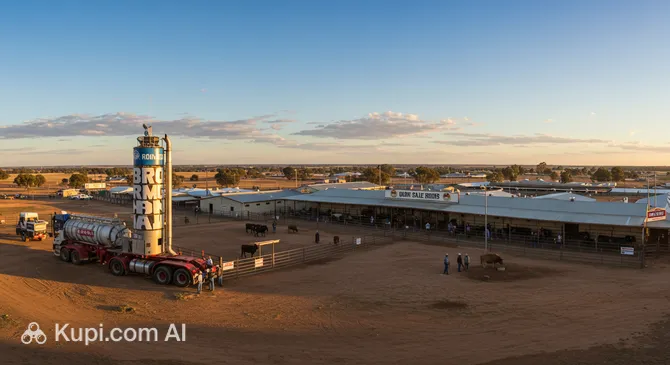
Roma. Source: Kupi.Binoculars

The town is famous for being the cradle of the nation's oil and gas industry. You can learn more about this fascinating industrial past and the broader history of Roma at The Big Rig, a dedicated museum and night show that brings local stories to life. Beyond its industrial roots, the city is geographically significant as a major junction in the Western Downs, boasting a climate that features hot summers and mild, sunny winters.

Visitors are often struck by the striking Avenue of Heroes, a heritage-listed street lined with over 140 iconic bottle trees planted to honour fallen soldiers. Another must-see is the Roma Saleyards, the largest cattle selling centre in the southern hemisphere, where you can witness the fast-paced action of livestock auctions. Whether you are passing through on a road trip or staying to explore, Roma offers an authentic and memorable Australian country experience.
Weather Overview

The climate in this region is defined by distinct seasonal changes, ranging from hot, sunny days to crisp, cool nights. To help you pack appropriately for your trip, it is useful to review the current weather in Roma, as conditions vary significantly throughout the year.

Summer, which runs from December to February, is the warmest time to visit. January typically sees the highest temperatures, with an average of 28.3°C and daily maximums often reaching 34.0°C. This season also brings a higher chance of showers compared to the rest of the year, with approximately 5 to 7 wet days per month.

In contrast, the winter months of June through August are much cooler and drier. July is generally the coldest month, where the average temperature drops to 12.8°C and nighttime lows can dip to around 6.5°C. Travelers can generally expect warm summers with occasional rain and cool, dry winters, making the cooler months a popular time for exploring the local heritage trails.

Interesting Facts

Beyond the main attractions, Roma holds many fascinating secrets and historical quirks that surprise many visitors. From its aristocratic naming to accidental discoveries that changed the nation's energy landscape, here are some intriguing details about this Outback town.

  • While the name might remind you of the Italian capital, the town was actually named after Lady Diamantina Roma Bowen, the wife of the first Governor of Queensland. She was a prominent figure in colonial history who also lent her name to the famous Diamantina River.

  • The region's status as an energy hub began with a happy accident. In 1900, workers drilling for water at Hospital Hill struck a gas pocket instead. This unexpected discovery eventually led to Roma becoming the first town in Australia to utilize natural gas for lighting, illuminating the local hospital and street lamps long before the technology was widespread.

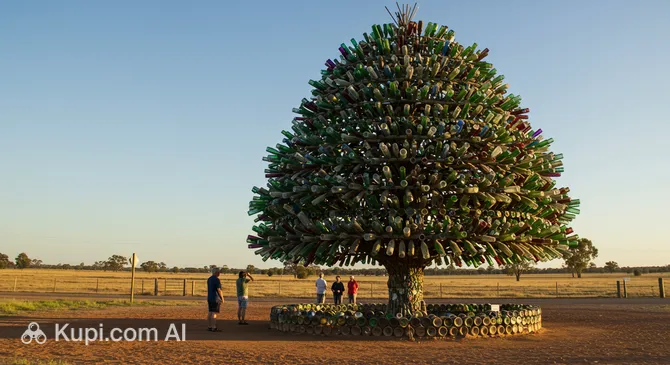
  • The local flora is truly impressive, with Roma's Largest Bottle Tree standing as a testament to nature's grandeur. This botanical giant boasts a circumference of over nine metres and was successfully transplanted to its current location from a nearby property in the late 1920s, a remarkable feat for the time.

  • Although now famous for cattle, the town has a surprising viticultural past. In the 1860s, it became home to Queensland's first commercial winery, Romaville. The area's fertile soil produced award-winning wines for decades before the local economy shifted its primary focus to agriculture and resources.

Roma's Largest Bottle Tree. Source: Kupi.Binoculars

How to Get There

Reaching this vibrant Outback town is relatively straightforward, with air travel being the most efficient option for visitors coming from distant locations. For a detailed guide on planning your journey, you can read more about how to get to Roma. The town is well-served by its own aviation facility, which acts as a vital link between the Maranoa region and the state capital, Brisbane.

The primary point of entry is Roma Airport (RMA), conveniently situated within the town's limits. Located just 3.1 km from the centre, the airport allows for a quick and easy transfer to local accommodation. A taxi or shuttle ride typically takes only about 10 to 15 minutes. Despite its regional status, the airport handles a substantial number of travellers, serving as a busy hub for both tourists and industry workers.

For clarity, here is a summary of the main airports:

Airport Name City Passenger Traffic Km from City
Roma Airport Roma Medium 3.1

Beyond air travel, many visitors choose to arrive by road to experience the scenic drive through the Queensland countryside. The town is a major junction on the Warrego Highway, making it an accessible stop on an Outback road trip. Additionally, rail enthusiasts can take the Westlander train, which provides a relaxed and picturesque journey connecting Brisbane to the Charleville region, with a scheduled stop in Roma.

Main Attractions

Roma is a destination where history, industry, and nature converge, offering visitors a variety of engaging experiences. From its famous energy heritage to its record-breaking trees, the town provides a fascinating look into life in the Queensland Outback. Here are some of the top places to explore during your visit.

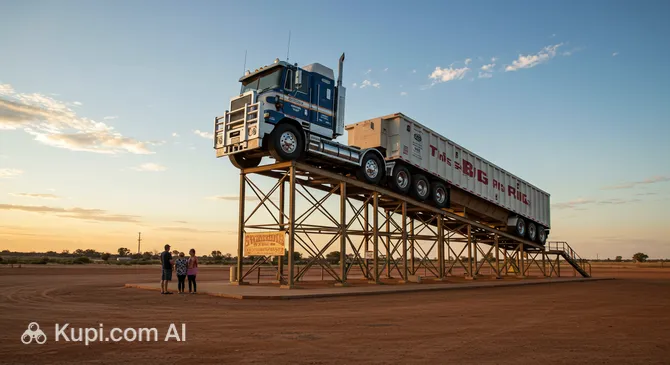
One of the most significant sites in the region is The Big Rig, a comprehensive museum and tourist complex dedicated to Australia's oil and gas industry. This attraction commemorates the discovery of natural gas in Roma and offers an interactive journey through time. Visitors can explore the Oil Patch Museum to see historic machinery or attend the "Night Show Sunset Experience," which uses light and sound to dramatically retell the stories of the local pioneers and their engineering feats.

The Big Rig. Source: Kupi.Binoculars

Nature lovers and photographers should not miss Roma's Largest Bottle Tree. Located at the end of Edwardes Street, this botanical giant is a spectacular example of the Queensland Bottle Tree. With a massive girth of over nine metres, it was transplanted to its current site in the 1920s and has since become an icon of the town. It is a perfect spot for a quick stop to admire the sheer scale of the local flora and snap a memorable photo.

Roma's Largest Bottle Tree. Source: Kupi.Binoculars

For a true taste of the region's agricultural heart, a visit to the Roma Saleyards is essential. As the largest cattle selling centre in the southern hemisphere, it offers a unique opportunity to witness the energy and scale of the livestock industry. Interpretive tours are available on sale days, allowing tourists to watch the auctioneers in action and learn about the logistics of moving thousands of cattle, providing an authentic Australian country experience.

Those seeking a peaceful escape will enjoy the Roma Bush Gardens. This natural reserve features a railway dam and a network of walking tracks that wind through native vegetation. It is a haven for birdwatchers, with numerous local species frequenting the water and trees. The gardens offer a tranquil setting for a picnic or a leisurely stroll, allowing visitors to relax and connect with the quiet beauty of the Outback landscape.

Local Cuisine

Dining in Roma is a hearty and authentic experience that deeply reflects the town's status as a major hub for the cattle industry. The local culinary scene is defined by unpretentious, high-quality country food, where generous portions and fresh regional produce are the standard. Visitors will find that the atmosphere in local eateries is relaxed and welcoming, embodying the true spirit of Outback hospitality.

Given the region's reputation as a livestock capital, it is no surprise that beef is the undisputed star of the menu. A locally sourced Maranoa beef steak is a signature dish that every visitor should try, typically served char-grilled with classic sides like chips and salad or roasted vegetables. For a quick lunch on the go, the town's bakeries offer excellent Australian meat pies and sausage rolls, which are perfect for fueling up before exploring the local sights.

The beverage culture centers largely on the town's historic pubs and hotels, which serve as the primary social gathering spots for both locals and travelers. A cold beer on tap is the traditional drink of choice, offering a refreshing break from the Queensland heat. However, the town also caters to modern tastes with a growing coffee culture, and you can find excellent barista-made coffee and cafe-style breakfasts throughout the center.

Most dining venues are casual and family-friendly, ranging from counter meals at heritage hotels to modern cafes. For those exploring the town's history, you can combine a visit to the museum with a meal at the cafe located at The Big Rig. It is a convenient spot to enjoy a relaxed lunch or a morning tea while immersing yourself in the story of the region's oil and gas pioneers.

Travel Tips

Traveling to Roma offers a genuine slice of Australian country life, but the Outback environment requires a practical approach to packing and planning. Here are some essential tips to ensure your visit to the Maranoa region is comfortable and hassle-free.

  1. Clothing and Gear: Pack according to the season; summers require lightweight, breathable fabrics and serious sun protection, including a wide-brimmed hat, sunglasses, and high-SPF sunscreen. If visiting in winter, bring warm layers and a jacket, as desert nights can drop close to freezing. Comfortable, closed-toe shoes are essential for visiting sites like the Roma Saleyards or walking through the Bush Gardens.

  2. Transportation: While the town centre is compact and walkable, renting a car is highly recommended to fully explore the surrounding heritage sites and wider region at your own pace. There is no local public bus or metro system, though taxi services are available for short trips within the town limits.

  3. Finances: The local currency is the Australian Dollar (AUD), and major credit and debit cards are widely accepted at hotels, supermarkets, and restaurants. However, it is wise to carry some cash for small purchases at local markets or community events. ATMs are readily available along the main commercial streets.

  4. Health and Safety: Roma is a very safe town for tourists, but the harsh sun and heat are significant factors; always carry water and stay hydrated. Pharmacies are located in the town centre and operate during standard business hours, while a local hospital is available for any medical emergencies.

  5. Communication: English is the primary language, often spoken with a broad country accent and local slang; a friendly "G'day" works well as a greeting. For mobile data, the Telstra network generally offers the most reliable coverage in regional Queensland, so consider this if buying a prepaid SIM card for your Outback road trip.

  6. Local Etiquette: The lifestyle here is relaxed and unhurried, so patience and politeness go a long way in shops and cafes. It is customary to greet people with a smile or a nod, and if you are driving on rural backroads, giving a small wave to passing drivers is a common gesture of community spirit.

  7. What to Avoid: Never enter private agricultural properties or climb fences without permission, as strict biosecurity rules apply to protect livestock. Additionally, try to avoid driving on highways at dawn or dusk, as this is when kangaroos and other wildlife are most active and pose a risk to motorists.

  8. Market Day Tip: If your schedule allows, try to be in town on a Tuesday morning. This is typically when the cattle sales take place, offering a unique opportunity to see the town's economic heart in action, but be sure to check the local schedule as times can vary.

With these practicalities in mind, you are all set to enjoy the warm hospitality and rugged beauty of the region. Whether you are watching a cattle auction or admiring the historic bottle trees, a little preparation will help you make the most of your Outback adventure.

Entertainment & Nightlife

Entertainment in this Outback town revolves around community events, outdoor activities, and celebrating the region's unique heritage. While you won't find the bustling nightlife of a major city, the town offers a relaxed atmosphere where visitors can unwind and immerse themselves in local culture.

A highlight of the evening entertainment is the "Sunset Experience" at The Big Rig. This sound and light show provides a dramatic retelling of the town's history, focusing on the challenges and triumphs of the early oil and gas pioneers. It is a captivating way to spend an evening under the stars, offering a mix of education and theatrical performance that appeals to all ages.

For those visiting in autumn, the "Easter in the Country" festival is the pinnacle of the local social calendar. This five-day event transforms the town into a hub of activity, featuring rodeos, street parades, country music concerts, and goat races. It attracts thousands of visitors and showcases the warm hospitality and vibrant spirit of the Maranoa community.

Families traveling with children will find plenty of amusement at the Big Rig Parklands, which host the "Big Rig Express." This miniature train offers a delightful ride around the lake and through the gardens, providing a fun and leisurely break. Additionally, the town's parks are perfect for a casual afternoon picnic, allowing you to enjoy the sunny Queensland weather in a peaceful setting.

Parks & Museums

While Roma is often associated with its industrial achievements, the city also offers a selection of refreshing green spaces and cultural institutions that celebrate its heritage. Visitors can easily alternate between exploring the region's history in well-curated museums and relaxing in the shade of ancient gum trees along the town's waterways.

For a peaceful immersion in nature, the Roma Bush Gardens are a standout location. Situated around a historic railway dam, this 14-hectare reserve showcases the diversity of the local landscape with distinct vegetation communities. A network of walking tracks winds through the area, making it a favorite spot for birdwatchers hoping to spot native species among the trees. Another excellent option for outdoor enthusiasts is the Adungadoo Pathway. This concrete recreational trail follows the curves of Bungil Creek, offering a scenic route for walkers and cyclists beneath the canopy of massive River Red Gums, some of which are centuries old.

Of course, no discussion of the local landscape is complete without mentioning Roma's Largest Bottle Tree. While not a park in the traditional sense, this incredible natural monument at the end of Edwardes Street draws admirers for its sheer size and unique shape, serving as a living symbol of the Queensland flora.

On the cultural front, The Big Rig serves as the city's premier museum facility. Specifically, the "Oil Patch Museum" within the complex allows tourists to wander through an outdoor display of historic drilling rigs and machinery. It provides a tangible connection to the pioneers who shaped the nation's energy sector, offering detailed insights into the challenges they faced in the Outback.

For a different slice of history, Up the Creek Garage offers a nostalgic trip down memory lane. This quirky, privately-owned museum is packed with classic cars, vintage memorabilia, and an impressive collection of Holden heritage items. The venue is also known for its vibrant murals and "outback humor," making it a distinctively Australian cultural experience. Art lovers should also stop by the Roma on Bungil Gallery, located within the Community Arts Centre, which hosts rotating exhibitions featuring the works of talented local and regional artists.

Insider Tip: If you are walking the Adungadoo Pathway, keep an eye out for the "Big Rig" to "Hospital Hill" heritage trail markers. These provide small snippets of local history as you exercise, turning a simple walk into an informative journey through the town's past.

Getting Around

Public transport in Roma is quite different from what you might find in larger metropolitan areas. Due to the town's relatively small population and compact layout, there is no municipal public transport network. Visitors will not find a metro, tram system, trolleybuses, or scheduled city bus routes operating within the town limits. Instead, the local transport infrastructure relies primarily on private vehicles and taxi services.

For those without a car, the local taxi service is the most viable option for getting around. Roma Taxis operates throughout the area, providing reliable point-to-point transfers for residents and tourists. While you may not find busy taxi ranks on every corner, cabs can be easily booked by phone. This service is particularly useful for transfers between the airport, your accommodation, and attractions like the Saleyards, which are located slightly further from the town centre.

Regarding payment, there is no complex system of travel zones, smart cards, or transport apps to navigate. Taxis operate on a standard metered basis, and payment is typically made directly to the driver at the end of the journey. Most drivers accept major credit and debit cards as well as cash, but it is always a good idea to confirm payment methods when booking your ride. Since there are no public buses, you do not need to worry about purchasing tickets or validating passes.

The most practical advice for tourists wishing to explore the region thoroughly is to hire a car. Several major rental agencies have offices at the airport and in town. Having your own vehicle offers the freedom to visit outlying attractions at your own pace. If you prefer not to drive, many of the central sights, such as the Avenue of Heroes and local shops, are within comfortable walking distance of each other, provided you are mindful of the heat during the summer months.

While there are no historic trams or cable cars to ride, the town does serve as a stop for long-distance travel options. Coach services and the Westlander train connect the town to other regional destinations, but these are strictly for intercity travel and cannot be used for local commuting. For a unique experience, the miniature train at the Big Rig Parklands offers a fun ride for families, though it is purely a recreational attraction rather than a practical mode of transit.

Accommodation

Roma provides a welcoming array of accommodation options suited to travelers journeying through the Queensland Outback. The town is well-equipped to host visitors, ranging from weary road-trippers to families exploring the region's heritage. The primary offering consists of comfortable, motor-inn style motels, which are perfect for those seeking a convenient overnight stop with parking right outside the door. For a more authentic country experience, several historic pubs in the town centre offer classic hotel rooms, while modern serviced apartments provide extra space and amenities for longer stays.

Many accommodation providers are strategically located along the Warrego Highway (Bowen Street), ensuring easy access for those arriving by car. Staying in this area often places you within walking distance of major attractions like The Big Rig and local supermarkets. Alternatively, choosing a spot near McDowall Street puts you in the heart of the commercial district, close to cafes, shops, and the famous Roma's Largest Bottle Tree.

For those traveling with caravans or tents, the town features excellent holiday parks with ample facilities, including cabins and powered sites. These parks are often social hubs where travelers share stories of their Outback adventures. The camping options allow visitors to enjoy the starry night skies while still having access to modern conveniences.

Booking Tip: While accommodation is generally available, it is highly recommended to book well in advance if you plan to visit during the popular "Easter in the Country" festival, as the town fills up quickly with thousands of visitors. Additionally, due to the region's active gas and agricultural industries, mid-week vacancies can sometimes be limited by workforce demand, so securing your room ahead of time is a wise move.

Prices in Roma are typically reasonable, catering to a mix of budget and mid-range travelers. You can expect to find affordable rates for unpowered camp sites and standard motel rooms, with prices increasing slightly for self-contained apartments or newer suites. Booking can easily be done through major online travel platforms, though many local proprietors also welcome direct phone inquiries, which can sometimes secure a better rate or specific room request.

Nearby Cities

For those looking to explore the surroundings, Roma serves as an excellent base for day trips to several interesting nearby locations:

City Population Distance (km)
St George 27900 164
Dalby 12719 255
Kingaroy 10020 305
Oakey 7000 307
Goondiwindi 6355 265

One of the most popular destinations for a day trip is St George, situated on the banks of the beautiful Balonne River. It is widely recognized as an angler's paradise, offering excellent opportunities for fishing, particularly for the prized Murray Cod. Visitors can enjoy a relaxing river cruise, explore the local cotton and vineyard industries, or simply picnic by the water in this picturesque country town.

Further afield lies Dalby, a vibrant hub in the heart of the Darling Downs. Known for its rich agricultural heritage, the town features impressive historic buildings and serves as a gateway to the majestic Bunya Mountains. It offers a mix of cultural experiences and modern amenities, making it a worthwhile stop for those interested in the region's pioneering history and wheat farming legacy.

For travelers willing to venture a bit longer, Kingaroy offers a unique culinary connection as Australia's "Peanut Capital." The town is famous for its towering peanut silos and rich red soil. It provides a distinct change of scenery with its rolling hills and serves as a fantastic spot to sample fresh local produce directly from the source.

These nearby destinations offer a glimpse into the diverse culture and landscapes of the region.

Shopping & Souvenirs

Shopping in Roma offers a relaxed and authentic country experience, serving as the primary commercial hub for the Maranoa region. Unlike the sprawling malls of major cities, the retail scene here is defined by friendly service and a mix of practical essentials and unique regional wares. Visitors will find everything they need to stock up for an Outback adventure, alongside charming boutiques that reflect the local lifestyle.

The heart of the town's shopping district is located along McDowall Street. This bustling strip is lined with heritage buildings and family-run businesses, making it a pleasant area for a stroll. It is arguably the best place to purchase high-quality country clothing. Local outfitters stock iconic Australian brands, offering durable leather boots, moleskin trousers, and wide-brimmed hats that are both stylish and essential for the Queensland climate.

For everyday necessities, Westlands Plaza is the town's modern shopping centre. It houses a major supermarket, a pharmacy, and variety stores, providing a convenient one-stop destination for travelers. Whether you need to replenish your camping pantry, buy sunscreen, or pick up general travel supplies, this centre ensures you are well-prepared for the road ahead.

If you are looking for distinct souvenirs, the gift shop at The Big Rig is a standout location. It offers a curated selection of mementos, including books on local history, indigenous artwork, and locally made handicrafts. It is an excellent spot to find a meaningful keepsake that captures the pioneering spirit of the region.

Visitors lucky enough to be in town on the third Saturday of the month should explore the Roma Country Markets. Held in the parklands, these markets bring together the community's best producers and artisans. Stalls are typically filled with homemade jams, fresh seasonal produce, potted plants, and hand-knitted items, offering a genuine taste of country creativity and hospitality.

It is useful to keep local business hours in mind when planning your day. Most retail shops operate from 9:00 AM to 5:00 PM on weekdays and close around 12:00 PM on Saturdays. With the exception of major supermarkets and select cafes, the majority of stores are closed on Sundays, so it is advisable to complete any necessary shopping earlier in the weekend.

Nearby cities

Reached the end of the page?

That means the route is fully explored