Support

Norseman

About

Norseman is a small but strategically important town located in the southern part of the Goldfields-Esperance region. For many road-trippers, it serves as the true "gateway" to Western Australia, as it marks the end of the famous crossing of the Nullarbor Plain via the Eyre Highway. Here, Australia shows its true character: vast horizons, red earth, and a spirit of adventure.

The settlement owes its appearance on the map to the gold rush era of the late 19th century. According to popular legend, Norseman's history began thanks to a horse named Hardy Norseman. It is said that the animal accidentally kicked up a gold nugget, leading to the founding of a settlement that remains an important gold-mining center today.

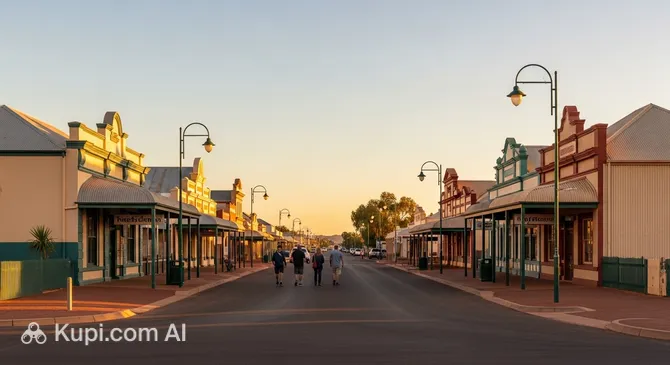
Norseman. Illustration.
Source: Kupi.com AI

Despite its modest population of just under 600 people, the town has plenty to offer tourists. One of the most recognizable landmarks is the corrugated iron camel sculptures, installed as a tribute to the camel trains that were once the only way to deliver goods to this remote region. For panoramic views, travelers should visit the Beacon Hill lookout, which offers breathtaking vistas of the town, the scrubland, and the vast salt lakes.

The climate in Norseman is semi-arid, with hot summers and cool winters, so travelers should be prepared for temperature fluctuations. It is the perfect place to stop, rest after a long journey, and soak up the tranquil atmosphere of the authentic Australian outback before continuing toward the coast or further inland.

Weather Overview

Climatic conditions in this region are typical of the semi-arid areas of Western Australia, with distinct seasonality. To ensure a comfortable journey, it's worth checking what the weather in Norseman will be like before you go, especially if you plan on long walks or camping out.

The summer months (December, January, and February) bring heat: average temperatures hover around 24°C, with daytime highs often reaching 30–31°C. This is the driest time of year when rain is almost non-existent, making summer ideal for those who don't mind the heat.

With the arrival of winter (June–August), it becomes significantly cooler. Daytime temperatures drop to 16–17°C, and nights can be quite chilly, with temperatures around 7–8°C. Expect hot, dry summers followed by cool winters, during which the number of rainy days increases slightly, though overall rainfall remains low.

Average monthly temperature

Average monthly precipitation

Interesting Facts

Beyond its well-known landmarks, Norseman holds many fascinating secrets that reveal themselves only to the most curious travelers. This town is not just a rest stop on the map, but a place of unique records and natural phenomena.

  • Norseman is a key stop on the world's longest golf course — Nullarbor Links. This unique 1,365-kilometer course stretches across Australia along the Eyre Highway, and it is in this town that players tackle two holes (a par 4 and a par 5), testing their skills in true outback conditions.

  • The town is located in the heart of the Great Western Woodlands. This is the largest remaining temperate woodland on Earth, covering an area comparable to the size of England. More than 3,000 species of flowering plants grow here, making the region a true botanical wonder in the midst of arid lands.

  • Unlike many of its neighbors in the region that turned into ghost towns, Norseman holds the title of the settlement with the longest continuous gold mining in Western Australia. Since the discovery of rich deposits in 1894, the mines here have operated without interruption, providing the town with life and prosperity for over a century.

How to Get There

Norseman is an important transport hub on the Western Australian map; however, there is no direct air service to the town. A trip here usually involves a flight to one of the neighboring regional centers followed by a drive along scenic highways. You can find more details on how to get to Norseman by exploring various routes, and below we look at the most popular options for arriving via nearby airports.

The most convenient option for most tourists is Kalgoorlie Airport (IATA: KGI). Please note that it is not in Norseman itself, but in the town of Kalgoorlie, located about 159 km to the north. This is a fairly large regional aviation hub with a steady flow of passengers and regular flights. The journey from the airport to Norseman by rental car or taxi takes about 2 hours on a good highway.

An alternative method is to use the air gateway on the south coast. Esperance Airport (IATA: EPR) is located in the town of Esperance, approximately 165 km from Norseman. This airport is smaller and serves fewer passengers, but it may be convenient if you want to combine your trip with a holiday by the ocean. The driving time to the destination is also about 2 hours.

For convenience, here is summary information on the main airports:

AirportPassenger trafficDistance
Kalgoorlie Airport422 586159 km
Esperance Airport50 500165 km

Regarding rail transport, there is no active passenger station in the town of Norseman. The nearest railway hubs are at a significant distance, so the train is not a direct way to reach the town. The main alternative to air travel is by road. Norseman sits at the intersection of key highways, and intercity buses from Perth and other major regional towns run here regularly, offering a comfortable journey through the Australian outback.

Main Attractions

While this Goldfields-Esperance town is often seen as just a stopover, there are places here that make it worth staying a while. Norseman’s attractions are closely tied to its rich gold-mining history and the unique nature of the Australian outback. Travelers can touch the past, explore ancient geological formations, and see unusual artifacts that are hard to find anywhere else in the world.

One of the most interesting locations is the Norseman Historical Museum. Housed in the former School of Mines building, it holds an extensive collection of exhibits detailing the lives of early settlers and the development of the mining industry. However, the real "star" of the display is a large piece of the Skylab space station, which fell in the area in 1979. This is a must-visit for those curious about how American space technology unexpectedly became part of the history of the Australian outback.

Nature and geology enthusiasts should head to Dundas Rocks, located about a 20-minute drive south of town. These massive granite formations, estimated to be 550 million years old, are impressive in both shape and scale. Nearby are the ruins of the old Dundas settlement—a ghost town that emerged at the start of the gold rush but was abandoned when the mining center shifted to Norseman. A walk through these sites allows you to feel the breath of antiquity and see the traces of the first prospectors.

For a peaceful break in nature, Bromus Dam is ideal. This freshwater reservoir was built in the 1920s to supply water to the steam locomotives that ran on the local railway. Today, it is a picturesque oasis amidst the arid landscape, where you can have a picnic, watch birds, or simply enjoy the silence. The dam is surrounded by eucalyptus trees, and travelers seeking solitude away from the busy highways often stop here.

Another notable spot within the town is Phoenix Park. This is an open-air museum located on the site of a former mine. It displays vintage mining machinery and equipment used to extract gold from the earth. Information boards and winding paths throughout the park help visitors understand the hard labor required to unearth the region's wealth, making a stroll here both pleasant and educational.

Local Cuisine

Norseman's culinary scene, as befits a small town in the Australian outback, is not pretentious, but it is famous for its hospitality and hearty portions. You won't find fine-dining restaurants with Michelin stars here, but you can enjoy real "traveler's food"—simple, honest, and energizing. The food culture in the town is centered around classic establishments where the atmosphere is always friendly and informal.

The main dish you should definitely order for dinner is the legendary Chicken Parmigiana, or as Australians affectionately call it, a "parmi." This is a breaded chicken schnitzel, generously topped with tomato sauce and baked under a layer of melted cheese, traditionally served with chips (fries) and a fresh salad. Also, in local eateries, you should try classic meat pies—hot pastries filled with beef and gravy that have become an unofficial symbol of road trips across the continent.

When it comes to drinks, preferences are dictated by the region's hot climate. The undisputed favorite among locals and tourists alike is ice-cold beer: bars offer popular Australian lagers, which are perfectly refreshing after a long journey on dusty roads. For those who prefer non-alcoholic options, the quality of the coffee will be a pleasant surprise. Coffee culture has reached even the most remote corners of the country, so a good flat white is prepared here with real skill.

The hubs of social life in Norseman are the hotel pub and the roadhouse cafes. This is where the paths of massive road train drivers, local gold miners, and tourists heading across the Nullarbor Plain cross. These are not just places to eat, but venues for exchanging news and stories, where at a simple wooden table you can feel the true spirit of the Australian outback.

Travel Tips

A journey to Norseman is an immersion into the atmosphere of the real outback for which Australia is famous. Because the town is in a remote region on the edge of the harsh Nullarbor Plain, preparing for the trip requires special attention to detail to ensure your experience is as comfortable and safe as possible.

  1. Clothing and Insect Protection. The climate here dictates the rules: in summer (December–February), lightweight clothing, a hat, and strong sunscreen are essential, while in winter, warm clothes are a must for cold nights. A vital accessory tourists often forget is a fly net (head net). In warm months, outback flies can be unbearably persistent, and a simple net will save your sanity.
  2. Transport and Getting Around. In a town of fewer than 600 people, there is no public transport or taxi services like Uber. The center can be explored on foot, but a rental car is necessary for seeing the surroundings. Be extremely cautious on the roads: massive road trains have very long braking distances, so always give way to them and do not attempt to overtake unless you are 100% certain.
  3. Finances and Shopping. The official currency is the Australian dollar. Cards are accepted at the IGA supermarket, gas stations, and the pub, but having a cash reserve is highly recommended in case of communication outages. Keep in mind that prices for food and fuel may be higher here than in major cities due to the complex logistics of delivery.
  4. Health and Water. In a dry climate, dehydration happens unnoticed, so always carry a supply of drinking water—aim for 4–5 liters per person per day, especially if heading into nature. There is a hospital in town for emergencies. Also, watch your step: snakes may live in the scrub, so wear closed-toe shoes.
  5. Connectivity. Mobile coverage in remote parts of Western Australia can be unstable. The Telstra network provides the best reception; phones with SIM cards from other providers may lose signal immediately outside of town. Wi-Fi is usually available in motels and at the BP gas station, but speeds may be limited.
  6. Local Etiquette. Norseman is a friendly community where it is customary to greet even strangers with a simple nod or the phrase "G'day." Life here moves slowly, so don't rush the staff in cafes or at the checkout—show patience and a smile; it’s the best way to connect with locals.
  7. What to Avoid. Never ignore Fire Ban warnings. Lighting fires during restricted periods results in huge fines and poses a real threat to life. Also, avoid driving at dusk and dawn—this is the time of peak kangaroo activity, and they often jump onto the road.
  8. Operating Hours. Do not expect 24/7 service. Shops and cafes may close early (around 5:00 PM–6:00 PM), and they may operate on a reduced schedule on Sundays. Plan your dinner and restocking in advance so you don't end up facing closed doors.

Norseman is a place where time slows down, allowing you to catch your breath before the long road ahead. By following these simple tips and respecting local rules, you can safely enjoy the unique flavor of this historic town and its rugged but alluring nature.

Entertainment & Nightlife

Nightlife in Norseman is a world away from what large metropolises offer. You won't find noisy nightclubs with neon signs, trendy cocktail bars, or red-light districts here. Evening entertainment in this town of fewer than 600 people is steeped in the spirit of the real Australian outback: it is simple, heartfelt, and focused on conversation. "Going out" here means swapping stories with locals and fellow travelers under the endless starry sky.

The hub of social life after sunset is the town's main street—Prinsep Street. This is where most of the establishments for spending an evening are located. The atmosphere in town is extremely relaxed and casual. The crowd typically consists of road train drivers, miners, and tourists crossing the Nullarbor Plain. The dress code is non-existent: shorts, T-shirts, and workwear are the norm, so evening outfits are best left in your suitcase.

The main point of attraction for anyone looking to unwind in the evening is the Norseman Hotel. This is a classic Australian pub that serves as a club, restaurant, and meeting place all in one. Here, you can play a game of pool, watch sports on TV, and order a pint of ice-cold beer. The bar usually stays open until 10:00 PM or 11:00 PM, though closing times can vary depending on the crowd. It is the best place to feel the local color and hear legends of the gold rush firsthand.

If you arrive in town late at night and are looking for a bite to eat or a cup of coffee, the BP Norseman (Roadhouse) will be your lifesaver. These roadside complexes in Australia are more than just gas stations. They often stay open late (sometimes 24/7), offering hot food, essentials, and a place to rest. While not an entertainment venue in the traditional sense, this is where night travelers often gather, creating a unique atmosphere of road brotherhood.

Regarding safety, Norseman is a very quiet place. The crime rate is low, and walking around the center is relatively safe. However, the main threat at night is nature, not people. Street lighting ends quickly outside the main street, so always carry a flashlight. Watch out for snakes during the warmer months and be careful on the roads: kangaroos are most active at dusk and during the night. There are no taxis or services like Uber in town, so rely on your own strength or a rental car—but remember the strict laws against drink-driving.

During the day, entertainment in Norseman is more educational and active. While the sun is still high, it’s worth visiting the local attractions mentioned earlier or playing a round of golf. The town is part of the famous Nullarbor Links course, and playing the local holes is a great warm-up before an evening at the pub.

Parks & Museums

The cultural and natural landscape of Norseman is inextricably linked to its geographic position on the edge of the desert and its rich mining past. You won't find classic botanical gardens or massive art galleries here, but the town offers unique green spaces and museum exhibits that allow for a deep dive into the atmosphere of the Australian outback and the history of settling these lands.

Phoenix Park is perhaps the most popular recreation spot within the town, successfully combining a green space with an open-air museum. Located in the center, the park is a well-maintained area where massive mining equipment from years past is displayed among the trees. It is a great place for families: there are BBQ areas, picnic tables, and a children's playground. Tourists appreciate the park for the chance to rest in the shade of eucalyptus trees while simultaneously exploring the region's industrial heritage.

For those who prefer active nature walks, Beacon Hill is a must-visit. While it is more of a natural elevation than a park in the traditional sense, there is a scenic walking trail here. The route passes through local flora characteristic of the Great Western Woodlands. The climb to the top is rewarded with a panoramic view of the town, the endless scrub plains, and the shimmering surface of salt lakes. It is an ideal spot to experience the harsh but captivating nature that Australia is famous for.

Another important natural area is the vicinity of Lake Cowan. This vast salt lake is dry for most of the year, turning into a dazzlingly white plain that contrasts with the red earth. Although there are no benches or walkways, a stroll along the edge of the lake leaves an unforgettable impression. Tourists come here for the surreal landscapes and the chance to take unique photos, especially when the salt turns into a giant mirror after rare rains.

The primary keeper of the town's memory is the Norseman Historical Museum. The exhibition is housed in the former School of Mines building and covers much more than just gold mining history. It features an impressive collection of items from the lives of early settlers: from kitchen utensils and clothing to antique medical instruments. Visitors often note the soulfulness of the museum—it allows one to imagine how people lived in this remote corner a hundred years ago, overcoming isolation and a harsh climate.

The famous Tin Camels installation can be considered a kind of open-air art gallery. Located at the Prinsep Street roundabout, this sculptural group made of corrugated iron is a tribute to the camel trains that delivered mail and food in the town's early years. These figures have become an unofficial symbol of Norseman and demonstrate how art can be integrated into the urban environment while preserving historical context.

Other iconic sites include the bronze statue of the horse Norseman, located in the town center. The monument immortalizes the legend of the horse that "discovered" gold and is a popular photo spot. The old buildings on the main street also offer architectural interest, retaining the flavor of the early 20th century, including the hotel and post office buildings.

Insider Tip: If you want to see the region's nature in its best light, head to Lake Cowan at sunset. The low sun paints the salt crust in incredible shades of pink and purple, creating a landscape that looks extraterrestrial—a sight often missed by transit tourists.

Getting Around

Given Norseman's modest size and its status as a small outback settlement, there is no extensive municipal public transport system. The town has no metro, trams, trolleys, or regular city bus routes typical of major cities. All infrastructure is focused on serving transit travelers and locals, who mostly get around in private vehicles.

For moving within the central part of town, tourists won't need transit cards, validators, or special mobile apps. The compact layout makes it easy to reach the main shops, hotel, museum, and service stations on foot. A walk from one end of the main street, Prinsep Street, to the other takes only a few minutes, making walking the most accessible and logical way to get to know the settlement.

The only type of public transport you might encounter here are the intercity buses operated by TransWA. They connect the town with other regional centers, but it's important to remember that these services are not intended for travel within the town; they serve exclusively for arrival or departure. Tickets for these must be booked in advance online or at the local visitor center, as spontaneous purchase from the driver upon boarding is often not possible.

Standard city services like Uber or minute-by-minute car-sharing do not operate in this remote area. Local private hire services may be absent or function on an irregular schedule, so you shouldn't rely on them as a guaranteed way to get around. If you plan to visit attractions outside the town limits, such as Dundas Rocks or remote natural parks, you will definitely need your own or a rental car.

For road travelers, the town offers very comfortable conditions. There are no paid parking zones or complex restrictions on entering the center. You can park your car almost anywhere for free, following standard traffic rules. However, tourists should be particularly careful: massive road trains pass through the town, and they require a lot of space to maneuver, so park in a way that does not obstruct heavy transport on the main highways.

Accommodation

Accommodation options in Norseman fully match its status as a transit point in the Australian outback. You won't find luxury five-star resorts, boutique spa hotels, or high-rise apartments here. The town's lodging is focused on practicality and convenience for weary travelers crossing the continent. The main offerings consist of classic motels, caravan parks, and a historic hotel-pub. These are places where the priority is a clean bed, a hot shower, and a place to safely park your car or caravan.

In terms of location, accommodation in town can be roughly divided into two zones. The first is along the highways (Coolgardie-Esperance Highway and Eyre Highway). This is where the motels and caravan parks are located, ideal for those who want to hit the road quickly in the morning without driving deep into residential quarters. The second zone is the town center, around Prinsep Street. Staying here puts you within walking distance of the supermarket, post office, and historical sights, which is convenient for a more leisurely exploration of the settlement.

Among the specific accommodation options, the Norseman Hotel is often highlighted. It is not just a place to sleep but a historic building in the center that allows you to dive into the atmosphere of old Australia. The rooms here are usually simple but come with the necessary amenities. For road-trippers with motorhomes or tents, popular choices include tourist parks like the Gateway Caravan Park. They offer not only parking sites but also small cabins for those traveling by car who prefer a camping atmosphere.

When planning an overnight stay, it is important to consider one key detail: book in advance. Norseman is a "bottleneck" at the entry to Western Australia from the Nullarbor Plain. During peak tourist season or school holidays, rooms sell out very quickly, as there are simply no alternatives nearby (the nearest towns are hundreds of kilometers away). Also, pay attention to check-in times: reception desks at many motels may close quite early, around 8:00 PM or 9:00 PM. If you are running late, be sure to notify the manager by phone.

The price range varies from budget to mid-range. The cost of a tent or caravan site will be minimal, while a motel room with air conditioning and an en-suite bathroom will cost more, though still remaining affordable compared to prices in major cities. Booking is available through popular online aggregators, but in this region, it is often more effective and reliable to call the hotel directly or book through their own websites to guarantee availability.

Nearby Cities

For those looking to explore the surroundings, Norseman serves as an excellent starting point for day trips to several interesting nearby locations. Given the vast distances of Western Australia, the concept of "nearby" has its own scale here, but a trip to neighboring regional centers is definitely worth the time.

The most popular and accessible destination for a day trip is Kalgoorlie. Located just two hours away to the north, this town is considered the gold capital of Australia. Here, tourists can see the famous "Super Pit," one of the largest open-cut mines in the world, and walk along streets featuring magnificent gold rush-era architecture. It is the perfect place to immerse yourself in history and experience a more bustling pace of life compared to quiet Norseman.

If you are drawn to the ocean and history, consider Albany, located on the south coast. Although the drive will take longer, this city attracts travelers with its picturesque views, the historic Whaleworld museum, and the National ANZAC Centre. For those heading toward the state capital, the next major stop will be Perth—a modern metropolis offering endless opportunities for culture and shopping.

CityPopulationDistance
Kambalda6 658111 km
Kalgoorlie30 841163 km
Esperance2 144185 km
Ravensthorpe498223 km
Hopetoun1 100245 km

These nearby destinations provide a glimpse into the diverse culture and landscapes of the region, from the rugged scenery of the goldfields to the fresh sea breeze of the south coast.

Shopping & Souvenirs

General Overview: Shopping in Norseman is practical rather than recreational. As it is a small outback settlement, do not expect to find fashion boutiques or massive department stores. Commerce in the town is primarily focused on providing residents and transit travelers with essentials: food, fuel, auto parts, and basic necessities. However, for tourists, it’s an excellent opportunity to purchase unique souvenirs that reflect the rugged charm of the Australian outback and to restock before the long journey across the Nullarbor Plain.

Main Shopping Areas/Streets: All the town's commercial life is concentrated on the main street—Prinsep Street. A walk along it will take very little time, but this is where you will find most of the operating businesses. On this street, there is a supermarket, a pharmacy, a post office, and several small shops. The compactness of the center allows you to visit all the retail points on foot without needing a car, which is very convenient after long hours behind the wheel.

Shopping Centers: There are no large shopping centers or malls in the traditional sense in Norseman. The role of the main general store is played by the local IGA supermarket. Here, you can find a wide range of groceries, fresh baked goods, household chemicals, and basic camping supplies. For a town with a population of fewer than 600 people, this store is a true hub and a vital supply point.

Markets: There are no regular weekly markets typical of large cities in Norseman. However, local communities occasionally organize small fairs or Community Markets on weekends or holidays, where residents sell home-baked goods, crafts, and second-hand items. You can find out about such events on the information board near the supermarket or at the visitor center.

Souvenirs: Despite the town's modest size, you can find interesting keepsakes here. The best place to buy souvenirs is the Norseman Visitor Centre. Tourists should look for:

  • Samples of local minerals and semi-precious stones, reflecting the region's geological wealth.
  • Books and brochures about the history of the gold rush and the settlement of Western Australia.
  • Eucalyptus wood products and local honey.
  • Traditional Australian souvenirs: magnets, T-shirts, and "stubby holders" (beer koozies) with town symbols.

Opening Hours and Payment: Shops in Norseman operate on a schedule typical for rural Australia. On weekdays, doors are usually open from 9:00 AM to 5:00 PM. On Saturdays, many places close after lunch (around 12:00 PM or 1:00 PM), and Sunday is a day off for most shops except for the supermarket and gas stations. Bank cards (Visa, Mastercard) are accepted almost everywhere, but having a small supply of cash is always recommended, especially for small purchases.

Tax Free: Since Australia offers a Tourist Refund Scheme (TRS), you can take advantage of this opportunity when departing the country. However, remember that to claim a tax refund, you must spend at least 300 AUD in a single store (on one invoice). Given the nature of shopping in Norseman, such large purchases are rare unless you are buying expensive jewelry or collectible gold specimens.
Reached the end of the page?

That means the route is fully explored