Support

Rottnest Island

About

Rottnest Island is not just a destination but a true natural oasis—a picturesque island in the Indian Ocean located about 15 kilometers west of the city of Perth in Australia. This small island, covering about 19 square kilometers, is famous for its unique atmosphere of tranquility, white-sand beaches, crystal-clear water, and rich flora and fauna. It is important to note that Rottnest Island is not a city in the traditional sense: there is no permanent population, and the island primarily functions as a popular tourist area and a carefully protected nature reserve.

A standout feature of Rottnest Island is its unique car-free environment. You can get around the island on foot, by bicycle, or via special electric carts, allowing you to fully immerse yourself in the peace and beauty of the surrounding nature. It is an ideal place for those seeking seclusion and a break from the hustle and bustle of city life, wishing to enjoy silence and pristine landscapes.
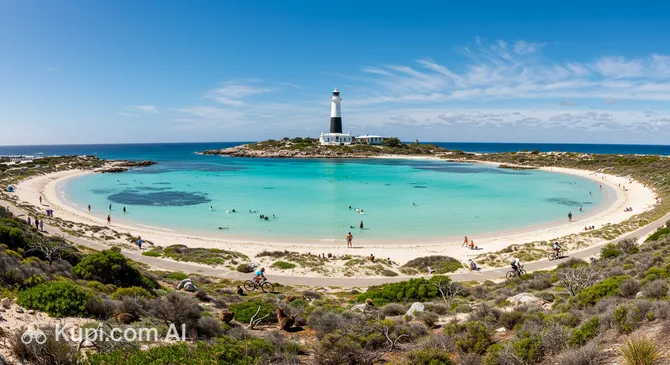
Rottnest Island. Illustration.
Source: Kupi.com AI

The main magnets for tourists on Rottnest Island are undoubtedly its magnificent beaches and secluded bays, perfect for swimming, snorkeling, and diving. However, perhaps the island's most famous "attraction" is its charming inhabitants—quokkas. These friendly marsupials, resembling small kangaroos, have become a true symbol of Rottnest and invariably bring a smile to all visitors.

If you dream of an unforgettable holiday in the heart of untouched nature, want to see amazing marine life, snorkel in the transparent waters of the Indian Ocean, or simply enjoy walks along scenic trails, Rottnest Island will be a true discovery for you. It is a wonderful place for family vacations, romantic getaways, or active outdoor recreation.

You can find more interesting facts on the Rottnest Island history page
Weather Overview

The climate on Rottnest Island is ideal for visiting almost year-round, offering guests warm, dry summer months and mild, wetter winters. Here you can enjoy a large number of sunny days, especially during the summer period.

Summer, particularly in January and February, is characterized by an average temperature of about 23-24°C (with highs up to 28°C) and minimal rainfall, often not exceeding 1 mm per month, with only 1-2 rainy days. Winter, from June to August, is cooler, with average temperatures around 14-15°C (lows around 12°C), and is the wettest season with about 4 mm of precipitation and 12-17 rainy days per month. Overall, on Rottnest Island, expect a very warm and predominantly dry summer, and a mild winter with occasional rainfall.

For a more detailed look at weather conditions by month, including information on water temperature and the number of rainy days, visit the Rottnest Island Climate page.

Average monthly temperature

Average monthly precipitation

Interesting Facts

Rottnest Island is more than just paradise beaches and the charming quokkas you’ve likely seen in photos. This amazing island off the coast of Australia holds many curious stories and facts. Ready to learn a bit more about it?

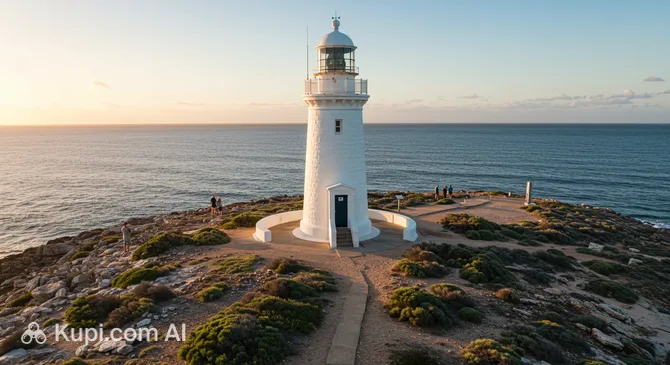
Wadjemup Lighthouse. Illustration.
Source: Kupi.com AI

Traveler photos:

  • An Unexpected Name: Did you know that "Rottnest" translates from Dutch as "rat's nest"? The first European explorers in the 17th century mistook the local quokkas for giant rats and gave the island this rather unflattering name.

  • Quokka Capital of the World: Those "rats" turned out to be friendly marsupials—quokkas—which today are the unofficial symbol of the island and true social media stars thanks to their signature "smile." Rottnest Island is one of the few places in the world where you can meet these unique animals in their natural habitat.

  • Historical Outpost: Beyond its natural beauty, the island has a significant historical past. In the 20th century, it served as an important defensive point. This is evidenced by preserved tunnels, gun emplacements, and, of course, the famous Wadjemup Lighthouse, which still guides ships to this day.

  • A Car-Free Zone: One of the main highlights of Rottnest Island is that there are almost no cars! The primary mode of transport is the bicycle. This allows visitors to fully enjoy the untouched nature, fresh air, and leisurely explore picturesque bays like Little Salmon Bay.

How to Get There

Getting to Rottnest Island, a gem off the coast of Western Australia, can be done in several ways; however, the most popular and convenient method for most tourists is flying to mainland Australia followed by a ferry crossing. There is no airport on Rottnest Island itself that handles scheduled commercial flights.

The main air transport hub for travelers heading to Rottnest Island is Perth Airport (PER). This is a major international airport serving the capital of Western Australia, Perth. The distance from Perth Airport to Rottnest Island is approximately 40.8 km. It is important to understand that this distance includes the land portion of the journey to the ferry terminal as well as the sea crossing itself. After arriving at Perth Airport, you will need to reach one of the ferry terminals—located in Fremantle (the most popular option), Hillarys Boat Harbour, or Perth City (Barrack Street Jetty). The trip from the airport to the Fremantle terminal usually takes 30-45 minutes by taxi or a dedicated shuttle bus. The ferry crossing to Rottnest Island takes between 30 and 45 minutes from Fremantle, and slightly longer from other departure points.

There is another, though less common, option for arriving in the region—Busselton Margaret River Airport (BQB). This regional airport is located in the town of Busselton, which is significantly further south, approximately 188 km from Rottnest Island. Busselton Airport mainly handles domestic flights and charters. The journey from here to the ferry terminals departing for Rottnest will be substantially longer and require additional ground transfer planning.

In addition to scheduled ferry services, Rottnest Island can also be reached by private yacht or boat if you have the means. For those seeking a faster or more exclusive way, air taxi services (helicopters or small planes) are available to take you to the island. However, the ferry remains the most accessible and frequently used mode of transport for visiting Rottnest Island.

For your convenience, here is a summary of the main airports used to reach mainland Australia before traveling to Rottnest Island:

AirportPassenger trafficDistance
Perth Airport17.5 mln41 km
Busselton192 000188 km

Main Attractions

Rottnest Island, or simply "Rotto" as it is affectionately called by locals, is a true paradise off the coast of Western Australia, famous for its white beaches, turquoise waters, and, of course, the charming quokkas. Beyond these cute marsupials, the island offers many interesting places to explore.

Wadjemup Lighthouse. Illustration.
Source: Kupi.com AI

Traveler photos:

One of the island's main attractions is Wadjemup Lighthouse. This historic lighthouse, built in 1896, not only fulfills its navigational function but also offers visitors breathtaking panoramic views of the island and the Indian Ocean. Climbing to the top allows you to appreciate the beauty of Rottnest from a bird's-eye view. It is an excellent spot for photos and learning about the region's maritime history.

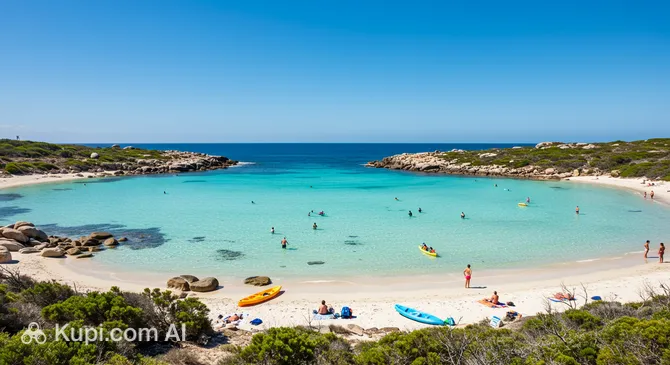
For fans of beach holidays and snorkeling, a visit to Little Salmon Bay is a must. This picturesque bay is famous for its calm, shallow waters, making it an ideal spot for snorkeling. The underwater world here is rich and diverse, with coral reefs and colorful fish waiting for explorers. Don't forget to bring your snorkeling gear!

Little Salmon Bay. Illustration.
Source: Kupi.com AI

Traveler photos:

To better plan your stay on the island and learn about all available activities, stop by the Rottnest Island Visitor Centre. Here you will find maps, brochures, information on bicycle rentals (the main mode of transport on the island), tours, and ferry schedules. The friendly staff is always ready to help with advice and answer your questions.

Rottnest Island Visitor Centre. Illustration.
Source: Kupi.com AI

Traveler photos:

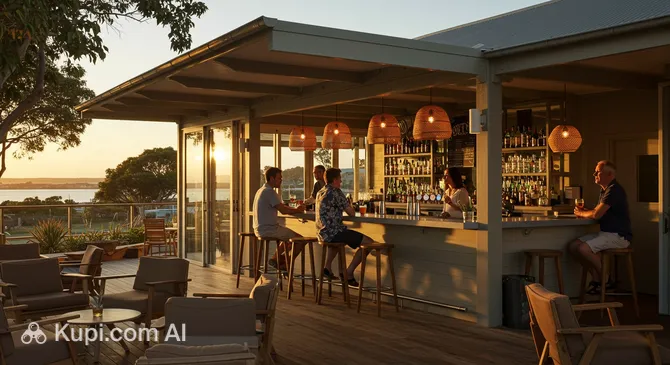
Another iconic spot is Hotel Rottnest. Housed in a building with a rich history—formerly the Governor's summer residence—it is now a popular place for relaxation and socializing. Here, you can not only stay overnight but also enjoy delicious food and drinks at the bar or restaurant overlooking Thomson Bay. It is a wonderful place to unwind after a busy day exploring the island.

Local Cuisine

The cuisine of Rottnest Island is a true reflection of its island location and proximity to the ocean. The main focus here is undoubtedly on the freshest seafood. Travelers can enjoy a wide variety of ocean treasures, from oysters and prawns to various types of fish and squid, prepared in many different ways.

Among the dishes that are a must-try are grilled fish, succulent prawns, and, of course, local oysters. Many establishments take pride in using local Australian herbs and spices, which give the dishes a unique flair. An integral part of the island's gastronomic culture is the outdoor barbecue—a popular activity for both tourists and locals, who often organize picnics on the numerous picturesque beaches.

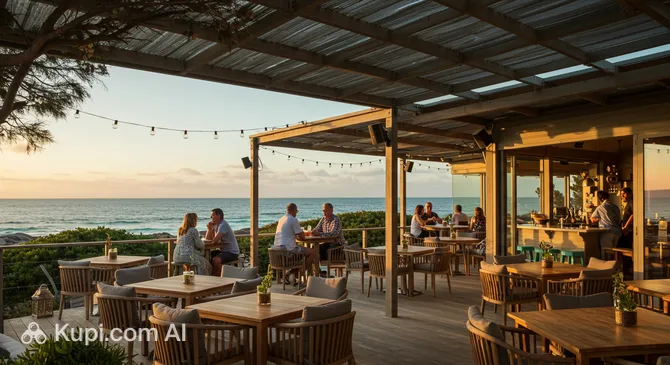
Rottnest Island has many options for dining. From cozy cafes offering fragrant pastries and light snacks to stylish restaurants with ocean views. For example, you can stop by Isola Bar e Cibo to appreciate dishes made from fresh ingredients in a pleasant setting, or visit the Frankie’s on Rotto restaurant, known for its pizza and pasta. Farmers' markets are also popular, where you can buy fresh fruits and vegetables grown in the region.

Isola Bar e Cibo. Illustration.
Source: Kupi.com AI

Traveler photos:

As for drinks, on a hot day, it is particularly pleasant to refresh yourself with natural juices or original cocktails offered by local bars such as Hotel Rottnest. Those with a sweet tooth should look out for desserts using tropical fruits and local honey. Of course, you can also find a good selection of Australian wines and craft beers, which perfectly complement a seafood meal.

The gastronomic scene of Rottnest Island attracts tourists with its freshness, variety, and relaxed atmosphere. The opportunity to enjoy first-class seafood right by the ocean, try dishes with unique Australian accents, and have a picnic on the beach makes the culinary experience on the island truly unforgettable. Throughout the year, various gastronomic events dedicated to maritime cuisine may also take place, providing another reason to visit.

Travel Tips

Welcome to Rottnest Island! To make your journey to this unique island as comfortable and memorable as possible, we have prepared some practical tips. By following them, you can avoid unpleasant surprises and fully enjoy the beauty and activities the island offers.

  1. Clothing and Essentials:

    The climate on Rottnest Island is Mediterranean, with warm, dry summers and mild, wet winters. In summer (December-February), bring light clothing made of natural fabrics, swimwear, a hat, sunglasses, and sunscreen with a high SPF. In spring and autumn, a windbreaker or light jacket will be useful. Even in summer, evenings can be cool, so a light sweater won't hurt. Be sure to bring comfortable shoes for walking and cycling. Don't forget an adapter for Australian power outlets (Type I).

  2. Transport on the Island:

    Rottnest Island is a car-free zone for private individuals. The main mode of transport is the bicycle, which can be rented on the island or brought with you on the ferry. The "Island Explorer" bus also runs on the island, following several routes and stopping at the main beaches and attractions. You can reach the island itself by ferry from Fremantle, Perth, or Hillarys Boat Harbour.

  3. Finance:

    The local currency is the Australian Dollar (AUD). Credit and debit cards (Visa, Mastercard) are accepted in most shops, cafes, and rental points. ATMs are available, but their number is limited, so it's better to carry some cash. Tipping in Australia is generally not mandatory but is always welcomed for good service (usually 10-15%). An approximate daily budget (excluding accommodation and ferry) could be 70-150 AUD, depending on your dining and entertainment plans.

  4. Health and Safety:

    There is a medical post (Rottnest Island Nursing Post) on the island for first aid. A pharmacy with basic medications is also available, but it's better to bring any necessary personal medications with you. The main hazards are the sun and dehydration, so drink plenty of water and use sunscreen. The island is generally very safe. The famous quokkas are friendly, but they are wild animals—do not feed them human food (it is harmful to them and prohibited) and do not try to pet them to avoid bites or scratches.

  5. Communication:

    The official language is English. Mobile connection and internet access (Wi-Fi) are available, but coverage can be uneven, especially on remote beaches. Wi-Fi is often provided in hotels and some cafes. You can purchase a local SIM card on the mainland before heading to the island if you plan to use mobile internet actively.

  6. Local Etiquette and Quokka Interaction:

    Australians are generally friendly and relaxed. Greetings are standard. The main rule on Rottnest Island is respect for nature and its inhabitants. It is strictly forbidden to feed quokkas and other wild animals, as this can harm their health and result in heavy fines. You can and should take photos of quokkas (the famous "quokka selfies"!), but do so from a distance without disturbing the animals.

  7. What to Avoid:

    In addition to feeding quokkas, avoid leaving litter on beaches and in the bush—use the bins provided. Do not try to touch or pick up quokkas or other wild animals. Also, do not stray from designated paths in certain protected areas to avoid damaging the island's fragile ecosystem.

  8. Extra Tip – Book in Advance:

    Rottnest Island is a very popular destination, especially on weekends, public holidays, and during school holidays. It is highly recommended to book ferries and accommodation on the island well in advance, sometimes several months ahead, to guarantee your spot.

We hope these tips help you plan an unforgettable trip to Rottnest Island. Enjoy the unique nature, crystal-clear waters, and, of course, meeting the charming quokkas!

Entertainment & Nightlife

Rottnest Island, known for its idyllic beaches and friendly quokkas, offers a quiet and relaxed atmosphere for evening leisure. You won't find noisy nightclubs open until dawn here, but you can enjoy a pleasant evening in cozy bars and restaurants, admiring the starry sky and listening to the sound of the waves.

Most of the island's evening life is concentrated around the main jetty and the Thomson Bay settlement. One of the popular spots for evening gatherings is Hotel Rottnest, which offers a classic pub atmosphere and a good selection of drinks and meals. Also worth considering are the restaurants that transform into pleasant dining spots in the evening, such as Isola Bar e Cibo with its Mediterranean cuisine or Frankie’s on Rotto, which serves pizza and other popular favorites. Many establishments feature outdoor terraces, perfect for warm evenings.

Hotel Rottnest. Illustration.
Source: Kupi.com AI

Traveler photos:

The atmosphere on the island in the evening is very casual. The dress code is generally relaxed—shorts and T-shirts are perfectly appropriate. Establishments usually stay open until late evening but not all night, as the island caters to family holidays and nature enjoyment. The crowd is mixed, ranging from families with children enjoying dinner to couples and groups of friends spending time over a glass of wine or beer.

When planning your evening, keep in mind that the choice of venues is limited, so during peak season, it is better to book tables at popular restaurants in advance. Prices are comparable to mainland Australia. You can get around the island at night on foot or by bicycle (don't forget a flashlight!). The island is considered very safe, but basic precautions should always be taken. There is no special night transport or traditional taxi service, as the island is primarily pedestrian and bicycle-oriented.

During the day, Rottnest Island offers plenty of activities: from exploring picturesque bays like Little Salmon Bay and visiting the historic Wadjemup Lighthouse to gathering information at the Rottnest Island Visitor Centre. These daytime adventures perfectly complement the calm and cozy evenings on the island.

Parks & Museums

Rottnest Island, or simply "Rotto" as the locals call it, is more than just an island with charming quokkas. It offers a unique combination of pristine nature, picturesque beaches, and a rich historical heritage that can be explored through its natural areas and cultural sites.

Although Rottnest Island itself is a Class A nature reserve, its coastline is dotted with many magnificent bays and beaches that serve as the main "green zones" for relaxation. One such gem is Little Salmon Bay, known for its calm waters perfect for swimming and snorkeling. Here you can enjoy crystal-clear water and observe marine life. The entire island is crisscrossed by a network of walking and cycling paths, allowing you to explore its diverse landscapes, from salt lakes to thickets of tea trees.

Regarding cultural heritage, the island's history is multifaceted and reflected in its attractions. A key role in introducing the island's past is played by the Rottnest Island Museum, located in an old mill and hay store building. The museum's exhibits tell the story of the island's geological formation, its Aboriginal heritage, the period of European colonization, its use as a prison, and its role during the Second World War. It is a great place to gain a deeper understanding of the complex history of this location.

One of the most iconic historical structures on the island is Wadjemup Lighthouse. Upon climbing it, tourists can enjoy breathtaking panoramic views of the island and the ocean, as well as learn about its importance for navigation. For up-to-date information, maps, and brochures, as well as to see some historical exhibits, it is worth visiting the Rottnest Island Visitor Centre, which often serves as the starting point for many excursions.

For a more authentic experience, turn off the main routes and explore the lesser-known trails. It is there, away from the busy beaches, that you can encounter quokkas in their natural habitat and discover secluded corners of the island that preserve peace and quiet. Also, keep an eye out for the old cottages and colonial-era buildings scattered across the island—they are silent witnesses to its rich history.

Getting Around

Rottnest Island offers a unique transport experience because the use of private cars is prohibited. This makes it an ideal place for a peaceful holiday and enjoying nature. The main ways to get around the island are bicycles and a special bus service.

The primary form of public transport on Rottnest Island is the Island Explorer bus. This service runs on a circular route covering the island's main beaches, bays, and attractions. Buses run regularly, allowing tourists to hop off at stops of interest and continue their journey later. This is an excellent option if you want to see as much as possible in a short time or if you do not plan to rent a bicycle.

To pay for travel on the Island Explorer bus, a Day Pass is usually offered, allowing for unlimited trips throughout the day. Tickets can be purchased at the Rottnest Island Visitor Centre upon arrival or in advance online, often as part of a ferry ticket package. Single-trip tickets are also available, but the Day Pass is generally better value for active island exploration.

Cycling is perhaps the most popular and authentic way to explore Rottnest Island. There are numerous bike rental points on the island offering various models, including children's bikes and electric bikes. The road network is well-developed and designed specifically for cyclists, making trips safe and pleasant. You can rent a bike directly on the island or bring your own on the ferry (for an additional fee).

Since Rottnest Island is an island, it can only be reached by water. Ferries regularly depart from Fremantle, Perth (Barrack Street Jetty), and Hillarys Boat Harbour. Although this is transport to the island rather than around it, it is important to consider this when planning your trip. Taxis and car-sharing services in the traditional sense do not exist on the island due to the absence of private cars.

Practical tips for tourists: plan your route in advance, especially if you have limited time. If you intend to use the Island Explorer bus, check its schedule at the Visitor Centre or on the official website. For cyclists, it is recommended to bring water, sunscreen, and a hat, as some sections of the routes may have little shade. Regardless of your chosen mode of transport, Rottnest Island will provide an unforgettable experience with its unique transportation system focused on sustainability and leisurely enjoyment of its beauty.

Accommodation

When planning a trip to Rottnest Island, it is important to arrange accommodation in advance as the island is a popular holiday destination with limited options. You will find various types of accommodation here, from basic campsites and modest cabins to more comfortable cottages and hotel rooms. Most of the accommodation consists of self-catering apartments, which are convenient for family holidays or long stays.

Most accommodation options are concentrated in a few key areas. Thomson Bay is the island's main hub, home to the ferry jetty, shops, and essential amenities. Other popular areas include Geordie Bay and Longreach Bay, which offer a more secluded atmosphere and picturesque views. The choice of area depends on your preferences: proximity to infrastructure or the desire to enjoy peace and nature.

Hotel Rottnest. Illustration.
Source: Kupi.com AI

Traveler photos:

Notable accommodation options include Hotel Rottnest, which offers comfortable rooms and a convenient location. In addition to hotels, the island features a wide range of cottages, chalets, and villas managed by the Rottnest Island Authority. There are also budget-friendly options, including campsites and a hostel.

Key booking tip: Accommodation on Rottnest Island must be booked well in advance, especially if your trip coincides with peak season (summer months, school holidays, or weekends). Demand is very high, and popular options are often booked out many months ahead. Sometimes a lottery system is used for bookings during the most sought-after periods.

Prices range from budget options to more expensive luxury offerings, depending on the type of accommodation, its location, and the season. The primary way to book most cottages and villas is through the official Rottnest Island Authority website. Hotels and some other private options can be booked through their own websites or popular online booking platforms.

Nearby Cities

For those looking to explore the surrounding area, Rottnest Island serves as an excellent starting point for day trips to several interesting nearby locations. Especially popular are short trips to historic Fremantle, known for its colonial architecture and lively port atmosphere, as well as to dynamic Perth, the capital of Western Australia, which offers a rich cultural program, parks, and modern entertainment. Below is information about some of these cities:

CityPopulationDistance
Fremantle30 00021 km
Perth2 141 83431 km
Perth33 km
Kwinana20 08635 km
Welshpool38 km

These nearby destinations allow for a more complete understanding of the diverse culture, history, and natural landscapes of Western Australia.

Shopping & Souvenirs

Shopping on Rottnest Island is more about the opportunity to purchase essentials, memorable souvenirs, and beach gear than a full-fledged shopping trip in the traditional sense. The island is famous for its nature and unique quokkas, so most souvenirs are related to these cute animals and the picturesque landscapes.

The main retail outlets are concentrated in the area of the main settlement, Thomson Bay, near the ferry jetty. Here you will find several shops where you can buy groceries, drinks, sunscreen, hats, and souvenir products. There are no specialized shopping streets or large commercial districts on the island; the atmosphere here is very relaxed and leisure-oriented.

You won't find large shopping malls in the style of mainland cities on Rottnest Island. Shopping here is represented by small shops and stalls that meet the basic needs of tourists and offer keepsakes of the island.

There are no permanent large markets, whether food or flea markets, on Rottnest Island. Occasionally, small fairs featuring local artisans may be held, but this is more of an exception than a rule. The main place to buy souvenirs and goods is the Rottnest Island Visitor Centre, which offers a good selection of memorabilia.

As souvenirs from Rottnest Island, tourists most often bring home: adorable quokka toys, T-shirts and other clothing featuring them, magnets, postcards with views of the island, products by local craftsmen (if you can find them), and nautical-themed items. Don't forget to check the shops at major attractions, such as near Wadjemup Lighthouse, where themed souvenirs may also be sold.

Shop opening hours on Rottnest Island are usually limited and can vary depending on the season. Most of them are open during the day, catering to the flow of tourists from the ferries. Both Australian Dollars (AUD) in cash and bank cards are accepted—this is the most common method of payment in Australia.

For international tourists in Australia, there is a Goods and Services Tax (GST) refund system known as the Tourist Refund Scheme (TRS). If you make purchases of a certain amount at a single store, you may be eligible for a tax refund when leaving the country. Check the details and conditions of the TRS program directly at the shops or at the airport before your flight.

Reached the end of the page?

That means the route is fully explored