Support

Bunbury

About

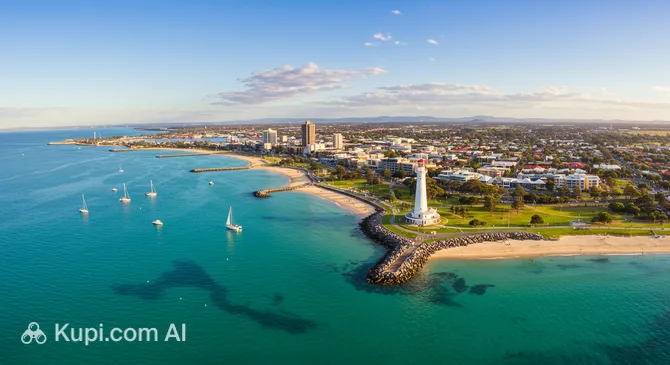
Bunbury is a dynamic and welcoming city located on the picturesque shores of the Indian Ocean, approximately a two-hour drive south of Perth. As the third largest settlement in the state of Western Australia, it harmoniously combines developed urban infrastructure with a relaxed seaside resort atmosphere, offering travelers the perfect balance between civilization and nature.

The city's geographical position is unique: it sits at the mouth of the Collie River, surrounded by lush green parks and endless sandy beaches. The climate here is mild and Mediterranean, making a stay comfortable almost year-round. With a population of about 71,000 people, Bunbury is an important cultural and commercial hub for the region, attracting tourists traveling through the amazing country of Australia.

The city does not stand still, constantly evolving while carefully preserving the memory of its past. To learn how it transformed from a small settlement into a thriving port and modern center, explore the rich history of Bunbury. Today, its streets feature both historic buildings and stylish modern cafes, shops, and art galleries.
Bunbury. Illustration.
Source: Kupi.com AI

One of the main features attracting guests here is the incredible proximity to wildlife. Bunbury is often called the "city of dolphins" because you can observe these friendly mammals right by the shore or during a boat trip. Additionally, the city is famous for its water sports opportunities, scenic promenade, and cozy picnic spots.

Bunbury is a place where everyone will find something for themselves, whether it's a relaxing beach holiday, gastronomic discoveries, or an encounter with local fauna. Come here to enjoy the fresh sea air, warm sun, and the genuine hospitality of the local residents.

Weather Overview

Weather:

The climate in this corner of Western Australia is of the Mediterranean type, providing comfortable conditions for travelers almost year-round. Summer here, which lasts from December to February, delights with warmth and plenty of sunshine. During this period, the average temperature is about 22°C, and at the height of the day, the air warms up to 26.9°C. Rainfall in summer is a rarity (0 mm), so nothing will interfere with your beach holiday.

Winter months (June, July, August) bring coolness and humidity. This is the rainiest time of year: for example, in July, up to 17 days with precipitation are recorded, and the average temperature drops to 13.6°C. However, there's no need to fear extreme cold — even at night, the thermometer rarely falls below 10-11°C. Spring and autumn are mild transitional seasons when nature comes alive and the air temperature becomes ideal for long walks.

When planning your wardrobe, consider the seasonality: expect a warm and dry summer, and a cool, wet winter. To choose the perfect dates for your trip, check out the detailed information about the climate of Bunbury before booking your tickets. For swimming and sunbathing, it's best to visit from December to March, while the spring months are excellent for excursions and meeting the local fauna.

Average monthly temperature

Average monthly precipitation

Interesting Facts

Beyond its main attractions, Bunbury holds many fascinating secrets and unique features revealed only to inquisitive travelers. Here are a few facts that will help you see this city from a new perspective:
  • "Dolphin Capital". Bunbury bears the unofficial title of the dolphin capital of Western Australia. A population of wild bottlenose dolphins, which are completely unafraid of humans, lives in the waters of Koombana Bay year-round. They often swim right up to the shore or accompany boats, and the hub for interaction with these intelligent animals is the Dolphin Discovery Centre.

  • Traces of Ancient Volcanoes. On the city's coast lies a unique geological formation — Wyallup-Rocky Point. These black basalt rocks are solidified lava, a reminder of volcanic activity that occurred here millions of years ago, which is quite rare for this part of the continent.

  • Maritime Heritage. The city's history as an important port began back in 1836. The maritime past permeates all the architecture of the area: old warehouses and lighthouses stand alongside modern buildings. The best view of the harbor and ocean, just like in the old days, can be found by climbing to the Marlston Hill Lookout.

  • Beach Gallery. Bunbury is famous for its creative initiatives, one of which is the annual sand sculpture festival. During this time, the city's beaches turn into a real open-air museum where artists create fantastic and large-scale figures from sand.

Marlston Hill Lookout. Illustration.
Source: Kupi.com AI

Traveler photos:

How to Get There

Bunbury is conveniently located just a two-hour drive south of the state capital, making it easily accessible for tourists. Since the city itself does not have a major passenger air hub, travelers usually fly into neighboring cities and then continue by land. You can study more about how to get to Bunbury to choose the most suitable route.

The main gateway for most guests is Perth Airport (IATA: PER). It is located in Perth, about 157 km from Bunbury. This is the largest international airport in Western Australia, receiving flights from all over the world. The drive from here to Bunbury by rental car or taxi takes about 2 hours on a modern highway.

An alternative option could be the regional airport Busselton (IATA: BQB), located in the city of Busselton. It is much closer — only 46 km from the center of Bunbury. Travel time by car is about 40–50 minutes. This airport serves fewer flights but can be convenient for those traveling domestically.

For clarity, here is a summary of the main airports in the region:

AirportPassenger trafficDistance
Busselton192 00046 km
Perth Airport17.5 mln157 km
Albany Airport60 000269 km

After arriving at Perth Airport, many tourists choose to travel by train or bus. The famous Australind train runs between Perth and Bunbury twice a day; the trip takes about 2.5 hours and allows you to enjoy scenic views. Regular bus services are also available, connecting the city with other settlements in the region. For those who prefer independence, the best choice is to rent a car and drive along the scenic Forrest Highway.

Main Attractions

Bunbury is famous for its harmonious blend of natural beauty and urban amenities. The city's main attractions are linked to the ocean and unique Australian fauna, making it an ideal destination for ecotourism enthusiasts and family vacations. Here is a list of places you should definitely include in your travel itinerary.

The absolute symbol of the city is the Dolphin Discovery Centre. This unique facility, located on the shores of Koombana Bay, offers tourists a rare opportunity to interact with wild bottlenose dolphins in their natural environment. The center is involved not only in entertaining guests but also in scientific research and marine conservation. Visitors can wade into the water to see dolphins at arm's length or go on an eco-cruise. Inside the building, there is also an interactive exhibition and aquariums showcasing the region's rich underwater world.

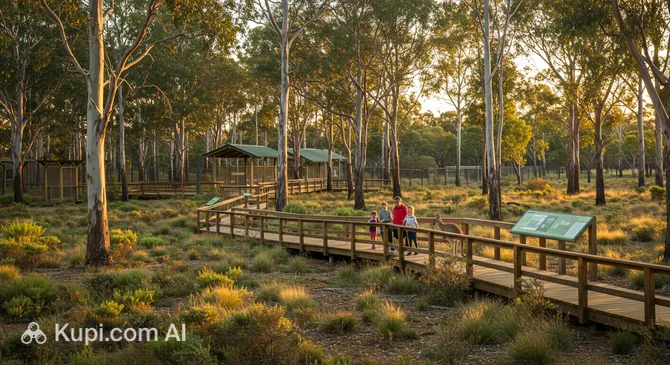
For those who want to meet the continent's land dwellers, the Bunbury Wildlife Park opens its doors. This cozy, green space is where you can hand-feed kangaroos and see wombats, echidnas, and many colorful Australian parrots. The park is perfect for families with children, as it has a relaxed atmosphere, and animals are kept in spacious enclosures that closely mimic their natural conditions.

Bunbury Wildlife Park. Illustration.
Source: Kupi.com AI

Traveler photos:

To appreciate the city's beauty from above, head to the Marlston Hill Lookout. Built on the site of an old lighthouse, it offers breathtaking 360-degree panoramic views. From here, the Indian Ocean, harbor, beaches, and the city itself are visible as if in the palm of your hand. It's the best place to watch the sunset or take spectacular photos as a souvenir of your trip.

Fans of geology and unusual landscapes should visit Wyallup-Rocky Point. This site is sacred to the local Aboriginal people and features impressive basalt rock formations created from ancient volcanic lava. The contrast of black rocks, white sand, and turquoise waves creates an incredibly picturesque scene. It's a pleasant spot for a picnic on the grass while watching the power of the ocean or strolling along the coastal paths.

Local Cuisine

The gastronomic scene of Bunbury is a vivid reflection of Western Australia's generous nature. Thanks to its coastal location and proximity to fertile agricultural lands, the local cuisine places its main emphasis on the exceptional freshness of products. Here, food culture is closely intertwined with a relaxed lifestyle: breakfasts in cozy cafes seamlessly turn into brunches, and dinners often take place to the sound of ocean waves overlooking the sunset.

The foundation of the local menu is, undoubtedly, seafood. Travelers should definitely try the fresh seafood that the Indian Ocean is rich in: juicy oysters, mussels, famous local prawns, and tender barramundi fillets. The most popular and affordable dish remains a classic portion of "fish & chips". This simple yet incredibly tasty treat is usually bought as a takeaway and eaten right on the beach, enjoying the sea breeze.

The region surrounding the city is famous for its farms, so there is always plenty of seasonal fruit, artisanal cheeses, and honey on the tables. To experience the atmosphere of Australian hospitality and try dishes made from local ingredients, visit Benesse Bunbury. This establishment perfectly captures the spirit of the local coffee culture, offering excellent breakfasts and lunches that locals love.

Benesse Bunbury. Illustration.
Source: Kupi.com AI

Traveler photos:

For a taste of street food and homemade delicacies, the Bunbury Farmers Market is perfect. It's not just a place to buy food, but a real landmark where you can taste traditional Australian meat pies, sweet scones, and desserts with macadamia nuts and lime. The market is the heart of the city's gastronomic life, where farmers personally offer their best goods.

As for drinks, Bunbury is the gateway to a well-known wine region. Restaurant menus feature excellent varieties of white and red wine from nearby vineyards. Beer lovers won't be bored either: craft brewing is thriving here, and local bars offer interesting seasonal ales that are a great addition to a hearty dinner.

Travel Tips

A trip to Bunbury promises to be comfortable and memorable if you prepare in advance for the peculiarities of this cozy coastal city in Western Australia. We have gathered a selection of up-to-date recommendations for you that will help avoid minor organizational issues and allow you to focus entirely on your ocean holiday.

  1. Wardrobe and sun protection. The climate here is mild, but the Australian sun is extremely intense. Even on cloudy days, be sure to use sunscreen with SPF 50+, wear a hat, and sunglasses. In summer (December–February), clothing should be light and breathable, but in winter (June–August), a windbreaker and umbrella will come in handy due to frequent rains. Don't forget a power adapter (Type I), as local sockets differ from European ones.
  2. Transport freedom. Although the city center is compact and pedestrian-friendly, for trips to remote beaches or wineries, it's better to rent a car. Public transport (buses) runs strictly on schedule, which may not be very frequent in the evenings and on weekends. Taxi apps like Uber work reliably, but for complete independence, a car is indispensable.
  3. Financial matters. The currency is the Australian Dollar (AUD). In Bunbury, cards (Visa, Mastercard) are accepted almost everywhere, from restaurants to market stalls, so carrying large amounts of cash is not necessary. ATMs are easy to find in shopping centers. Tipping is not mandatory, but rounding up the bill or adding 10% for excellent service in a cafe will be appreciated.
  4. Water safety and health. Only swim at beaches patrolled by lifesavers (between the red and yellow flags), as there can be strong currents in the ocean. Pharmacies usually close around 5:30 PM, so have a basic set of necessary medications with you. Tap water in Bunbury is safe to drink and is of high quality. The emergency number is 000.
  5. Connectivity and internet. For navigation and communication, it's most cost-effective to buy a local SIM card (Telstra, Optus, or Vodafone) at a supermarket or mobile phone store immediately upon arrival. Free Wi-Fi is available in many cafes, the library, and the city center, but mobile internet will provide a stable connection during trips around the region.
  6. Local etiquette. Australians are very friendly and value politeness. It's customary to greet the driver when boarding a bus and thank them when getting off. In queues (at bus stops, at checkout), strict order is maintained — an attempt to jump ahead will be considered rude. Communication here is informal and relaxed; using first names is common even when meeting for the first time.
  7. What to avoid. Categorically do not feed wild animals (including dolphins and birds) human food outside of specially organized programs — this harms their health and is punishable by fines. It is also strictly forbidden to light fires in unauthorized places due to the high threat of bushfires, especially during the summer period.
  8. Early operating hours. Keep in mind that life in the city slows down quite early. Most shops close by 5:00 PM, with the exception of Thursday — "late-night shopping" day, when shopping centers stay open until 9:00 PM. Plan your shopping in advance so you don't find yourself in front of closed doors.

By following these simple tips, you can easily settle into Bunbury's leisurely pace of life ("no worries," as the locals say) and get the most out of your trip. May your journey be filled with bright impressions, a warm ocean breeze, and the genuine smiles of Western Australians!

Entertainment & Nightlife

Nightlife in Bunbury is characterized by a relaxed and friendly atmosphere typical of Western Australian coastal towns. You won't find loud metropolitan clubs open until dawn here, but the city offers an excellent choice of venues for a pleasant evening. The epicenter of evening activity is the so-called "Cappuccino Strip" on Victoria Street (Victoria Street) and the Marlston Waterfront area (Marlston Waterfront), where most bars, pubs, and restaurants are concentrated.

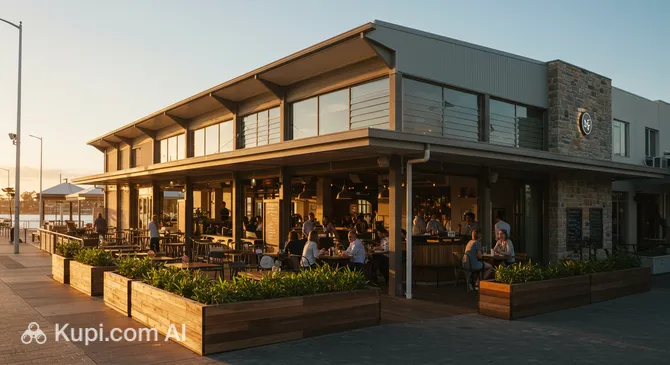
Craft beer lovers and live music fans should definitely check out Froth Craft Brewery Bunbury. This place quickly became popular thanks to its stylish interior, a wide selection of fresh house-brewed beers, and regular performances by local bands. The atmosphere here is casual and fun, making it perfect for starting an evening with friends.

Froth Craft Brewery Bunbury. Illustration.
Source: Kupi.com AI

Traveler photos:

If you prefer a more sophisticated setting with a good wine list and signature cocktails, look into Mojo's Kitchen, Bar & Bottleshop. This venue, located on Victoria Street, is famous for its cozy courtyard and high-quality cuisine. A stylish crowd often gathers here to enjoy a dinner that seamlessly transitions into a drink tasting. The dress code in most places is "smart casual," but beachwear is generally not accepted in the evenings.

For those who want to experience the spirit of a classic Australian pub, the Highway Hotel opens its doors. This is a traditional meeting spot for locals where you can watch sports broadcasts, play billiards, and simply chat over a pint of beer. Live music often plays here on weekends, creating a lively and relaxed atmosphere.

The city's cultural life also doesn't stop at sundown. The Bunbury Regional Entertainment Centre (BREC) regularly hosts touring theater companies, comedy shows, and concerts. Movie buffs can head to Grand Cinemas to catch the latest global releases. This is a great alternative to bars for those seeking a quieter leisure activity.

Practical tips: Nightlife in Bunbury usually ends earlier than in major capital cities. Most bars close around midnight or 1 AM, even on weekends. The city center and the waterfront area are considered safe for evening strolls, and the streets are well-lit. To return to your hotel, it is best to use a taxi or the Uber app, as public transport does not run at night. The average price for a cocktail in a bar is 18–22 AUD, and a pint of beer is 10–14 AUD.

Parks & Museums

Bunbury offers travelers not only magnificent beaches but also a rich cultural program combined with picturesque green areas. The city harmoniously combines natural landscapes with modern art spaces, allowing you to alternate relaxed walks in the fresh air with an exciting immersion into the region's history and art.

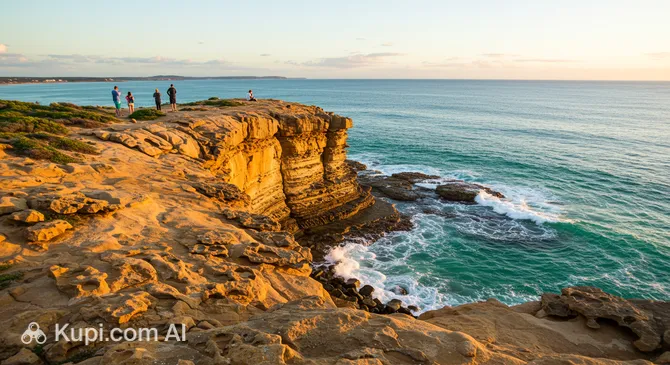
Among the natural attractions, Wyallup-Rocky Point holds a special place. This is a unique geological area with outcrops of ancient basalt rocks formed from volcanic lava. The park is perfect for evening walks: there are convenient paths, green lawns for picnics, and the view of the ocean sunset is considered one of the best in the city. Tourists come here to admire the contrast of the black rocks and the turquoise waters of the Indian Ocean.

Wyalup Rocky Point. Illustration.
Source: Kupi.com AI

Traveler photos:

For a family holiday and an introduction to Australian fauna, the Bunbury Wildlife Park is ideal. It's not just a zoo, but a cozy natural oasis within the city where you can feed kangaroos and interact with colorful free-flying parrots. Another important green area is the district around the Marlston Hill Lookout. Climbing here through a well-maintained park will give you a panoramic view of the harbor and the city, which is especially impressive for photographers and lovers of beautiful landscapes.

The city's main cultural and educational center is rightly considered the Dolphin Discovery Centre. Although this place is primarily known for the chance to meet marine inhabitants, a magnificent interactive museum operates inside. Exhibits with aquariums and multimedia screens tell the story of the region's marine ecosystem, making the visit educational for both children and adults.

Art lovers should check out the Bunbury Regional Art Gallery (BRAG). It is located in a historic pink building of a former convent, which is an architectural landmark in its own right. The gallery is famous for its exhibitions of contemporary Australian art and works by Indigenous artists. To dive into the past, visit the Bunbury Museum and Heritage Centre, located in an old boys' school building, which houses artifacts related to port history and shipwrecks.

Insider tip: Be sure to walk along the Leschenault Inlet promenade to the Mangrove Cove. This is a quiet and atmospheric place with wooden boardwalks through the southernmost mangroves in Western Australia, where you can watch birds in silence, away from the city bustle.

Getting Around

The public transport system in Bunbury is quite compact and is primarily represented by a bus network managed by the operator TransBunbury. There is no metro, trams, or trolleybuses in the city, which is typical for settlements of this size in this region. Buses connect the central business district with major residential suburbs, beaches, shopping centers, and hospitals. The route network covers most key locations, though service intervals may be longer than in large metropolises, especially on weekends.

Fares are paid in two main ways: cash to the driver or using a SmartRider transport card. If you plan to pay in cash, try to have small bills or coins with you, as the driver may not have change for large banknotes. Using a SmartRider card (the same one used in Perth) is not only more convenient but also cheaper, as it provides a discount on fares. You can purchase and top up the card at authorized retail outlets, often located in newsagents or at the main bus station.

Tourists should keep a few practical nuances in mind. Buses in Bunbury run on a schedule that can change depending on the day of the week; many routes end quite early in the evening (around 6:00–7:00 PM). The current schedule is best checked on the official TransRegional website or via navigation apps. For the bus to stop at your desired stop, you must signal the driver with your hand, and to get off, press the signal button in the cabin in advance.

For greater freedom of movement, many travelers prefer alternative modes of transport. Popular taxi services and ride-hailing apps (such as Uber) operate in the city, which is especially convenient in the evening. Given the flat terrain and scenic views along the coast, renting a bike is an excellent option. Recently, electric scooter rental (kicksharing) services have also been gaining popularity in Bunbury, with scooters found downtown and near popular attractions.

If you plan to travel outside the city or explore remote beaches and regional wineries, renting a car is the most rational solution. This will allow you to be independent of bus schedules and comfortably reach the most beautiful natural spots. However, a car is not necessary for walks through the historic center and the waterfront — most points of interest are within walking distance of each other.

Accommodation

Where to stay:

Accommodation options in Bunbury are as diverse as the city itself. Here you can find housing for every taste and budget: from budget-friendly hostels and caravan parks for road trip enthusiasts to comfortable motels and luxury apartments with ocean views. The city's hospitality infrastructure is well-developed, allowing tourists to choose the perfect base for exploring the region.

When choosing a place to stay, consider your plans. If you want to be in the heart of the action, choose hotels in the Central Business District (CBD) or near Victoria Street. This will provide walking distance to the best restaurants, shops, and nightlife venues. For those who dream of waking up to the sound of waves, the Marlston Waterfront (Marlston Waterfront) area or hotels along the ocean coast (Back Beach) are ideal. More modern apartment complexes and resort hotels are concentrated here.

Travelers with cars, who make up the majority in Western Australia, should look into classic motels and caravan parks located at the entrance to the city or slightly away from the center. They often offer free parking and more spacious rooms, which is convenient for families with children.

Booking tips:

  • Seasonality: The peak tourist season falls during the Australian summer (December–February) and school holidays. During this time, as well as at Easter, the demand for housing increases sharply. It is highly recommended to book rooms 2–3 months in advance.
  • Weekends: Since Bunbury is popular with Perth residents as a weekend destination, finding a vacancy on Friday and Saturday can be more difficult than on weekdays.

The price range varies from budget (hostels and tent sites) to high-end (luxury apartments and boutique hotels). Booking accommodation is easiest through major international online platforms, but it always makes sense to check the hotel's website directly — you can often find special offers or packages that include breakfast.

Nearby Cities

For those who want to explore the surroundings, Bunbury serves as an excellent starting point for day trips to several interesting nearby locations:

CityPopulationDistance
Australind14 53910 km
Busselton25 32945 km
Collie7 30048 km
Margaret River7 74588 km
Mandurah7 83788 km

Among the available destinations, Busselton, located just 45 minutes away, stands out. This resort town is famous for its historic Busselton Jetty — the longest wooden pier in the Southern Hemisphere, which extends nearly 2 kilometers into the ocean. Here you can walk over the waves, visit an underwater observatory, or simply enjoy a relaxing beach holiday in Geographe Bay.

A bit further north is the colorful port city of Fremantle. It attracts tourists with its beautifully preserved 19th-century architecture, famous weekend markets, and rich maritime history. A walk through its lively streets, filled with street performers and cozy coffee shops, will offer a completely different experience compared to the relaxed pace of Bunbury.

If you are up for a longer trip, it is worth visiting the state capital, Perth. The metropolis offers a rich cultural program, excellent shopping, and walks through the magnificent Kings Park, which offers panoramic views of the Swan River and the skyscrapers of the business district.

These nearby destinations provide an insight into the region's diverse culture and landscapes.

Shopping & Souvenirs

Shopping in the city of Bunbury is a pleasant combination of modern shopping malls and cozy boutiques with local flair. You won't find the hustle and bustle of huge metropolises here, but the range of goods is quite sufficient to satisfy the needs of any traveler. The city is famous not so much for high fashion as for quality local products, unique handicrafts, and a relaxed shopping atmosphere.

The heart of the city's trade is the Central Business District (CBD), especially Victoria Street (Victoria Street). A walk along it will delight lovers of small shops: there are clothing boutiques, home goods stores, bookshops, and jewelry salons. The historic architecture of the street and the abundance of cafes allow you to combine shopping with a pleasant break over a cup of coffee.

If you need major chain brands, electronics, or a large selection of clothing, head to the shopping centers. The largest and most popular complex in the region is Bunbury Forum. Here, dozens of shops, supermarkets, and a food court are gathered under one roof. Another important focal point is Bunbury Centrepoint Shopping Centre, located closer to the city center, which also offers an excellent selection of everyday goods and fashion.

The local markets deserve special attention and have become a real hallmark of the city. A must-visit for gourmets is the Bunbury Farmers Market. This is not just a place to buy food, but a real attraction where people come for the freshest fruits, vegetables, farm cheeses, homemade pastries, and prepared delicacies. There is an incredible atmosphere of abundance here, and leaving without a purchase is almost impossible.

As souvenirs from Bunbury, tourists often bring back locally produced items. The region is famous for its wines (the Geographe wine region is nearby), olive oil, and honey. Also popular are items made from jarrah wood, Aboriginal art, and, of course, souvenirs with dolphin symbols — the city's main mascots. It's best to look for unique gifts in small galleries downtown or at weekend markets.

Most shops are open from 9:00 AM to 5:00 PM or 5:30 PM on weekdays and Saturdays. On Sundays, many small shops may be closed or work on a reduced schedule (usually from 11:00 AM to 4:00 PM). Major supermarkets are open longer, often until 9:00 PM. The traditional day for "late-night shopping" is Thursday, when shopping centers are open until 9:00 PM. Bank cards (Visa, Mastercard) are accepted everywhere, and contactless payments have become the norm even in small kiosks.

Since Australia offers tourists a Goods and Services Tax (GST) refund system, you can use the Tourist Refund Scheme (TRS). If you have purchased goods totaling 300 AUD or more from a single store (can be across multiple receipts) no earlier than 60 days before your flight, you are entitled to a tax refund upon leaving the country. Be sure to keep the original tax invoices for presentation at the airport.

Reached the end of the page?

That means the route is fully explored