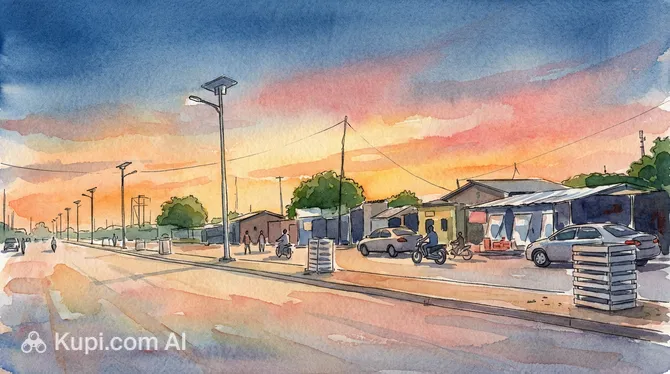
Banikoara is a vibrant city in northern Benin and the most important agricultural center of the Alibori Department. Founded in the 18th century, it is steeped in the atmosphere of authentic West Africa, where life flows at a measured pace, governed by natural cycles. It is home to more than 248,000 people, representing a rich ethnic diversity of the Bariba, Fulbe, Gourmantche, and Zarma peoples.
Banikoara. Illustration.
Source: Kupi.com AI
The unique history of Banikoara began with the settlement of legendary elephant hunter Bani Ganse, whose name forms the basis of the city's name. Today, this place rightfully holds the status of the country's "cotton capital," where endless plantations of "white gold" sit alongside fields of sorghum and maize. Due to its proximity to the border with Burkina Faso, the city has developed for centuries as a strategic hub at the intersection of trade caravan routes.
For the traveler, Banikoara reveals itself as an authentic corner free from mass tourism. Here, you can witness the daily life of the savanna, get acquainted with traditional crafts, and experience the hospitality of local communities. Visiting this city is a wonderful opportunity to see Benin as it truly is, beyond the usual tourist routes.
Weather Overview
The climate in Banikoara is characterized as tropical savanna, which implies consistently hot weather throughout the year. Temperature readings here often reach high levels: from March to May, the thermometer can rise to +40°C. In general, the weather is clearly divided into two seasons—dry and wet.
The dry period lasts from November to March, when there is virtually no rainfall, and the dry and dusty harmattan wind blows from the Sahara Desert. The first rains begin in April, peaking in August. When planning a visit, it is worth considering that the city's climate significantly affects the accessibility of roads in rural areas. Expect very hot summers with intense downpours and moderately hot, dry winters with cool nights.
Average monthly temperature
Average monthly precipitation
Interesting Facts
The city owes its name to a legendary elephant hunter named Bani Ganse; "Bani-koara" literally translates to "Bani's settlement."
The Banikoara commune is one of the most extensive in the country, occupying an impressive area of more than 4,300 square kilometers.
The city is recognized as a key center for cotton production in Benin, which defines the economic life of the entire northern region.
The city's cultural landscape is shaped by representatives of four major ethnic groups: Bariba, Fulbe, Gourmantche, and Zarma, each of which preserves its own dialect and customs.
Banikoara's history as an important trade hub on caravan routes spans more than three centuries.
How to Get There
The journey to Banikoara is an exciting route through the picturesque savannas of northern Benin. The primary way the city connects with the rest of the country is by land transport. Most tourists begin their journey from Cotonou, located about 550 kilometers to the south. A trip by intercity bus or taxi takes between 8 to 12 hours, depending on the road surface of the RNIE-3 highway and the heavy traffic of trucks transporting cotton.
Before planning your trip, it is recommended to check the latest information on how to get to Banikoara. Keep in mind that during the monsoon rains (from June to October), roads can be washed out, significantly increasing travel time. Land crossings are also possible from neighboring Burkina Faso, with the journey from the nearest border points taking about 2 to 4 hours.
Banikoara does not have its own airport. The nearest major air hubs are in Cotonou or Niamey (Niger), from where travelers transfer to buses or hire private transport. Within the region, motorcycle taxis (zémidjans) and transport trucks are used everywhere for short trips, connecting the city with surrounding villages and farms.
Station
Passenger traffic
Distance
Niamey railway station
6
246 km
Main Attractions
The city of Banikoara remains off the beaten tourist path, so there are no grand monuments or museums of national significance here. The main "attraction" of the city is its lively atmosphere and the Central Market. This is the heart of local life, where you can see caravans carrying cotton and grains and get a glimpse into the daily lives of several ethnic groups at once.
Of particular interest to explorers is the savanna nature surrounding the city. Boundless fields of cotton and sorghum create a unique agricultural landscape that changes dramatically depending on the season. Walks through the surrounding farms allow you to see traditional homesteads and encounter the distinctive architecture of local rural communities.
The administrative buildings of the commune and the old trade quarters are also worth noting as examples of regional construction. Although organized tours are not conducted here, an independent exploration of Banikoara's streets will allow you to feel the spirit of an important transit point, where every corner is linked to the history of old caravan routes and the development of Benin's cotton industry.
Local Cuisine
The gastronomic traditions of Banikoara are deeply rooted in the agricultural lifestyle of northern Benin. The basis of the local diet consists of grains—maize and sorghum. Be sure to try the traditional thick porridge called "tô," which is served with various sauces made from leaves or peanuts. A feature of the region is the active use of cottonseed oil in the preparation of meat and vegetable dishes.
For fans of unusual drinks, "choukou" is offered—a refreshing homemade sorghum beer that is an important part of the local social culture. Palm wine and freshly prepared tropical fruit juices are also popular in the city. The influence of various ethnicities adds diversity to the cuisine: from the meat dishes of the Fulbe herders to the grain-based recipes of the Bariba people.
Dining culture in Banikoara is centered around market stalls and small street eateries. There are no fine-dining restaurants here, but it is on the streets where you can taste the most authentic and fresh food. Dining in such a setting is the best way to get acquainted with local flavors and experience the true hospitality of the savanna dwellers.
Travel Tips
A trip to Banikoara is an immersion into the real African hinterland, which requires some preparation. These tips will help you feel more confident during your visit to this unique corner of Benin.
Clothing and Essentials: Choose lightweight cotton or linen clothing to better handle the heat. Be sure to bring a wide-brimmed hat, sunglasses, and comfortable closed-toe shoes—the roads in the city are often very dusty.
Transport: Use motorcycle taxis (zémidjans) to get around the city. Always agree on the fare before getting on the bike. For longer trips outside the commune, it is better to hire a car with a driver.
Finances: The official currency is the CFA franc. Credit cards are practically useless here, so keep a sufficient supply of cash with you. The nearest reliable ATMs are located in larger cities.
Health: An international certificate of vaccination against yellow fever is mandatory. Drink only bottled water and use insect repellents in the evenings.
Communication: The official language is French, but locals more often communicate in Bariba or Fulfulde. English is almost non-existent, so it is worth learning a few basic phrases in French for markets and cafes.
Etiquette: In Benin, politeness begins with a greeting. Always greet your interlocutor before getting down to business. When visiting rural areas, show respect to local elders.
What to Avoid: Do not photograph people, their homes, or administrative buildings without prior consent. Also, avoid walking in unlit rural areas after dark for safety reasons.
Additional Tip: Plan your visit taking into account the rainy season (June–October), as many dirt roads become difficult to traverse during this time.
May your journey to Banikoara be filled with interesting discoveries and kind encounters with the hospitable residents of the savanna!
Entertainment & Nightlife
Entertainment in Banikoara is predominantly traditional and quiet. Unlike larger cities, there are no nightclubs or loud bars in the usual sense. The city's evening life winds down quite early, and the main activity shifts to local community circles, where gatherings with traditional music and drumming are often organized.
Small street cafes and market squares remains the main centers of evening attraction, where locals gather to socialize over a cup of tea or a glass of local beer. The lack of developed entertainment infrastructure makes the city a quiet and cozy place for those seeking solitude and wanting to observe authentic life without filters.
Daytime entertainment can include attending colorful ethnic festivals, which are held irregularly and are usually timed to the end of the harvest or important religious dates. This is the best time to see Bariba folk dances and hear unique Fulbe melodies. For safety in the evening, it is recommended to use the services of trusted motorcycle taxis and avoid walking in unlit areas on the outskirts of the city.
Parks & Museums
If you expect to find classic museums with rich collections of artifacts in Banikoara, the city will offer you something different. There are no specialized museum buildings here; however, Banikoara itself is a living open-air museum. The cultural heritage of the local Bariba and Fulbe peoples is passed down through oral traditions, traditional music, and daily life, which can be observed on every street.
Organized city parks or squares are also absent in Banikoara, but their absence is more than compensated for by the beauty of the surrounding West African savanna. Endless expanses covered with agricultural land and occasional trees create a unique natural environment. It is an ideal place for those who want to see the region's flora in its natural state, without the intervention of landscape designers.
Open spaces around farms and market squares serve as public recreation areas here. Although greenery within the city limits is minimal, the savanna nature begins right outside the outskirts. This space gives a sense of freedom and allows you to touch the wilderness of Benin, which is a common part of daily life for the locals.
Getting Around
The transport system of Banikoara is as simple as possible and fully meets the needs of this agricultural region. The main means of getting around the city are motorcycle taxis, known as "zémidjans." This is the most maneuverable and affordable way to travel through dusty streets and between neighborhoods. The cost of a ride is usually low, but the price should be negotiated with the driver in advance, as there are no meters in these taxis.
To connect with surrounding villages and markets, locals often use "bush taxis"—trucks or minibuses that set off only when they are completely full of passengers. There are no regular bus routes, trolleybuses, or subways in the city, so all movement depends on private carriers. On major market days, the amount of transport on the roads increases, making travel more bustling.
Fares are paid exclusively in cash. During the rainy season, travel can be difficult due to washed-out dirt roads, so travelers should allow extra time for any trips. Renting a bike or bicycle from locals is a good alternative for those who want to independently explore the surroundings and the cotton fields that surround Banikoara.
Accommodation
The choice of accommodation options in Banikoara is quite limited and consists mainly of simple guesthouses and small pensions. These establishments cater more to trade representatives and transit travelers than to discerning tourists. Most of these places offer a basic set of amenities: a bed with a mosquito net, a fan, and shared or private bathrooms.
Main guesthouses are concentrated in the central part of the city, near markets and transport stands, which is convenient for those planning an early departure. The price range here is one of the most affordable in the region, with the cost of a night usually starting from 10–20 USD. Payment is accepted only in cash, and booking often happens on-site upon arrival.
For those who prefer a higher level of comfort, Banikoara can be an excellent destination for a day trip from larger cities such as Parakou. If you decide to stay overnight, it is recommended to consult with local guides in advance or contact the pensions directly to check availability, especially during the cotton harvest season when the city fills with visiting specialists.
Nearby Cities
The city of Banikoara serves as an excellent starting point for exploring the northern territories of the Alibori Department. Numerous authentic settlements are scattered around it, each reflecting the unique way of life of this agrarian region. Exploring the surroundings allows you to see the real Benin and learn about the traditions of the peoples inhabiting the savanna.
Just a few kilometers away is Gomparou, which is easily accessible by motorcycle taxi. It is also worth visiting the settlements of Toura and Goumori, known for their local markets. For those ready for longer trips, interesting destinations include Founougo or the remote Sonsoro, reached via a route passing through picturesque sorghum and cotton fields.
City
Population
Distance
Gomparou
12 934
6 km
Toura
13 110
9 km
Goumori
23 286
20 km
Founougo
30 527
23 km
Sonsoro
9 501
42 km
The region around Banikoara offers travelers a unique experience of immersion into rural African life. Visiting nearby towns allows you to see how trade routes intertwine, how farmers live, and how ancient traditions are preserved in a changing world.
Shopping & Souvenirs
Shopping in Banikoara is centered on the central market, which is the main trade hub of the region. There are no modern shopping centers here, but you will find everything necessary to get acquainted with local life. The market is where goods from all over the area converge: from fresh grains and spices to vibrant African fabrics.
Since the city is considered the "cotton capital," it is worth looking for cotton fabric products of local manufacture. As authentic souvenirs, you can purchase woven baskets and mats skillfully made by rural artisans. Traditional pottery and household items created in the ethnic style of the Bariba and Fulbe peoples can also be found at the market.
Trade is conducted primarily in cash using CFA francs. Shops and stalls operate during daylight hours, and at periodic fairs, you can catch the peak of trade activity and see caravans of goods. A walk through the trading rows of Banikoara is not just about buying things, but an opportunity to witness living trade traditions that have been preserved here for centuries.