Support

Ruínas Históricas da Cimba

About

Imagine a place where the power of an industrial past meets the serenity of tropical nature. The Simba Historical Ruins in the city of Araguaína are the remains of the region's first industrial company — Companhia Industrial e Mercantil da Bacia Amazônica. Today, these are not just brick walls, but the heart of Eco Parque Cimba, the first urban ecological park in this part of the country.

Located in Brazil, this attraction serves as a living reminder of an era when the area buzzed with the processing of cotton, rice, and unique babassu oil. The ruins have been carefully integrated into a modern recreational space, creating a unique architectural contrast.
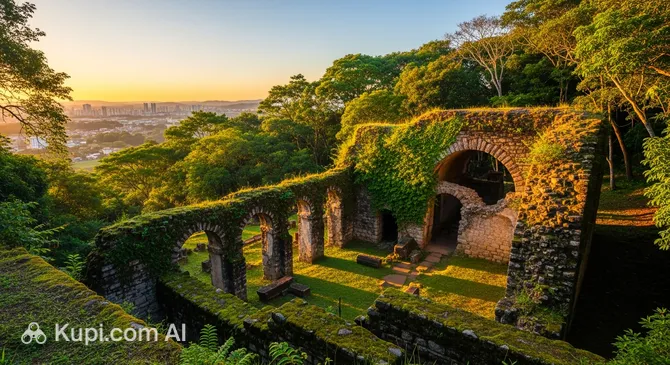
Cimba Historical Ruins
Cimba Historical Ruins. Иллюстрация. Источник: Kupi.com AI

Visitors appreciate this site for the opportunity to touch the history of northern Brazil's industrialization without leaving the comfort of a green zone. The Simba Ruins are recognized as a cultural heritage site, and although they are still awaiting full restoration, their authentic appearance attracts history buffs and lovers of unusual aesthetics.

Contacts

For those planning a visit to the historical ruins, it's helpful to have the exact coordinates of the site on hand. This historical landmark is located in the central part of the city and is easily recognizable thanks to its preserved industrial structures.

How to contactContact
AddressR Alfredo Nasser - St. Central, Araguaína - TO, 77824-550, Бразилия

What to Do

A stroll through Eco Parque Cimba is a great way to combine active recreation with cultural enrichment. Exploring the ruins themselves allows you to take impressive photos against the backdrop of massive brick structures that were once part of a huge factory. Industrial history enthusiasts can examine the surviving fragments of foundations and walls in detail, imagining the scale of production from the middle of the last century.

For those who love an active lifestyle, the conditions here are ideal: the park is equipped with paths for running and leisurely walks. Locals often come here for family picnics or outdoor birthday celebrations. Thanks to its picturesqueness, the site has become a popular venue for photoshoots and wedding ceremonies.

Additionally, significant city events are regularly held here, such as the Festival São João do Cerrado folk festival or the Via Sacra religious processions. If you're lucky enough to be here during festival days, you can enjoy local cuisine and see vibrant performances that fill the historical ruins with new energy.

Getting There

Getting to this iconic landmark is quite easy, as it is located at Rua Alfredo Nasser, Setor Central. Situated in the heart of the city, the Simba Historical Ruins are accessible on foot (if you are staying in the central districts) or by public transport.

Locals frequently use bus routes passing through the center, but the most convenient way for a tourist is by taxi or ride-sharing apps (such as Uber). If you are arriving from another region, keep in mind that Araguaína Airport is approximately 10 kilometers from the park, a 15–20 minute drive away.

For those driving, there are designated parking areas within Eco Parque Cimba itself. Google Maps navigation leads accurately to the main entrance, making logistics simple even for those visiting the state of Tocantins for the first time.

Ближайший город: Araguaína

History & Facts

The history of this site began on July 12, 1932, when the Ferreira brothers, known as the "Boa Sorte brothers," laid the foundation for a future industrial giant. Officially, the Cimba company began its operations in 1964, becoming the first major industrial enterprise in the northern part of the state of Goiás (which is now the territory of Tocantins). It was a true economic engine: processing timber, extracting babassu oil, producing soap, and processing cotton and rice.

At its peak, the factory was so significant that an entire residential sector grew around it for employees, and the company even had its own radio station. However, production was halted in 1974. The owners decided to shift their focus to cattle ranching, and tragic internal events, including the death of one of the owners, finally brought an end to the factory's operations.

For decades, the territory remained abandoned, turning into a wasteland. It wasn't until 2015 that city authorities initiated a large-scale project to transform the ruins into a public space. The official opening of Cimba Eco Park took place on July 12, 2019, cementing the old walls' status as an important part of the region's cultural and industrial heritage.

Time Needed

To leisurely explore the Simba Historical Ruins and enjoy the atmosphere of the surrounding park, most travelers need 1 to 2 hours. This is plenty of time to read the information boards, take atmospheric photos against the old walls, and walk through the shaded alleys.

If you plan to visit during a cultural festival or a sporting event, you should set aside half a day. On regular days, this spot is perfect for a short, educational stop as part of a city itinerary.

Working Hours

The park grounds and the historical ruins are open to the public daily. You can visit either early in the morning or late in the evening: the gates are open from 06:00 to 23:00 seven days a week.

Despite the consistent schedule, it is recommended to check the official city parks website or inquire at local tourist centers before your trip, as operating hours may change during major city festivals or maintenance work.

06:00–23:00

Nearby

A visit to the historical ruins can easily be combined with a stroll to other interesting locations in the city. Exploring the surroundings will help you better feel the rhythm of life in Araguaína and see how the modern city exists alongside its past.

Within a radius of a few kilometers, you will find cozy squares, entertainment centers, and popular local bars where you can relax after your tour.

NameDistance
Cimba Park0.2 km
Sacred Heart of Jesus Sanctuary0.8 km
Popular Shopping Araguaína0.9 km
Antigo Sabonete Bar1.2 km
Galpão Churrascaria1.2 km
Campelo Via Lago2.8 km
Via Lago3.1 km

Reached the end of the page?

That means the route is fully explored