Support

Boa Vista

About

Boa Vista stands out as a unique and modern destination in the northern Amazon region. As the capital of the state of Roraima in Brazil, it offers a distinct atmosphere characterized by wide avenues, lush green spaces, and a well-organized urban layout. Situated on the western bank of the Branco River, it holds the geographical distinction of being the only Brazilian state capital located entirely north of the equator, providing a tropical savanna climate that is generally drier than the surrounding rainforest areas.

The city is celebrated for its planned architecture, which was designed in a radial shape often compared to a fan or the streets of Paris. This thoughtful design directs traffic towards the Civic Center, creating a sense of order and spaciousness. Travelers interested in how this modern metropolis evolved from its origins as a cattle ranch can delve deeper into the history of Boa Vista to appreciate its cultural transformation.
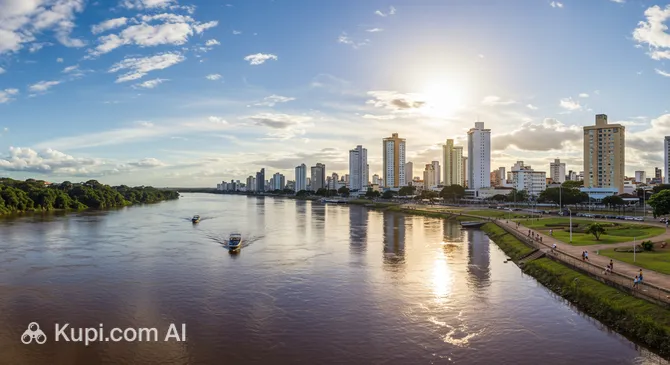
Boa Vista. Source: Kupi.Binoculars

For tourists, the city offers several delightful attractions. The Orla Taumanan is a massive suspended structure along the riverbank, hosting restaurants and bars where visitors can enjoy the breeze and stunning sunsets. Another favorite spot is the Praça das Águas, a vibrant square featuring illuminated musical fountains and ample space for leisure. Whether you are using the city as a gateway to the spectacular Mount Roraima or exploring its own charms, Boa Vista welcomes you with warmth and scenic beauty.
Weather Overview

Boa Vista experiences a tropical climate defined by consistent warmth and distinct seasonal changes in rainfall. Throughout the year, visitors can expect average temperatures to range comfortably between 26°C and 30°C. The city is generally hottest around March and October, when daily maximums often climb towards 34°C, while the nights remain pleasant with minimums rarely dropping below 23°C.

When planning your itinerary, it is helpful to note the clear difference between the wet and dry periods. The weather in Boa Vista shifts significantly from May to July, which marks the peak of the rainy season with frequent precipitation and up to 29 wet days in a single month. Conversely, the season from December to March is much drier, particularly in February, which typically sees only about 4 wet days, making it an ideal time for exploring the city's outdoor attractions.

Interesting Facts

Beyond the well-planned streets and scenic river views, Boa Vista holds several fascinating details and local legends that surprise many visitors.
Edileusa Lóz Lookout. Source: Kupi.Binoculars
  • The city is famous for hosting the "World's Largest Paçoca" during its annual Boa Vista Junina festival. This traditional dish, made from shredded beef and cassava flour, is prepared in a record-breaking portion that has exceeded one ton, serving thousands of locals and tourists in a massive communal celebration.

  • Standing prominently in the Civic Center is the Monument to the Garimpeiro, a tribute to the gold miners who flocked to the region in the 20th century. While the gold rush era brought complex challenges, this statue remains an iconic symbol of the state's economic history and the rugged determination of its early settlers.

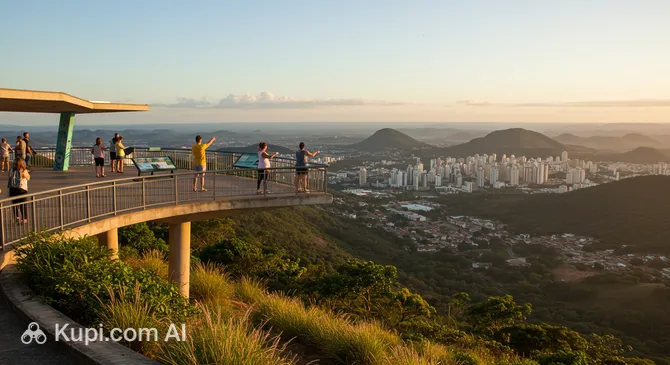
  • Boa Vista is home to the Edileusa Lóz Lookout, which stands as the tallest tourist observation point in Roraima. Located in the Rio Branco Park, this modern structure offers a stunning 360-degree panoramic view, allowing visitors to see the entire radial layout of the city meeting the Amazonian horizon.

  • Marking the turn of the century, the Millennium Portal is a distinct landmark situated at the entrance of the Civic Center avenues. It was inaugurated to commemorate the arrival of the year 2000 and serves as a symbolic gateway, often featured in postcards representing the city's modernization.

How to Get There

Reaching this northern capital is an adventure in itself, primarily facilitated by air travel due to its unique location in the Amazon region. For a comprehensive guide on planning your journey, you can read more about how to get to Boa Vista.

The primary gateway for visitors is Boa Vista Airport (IATA: BVB), also known as Atlas Brasil Cantanhede International Airport. It is conveniently situated within the city limits, making arrival quite straightforward. The airport handles a medium volume of passenger traffic, connecting Roraima to major Brazilian hubs like Brasília and Manaus. Since the terminal is located just 3.4 km from the city center, the transfer is quick; a taxi or shuttle ride typically takes approximately 10 minutes.

For clarity, here is a summary of the main airport:

Airport Name City Passenger Traffic Km from City
Boa Vista Airport Boa Vista Medium 3.4

Main Attractions

Boa Vista offers a delightful mix of modern urban planning and natural beauty, providing visitors with unique spaces to relax and explore. The city's attractions are designed to take advantage of the warm climate and the stunning backdrop of the Amazon region, making it a pleasant destination for sightseeing.

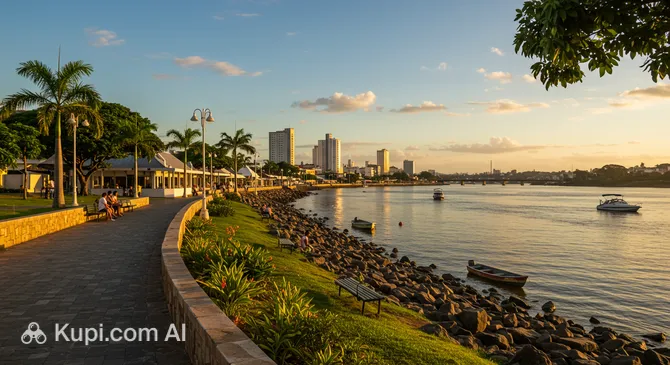
One of the most popular spots for both locals and tourists is the Taumanan Waterfront. This impressive structure is suspended over the banks of the Rio Branco and serves as a major leisure hub. It features two large platforms filled with kiosks, bars, and restaurants where you can enjoy local cuisine while listening to live music. It is undoubtedly the best place in the city to watch the sunset, as the open views of the river and the breeze create a truly magical atmosphere.

Taumanan Waterfront. Source: Kupi.Binoculars

For a breathtaking perspective of the city's famous radial layout, a visit to the Edileusa Lóz Lookout is essential. Located within the modern Parque do Rio Branco, this observation tower rises 120 meters above the ground. Adventure seekers will appreciate the glass-floored area at the top, which adds a thrill to the experience. From the observation deck, you can admire the meeting of the urban landscape with the vastness of the surrounding nature and the winding river.

Edileusa Lóz Lookout. Source: Kupi.Binoculars

Another significant landmark that defines the city's entrance is the Millennium Portal. Situated at the beginning of the Civic Center, this monument marks the transition into the 21st century and frames the long avenues that stretch through the heart of Boa Vista. It is a favorite stop for photographers looking to capture the symmetry and order that characterize the state capital's architecture.

Millennium Portal. Source: Kupi.Binoculars

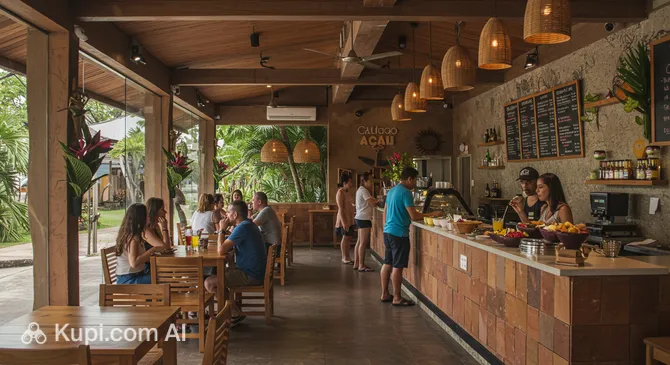
No trip to the Amazon region is complete without tasting the local flavors, and the Açaí Café is a great spot to indulge in this cultural staple. Açaí is more than just a fruit here; it is a vital part of the daily diet and local identity. Visitors can enjoy it in its traditional form or with various toppings, providing a refreshing break from the tropical heat while experiencing an authentic taste of Northern Brazil.

Açaí Café. Source: Kupi.Binoculars

Local Cuisine

Local Cuisine:

The culinary culture of Boa Vista is deeply rooted in indigenous traditions and the bounty of the Amazon rainforest. The cuisine here is distinct, utilizing ingredients like cassava, wild fish, and regional peppers to create bold flavors. A signature dish of the state is Damurida, a spicy fish soup prepared with tucupi (a yellow fermented cassava broth), chicory, and hot peppers. It is a dish that warms the palate and offers a true taste of Roraima's heritage.

Another culinary icon is Paçoca de Carne de Sol. Unlike the sweet peanut candy found in other parts of Brazil, this is a savory staple made from shredded sun-dried beef pounded with cassava flour. It is traditionally served with bananas and is so beloved that the city celebrates it with record-breaking servings during local festivals. Visitors should also try the grilled ribs of the Tambaqui, a large freshwater fish known for its tender, fatty meat and delicious flavor.

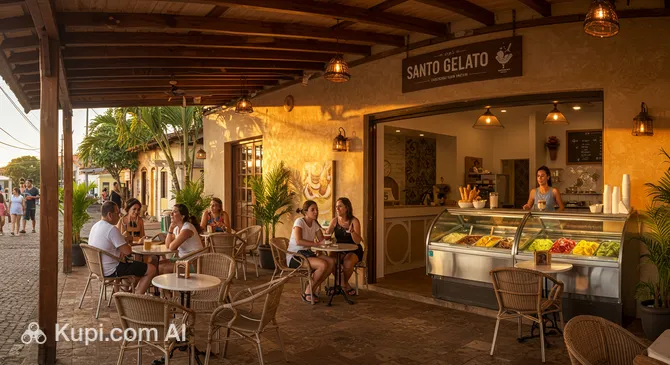
For those with a sweet tooth, the city offers excellent options to cool down. Santo Gelato is a charming spot to enjoy artisanal ice cream. Here, you can taste unique flavors derived from Amazonian fruits such as cupuaçu and buriti, making it a perfect stop for a refreshing break.

Santo Gelato. Source: Kupi.Binoculars

Travel Tips

Visiting Boa Vista is a gateway to the unique landscapes of the Northern Amazon, and a little preparation ensures a smooth and enjoyable experience. To help you navigate the city with ease and confidence, here is a curated list of practical advice for your journey.

  1. Clothing and Gear: Given the tropical climate, pack lightweight, breathable fabrics like cotton or linen to stay cool in the heat. A wide-brimmed hat, high-SPF sunscreen, and sunglasses are essential protections against the strong equatorial sun. Don't forget comfortable walking shoes for city tours and a light rain jacket if you are visiting during the wet season from May to August.

  2. Transportation: The city is well-planned with wide avenues, making it easy to navigate. While public buses are available, most tourists find ride-hailing apps and taxis to be the most convenient and affordable ways to get around. If you plan to explore the surrounding natural attractions or the state's interior, renting a car is highly recommended for flexibility.

  3. Finances: The official currency is the Brazilian Real (BRL). Credit and debit cards are widely accepted in hotels, restaurants, and shopping centers, but it is wise to carry some cash for street food vendors or smaller shops. ATMs are readily available, and it is customary to pay a 10% service charge which is usually included in restaurant bills.

  4. Health and Safety: Pharmacies are plentiful throughout the city, with major chains often open late or 24/7. While Boa Vista is generally peaceful, standard urban precautions apply: avoid walking in unlit areas at night and keep valuables secure. Crucially, always drink bottled or filtered water instead of tap water to prevent health issues.

  5. Communication: The primary language is Portuguese, and English is not widely spoken outside of major hotels and tourist agencies. It is very helpful to download a translation app and learn a few basic phrases like "Bom dia" (Good morning) and "Obrigado" (Thank you), as locals appreciate the effort.

  6. Local Etiquette: People in Brazil are generally warm and informal. Greetings often involve a firm handshake or, among friends, a kiss on the cheek. It is polite to greet shopkeepers or drivers when you enter their space, and patience is key, as the pace of life here can be more relaxed than in major metropolitan hubs.

  7. What to Avoid: Do not underestimate the midday sun; try to schedule strenuous outdoor activities for the early morning or late afternoon to avoid heat exhaustion. Additionally, avoid swimming in the river at undesignated spots, as currents and wildlife like stingrays can pose risks—stick to popular beaches like Praia Grande.

  8. Additional Tip: Take advantage of the Praia Grande during the dry season (roughly October to March). As the river level drops, large sandbars form across from the city center, creating a temporary beach that becomes a vibrant social hub for locals on weekends.

By keeping these practical tips in mind, you will be well-equipped to enjoy everything this sun-drenched capital has to offer. From its organized streets to its natural river beaches, Boa Vista is ready to provide you with a memorable and hassle-free adventure.

Entertainment & Nightlife

Entertainment in Boa Vista reflects the city's warm climate and relaxed culture, with the most vibrant activities taking place after the sun goes down. The nightlife here is characterized by open-air venues, live music, and social gatherings rather than intense clubbing. The atmosphere is generally casual and welcoming, with locals often enjoying the cooler evening hours outdoors with friends and family.

The main hub for nightlife is undoubtedly Avenida Ville Roy. This bustling avenue is lined with a variety of bars, steakhouses, and pubs that come alive at night. It is the perfect place to experience the local social scene, where you can find everything from quiet spots for a conversation to livelier venues playing sertanejo (Brazilian country music) and pop. Another key area is the Praça das Águas, which offers a more family-friendly environment but is equally spirited, often featuring illuminated fountains and food stalls.

For a truly scenic evening, the Taumanan Waterfront is the city's premier destination. Suspended over the Rio Branco, this complex hosts several kiosks and bars where visitors can sip on cold drinks while listening to live MPB (Música Popular Brasileira). The breeze from the river and the view of the illuminated bridge create a magical backdrop for a night out. It is a safe and popular spot for tourists to mingle with residents.

If you prefer a more laid-back evening focused on treats and conversation, Santo Gelato is an excellent choice. Open late, it provides a cozy atmosphere to enjoy artisanal desserts after dinner. Similarly, the Açaí Café is a favorite stop for a refreshing late-night snack, allowing you to experience the region's obsession with açaí in a comfortable setting.

Practical advice for enjoying Boa Vista at night includes dressing for the heat; casual attire like shorts and t-shirts is the norm even in most bars. The action typically starts later, around 9:00 PM, and can go on until the early morning on weekends. For safety, it is recommended to use taxis or ride-hailing apps when moving between districts at night, rather than walking long distances. While the main tourist areas like the waterfront are well-policed and safe, it is always wise to stay in populated zones.

While the focus is often on the night, daytime entertainment also has its charm. Visitors can explore the Teatro Municipal, a modern architectural landmark that occasionally hosts plays and concerts. For those interested in history and culture, the city's museums offer a glimpse into the heritage of Roraima, though outdoor activities in the parks remain the primary pastime until the evening cool sets in.

Parks & Museums

Boa Vista is widely recognized for its harmonious blend of urban planning and nature, offering visitors a variety of green spaces and cultural institutions that celebrate the region's heritage. The city’s design prioritizes quality of life, resulting in expansive parks and preserved areas that serve as the lungs of this Amazonian capital, alongside venues that preserve the history of Roraima.

The crown jewel of the city's green areas is undoubtedly the Parque do Rio Branco. As the largest tourist complex in Boa Vista, it transformed the banks of the river into a modern leisure hub. It features extensive walking paths, sports courts, and a massive water mirror. This park is also home to the iconic Edileusa Lóz Lookout, where visitors can ascend to get a bird's-eye view of the park's lush landscaping merging with the river.

Another essential stop for nature lovers is the Parque Anauá. Known as one of the largest urban parks in the Northern region of Brazil, it is a favorite recreational spot for locals. The park centers around a large lake and offers a kart track, skate park, and ample space for picnics. It frequently hosts major cultural events and festivals, making it a vibrant center of community life surrounded by native vegetation.

For a more immersive ecological experience, the Bosque dos Papagaios (Parrot Grove) is a must-visit. This ecological park functions as a sanctuary for local wildlife, particularly the region's colorful birds. Visitors can walk along trails surrounded by native trees and observe rescued animals such as macaws, toucans, and capybaras in a protected environment, offering a close encounter with Amazonian biodiversity within the city limits.

Culturally, the city preserves its history through several key sites. The Museu Integrado de Roraima is the state's primary institution for preserving local heritage, boasting collections that range from geology and botany to indigenous ethnography. Although it has undergone periods of renovation, it remains a vital reference point for understanding the diverse cultures and natural history that shape the state.

Architectural history can be explored at the Igreja Matriz Nossa Senhora do Carmo. As the first church built in the Rio Branco valley, it stands as a testament to the city's colonial origins. Its simple yet elegant architecture has been carefully restored, serving as a quiet reminder of the religious and social foundations of the early settlement.

For an authentic local experience, try visiting the Complexo Ayrton Senna in the late afternoon. This linear park stretches along the main avenues and is where the city comes alive with joggers, cyclists, and families. It is an excellent place to witness the local lifestyle and enjoy the open-air atmosphere that defines Boa Vista.

Getting Around

The public transport system in Boa Vista is relatively simple and easy to navigate, primarily relying on a network of urban buses and a unique shared taxi service. Unlike larger metropolises, the city does not have a metro or tram system. Instead, the wide, planned avenues facilitate a smooth flow of traffic, making road-based transport efficient. The bus fleet is modern, and importantly for travelers in this tropical climate, the majority of vehicles are equipped with air conditioning to provide relief from the heat.

A distinctive feature of getting around here is the Táxi-Lotação (shared taxi). These are standard sedan cars, usually white with a specific identification stripe or sign on the roof, that operate along fixed routes much like buses. They pick up and drop off passengers at designated bus stops or wherever it is safe along the route. This service is slightly more expensive than a regular bus ticket but offers a faster and more comfortable journey, bridging the gap between a private taxi and public transit. They are extremely popular with locals and are a great option if you want to get across town quickly without the cost of a private ride.

Regarding payment, the bus system utilizes an electronic ticketing card known as the Boa Vista CARD. While residents use rechargeable student or citizen cards, tourists can generally pay the fare in cash directly to the driver or conductor upon boarding. The fare is affordable, typically costing around a few Brazilian Reais per trip. For the Táxi-Lotação, payment is almost exclusively in cash, so it is advisable to carry small bills and coins if you plan to use this service. The drivers charge a fixed rate per person, regardless of the distance traveled along the route.

For those who prefer more direct transport, ride-hailing apps like Uber and 99 are fully operational and widely used throughout the city. They offer a convenient and often very reasonably priced alternative to public transport, especially at night or when traveling in groups. Conventional taxis are also available, particularly at the airport and major commercial centers, but using an app usually provides a fixed price upfront, which can be helpful for visitors unfamiliar with the distances.

Cycling is another viable option for the active traveler. Boa Vista is geologically flat and features an extensive network of cycle lanes (ciclovias) that connect various neighborhoods to the city center. However, practical advice for cyclists involves the weather: due to the intense equatorial sun, it is best to ride early in the morning or late in the afternoon. If you choose to walk or cycle, always carry water and wear sun protection.

Most bus lines converge at the Terminal José Campanha Wanderley, located in the city center. This is the main hub where you can transfer between lines. Public transport typically operates from around 5:30 AM until midnight. On weekends and holidays, the frequency of buses and shared taxis may decrease, so it is wise to check schedules in advance or rely on ride-sharing apps if you are out late.

Accommodation

Where to Stay:

Accommodation in Boa Vista caters primarily to business travelers and tourists exploring the Amazon region, offering a range of practical and comfortable options. The city does not typically feature ultra-luxury resorts; instead, visitors will find a solid selection of mid-range modern hotels, efficient budget chains, and family-run inns known as pousadas. The hospitality standards are generally high, reflecting the city's organized nature, with most establishments providing essential amenities like air conditioning—a must in the tropical heat—and Wi-Fi.

When choosing a location, the City Center (Centro) and the area around the Civic Center are the most strategic choices. Staying here places you within walking distance of the main administrative buildings, banks, and the famous radial avenues. This area is well-served by taxis and offers easy access to shops and restaurants. For those seeking a more scenic atmosphere, looking for accommodation near the Rio Branco banks is highly recommended. Being close to the riverfront allows for easy evening strolls to the leisure complexes and offers a chance to enjoy the cooling river breeze.

Prices in Boa Vista are generally affordable compared to major tourist hubs in southern Brazil. Budget travelers can find economical guesthouses, while mid-range hotels offer excellent value for money. Booking can be easily done through major online travel platforms, which is the most convenient method for international visitors. However, a helpful tip is to book well in advance if you plan to visit during June or July. This is when the city hosts the massive Boa Vista Junina festival, and occupancy rates skyrocket as tourists flock to the city for the celebrations.

Nearby Cities

For those looking to explore the surroundings, Boa Vista serves as an excellent base for day trips to several interesting nearby locations:

Amajari is a municipality located to the north of the capital, widely loved for the spectacular Serra do Tepequém. This plateau is an ecological paradise offering a cooler climate and stunning waterfalls, such as the Paiva and Barata falls. It is a favorite spot for trekking enthusiasts who want to explore the old diamond mining trails and enjoy panoramic views of the vast savanna.

Mucajaí, situated to the south, is another accessible town that attracts visitors with its natural beauty. It is home to the scenic Sete Quedas (Seven Falls) rapids, which provide a refreshing escape for swimming and nature walks. The town is also culturally significant for hosting a massive open-air staging of the Passion of Christ during the Easter season, drawing crowds from all over the state.

Lago do Robertinho offers a perfect leisure escape just a short drive from the city limits. While not a town, this private tourist complex is a premier day-trip destination featuring crystal-clear lagoon waters and white sandy beaches. With excellent infrastructure including restaurants and water sports equipment, it is the ideal place to relax and cool off from the tropical heat.

City Population Distance (km)
Manaus 2219580 661
Itacoatiara 97122 704
Manacapuru 94175 676
Iranduba 49011 677
Presidente Figueiredo 32812 544

These nearby destinations offer a glimpse into the diverse culture and landscapes of the region.

Shopping & Souvenirs

Shopping in Boa Vista offers a convenient blend of modern retail experiences and opportunities to discover unique regional handicrafts. While the city is not a massive global shopping hub, it provides everything a traveler needs, from air-conditioned malls to bustling commercial streets filled with local flavor. Whether you are looking for fashion, electronics, or a special memento from the Amazon, the city has well-structured options to explore.

For a comfortable shopping experience away from the tropical heat, visitors typically head to the city's major malls. Pátio Roraima Shopping and Roraima Garden Shopping are the two primary centers. Both offer a wide range of national and international brands, modern cinemas, and extensive food courts. They serve as popular meeting points for locals and are excellent places to find clothing, electronics, and travel essentials in a cool, modern setting.

Travelers looking for authentic souvenirs should focus on the region's rich indigenous heritage. The Centro de Artesanato e Turismo Velia Coutinho is a highlight for those seeking local art. Here, you can find beautiful ceramic pieces, woven baskets, and bio-jewelry made from Amazonian seeds and natural materials. These items reflect the cultural diversity of the state and make for meaningful gifts that directly support local artisans.

For a more bustling and traditional atmosphere, a walk down Avenida Jaime Brasil in the city center is recommended. This commercial artery is lined with a variety of smaller shops selling clothes, shoes, and fabrics at affordable prices. It is the vibrant heart of local commerce, where you can experience the daily rhythm of the city and perhaps find some regional food products, such as the famous bottled peppers or high-quality cassava flour.

Reached the end of the page?

That means the route is fully explored