Support

Bom Jesus da Lapa

About

Bom Jesus da Lapa is a true gem of Bahia state, nestled on the banks of the majestic São Francisco River in the heart of the Brazilian Sertão. This city in Brazil seems to grow out of rocky hills surrounded by green valleys and famous caves, giving it a special, mystical atmosphere.

With a population of about 70,000 residents, Bom Jesus da Lapa maintains the cozy feel of a provincial town while serving as an important religious and cultural center for the region. Every year, it attracts thousands of pilgrims and tourists, not only from across the country but also from abroad, thanks to its unique shrines, many of which are located inside caves.

Bom Jesus da Lapa. Illustration.
Source: Kupi.com AI

The city is known for its hospitality and friendly atmosphere. Besides the famous cave sanctuaries, Bom Jesus da Lapa offers visitors walks along the picturesque São Francisco River waterfront, where one can enjoy the cool breeze, and a chance to experience local life at colorful markets filled with fresh fruits and regional delicacies. The city streets are full of life, where the past and present coexist harmoniously.

If you are looking for a place with special energy where you can not only relax but also touch the authentic culture of Bahia and the Northeast, Bom Jesus da Lapa will be a real discovery and provide unforgettable impressions.

You can find more interesting facts on the history of Bom Jesus da Lapa page.
Weather Overview

The weather in Bom Jesus da Lapa is characterized by high temperatures throughout the year and a distinct dry season. The average annual temperature ranges from approximately 25°C in July (when minimums can drop to 19°C) to over 30°C in October, when the thermometer often climbs to 36°C. Generally, expect hot and predominantly dry weather, especially from May to September, when there is almost no rainfall. The wetter season lasts from November to April; during this time, the total amount of precipitation remains low, though the number of rainy days increases notably, ranging from 8 to 14 per month. Usually, these are light and brief showers.

To better prepare for your trip and find out current weather conditions, you can check the detailed weather forecast for Bom Jesus da Lapa.

Average monthly temperature

Average monthly precipitation

Interesting Facts

Beyond its main shrines, the city of Bom Jesus da Lapa holds many fascinating secrets and little-known details that make it truly unique. Here are just a few interesting facts:

Sanctuary of Bom Jesus da Lapa. Illustration.
Source: Kupi.com AI

Traveler photos:

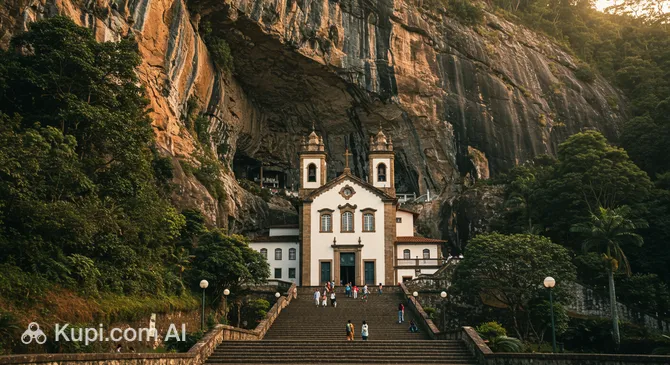
  • Bom Jesus da Lapa is often called the "Brazilian Lourdes." This is due to the famous Sanctuary of Bom Jesus da Lapa, which is carved directly into the rock. Every year, more than half a million pilgrims flock here to participate in the Festival of the Lord Jesus of Lapa—one of the largest religious celebrations in Brazil.

  • The city and its surroundings are known for numerous caves and grottos, such as the Gruta dos Milagres and Gruta de Belém mentioned in legends. Many stories of miraculous healings are associated with these natural formations, including the accessible Resurrection Cave, giving them a special aura of mystery.

  • Bom Jesus da Lapa is home to a small but very atmospheric museum—the Museu Do Santuário Do Bom Jesus Da Lapa. Here, visitors can dive deeper into the religious history of the region, see ancient relics, cult objects, and other unique exhibits related to local traditions.

  • The city is famous for its colorful street fairs and souvenir shops. There, you can find a variety of items made by local artisans: from wood carvings to vibrant textiles made in the best traditions of the state of Bahia, making them wonderful keepsakes.

How to Get There

When planning a trip to this important pilgrimage center in the state of Bahia, keep in mind that the city is located far from major metropolises. You can find out more details on how to get to Bom Jesus da Lapa to choose the most convenient route considering transfers.

Bom Jesus da Lapa itself does not have an active commercial airport for regular flights. The nearest major transport hub is Barreiras Airport (BRA), located in the city of Barreiras. It is approximately 216 km from Bom Jesus da Lapa. This is a regional airport receiving flights from state capitals and other large cities. The journey from the airport to your destination by taxi or rental car takes about 5.5–6 hours, depending on road conditions.

Another option, though less convenient due to distance and lower passenger traffic, is Coronel Horácio de Mattos Airport (LEC) in Lençóis. It is about 247 km from Bom Jesus da Lapa. This airport primarily serves tourism for the Chapada Diamantina region, and there are significantly fewer flights here. The drive from there takes over 6 hours.

For convenience, here is a summary of the main airports:

AirportPassenger trafficDistance
Barreiras Airport86 558216 km
Coronel Horacio de Mattos Airport6 000247 km

Rail service for passenger transport is not developed in this region of Brazil. It is impossible to reach Bom Jesus da Lapa by train, as there are no active passenger railway stations in the city or its surroundings. The main burden of transporting tourists and pilgrims falls on road transport.

Since there are no direct flights or trains, the final leg of the journey will always be by road. The city is well-integrated into the Bahia state bus network: comfortable intercity buses regularly arrive from Salvador, Brasília, Goiânia, and other major centers. During religious holidays, the number of trips increases to accommodate all those wishing to visit the famous sanctuary.

Main Attractions

Bom Jesus da Lapa, located in the state of Bahia, is primarily known as one of the largest pilgrimage centers in Brazil. The city attracts visitors with its unique natural and religious attractions, centered around an impressive cave complex.

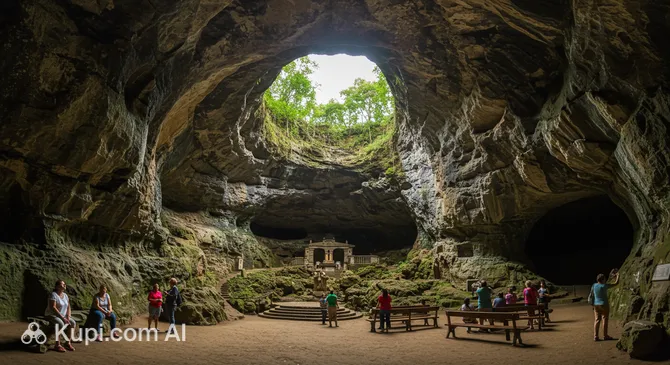
The crown jewel of the city is undoubtedly the Sanctuary of Bom Jesus da Lapa. This unique religious complex is located inside a massive limestone cave on the banks of the São Francisco River. Every year, thousands of pilgrims and tourists flock here to see this miracle of nature and faith, touch the relics, and enjoy the special atmosphere. Inside the cave, chapels and altars are arranged, creating a mystical and spiritual setting.

Sanctuary of Bom Jesus da Lapa. Illustration.
Source: Kupi.com AI

Traveler photos:

Near the main sanctuary lies the Resurrection Cave (Gruta da Ressurreição). This is another important site for pilgrims, complementing the spiritual experience of visiting Bom Jesus da Lapa. The cave impresses with its natural beauty and tranquility, offering visitors a secluded place for reflection and prayer.

Resurrection Grotto. Illustration.
Source: Kupi.com AI

Traveler photos:

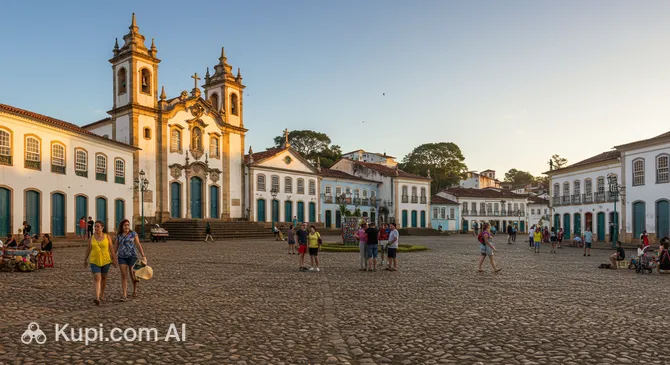
Faith Square (Praça da Fé) is an important public space in the city, often serving as a gathering point for religious events and festivals associated with the sanctuary. It is a great place to feel the spirit of the city and observe local life, especially during major pilgrimages when the square fills with believers from all over the country.

Square of Faith. Illustration.
Source: Kupi.com AI

Traveler photos:

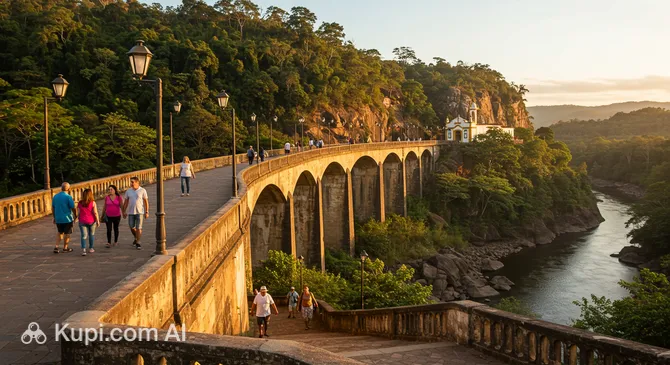
An iconic engineering feat and an important landmark is the Gercino Coelho Bridge (Ponte Gercino Coelho). This bridge crosses the mighty São Francisco River, connecting Bom Jesus da Lapa with a neighboring town. The bridge offers picturesque panoramic views of the river, the city, and the surrounding landscapes, making it a popular spot for walks and photography, especially at sunrise or sunset.

Gercino Coelho Bridge. Illustration.
Source: Kupi.com AI

Traveler photos:

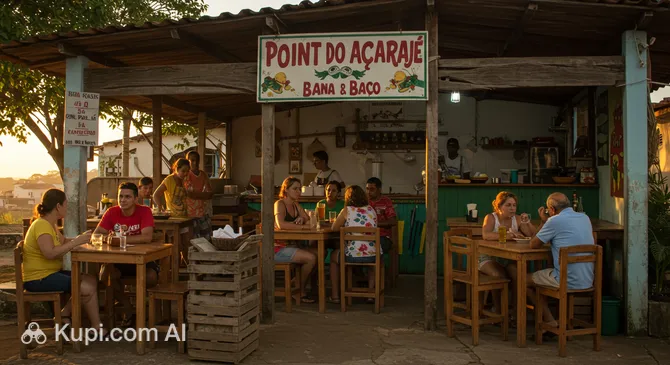
For those who want to experience the local cuisine, it is worth visiting Point do Acarajé. Here you can try acarajé – a popular Afro-Brazilian dish consisting of deep-fried black-eyed pea dough balls with various fillings. It's a great place to have a snack and taste the true flavors of Bahia.

Local Cuisine

The cuisine of Bom Jesus da Lapa is a vibrant reflection of Bahia's culinary traditions, absorbing African, Indigenous, and Portuguese influences. The city's gastronomic scene offers authentic flavors that can surprise even the most sophisticated gourmet. Fresh local products and centuries-old recipes passed down through generations are highly valued here.

Be sure to try the famous acarajé – delicious balls of black-eyed pea dough fried in dendê palm oil and stuffed with a spicy mixture of vatapá (a cream made from bread, shrimp, coconut milk, and other ingredients), caruru (an okra and shrimp dish), and salad. This dish is a true symbol of Bahian street food. Equally popular is moqueca – a fragrant fish or seafood stew simmered in coconut milk with palm oil, onions, tomatoes, peppers, and cilantro. Also look out for caruru as a standalone dish – a thick sauce made of okra, dried shrimp, cashews, and palm oil. Fish lovers will certainly enjoy fresh river fish from the São Francisco, especially fried catfish with aromatic herbs.

For a quick snack, tapioca crepes are perfect – they are made from cassava starch with various sweet or savory fillings right before your eyes. For drinks, refresh yourself with natural juices from exotic fruits, an invigorating guarana drink, or sweet sugarcane juice often sold by street vendors. Locals are also proud of their honey, cheeses, and coconut-based sweets found at farmers' markets.

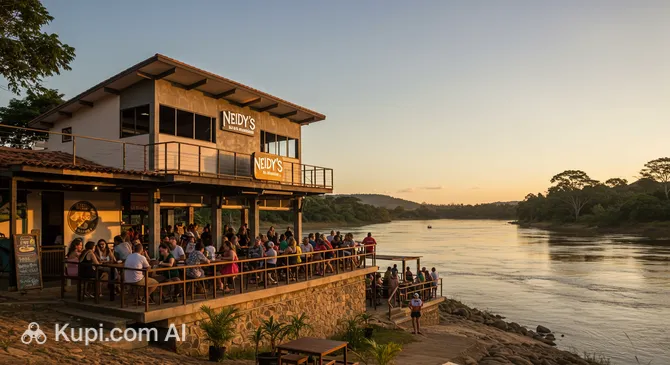
You can get to know the local cuisine in numerous small restaurants, cafes, and, of course, by trying street food, which is very popular here. One place to sample traditional acarajé is Point do Acarajé. Locals and tourists also frequently visit places like Bar and Restaurant Neidy, where you can enjoy both local specialties and general Brazilian cuisine. Don't pass by the lively markets – they are not just places to buy fresh produce, but an opportunity to immerse yourself in the authentic atmosphere of the city.

Point do Acarajé. Illustration.
Source: Kupi.com AI

Traveler photos:

Neidy's Bar and Restaurant. Illustration.
Source: Kupi.com AI

Traveler photos:

Throughout the year, Bom Jesus da Lapa also hosts gastronomic festivals, which are especially vibrant during religious holidays. This is a great opportunity to try many dishes in one place and feel the true spirit of Brazilian hospitality.

Travel Tips

Welcome to Bom Jesus da Lapa! To ensure your trip to this unique pilgrimage center in Brazil is as comfortable and memorable as possible, we have prepared some practical tips.

  1. Clothing and Essentials: The climate in the state of Bahia, where Bom Jesus da Lapa is located, is usually hot and humid. Bring light, breathable clothing made from natural fabrics. Don't forget sunscreen, a hat, sunglasses, and comfortable shoes for walking around the city and visiting the grotto sanctuary. Since this is an important religious site, choose modest clothing that covers shoulders and knees when visiting the Santuário do Bom Jesus da Lapa and other churches. A light sweater may also be useful for the evening or air-conditioned indoor spaces.

  2. City Transport: Bom Jesus da Lapa is a relatively small city, and many of its parts, especially around the sanctuary, can be explored on foot. For longer trips, local buses and taxis are available. Confirm the taxi fare in advance or make sure the driver turns on the meter. Renting a car might be unnecessary for getting around the city itself but could be useful if you plan to explore the surroundings.

  3. Finances: The local currency is the Brazilian Real (BRL). Credit and debit cards are accepted in many hotels, restaurants, and larger stores, but it is always useful to have some cash for small purchases, public transport fares, or at markets. ATMs (caixas eletrônicos) can be found in the city, but it is better to withdraw money from ATMs located inside bank branches. Tips in restaurants are usually 10% and are often already included in the bill as "serviço"; if not, leaving a tip is good etiquette.

  4. Health and Safety: There are pharmacies (farmácias) in the city. It is recommended to drink bottled water. As in any tourist spot, follow basic precautions: keep an eye on your belongings, especially in crowded places, and avoid showing off expensive jewelry or gadgets. At night, try to stick to well-lit and busy streets. Bom Jesus da Lapa is considered a fairly safe city, especially in the pilgrimage areas, but vigilance never hurts.

  5. Communication: The official language is Portuguese. English proficiency among the local population may not be high, especially outside the tourist infrastructure. Learning a few basic phrases in Portuguese, such as "Olá" (Hello), "Obrigado/Obrigada" (Thank you), "Por favor" (Please), "Quanto custa?" (How much does it cost?) — will significantly ease your communication. Wi-Fi is available in most hotels and some cafes. Consider buying a local SIM card for constant internet access.

  6. Local Etiquette: Brazilians are generally very friendly and open. Greetings usually involve a handshake, a smile, and eye contact. Address people politely. Given the city's religious significance, show respect for shrines, pilgrims, and local customs, especially when visiting the grotto and churches. Taking photos inside some religious sites may be prohibited or restricted—pay attention to signs.

  7. What to Avoid: Avoid openly displaying large amounts of money or expensive items to avoid attracting unnecessary attention. Also, avoid disrespectful behavior in religious places; remember that for many, this site has deep spiritual meaning.

  8. Special Tip — Romaria and the Grotto: Bom Jesus da Lapa is famous for its sanctuary located inside a huge limestone grotto (Morro da Lapa). This site attracts thousands of pilgrims, especially during the main pilgrimage—the Romaria (usually in July-August). If your trip coincides with this period, be prepared for large crowds and book your accommodation and transport in advance. Explore the grotto respectfully and slowly to appreciate its unique atmosphere and beauty.

We hope these tips help you better prepare for your trip and get the most out of your visit to the wonderful city of Bom Jesus da Lapa. We wish you an unforgettable experience!

Entertainment & Nightlife

Nightlife in Bom Jesus da Lapa offers guests a cozy and relaxed atmosphere, quite different from the hustle and bustle of major metropolises. Here you won't find massive nightclubs with world-famous DJs, but you can enjoy a pleasant evening in the company of friends or locals in traditional Brazilian bars and restaurants. Most evening activity is concentrated along the main streets and in the city center, where numerous establishments open after sunset.

The atmosphere in local bars and restaurants is predominantly friendly and casual. Many venues offer live music, especially on weekends, performing popular Brazilian rhythms such as samba or bossa nova. The crowd here is a mix of locals relaxing after work and pilgrims or tourists looking to experience the local culture. The dress code is generally casual; comfort is key. Most establishments stay open until late evening, though not necessarily all night, especially on weekdays.

Among the places to spend an evening, Bar and Restaurant Neidy is noteworthy, known for its pleasant setting and good selection of drinks and appetizers. Another popular spot is Point do Acarajé, where you can try traditional dishes from the Bahia region, including the famous acarajé, making it a perfect gastronomic addition to your evening.

Neidy's Bar and Restaurant. Illustration.
Source: Kupi.com AI

Traveler photos:

Practical tips: The best time to visit bars is after 8:00 PM when most patrons arrive. Average prices in Bom Jesus da Lapa establishments are quite moderate. You can get around the city at night by taxi; it is recommended to use official services, call through apps if available, or ask your hotel or restaurant staff to help call one. The city is generally considered safe, especially in the central areas, but standard precautions should always be taken: do not leave your belongings unattended and avoid poorly lit or deserted streets late at night.

Point do Acarajé. Illustration.
Source: Kupi.com AI

Traveler photos:

Regarding daytime entertainment, Bom Jesus da Lapa is primarily known as an important religious center. The main attraction is the Sanctuary of Bom Jesus da Lapa, located in a cave complex, which attracts pilgrims from all over Brazil. You can also visit the Resurrection Cave, stroll through Faith Square, or admire the Gercino Coelho Bridge. While the city may not have large theaters or traditional amusement parks, its unique atmosphere, cultural heritage, and natural beauty offer plenty of opportunities for an interesting day out.

Parks & Museums

Bom Jesus da Lapa offers its guests a unique combination of spiritual heritage and natural beauty. Instead of a multitude of traditional city parks, here you will find peaceful open-air shrines, and for exploring the rich history and culture of the city, there is a significant museum and its own historical sites.

The main natural and spiritual attraction is the Sanctuary of Bom Jesus da Lapa. It is not just a temple, but an entire complex located inside a massive limestone hill with numerous caves. Walking through its grottos, where chapels are nestled, is comparable to visiting a nature park filled with silence and special energy. Nearby is the Resurrection Cave, another site where nature and faith merge, offering visitors peace and a chance for contemplation. These places are ideal for those seeking tranquility and spiritual enrichment away from the city bustle.

Sanctuary of Bom Jesus da Lapa. Illustration.
Source: Kupi.com AI

Traveler photos:

For a deeper immersion into the city's history and spiritual significance, be sure to visit the Museum of the Sanctuary of Bom Jesus da Lapa (Museu Do Santuário Do Bom Jesus Da Lapa). Located within the sanctuary complex itself, this museum houses valuable relics, religious artifacts, historical documents, and photographs telling the centuries-old history of pilgrimage and the development of this unique place. The exhibition allows for a better understanding of the cultural heritage of Bom Jesus da Lapa. Additionally, the Sanctuary of Bom Jesus da Lapa itself, with its cave churches and atmosphere, continues to serve as a living open-air museum where every stone tells a story.

Resurrection Grotto. Illustration.
Source: Kupi.com AI

Traveler photos:

An important cultural and public space is Faith Square, located at the foot of the sanctuary hill. It is a gathering place for pilgrims and religious festivals, reflecting the city's spirit and its deep traditions. Iconic architectural objects also include the Gercino Coelho Bridge, crossing the São Francisco River. The bridge offers picturesque views of the river and its surroundings, serving not only as an important transport artery but also as a popular spot for walks and photography.

Gercino Coelho Bridge. Illustration.
Source: Kupi.com AI

Traveler photos:

To feel the authentic atmosphere of the city and get to know local life, stop by the small eateries and restaurants. For example, Point do Acarajé offers traditional Bahian cuisine, while at Bar and Restaurant Neidy, you can relax and observe the city's daily life while enjoying local drinks and snacks.

Getting Around

The main form of public transport in Bom Jesus da Lapa is city buses. They connect various districts of the city and its immediate surroundings. Given the size of Bom Jesus da Lapa, the bus network is likely not very extensive but covers key routes important for both residents and visitors.

The fare payment system on Bom Jesus da Lapa buses is generally quite simple. The most common method is paying with cash directly to the conductor or driver upon boarding. The use of specialized transport cards, reloadable passes, or mobile payment apps may be less common compared to large metropolises. The cost of a single trip is usually low, making the bus an affordable way to get around.

Tourists planning to use public transport in Bom Jesus da Lapa should keep a few practical points in mind. Information about routes and current bus schedules is best checked on the spot, for example, with hotel staff or locals, as online services may not always be detailed. Buses usually start running early in the morning and stop in the evening; on weekends and holidays, intervals may be longer. To board a bus at a stop, it is customary to signal the driver with your hand.

In addition to buses, alternative ways of moving around Bom Jesus da Lapa are available. One of the most common is the taxi. This is a more expensive but more comfortable option, especially convenient for traveling with luggage, at night, or for a group of passengers. Also, in cities of this size, mototaxi services are often available – this is a fast and relatively inexpensive way to get to your destination, especially for short distances, suitable for a single passenger. Car-sharing systems or widespread bike rentals are likely absent or very limited in Bom Jesus da Lapa.

Unique or specific types of transport, such as historical subways, tram lines, or cable cars, are not characteristic of Bom Jesus da Lapa. The city's transport infrastructure is geared toward meeting basic movement needs. When planning city trips by public transport, it is recommended to allow for a small time buffer, especially during peak hours or if you are unfamiliar with local routes.

Accommodation

In the city of Bom Jesus da Lapa, tourists can find various accommodation options to suit different budgets and preferences. Most options are small hotels, guest houses (pousadas), and apartments offering both basic and more comfortable living conditions. There are few luxury resorts here; the focus is on more affordable and authentic accommodation, reflecting the pilgrimage-oriented nature of the city.

The most popular and convenient areas for tourists to stay are those located in the immediate vicinity of the city's main attraction—the Sanctuary of Bom Jesus da Lapa. Staying here makes it easy to reach the shrines and other interesting sites, such as the Resurrection Cave or Faith Square. It is also worth considering options along the main streets where the city's infrastructure is concentrated.

Sanctuary of Bom Jesus da Lapa. Illustration.
Source: Kupi.com AI

Traveler photos:

Regarding price range, in Bom Jesus da Lapa you can find both budget options and mid-range hotels. Prices may vary depending on the season, especially during major religious holidays when the flow of pilgrims significantly increases. It is recommended to book accommodation in advance, especially if your trip coincides with peak dates. For searching and booking, it is convenient to use popular online platforms like Booking.com or Airbnb, or to contact hotels and pousadas directly if their contact information is available.

Nearby Cities

For those who want to explore the surroundings, Bom Jesus da Lapa serves as an excellent starting point for day trips to several interesting nearby locations:

CityPopulationDistance
Sitio do Mato13 32019 km
Riacho de Santana36 03966 km
Paratinga32 63667 km
Serra Dourada18 38980 km
Macaubas50 26283 km

These nearby destinations provide insight into the diverse culture and landscapes of the region.

Shopping & Souvenirs

Shopping in Bom Jesus da Lapa has its own unique characteristics, closely tied to its status as one of the main pilgrimage centers in Brazil. Here you won't find massive shopping malls or global brand boutiques, but you can immerse yourself in local traditions and purchase unique items, primarily religious in theme.

The main retail outlets and souvenir shops are concentrated around the city's main shrine—the Sanctuary of Bom Jesus da Lapa—as well as on adjacent streets and squares, such as Faith Square. This is where pilgrims and tourists look for keepsakes and religious objects. A stroll through these areas will reveal many small shops, kiosks, and street vendors.

Sanctuary of Bom Jesus da Lapa. Illustration.
Source: Kupi.com AI

Traveler photos:

There are no large modern shopping centers in Bom Jesus da Lapa. Shopping here is more intimate and traditional, catering to the specific needs of visitors. Instead of large complexes, you will find independent stores and small shopping galleries offering locally made goods.

The city may have local markets selling not only fresh produce but also handmade crafts and diverse religious paraphernalia. These markets often liven up the city atmosphere, especially during major religious festivals. Here you can find more authentic and affordable items and chat with the locals.

The primary souvenirs from Bom Jesus da Lapa are, of course, religious items: icons, statuettes of saints (especially Bom Jesus da Lapa), rosaries, crosses, candles, as well as images and miniature replicas of the Sanctuary itself. Additionally, you can find products from local artisans, traditional Bahian textiles, ceramics, or souvenirs made from natural materials. Occasionally, local sweets or spices are also available.

Shops in Bom Jesus da Lapa typically operate during standard daytime hours, but schedules can be more flexible during large pilgrimages and festivals, when trade may continue late into the evening. Regarding payment, cash (Brazilian reais) is the most common method, especially in small shops and markets. Some larger stores and hotels may accept credit cards, but it is always best to have some cash on hand.

Information on Tax-Free systems (VAT refund for tourists) for purchases in Bom Jesus da Lapa is likely irrelevant for most typical souvenirs. This system usually applies to more expensive goods intended for export from the country. If you plan on major purchases, it is worth checking the possibility of a tax refund directly at the store.

Nearby cities

Reached the end of the page?

That means the route is fully explored