Support

Holocaust Museum of Curitiba

About

The Holocaust Museum of Curitiba, located in Curitiba, Brazil, is one of the country's two significant memorial institutions dedicated to preserving the memory of the Holocaust. This museum plays a crucial role in public education, telling the story of the persecution and genocide of the Jewish people and other victims of Nazism during World War II.
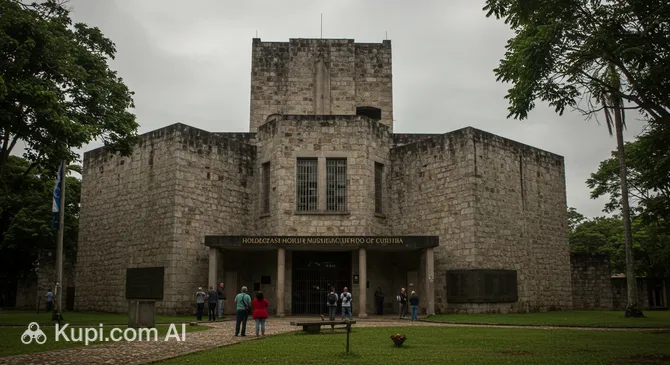
Holocaust Museum of Curitiba. Illustration.
Source: Kupi.com AI

Traveler photos:

Despite its compact size, the museum's exhibition is expertly organized and leaves a powerful impression. Visitors often note the modern approach to presenting historical material, including the use of interactive elements that make the visit more informative and memorable. Some compare it to a smaller version of the United States Holocaust Memorial Museum in Washington, highlighting the depth and thoughtfulness of the displays.

The primary goal of the Holocaust Museum in Curitiba is not only to honor the memory of the millions who perished but also to serve as an educational center that encourages reflection on the causes and consequences of genocide. It serves as a reminder of the importance of humanism, tolerance, and active resistance to all forms of discrimination and hatred. Visiting this site is an opportunity to connect with history and reflect on the lessons humanity must learn from the past.

Contacts

To find the latest contact details for the Holocaust Museum of Curitiba, such as phone numbers or email addresses, we recommend visiting the museum's official website or contacting local tourist information centers. The museum is located in Curitiba and can generally be reached by public transport or taxi; for the most accurate routes, it is best to check with local transport guides or online maps.

How to contactContact
AddressR. Cel. Agostinho Macedo, 248 - Bom Retiro, Curitiba - PR, 80520-100, Brazil
Phone number+55 41 3093-7461
Websitewww.museudoholocausto.org.br

What to Do

Visiting the Holocaust Museum of Curitiba is an opportunity to dive deep into the tragic events of the past and honor the victims. The museum invites visitors to explore an exhibition that tells the story of the Holocaust, using an interactive format to present historical materials. This makes the visit not only informative but engaging, allowing for a better understanding of the scale of the tragedy.

In the museum's halls, you can see authentic historical artifacts, photographs, and documentary evidence from that period. The exhibition details the fates of individuals who fell victim to the Holocaust, providing an opportunity to learn their stories and keep their memory alive. The museum strives to present information in a way that is accessible and understandable for a wide audience.

The Holocaust Museum of Curitiba fulfills an important educational mission. It serves as a place for preserving historical memory and fosters a tolerant attitude toward different cultures and peoples. A visit to the museum prompts reflection on the importance of humanism and the necessity of preventing such tragedies from happening again.

Getting There

The Holocaust Museum is located in Curitiba, the capital of the state of Paraná in Brazil. The city is famous for its well-planned and efficient public transport system, making it very convenient for tourists to get around. Therefore, reaching the museum is quite straightforward.

One of the most accessible ways to reach the Holocaust Museum of Curitiba is by city bus. Curitiba is known for its innovative bus network, so you can find a route that drops you off as close to the museum as possible. Additionally, taxis are always an option and are easy to find in any part of the city. A taxi ride from downtown Curitiba or from your hotel will be quick and comfortable.

Since Curitiba offers many interesting places to visit, it is recommended to plan your route in advance. You can combine your visit to the Holocaust Museum with a tour of other nearby attractions, optimizing your time and travel within the city.

Nearest city: Curitiba

History & Facts

Opening its doors in 2011, the Holocaust Museum of Curitiba was a landmark event for Brazil, as it was the country's first museum entirely dedicated to the memory of Holocaust victims and the history of the Jewish community. Its creation highlighted the commitment to preserving the memory of past tragedies and passing knowledge to future generations, becoming an important educational and cultural center.

This museum is an integral part of the rich cultural heritage of Curitiba—a city known for its multiculturalism and respect for diverse ethnic groups. Curitiba, which has welcomed many immigrants throughout its history, is proud of its memorials dedicated to different peoples, such as the Japanese Immigration Memorial. The Holocaust Museum fits perfectly into this cultural mosaic, representing a vital page of world history and serving as a reminder of the fragility of peace.

The museum's primary mission is not only to honor the memory of the millions of innocent lives lost during the Holocaust but also to serve as an educational center teaching the causes and consequences of this terrible tragedy. The exhibits are designed to provoke deep reflection and foster zero tolerance for xenophobia, racism, and discrimination, emphasizing the value of human life and mutual respect.

The significance of such initiatives in Brazil is further confirmed by plans to expand memorial activities. In 2019, plans were announced to create a second Holocaust Museum in the country. This demonstrates a growing awareness within Brazilian society of the importance of historical memory in preventing the recurrence of such tragedies in the future.

Time Needed

To thoughtfully and thoroughly experience the exhibits at the Holocaust Museum of Curitiba, visitors are generally recommended to set aside approximately 1-2 hours. This time is usually sufficient to explore the museum's main sections, review the materials—including interactive elements—and gain a comprehensive understanding of the tragic events the exhibition covers.

During this time, you can not only view the displayed artifacts and photographs but also engage with interactive displays and read the information panels, fully immersing yourself in the historical information presented. The Holocaust Museum of Curitiba addresses a very serious and important subject, so there is no need to rush. Allow yourself enough time to reflect on what you see and hear.

If you plan to delve deeper into specific aspects or want extra time for reflection, you might need a bit longer. However, for a standard introductory visit, 1-2 hours will be quite enough to form a complete impression of the Holocaust Museum of Curitiba and its vital mission.

Working Hours

To visit the Holocaust Museum of Curitiba, it is important to check the current operating schedule in advance. Generally, such memorial complexes have specific visiting hours that may vary by day of the week or season. We recommend checking the museum's official website or contacting the administration for the most accurate information on opening times, as well as whether pre-booking or online ticket purchases are required—a common practice to manage visitor flow and ensure a comfortable experience.

Since the Holocaust Museum is a significant cultural and educational site, planning your visit in advance will help you avoid any potential inconveniences. Check if guided tours are available in your language and if there are any specific visitor rules. These museums are typically open year-round but may be closed on public holidays or for technical reasons, so checking the information beforehand is always beneficial.

DayOpening hours
Monday8:30 – 11:30, 2:30 – 17:30
Tuesday8:30 – 11:30, 2:30 – 17:30
Wednesday8:30 – 11:30, 2:30 – 17:30
ThursdayClosed
Friday8:30 – 11:30
SaturdayClosed
Sunday9:00 – 12:00

Nearby

A visit to the Holocaust Museum of Curitiba undoubtedly leaves a profound impression. However, to make your trip to Curitiba even more enriching and multifaceted, it is worth taking time to explore its surroundings. Often, nearby sites—parks, plazas, cultural centers, or even cozy cafes—help you better understand the city's atmosphere and complete the overall picture.

Exploring the area around your main destination can reveal unexpected sides of Curitiba and lead to new discoveries. It is a wonderful opportunity to combine an educational experience with a pleasant stroll and an introduction to other interesting local spots.

NameDistance
Pope John Paul II Woods0.7 km
Bossa Bar0.7 km
Oscar Niemeyer Museum0.8 km
Mueller Shopping Mall1 km
Passeio Público1.2 km
Ruins of São Francisco1.4 km
Paranaense Museum1.4 km

Have you reached the end of the page?

So the route has been studied inside and out