Support

Gravata

About

Gravatá is a charming and cozy town located in northeastern Brazil, in the picturesque state of Pernambuco. It is nestled in an area where flat landscapes transition smoothly into rolling hills, creating a pleasing scene. Thanks to its favorable location between the region's major cities, Gravatá often becomes an attractive stop for travelers seeking to discover the authentic Brazilian countryside and its leisurely way of life.
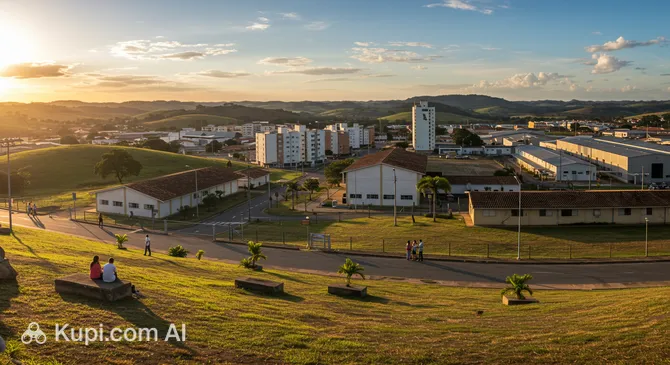
Gravatá. Illustration.
Source: Kupi.com AI

Gravatá has a population of approximately 76,458 people, making it a fairly prominent settlement for the Brazilian interior, yet the town has managed to maintain an atmosphere of almost family-like comfort. The climate here is mild and comfortable nearly year-round, and the abundance of surrounding greenery is a delight to the eyes. Gravatá is not just a point on a map, but a true center of local life with its own traditions, markets, and small cultural centers.

The town attracts visitors with its authenticity and tranquility. Among its features is the unique atmosphere of Brazilian hospitality and a measured pace of life. Here, you can enjoy the beauty of the surrounding nature, get acquainted with the local culture by visiting local churches or markets, and, of course, taste authentic Brazilian cuisine. The town is also known for its opportunities to escape the city bustle and immerse oneself in the original culture of the region.

If you want to take a break from the noise of the metropolises, enjoy nature, and feel the real Brazil from within, Gravatá will be an excellent choice for you. This town offers a unique opportunity to see life as it is, far from the popular tourist routes.

More interesting facts can be found on the history of Gravatá page.

Weather Overview

The climate in Gravatá is characterized by pleasant warmth throughout the year. Average temperatures typically range from 22.5°C in July to 26.0°C in February. Expect warm days with relatively low precipitation; the period from March to June can be slightly rainier (up to 4 mm of precipitation and up to 23 rainy days in March), while from August to December, the weather becomes noticeably drier (about 1 mm of precipitation and between 10 to 15 rainy days). For more detailed planning of your trip, check out the detailed weather forecast in Gravatá.

Average monthly temperature

Average monthly precipitation

Interesting Facts

Beyond its picturesque landscapes and welcoming atmosphere, Gravatá hides many curious details and stories that make this town truly special. Here are just a few little-known facts to help you see it from a new perspective:

  • The town's name, Gravatá, is believed to come from the name of a local plant that is not only found in the surrounding area but also used in traditional medicine.

  • In the past, Gravatá played an important role as a strategic point on the trade routes connecting the northeastern part of Brazil with the coast, serving as a kind of crossroads for merchants and travelers.

  • Residents of Gravatá are known for their passionate love of music and dance. The town often becomes a stage for festivals featuring traditional Brazilian music, and locals enjoy performing lively forró and samba.

  • Religious holidays, especially celebrations in honor of local saints, hold a special place in Gravatá's cultural life. During these days, the town is transformed: streets are decorated, fairs and concerts are held, creating an atmosphere of general joy and unity.

How to Get There

When planning a trip to this cozy town in the state of Pernambuco, it is important to think about logistics in advance. Gravatá is conveniently located relative to the state capital and other major centers, making a trip here quite comfortable. You can find all the ways to get to the city on a separate page, and below we will look at the main options for arriving through the nearest transport hubs.

Since the town of Gravatá does not have its own airport, the main hub for tourists is Recife/Guararapes–Gilberto Freyre International Airport (IATA: REC). It is located in the city of Recife, approximately 72 km from Gravatá. This is the region's largest airport with high passenger traffic, receiving many flights. The journey from the airport to Gravatá by car or bus takes about 2 hours and 10 minutes. This is the most popular and convenient route for most travelers.

An alternative option could be flying into Presidente João Suassuna Airport (IATA: CPV), located in the city of Campina Grande. The distance to Gravatá is about 109 km, and the travel time takes approximately 3 hours. While this airport is smaller and serves mainly regional flights, it may be convenient if you are planning a multi-stop itinerary. You can also consider Presidente Castro Pinto International Airport (IATA: JPA) in João Pessoa (135 km, about 3.5 hours away).

For clarity, here is a summary of the main airports located within reach:

AirportPassenger trafficDistance
Caruaru26 00050 km
Guararapes-Gilberto Freyre International Airport9.6 mln72 km
Joao Suassuna Airport260 000109 km
Presidente Castro Pinto International Airport1.6 mln135 km
Maceio-Zumbi dos Palmares International Airport2.7 mln146 km

As for rail connections, there is currently no active passenger railway station in Gravatá that tourists can use to arrive from other regions. The railway network in this part of Brazil is poorly developed and used primarily for freight or local tourist routes. Therefore, the main ground transport options remain intercity buses and cars. The Gravatá bus station receives regular trips from Recife and other cities in the state, which is a reliable and budget-friendly way to reach your destination.

Main Attractions

Gravatá, a charming town in the Brazilian state of Pernambuco known for its mild climate and picturesque landscapes, offers tourists several interesting places to visit. Here, everyone will find something to their liking, from viewpoints with magnificent vistas to centers of folk crafts.

One of the most popular attractions in Gravatá is Alto do Cruzeiro. This is a high point, usually topped with a cross, offering a breathtaking panoramic view of the entire city and its green surroundings. It is the perfect place to enjoy the sunset, take beautiful photos, and simply feel the atmosphere of this cozy corner of Brazil. The climb up is rewarded with unforgettable impressions and a sense of space.

Gravatá is famous as an important center for furniture production, so a visit to the Polo Moveleiro (Furniture Center) is almost a mandatory part of the itinerary for many tourists. Here, you can find a vast variety of handmade furniture, from traditional to modern designs, as well as unique decor items and souvenirs. Even if you don't plan on making major purchases, a walk through this area allows you to get acquainted with local craft traditions and perhaps find something special to remember your trip by.

Central to the town's architectural and spiritual identity is the Igreja Matriz de Sant'Ana (Mother Church of Saint Anne). This historic church is not only an active religious site but also an important architectural monument. Its facade and interior decoration reflect the history and culture of Gravatá. A visit to the church provides an opportunity to touch the town's spiritual heritage and appreciate the craftsmanship of builders from the past.

For those interested in the history and culture of the region, the Memorial de Gravatá is worth noting. This cultural center or museum collects and preserves artifacts, photographs, and documents that tell the story of the town's founding and development, its prominent residents, and significant events. A visit to the memorial will help you gain a deeper understanding of Gravatá's uniqueness and its place in the history of the state of Pernambuco.

Local Cuisine

The cuisine of Gravatá is a vivid reflection of the rich gastronomic traditions of northeastern Brazil. Simple yet incredibly flavorful and hearty dishes made from the freshest local ingredients are valued here. The town's gastronomic scene attracts visitors with its authenticity and commitment to the region's culinary heritage.

One of the main dishes that you should definitely try in Gravatá is carne de sol—a specially prepared salted sun-dried meat, usually served with side dishes of beans, rice, and manioc (cassava). This dish is considered a true symbol of local cuisine. For those who aren't afraid of gastronomic experiments, buchada de bode—stuffed goat stomach stewed with spices—will be an interesting experience. Also popular are various pastéis (pastries) with fillings of meat, cheese, or chicken—an excellent option for a quick and delicious snack.

Regarding drinks, in Gravatá, you should definitely enjoy fresh juices made from numerous tropical fruits such as mango, papaya, or passion fruit. Caldo de cana—sugarcane juice, often sold directly on the streets—is also a refreshing choice. Among alcoholic beverages, cachaça is popular and can be consumed neat or in cocktails, such as the famous caipirinha.

The food culture in Gravatá centers around small family restaurants, cozy cafes (lanchonetes), and street stalls where you can taste authentic local delicacies. Local markets also play an important role, offering not just fresh produce but also prepared meals, allowing tourists to immerse themselves in the everyday life of the town and try real home-cooked food. Guests are always welcome here, and locals are happy to share the best examples of Brazilian cuisine.

Travel Tips

Welcome to Gravatá! To make your journey to this charming corner of Brazil as comfortable and enjoyable as possible, we have prepared some practical tips. They will help you navigate the local area and enjoy every moment of your stay.

  1. Clothing and Essentials: In Gravatá, known for its milder climate compared to the Pernambuco coast, the weather can be changeable. Days are usually warm, but evenings and nights, especially in the winter months (June-August), can be cool. Bring light clothing for the day and something warmer (a sweater, light jacket) for the evening. Be sure to bring comfortable shoes for walking around the town and its surroundings. Don't forget sunscreen, a hat, and insect repellent. For electrical devices, you may need an adapter (Type N sockets are used in Brazil).

  2. Transport in the Town: You can get around Gravatá by taxi or using ride-hailing apps, if available. Public transport consists mainly of buses, but for tourists, it may not be the most convenient option. If you plan to explore the surroundings and enjoy the region's nature, renting a car might be a good idea, though it's not always necessary for moving within the town itself. Many attractions in the center are within walking distance.

  3. Finances: The local currency is the Brazilian Real (BRL). Credit and debit cards are accepted in many hotels, restaurants, and large shops, but it's always useful to have some cash for small purchases or at markets. ATMs (caixas eletrônicos) can be found in banks and some shopping centers. Check your bank's conditions for withdrawing cash abroad. Tips in restaurants are often included in the bill (about 10% "serviço"), but if not, leaving a small amount is appropriate for good service.

  4. Health and Safety: Pharmacies (farmácias) are easy to find in the town; some may operate 24 hours (plantão). In case you need medical assistance, there are both public (SUS) and private clinics. Travel insurance is recommended. Gravatá is considered a relatively safe town, but as always, follow basic precautions: don't leave valuables unattended, avoid displaying expensive jewelry, and stay alert in crowded places.

  5. Communication: The official language is Portuguese. The level of English proficiency among the local population may be low, especially outside the tourist infrastructure. Learn a few basic phrases in Portuguese (e.g., "Olá" - hello, "Obrigado/Obrigada" - thank you (said by male/female), "Por favor" - please, "Quanto custa?" - how much is it?). A local SIM card can be purchased at mobile operators' stores. Wi-Fi is available in most hotels, cafes, and restaurants.

  6. Local Etiquette: Brazilians are generally very friendly and hospitable. When meeting, it is customary to greet with a handshake while maintaining eye contact. Using "você" (you) is common even with people you don't know well, but in more formal settings or with elders, it's better to use "o senhor" (sir) / "a senhora" (ma'am). Don't hesitate to smile and be open to communication.

  7. What to Avoid: Try not to photograph people without their permission, especially in informal settings. Also, be careful discussing football unless you are sure of your interlocutor's preferences, as it is a very passionate topic in Brazil.

  8. Local Highlight: Gravatá is famous for its festivals, especially the São João festival (Festa de São João) in June, which features street celebrations, traditional forró music, and fireworks. If your trip coincides with this period, definitely immerse yourself in the holiday atmosphere! The town is also known for its production of furniture and wood products, as well as strawberry cultivation—don't miss the chance to try fresh berries and local sweets.

We hope these tips make your stay in Gravatá even more memorable. Enjoy the hospitality, beautiful nature, and unique atmosphere of this Brazilian town!

Entertainment & Nightlife

Gravatá, a charming town in the state of Pernambuco, attracts visitors not only with its picturesque landscapes and pleasant mountain climate but also offers a variety of options for evening and night leisure. While the nightlife here doesn't compare to that of major metropolises, it possesses its own cozy charm and is oriented toward heartfelt pastimes.

The main centers of evening entertainment in Gravatá are concentrated along lively streets such as Rua Duarte Coelho and Avenida Cívica, as well as in the central square area. It is here that you will find most of the restaurants and bars that create a lively yet relaxed atmosphere. Many establishments delight guests with live music on weekends, featuring popular Brazilian rhythms like forró, sertanejo, or MPB (Música Popular Brasileira). Among the popular places to soak up the local atmosphere is Bar Central, known for its hospitality. If you're looking for a more energetic night out with dancing, check out the nightspot Clube da Esquina. The crowd here is diverse, ranging from locals to tourists visiting from Recife and the surrounding areas.

Many restaurants in Gravatá stay open until late evening, offering both regional Pernambuco cuisine and international options, with some transforming into lively bars later at night. Specialized nightclubs, beyond those mentioned, are not as common and are usually most active during the tourist season or local festivals, such as the famous São João. The dress code in most of Gravatá's establishments is casual and relaxed.

For evening strolls and social gatherings, it's best to choose Friday and Saturday when the town comes alive. Prices in Gravatá's establishments are generally moderate, making leisure affordable. Getting around town at night is most convenient by taxi or using ride-hailing apps. It is recommended to use official taxis or trusted services. While Gravatá is considered a relatively safe town, it is always worth following standard precautions: avoid poorly lit and deserted streets late at night and keep an eye on your belongings.

During the day, Gravatá also offers interesting leisure options. Guests can visit local craft markets, such as the Feira de Artesanato de Gravatá, which sells unique leather, wood, and ceramic products. Nature lovers will appreciate horseback riding and picturesque trails around the town. In Gravatá, there are also small museums introducing local culture and history, and cozy parks where you can relax and enjoy the fresh mountain air.

Parks & Museums

Gravatá, snugly positioned in the hilly terrain of Pernambuco, offers its guests not only a pleasant climate but also wonderful opportunities to get to know nature and local culture. Here, you can enjoy the tranquility of green zones or immerse yourself in the history and art of the region, discovering its unique character.

One of the hallmarks of Gravatá is its picturesque landscapes and fresh mountain air. A visit to Alto do Cruzeiro is a must, offering a breathtaking panoramic view of the town and its surroundings—a perfect spot for photography and finding peace. Many travelers also appreciate the chance to visit one of the local "fazendas" (agricultural estates), some of which are open to guests and offer horseback riding or simply relaxation in nature among the hills. Although Gravatá may not have large urban parks in the traditional sense, its relaxing atmosphere and access to natural beauty make it attractive for eco-tourism and peaceful retreats.

For those interested in history and culture, Gravatá offers several interesting spots. The Memorial de Gravatá (Town Memorial) typically serves as a repository for the town's history, showcasing exhibits that tell of its development and traditions. Fans of machinery and retro aesthetics will likely enjoy the Museu de Carros Antigos (Antique Car Museum), which houses an impressive collection of rare vehicles. Furthermore, the town is famous for its handicrafts, especially furniture. Numerous galleries and workshops, particularly in the Polo Moveleiro district, can also be considered cultural points where you can not only purchase but also see the talent of local craftsmen at work.

The architectural appearance of Gravatá also deserves attention. The Igreja Matriz de Sant'Ana (Mother Church of Saint Anne) takes center stage, being not only a spiritual hub but also an important historical monument with interesting architecture. A walk through the town center will reveal charming buildings, some of which reflect European influence, giving Gravatá its unofficial nickname "Pernambuco's Switzerland."

To deeply feel the authentic atmosphere of Gravatá, don't limit yourself to just the well-known spots. Try peering into small craft shops off the main tourist path or spend time in one of the local cafes, watching the leisurely life of the town. And for a complete experience, don't deny yourself the pleasure of trying regional dishes, such as the famous "bolo de rolo" dessert or the hearty meat dishes characteristic of northeastern Brazil.

Getting Around

Getting around Gravatá is quite simple, and tourists have several options for exploring the town and its surroundings. The backbone of public transport here is buses. They run along the main streets and connect various neighborhoods. Also, in Gravatá and neighboring settlements, shared taxis or minibuses known as "lotações" or "vans" may be common; they often follow fixed routes but can be more flexible regarding stops.

The fare payment system in Gravatá's public transport is generally straightforward. On buses, payment is usually made in cash directly to the conductor or driver upon entry. The fare is affordable, but it is better to have small change for convenience. Information about integrated transport cards or special tourist passes for Gravatá is usually not available, as the system is geared towards local residents and is not as large-scale as in major metropolises.

To use a bus, find a designated bus stop (parada de ônibus) or simply signal the driver of an approaching bus on the desired route. Buses usually run from early morning until late evening, though frequency may decrease in the evening hours, as well as on weekends and holidays. It is recommended to check schedules locally or follow the flow of passengers.

Besides public transport, other modes of travel are available in Gravatá. Taxis are a convenient option, especially for trips with luggage or at night. They can be found at special stands or called by phone. Also, in Brazilian towns of this size, mototaxis are popular—a fast and inexpensive way to travel short distances if you are traveling light. Ride-hailing apps similar to global services may also operate in the town. Bicycle rentals or car-sharing are less common in towns of this type, but walking through Gravatá's central districts can be quite pleasant.

Accommodation

When planning a trip to Gravatá, you will find a variety of accommodation options to suit different preferences and budgets. The town offers a wide range of housing: from cozy pousadas (traditional Brazilian guesthouses) and budget hostels to comfortable mid-range hotels and more luxurious options, including apartment or vacation home rentals, which are particularly convenient for families or large groups.

When choosing a place to stay in Gravatá, consider neighborhoods that provide easy access to the main attractions of the town and its surroundings. Many tourists prefer to stay near the city center, where restaurants, shops, and cultural sites are concentrated. Others choose more secluded spots closer to the region's natural beauty, offering peace and picturesque views. The choice of area depends on your vacation plans: whether you want to be in the heart of the action or enjoy silence and nature.

Gravatá offers hotels in various categories. While specific famous hotels were not listed in the provided data, the town offers both small family-run inns and larger complexes with a variety of services. It is recommended to check reviews and ratings on popular travel portals to find the best option that meets your expectations for comfort and service.

To ensure the best choice and prices, especially during peak tourist season or local festivals, it is recommended to book accommodation in advance. Prices for staying in Gravatá vary from budget to higher-end, depending on the level of comfort, location, and season. The most common booking methods are popular online platforms and travel aggregators, though some small guesthouses may offer direct booking via their websites or by phone.

Nearby Cities

For those who want to explore the surroundings, Gravatá serves as an excellent starting point for day trips to several interesting nearby places:

CityPopulationDistance
Cha Grande20 13713 km
Pombos24 04620 km
Sairé9 76420 km
Bezerros58 66820 km
Amaraji21 93923 km

Caruaru, located about 45 km from Gravatá, is known as the "Princess of the Agreste" and is famous for its massive fair, the Feira de Caruaru. It is a true cultural hub where you can find handmade crafts, try local cuisine, and immerse yourself in the atmosphere of a traditional northeastern Brazilian market. The city is also the home of many masters of folk art.

Vitória de Santo Antão, located just 32 km away, attracts visitors with its rich history and architecture. Here you can visit the historic center, see old churches, and learn about the city's role in regional events. The city is also known for its production of cachaça and tobacco, which adds a special flavor to a day trip.

Bezerros, located 20 km away, is a charming town famous for its unique carnival traditions, especially the "Papangus" figures. Additionally, Bezerros is an important center for woodblock printing (xylography) and other forms of folk art, making it a wonderful place to experience the authentic culture of the region.

These nearby destinations provide a glimpse into the diverse culture and landscapes of the region.

Shopping & Souvenirs

Shopping in Gravatá is an immersion into the world of local flavor and craft traditions. The town is not famous for huge malls with global brands, but here you can find unique handmade items, high-quality furniture, and delicious regional products. It is a great place for those who value authenticity and are looking for something special to remember their trip by.

Main shopping points are concentrated in the central part of Gravatá, especially along the lively Rua Duarte Coelho and its adjacent side streets. Here you will find a variety of shops, from souvenir stalls to clothing boutiques. Special attention should be paid to the area known as Polo Moveleiro de Gravatá—a true magnet for lovers of quality and original furniture, where many shops and workshops are located.

There are few large modern shopping centers in Gravatá. Shopping here has a more intimate character, focused on small stores, art galleries, and street trade. In the center, you can find small commercial galleries that bring several retail outlets together under one roof.

A mandatory item on the program for shopping enthusiasts should be a visit to the local Feira de Artesanato (Craft Fair). A wide range of handmade products is presented here: ceramics, textiles, items made of wood, leather, and much more. It is also worth checking out the Mercado Público de Gravatá (Public Market), where you can buy fresh fruits, vegetables, local cheeses, spices, and other gastronomic specialties of the region.

As souvenirs from Gravatá, tourists most often choose: various wood products (from small crafts to decor elements and even furniture), original ceramics, bright handmade textiles (tablecloths, napkins, clothing), as well as quality leather goods. Don't forget to try and bring home local delicacies: traditional sweets (doces), regional cheeses, and perhaps a bottle of local cachaça.

Most shops in Gravatá operate on weekdays, generally from 9:00 or 10:00 AM to 6:00 or 7:00 PM. On Saturdays, many close earlier, around 1:00-2:00 PM. Markets and some souvenir stalls oriented towards tourists may have more flexible hours, especially on weekends and holidays. Many shops accept credit cards, but in markets and small stalls, it is better to have cash—Brazilian Reais (BRL).

Regarding Tax-Free refunds, for tourists in Brazil, including purchases in Gravatá, this system is generally not applicable or has very limited scope. Therefore, you should not count on a VAT refund when leaving the country for regular souvenirs or goods.

Nearby cities

Reached the end of the page?

That means the route is fully explored