Support

Jose Bonifacio

About

José Bonifácio is a charming municipality located in the heart of the state of São Paulo in Brazil. The city embodies the spirit of the authentic Brazilian "interior"—a calm and relaxed atmosphere where modern rhythms of life harmoniously coexist with rural traditions. The settlement attracts travelers seeking an authentic experience away from bustling metropolises and popular tourist routes.

Geographically, the city stretches across the fertile plains and picturesque hills of the São José do Rio Preto mesoregion. With a population of about 37,000 people, José Bonifácio maintains the cozy feel of a provincial center, where community life is centered around the central square and the main church. Situated at an altitude of 458 meters above sea level, it offers a pleasant landscape with abundant greenery and pastures.
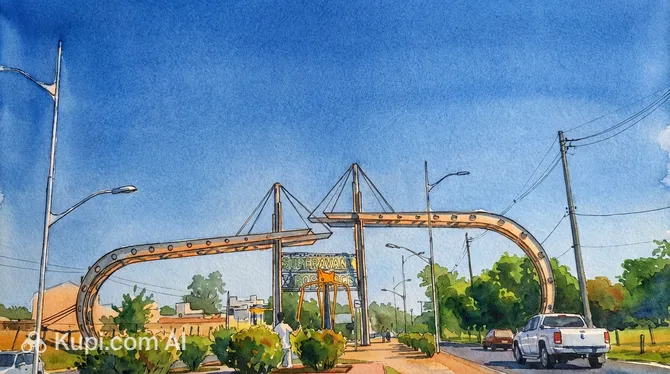
Jose Bonifacio. Illustration.
Source: Kupi.com AI

The city's rich history is inextricably linked with the name of the prominent statesman and scientist José Bonifácio de Andrada e Silva, known as the "Patriarch of Independence" of the country. Founded in the early 20th century, the city grew thanks to agricultural expansion, transforming from a small settlement into an important center for sugar cane and coffee cultivation.

When visiting, it is worth paying attention not only to the architecture of the historical center but also to walking through the surrounding farms, where you can learn about the traditional way of life of the local residents. José Bonifácio invites everyone who appreciates hospitality and sincere smiles and wants to see Brazil as it truly is.

Weather Overview

José Bonifácio is characterized by a classic tropical savanna climate, which dictates the rhythm of life in this agricultural region. The weather here remains warm or hot throughout the year, creating excellent conditions for outdoor recreation. However, when planning a trip, it is worth considering the clear division into wet and dry seasons.

The wet season lasts from October to April, when summer brings abundant but usually short-lived rains. During this period, average temperatures fluctuate between 25–27°C, and daytime maximums can exceed 30°C. If you want to know a more detailed forecast for specific dates, check the current city climate before departing.

The dry season falls during the winter months, from May to September. This time is characterized by stable sunny weather and a minimum amount of precipitation (in July, there is practically none). Winter days are very comfortable for walking: the average temperature is about 22°C, and nights bring a pleasant coolness when the thermometer can drop to 16°C. September often becomes the hottest month of the year, preceding the start of the rainy season.

Average monthly temperature

Average monthly precipitation

Interesting Facts

José Bonifácio is not just a point on the map of São Paulo state, but a place with deep roots and a distinctive character. Immersing yourself in its past and present allows you to discover many surprising details.

  • The city was officially founded in 1906 by José Crescêncio de Souza, who built the first three houses here, marking the beginning of the future municipality.

  • The city was named in honor of José Bonifácio de Andrada e Silva—a prominent political figure revered in Brazil as the "Patriarch of Independence."

  • The settlement's first chapel was built in 1913 and bore the colorful name Cerradão, reflecting the nature of the local vegetation at that time.

  • The land for the construction of the main Catholic church was generously donated by the Rodrigues de Sant’Anna brothers in 1910.

  • The city's economic boom in the 20th century was driven by the "coffee fever," and later the economy successfully diversified through sugar cane cultivation and livestock farming.

How to Get There

José Bonifácio is conveniently located in the interior of São Paulo state, making it easily accessible for those traveling through the region by car. The main flow of traffic goes along regional highways connecting the city with major economic centers. Information on how to get to the city via the optimal route is best checked in advance, using the city of São José do Rio Preto as a reference point.

If you are planning to fly, the nearest major airport is in neighboring São José do Rio Preto, located about 30–40 kilometers away. This air hub receives regular flights from São Paulo and other major Brazilian cities. After landing, it is most convenient to take a taxi or rent a car to quickly reach José Bonifácio.

AirportPassenger trafficDistance
Sao Jose do Rio Preto Airport768 00039 km
Aracatuba Airport97 37378 km
Dr Gastao Vidigal Airport38 026129 km
Bauru-Arealva Airport137 000138 km
Araraquara153 300181 km

Rail service in this region is currently oriented mainly toward freight transport related to the agricultural sector. For passengers, intercity buses remain the primary form of public transport. Regular routes connect José Bonifácio with surrounding municipalities and the state capital, providing stable communication for residents and tourists.

To move around the city itself and travel through its picturesque surroundings, experienced travelers recommend using a private or rented vehicle. This gives complete freedom of movement and allows you to easily reach remote farms and natural attractions that constitute the main charm of this region.

Main Attractions

The main architectural and spiritual landmark of José Bonifácio is its majestic main church, dedicated to the city's patron saint. This building not only serves as a place of religious worship but is also the center of the community's cultural life. The square in front of the church often becomes a venue for vibrant festivals and celebrations that bring together all residents and visitors.

For those who prefer natural beauty, the city offers unique rural landscapes. The surroundings of José Bonifácio consist of vast sugar cane fields, coffee plantations, and green pastures. A walk or drive through these areas allows you to see traditional agrarian Brazil, enjoying the peace and space that are rarely found in the major tourist centers of São Paulo state.

History buffs will find it interesting to explore the historical center, which has preserved the atmosphere of the early 20th century. Here you can find traces of the first buildings from 1906, from which the development of this settlement began. A walk through the old streets allows you to literally touch the legacy of the city's founders and feel the spirit of the era of agricultural development in the region.

Equally interesting are the local markets, where life is in full swing from early morning. This is the best place to observe the daily hustle and bustle, taste the freshest fruits, and purchase items made by local artisans. Such markets are a living reflection of the "Paulista" culture and traditions, offering guests an honest and open look at local life.

Local Cuisine

The culinary traditions of José Bonifácio are closely linked to the rich agricultural heritage of São Paulo state. Local cuisine features hearty and aromatic dishes made from the freshest products grown on neighboring farms. "Homemade" taste is especially valued here, and recipes for many specialties are passed down from generation to generation.

One of the main favorites of the local table is traditional Brazilian churrasco—meat cooked over charcoal. Thanks to the developed livestock farming in the region, the beef and pork here are always of the highest quality. Also, don't miss the chance to try feijoada and the famous pão de queijo (cheese bread), which pair perfectly with a cup of strong coffee from local plantations.

The city's diet is unimaginable without products from sugar cane processing. Local sweets, such as raposa or homemade tropical fruit jams, make an excellent dessert. Freshly brewed coffee leads as the drink of choice, its aroma filling the streets in the morning, while in more formal settings, the classic caipirinha, made with high-quality cachaça, is popular.

The gastronomic scene of José Bonifácio is represented mainly by family restaurants and snack bars in the city center. There are no pretentious establishments here, but you can always count on generous portions and a warm welcome. Be sure to stop by the local market to try street food, such as pastel (fried pies with various fillings), which are a constant favorite among locals.

Travel Tips

A trip to José Bonifácio will give you unforgettable impressions of the Brazilian countryside, and these practical tips will help make your visit as comfortable and safe as possible.

  1. Clothing and Essentials: Choose light clothing made of natural fabrics, as a warm climate prevails in the region. Be sure to bring comfortable shoes for walking on uneven terrain and a hat. When visiting churches, it is recommended to adhere to a modest clothing style.
  2. Transport: Within the city, it is most convenient to get around on foot. To explore the surroundings and travel to neighboring cities, it is best to rent a car or use the intercity buses that run on schedule.
  3. Finance: The official currency is the Brazilian Real. Most shops and restaurants accept international cards, but for small purchases at markets and in rural areas, always have some cash with you.
  4. Health and Safety: The city is considered safe, but follow standard precautions. Don't forget to use sunscreen and drink plenty of bottled water. Pharmacies (farmácias) are easy to find in the city center.
  5. Communication: The main language is Portuguese. English is not widely spoken, so learn a few basic phrases or use an offline translator. Locals are very friendly and will always try to help you.
  6. Local Etiquette: Brazilians are open people. Greet people with a smile, use standard greetings like "Bom dia" (Good morning/day) or "Olá." It is customary to be polite and show interest in local traditions.
  7. What to Avoid: You should not plan important matters during the siesta (lunch break), when many small shops may be closed. Also, try not to openly display expensive jewelry or large sums of money in uncrowded places.
  8. Religious Events: If your trip coincides with a local church holiday, be sure to attend—it is the best way to see the real cultural life of José Bonifácio.

May your journey to José Bonifácio be filled with only pleasant discoveries and warm interactions!

Entertainment & Nightlife

Entertainment in José Bonifácio is primarily traditional and community-oriented, making a holiday here truly heartfelt. Most activity is centered around the central square, where live music often plays on weekends and holidays. Local residents love to gather with their families to discuss the news, enjoy socializing, and feel a sense of unity with their community.

Religious festivals and folk celebrations hold a special place in local leisure. The most vibrant events of the year take place at the city's main church, where fairs, dance performances, and impromptu concerts are organized. During these periods, José Bonifácio is transformed: the streets are filled with laughter, the aromas of street food, and the sounds of traditional Brazilian melodies, such as sertanejo.

For those who prefer a quiet evening, cozy family bars and small restaurants are open in the city. There are no world-famous noisy nightclubs here, but you can find sincere hospitality and a warm atmosphere. Many establishments offer local cuisine and refreshing drinks accompanied by soft music, which is perfect for ending a day full of walking.

During the day, entertainment is often related to active recreation in nature. Tours to nearby farms and haciendas are popular, where you can learn about rural life or simply have a picnic against the backdrop of picturesque hills. This is a wonderful opportunity to exchange city bustle for the silence of the fields and enjoy the clean air of the interior of São Paulo state.

Parks & Museums

In José Bonifácio, cultural and nature-based recreation is inextricably linked to the history of land development and agriculture. The role of an "open-air museum" is played by the historical center of the city itself. Walking through it, you can see the sites of the first buildings from the beginning of the last century, which tell of the hard work and perseverance of the first settlers who turned wild thickets into a prosperous land.

The main historical monument of the city is considered to be the old church, founded in 1913. This building is not only an architectural landmark but also preserves within its walls the memory of key events in the life of the community. The interior decoration of the temple and its atmosphere allow tourists to gain a deeper understanding of the spiritual values of local residents and learn about the traditions of Catholic Brazil.

The city's natural "parks" are the surrounding agricultural landscapes. Picturesque hills covered with emerald carpets of plantations and the quiet banks of local streams serve as ideal places for leisurely walks. Many travelers choose these spots for open-air picnics, enjoying panoramic views of the valleys, which are especially beautiful in the rays of the setting tropical sun.

The cultural life of the city is also reflected in local fairs and markets. While they are not museums in the classical sense, it is here that the region's living heritage is best represented: folk crafts, traditional food processing methods, and unique local folklore. Visiting such events provides an opportunity to get much closer to the culture of São Paulo state than viewing standard exhibits.

Getting Around

The public transport system in José Bonifácio reflects the compact size of the city and its calm way of life. For travel within the central part of the municipality, transport is often not required—most attractions, shops, and cafes are within walking distance. A stroll through the shaded streets allows you to better see the architecture and feel the atmosphere of the city.

Connection with neighboring cities is provided via intercity bus routes. The José Bonifácio bus station is an important transport hub, with regular departures to cities such as São José do Rio Preto. Buses are a reliable and affordable way to travel around the state of São Paulo, popular with both locals and budget tourists.

Taxis and private transfers are available for those who value comfort and speed. Official taxi services operate in the city, and popular mobile ride-hailing apps may also be available. This is especially convenient for trips to remote farms or the picturesque surroundings where public transport is infrequent. The cost of such trips is usually moderate, but the price for travel outside the city is best agreed upon in advance.

For complete independence, many visitors prefer car rentals. The good condition of regional roads makes driving in this area pleasant and safe. Having your own transport allows you to explore hidden corners of the state without restrictions, visit farmers' markets in neighboring villages, and enjoy the freedom of moving through the picturesque hills of Brazil.

Accommodation

For travelers deciding to stay in José Bonifácio, the city offers accommodation options focused on comfort and a home-like feel. The hotel stock consists mainly of small hotels and guesthouses, which are ideal for both business people visiting the region for agribusiness matters and tourists looking for peace.

Most hotels are located in the central part of the city, in close proximity to the main squares and commercial streets. This location is convenient for those who want quick access to local cafes and shops. Accommodation here is usually simple but clean and functional, fully meeting the hospitality standards of the Brazilian countryside.

If your goal is to immerse yourself as much as possible in the atmosphere of rural life, it is worth considering staying at surrounding farm estates (fazendas). Some of them offer ecotourism services, allowing guests not only to relax in nature but also to see the production process of coffee or sugar, as well as enjoy traditional breakfasts made from farm products.

It is recommended to book accommodation in José Bonifácio in advance, especially if your trip coincides with major religious holidays or agricultural fairs, when the influx of visitors increases significantly. At other times of the year, the city remains quiet, and finding a suitable room upon arrival is not difficult.

Nearby Cities

José Bonifácio is an excellent starting point for exploring the São José do Rio Preto mesoregion. Several interesting municipalities are located around the city, each possessing its own unique rural charm and the hospitality characteristic of the São Paulo state interior.

Just 32 kilometers away is the city of Mirassol, known for its active development and cozy public spaces. For a quieter introduction to the region, you can head to Neves Paulista or Monte Aprazível. These small towns offer experiences similar to José Bonifácio: traditional architecture, quiet squares, and the opportunity to see the real life of Brazilian farmers.

CityPopulationDistance
Neves Paulista9 00824 km
Bady Bassitt16 35928 km
Monte Aprazivel23 85731 km
Potirendaba16 70931 km
Mirassol60 30332 km

If you want a more active rhythm of life, shopping, or cultural events, it is worth visiting São José do Rio Preto. This major regional center is about a 40-minute drive away and offers a wide range of entertainment, from modern shopping malls to theaters and museums. Exploring the surroundings of José Bonifácio will allow you to fully experience the diversity and richness of this sunny region.

Shopping & Souvenirs

Shopping in José Bonifácio is primarily about discovering the products of local farmers and artisans. The city does not claim to be a fashion capital but offers tourists something more valuable: authentic, high-quality goods created with love for their craft. Most commercial activity is concentrated in the central part of the municipality, on the streets adjacent to the main square.

The main pride of local producers is coffee. Bringing home a pack of freshly roasted beans grown on neighboring plantations is a must for every guest. No less popular are sugar cane products: from natural sugar to various sweets and homemade pastries that can be found at local food markets.

For lovers of authentic souvenirs, handmade crafts will be of interest. Local craftsmen create interesting decorative items from wood, fabric, and straw, reflecting the rural life of the region. Visiting small shops and workshops allows you not only to purchase a unique item but also to talk with the creators themselves, learning the story behind each product.

Shops in José Bonifácio usually operate from early morning until evening, with a traditional lunch break in the middle of the day. Most retail outlets accept bank cards; however, when visiting small markets or farm stalls outside the city, it is better to have some cash Reais with you. The Tax-Free system is not common here, as purchases are local in nature.

Reached the end of the page?

That means the route is fully explored