Support

Mucuri

About

Mucuri is a cozy and picturesque town located in the southern part of the state of Bahia, near the border with Espírito Santo. This corner of Brazil is famous for its peaceful atmosphere and natural harmony, attracting travelers seeking a break from the hustle and bustle of major metropolises. Here, among green valleys and scenic hills, time seems to slow down, allowing you to enjoy every moment of a leisurely provincial life.

With a population of about 41,000 people, Mucuri retains the charm of a small settlement where a spirit of neighborliness and hospitality prevails. The town is an important municipal center but remains free from the chaos of big cities. Locals are known for their warmth and are always ready to welcome guests with a sincere smile, making tourists quickly feel right at home.
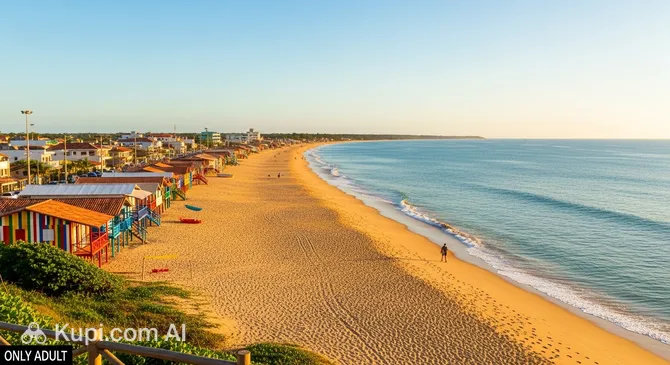
Mucuri. Illustration.
Source: Kupi.com AI

Strolling through the quiet streets and admiring the local architecture, it is impossible not to notice how a rich past intertwines with the present. The fascinating history of Mucuri has left its mark on the city's appearance, adding a special charm. It is an ideal place for those seeking authentic experiences away from the beaten tourist paths who want to see the real, non-touristic life of the region.

One of the town's main features is its stunning nature. The surroundings of Mucuri abound with green pastures, cozy farms, clean rivers, and lakes. Its proximity to the Mucuri River and the Atlantic Ocean creates a unique microclimate and opens up opportunities for ecological tourism. Here, you can endlessly enjoy the views, walk in the fresh air, and absorb the energy of pristine nature.

Mucuri is a city you’ll want to escape to for peace and inspiration. If you dream of a quiet vacation filled with Brazilian flavor, warm communication, and the beauty of the surrounding world, be sure to include this welcoming town in your travel itinerary.

Weather Overview

The climate in Mucuri is typical for the tropical coast of Bahia: it is warm and humid throughout the year. Summer, lasting from December to March, is the hottest period. The average temperature during these months is around 27°C, and daytime highs often exceed 30°C. This is also a time of frequent rainfall: it can rain 16–19 days a month, bringing a pleasant freshness to hot days.

The winter season, from June to August, features milder weather. Average temperatures drop to 22.5–23.3°C, and nighttime temperatures can reach a comfortable 19–20°C. The number of rainy days during this period decreases to 12–13 per month. Expect a warm summer with occasional rain and mild, comfortable winters that are excellent for long walks and excursions.

Transition seasons, such as spring and autumn, offer moderate warmth with average temperatures around 24–25°C. To plan your vacation accurately and not depend on nature's whims, we recommend checking what the expected weather in Mucuri is for the dates of your trip.

Average monthly temperature

Average monthly precipitation

Interesting Facts

Beyond its famous beaches and scenic landscapes, Mucuri holds many fascinating secrets that make its history truly unique. Here are a few facts that will allow you to see this town in a new light:

  • "Place by the Water". The town's name has deep roots and, according to one of the most common versions, originates from an indigenous language. It translates as "place by the water," which is quite symbolic: the rivers and ocean have always played a decisive role in the region's life, turning a small settlement on a trade route into an important center for farmers and travelers.

  • Legends of Treasure. The surroundings of Mucuri are shrouded in mysticism. Locals pass down legends from generation to generation about mysterious caves and hidden waterfalls in the jungle. It is said that ancient treasures are hidden in these hard-to-reach places, guarded by kind spirits who protect the peace of these lands.

  • Living Folklore. Unlike many modern resorts, Mucuri carefully preserves traditions from the colonial era. Colorful harvest festivals and religious processions take place here regularly; they aren't just shows for tourists but sincere celebrations for the residents themselves. The streets fill with music and dancing that reflect the rich cultural heritage of the state of Bahia.

  • City of Craftsmen. Mucuri is famous for its talented artisans whose works are known far beyond the town. Local potters, blacksmiths, and woodcarvers create amazing products, putting their souls into them. In the local markets, you can find unique souvenirs that are considered true pieces of Brazil's folk art.

How to Get There

When planning a trip to this picturesque corner of Bahia, it is important to note that there are no direct flights to the town itself. The journey is usually combined: a flight to one of the large neighboring cities followed by a trip by land transport. To plan your route in detail and choose the best option, we recommend checking the page on how to get to Mucuri, where all available methods are gathered.

Mucuri does not have its own airport, but you can fly into Porto Seguro Airport (IATA: BPS), located in the city of Porto Seguro. This is one of the most popular options for tourists, as it is located about 188.7 km from Mucuri. The journey from there by taxi or intercity bus takes about 5 hours. The airport handles many flights and is considered a major tourist hub for the region.

Another convenient alternative is Eurico de Aguiar Salles Airport (IATA: VIX), located in Vitória, the capital of the neighboring state. The distance to Mucuri is approximately 252.9 km. Travel time by car or bus is about 6 hours and 40 minutes. This is a large international airport with developed infrastructure offering a wide choice of flights.

For your convenience, here is a summary of the main airports used to reach the resort:

AirportPassenger trafficDistance
Porto Seguro Airport2.4 mln189 km
Eurico de Aguiar Salles Airport3.2 mln253 km
Governador Valadares Airport84 638272 km

Rail travel for passenger transport is practically non-existent in this region, so you cannot reach Mucuri by train. The main method of travel remains road transport. The town is conveniently located near the BR-101 federal highway, which connects the south and north of the country. Comfortable intercity buses run regularly from major cities in the states of Bahia, Minas Gerais, and Espírito Santo. The bus station (Rodoviária) is located in the town center and serves several major transport companies.

Main Attractions

The main attractions of Mucuri are, first and foremost, its natural beauties, where the majesty of the ocean meets tropical greenery. The town and its surroundings offer unique landscapes that are hard to find in other parts of the coast.

Praia da Costa Dourada (Golden Coast Beach)
Located a bit away from the city center, this place is rightfully considered the jewel of the region. The beach earned the name "Golden Coast" thanks to the majestic multi-colored cliffs (falésias) that rise above the ocean. Walls of red, yellow, and white sandstone, reaching several meters in height, create a fantastic contrast with the azure water. It is an ideal location for a secluded holiday and stunning photographs, especially at sunset.

Gigica Ecological Trail (Passarela do Gigica)
A unique wooden structure built through dense mangroves, this is one of the town's most recognizable landmarks. A walk along this bridge allows you to see the rich ecosystem up close: spot mangrove crabs, watch birds, and feel the coolness of the shady trees. The trail connects the urban area with the beach, turning a simple path to the sea into a fascinating ecological adventure.

Mouth of the Mucuri River (Encontro das Águas)
Within the city limits, you can witness a breathtaking natural phenomenon—the merging of the powerful Mucuri River with the Atlantic Ocean. This spot possesses a special energy and beauty. Tourists often come here to see the contrast between the dark river waters and the ocean waves, as well as to rent a boat for a trip upstream. River excursions offer views of green banks and a glimpse into the lives of local fishermen.

Praia de Mucuri (Mucuri Beach)
The town's central beach is the heart of tourist life. Unlike the wilder beaches, the infrastructure here is well-developed: a row of cozy kiosks and cafes serving fresh seafood stretches along the shore. The wide sandy strip and calm sea, protected from strong waves, make this the best choice for families and swimming. A shady alley of casuarina trees along the waterfront provides pleasant coolness even on the hottest days.

Local Cuisine

Mucuri’s gastronomy is a fascinating journey where the traditions of the Bahian coast intertwine with the hearty, home-style cuisine of the neighboring state of Minas Gerais. Simple but incredibly tasty dishes prepared with soul from fresh farm products are valued here. If you want to experience the true taste of the region, be sure to try tutu de feijão—a thick and aromatic bean paste with meat and spices, often served for lunch.

Another gastronomic symbol of the town is feijão tropeiro. This is a historic dish of muleteers, consisting of beans mixed with cassava flour, eggs, sausage, and herbs. It is so filling that it can easily replace a full meal after a long walk on the beach. For those who enjoy light snacks, look out for the famous pão de queijo—airy cheese rolls baked here with exceptional skill.

Dairy products are a particular point of pride for the locals. In Mucuri’s markets, you can find the freshest queijo mineiro—a white cheese with a delicate creamy taste that pairs perfectly with doce de leite, a traditional sweet made from boiled condensed milk. For drinks, locals prefer strong hot coffee served with cheese rolls, as well as freshly squeezed tropical fruit juices, which are excellent for quenching thirst in the heat.

The dining culture in Mucuri is very casual and encourages socializing. During the day, tourists and locals often snack on street food: stalls sell fried pastéis with various fillings and corn cakes. In the evening, life moves to cozy family restaurants where dinner is accompanied by live music. Furthermore, the town is famous for its gastronomic festivals, which bring everyone together at one big table, allowing guests to immerse themselves in the atmosphere of a true Brazilian feast of flavors.

Travel Tips

Welcome to Mucuri! To ensure your holiday in this picturesque corner of Bahia is as comfortable and carefree as possible, we have prepared a list of useful recommendations. These practical tips will help you adapt quickly to the local rhythm of life, avoid minor troubles, and focus on enjoying nature and the ocean.

  1. Clothing and Essentials. Given the hot tropical climate, bring light clothing made of natural fabrics (cotton, linen). Be sure to pack a hat and sunglasses. Flip-flops are fine for the beach, but if you plan to visit ecological trails or walk along the cliffs of Costa Dourada, you will need comfortable closed-toe shoes (sneakers). Also, pack a travel adapter: the voltage here is usually 127V, but 220V sockets (type N) can also be found.
  2. Transport. The historical center and the waterfront are easy to explore on foot. For trips to more distant beaches, the most popular and affordable transport is the mototaxi—drivers in vests wait on street corners. Apps like Uber may be unreliable here due to the small number of cars, so it’s safer to have a local taxi service number handy or arrange a ride in advance. Renting a car makes sense if you want to freely explore the surrounding areas.
  3. Finances. The official currency is the Brazilian Real. Most restaurants and shops accept cards, but for purchases from street vendors, markets, and beach kiosks, you will definitely need cash. ATMs of major banks (Banco do Brasil, Bradesco) are in the town center, but they may run out of cash on weekends and holidays, so withdraw money in advance.
  4. Health and Safety. Mucuri is a quiet town, but basic precautions should be taken: don't leave belongings unattended on the beach and avoid wearing expensive jewelry in plain sight. A tourist's main concern here is protection from the sun and insects. Be sure to use high SPF sunscreen and repellents, especially in the evening. Drink only bottled water to avoid digestive issues. Pharmacies are concentrated in the center, and some stay open until late evening.
  5. Communication. The primary language is Portuguese. Few people speak English, mostly staff at larger hotels. We recommend downloading an offline translator and learning a few basic phrases (e.g., "Bom dia" — good morning, "Obrigado" — thank you). SIM cards from local operators (Vivo, Claro, TIM) can be purchased at pharmacies or newsstands; a passport is required for registration.
  6. Local Etiquette. The people of Mucuri are very friendly and open. Greetings are often accompanied by a "thumbs up" gesture (joinha) or a handshake. It’s important to remember the dress code: despite being a resort, entering shops, banks, or churches in swimwear without outer clothing (like a T-shirt or sarong) is considered poor etiquette.
  7. What to Avoid. Avoid showing impatience in restaurants and cafes. Service here can be leisurely—it’s part of the local culture and relaxed lifestyle. Don’t get nervous; just relax and enjoy the moment. Also, it is strictly recommended not to leave litter on the beaches or in the forest—locals are very protective of the cleanliness of their environment.
  8. Extra Tip. Keep the siesta in mind. Many small shops and establishments in town close for a lunch break (usually from 12:00 PM to 02:00 PM) when the sun is most intense. Plan your shopping and errands for the morning hours or late afternoon.

Mucuri is a place where the simplicity of provincial life meets incredible natural wealth. By following these simple tips, you’ll be able to feel like a local, find a common language with the hospitable residents, and take home only the warmest and brightest memories of your Brazilian adventure!

Entertainment & Nightlife

The nightlife in Mucuri reflects its resort and provincial spirit: you won't find noisy metropolitan nightclubs with laser shows here, but you can enjoy the warm, soulful atmosphere of Bahian evenings. The main fun begins after sunset when the heat subsides, and locals head out to the streets to socialize, listen to music, and enjoy an ice-cold drink.

The epicenter of evening activity is the waterfront (Orla Marítima). This is where most establishments are concentrated, functioning as beach kiosks by day and transforming into cozy open-air bars by night. Strolling along the ocean, you will hear the rhythms of traditional music—forró, sertanejo, or axé. It is the perfect place to try an authentic caipirinha or local beer while enjoying the sea breeze.

Another point of attraction is the city center, home to small restaurants, pizzerias, and snack bars (lanchonetes). Here, the atmosphere is more family-oriented and quiet. People gather at plastic tables right on the sidewalks to discuss the day's news. During the high season (summer), stages for live concerts and performances by local bands are often set up in the central squares, turning the streets into a dance floor.

The atmosphere and dress code in Mucuri are as casual as it gets. Dressing up isn't necessary: shorts, T-shirts, and sandals are perfectly appropriate attire for any evening venue. The crowd is very friendly and open, with tourists easily mixing with locals. Establishments usually start filling up around 8:00–9:00 PM and stay open until midnight or slightly later, depending on the number of patrons.

Practical Tips and Safety:

  • Seasonality: It is worth noting that the vibrant nightlife mainly thrives during the summer period (December to February) and during holidays. In other months, the town falls asleep quite early.
  • Prices: The cost of dinner and drinks in Mucuri is significantly lower than in major tourist centers like Salvador or Rio. It is an excellent destination for a budget-friendly vacation.
  • Transport: Public transport is rare or non-existent at night. The most reliable way to get back to your hotel if you live far from the center is to use a mototaxi or arrange a ride with a regular taxi driver in advance.
  • Safety: Mucuri is considered a safe town; however, as elsewhere in Brazil, it is recommended to stick to well-lit streets, not leave belongings unattended, and avoid deserted sections of the beach after dark.

If you are looking for entertainment during the day, Mucuri offers excellent opportunities for ecotourism. In addition to beach activities, you can visit local craft shops or take a walk along ecological trails to see the mangroves in daylight, providing a great contrast to the evening festivities.

Parks & Museums

Mucuri is a town where the boundaries between nature and the urban environment are practically blurred. Here you won't find huge exhibition complexes or classic museums with dusty display cases. Instead, the cultural and natural heritage of Brazil unfolds here in the open air: in shady alleys, protected areas, and old squares that hold the history of colonial times.

For nature lovers, the Gigica Ecological Trail (Passarela do Gigica) will be a true discovery. Although this place is often mentioned as a tourist attraction, it is essentially a full-fledged natural reserve in miniature. The wooden walkway, stretching about 300 meters, passes through dense mangroves that form a natural green tunnel. It is an ideal zone for birdwatching and getting to know the unique ecosystem inhabited by mangrove crabs and herons. The silence here is broken only by the rustle of leaves and birdsong, creating an atmosphere of total seclusion.

Another important natural area is the Costa Dourada Environmental Protection Area (APA Costa Dourada). This is not just a beach but a large-scale natural park protected by the state. Here, majestic multicolored cliffs (falésias) meet eucalyptus groves and the Atlantic Forest. Walks along the cliff tops reveal breathtaking ocean panoramas, and secluded bays untouched by civilization can be found below. This place attracts those seeking harmony with wild nature and wanting to see landscapes formed over millennia.

In terms of cultural leisure, the town's Historical Center serves as the main "museum." Strolling through the central streets, you feel as if you’ve stepped into the past. The architecture here is modest but expressive: one-story houses with tiled roofs and bright facades reflect the traditional Bahian style. It is a living open-air gallery where every cobblestone can tell a story about the times when Mucuri was an important trading post.

A key historical monument is the Saint Joseph Parish Church (Igreja Matriz de São José). This temple is not just a religious building but the heart of the town's spiritual life and a guardian of its history. The building features simple but elegant architecture typical of provincial churches in the region. A peaceful atmosphere reigns inside, and on religious holidays, the square in front of the church becomes the center for cultural events, processions, and folklore performances, replacing any museum exhibition.

If you want to experience local art, we recommend looking out for the artisan fairs often held in the central squares. Here, local craftsmen display ceramics, straw weaving, and wooden sculptures. This is the best way to get to know the region's folk art, talk to the creators, and learn about traditions passed down from generation to generation firsthand.

Getting Around

The transport system in Mucuri perfectly matches its status as a small and cozy resort town. There are no subways, trams, or trolleybuses, and the pace of movement is much calmer than in large metropolises. For tourists, this means no complex navigation: you can figure out the transportation methods in just a few minutes.

The main form of public transport is city buses. The route network connects the town center with residential areas and outlying beaches. Buses run regularly, but intervals can be quite long, especially on weekends and in the evenings. Schedules are often absent at stops, so it is best to check departure times with locals or hotel staff.

Payment for bus travel is primarily made in cash. There is usually a conductor on board to whom you give the money, or payment is made directly to the driver upon entry. The fare is fixed and very affordable. Electronic transport cards and mobile payment apps for public transport are currently not used in Mucuri, so it is important for tourists to always have small bills and coins on hand.

A very popular and colorful alternative to buses is the mototaxi. This is a fast and inexpensive way to get anywhere in town. Drivers in special vests wait on street corners and near popular attractions. A motorcycle ride allows you to zip to the beach or the market, but be sure to ask for a helmet before getting on—it's a matter of your safety.

Classic taxis are also available, but it is better to order cars by phone or look for them at specialized stands in the center. Popular international ride-hailing apps may work inconsistently or have few active cars due to the town's small size. If you plan to take a taxi, especially for a long distance, it is recommended to agree on the price with the driver in advance, as meters are not always used.

Given the compactness of the historical center and the resort area, many tourists prefer to get around on foot. A walk from most hotels to the central beach or restaurants won't take much time and allows you to see the town better. For active holidaymakers, bicycle rentals are available, which is a great way to explore the scenic coastline at your own pace.

Accommodation

The hospitality infrastructure in Mucuri is characterized by simplicity and home-like comfort, perfectly matching the atmosphere of a relaxed beach town. Here you won't find giant hotel complexes or international luxury chains. The bulk of the accommodation consists of small hotels, colorful pousadas (guest houses), and private apartments, offering tourists comfortable stays at very affordable prices.

The choice of area for staying depends on the goals of your visit. Most tourists prefer to stay in the Town Center or in the immediate vicinity of Mucuri Beach (Praia de Mucuri). This is the most convenient option in terms of logistics: restaurants, shops, pharmacies, and the waterfront, where evening life thrives, are all nearby. Staying here allows you to get around without a car and be in the thick of things.

For those seeking seclusion and maximum proximity to wild nature, the surroundings of Costa Dourada are an ideal choice. Accommodation here is mainly represented by eco-lodges and rustic-style bungalows. It’s a great opportunity to wake up to the sound of the ocean away from the city bustle, though keep in mind that infrastructure in this area is limited, and you will need transport to reach the center.

A popular accommodation format, especially for families and large groups, is vacation rentals (casas de temporada). Locals actively rent out well-equipped cottages during the holiday season. This is often more economical than booking several hotel rooms and offers more freedom, such as the ability to cook your own meals in a private kitchen or have a backyard barbecue.

The price range varies from budget to mid-range. In the low season, the cost of accommodation here is significantly lower than in the more popular resorts of Bahia. However, during peak periods—New Year’s, Carnival, and the summer months (December to February)—demand spikes and prices rise. Booking tip: if you plan to travel during these dates, take care of your accommodation in advance, preferably 2–3 months before. Many small pousadas are not listed on large international aggregators, so it is sometimes more effective to search for options via social media or contact owners directly through messaging apps.

Nearby Cities

For those who want to explore the surroundings, Mucuri serves as an excellent starting point for day trips to several interesting nearby locations:

Just an hour's drive away is Teixeira de Freitas. This is the main commercial and economic center of southern Bahia. It is worth heading here if you miss the pace of a larger city, want to browse shopping centers, or enjoy diverse gastronomy in numerous restaurants. The city offers a great contrast to the leisurely beach life of Mucuri.

History buffs and fans of colonial architecture will find São Mateus, located in the neighboring state of Espírito Santo, fascinating. This is one of the oldest cities in the region, preserving a unique architectural ensemble in the port area (Sítio Histórico do Porto). Old mansions from the 18th and 19th centuries stand alongside the popular beach resort of Guriri, known for its festivals.

For nature lovers, a trip to Linhares is an excellent option. This city is called the "land of waters" due to its abundance of lakes. The main natural attraction is Lagoa Juparanã, the second-largest freshwater lagoon in Brazil, which is ideal for water sports and quiet relaxation in nature.

CityPopulationDistance
Nova Vicosa43 21628 km
Caravelas22 54849 km
Conceição da Barra28 44959 km
Teixeira de Freitas157 80463 km
Alcobaca23 28272 km

These nearby destinations provide a glimpse into the diverse culture and landscapes of the region, harmoniously complementing a beach holiday with new experiences.

Shopping & Souvenirs

Shopping in Mucuri is not about chasing global brands or visiting giant malls, but rather a pleasant addition to a relaxed beach holiday. The commercial sphere here is oriented toward the daily needs of residents and the vacation requirements of tourists. The town is famous for its handicrafts and fresh local products, so shopping here has an authentic character: it's a great opportunity to buy something unique made by local artisans or taste the flavors of the Bahia region.

The main commercial activity is concentrated in the Town Center (Centro). The main streets here are filled with small shops, pharmacies, and supermarkets. Walking through the central blocks, you will find beachwear boutiques, haberdashery stalls, and home goods stores. It's also worth checking out the outlets along the waterfront, which often sell souvenirs and beach accessories needed for a comfortable stay by the ocean.

If you are used to large-scale shopping in big centers with cinemas and food courts, Mucuri itself does not have such complexes. The town maintains the atmosphere of a cozy provincial area. For those who need access to brand-name stores and large retail chains, the best solution is a trip to the neighboring city of Teixeira de Freitas, which is the region's commercial hub and is about an hour's drive away.

The true heart of local trade is the open-air markets (Feira Livre). They usually take place on weekends and attract both locals and tourists. This is the most colorful place in town, where stalls overflow with tropical fruits, vegetables, homemade cheese, and traditional sweets. A lively atmosphere prevails here, and you can bargain and sample products before buying. Visiting the market is not just shopping but a cultural experience that allows you to see the real life of Brazil.

As souvenirs from Mucuri, it is worth bringing back local handicrafts (artesanato). The region is famous for woven baskets, hats, ceramics, and wooden figurines. Gastronomic souvenirs are also very popular: be sure to buy a bottle of authentic cachaça (sugarcane spirit), a jar of homemade pepper sauce (pimenta), or a bag of cassava flour (farinha de mandioca), which is essential for any local meal. Bright beachwear, sewn here to suit the hot climate, also makes a great gift.

Shops in the town typically operate from Monday to Friday from 08:00 AM to 06:00 PM, often with a lunch break during the hottest hours of the day. On Saturdays, many outlets close after noon, and Sunday is traditionally a day off, except for supermarkets and souvenir shops. Regarding payment, credit and debit cards are accepted in most established shops and restaurants. However, for purchases at markets, from street vendors, or at small beach kiosks, it is highly recommended to have cash (reais) with you, as terminals may be unavailable or not working due to connection issues.

The Tax Free refund system in Mucuri, as in most small towns in the country, is practically non-existent. This service is mainly available at large international airports or luxury shopping centers in major cities, so you shouldn't count on VAT refunds when shopping here.

Reached the end of the page?

That means the route is fully explored