Support

Prado

About

Prado is a picturesque and cozy resort town located on the sunny coast of the state of Bahia. It is a place where time seems to slow down, allowing travelers to enjoy the pristine beauty of nature and a unique atmosphere of tranquility. The city is famous for its hospitality and authentic flavor, which harmoniously blends Indigenous, African, and Portuguese traditions.

Geographically, the city is located in the eastern part of the South American continent, in the famous historical region of Costa do Descobrimento ("Discovery Coast"). These were the first lands seen by European navigators who discovered the country of Brazil. Today, about 29,000 people live in Prado, allowing it to maintain the charm of a quiet province without the noise and bustle of large metropolises. The climate here is tropical, with warm winters and hot summers, making the coast attractive for holidays all year round.
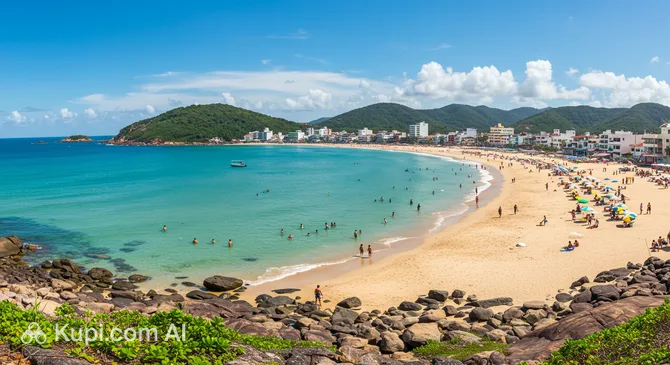
Prado. Illustration.
Source: Kupi.com AI

The town's past gives it special significance. The rich history of Prado is inextricably linked with the Age of Discovery, and this spirit of antiquity still lingers in the cobblestone streets of the center. However, the main point of attraction for tourists remains the incredible natural landscapes: more than 80 kilometers of beaches framed by majestic colorful cliffs (falésias) and crystal-clear ocean waters.

Prado is an ideal destination for those seeking harmony and seclusion. Here you can walk endlessly along deserted beaches, watch humpback whales during their migration season, or enjoy the gastronomic delights of the local cuisine. If you dream of discovering the real, soulful Bahia away from mass tourism, this city should definitely appear on your itinerary.
Weather Overview

The climate in Prado allows for a comfortable stay on the coast almost all year round, as there is no extreme heat or cold here. Summer, which in the Southern Hemisphere lasts from December to March, is characterized by high temperatures: during the day the air warms up on average to 29°C, and nights remain warm (around 24°C). This is a period of frequent precipitation: statistics show up to 19 rainy days per month, however, tropical downpours usually pass quickly, giving way to the sun.

The winter season (from June to August) brings a pleasant freshness, but not cold. The average daytime temperature stays at 23–25°C, while minimum night values drop only to 20°C. The number of rainy days decreases slightly, amounting to about 15 days per month. Expect a warm summer with occasional rain and mild, comfortable winters, ideal for walking.

To choose the perfect time for a trip and find out what to expect from the sky on specific dates, you will find a detailed weather in Prado broken down by month useful. This will help you plan your beach holiday and excursions around the area wisely.

Average monthly temperature

Average monthly precipitation

Interesting Facts

Prado is not just a resort on the map, but a place with deep historical roots and amazing nature. To better understand the atmosphere of this corner of the state of Bahia, we have collected some interesting facts that make it special for travelers.

  • The Cradle of History. The region where the city is located is considered the birthplace of modern Brazil. Historians claim that it was to these shores in 1500 that the ships of the first Portuguese navigators moored, opening a new chapter in the Age of Discovery.

  • Pristine Beaches. Prado's coastline stretches for tens of kilometers and is famous for its cleanliness and lack of crowds. Here you can find true oases of tranquility, such as Coqueiral Beach, where tall palms and soft sand create the perfect setting for a holiday away from civilization.

  • A Home for Turtles. The city's coastline is an important nesting zone for rare sea turtles. Thanks to local nature conservation programs, during the breeding season, tourists can witness the touching moment when hundreds of tiny turtles emerge from the sand and begin their first journey to the ocean.

  • A Feast for the Soul. Cultural life here is inextricably linked with tradition. Locals celebrate the festival of the sea goddess Yemanjá and the Festival of Saint Sebastian with gusto. These events fill the streets with music, dancing, and bright colors, allowing guests to immerse themselves in the authentic Bahian flavor.

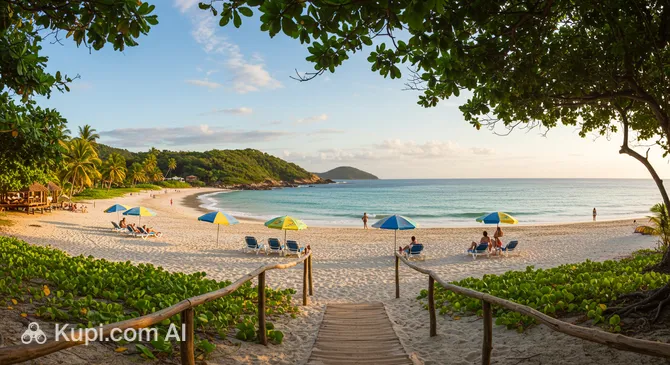
Coqueiral Beach. Illustration.
Source: Kupi.com AI

Traveler photos:

How to Get There

Getting to this picturesque corner of the state of Bahia is not as difficult as it might seem at first glance, although a direct flight to the city itself is not possible. You can find out all the details and plan your route by studying more about how to get to Prado. The main flow of tourists arrives via the airports of neighboring large cities, from where the journey continues by land transport.

There is no airport in the city of Prado itself, but you can fly into Porto Seguro Airport (IATA: BPS) in the city of Porto Seguro, which is located about 100 km from Prado. This is the most popular and convenient option for travelers. The airport receives many flights and is considered a major transport hub for the region. The journey from here to the destination by taxi or transfer will take about 3 hours.

Another option is Ilhéus Jorge Amado Airport (IATA: IOS), located in the city of Ilhéus. However, it is worth considering that it is located significantly further—approximately 280 km from Prado. This airport has medium passenger traffic and can be useful if tickets to Porto Seguro are unavailable. The journey from Ilhéus by car or bus will take more than 7 hours.

For clarity, here is a summary of the main airports:

AirportPassenger trafficDistance
Porto Seguro Airport2.4 mln100 km
Una46 838220 km
Ilheus/Bahia-Jorge Amado Airport674 000279 km

Since rail service is not developed in this region, the main way to travel between cities remains buses and cars. From the airports, you can rent a car or use long-distance bus services that run along the coast. A car trip will allow you to enjoy the colorful landscapes of the "Costa das Baleias" and make the transfer part of your adventure.

Main Attractions

The town of Prado, located on the "Whale Coast," charms travelers not only with its natural beauty but also with its unique architecture and atmosphere. Here, everyone will find something for themselves: from lively gastronomic streets to secluded beaches with incredible landscapes. Familiarity with the city should start with its most iconic places, which form the unique character of this Brazilian resort.

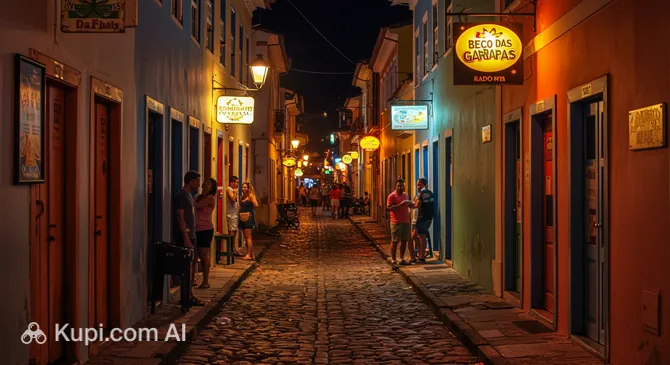
The heart of tourist life is rightfully considered Beco das Garrafas ("Bottles Alley"). This colorful pedestrian street in the city center attracts guests with its bohemian atmosphere and bright decorations. The facades of the houses here are covered with greenery, and the space is decorated with many multicolored bottles, which gave the place its name. During the day, it's pleasant to stroll and take colorful photos here, and in the evening, the alley turns into a center of nightlife with live music, aromas of local cuisine, and fun that doesn't subside until late at night.

Beco das Garrafas. Illustration.
Source: Kupi.com AI

Traveler photos:

For lovers of a relaxing holiday in nature, Coqueiral Beach is an ideal choice. It is located just a few minutes from the center and is famous for its wide strip of soft sand and thousands of coconut palms that provide natural shade. The ocean here is usually calm, with warm water, making the beach an excellent place for swimming and family holidays. It is a true tropical paradise where you can relax to the sound of the surf, forgetting about the city bustle.

One of the region's hallmarks is the picturesque Tororão Beach (Praia do Tororão). It is famous for its majestic reddish cliffs—falésias—which create a dramatic contrast with the blue of the ocean. A unique feature of this place is a small freshwater waterfall that falls directly onto the beach from the cliffs. Tourists come here to enjoy a refreshing shower under the waterfall after swimming in the salty sea and to admire the breathtaking views.

One cannot overlook the historical heritage of the city, embodied in the Igreja Matriz de Nossa Senhora da Purificação (Church of Our Lady of Purification). This temple, built in the 18th century, is a beautiful example of colonial architecture and preserves the spirit of past centuries. The interior of the church is modest and elegant, and its facade serves as a main landmark in the town's central square, reminding visitors of Prado's deep historical roots.

Local Cuisine

Prado's cuisine is a bright reflection of the soul of Bahia, where African culinary traditions have intertwined with Portuguese and Indigenous ones, creating a unique gastronomic culture. For tourists, it's a true paradise, especially if you love fresh seafood and exotic flavor combinations. The basis of most local dishes is the bounty of the ocean, coconut milk, and aromatic dendê palm oil, which gives the food its characteristic orange hue.

The main gastronomic symbol of the region is rightfully considered moqueca. This is a thick and fragrant stew made of fish or shrimp, simmered in clay pots with the addition of tomatoes, onions, cilantro, and coconut milk. Be sure to try the street food, the king of which is acarajé—golden balls of bean dough deep-fried in boiling oil and stuffed with a spicy shrimp paste, salad, and sauce. The aroma of this dish on the streets instantly transports you to the atmosphere of a Brazilian festival.

As for drinks, it's best to start a hot day with chilled coconut water, sold directly in the nuts, or freshly squeezed juices from mango, passion fruit, and papaya—the fruit here is always ripe and sweet. In the evening, it's time for the caipirinha—the famous national cocktail based on cachaça (sugarcane spirit), lime, sugar, and ice. It's most pleasant to enjoy it to the sound of the ocean or live music in the city center.

Mangata Gastronomia. Illustration.
Source: Kupi.com AI

Traveler photos:

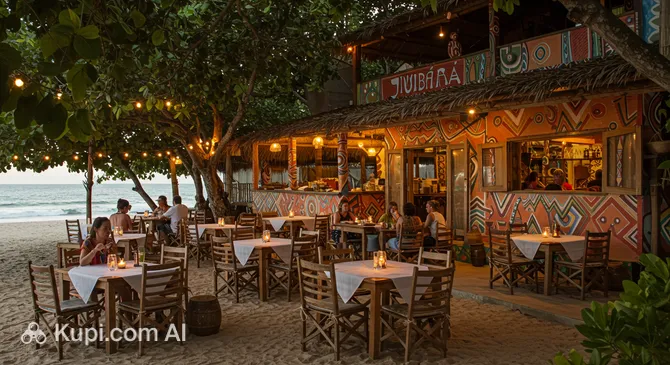
The dining culture in Prado is very democratic: you can eat delicious food at simple beach kiosks and in cozy establishments in the historical center. To get acquainted with quintessential Bahian cuisine and feel the local flavor, it's worth checking out Jubiaba Restaurant, known for its authentic approach to food preparation. If you're looking for a more modern interpretation of local flavors in an elegant setting, Mangata Gastronomia is an excellent choice. Additionally, the city is famous for its gastronomic festivals, where you can try a whole variety of fish and oyster dishes.

Travel Tips

A trip to Prado is an immersion into the relaxed rhythm of life in sunny Bahia, where nature dictates the rules. To make your stay on the picturesque "Whale Coast" as comfortable as possible and without organizational hitches, we have prepared a list of current recommendations that will help you feel confident in this tropical idyll.

  1. Wardrobe and Sun Protection. The climate here is hot and humid, so prefer clothing made of natural breathable fabrics (cotton, linen) in light colors. The main footwear in Prado is flip-flops or sandals (the famous Havaianas are worn everywhere here). Be sure to bring powerful sunscreen (SPF 50+), a hat, and quality sunglasses. In Brazil, type N and C sockets are used, and the voltage in Bahia is most often 220V, so a universal adapter won't hurt.

  2. Transport Nuances. The town itself is compact, and the historic center is pleasant to explore on foot. However, the best beaches are scattered over tens of kilometers along the coast. Public transport runs rarely, so for freedom of movement, the ideal option is to rent a car or a buggy. For short trips around town, locals and tourists actively use mototaxis—it's fast and cheap, but always demand a helmet.

  3. Financial Matters. The official currency is the Brazilian real. Although most restaurants and shops accept credit cards, cash is necessary. You'll need it for street food, buying from artisans, paying for beach chairs, or tipping parking attendants. There are ATMs in town (e.g., Banco do Brasil or Bradesco), but they can run out of cash on weekends and holidays, so it's better to withdraw money in advance at the airport or a large city on the way.

  4. Health and Safety. Prado is a quiet town, but basic precautions won't hurt: don't leave things unattended on the beach and avoid unlit outskirts at night. An important point: since the town is surrounded by nature, be sure to use mosquito repellents, especially in the evening. Drink only bottled water, avoiding ice in drinks at questionable street stalls. Pharmacies (Farmácias) are located in the center, but it's better to bring specific medications with you.

  5. Language Barrier and Communication. Few people in Prado know English; main communication is in Portuguese. Download an offline translator and learn a few phrases like "Obrigado" (thank you) and "Bom dia" (good morning)—this is very welcoming to locals. Wi-Fi is available in almost all hotels and cafes, but for stable connection on trips along the coast, it's better to buy a local SIM card (operators Vivo or Claro usually have the best coverage in this region).

  6. Bahian Etiquette. People in Bahia are known for their hospitality and slowness. "Bahia time" reigns here—don't be surprised if service in a restaurant is slow, it's part of the local relaxation culture. Greeting people with a smile or a handshake is common, and the universal gesture of approval and agreement is a thumbs up (the "cool" gesture).

  7. What to Avoid. It is strictly not recommended to litter on the beaches or try to take "souvenirs" in the form of corals—this is a protected area. Also avoid the "OK" gesture (ring of thumb and index finger), as in Brazil it is considered offensive and indecent. Use a thumbs up instead.

  8. Watch the Tides. This is a critically important tip for Prado. The ocean here has strong low and high tides that change the landscape beyond recognition. Download an app or ask your hotel for the Tábua de Marés (tide table). Visiting natural pools and walking at the foot of the cliffs (falésias) is safe and interesting only during low tide (maré baixa).

Prado is a place where you can forget about the hustle and bustle and enjoy the moment. By following these simple tips and respecting local traditions, you will discover the real soul of Brazil, full of warmth, flavors, and colors. We wish you an unforgettable journey!

Entertainment & Nightlife

Nightlife in Prado is fundamentally different from that of noisy metropolises. You won't find multi-story nightclubs with laser shows or strict face control here. Instead, the city offers an atmosphere of bohemian comfort, where evenings are filled with live music, aromas of local cuisine, and leisurely conversations under the starry Bahia sky.

The epicenter of evening fun is undoubtedly Beco das Garrafas ("Bottles Alley"). With the onset of darkness, this pedestrian street is transformed: garlands are lit, restaurants put tables right on the pavement, and the air is filled with the sounds of music. Everything is played here—from traditional Brazilian samba and forró to popular rock and MPB (Música Popular Brasileira). It's the perfect place to start the evening with a cocktail and end it dancing right in the street with locals and tourists.

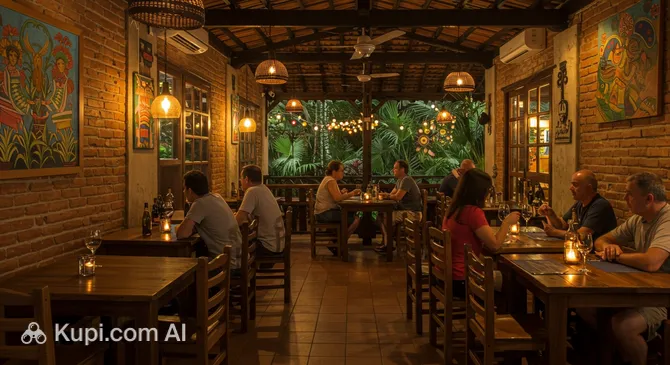
Gastronomy is an integral part of Prado's nightlife. Many establishments stay open until late at night, offering not only dinner but also an excellent bar menu. For example, Jubiaba Restaurant is famous for its seafood dishes and cozy atmosphere that invites long stays. If you are looking for a place with exquisite cuisine and a relaxed atmosphere for a romantic evening, pay attention to Mangata Gastronomia, where you can enjoy signature cocktails.

Jubiabá Restaurant. Illustration.
Source: Kupi.com AI

Traveler photos:

Atmosphere and Dress Code. Complete democracy reigns in Prado. You won't need evening dresses or suits; "casual" style or even beachwear (shorts, sundresses, sandals) is absolutely appropriate here at any time of day. The crowd is very friendly and open, so making new acquaintances at the next table is as easy as can be.

Practical Tips:

  • Time: Life on the streets begins to buzz after 8:00 PM. The peak of the fun occurs between 9:00 PM and midnight. Most establishments close around 1:00 AM–2:00 AM.
  • Prices: The average bill in bars and restaurants is quite affordable. A caipirinha cocktail can cost from 15 to 25 reais, and dinner for two with drinks is about 100–150 reais.
  • Safety: The Beco das Garrafas area and the central square are considered safe for night walks as they are always crowded. However, avoid dark and deserted alleys outside the tourist center.
  • Transport: If your hotel is far from the center, it's better to use a taxi or mototaxi to get home at night. Agree on the price in advance or ask restaurant staff to call a car.

As for daytime entertainment, Prado cannot boast of large theaters, museums, or amusement parks. Nature replaces cultural leisure here. During the day, tourists head to magnificent beaches such as Coqueiral Beach or take boat trips to the reefs. The main "performance" during the season (from July to November) is whale watching in the ocean, which gives emotions comparable to the best shows in the world.

Parks & Museums

Prado is a city where the boundaries between the urban environment and wild nature are practically erased. You won't find classic fenced city parks with paved paths or huge museum complexes here. The main "museum" here is the region's rich history, captured in architecture and traditions, and the best "parks" are the protected forests and endless beaches that surround this cozy corner of the state of Bahia.

One of the main natural treasures in the area is the Discovery National Park (Parque Nacional do Descobrimento). This reserve protects one of the last large areas of Atlantic Forest in the south of the state. For tourists, it's a unique opportunity to see Brazil's nature as it was 500 years ago. Rare species of birds and animals live here, and the dense tropical vegetation creates a sense of complete immersion in the jungle. It is an ideal place for ecotourism and wildlife watching.

Another important green zone available directly within the city limits is the picturesque Coqueiral Beach. Although technically a beach, its name ("Coconut Grove") speaks for itself. Thousands of palm trees create a natural shaded park on the ocean shore, where you can hide from the sun and enjoy the rustle of the leaves. This place combines the beauty of a botanical garden with the relaxed atmosphere of a seaside resort.

Coqueiral Beach. Illustration.
Source: Kupi.com AI

Traveler photos:

If we talk about cultural heritage, the role of an open-air museum is played by the historic center of the city and the famous alley Beco das Garrafas. There are no display cases here, but every facade of a house decorated with flowers and the art of local craftsmen tells the story of the city. Small art galleries and craft shops are concentrated here, where you can get acquainted with the work of modern Bahian artists.

Architecturally, the main historical monument remains the Church of Matriz de Nossa Senhora da Purificação. Built in the 18th century, it preserves the spirit of the colonial era within its walls. The church's interior, including ancient altars and paintings, represents significant artistic and historical value, allowing one to touch the religious traditions of the first settlers.

For those seeking a deep immersion in history, a real discovery will be a trip to the Monte Pascoal National Park, located nearby. It was this mountain that Portuguese navigators first saw in 1500. Indigenous Pataxó people live at the foot of the mountain and in its vicinity. Visiting their cultural centers and reservations is a unique ethnographic experience that replaces any local history museum.

Insider Tip: Be sure to visit the Guaratiba area during low tide. It's not just a beach, but a real natural aquarium. A boat trip to the reefs will allow you to see marine life in its natural habitat, which will provide impressions that exceed a visit to any oceanarium.

Getting Around

The public transport system in Prado matches the measured pace of life in this small resort town. Since distances here are small and the population is less than 30,000 people, the transport network is fairly simple and limited. There are no subways, trams, or trolleybuses here. The main ways to get around for locals and tourists remain buses, taxis, mototaxis, and personal or rented vehicles.

Municipal buses are the most budget-friendly way to reach remote areas or neighboring beaches. The route network is not very extensive and mainly connects the city center with residential neighborhoods and popular coastal zones like Guaratiba. Buses run on a schedule, but intervals between them can be quite long, especially on weekends. The vehicles themselves are generally simple, without air conditioning, which should be considered in hot weather.

Fare payment in public transport is made primarily in cash. On buses, money is handed to the conductor or driver upon entry; turnstiles or validators for electronic cards are rare and more often used by locals with passes. The fare is fixed and low. Tourists are strongly advised to have small bills and coins, as there may not be change for large banknotes.

The most popular and convenient alternative to buses are mototaxis (mototáxi). This is a fast and inexpensive way to travel, typical for many cities in the region. Drivers in vests wait for passengers at special stands in the city center. A ride with the wind is cheaper than a regular taxi but requires following safety measures: always demand and wear a helmet. It's better to agree on the price in advance, before boarding.

Classic taxis are also available and operate 24/7. Cars can be found at stands (ponto de táxi) near the main squares and the bus station. Popular international ride-hailing apps may work inconsistently here or with long wait times due to the small number of drivers connected to the system. It's often more reliable to ask the reception at your hotel or a restaurant to call a car. Credit cards are increasingly accepted in taxis, but it's worth checking before the ride starts.

For those who want complete freedom of movement, a great option is to rent a car or a buggy. This will allow you to independently explore the entire coast, reaching the most secluded beaches and cliffs where public transport does not go. Bicycle rental is also popular in the city: the flat terrain and scenic views make cycling a pleasant leisure activity, allowing you to combine sightseeing with light physical activity.

Accommodation

Where to stay:

The hospitality sector in Prado harmoniously fits into the city's overall slow pace. Here, you won't see huge multi-story complexes or faceless hotel giants. The backbone of accommodation consists of cozy pousadas—traditional Brazilian guest houses. Choices range from simple and budget options managed by local families to exquisite boutique hotels with swimming pools, tropical gardens, and high levels of service. Renting private houses and apartments is also gaining popularity, which is particularly convenient for long stays or trips with large groups.

When choosing an area, you should start from the goals of your trip. The city center is an excellent choice for those who want to be within walking distance of restaurants, shops, and nightlife, particularly the famous alley with bars. If your priority is the sound of the surf and seclusion, pay attention to the Novo Prado area and coastal zones. Here, hotels are often surrounded by greenery, just a few minutes' walk from the beach, offering guests peace and quiet.

Pricing policy in Prado is more affordable than in many neighboring upscale resorts, however, the cost of accommodation depends heavily on the season. The highest prices and full occupancy are observed during the Brazilian summer (from December to February), as well as during Carnival and New Year. During these times, accommodation must be booked in advance, preferably several months ahead. In the low season, you can find excellent options with discounts. For booking, it is convenient to use both large international online platforms and direct communication with pousada owners, which is very common in Brazil.

Nearby Cities

For those who want to explore the surroundings, Prado serves as an excellent starting point for day trips to several interesting nearby places:

One of the most attractive destinations is the city of Porto Seguro, located about 100 km to the north. This is the place where modern Brazil's history began, famous for its colonial center, vibrant nightlife on the waterfront, and endless beaches. If you are looking for a more relaxed atmosphere and communion with nature, consider Nova Viçosa. This coastal town offers excellent conditions for beach holidays and is famous for its seafood. For those interested in urban infrastructure and shopping, a trip to Teixeira de Freitas—the region's major commercial center—is suitable.

CityPopulationDistance
Alcobaca23 28222 km
Caravelas22 54844 km
Itamaraju67 24947 km
Teixeira de Freitas157 80459 km
Nova Vicosa43 21665 km

These nearby destinations provide an insight into the region's diverse culture and landscapes, complementing the holiday experience in Prado.

Shopping & Souvenirs

Shopping:

Shopping in Prado is not about chasing global brands or visiting giant malls, but rather a pleasant addition to a relaxed beach holiday. The city offers tourists the chance to immerse themselves in the local atmosphere, where purchases are made leisurely, often accompanied by a friendly conversation with the seller. The main assortment here consists of handmade items, beach fashion, and gastronomic souvenirs reflecting the rich culture of the state of Bahia.

The city's commercial life is centered mainly in the historical center. The main focal point for evening strolls and shopping is the famous Beco das Garrafas alley. During the day it is quite quiet, but closer to sunset, numerous souvenir shops, small boutiques with designer clothes, and artisan stalls open up. It is an ideal place to look for unique jewelry, summer outfits, or decorative items while walking along the city's most colorful street.

Beco das Garrafas. Illustration.
Source: Kupi.com AI

Traveler photos:

There are no large shopping centers in the conventional sense in Prado. Fans of large-scale shopping will have to go to the neighboring city of Teixeira de Freitas. In Prado itself, trade is conducted in the form of small galleries (galerias) and street shops. However, this is compensated for by the presence of colorful markets. It is definitely worth visiting the Municipal Market (Mercado Municipal), where locals buy fresh fish, tropical fruits, spices, and homemade preserves. This is the best place to feel the true taste of the region.

The choice of souvenirs here is closely linked to culture and nature. Special attention should be paid to the products of the Pataxó people living in this region: jewelry made of seeds, wood, and feathers, as well as traditional ceramics. Gastronomic gifts are also popular: bottles of real palm oil (dendê), spicy sauces made from local peppers, cachaça (Brazilian sugarcane alcohol), and coconut sweets. A great purchase would be high-quality beachwear—bikinis and bright pareos (cangas), which are sold at every turn.

Shops in Prado usually operate from 9:00 AM to 6:00 PM or 7:00 PM, with a lunch break that can last a couple of hours during the hottest time of the day. On Saturday, many shops close after midday, and Sunday is the traditional day off, with the exception of souvenir points in tourist zones, which may work until late evening. Bank cards are accepted almost everywhere, but for purchases at markets or from street artisans, it's better to have cash reais on hand.

The Tax Free system is not common in small resort towns in Brazil like Prado. Tourists should not expect to receive forms for VAT refunds, as local trade is oriented toward the domestic market and small businesses.

Reached the end of the page?

That means the route is fully explored