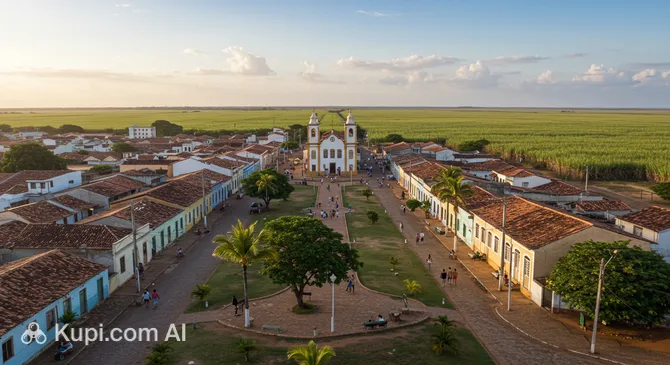
Located in the northeastern part of Brazil, Paulista is a dynamic municipality in the state of Pernambuco. As part of the Recife metropolitan area, this city combines the features of a major industrial center with those of a cozy residential suburb. It is home to over 340,000 people, making it one of the most populous and significant economic hubs in the region.
Geographically, Paulista stretches along the Atlantic coast, which largely defines its character. Paulista. Illustration.
Source: Kupi.com AI
Although the city is often perceived as a "bedroom community" for those working in neighboring Recife, it has a character all its own. Modern shopping centers stand alongside traditional markets, and bustling highways lead to tranquil coastal areas.
The interesting history of the city's foundation and development is inextricably linked to the industrial growth of the state. Travelers are primarily drawn to Paulista by its authentic atmosphere of everyday Brazilian life, the opportunity to relax on local beaches like Pau Amarelo, and its convenient location for exploring the historical treasures of Pernambuco. Visiting this city is an excellent way to see modern Brazil beyond the typical tourist postcards.
Weather Overview
The climate in Paulista is typical of the tropical coast of Northeast Brazil: eternal summer with high humidity reigns here. The average annual temperature fluctuates between 25–28°C, and even in the "coldest" months, the thermometer rarely drops below 22°C. Proximity to the ocean brings a pleasant sea breeze, which somewhat softens the daytime heat.
When planning a trip, it is worth considering the seasonality of rainfall. The period from March to August is considered the rainy season—heavy but often short-lived downpours are possible at this time. The sunniest and driest months fall between September and February. Expect a very warm and sunny summer, which is ideal for a beach holiday; however, do not forget that the tropical weather in Paulista can be changeable.
In general, the city is suitable for visiting at any time of year, but lovers of flawless blue skies should aim for the second half of the year. It is important to remember the high solar activity: even on cloudy days, using protective cream is a mandatory rule for a comfortable stay outdoors.
Average monthly temperature
Average monthly precipitation
Interesting Facts
The population of Paulista is showing rapid growth: according to the 2022 census, the number of residents increased by more than 40,000 compared to 2010, reaching 342,167 people.
The city covers an area of about 97 square kilometers, with the population density in urban neighborhoods exceeding 3,500 people per square kilometer, indicating dense urbanization.
Paulista is an important communication hub: the city's area code is +55 81, and postal codes in this area begin with the digits 53400.
The municipality stands out for its young population: more than 32,000 children under the age of 7 and about 37,000 teenagers live here, which contributes to the development of educational and sports infrastructure.
The city plays a key role in the economy of the state of Pernambuco, serving not only as a residential area but also as a developing industrial cluster that complements the production capacities of the regional capital.
How to Get There
Transportation to Paulista is made easy by its favorable location within the Recife metropolitan area. The city is connected to the region's main road arteries, making travel here quite simple, although travelers should account for heavy traffic during morning and evening rush hours. You can find more details about routes and travel options on the page how to get to Paulista.
The nearest and main aviation hub is Recife/Guararapes – Gilberto Freyre International Airport (REC). It is located approximately 25–30 kilometers from the city center. This is one of Brazil's largest airports, handling both domestic and international flights. The most convenient way to get from the airport to your destination is by taxi or ride-sharing apps (Uber), and the trip will take about 40–60 minutes depending on traffic.
Classic passenger rail service within the city is unavailable; however, Paulista is integrated into the metropolitan bus system. Regular routes connect the city with Recife's central bus station and neighboring municipalities. For travel between cities in the state, it is convenient to use METROPOLE buses, which run with high frequency.
Station
Passenger traffic
Distance
Cajueiro Seco
3
30 km
2
104 km
1
133 km
Estação Ferroviária de Campina Grande
3
140 km
1
214 km
Main Attractions
While Paulista is primarily known as a residential and industrial hub, there are several locations here that deserve the attention of travelers. The city's main natural asset is Pau Amarelo Beach. This picturesque coastline features warm waters and a gentle slope into the sea, making it popular with both locals and visitors from neighboring Recife.
For those who prefer to combine walks with comfort and shopping, the Paulista Shopping center serves as a major point of attraction. It is the city's largest shopping complex, where you can find products from well-known brands, visit a cinema, or grab a bite at one of the numerous cafes. To experience the true flavor of Northeastern Brazil, it is worth stopping by the Mercado de Paulista—the central market where daily trade bustles and fresh tropical fruits are sold.
History buffs will be interested in seeing the old fortifications that recall the region's colonial past. Although Paulista is being actively developed with modern buildings, you can still find architectural fragments from past centuries harmoniously integrated into the urban landscape. The city offers a quiet and steady pace of relaxation, away from the hustle and bustle of major tourist metropolises.
Local Cuisine
The gastronomy of Paulista is a vibrant reflection of the culinary traditions of the state of Pernambuco, where hearty dishes and rich flavors are prized. One of the main stars of the local table is carne de sol (sun-dried beef), which is usually served with tender macaxeira (boiled or fried cassava). Also, be sure to try baião de dois—a flavorful mix of rice, beans, and coalho cheese that perfectly captures the spirit of the Brazilian Northeast.
The food culture in the city is diverse: from affordable snack bars (lanchonetes) to cozy family restaurants. Those who love baked goods should stop by Forno 9 Artisanal Pizzeria, where they prepare pizza with unique local accents, or visit Regalo Pizzas Janga, which is popular with locals for the quality of its ingredients.
For dessert in Paulista, tapioca—cassava flour pancakes with various sweet and savory fillings—is often offered, along with the famous bolo de rolo (a thin cake roll with guava). These treats are best washed down with ice-cold tropical fruit juice—cashew, acerola, or graviola. In the evenings, it is customary in local bars to order a classic caipirinha or a refreshing Brazilian beer.
Travel Tips
Preparing for your trip to Paulista will help you make your vacation as comfortable and safe as possible. These practical tips from experienced travelers will be a great help in your Brazilian adventure.
Clothing and Essentials: Choose light clothing made from natural fabrics, as heat prevails in the region year-round. Be sure to bring sunscreen, a hat, and repellent—mosquitoes can be active in the evening.
Transport: Use official buses or taxi apps for travel between cities. Uber works reliably here and is considered a safer option for tourists, especially after dark.
Finance: The official currency is the Brazilian real. Cards are accepted almost everywhere, including beach kiosks, but it is better to have cash on hand for markets and small purchases. ATMs often close at 20:00 for security reasons.
Health and Safety: Be vigilant in crowded places and avoid walking in the outskirts (e.g., Maranguape) after sunset. Drink only bottled water and use the services of pharmacies in large shopping centers.
Communication: The main language is Portuguese. English is not widely spoken outside of hotels and large shopping malls. We recommend learning basic phrases: "Bom dia" (Good day), "Obrigado" (Thank you), and downloading an offline translator.
Local Etiquette: Brazilians are very friendly and open. Greetings are often accompanied by a handshake or a light hug. Be polite and smile—it opens many doors.
What to Avoid: Do not display expensive jewelry, cameras, or large sums of money on the street. It is also not recommended to visit remote residential areas without being accompanied by local acquaintances.
Additional Tip: If you plan to use the internet, buy a local SIM card at the Paulista Shopping center—it will be significantly cheaper than roaming.
May your introduction to Paulista be filled with vibrant colors and only positive impressions. Enjoy your trip!
Entertainment & Nightlife
Nightlife in Paulista is quiet and local in nature, reflecting the city's status as a cozy suburb. Most activity after sunset is concentrated around the large shopping centers, which feature modern cinemas, food courts, and entertainment zones for the whole family. On weekends, live music can be heard in some venues, predominantly in the styles of forró or MPB (popular Brazilian music).
Cozy bars where you can spend an evening in casual conversation are popular among locals. One such place is Bar Tia Creusa, known for its homey atmosphere. It is also worth visiting Bar Denis, which attracts fans of cold beer and traditional Brazilian snacks. If you are looking for loud nightclubs or large-scale parties, locals usually recommend heading to neighboring Recife or Olinda, which are no more than 20–30 minutes away.
Daytime entertainment in the city includes visiting sports grounds, walking along the waterfront, and relaxing in local cafes. On football match days, the bars of Paulista are transformed: fans gather around screens, creating the incredible energy typical of football-loving Brazil. This is the best time to feel the true local temperament and passion.
Parks & Museums
The urban landscape of Paulista was shaped by active industrial growth, so there are not as many green zones here as in tourist capitals. Nevertheless, locals value their ecological corners, such as the Parque Ecológico. This place is great for morning jogs, outdoor sports, or quiet walks under the shade of trees, providing a break from the city bustle.
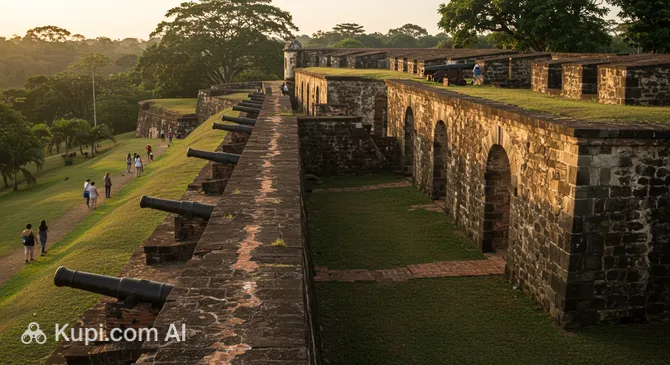
The main historical and architectural landmark of the area is the Fort Nossa Senhora dos Prazeres do Pau Amarelo. This ancient 18th-century fortification, located right by the ocean, recalls the days when the coast was defended against invasions. A visit to the fort is a must for those interested in military history and those who want to enjoy panoramic views of the Atlantic.
Fort of Our Lady of Pleasures of Pau Amarelo. Illustration.
Source: Kupi.com AI
Traveler photos:
Although there are no major art museums within the city itself, the proximity to Recife and Olinda completely compensates for this. Outstanding galleries and world-class cultural centers are just a 20–30 minute drive away. In Paulista itself, cultural life most often manifests as street festivals and craft fairs held in central squares, introducing guests to the region's living heritage.
Getting Around
The public transport system in Paulista is based on an extensive network of bus routes. The city is served by major transport companies such as GREAT and METROPOLE, whose buses connect residential neighborhoods with the center and neighboring cities in the metropolitan area. The main transport flows pass through the PE-015 and BR-101 highways. Headway during the day is usually 10–20 minutes, but it is worth remembering that buses can be overcrowded during peak hours.
Special transport cards are used to pay for fares, which can be topped up at terminals or points of sale, although cash payment to the conductor is still found on many routes. The fare is fixed and quite affordable. The metro does not go directly into Paulista, but bus lines frequently transport passengers to the nearest stations of the Metrorec system in Recife, allowing for quick travel to remote areas of the metropolis.
Taxis and ride-sharing apps like Uber or 99 serve as a convenient alternative to public transport. This is the most comfortable way to get around, especially in the evening or when traveling to Pau Amarelo Beach. For those who prefer complete freedom of movement, car rentals are available, but visitors should be prepared for the specific driving style of local motorists and potential difficulties with parking in densely populated areas.
Accommodation
The hotel infrastructure in Paulista is primarily geared toward business travelers and those planning long-term stays. Since the city is a major residential and industrial hub, there are few classic tourist hotels. The majority of offerings consist of apartments, guest houses (pousadas), and flats available through short-term rental services.
For tourists, the most convenient areas to stay are those located near the coast or major transport arteries, such as the BR-101 highway. This allows for quick access to beach areas or neighboring cultural centers. Housing prices here are usually lower than in the central districts of Recife, starting from 150–200 reais per night depending on the level of comfort.
If you are planning a trip during national holidays or Carnival, it is worth booking accommodation in advance, as demand during these times rises sharply throughout the entire metropolitan area. Look for residential complexes in gated communities—they offer a high level of security and are often equipped with swimming pools and recreation areas, making them an excellent choice for family travelers.
Nearby Cities
Thanks to its location in the heart of coastal Pernambuco, Paulista serves as an excellent starting point for exploring the surroundings. Just a few kilometers away are cities listed as UNESCO World Heritage sites that offer unique cultural experiences. Traveling through the region will allow you to see the contrast between industrial development and Brazil's colonial grandeur.
Only 8 kilometers away is Olinda—one of the most beautiful historical cities in the country. It is famous for its steep hills, colorful houses, and ancient monasteries. In the opposite direction, 13 kilometers away, is the city of Igarassu, home to one of the oldest churches in Brazil. The neighboring city of Abreu e Lima is also suitable for a short trip, known for its industrial potential and natural spots.
Exploring these places will help you better understand the multifaceted culture of the Northeast region. Convenient transport links allow for such excursions within a single day, returning to the cozy atmosphere of Paulista by evening.
Shopping & Souvenirs
Shopping in Paulista is oriented toward everyday needs and offers an honest look at the consumer culture of modern Brazil. The main place for shopping is Paulista Shopping. Dozens of clothing, electronics, and perfume stores are gathered under one roof here, along with a spacious food court. This is a comfortable, air-conditioned place where you can spend several hours choosing goods from both local and international brands.
To find authentic items and fresh produce, head to the Mercado Central Paulista. This is the heart of the city's trade, where you can find exotic fruits, spices, and sweets traditional to Pernambuco. If you are looking for souvenirs, look out for leather goods, woven baskets, and ceramics—these items are often brought to city fairs by artisans from surrounding settlements.
Shops in Paulista usually operate from 9:00 to 18:00–19:00 on weekdays, while shopping centers are open until 22:00. Most places accept international bank cards, but it is better to have some cash reais on hand for markets and small shops. The Tax Free system in Brazil is not well-developed for foreign tourists, so look for the affordable prices of local manufacturers, which often turn out to be very competitive.