Support

Sao Miguel do Araguaia

About

São Miguel do Araguaia is a cozy and picturesque city located in the north of the state of Goiás. For travelers drawn to authentic Brazil away from bustling metropolises, this place will be a true discovery. The city is nestled in the heart of the continent, offering guests a warm tropical climate and plenty of sunny days all year round.

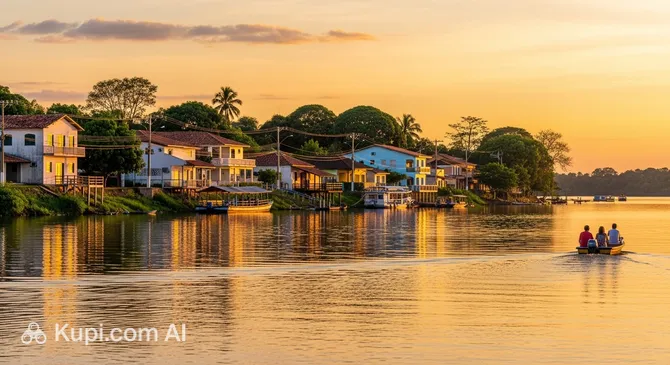
Sao Miguel do Araguaia. Illustration.
Source: Kupi.com AI

Despite its modest size and a population of about 26,000, the city possesses a special charm. The locals are known for their hospitality, and the rhythm of life here is calm and measured. The curious history of São Miguel do Araguaia is closely intertwined with the river on whose banks it stands and the development of the Brazilian hinterland.

The main point of attraction here is the majestic Araguaia River. The city is deservedly called the gateway to this natural wonder. People come here for excellent fishing, exciting boat trips, and the opportunity to observe exotic animals in their natural habitat. Its proximity to nature reserves makes São Miguel do Araguaia an ideal starting point for ecotourism.

If you dream of escaping the city bustle and enjoying untouched nature, be sure to include this corner in your itinerary. Here, you can truly relax and feel in harmony with the surrounding world.

Weather Overview

The climate in São Miguel do Araguaia is typical for the hot tropics: it is warm all year round, and the seasons are clearly divided into dry and wet. The average air temperature stays steadily around +26...+30°C, creating conditions for an eternal summer. The hottest month is considered to be September, when the thermometer can rise to 36.7°C.

When planning your trip, you should consider the distribution of precipitation. The period from May to September is a time of pronounced drought, when rains almost completely cease (in June, July, and August, zero rainy days are recorded). This is an excellent time to visit if you want to avoid humidity; however, nights in the middle of the year can be slightly cooler, with a minimum around +19.8°C in July.

With the arrival of October, humidity increases, and the rainy season begins, lasting roughly until April. In peak months, such as December and January, precipitation can occur almost daily (up to 24–25 wet days per month). More detailed weather in São Miguel do Araguaia by month will help you choose the ideal dates for your visit. Overall, expect a hot dry season and a warm but humid summer with frequent rainfall.

Average monthly temperature

Average monthly precipitation

Interesting Facts

In addition to its famous river and natural beauty, São Miguel do Araguaia possesses a unique flavor shaped by local traditions and a specific way of life. This city, which grew up along the path of early explorers, holds several interesting features that will surprise travelers.

  • The city is deservedly considered one of the key centers for fishing tourism, for which Brazil is famous. The waters of the Araguaia River are home to true freshwater giants, such as the pirarucu and peacock bass, and local guides organize professional safaris to chase these trophies.

  • The cultural life of the region revolves around the annual Fisherman's Festival (Festival do Pescador). This large-scale event combines sports competitions with a gastronomic celebration, concerts, and colorful processions on the waterfront, gathering thousands of guests from all over the country.

  • In the city's surroundings, the traditions of the first settlers remain strong. On old fazendas (farms), you can witness the daily life of real Brazilian cowboys, attend rodeos, and taste dishes prepared according to family recipes preserved since the mid-20th century—the time of the city's founding.

How to Get There

A journey to São Miguel do Araguaia is an opportunity to see the country's true heartland; however, due to the city's remote location, the route requires planning. There are no direct regular flights to the city itself, so the most common way to get here is to fly to one of the large regional centers and then transfer to ground transport.

The nearest major air hub is Santa Genoveva International Airport in the state capital, Goiânia. It is located about 480 km from São Miguel do Araguaia and receives flights from most major cities in Brazil. Another popular option is flying into Brasília International Airport. Although the nation's capital is further away, this airport serves as a major hub and offers more connection options. You can explore all ways to get to the city in more detail before your trip.

There is no passenger rail service in this region, so the main mode of transport remains the automobile. Intercity buses run regularly from Goiânia to São Miguel do Araguaia; the trip usually takes about 8–9 hours. Many tourists also prefer to rent a car at their arrival airport to drive the route themselves along the scenic highways of Goiás.

Main Attractions

The region's main treasure and the primary reason for tourist visits is the majestic Araguaia River. It is not just a body of water, but the center of city life. During the dry season, which usually lasts from June to September, the water level drops, exposing kilometers of white sandy beaches. During this time, the river transforms into a vast open-air resort where you can swim, sunbathe, and have picnics while enjoying the incredible sunsets for which this region is famous.

An important tourist spot is the Luiz Alves district, located directly on the riverbank, about 45 km from the city center. It is a true paradise for fishing enthusiasts and boat trip lovers. Most boat excursions start from here. The infrastructure is well-developed: there are piers, small hotels, and restaurants serving the freshest fish caught in local waters.

Due to its location, São Miguel do Araguaia serves as a convenient gateway to the famous Bananal Island (Ilha do Bananal)—the largest river island in the world. Although technically most of it belongs to the neighboring state, access to its southern part and protected zones is often facilitated through local waters. A boat trip here allows you to see untouched nature, observe waterfowl, caimans, and perhaps even encounter river dolphins.

Local Cuisine

The gastronomy of São Miguel do Araguaia is a bright reflection of the region's generous nature and the culinary traditions of the state of Goiás. Local cuisine is famous for its authenticity and the use of the freshest ingredients. Since the city sits on the banks of a great river, fish forms the basis of the menu, and for many travelers, discovering local dishes becomes one of the highlights of the trip.

The main delicacies that are a must-try include tucunaré (peacock bass), grilled to perfection, and fried fillets of the giant pirarucu. Fans of soups will enjoy caldeirada—a thick and aromatic fish soup with vegetables and spices. Manioc is served with almost every meal: it can be in the form of crispy chips or a hearty mash that perfectly complements the taste of the fish.

Street food in the city is simple but incredibly appetizing. On every corner, you can find vendors of fragrant meat skewers and corn cakes. Special attention should be paid to local markets, where they sell traditional cheese and a variety of sweets based on guava and cane sugar. This is a great opportunity to get to know the flavors that Brazil is proud of.

To refresh on a hot day, locals choose natural drinks. Be sure to order a thick and nutritious acai berry juice or try an iced mate, which is perfectly invigorating. If you are lucky enough to be here in the summer, you might catch a gastronomic festival where chefs compete in the art of cooking fish, turning food into a true cultural celebration.

Travel Tips

Welcome to São Miguel do Araguaia! To ensure your journey to the banks of one of the country's most picturesque rivers is as comfortable and carefree as possible, we have prepared a list of useful recommendations to help you plan your trip to this colorful corner effectively.

  1. Clothing and Protection. Given the hot tropical climate, opt for light, "breathable" clothing made from natural fabrics such as cotton or linen. Be sure to bring a hat, high-quality sunglasses, and sunscreen with a high SPF. Since the city and tourist bases are near water, it is critically important to have a powerful insect repellent, especially if you plan on evening walks or fishing.
  2. Transport. Within the city, public transport is poorly developed, but distances are short, so it is convenient to move around on foot or use mototaxis, which are very popular and cheap here. For trips to the river (Luiz Alves district) or remote beaches, it is better to rent a car or arrange a transfer with local guides in advance, as regular buses run there infrequently.
  3. Finances. The local currency is the Brazilian Real. While hotels and large supermarkets accept cards, you will definitely need cash to pay for boats, guide services, small souvenirs, and food at street markets. Withdraw money in advance in large cities or use the ATMs in the center (Banco do Brasil, Bradesco), but be prepared for possible withdrawal limits or a lack of cash on weekends.
  4. Health and Safety. São Miguel do Araguaia is a calm and safe city; however, you should observe basic precautions and not leave valuables unattended on beaches. Pharmacies are located in the city center, but there may not be 24-hour ones, so pack a personal first-aid kit. Drink only bottled water to avoid acclimatization issues.
  5. Communication and Language. The main language of communication is Portuguese; few people know English here, even in the tourism sector. We recommend downloading an offline translator and learning a few polite phrases. Wi-Fi is available in most hotels, but mobile internet can be unstable in remote areas by the river. It is better to buy a local SIM card (e.g., Vivo or Claro) upon arrival in Brazil.
  6. Local Etiquette. Residents of the state of Goiás are known for their exceptional hospitality and simplicity. It is customary to say hello when entering small shops or an elevator ("Bom dia" — good day). Communication here is informal; don't be surprised if locals are the first to strike up a conversation on the street. Respond with a smile—it is the best way to show respect.
  7. What to Avoid. Do not swim in the Araguaia River in unequipped or wild spots, especially at dusk: this is the habitat of stingrays and caimans. Listen carefully to the instructions of guides and boatmen. Also, strictly avoid leaving trash on the sandy beaches—the river's ecology is sacred to the locals.
  8. Seasonal Tip. If you plan a trip in July (peak tourist season and school holidays), book your accommodation and boats several months in advance. At this time, the city is overflowing with tourists, and finding a vacancy upon arrival will be extremely difficult, while prices may double.

We hope these practical tips help you avoid minor troubles and focus on the main thing—enjoying the unique nature and atmosphere of the Brazilian hinterland. May your adventure in São Miguel do Araguaia bring only bright emotions and a great catch!

Entertainment & Nightlife

Nightlife in São Miguel do Araguaia is fundamentally different from that of noisy metropolises. Here, you won't find pretentious nightclubs with face control or neon signs reaching the sky. Evening leisure in this city is imbued with the atmosphere of the Brazilian "interior" (hinterland): it is soulful, musical, and inextricably linked to the culture of the state of Goiás. The main fun begins after sunset, when the daytime heat subsides, and locals head out to the streets to socialize and listen to music.

The epicenter of nocturnal activity, especially during the tourist season, is the Luiz Alves district on the riverbank. In the evening, the waterfront comes alive: numerous open-air bars and restaurants open their doors. Tourists and fishermen gather here to discuss the day's catch, drink ice-cold beer, and enjoy the fresh river breeze. In July, at the height of the season, parties move directly onto the sandy beaches of the Araguaia River, where luaus (beach parties) are held with bonfires and live music until dawn.

In the city center, life revolves around the main plazas and central avenues. The musical backdrop of the evening is almost always sertanejo (Brazilian country music). Live performances by local duos can be found in many establishments. The crowd here is very democratic, and the dress code is as relaxed as possible: shorts, t-shirts, and sandals are the most appropriate attire. People come not to show off, but to have a good time in the company of friends.

Among the specific places to feel the local flavor, the following are worth highlighting:

  • Luiz Alves Port Area — home to simple but atmospheric bars overlooking the river, serving the best fish snacks.
  • Central Market (Feira Coberta) — on evenings and weekends, this place often turns into a gastronomic and social hub where you can eat and drink affordably in the boisterous company of locals.
  • Street "espetinhos" — this is not one specific venue, but a whole cultural layer. Small stalls with plastic tables on the sidewalks, grilling meat skewers, are scattered throughout the city and stay open late.

Practical tips: The busiest time is from Thursday to Saturday after 8:00 PM. Prices in establishments are very affordable compared to large cities. In terms of safety, São Miguel do Araguaia is a calm city, and walking at night in crowded places is safe. However, when returning late, it is better to use a mototaxi (the most popular transport) or arrange a transfer in advance if you are staying far from the center.

As for daytime entertainment, it is more contemplative here. The cultural program might include visiting small local churches or strolling through green zones. However, the city's main "theater" remains nature: daytime boat trips and wildlife watching replace museum visits for tourists.

Parks & Museums

São Miguel do Araguaia is a city where the boundaries between urbanism and wild nature are practically blurred. You won't find classic museum districts or fenced botanical gardens in the traditional sense here. The main exhibition halls are the endless river expanses, and the best "parks" are the natural recreation zones created by the Araguaia River itself. The city's cultural heritage lives not behind glass display cases, but in the architecture of its temples and daily life on the waterfronts.

Green Zones and Nature Parks

Since the city is a gateway to unique ecosystems, the roles of main parks are fulfilled by the coastal territories, which change their appearance depending on the season.

Luiz Alves District
Although technically a district and a port, for tourists and locals it is the primary open-air recreational zone. Luiz Alves is the "green heart" of tourism in the region. Here, among the shady trees on the riverbank, you can observe rare birds and enjoy the cool water. This spot serves as the starting point for all ecological routes, effectively replacing a traditional urban amusement park.

Seasonal Araguaia Beaches
In the dry season (from June to September), the river recedes, revealing wide stretches of white sand. These temporary formations turn into massive natural parks. There are no fences or opening hours: you can walk along the dunes, have picnics, and watch the famous river dolphins. This is a unique natural phenomenon that Brazil carefully protects as part of its ecological wealth.

Culture and Architecture

Cultural life in São Miguel do Araguaia is centered around religious and social hubs that tell the story of the city's founding and the faith of its residents.

Church of Saint Michael the Archangel (Paróquia São Miguel Arcanjo)
This Catholic church is the main architectural landmark and spiritual center of the city. The building features simple but expressive architecture characteristic of religious structures in the Brazilian hinterland. For tourists, it is an opportunity to touch local traditions, see how the social life of the citizens unfolds, and appreciate the modest beauty of the interior, which invites peaceful reflection.

Ovídio Martins Plaza (Praça Ovídio Martins)
The city's central plaza is a kind of open-air museum where you can observe the modern daily life of its inhabitants. The main city events and holidays take place here. Surrounded by greenery, the plaza serves as a meeting place for generations and preserves the atmosphere of a cozy provincial town where time flows a little slower.

Insider Tip:
Instead of looking for traditional galleries, take a boat to the borders of Bananal Island. Local guides will show you places where ceramics and everyday items of the indigenous peoples who have inhabited these lands for centuries are preserved. This is a true "living museum" of anthropology that cannot be recreated within the walls of a building.

Getting Around

The public transport system in São Miguel do Araguaia is as simple as possible and differs significantly from large metropolises. Due to the city's small size, there is no metro, trams, or even a conventional network of city buses with schedules and route numbers. Most activity is concentrated in the compact center, which is easy to get around on foot, but for trips to outlying districts or the river, you will need alternative modes of travel.

The most popular, fast, and affordable mode of transport is the mototaxi. They are the true "circulatory system" of the city. Drivers are easy to recognize by their special vests (usually bright colors) and numbers on their motorcycles. A trip within the city limits is inexpensive, and it is an ideal option for solo travelers. A helmet is always provided to the passenger. You can find mototaxi stands at central intersections or ask the hotel reception to call a driver for you.

Classic car taxis are also present in the city, but they mostly work on call or from fixed stands (pontos de táxi) near the bus station and main plazas. Common international ride-hailing apps may work inconsistently here or find no cars at all due to the small number of drivers. Locals often use WhatsApp to order rides from trusted taxi drivers, so we recommend getting a driver's contact info after your first successful trip.

To connect the city with the tourist district of Luiz Alves (a port on the Araguaia River, 45 km from the center), private minibuses and shared taxis operate. They often do not have a strict schedule: they depart when full or at specific hours in the morning and evening. It is best to inquire about the departure point and time in advance from locals or at your hotel. This is the only type of "bus" service relevant for a tourist within the municipality.

The payment system here is conservative. Only cash (Brazilian Reals) is in use. No transport cards, travel passes, or turnstiles exist in São Miguel do Araguaia. Taxi and mototaxi drivers often do not have change for large bills, so it is highly recommended to always carry small change. In rare cases, private drivers might accept a transfer via the Pix system, but for this, you will need a local banking app and internet access.

As an alternative, many tourists prefer renting a car. This is the most comfortable way if you plan to travel frequently between the city and the river or explore the surroundings independently. Rental points are available both in the city itself and at the arrival airports (Goiânia or Brasília). Bicycle rental is poorly developed in the city and is more recreational than functional; you might find a bike only at certain hotels.

Accommodation

The hospitality infrastructure in São Miguel do Araguaia is entirely geared toward the region's specialties: fishing tourism and eco-travel. You won't find five-star chain hotels or world-class luxury resorts here. Instead, the city offers cozy and functional accommodation options, which are divided into two main categories: city hotels for transit and colorful lodges on the riverbank for full immersion in nature.

The choice of where to stay depends directly on the goals of your trip. If proximity to shops, banks, and the bus station is important, you should stay in the city center. This is where classic mid-range and budget guest houses (pousadas) are located. They offer basic comfort: clean rooms with air conditioning, breakfast, and Wi-Fi. This is a convenient option for those on business or planning a short stop before heading to the river.

For tourists visiting for fishing and beach holidays, the best choice is the Luiz Alves district, located 45 km from the center. This is a resort area directly by the water. Here you will find atmospheric tourist bases and guest houses, many of which have their own piers. Staying here allows you to wake up with a view of the Araguaia River and save travel time to fishing spots. A special type of accommodation in this area is floating hotels (barcos-hotéis), which offer multi-day tours with accommodation right on the water.

Booking Tips:

  • Seasonality: It is critically important to book accommodation in advance (2–3 months) if you plan to visit in July. This is the peak tourist season and school holidays, when the region's population practically doubles due to visitors, and finding a free room on the spot is nearly impossible.
  • Booking Methods: Many small hotels and lodges in São Miguel do Araguaia are not listed on major international aggregators. The most reliable way to book a room is to find the establishment's contact information online and get in touch directly via WhatsApp or by phone.
  • Prices: The price range varies from budget to mid-range. City hotels are usually quite affordable. However, specialized fishing lodges and package tours on floating hotels can be significantly more expensive, as they often include meals, boat rentals, and guide services.

Nearby Cities

For those who want to explore the surrounding area, São Miguel do Araguaia serves as an excellent starting point for day trips. Here are a few interesting places nearby that are worth a visit:

Porangatu — the nearest major settlement, located to the south along the main highway. The city is known for its picturesque Lagoon Grande (Lagoa Grande), which is a favorite recreation spot for locals. Here you can stroll along the landscaped waterfront, play sports, or simply enjoy the sunset by the water. Porangatu is considered an important commercial hub for the north of the state.

Niquelândia — one of the oldest settlements in the state of Goiás, attracting tourists not only with its history but also its nature. The main point of attraction nearby is the giant Serra da Mesa reservoir. This is a popular destination for those seeking variety in fishing or wanting to engage in water sports surrounded by beautiful cerrado landscapes.

Gurupi — this city is located in the neighboring state of Tocantins and bears the title of "Friendship Capital." Gurupi stands out with its developed urban infrastructure, parks, and wide avenues. A trip here will be interesting for those who want to get acquainted with the culture of the neighboring region and experience the dynamic rhythm of life in one of central Brazil's key cities.

CityPopulationDistance
Nova Crixas11 92793 km
Porangatu42 355112 km
Mara Rosa10 649135 km
Santa Terezinha de Goias10 302138 km
Crixás15 760141 km

These nearby destinations allow you to get a sense of the diverse culture and landscapes of the region, making your journey through the central part of the country even more enriching.

Shopping & Souvenirs

General Overview

Shopping in São Miguel do Araguaia is utilitarian and authentic, fully reflecting the city's role as a gateway to the world of wild nature. Do not look for luxury boutiques or fashion outlets of international brands here. Trade in the city is primarily oriented toward the needs of local residents and traveling fishermen. Nevertheless, a stroll through local shops can be a pleasant addition to your holiday, allowing you to purchase unique regional goods and everything necessary for a comfortable stay on the river.

Main Shopping Districts and Streets

The city's commercial life is concentrated in its central part (Centro). Major shops, pharmacies, and service centers are located along central avenues, such as Avenida Goiás. This is the city's bustling artery, where you can find almost everything from beachwear and shoes to specialized gear. The trade format here is traditional for the Brazilian hinterland—small private shops opening onto the street, where owners often know their customers by sight.

Shopping Centers

There are no large malls or entertainment complexes in São Miguel do Araguaia. Instead, there are small shopping galleries and department stores offering a basic range of goods. If you need to buy groceries, cosmetics, or household items, it is best to head to the local supermarkets, which are the largest retail points in the city.

Markets

The true heart of local commerce is the Central Market (Feira Coberta). This place is a must-visit for those who want to feel the flavor of the region. Here, farmers sell the freshest fruits, vegetables, homemade cheese, and meat. The market also serves as a platform for local artisans: you can find simple but soulful handmade items here. On weekends, the market turns into a meeting place where you can not only buy something but also sample street food.

Souvenirs

From your trip to São Miguel do Araguaia, it is worth bringing back items that remind you of the river and the traditions of Goiás:

  • Fishing Gear: Since the city is considered a fishing capital, local shops offer an excellent selection of tackle, lures, and equipment, often at very attractive prices.
  • Local Sweets: Try and buy traditional desserts (doces) in jars—made from papaya, pumpkin, figs, or milk.
  • Artisanal Goods: Look for ceramics and wooden crafts often made by artisans inspired by the culture of the indigenous peoples of nearby Bananal Island.

Opening Hours and Payment

Shops are usually open Monday to Friday from 8:00 AM to 6:00 PM, often with a lunch break during the hottest time of day (roughly from 12:00 PM to 2:00 PM). On Saturday, most outlets work on a reduced schedule—until noon (12:00 PM or 1:00 PM). Sunday is a day off for most shops, except for on-call pharmacies and some supermarkets.

The official currency is the Brazilian Real. Supermarkets, hotels, and large shops accept credit cards (Visa, Mastercard) without issues. However, for purchases at the market, in small kiosks, or souvenir stalls, you will definitely need cash.

Tax Free

The Tax-Free refund system does not operate in São Miguel do Araguaia. This service is generally rare in the Brazilian hinterland and is primarily available in large shopping centers in metropolises or international airports, so you should not count on a VAT refund for purchases here.
Nearby cities

Reached the end of the page?

That means the route is fully explored